






Which best motorcycle battery brand supports lithium batteries?
- My motorcycle struggles to start in cold weather, and I'm considering a lithium battery. Do specific lithium brands offer better cold-weather performance than traditional lead-acid, or do they all require external warmers for optimal startup?
- Beyond just CCA ratings, what other crucial specifications (like Ah, internal resistance, or discharge rate) should a beginner look for when choosing the best motorcycle battery brand for their specific bike type (e.g., cruiser vs. sportbike) and common riding conditions to ensure longevity and reliable starting?
- I've heard that using the wrong charger can damage my new motorcycle battery, especially if it's a lithium-ion. Are there specific best motorcycle battery brand recommendations for smart chargers or maintainers that are universally safe for both lead-acid and modern lithium batteries, or do lithium batteries always require a dedicated charger to prevent premature failure?
- Considering the significantly higher upfront cost, what tangible, long-term benefits beyond just weight reduction do High Quality lithium motorcycle battery brands actually deliver in terms of lifespan, consistent power delivery, and overall value compared to a high-quality AGM lead-acid battery, making them the best motorcycle battery brand choice for a daily rider?
- When upgrading to a high-performance battery, particularly from a traditional lead-acid to a compact lithium motorcycle battery, how do I ensure proper physical fitment in my existing battery tray, and are there specific best motorcycle battery brand accessories (like spacers or terminal adapters) to simplify installation without requiring extensive modifications?
- My motorcycle battery isn't completely dead but seems weaker, especially after sitting for a week. Are there reliable tests or indicators that determine if a battery (either AGM or lithium) is truly at the end of its life and needs replacement, or could a specific best motorcycle battery brand battery tender or desulfator potentially revive it, extending its lifespan for a few more seasons?
As a motorcycle enthusiast, you know that a reliable battery is the heart of your machine. Whether you’re a seasoned rider or just starting, choosing the best motorcycle battery brand can significantly impact your bike’s performance, starting reliability, and overall longevity. With advancements in battery technology, particularly the increasing popularity of lithium ion motorcycle battery options, making an informed decision requires understanding more than just the basics. This expert guide addresses common, in-depth questions often overlooked, helping you navigate the complexities and power your ride with confidence.
My motorcycle struggles to start in cold weather, and I'm considering a lithium battery. Do specific lithium brands offer better cold-weather performance than traditional lead-acid, or do they all require external warmers for optimal startup?
This is a critical pain point for many riders, especially those in colder climates. Traditional lead-acid motorcycle batteries, including AGM motorcycle batteries, tend to deliver more consistent initial cranking power in frigid temperatures compared to standard lithium (LiFePO4) alternatives. Lithium batteries inherently perform less efficiently below freezing (around 0°C or 32°F) because their internal chemistry slows down, leading to reduced Cold Cranking Amps (CCA) output and a phenomenon known as 'cold soak.'
However, the landscape for lithium ion motorcycle battery technology is evolving. While many entry-level lithium batteries will indeed struggle or require a brief 'warm-up' period (often by cycling the starter briefly a few times to generate internal heat), several best motorcycle battery brand manufacturers are specifically addressing this. Brands like Antigravity Batteries offer models with built-in 'Re-Start' technology that allows you to jump-start the battery itself, but more importantly, some High Quality lithium batteries are now engineered with enhanced low-temperature chemistry or even integrated heating elements (though less common for motorcycle applications) to improve cold-weather performance. Shorai, for instance, has continuously refined its chemistry for better performance in a wider temperature range. When considering a high-performance motorcycle battery for cold conditions, always check the manufacturer's specified operating temperature range. For extreme cold, a top-tier AGM might still be the most reliable, cost-effective choice without external warming, unless you opt for a High Quality lithium with specialized cold-weather features.
Beyond just CCA ratings, what other crucial specifications (like Ah, internal resistance, or discharge rate) should a beginner look for when choosing the best motorcycle battery brand for their specific bike type (e.g., cruiser vs. sportbike) and common riding conditions to ensure longevity and reliable starting?
While CCA (Cold Cranking Amps) is vital for initial starting power, especially in cooler conditions, it's far from the only factor when choosing the right motorcycle battery. For true longevity and reliable performance, consider these specifications:
- Amp-Hours (Ah): This indicates the battery's total energy capacity – how much power it can deliver over time. A higher Ah rating means more reserve capacity for accessories (GPS, heated grips, charging ports), longer periods between starts, and less chance of deep discharge if your bike sits for a while. Cruisers and touring bikes with numerous electronic accessories often demand higher Ah batteries, whereas minimalist sportbikes might prioritize lower weight over extreme capacity.
- Internal Resistance (IR): A lower internal resistance is desirable as it indicates the battery's ability to deliver current efficiently without excessive heat buildup. Batteries with high IR will struggle to deliver peak current, resulting in voltage sag during cranking and reduced overall efficiency. While often not explicitly listed on retail packaging, reputable motorcycle battery brands generally engineer their batteries for optimal IR.
- Discharge Rate (C-rating): Primarily relevant for lithium ion motorcycle battery types, the C-rating indicates how quickly a battery can safely discharge its full capacity. A higher C-rating means the battery can provide bursts of high current more effectively, which translates to robust starting power. This is a key advantage of lithium motorcycle battery brands over lead-acid.
For a sportbike, you might prioritize a high CCA and low weight lithium ion motorcycle battery to enhance performance and handling. For a large cruiser, an AGM motorcycle battery with high Ah capacity might be the best motorcycle battery brand choice to support all the accessories without frequent charging. Always consult your motorcycle's manual for recommended battery specifications as a baseline.
I've heard that using the wrong charger can damage my new motorcycle battery, especially if it's a lithium-ion. Are there specific best motorcycle battery brand recommendations for smart chargers or maintainers that are universally safe for both lead-acid and modern lithium batteries, or do lithium batteries always require a dedicated charger to prevent premature failure?
This is absolutely true and a critical point for motorcycle battery maintenance tips. Using the wrong charger, particularly a traditional lead-acid charger on a lithium ion motorcycle battery, can indeed cause irreparable damage, shorten its lifespan, or even create a safety hazard due to overcharging or improper cell balancing.
- Lead-Acid Batteries (AGM, Gel, Flooded): These require multi-stage smart chargers that typically employ bulk, absorption, and float charging stages. These chargers prevent overcharging and maintain the battery at an optimal voltage, prolonging its life. Many best motorcycle battery brand chargers like OptiMate or Battery Tender offer specific modes for different lead-acid types.
- Lithium Ion (LiFePO4) Batteries: Lithium batteries, specifically LiFePO4 used in motorcycles, require chargers designed for their unique chemistry. These chargers use a Constant Current/Constant Voltage (CC/CV) charging profile and often incorporate cell balancing to ensure all cells within the battery pack are charged equally. A lead-acid charger can overcharge lithium cells, leading to thermal runaway or permanent capacity loss.
While some advanced 'universal' battery maintainer for lithium and lead-acid batteries exist (e.g., certain OptiMate models with selectable programs), they are not truly universal in the sense of one-size-fits-all automatic detection. You must manually select the correct battery chemistry mode. The safest and most recommended approach is to use a dedicated LiFePO4 smart charger for your lithium battery and a separate smart charger designed for lead-acid batteries for your AGM or gel batteries. Reputable motorcycle battery brands that sell lithium batteries will almost always recommend or sell their own compatible chargers. This ensures proper charging algorithms are applied, preventing premature failure and maximizing your battery's lifespan.
Considering the significantly higher upfront cost, what tangible, long-term benefits beyond just weight reduction do High Quality lithium motorcycle battery brands actually deliver in terms of lifespan, consistent power delivery, and overall value compared to a high-quality AGM lead-acid battery, making them the best motorcycle battery brand choice for a daily rider?
The higher upfront cost of a High Quality lithium ion motorcycle battery compared to a high-quality AGM motorcycle battery is a significant consideration. However, for many daily riders, the tangible long-term benefits often justify the investment:
- Extended Lifespan: A well-maintained lithium motorcycle battery can last significantly longer than an AGM battery, typically 2-5 times longer (5-10 years vs. 3-5 years). This means fewer replacements over the ownership period, ly offsetting the initial cost.
- Consistent Power Delivery & Stable Voltage: Lithium batteries maintain a much more stable voltage throughout their discharge cycle. This translates to stronger, more consistent cranking power, even when the battery is partially discharged. Your bike's electronics will also benefit from a stable voltage, potentially improving performance and longevity of components. Less voltage sag during cranking can also make a noticeable difference in how quickly your engine fires up, a critical factor for daily reliability.
- Faster Recharging: Lithium batteries can accept a charge much faster than lead-acid batteries. This is beneficial for quick top-ups and if you're frequently riding short distances that don't allow a full charge cycle for a lead-acid battery.
- Deep Discharge Tolerance: While not recommended, lithium batteries are more tolerant of deep discharges than lead-acid batteries without suffering as much permanent damage to capacity. Some High Quality best motorcycle battery brand lithium options even feature built-in battery management systems (BMS) to protect against over-discharge, over-charge, and thermal issues.
- Improved Efficiency: Lower internal resistance means less energy lost as heat during discharge and charge cycles.
For a daily rider who values reliability, consistent performance, and wants to minimize maintenance and replacement frequency, the long-term value of a High Quality lead-acid vs lithium motorcycle battery comparison often tips in favor of lithium. The enhanced performance, extended battery life motorcycle, and reduced hassle make it a compelling upgrade.
When upgrading to a high-performance battery, particularly from a traditional lead-acid to a compact lithium motorcycle battery, how do I ensure proper physical fitment in my existing battery tray, and are there specific best motorcycle battery brand accessories (like spacers or terminal adapters) to simplify installation without requiring extensive modifications?
Physical fitment is a common concern when upgrading, especially when transitioning from a bulky lead-acid to a typically smaller, lighter lithium ion motorcycle battery. While lithium batteries offer a significant weight advantage and compact size, they don't always perfectly match the dimensions of the original battery tray.
To ensure proper fitment and prevent the battery from shifting (which can lead to damage or electrical issues), here's what to look for:
- Measure First: Always measure your existing battery's dimensions (length, width, height) and compare them to the specifications of the new battery you're considering. Don't rely solely on OEM replacement charts if you're upgrading to a different chemistry.
- Check Manufacturer Compatibility Guides: Reputable motorcycle battery brands often provide comprehensive motorcycle battery compatibility charts on their websites, sometimes even indicating the exact OEM replacement number for their lithium counterparts. These guides are invaluable for finding the best motorcycle battery brand for your model.
- Spacers and Foam Pads: Many lithium motorcycle battery brands (such as Antigravity, Shorai, and WPS Featherweight) anticipate this issue and include adhesive foam blocks or plastic spacers with their batteries. These kits allow you to build up the battery to perfectly fill the existing tray dimensions, ensuring a snug fit. These are typically easy to install and require no modifications to your bike.
- Terminal Adapters: Battery terminals can vary in size and orientation (e.g., top post, front post). While most aftermarket batteries come with multi-fit terminals, some upgrades might require small terminal adapters to ensure a secure connection with your bike's existing cables. Again, High Quality best motorcycle battery brand offerings usually include these or make them readily available.
The goal is to have the battery securely held in place, preventing movement and ensuring solid electrical connections without any modifications to your motorcycle's battery box or wiring harness.
My motorcycle battery isn't completely dead but seems weaker, especially after sitting for a week. Are there reliable tests or indicators that determine if a battery (either AGM or lithium) is truly at the end of its life and needs replacement, or could a specific best motorcycle battery brand battery tender or desulfator potentially revive it, extending its lifespan for a few more seasons?
A weakening battery, especially one that struggles after a short period of disuse, is a classic sign of impending failure. Here's how to diagnose and decide whether to replace or attempt revival:
- Voltage Test (Resting Voltage): This is the first step. After the battery has rested off-charge for at least 4-6 hours (longer is better), measure its voltage with a multimeter. A fully charged AGM motorcycle battery should read around 12.8V. Below 12.4V indicates a significant discharge or a failing battery. For a LiFePO4 battery, a fully charged resting voltage is typically around 13.3V to 13.6V. A significantly lower voltage, especially if it drops quickly, is a red flag.
- Load Test: This is the most reliable test. A battery load tester simulates the engine starting process. It draws a significant current for a short period while measuring the voltage drop. If the voltage drops below a certain threshold (typically around 9.6V for a 12V lead-acid battery under load), the battery lacks the capacity to reliably start your engine. Many auto parts stores offer free load testing.
- Visual Inspection: Look for bulging cases (especially with lead-acid), corrosion, or leaks. These are clear indicators of internal damage.
Revival Potential:
- Lead-Acid (AGM, Flooded): If caught early, a deeply discharged AGM motorcycle battery might be revived by a smart charger with a desulfation mode. Sulfation is a common cause of capacity loss in lead-acid batteries. However, if the battery is old (3+ years) and has been repeatedly discharged deeply, desulfation often provides only temporary relief, or none at all. The internal plates may be permanently damaged or shorted.
- Lithium Ion (LiFePO4): Lithium ion motorcycle battery packs do not suffer from sulfation. If a lithium battery shows significantly reduced capacity or won't hold a charge, it's typically due to cell degradation or an issue with the internal Battery Management System (BMS). While a dedicated battery maintainer for lithium will keep it optimally charged, it cannot 'revive' a dead or severely degraded lithium battery in the way a desulfator might for lead-acid. Once the internal cells lose their ability to store charge, replacement is the only solution.
ly, if your battery consistently shows low voltage, fails a load test, or is past its typical lifespan (3-5 years for AGM, 5-10 years for lithium), even the best motorcycle battery brand tender won't perform miracles. Investing in a new, reliable battery is often the safest and most cost-effective long-term solution to ensure your battery life motorcycle is robust and your ride is always ready.
Choosing the best motorcycle battery brand for your bike involves more than just picking the cheapest option. It requires understanding your specific needs, the nuances of battery technology, and how different specifications impact performance and longevity. By delving into these common pain points, you're now equipped with the professional knowledge to make an informed decision, ensuring reliable starts and enhanced riding enjoyment for years to come.
Ready to power your ride with confidence? Contact us today for a personalized quote on high-quality motorcycle batteries. Visit our website at www.tiandongbattery.com or email us at 13428386694@163.com to find your perfect match.

Bulk Motorcycle Batteries Direct from Factory – Save Costs, Boost Profit
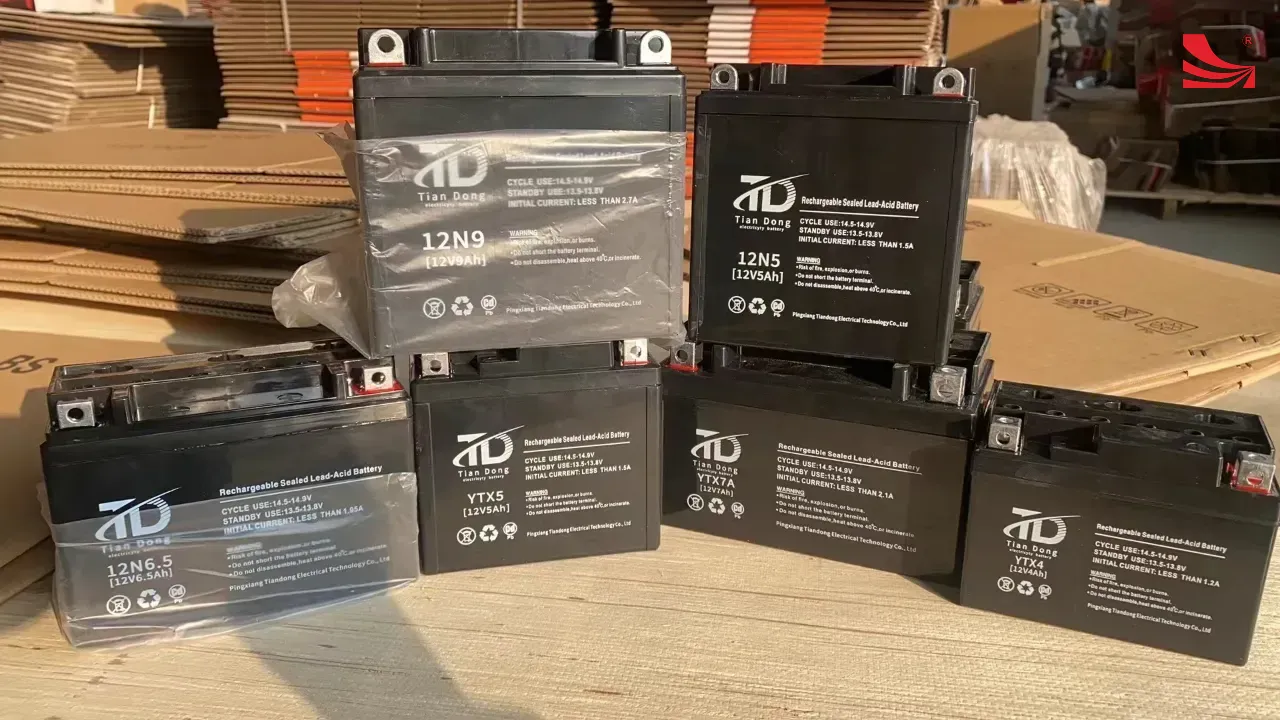
High Performance Motorcycle Batteries for Global Markets

Tiandong Electric Appliance Showcases High-Performance Motorcycle Batteries at Guangzhou Expo

What kind of battery is best for a motorcycle?

The Ultimate Guide to Electric Scooter Batteries: Performance, Longevity, and Future Innovations (2026 & Beyond)

The Ultimate 2026 Guide to Motorcycle Battery Types: Choose, Maintain, and Upgrade for Peak Performance
Support
What is Tiandong’s production capacity?
The company produces approximately 6 million batteries per year, supported by 15,000 tons of electrode plate production capacity.
Product
How long does a motorcycle battery typically last?
A motorcycle battery generally lasts between 2 and 4 years, depending on usage, maintenance, and environmental conditions.
What causes motorcycle batteries to fail?
Common causes include over-discharging, extreme temperatures, poor charging systems, and low-quality manufacturing materials.
What is the typical lifespan of your batteries?
Depending on the model and usage conditions, our batteries typically last between 2 to 4 years under normal operation.
What brands of raw materials do you use?
We use high-quality materials to ensure performance. we use 99.99% pure lead , ensure long life and high Cold Cranking Amps (CCA).
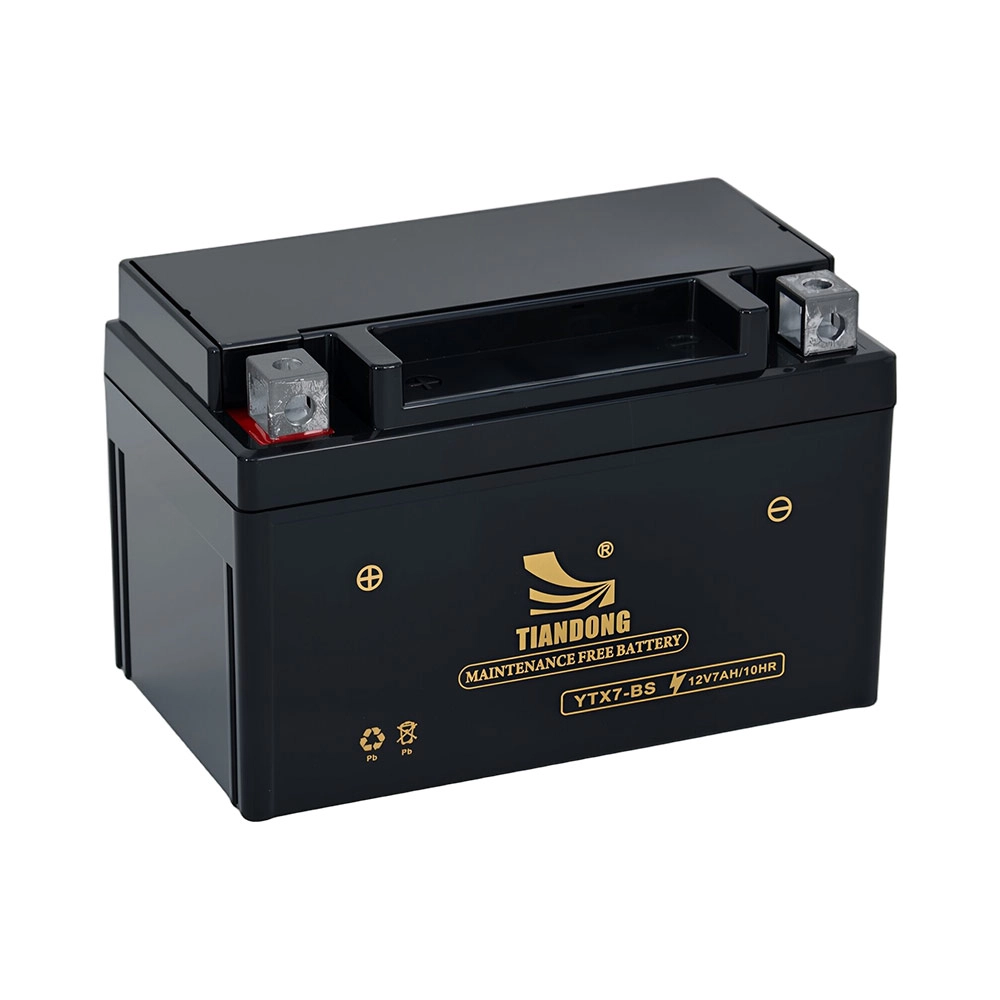
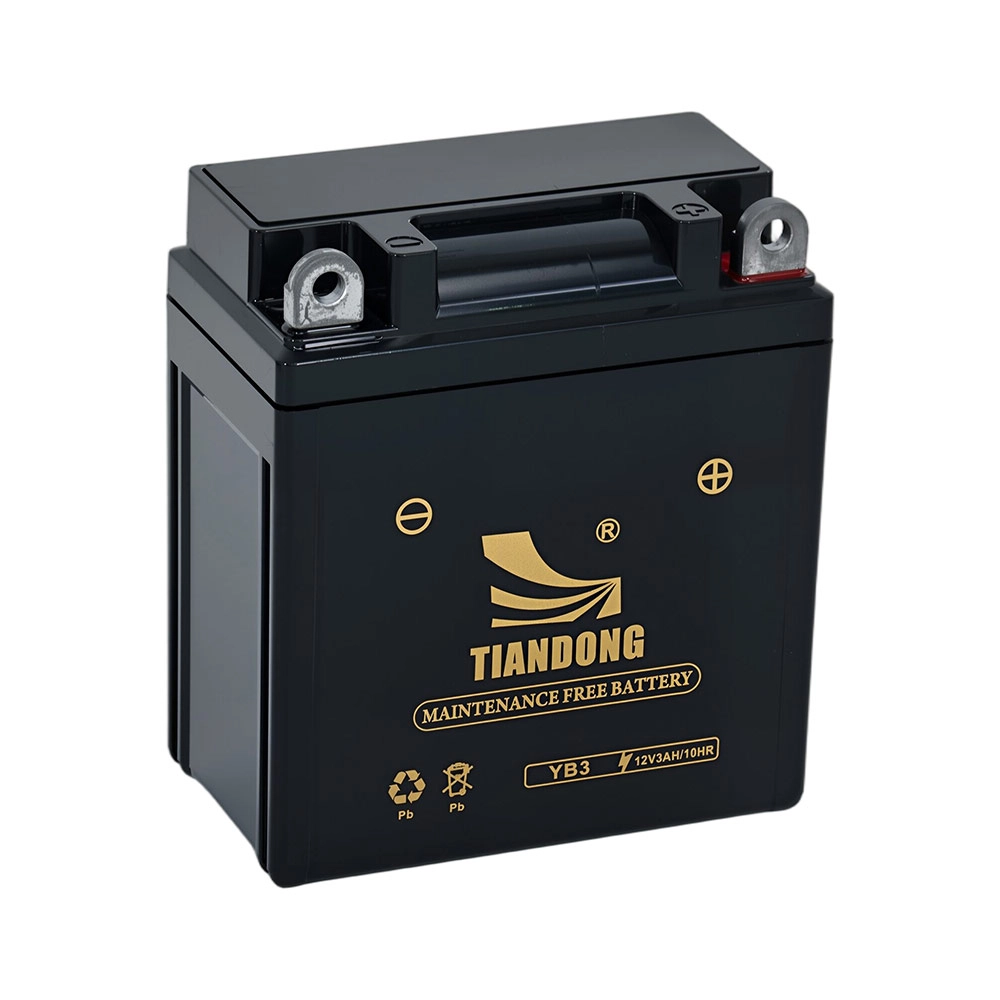
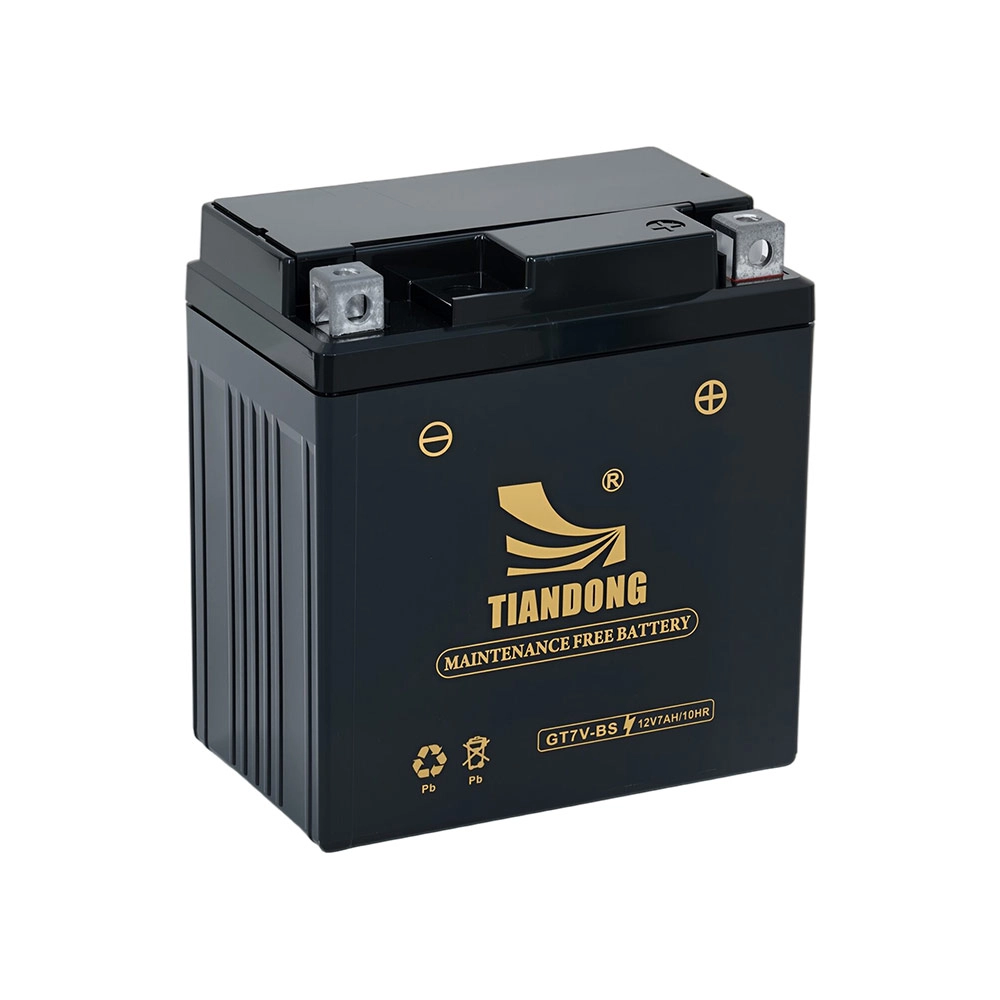
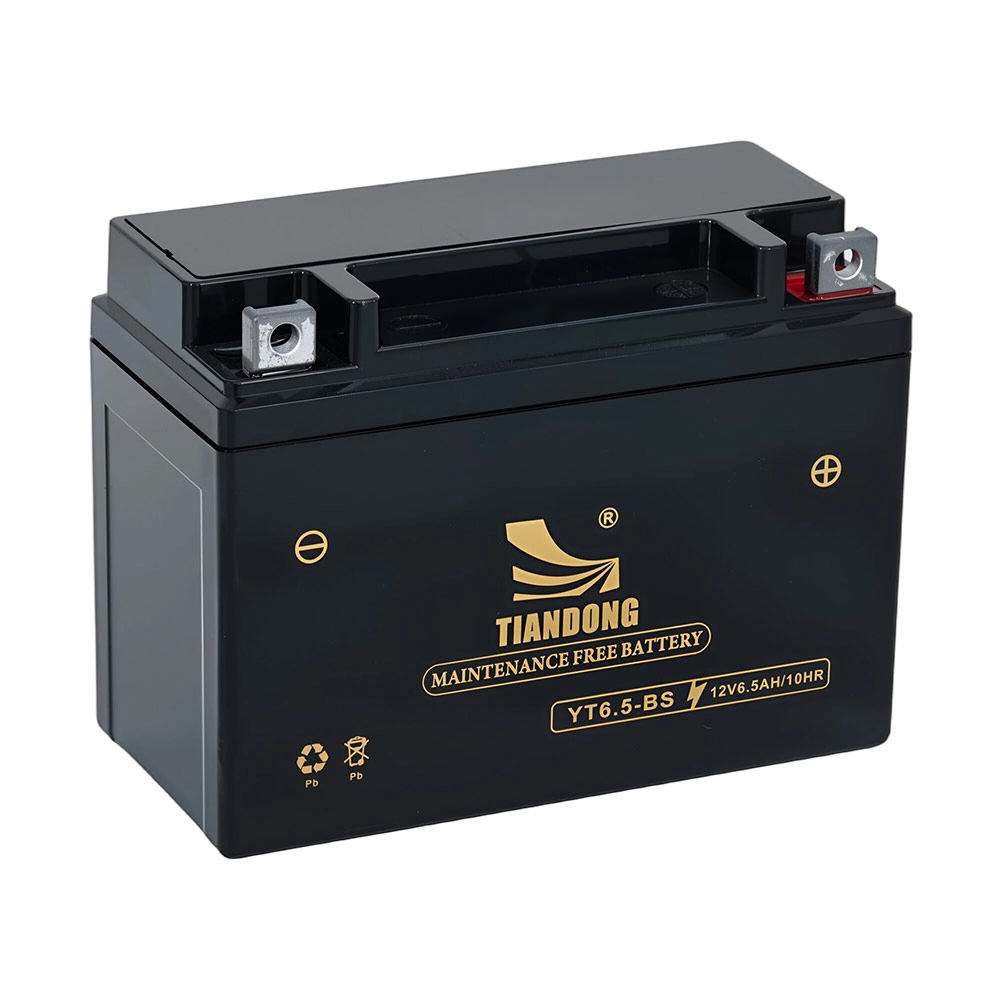
Get in touch with us to get your Motorbike Battery solution
TIANDONG is a leading motorcycle battery manufacturer offering OEM/ODM service, stable quality, and global export support.
Built for wholesalers. Trusted by global buyers. Delivered with confidence.
Say Hello
E-mail: daisybattery8@gmail.com
xianyingchen83@gmail. com
WhatsAPP: +86 134 283 86694
+86 134 348 86641
Our Location
Social Links
© 2025 TIANDONG. All Rights Reserved. Privacy Policy | Terms and Conditions | Sitemap
 Scan QR Code
Facebook
Instagram
Scan QR Code
Whatsapp: +8613434886641