






Which lead acid motorcycle battery lasts longest for fleets?
- Maximizing Longevity: Essential Guide to Lead-Acid Motorcycle Batteries for Fleet Managers
- Beyond CCA: What specific lead-acid battery metrics, other than Cold Cranking Amps, offer a true indication of long-term durability and ROI for high-utilization motorcycle fleets?
- For a motorcycle fleet manager focused on Total Cost of Ownership (TCO), how do the initial higher costs of AGM or Gel lead-acid batteries genuinely translate into long-term savings compared to conventional flooded batteries?
- What are the critical, often-overlooked environmental factors and corresponding mitigation strategies that significantly extend the lifespan of lead-acid motorcycle batteries operating in diverse climate fleet environments?
- Many fleet batteries fail prematurely. What are the top 3 specific charging errors commonly made with lead-acid motorcycle batteries in fleet contexts, and what are their immediate and long-term consequences on battery health?
- My fleet includes motorcycles with extensive accessory loads and engine-off operation. Should I switch from standard SLI lead-acid batteries to deep-cycle options, and what are the precise performance trade-offs?
- What proactive, non-destructive diagnostic tests or visible indicators can fleet technicians utilize to accurately predict impending failure of lead-acid motorcycle batteries before they cause an operational breakdown?
- How does consistent partial discharge versus infrequent deep discharge uniquely affect the longevity of lead-acid motorcycle batteries in a fleet, and how should maintenance schedules adapt to these patterns?
- TIANDONG: Your Partner for Long-Lasting Motorcycle Fleet Batteries
- References:
Maximizing Longevity: Essential Guide to Lead-Acid Motorcycle Batteries for Fleet Managers
For fleet managers, the performance and longevity of motorcycle batteries are paramount. Downtime due to battery failure translates directly into lost revenue and operational inefficiencies. While 'lead-acid motorcycle battery' might seem straightforward, making an informed choice—especially when asking 'Which lead acid motorcycle battery lasts longest for fleets?'—requires a nuanced understanding beyond basic specifications. This guide addresses critical questions often asked by fleet professionals, offering in-depth, expert answers to help you make data-driven procurement and maintenance decisions.
Beyond CCA: What specific lead-acid battery metrics, other than Cold Cranking Amps, offer a true indication of long-term durability and ROI for high-utilization motorcycle fleets?
While Cold Cranking Amps (CCA) are vital for ensuring reliable starts in cold weather, they are a poor indicator of a battery's overall longevity and suitability for a high-utilization fleet. For fleets, focus on these critical metrics for long-term ROI:
- Ampere-hour (Ah) Capacity: This is the most crucial metric for sustained power. It indicates how much energy the battery can deliver over a period. For motorcycles with many accessories (GPS, communication systems, auxiliary lighting) or extended engine-off operation, higher Ah capacity ensures the battery won't be overly discharged, which severely impacts lifespan.
- Cycle Life (Cycles @ DoD): This specifies how many charge/discharge cycles a battery can endure before its capacity drops significantly (e.g., to 80% of its rated capacity). Critically, cycle life is always tied to the Depth of Discharge (DoD). A battery rated for 300 cycles at 80% DoD might achieve 1000+ cycles at 50% DoD. Fleets should aim for batteries designed for a higher number of cycles at the typical DoD their vehicles experience. AGM batteries typically offer 2-3 times the cycle life of conventional flooded batteries, while Gel batteries can offer even more.
- Self-Discharge Rate: How quickly a battery loses its charge when not in use. A lower self-discharge rate is beneficial for motorcycles that might sit idle for periods, reducing the risk of sulfation from prolonged low-charge states. AGM batteries, for instance, generally have a lower self-discharge rate than flooded batteries (e.g., 1-3% per month vs. 5-10% per month).
- Internal Resistance: While not always listed, lower internal resistance indicates better efficiency, less heat generation during discharge/charge, and often a healthier battery. This indirectly contributes to longevity.
Expert Insight: For fleets, prioritizing Ah capacity and cycle life at a realistic DoD is far more impactful for longevity and ROI than simply chasing the highest CCA number.
For a motorcycle fleet manager focused on Total Cost of Ownership (TCO), how do the initial higher costs of AGM or Gel lead-acid batteries genuinely translate into long-term savings compared to conventional flooded batteries?
The higher upfront cost of Absorbent Glass Mat (AGM) or Gel batteries often deters fleet managers, but a TCO analysis reveals compelling long-term savings:
- Extended Lifespan: AGM batteries typically last 2-3 times longer than flooded batteries, and Gel batteries can last even longer, especially when subjected to deeper discharges. This means fewer battery replacements, reducing procurement and labor costs significantly.
- Reduced Maintenance: Both AGM and Gel batteries are sealed, maintenance-free (VRLA - Valve Regulated Lead Acid) designs. They do not require water topping, electrolyte level checks, or terminal cleaning as frequently as flooded batteries. This eliminates labor costs associated with routine maintenance and reduces the need for specialized personnel or equipment.
- Lower Failure Rates & Downtime: Being more resistant to vibration and leaks, AGM/Gel batteries are less prone to catastrophic failures, especially in demanding operational environments. Fewer unexpected breakdowns mean less costly roadside assistance, uninterrupted service, and higher operational uptime.
- Improved Safety: Sealed batteries reduce the risk of acid spills, gas emissions, and corrosion, enhancing workplace safety and reducing equipment damage.
- Faster Charging & Deeper Discharge Tolerance: AGM batteries generally accept a charge faster than flooded batteries, improving vehicle turnaround times. Both AGM and Gel batteries tolerate deeper discharges better than flooded batteries, which extends their useful life in applications with significant accessory loads.
Data Point: While a High Quality AGM battery might cost 50-100% more than a flooded battery, its 2-3x lifespan, coupled with zero maintenance costs and reduced downtime, can result in a 20-40% lower TCO over a 5-year period for high-utilization fleets. (Source: Battery industry analysis reports, specific numbers vary by brand and usage).
What are the critical, often-overlooked environmental factors and corresponding mitigation strategies that significantly extend the lifespan of lead-acid motorcycle batteries operating in diverse climate fleet environments?
Environmental factors are silent killers of battery life. Ignoring them leads to premature failure:
- Extreme Temperatures:
- Heat: This is the biggest enemy. For every 8-10°C (15-18°F) increase above 25°C (77°F), a lead-acid battery's lifespan can be halved. High temperatures accelerate chemical reactions, leading to grid corrosion and water loss (even in sealed batteries).
- Cold: Cold temperatures temporarily reduce a battery's capacity and CCA but do not permanently damage it if properly charged. However, trying to start a vehicle with a severely cold and discharged battery can be damaging.
- Vibration and Shock: Constant vibration from road conditions can loosen internal plates, damage separators, and even short-circuit cells. This is particularly relevant for motorcycles. Mitigation: Use high-quality battery trays and hold-downs designed to minimize movement. AGM and Gel batteries are inherently more resistant to vibration due to their immobilized electrolyte, making them superior choices for fleets operating on rough terrains.
- Dust and Dirt: Accumulated dust and dirt, especially when combined with moisture, can create conductive paths, leading to parasitic drains on the battery terminals. Mitigation: Regular cleaning of battery terminals and cases is essential. Ensure battery compartments are as sealed as possible without impeding ventilation.
Many fleet batteries fail prematurely. What are the top 3 specific charging errors commonly made with lead-acid motorcycle batteries in fleet contexts, and what are their immediate and long-term consequences on battery health?
Incorrect charging is a primary cause of premature lead-acid battery failure. Fleet managers must be vigilant:
- Consistent Undercharging:
- Error: Not fully recharging batteries after discharge, or frequently using short charging cycles. This often happens with inadequate charging systems or short daily runs that don't allow full replenishment.
- Consequence: Leads to sulfation – lead sulfate crystals harden on the plates, reducing active material, capacity, and the battery's ability to accept a charge. This is a progressive, often irreversible, degradation.
- Chronic Overcharging (Excessive Voltage):
- Error: Charging at too high a voltage (e.g., faulty voltage regulator in the motorcycle or an incorrect charger setting).
- Consequence: Causes excessive gassing (electrolyte breakdown into hydrogen and oxygen), leading to water loss in flooded batteries and premature drying out of AGM/Gel batteries. It also accelerates grid corrosion and plate degradation. In sealed batteries, this can cause pressure build-up and venting, shortening life dramatically.
- Using the Wrong Charger Type/Profile:
- Error: Using a charger designed for flooded batteries on an AGM or Gel battery, or using a simple trickle charger for deep discharge recovery.
- Consequence: AGM and Gel batteries require specific charging profiles (typically lower, more controlled voltage stages) to prevent overcharging and gassing. Using a charger without temperature compensation can also damage batteries in extreme conditions. Incorrect charging can lead to internal heat buildup, thermal runaway, and permanent damage or reduced capacity.
My fleet includes motorcycles with extensive accessory loads and engine-off operation. Should I switch from standard SLI lead-acid batteries to deep-cycle options, and what are the precise performance trade-offs?
Yes, for motorcycles with significant accessory loads or extended engine-off operation (e.g., police bikes on patrol, delivery vehicles with refrigeration/electronics), switching from standard Starting, Lighting, Ignition (SLI) batteries to deep-cycle options (often AGM or Gel designs) is highly advisable. Here's why and the trade-offs:
- SLI Batteries (Starting Batteries):
- Design: Thin, numerous plates designed to deliver a high burst of current for a short period (engine starting) and then quickly be recharged by the alternator. They are meant for shallow discharges (typically less than 10-20% DoD).
- Longevity with Deep Discharge: Repeated deep discharges will rapidly degrade an SLI battery, leading to sulfation and plate damage, significantly shortening its lifespan (often just a few dozen deep cycles).
- Deep-Cycle Batteries:
- Design: Thicker, fewer plates with denser active material, built to withstand repeated, significant discharges (50-80% DoD) without damage. They prioritize sustained power delivery over high cranking amps. Many are AGM or Gel types.
- Longevity with Deep Discharge: Offer hundreds or even thousands of cycles at deep DoD, making them ideal for sustained accessory power when the engine is off or idling.
Performance Trade-offs:
- Cranking Amps: Deep-cycle batteries typically have lower CCA ratings than comparably sized SLI batteries. For motorcycles primarily used for short trips with minimal accessories, an SLI might be sufficient. However, most modern deep-cycle AGM batteries still offer ample CCA for starting motorcycle engines.
- Cost: Deep-cycle batteries, especially AGM or Gel, generally have a higher upfront cost than conventional SLI batteries. However, as discussed, their extended lifespan and reduced downtime often lead to a lower TCO for the intended application.
- Weight/Size: May be slightly heavier or larger for the same nominal capacity due to thicker plates, though this is less of an issue with modern AGM designs.
Recommendation: If your fleet motorcycles are frequently used with significant accessory loads (e.g., emergency services, heavy-duty touring) or experience prolonged engine-off times, the increased lifespan and reliability of deep-cycle (AGM/Gel) batteries will far outweigh the initial cost and minor CCA difference, significantly reducing operational headaches.
What proactive, non-destructive diagnostic tests or visible indicators can fleet technicians utilize to accurately predict impending failure of lead-acid motorcycle batteries before they cause an operational breakdown?
Moving beyond simple voltage checks is crucial for proactive fleet maintenance. Technicians should employ these methods:
- Open-Circuit Voltage (OCV) with Resting Period: While a basic test, its value is maximized after the battery has rested for at least 6-12 hours without charging or discharging. A fully charged lead-acid battery should read ~12.6V or higher. A consistent reading below 12.4V after rest suggests undercharging or capacity loss. This helps identify sulfation before total failure.
- Load Testing: This is arguably the most effective non-destructive test. A dedicated battery load tester simulates starting conditions by drawing a high current for a short period. It measures voltage drop under load. A battery that drops significantly below 9.6V (for a 12V battery) under the specified load test indicates weakness or impending failure, even if its OCV appears healthy. Modern electronic load testers can also measure CCA directly.
- Internal Resistance/Conductance Testing: Specialized battery testers (conductance testers) measure the battery's internal resistance or conductance. As a battery ages or degrades (due to sulfation, plate corrosion), its internal resistance increases. A significant increase from the battery's baseline or manufacturer's specification is a strong indicator of impending failure, often before OCV or load tests show clear signs. This is an excellent predictive maintenance tool.
- Visual Inspection (Beyond the Obvious):
- Bulging Case: Indicates overcharging, excessive heat, or internal gas pressure buildup, signifying irreversible damage.
- Corrosion: Excessive corrosion around terminals can indicate electrolyte leakage (especially with flooded batteries) or poor connections leading to resistance and heat.
- Cracks or Leaks: Any physical damage to the case is a sign for immediate replacement.
- Charging System Analysis: A common mistake is blaming the battery when the charging system (alternator/regulator) is at fault. Test the motorcycle's charging system output voltage and current. Consistent over or undercharging from the vehicle itself will prematurely kill any battery.
How does consistent partial discharge versus infrequent deep discharge uniquely affect the longevity of lead-acid motorcycle batteries in a fleet, and how should maintenance schedules adapt to these patterns?
Both discharge patterns have distinct impacts on lead-acid battery longevity, necessitating tailored maintenance:
- Consistent Partial Discharge (e.g., 20-30% DoD daily):
- Impact: If consistently followed by a full recharge, this pattern is relatively benign for most modern lead-acid batteries, especially AGM. Batteries are designed for cycles, and shallower cycles generally yield more total cycles. However, if these partial discharges are never followed by a full recharge (i.e., continuous undercharging), it leads to chronic sulfation over time, progressively reducing capacity.
- Maintenance Adaptation: The key is to ensure complete recharging after each use. For fleets with high daily utilization, ensure the charging system (alternator) is robust enough to fully replenish the battery during the operational period. Consider supplementary smart chargers for overnight charging, especially if daily run times are short or accessory loads are high, to ensure 100% SoC regularly. Periodically performing an equalization charge (for flooded batteries) or a desulfation cycle (for AGM/Gel if supported by charger) can help mitigate minor sulfation.
- Infrequent Deep Discharge (e.g., 50-80% DoD occasionally):
- Impact: While a deep-cycle battery is designed to handle these, even they have limits. Infrequent deep discharges followed by immediate, full recharging are generally less damaging than continuous partial undercharging. However, leaving any lead-acid battery in a deeply discharged state for an extended period (even a few days) is extremely detrimental. Sulfation accelerates dramatically in low charge states, potentially leading to irreversible capacity loss.
- Maintenance Adaptation: Crucially, recharge the battery immediately after a deep discharge. Never leave a battery deeply discharged. If motorcycles are stored after a deep discharge, ensure they are fully charged first. For fleet vehicles used intermittently, a smart battery maintainer or tender (which provides a float charge) should be used during idle periods to prevent self-discharge and keep the battery at an optimal State of Charge (SoC). Regularly check the OCV of stored batteries and recharge if it drops below 12.4V.
Expert Recommendation: For fleets, the goal is always to keep lead-acid batteries as close to a full charge as possible (ideally above 80% SoC) to maximize lifespan, regardless of discharge pattern. Proactive charging management is more critical than reacting to failures.
TIANDONG: Your Partner for Long-Lasting Motorcycle Fleet Batteries
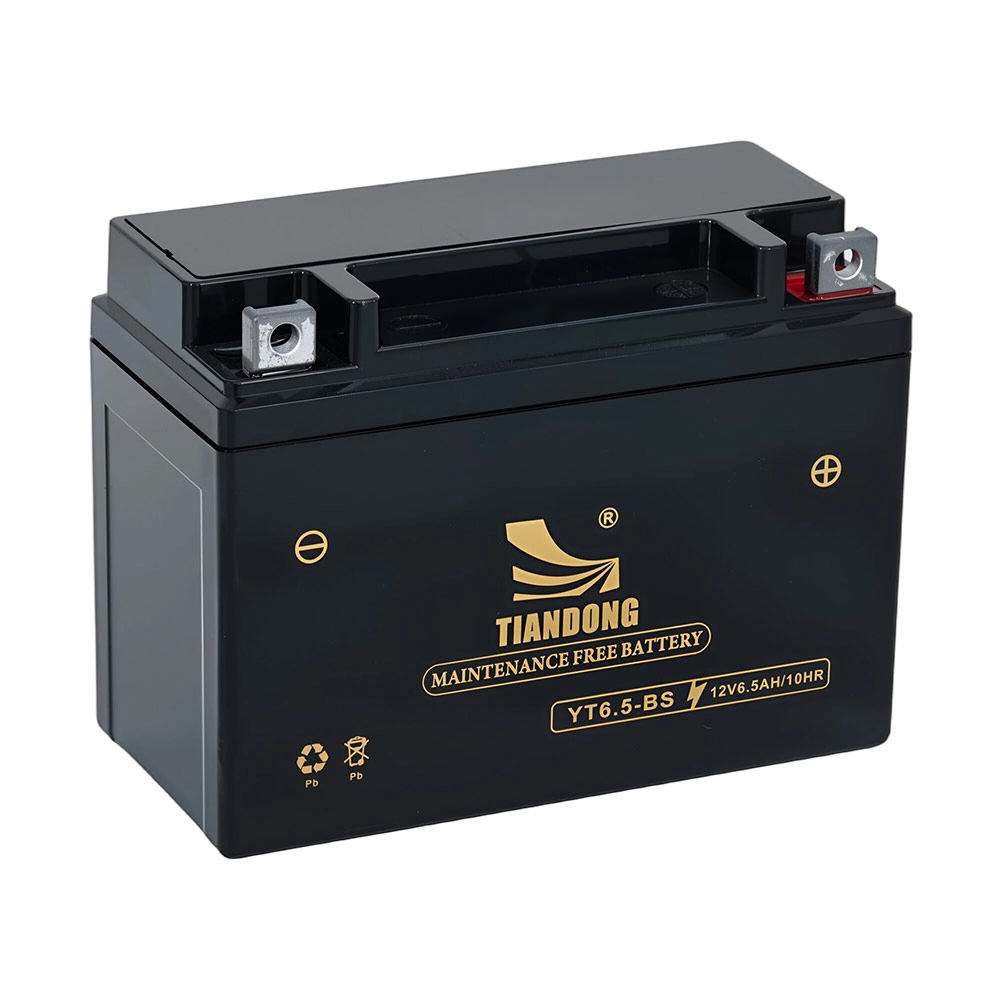
At TIANDONG, we understand the unique demands of motorcycle fleets. Our lead-acid motorcycle batteries, including advanced AGM and Gel technologies, are engineered with several key advantages:
- Optimized Cycle Life: Designed for high cycle performance, offering superior durability under the rigorous demands of fleet operation.
- Robust Construction: Enhanced vibration resistance and leak-proof designs ensure reliability on diverse terrains and reduce maintenance.
- Consistent Performance: Engineered for stable power delivery and excellent cold-cranking capabilities, ensuring dependable starts and sustained accessory power.
- Advanced Technology: Leveraging proprietary plate designs and electrolyte formulations to minimize sulfation and maximize efficiency, contributing to a lower Total Cost of Ownership for your fleet.
Choose TIANDONG for batteries that not only meet but exceed your fleet's expectations for longevity and performance, helping you achieve greater operational efficiency and cost savings.
References:
- Battery Council International (BCI) technical specifications. (Ongoing industry standards).
- East Penn Manufacturing Co. (Deka Batteries) technical guides on lead-acid battery maintenance and types. (Accessed: 2023-10-26, Link)
- Yuasa Battery, Inc. technical resources on battery types and charging. (Accessed: 2023-10-26, Link)
- Battery University articles on lead-acid battery care and longevity. (Accessed: 2023-10-26, Link - Though focused on Lithium, general principles for battery degradation apply, and related lead-acid articles are available on the site)
- Specific product datasheets from leading AGM/Gel battery manufacturers (e.g., Optima, Odyssey) for cycle life and performance figures. (Accessed: 2023-10-26, general industry knowledge from product specifications).

Bulk Motorcycle Batteries Direct from Factory – Save Costs, Boost Profit
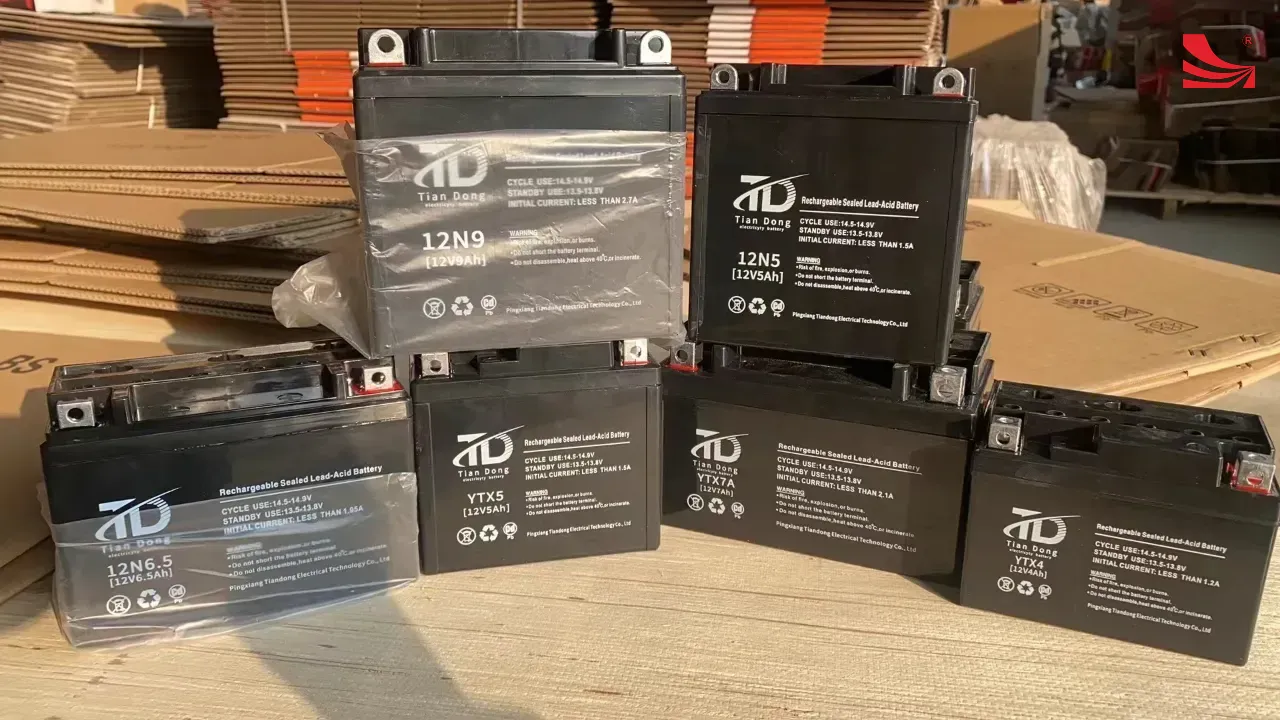
High Performance Motorcycle Batteries for Global Markets

Tiandong Electric Appliance Showcases High-Performance Motorcycle Batteries at Guangzhou Expo

What kind of battery is best for a motorcycle?

The Ultimate Guide to Electric Scooter Batteries: Performance, Longevity, and Future Innovations (2026 & Beyond)

The Ultimate 2026 Guide to Motorcycle Battery Types: Choose, Maintain, and Upgrade for Peak Performance
Product
Are your batteries maintenance-free?
Yes, our batteries are sealed VRLA or GEL types that require no water refilling. They are ready to use and easy to maintain.
How long does a motorcycle battery typically last?
A motorcycle battery generally lasts between 2 and 4 years, depending on usage, maintenance, and environmental conditions.
What is the most common motorcycle battery type?
AGM batteries are currently the most widely used due to their balance of cost and performance.
What kind of battery is best for a motorcycle?
AGM batteries are a popular choice because they combine the best of both worlds: the durability of lead-acid batteries and the low maintenance of lithium-ion batteries. AGM batteries are sealed, so they don't require water refills, and they're designed to handle rough conditions, making them ideal for motorcycles.
What causes motorcycle batteries to fail?
Common causes include over-discharging, extreme temperatures, poor charging systems, and low-quality manufacturing materials.
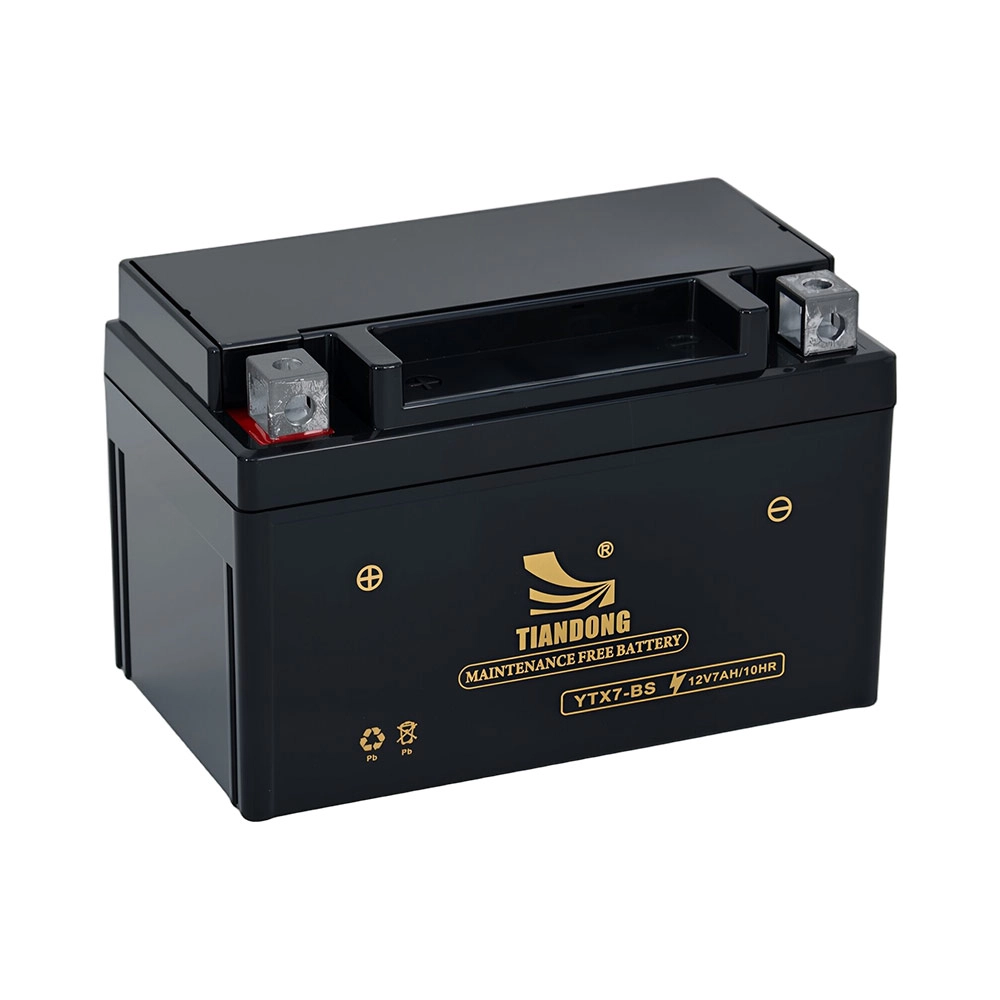
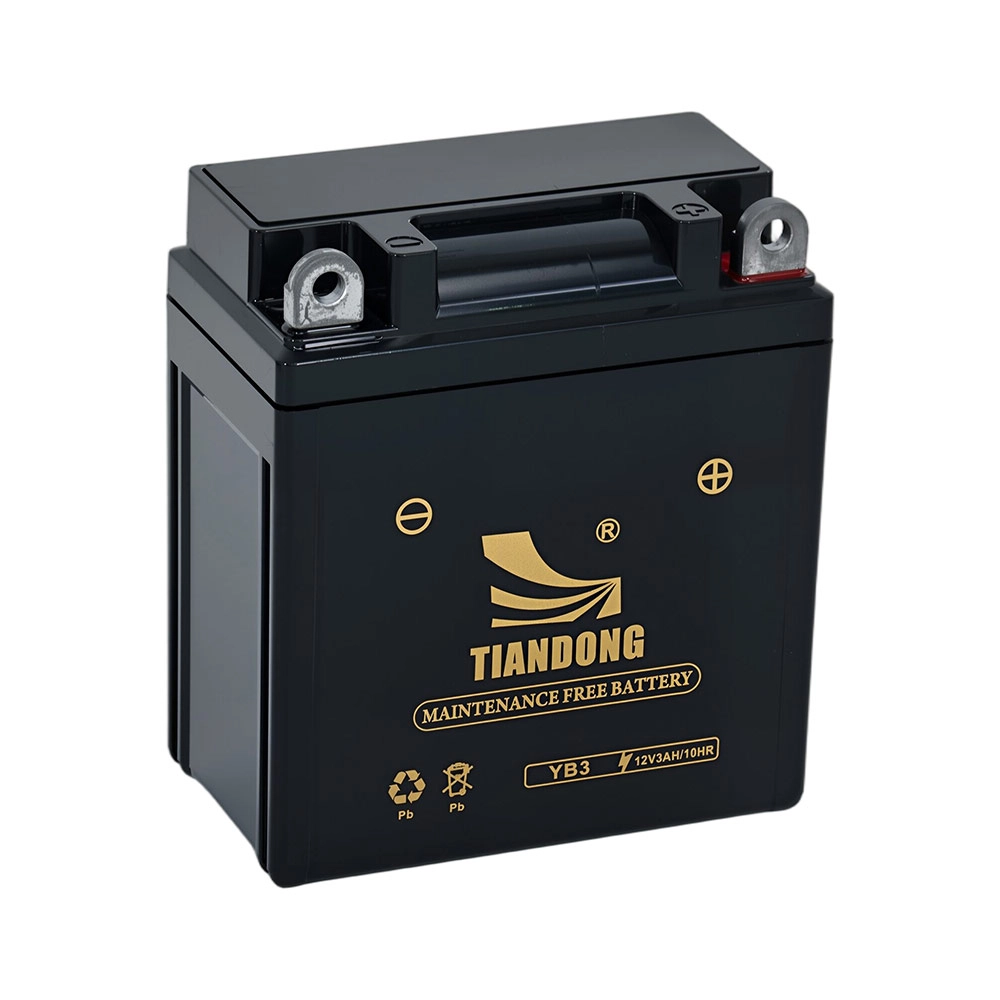
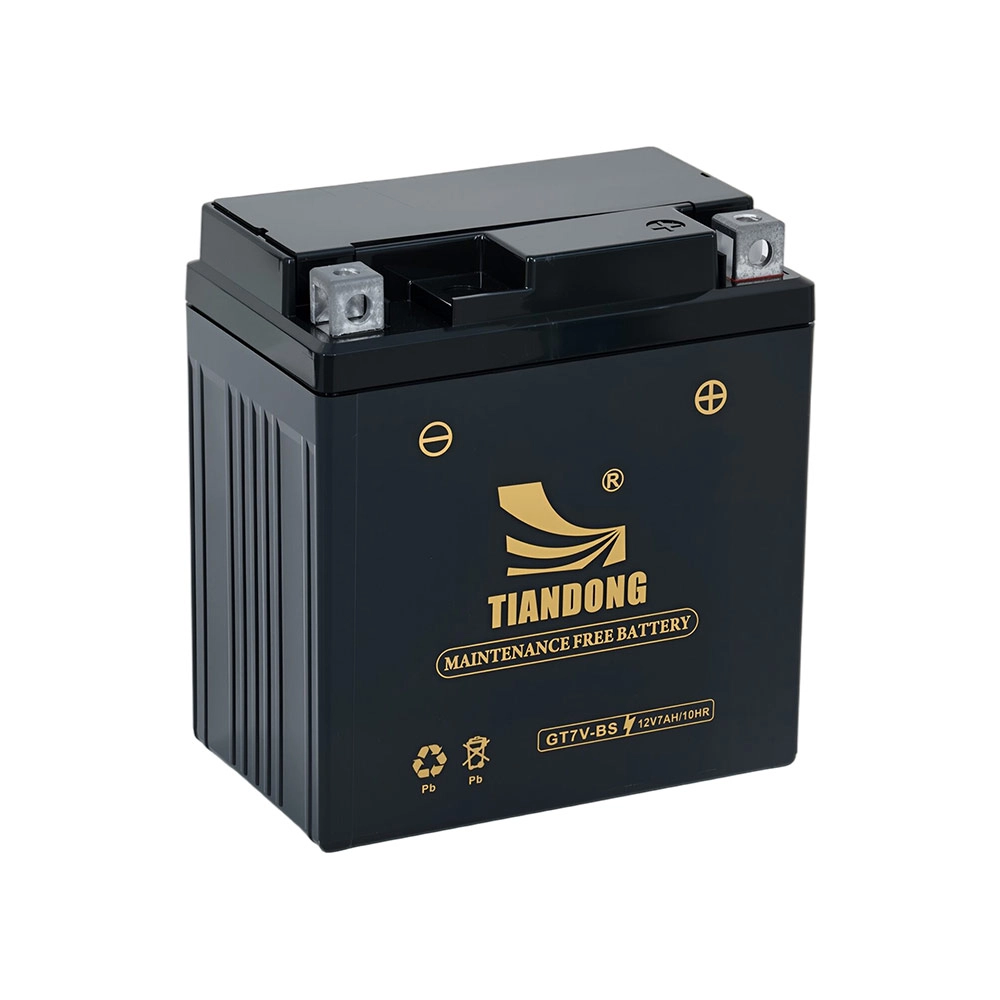
Get in touch with us to get your Motorbike Battery solution
TIANDONG is a leading motorcycle battery manufacturer offering OEM/ODM service, stable quality, and global export support.
Built for wholesalers. Trusted by global buyers. Delivered with confidence.
Say Hello
E-mail: daisybattery8@gmail.com
xianyingchen83@gmail. com
WhatsAPP: +86 134 283 86694
+86 134 348 86641
Our Location
Social Links
© 2025 TIANDONG. All Rights Reserved. Privacy Policy | Terms and Conditions | Sitemap
 Scan QR Code
Facebook
Instagram
Scan QR Code
Whatsapp: +8613434886641