






What maintenance keeps a motorcycle battery good?
- Comprehensive Guide to Motorcycle Battery Maintenance and Selection
- 1. How Do I Choose the Right Motorcycle Battery?
- 2. What Are Essential Maintenance Practices for Motorcycle Batteries?
- 3. How Should I Store My Motorcycle Battery During Inactivity?
- 4. How Do I Maintain My Motorcycle Battery During the Riding Season?
- 5. When Should I Replace My Motorcycle Battery?
- 6. How Can I Extend the Life of My Motorcycle Battery?
- 7. What Are the Signs That My Motorcycle Battery Needs Maintenance?
- 8. How Do I Dispose of My Motorcycle Battery Properly?
- Conclusion
Comprehensive Guide to Motorcycle Battery Maintenance and Selection
Maintaining your motorcycle battery is crucial for ensuring reliable performance and extending its lifespan. This guide provides essential tips on selecting the right battery and maintaining it effectively.
1. How Do I Choose the Right Motorcycle Battery?
Selecting the appropriate battery involves considering several factors:
Size and Voltage: Ensure the battery fits your bike's compartment and matches the required voltage. Most motorcycles use 12-volt batteries, but some models may require 6-volt batteries.
Cold Cranking Amps (CCA): This rating indicates the battery's ability to start the engine in cold conditions. Higher CCA is beneficial for reliable starts in colder climates.
Battery Chemistry:
- Flooded Lead-Acid Batteries: Traditional and cost-effective but require regular maintenance, including topping off with distilled water.
- AGM (Absorbed Glass Mat) Batteries: Maintenance-free, spill-proof, and offer longer lifespans compared to flooded batteries.
- Lithium Iron Phosphate Batteries: Lightweight, fast-charging, and have the longest lifespan but come at a higher initial cost.
Consult your motorcycle's owner manual or manufacturer's website to determine the correct specifications for your bike.
2. What Are Essential Maintenance Practices for Motorcycle Batteries?
Regular maintenance can significantly extend your battery's life:
Regular Inspection: Check cables, clamps, and the battery case for corrosion, damage, or loose connections.
Maintain Fluid Levels: For flooded batteries, periodically top off with distilled water. Always wear protective gear and work in a well-ventilated area during this process.
Clean Terminals: Remove any corrosion buildup from battery terminals using a terminal post and clamp brush along with a battery cleaner.
Test Performance: Use a hydrometer or voltmeter to assess the battery's condition.
3. How Should I Store My Motorcycle Battery During Inactivity?
Proper storage is vital to prevent battery degradation:
Short-Term Storage: Store the battery in a cool, dry place, ideally between 50°F and 80°F. Disconnect the battery from the motorcycle to prevent any drain. A fully charged battery is preferable, as it reduces the risk of sulfation.
Long-Term Storage: Before storing, fully charge the battery. Disconnect it from the motorcycle to prevent parasitic draw. Store it in a cool, dry location, avoiding extremes of heat and cold. Regularly check the battery's charge and condition during storage.
4. How Do I Maintain My Motorcycle Battery During the Riding Season?
During regular use, keep your battery in optimal condition by:
Regular Charging: Use a smart charger to keep the battery charged, especially if you don't ride frequently.
Avoid Deep Discharges: Try not to let the battery discharge completely, as this can shorten its lifespan.
Monitor Battery Health: Pay attention to signs of battery wear, such as dimming lights or slow engine cranking, and address them promptly.
5. When Should I Replace My Motorcycle Battery?
Consider replacing your battery if:
Age: The battery has exceeded its typical lifespan, which is around 3 to 5 years for most types.
Reduced Performance: Significant decrease in mileage per charge or longer charging times.
Overheating: Frequent overheating during discharging or charging.
Error Indicators: Battery monitoring systems consistently show errors.
6. How Can I Extend the Life of My Motorcycle Battery?
To maximize your battery's lifespan:
Regular Maintenance: Follow the maintenance practices outlined above.
Proper Storage: Store the battery correctly during periods of inactivity.
Avoid Overcharging: Use appropriate chargers and avoid overcharging, which can damage the battery.
Keep It Clean: Regularly clean the battery and its terminals to prevent corrosion.
7. What Are the Signs That My Motorcycle Battery Needs Maintenance?
Be alert to the following indicators:
Dimming Lights: Lights that are dimmer than usual can indicate a weak battery.
Slow Engine Cranking: If the engine turns over slowly, the battery may be losing its charge.
Electrical Issues: Malfunctions in electrical components can be a sign of battery problems.
Warning Lights: Dashboard warning lights related to the battery or charging system.
8. How Do I Dispose of My Motorcycle Battery Properly?
Proper disposal is essential to protect the environment:
Recycle: Take the battery to a recycling center or a retailer that accepts used batteries.
Do Not Dispose in Trash: Never throw batteries in the regular trash, as they contain hazardous materials.
Check Local Regulations: Follow local guidelines for battery disposal.
Conclusion
Proper maintenance and selection of your motorcycle battery are vital for ensuring reliable performance and extending its lifespan. By following the practices outlined above, you can keep your motorcycle in optimal condition and enjoy a smooth riding experience.
For more detailed guidance on motorcycle battery maintenance, you can watch the following video:
(https://www.youtube.com/watch?v=siyR4l3eVlo&utm_source=openai)
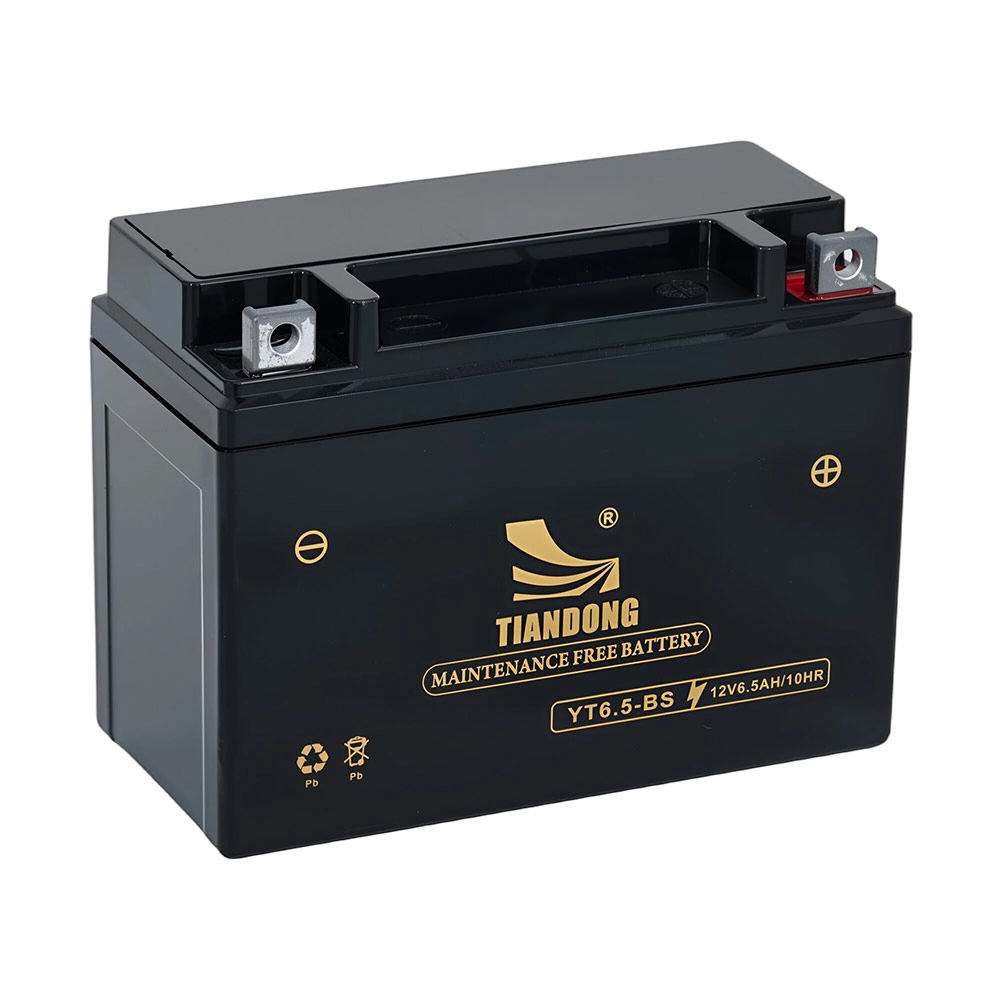
Additionally, consider the advantages of TIANDONG batteries, known for their durability, reliability, and long lifespan, making them a preferred choice for many riders.

Bulk Motorcycle Batteries Direct from Factory – Save Costs, Boost Profit
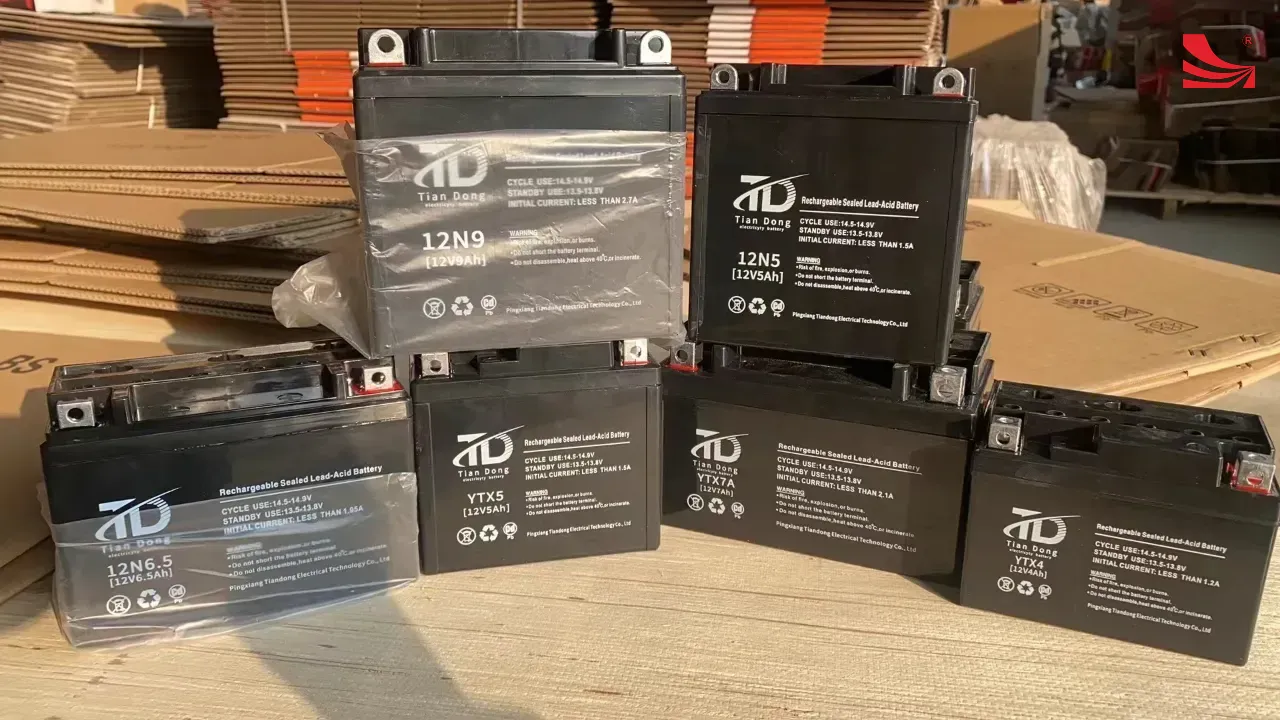
High Performance Motorcycle Batteries for Global Markets

Tiandong Electric Appliance Showcases High-Performance Motorcycle Batteries at Guangzhou Expo

What kind of battery is best for a motorcycle?

The Ultimate Guide to Electric Scooter Batteries: Performance, Longevity, and Future Innovations (2026 & Beyond)

The Ultimate 2026 Guide to Motorcycle Battery Types: Choose, Maintain, and Upgrade for Peak Performance
Shipping
Which countries does Tiandong export to?
Tiandong batteries are exported to more than 20 countries, including Vietnam, India, Egypt, Thailand, and Indonesia.
Product
What is the most common motorcycle battery type?
AGM batteries are currently the most widely used due to their balance of cost and performance.
How long is the lead time and where do you ship?
Standard lead time is 7–15 days. We export to over 20 countries, including Vietnam, India, Egypt, and Thailand.
Do you offer OEM or custom branding?
Yes, we provide full OEM and ODM services, including logo printing, packaging customization, and model adjustments.
What kind of battery is best for a motorcycle?
AGM batteries are a popular choice because they combine the best of both worlds: the durability of lead-acid batteries and the low maintenance of lithium-ion batteries. AGM batteries are sealed, so they don't require water refills, and they're designed to handle rough conditions, making them ideal for motorcycles.
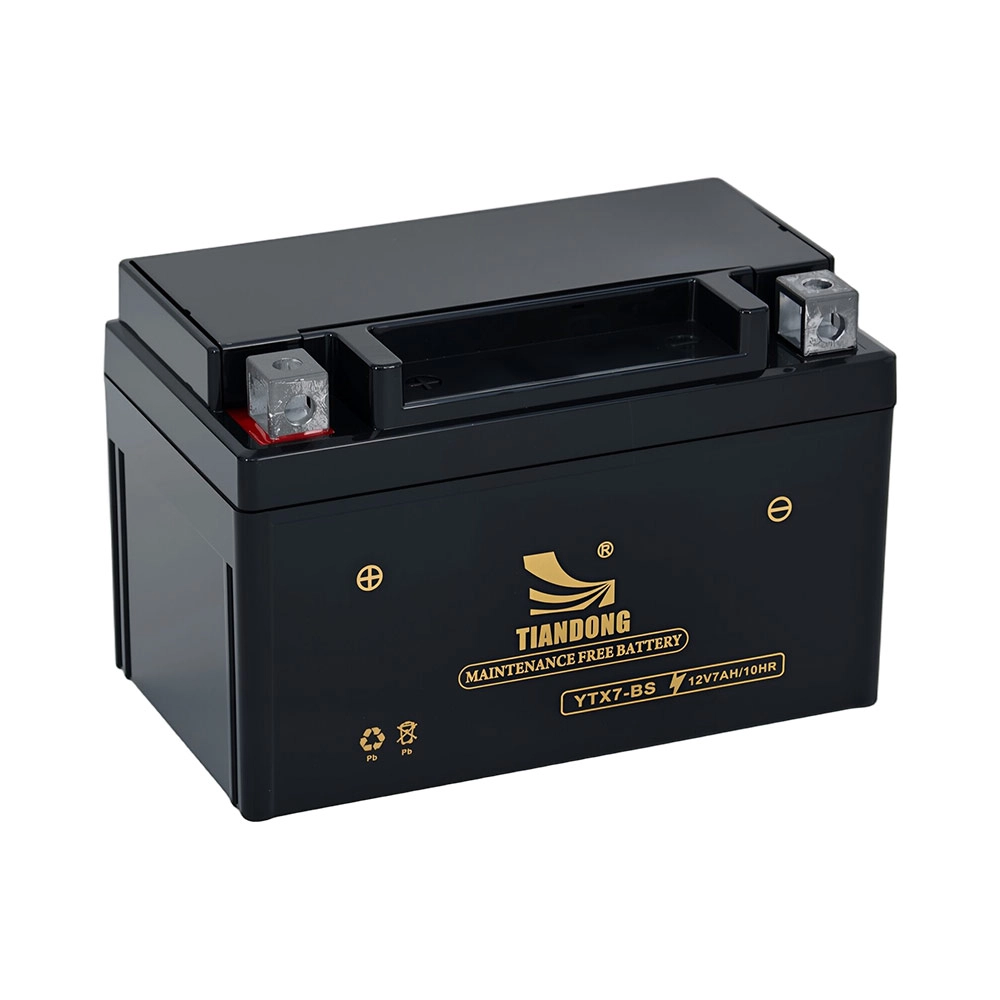
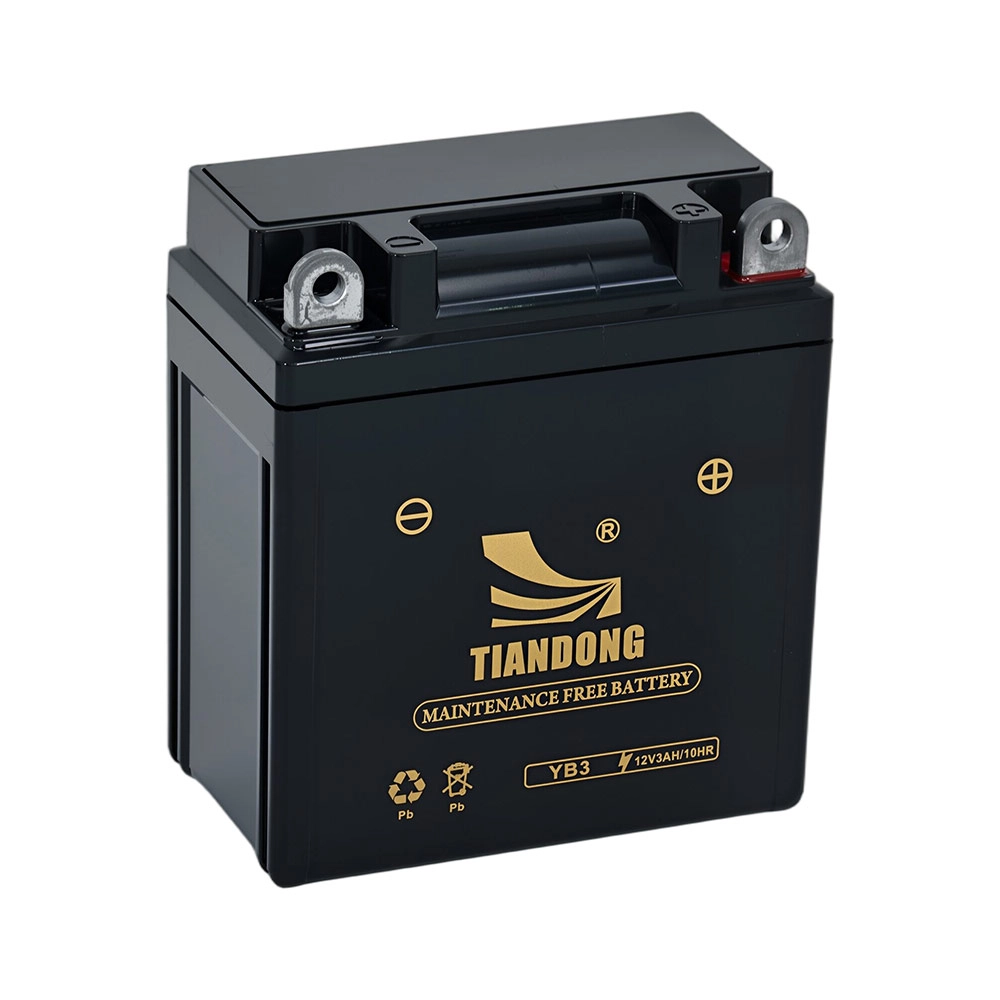
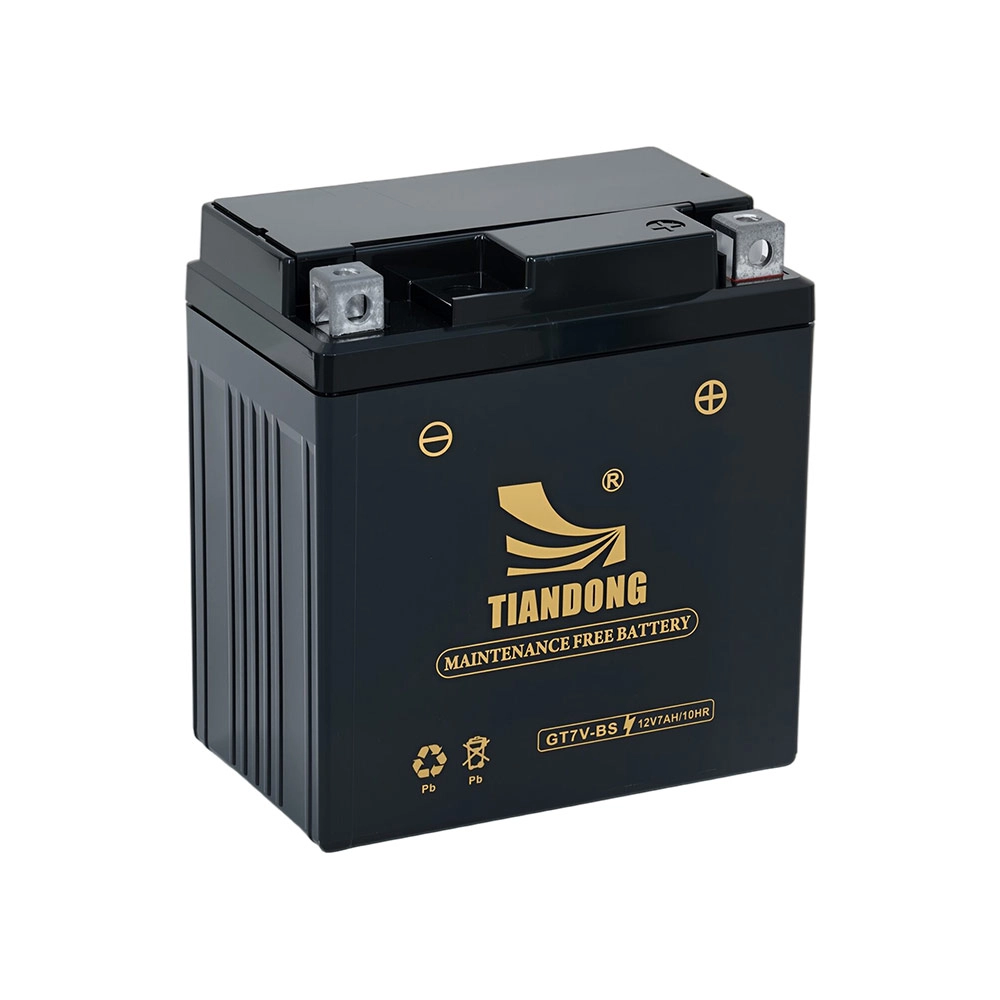
Get in touch with us to get your Motorbike Battery solution
TIANDONG is a leading motorcycle battery manufacturer offering OEM/ODM service, stable quality, and global export support.
Built for wholesalers. Trusted by global buyers. Delivered with confidence.
Say Hello
E-mail: daisybattery8@gmail.com
xianyingchen83@gmail. com
WhatsAPP: +86 134 283 86694
+86 134 348 86641
Our Location
Social Links
© 2025 TIANDONG. All Rights Reserved. Privacy Policy | Terms and Conditions | Sitemap
 Scan QR Code
Facebook
Instagram
Scan QR Code
Whatsapp: +8613434886641