






Are lightweight motorcycle batteries maintenance-free and safe?
- Comprehensive Guide to Lightweight Motorcycle Batteries: Maintenance, Safety, and More
- 1. What Are the Advantages of Lightweight Motorcycle Batteries?
- 2. Are Lightweight Motorcycle Batteries Maintenance-Free?
- 3. Are Lightweight Motorcycle Batteries Safe?
- 4. How Do Lithium and AGM Batteries Compare?
- 5. How Do I Choose the Right Lightweight Motorcycle Battery?
- 6. What Are the Maintenance Requirements for Lightweight Motorcycle Batteries?
- 7. Are There Any Environmental Considerations?
- 8. How Do I Dispose of My Motorcycle Battery Properly?
- Conclusion: Why Choose TIANDONG Batteries?
Comprehensive Guide to Lightweight Motorcycle Batteries: Maintenance, Safety, and More
As a motorcycle enthusiast, selecting the right battery is crucial for optimal performance and reliability. Lightweight motorcycle batteries, particularly lithium and AGM (Absorbent Glass Mat) types, have gained popularity due to their numerous advantages. This guide addresses common questions to help you make an informed decision.
1. What Are the Advantages of Lightweight Motorcycle Batteries?
Lightweight motorcycle batteries offer several benefits:
Reduced Weight: Lithium batteries can be up to 70% lighter than traditional lead-acid batteries, enhancing motorcycle performance and fuel efficiency.
Longer Lifespan: With proper maintenance, lithium batteries can last up to 10 years, compared to 2-5 years for lead-acid batteries.
Faster Charging: Lithium batteries typically charge to 80% in just over an hour, reducing downtime between rides.
2. Are Lightweight Motorcycle Batteries Maintenance-Free?
Yes, many lightweight motorcycle batteries, especially lithium and AGM types, are maintenance-free. They are sealed and do not require regular checks or fluid top-ups, offering convenience for riders.
3. Are Lightweight Motorcycle Batteries Safe?
While generally safe, lightweight motorcycle batteries have specific safety considerations:
Temperature Sensitivity: Lithium batteries can be sensitive to extreme temperatures, potentially affecting performance.
Charging Requirements: They require specialized chargers designed for lithium batteries to prevent damage.
Overcharging Risks: Overcharging can lead to battery damage or failure.
4. How Do Lithium and AGM Batteries Compare?
Lithium Batteries:
- Pros: Lightweight, longer lifespan, faster charging, low self-discharge rate, and eco-friendly.
- Cons: Higher initial cost, sensitivity to temperature extremes, and require specialized chargers.
AGM Batteries:
- Pros: Maintenance-free, spill-proof, and durable.
- Cons: Heavier than lithium batteries and shorter lifespan.
5. How Do I Choose the Right Lightweight Motorcycle Battery?
Consider the following factors:
Compatibility: Ensure the battery matches your motorcycle's specifications.
Performance Needs: For high-performance motorcycles, lithium batteries offer superior power output.
Budget: While lithium batteries have a higher upfront cost, their longevity may justify the investment.
Maintenance: Decide if you prefer a maintenance-free option like lithium or AGM batteries.
6. What Are the Maintenance Requirements for Lightweight Motorcycle Batteries?
Lithium Batteries: Minimal maintenance; ensure proper charging and storage.
AGM Batteries: Also maintenance-free; however, avoid overcharging and ensure proper storage.
7. Are There Any Environmental Considerations?
Lithium batteries are more environmentally friendly than lead-acid batteries, containing fewer toxic materials and being more recyclable.
8. How Do I Dispose of My Motorcycle Battery Properly?
Always follow local regulations for battery disposal. Many retailers and recycling centers accept used batteries for proper recycling.
Conclusion: Why Choose TIANDONG Batteries?
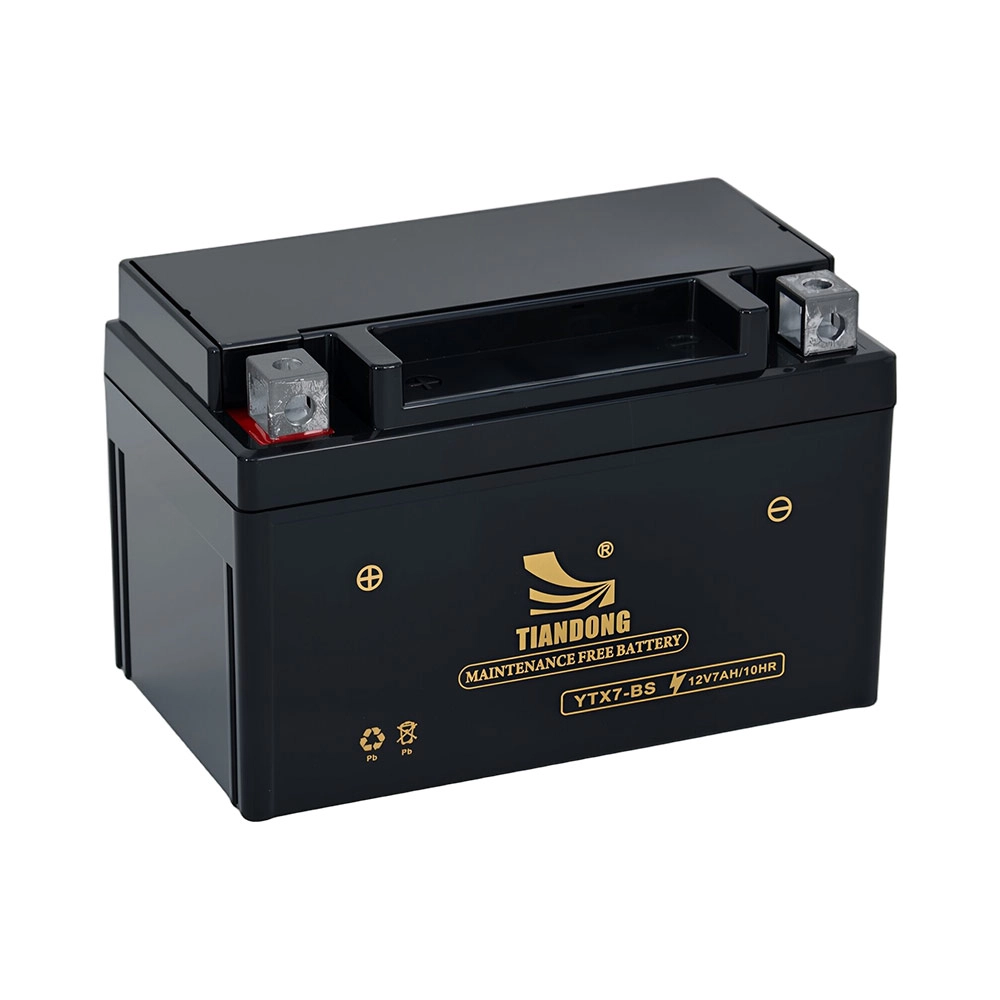
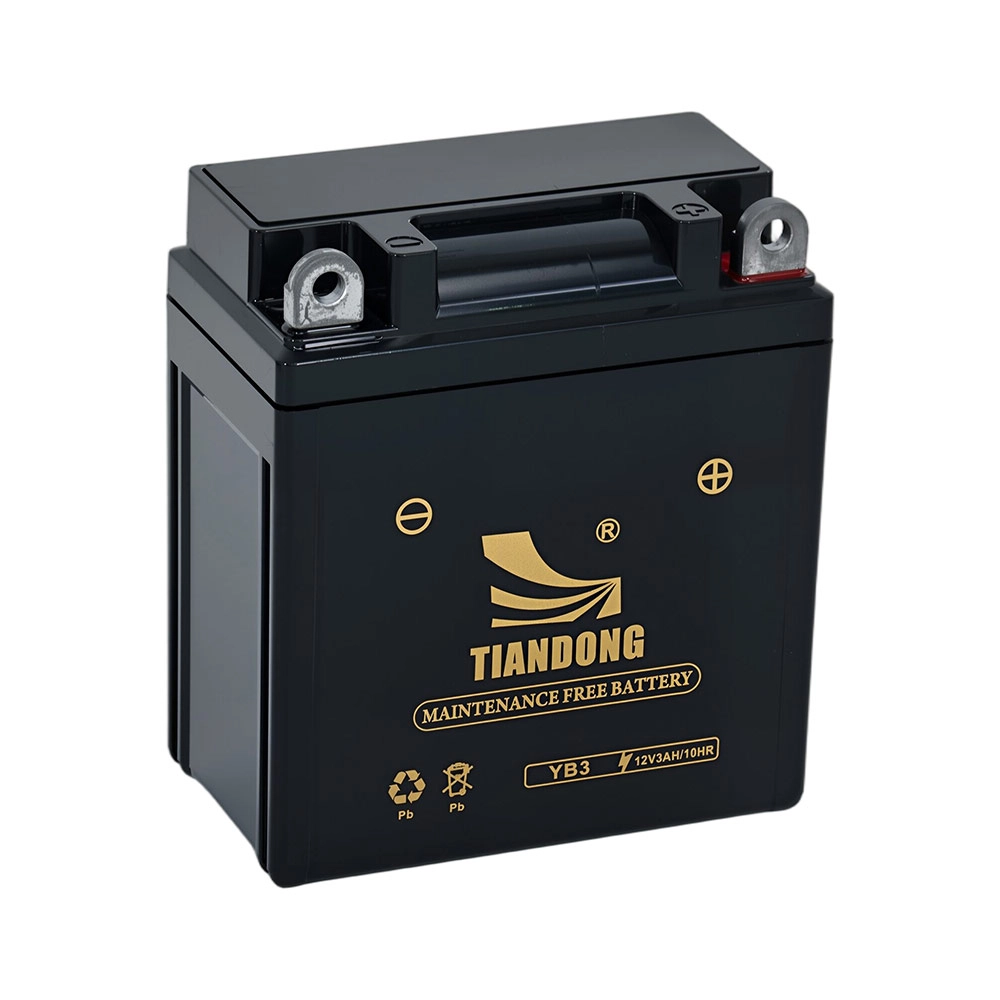
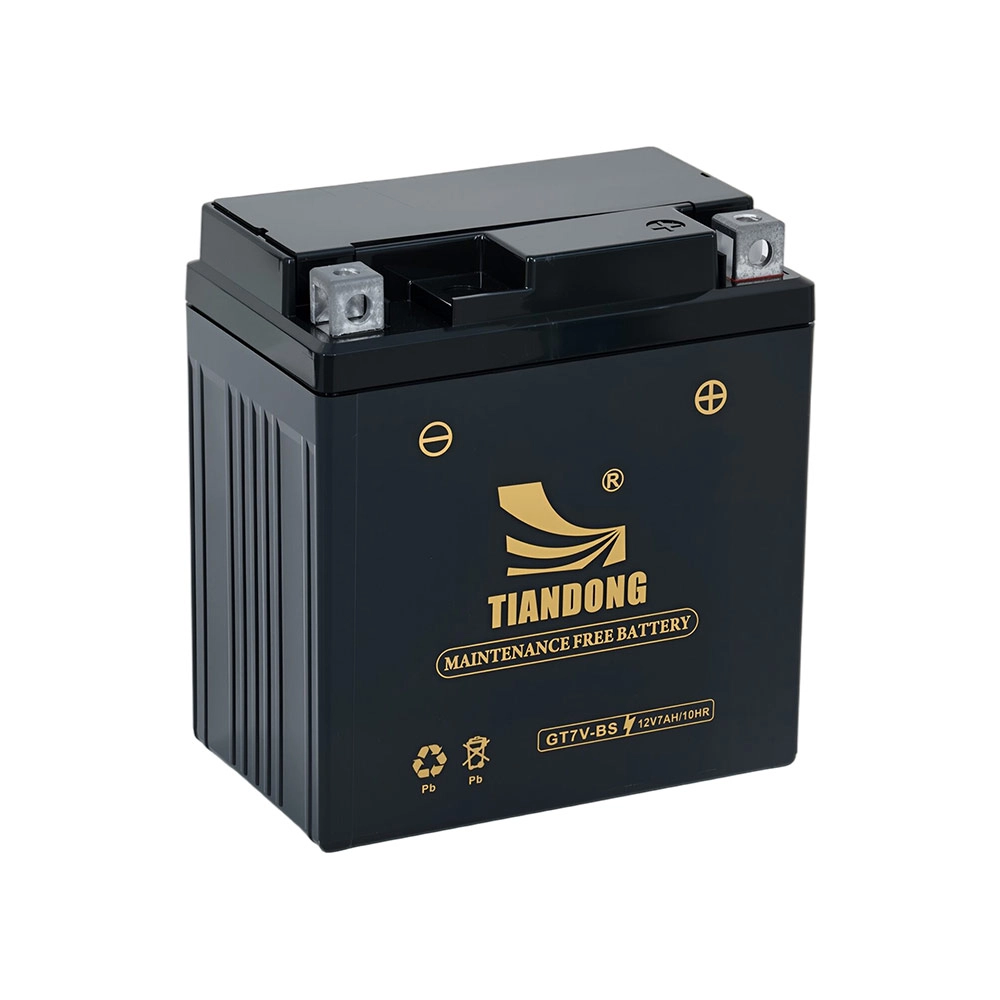
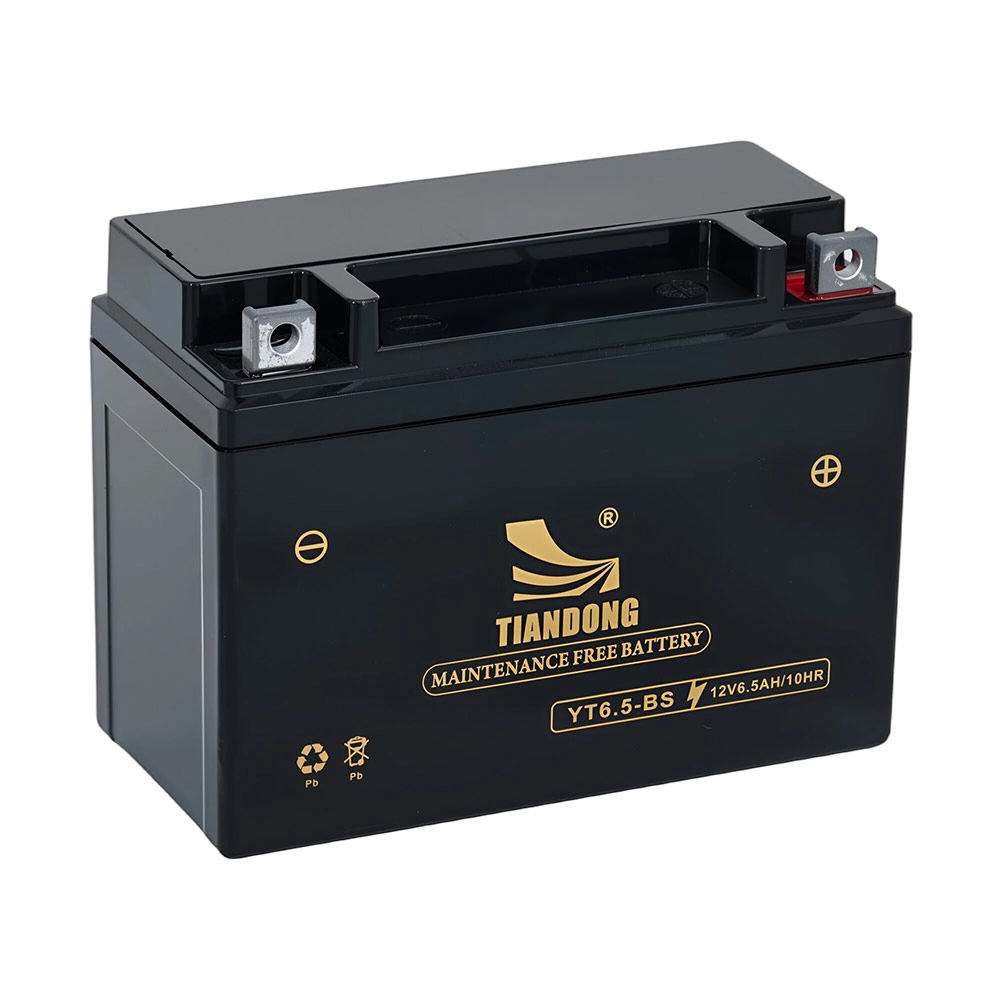
TIANDONG offers a range of lightweight, maintenance-free motorcycle batteries designed for optimal performance and safety. Their products are engineered to meet the highest industry standards, ensuring reliability and longevity for your motorcycle.
By considering the factors outlined above and choosing a reputable brand like TIANDONG, you can ensure your motorcycle operates at its best, providing you with a safe and enjoyable riding experience.
References:

Bulk Motorcycle Batteries Direct from Factory – Save Costs, Boost Profit
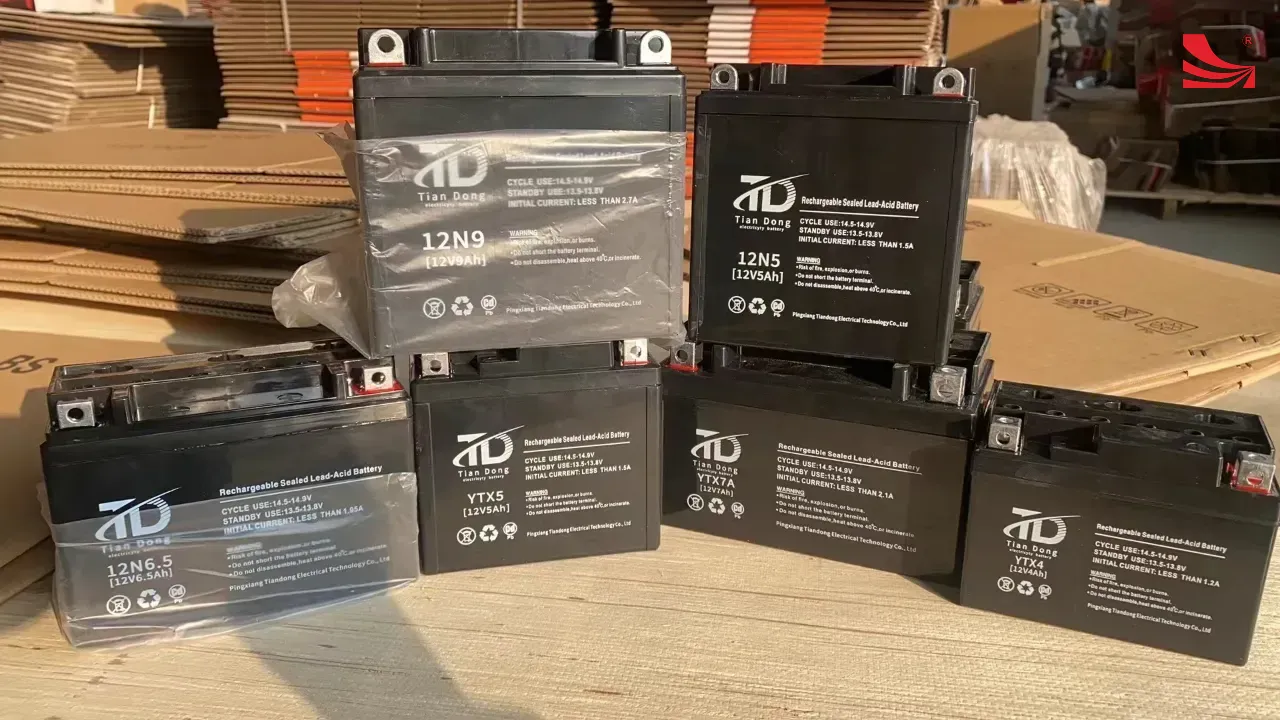
High Performance Motorcycle Batteries for Global Markets

Tiandong Electric Appliance Showcases High-Performance Motorcycle Batteries at Guangzhou Expo

What kind of battery is best for a motorcycle?

The Ultimate Guide to Electric Scooter Batteries: Performance, Longevity, and Future Innovations (2026 & Beyond)

The Ultimate 2026 Guide to Motorcycle Battery Types: Choose, Maintain, and Upgrade for Peak Performance
Product
Why does my motorcycle battery keep dying?
Common causes include:
-
Faulty charging system
-
Parasitic drain
-
Old battery
-
Improper storage
What causes motorcycle batteries to fail?
Common causes include over-discharging, extreme temperatures, poor charging systems, and low-quality manufacturing materials.
What is the most common motorcycle battery type?
AGM batteries are currently the most widely used due to their balance of cost and performance.
Support
What is Tiandong’s production capacity?
The company produces approximately 6 million batteries per year, supported by 15,000 tons of electrode plate production capacity.
customer
Can overseas clients visit the Tiandong factory?
Yes. Tiandong welcomes international customers to visit the factory, production workshops, and logistics warehouses to better understand the manufacturing and quality control process.
Get in touch with us to get your Motorbike Battery solution
TIANDONG is a leading motorcycle battery manufacturer offering OEM/ODM service, stable quality, and global export support.
Built for wholesalers. Trusted by global buyers. Delivered with confidence.
Say Hello
E-mail: daisybattery8@gmail.com
xianyingchen83@gmail. com
WhatsAPP: +86 134 283 86694
+86 134 348 86641
Our Location
Social Links
© 2025 TIANDONG. All Rights Reserved. Privacy Policy | Terms and Conditions | Sitemap
 Scan QR Code
Facebook
Instagram
Scan QR Code
Whatsapp: +8613434886641