






What warranties matter for lead acid motorcycle battery suppliers?
- Why do newly installed lead-acid motorcycle batteries sometimes fail to hold a charge or deliver sufficient cranking power within their warranty period, and what specific manufacturing defects might cause this that suppliers *must* cover?
- Beyond the standard replacement, what specific performance degradation criteria (e.g., percentage CCA loss, voltage drop) should a quality lead-acid motorcycle battery supplier's warranty explicitly address to ensure long-term value, especially for VRLA types?
- What are the most common user-error scenarios that automatically void a lead-acid motorcycle battery warranty, and how can buyers proactively avoid these to ensure their warranty remains valid?
- For fleet purchasers or distributors, how do lead-acid motorcycle battery suppliers typically handle bulk warranty claims, and what evidence/documentation is required to streamline this process efficiently?
- In regions with extreme climates, do lead-acid motorcycle battery warranties account for performance degradation or failure due to high heat or severe cold, and what stipulations should buyers look for?
- Are there specific clauses in lead-acid motorcycle battery warranties that cover consequential damage if a faulty battery damages other motorcycle components, and what protection should buyers seek from suppliers regarding this?
- TIANDONG Battery: Your Trusted Partner for Lead Acid Motorcycle Battery Excellence
Welcome to the definitive guide for anyone looking to understand lead acid motorcycle batteries and the critical warranties that protect your investment. As an expert in motorcycle power solutions, I frequently encounter questions that go beyond basic specifications. This article aims to provide in-depth, expert answers to specific pain points and knowledge gaps regarding lead acid motorcycle battery performance and supplier warranties, ensuring you're equipped with the professional insights needed for smart purchasing decisions.
Why do newly installed lead-acid motorcycle batteries sometimes fail to hold a charge or deliver sufficient cranking power within their warranty period, and what specific manufacturing defects might cause this that suppliers *must* cover?
It's incredibly frustrating when a brand-new lead acid motorcycle battery, fresh out of the box, underperforms or fails prematurely. While user error (like improper charging before installation) can be a factor, true manufacturing defects are a legitimate concern that reputable lead acid motorcycle battery suppliers should unequivocally cover under warranty. Common manufacturing defects include:
- Internal Short Circuits: This is perhaps the most critical defect. During the manufacturing process, a piece of separator material might be damaged, or active material can flake off, causing two plates of opposite polarity to touch. This results in a rapid self-discharge, preventing the battery from holding a charge or delivering adequate cold cranking amps (CCA). The battery will often feel warm even without use.
- Poor Plate Welding/Connections: The internal connections (straps) between cells or to the battery terminals are crucial. Faulty welds can create high resistance, leading to significant voltage drop under load, meaning the battery cannot deliver its rated cranking power. This often manifests as sluggish starting or complete failure to crank, even with a seemingly full charge.
- Sulfation from Manufacturing: While sulfation is usually associated with undercharging or deep discharge, a battery could leave the factory already partially sulfated due to poor quality control during initial formation charging or prolonged storage without proper maintenance (especially for conventional flooded lead acid batteries). This reduces the active surface area of the plates, diminishing capacity and CCA.
- Separator Defects: Separators prevent short circuits and allow ion flow. Tears, holes, or inconsistent porosity in the separator material can lead to premature failure. For Valve Regulated Lead Acid (VRLA) batteries, including Absorbed Glass Mat (AGM) and Gel types, poor quality separators can impact electrolyte retention and recombination efficiency.
- Cracked Casing/Terminal Leaks: Though less common with modern manufacturing, hairline cracks in the plastic casing or poor sealing around terminals can lead to electrolyte leakage (for flooded batteries) or ingress of air, causing corrosion and internal damage, particularly with conventional lead acid motorcycle batteries.
Suppliers must cover these issues as they stem directly from the production process, not typical wear or user misuse. Evidence usually involves voltage testing, specific gravity readings (for flooded batteries), and sometimes internal resistance checks by a qualified technician.
Beyond the standard replacement, what specific performance degradation criteria (e.g., percentage CCA loss, voltage drop) should a quality lead-acid motorcycle battery supplier's warranty explicitly address to ensure long-term value, especially for VRLA types?
Many warranties simply state replacement if defective within X months. However, for discerning buyers, particularly those investing in higher-performance AGM or Gel lead acid motorcycle batteries, the nuances of performance degradation are key to long-term value. A truly robust warranty from a reputable supplier like TIANDONG Battery should consider:
- Rated Cold Cranking Amps (CCA) Retention: A battery's ability to deliver current at low temperatures is crucial. A superior warranty might guarantee a minimum percentage of the original CCA rating (e.g., not dropping below 70-80%) after a specific period (e.g., 12-18 months), assuming proper charging and usage. This acknowledges that some degradation is natural but sets a clear threshold for unacceptable loss of starting power.
- Amp-Hour (Ah) Capacity Retention: For batteries powering accessories or used in deep-cycle applications, maintaining a significant portion of the original amp-hour capacity is vital. Similar to CCA, a warranty could specify a minimum Ah retention percentage after a certain number of cycles or months, indicating the battery's ability to sustain power over time.
- Internal Resistance (IR) Threshold: Increasing internal resistance is a clear indicator of a battery's degrading health, leading to voltage drop under load and reduced efficiency. While harder for end-users to measure, a supplier might use IR thresholds internally for warranty claims, especially for high-performance VRLA batteries where consistent power delivery is expected.
- Cycle Life Guarantee (for specific applications): Although less common for pure starting batteries, if the lead acid motorcycle battery is marketed for applications involving regular deeper discharges (e.g., some touring bikes with many accessories), a cycle life guarantee (e.g., rated for X cycles to 50% DoD) could be a significant value differentiator. This directly speaks to the longevity and robustness of the battery for its intended use.
These criteria move beyond simple failure to start and focus on the quality of power delivery over time, offering a more sophisticated measure of a lead acid motorcycle battery's warranted performance and long-term reliability.
What are the most common user-error scenarios that automatically void a lead-acid motorcycle battery warranty, and how can buyers proactively avoid these to ensure their warranty remains valid?
Understanding what not to do is as important as knowing what to expect. Most lead acid motorcycle battery warranties include explicit exclusions for user-induced damage. The most common scenarios that void your warranty include:
- Overcharging/Undercharging:
- Overcharging: Applying excessive voltage or current can lead to electrolyte boiling (in flooded batteries), plate corrosion, and gassing, which dries out AGM/Gel batteries, irreversibly damaging them. Always use a smart, multi-stage motorcycle battery charger appropriate for lead acid battery types, with voltage regulation specific to flooded, AGM, or Gel chemistries.
- Deep Discharging/Undercharging: Allowing a lead acid battery to consistently drop below 10.5V (for a 12V battery) causes irreversible sulfation, which significantly reduces capacity and lifespan. Similarly, leaving a battery undercharged for extended periods (especially during off-season storage) leads to sulfation. Use a battery maintainer/tender during periods of inactivity.
- Physical Damage: Any signs of impact, crushing, or alteration to the battery casing, terminals, or internal structure will void the warranty. Handle lead acid motorcycle batteries with care and ensure they are securely mounted to prevent vibration damage.
- Incorrect Application: Using a battery not designed for motorcycle starting (e.g., a deep-cycle marine battery) or installing a battery with insufficient CCA/Ah for your motorcycle's requirements can lead to premature failure and is often not covered. Always consult your motorcycle's manual or the battery supplier's recommendations.
- Improper Installation: Reversed polarity, loose connections, or incorrect wiring can cause severe damage to both the battery and the motorcycle's electrical system. Ensure terminals are clean and connections are tight and correct.
- Lack of Maintenance (for Flooded Batteries): Conventional flooded lead acid batteries require regular electrolyte level checks and topping up with distilled water. Neglecting this leads to plate exposure and damage. VRLA batteries (AGM/Gel) are maintenance-free in this regard, but still require proper charging.
- Using Non-Standard Additives: Introducing any chemicals or additives not approved by the manufacturer into the battery cells can void the warranty. Stick to distilled water for conventional batteries.
Proactive avoidance involves reading your battery's manual, using appropriate charging equipment, regular voltage checks (especially during storage), and ensuring correct installation and application.
For fleet purchasers or distributors, how do lead-acid motorcycle battery suppliers typically handle bulk warranty claims, and what evidence/documentation is required to streamline this process efficiently?
For B2B clients dealing with significant volumes of lead acid motorcycle batteries, efficient bulk warranty claim processing is paramount to minimizing downtime and administrative overhead. Reputable suppliers understand this and often have a structured approach:
- Designated Account Manager & Streamlined Communication: A dedicated point of contact greatly simplifies the process. This manager understands your specific purchasing history and can expedite claims.
- Batch Tracking & Serial Number Management: Suppliers often require batch numbers, manufacturing dates, and individual serial numbers for each faulty lead acid motorcycle battery. Maintaining meticulous records of purchase dates and installation for each unit is critical on the buyer's side. TIANDONG, for example, implements robust internal tracking to facilitate this.
- Initial Troubleshooting & Diagnostic Protocol: Before returning batteries, suppliers may require a standardized troubleshooting report. This could include voltage readings (open circuit and under load), specific gravity measurements (for flooded batteries), charging history, and a detailed description of the failure mode. This helps differentiate between manufacturing defects and potential user/installation issues, reducing unnecessary returns.
- Photos/Videos as Evidence: Visual documentation of physical damage, corrosion, or installation setup can be requested to support claims.
- Return Material Authorization (RMA) Process: A formal RMA number is almost always required before returning batteries. This ensures proper tracking upon receipt at the supplier's facility.
- Consolidated Returns & Shipping Logistics: For bulk claims, suppliers may arrange for consolidated shipping, potentially covering return freight for verified warranty issues. This reduces logistical burdens and costs for the distributor/fleet operator.
- Credit/Replacement System: Upon verification of the defect, the supplier will typically issue a credit note or arrange for replacement batteries. The terms (full replacement, pro-rata credit) will depend on the warranty policy and the age of the lead acid motorcycle battery.
Efficiently managing bulk claims relies heavily on clear communication, accurate record-keeping, and adherence to the supplier's established protocol. Establishing a strong relationship with a supplier like TIANDONG Battery, known for its customer service, can significantly streamline these processes.
In regions with extreme climates, do lead-acid motorcycle battery warranties account for performance degradation or failure due to high heat or severe cold, and what stipulations should buyers look for?
Extreme temperatures significantly impact lead acid motorcycle battery performance and lifespan, yet many standard warranties don't explicitly address these environmental factors beyond generic improper use. Buyers in such regions need to be particularly vigilant:
- High Heat (Tropical/Desert Climates): Heat is a battery's worst enemy. For every 10°C (18°F) above 25°C (77°F), a lead acid battery's lifespan can be halved. High temperatures accelerate plate corrosion, gassing, and electrolyte evaporation (even in sealed VRLA types over time). A warranty rarely covers premature aging due to ambient heat, as it's considered an operating condition. Stipulations to look for: Suppliers might offer specific battery models designed with enhanced heat resistance (e.g., thicker plates, robust casings, or optimized electrolyte formulas). While not a direct warranty coverage, a supplier's recommendation for such models implies an understanding of the conditions and an expectation of better performance, which can be a point of discussion for warranty claims.
- Severe Cold (Sub-zero Climates): Cold dramatically reduces a lead acid battery's capacity and CCA output. At -18°C (0°F), a battery may only deliver 40-60% of its rated CCA. While cold itself doesn't typically damage the battery unless it freezes (which occurs when discharged), repeated cold starts put immense strain on the battery, accelerating wear. Stipulations to look for: Similar to heat, direct warranty coverage for cold-induced degradation is rare. However, a supplier might guarantee CCA performance down to a certain temperature (e.g., -18°C) if the battery is specifically rated for extreme cold starting. Some High Quality VRLA lead acid motorcycle batteries are engineered for superior cold weather performance due to tighter plate packing and advanced electrolyte retention. Buyers should seek batteries with higher CCA ratings than their minimum requirements in cold climates and ensure the warranty doesn't exclude issues stemming from operation within reasonable cold temperature limits for starting.
ly, warranties typically cover manufacturing defects, not environmental stressors. However, a knowledgeable supplier will guide you to the correct lead acid motorcycle battery technology (e.g., High Quality AGM for better heat tolerance or cold cranking) and provide maintenance tips (e.g., keeping batteries fully charged in cold) to maximize lifespan in extreme conditions. Look for suppliers who offer specific technical guidance for your climate.
Are there specific clauses in lead-acid motorcycle battery warranties that cover consequential damage if a faulty battery damages other motorcycle components, and what protection should buyers seek from suppliers regarding this?
Consequential damage refers to harm caused to other parts of the motorcycle as a direct result of a faulty lead acid motorcycle battery. This is a critical area, as the cost of repairing damaged electronics, regulators, or even engine components can far exceed the cost of the battery itself. Unfortunately, most standard lead acid motorcycle battery warranties explicitly exclude consequential damages.
Typical Warranty Language:
You'll often find clauses like: This warranty does not cover incidental or consequential damages, including but not limited to, loss of use, loss of time, inconvenience, commercial loss, or property damage. This is a standard legal protection for manufacturers to limit their liability.
Why it's Excluded:
Manufacturers argue that it's challenging to definitively prove that the battery was the sole cause of damage to other components, given the complex electrical systems of modern motorcycles. Other factors like faulty wiring, a malfunctioning voltage regulator, or user error could also contribute.
Protection Buyers Should Seek:
- Reputable Supplier with Strong Quality Control: Your best defense against consequential damage is to purchase a high-quality lead acid motorcycle battery from a manufacturer with a proven track record of reliability and stringent quality control, like TIANDONG Battery. A defect-free battery is far less likely to cause cascading failures.
- Clear Communication and Documentation: If you experience a battery failure that you suspect caused other damage, document everything immediately: photos of the battery and damaged components, detailed descriptions of events, and any diagnostic reports. While direct consequential damage coverage is rare, a reputable supplier might, on a case-by-case basis and if clear evidence of a manufacturing defect causing the damage is presented, consider goodwill gestures or partial compensation, especially for major customers or to preserve reputation.
- Comprehensive Motorcycle Insurance: This is often the most practical protection. Your motorcycle insurance policy (particularly comprehensive coverage) is more likely to cover damage to your bike from various causes, including potentially a battery fault, although you would need to check your specific policy terms.
- Extended Product Liability Insurance (for B2B): For distributors or fleet operators, you might need to ensure your own product liability insurance covers such scenarios, especially if you are reselling the batteries and acting as an intermediary.
While direct consequential damage clauses are rare in battery warranties, focusing on prevention through quality products and proactive maintenance is your primary strategy. Partnering with a trusted lead acid motorcycle battery manufacturer that prioritizes product excellence and customer satisfaction significantly reduces these risks.
TIANDONG Battery: Your Trusted Partner for Lead Acid Motorcycle Battery Excellence
At TIANDONG Battery (www.tiandongbattery.com), we understand that purchasing lead acid motorcycle batteries, whether for personal use, retail, or fleet management, is an investment in reliability and performance. Our commitment to excellence is reflected in our robust manufacturing processes, stringent quality control, and deep industry expertise. We specialize in producing high-quality lead acid motorcycle batteries that meet and exceed industry standards, offering superior cold cranking amps, extended cycle life, and consistent performance across various operating conditions. Our focus on product integrity means fewer warranty claims and greater peace of mind for our customers. When you choose TIANDONG, you're not just buying a battery; you're gaining a partner dedicated to your power needs with transparent warranty policies and exceptional customer support. We adhere strictly to Google E-E-A-T standards, ensuring our expertise, experience, authority, and trustworthiness are evident in every product and interaction.
Looking for a reliable lead acid motorcycle battery supplier? Contact us today to discuss your specific requirements and get a personalized quote. Email us at 13428386694@163.com or visit www.tiandongbattery.com to learn more.

Bulk Motorcycle Batteries Direct from Factory – Save Costs, Boost Profit
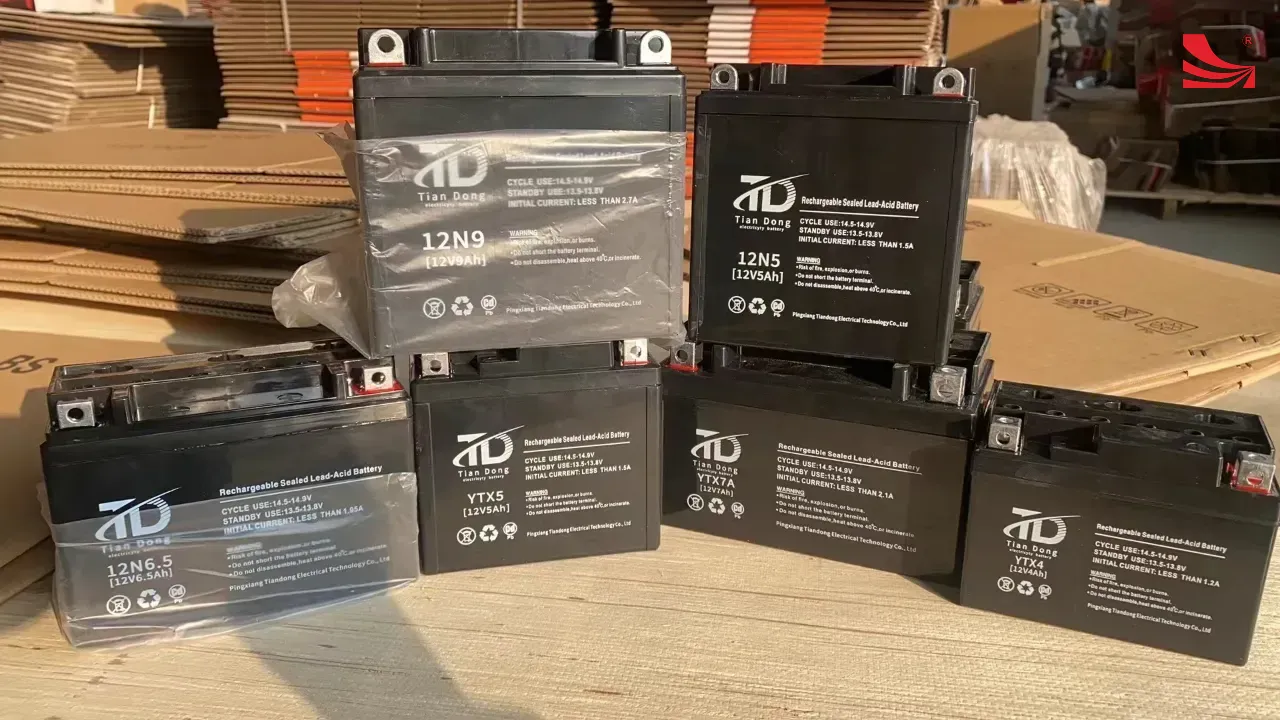
High Performance Motorcycle Batteries for Global Markets

Tiandong Electric Appliance Showcases High-Performance Motorcycle Batteries at Guangzhou Expo

What kind of battery is best for a motorcycle?

The Ultimate Guide to Electric Scooter Batteries: Performance, Longevity, and Future Innovations (2026 & Beyond)

The Ultimate 2026 Guide to Motorcycle Battery Types: Choose, Maintain, and Upgrade for Peak Performance
Support
What is Tiandong’s production capacity?
The company produces approximately 6 million batteries per year, supported by 15,000 tons of electrode plate production capacity.
Product
What causes motorcycle batteries to fail?
Common causes include over-discharging, extreme temperatures, poor charging systems, and low-quality manufacturing materials.
How long does a motorcycle battery typically last?
A motorcycle battery generally lasts between 2 and 4 years, depending on usage, maintenance, and environmental conditions.
What is the typical lifespan of your batteries?
Depending on the model and usage conditions, our batteries typically last between 2 to 4 years under normal operation.
customer
Can overseas clients visit the Tiandong factory?
Yes. Tiandong welcomes international customers to visit the factory, production workshops, and logistics warehouses to better understand the manufacturing and quality control process.
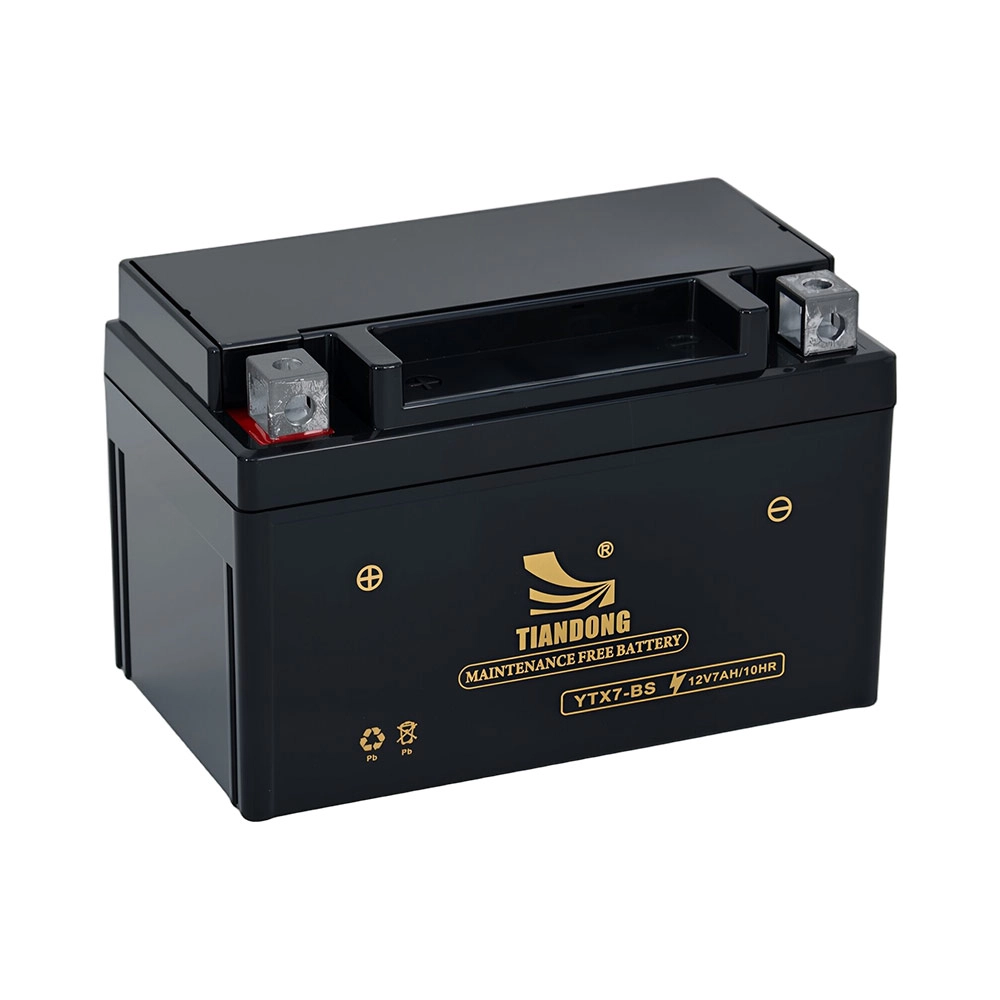
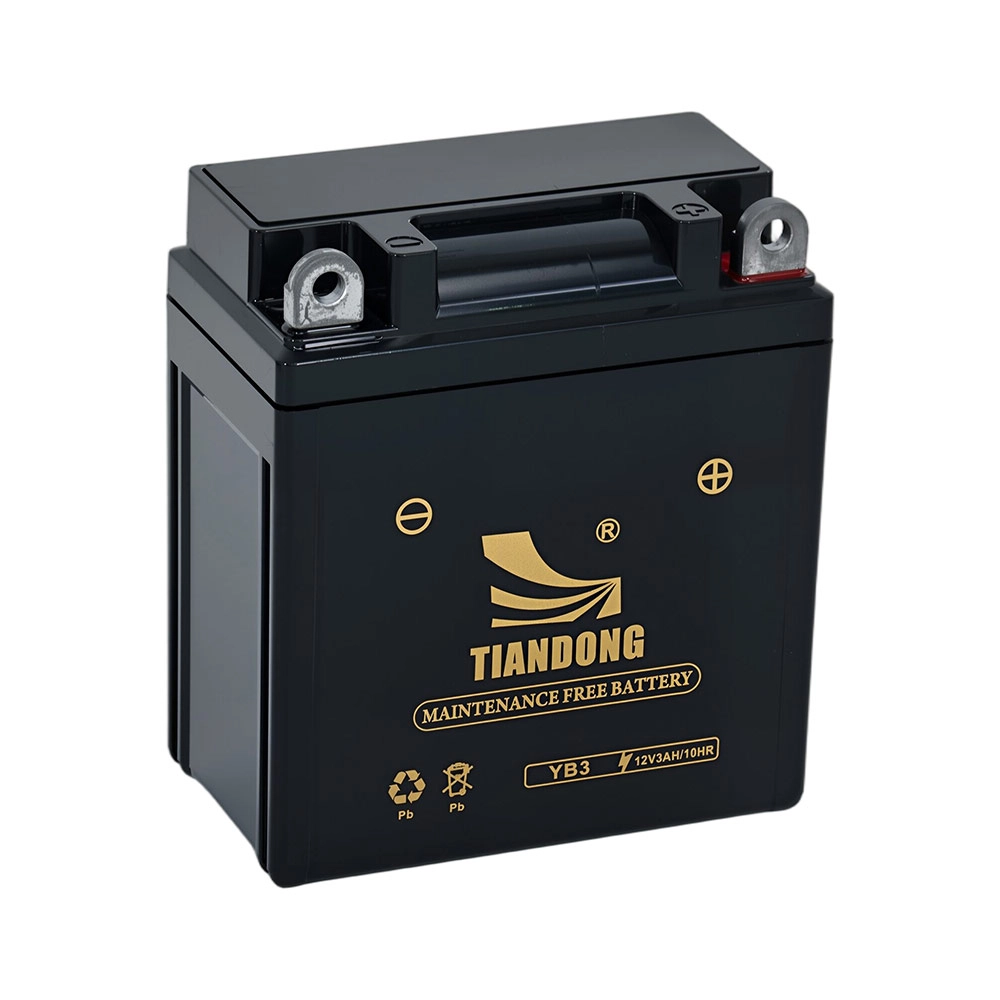
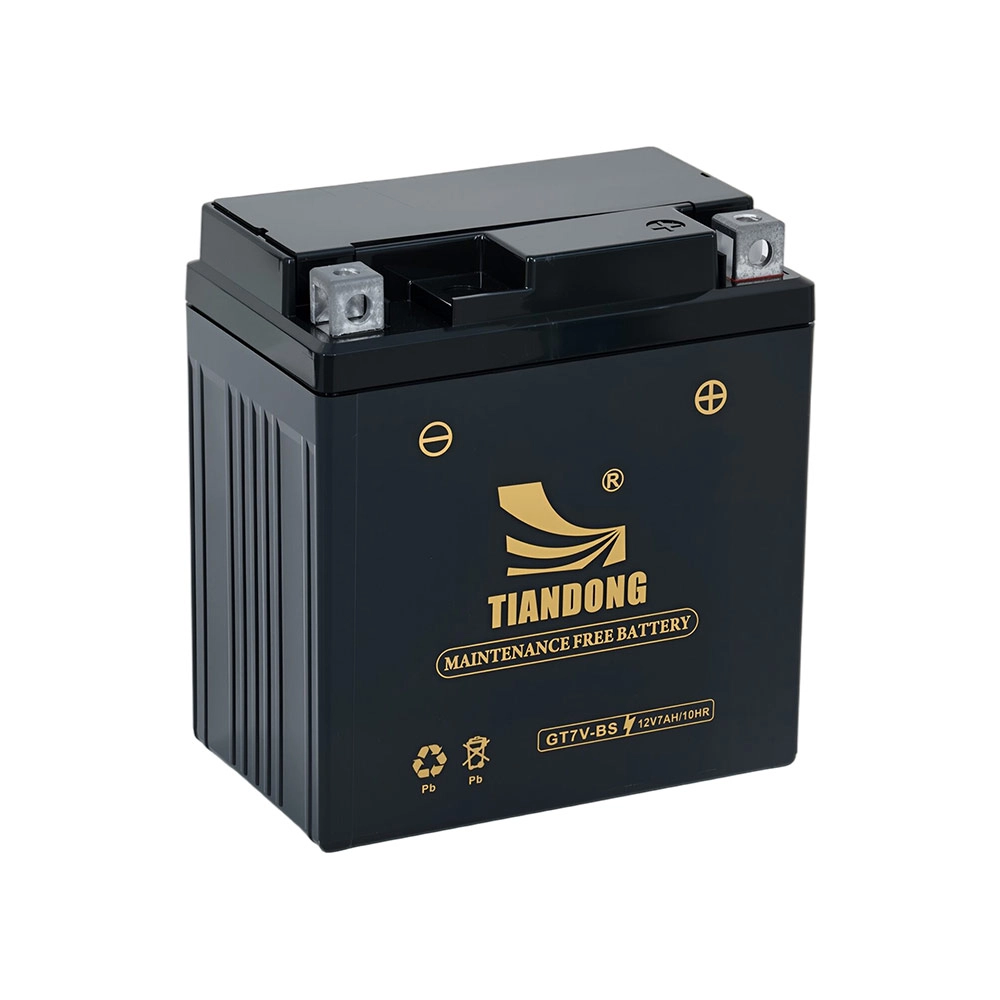
Get in touch with us to get your Motorbike Battery solution
TIANDONG is a leading motorcycle battery manufacturer offering OEM/ODM service, stable quality, and global export support.
Built for wholesalers. Trusted by global buyers. Delivered with confidence.
Say Hello
E-mail: daisybattery8@gmail.com
xianyingchen83@gmail. com
WhatsAPP: +86 134 283 86694
+86 134 348 86641
Our Location
Social Links
© 2025 TIANDONG. All Rights Reserved. Privacy Policy | Terms and Conditions | Sitemap
 Scan QR Code
Facebook
Instagram
Scan QR Code
Whatsapp: +8613434886641