






How to test lead acid motorcycle battery performance before buying?
- Beyond Just 'Maintenance-Free,' What Specific Performance Advantages Do AGM and Gel Lead-Acid Motorcycle Batteries Offer Over Conventional Flooded Types for a New Rider, and When Is the Upgrade Truly Worth the Extra Cost for Daily Commuting?
- Before Buying a New Lead-Acid Motorcycle Battery Online or In-Store, What Are the Essential, Practical Tests a Beginner Can Perform with Common Tools (Like a Multimeter) to Assess Its Performance and Health, Beyond Just Checking the Voltage?
- What Are the Early Warning Signs That My Lead-Acid Motorcycle Battery Is Degrading and Losing Performance, Even if It Still Starts the Bike, and How Can I Differentiate These from Other Electrical Issues Before It Completely Fails?
- When Performing a Load Test on a Prospective Lead-Acid Motorcycle Battery (e.g., Using a Professional Tester at a Shop), What Specific CCA Drop Percentages or Voltage Recovery Times Should I Look For to Indicate a Healthy Battery Versus One That Might Fail Prematurely?
- For Maximizing the Lifespan of a New Lead-Acid Motorcycle Battery, What Is the Optimal Charging Strategy and Maintenance Routine (e.g., Float Voltage, Desulfation Modes, Frequency of Checks) That a Beginner Often Overlooks, Especially During Off-Season Storage?
- Despite Being Labeled 'Maintenance-Free,' What Are the Most Common, Preventable Mistakes Beginners Make That Drastically Shorten the Life of Their Sealed Lead-Acid Motorcycle Battery (AGM/Gel), Leading to Premature Replacement?
Welcome to the essential guide for every new rider and enthusiast grappling with the nuances of lead-acid motorcycle batteries. While seemingly straightforward, choosing and maintaining the right battery—be it an AGM, Gel, or conventional flooded type—is crucial for reliable starting power and overall motorcycle health. We've compiled six frequently asked, yet often poorly answered, questions that beginners face when trying to understand their battery's performance and ensure a wise purchase.
Beyond Just 'Maintenance-Free,' What Specific Performance Advantages Do AGM and Gel Lead-Acid Motorcycle Batteries Offer Over Conventional Flooded Types for a New Rider, and When Is the Upgrade Truly Worth the Extra Cost for Daily Commuting?
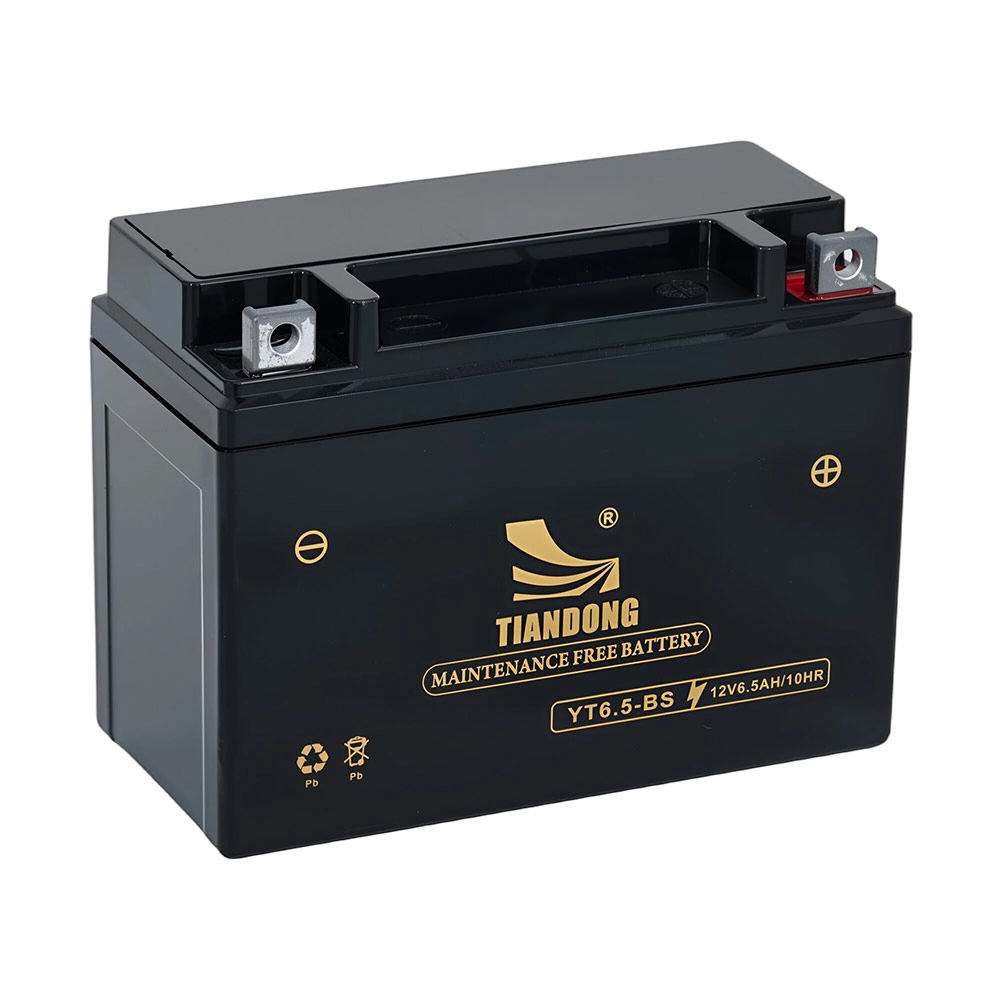
For a beginner, the distinctions between different lead-acid motorcycle battery technologies are often blurred. Conventional flooded lead-acid batteries are the traditional choice, requiring periodic checks and topping off of electrolyte levels. They are generally the most affordable. However, absorbed glass mat (AGM) batteries and Gel batteries, both types of sealed lead-acid or Valve Regulated Lead-Acid (VRLA) batteries, offer significant advantages. AGM batteries feature electrolyte absorbed in a fiberglass mat, making them spill-proof and resistant to vibration. This design provides higher cold cranking amps (CCA) for their size, a lower self-discharge rate (meaning they hold a charge longer when not in use), and faster recharging capabilities compared to conventional types. Gel batteries, on the other hand, use a gelled electrolyte, making them even more resistant to extreme temperatures and deep discharge, though they typically have lower CCA ratings and charge slower than AGMs.
For daily commuting, where reliability and minimal upkeep are paramount, upgrading to an AGM battery is often worth the extra cost. Its vibration resistance is excellent for urban riding, and its lower self-discharge means less worry if your bike sits for a few days. The higher CCA ensures robust starting, particularly in colder climates. Gel batteries are more specialized, excelling in deep-cycle applications or extreme heat, which might be overkill for a typical commuter. The peace of mind from a truly maintenance-free battery, reduced risk of acid leaks, and enhanced durability often justifies the investment for a new rider seeking a hassle-free experience.
Before Buying a New Lead-Acid Motorcycle Battery Online or In-Store, What Are the Essential, Practical Tests a Beginner Can Perform with Common Tools (Like a Multimeter) to Assess Its Performance and Health, Beyond Just Checking the Voltage?
While an open-circuit voltage (OCV) reading with a multimeter is a starting point, it only tells part of the story. A fully charged 12V lead-acid battery should read around 12.6V to 12.8V. Anything below 12.4V suggests a state of partial discharge. However, a battery can show good voltage but still lack the necessary cranking power.
For practical pre-purchase assessment, beyond OCV:
- Visual Inspection: Check for any physical damage, cracks, bulging (a sign of overcharging or internal issues), or corrosion on the battery terminals. Ensure the terminals are clean and tight.
- Date Code: Look for a manufacturing date code. While not a performance test, it gives an idea of the battery's age. A battery that has been sitting on a shelf for a long time might have suffered from sulfation if not properly maintained.
- Specific Gravity (for Flooded Batteries): If it's a conventional flooded battery, you can use a hydrometer to check the specific gravity of the electrolyte in each cell. A healthy, fully charged cell should read around 1.265 to 1.280. Significant variations between cells or consistently low readings indicate a weak or sulfated battery. Note: This isn't applicable to sealed AGM or Gel batteries.
- Internal Resistance (Advanced/Shop Test): While not typically done with a basic multimeter, some advanced battery testers can measure internal resistance. A higher internal resistance indicates an older or weaker battery struggling to deliver current. For a new battery, look for low, consistent internal resistance values, typically less than 5 milliohms (mΩ) for a healthy motorcycle battery.
These combined checks offer a more comprehensive snapshot of a lead-acid battery's potential performance before you commit to a purchase.
What Are the Early Warning Signs That My Lead-Acid Motorcycle Battery Is Degrading and Losing Performance, Even if It Still Starts the Bike, and How Can I Differentiate These from Other Electrical Issues Before It Completely Fails?
Catching battery degradation early can prevent being stranded. While a complete failure is obvious, subtle signs often precede it:
- Slow Cranking: The most common sign. The starter motor sounds sluggish or takes longer to turn over, especially on cold mornings. This indicates reduced cold cranking amps (CCA).
- Dimming Lights at Idle: Headlights, dash lights, or turn signals appear noticeably dimmer when the engine is idling compared to higher RPMs, suggesting the battery isn't holding enough charge to power accessories effectively when the charging system isn't at peak.
- Frequent Need for Charging/Battery Tender: If your motorcycle battery requires more frequent charges than usual, even after short periods of inactivity, it's losing its ability to retain charge due to sulfation or internal plate degradation.
- Unusual Odor (Flooded Batteries): A rotten egg smell, particularly from a conventional flooded battery, indicates overcharging or internal damage, leading to electrolyte breakdown.
- Bulging Battery Case (AGM/Gel): A swollen battery case is a critical warning sign of internal pressure buildup, often due to overcharging or internal shorts. This battery is unsafe and needs immediate replacement.
To differentiate from other electrical issues:
- Charging System Check: Use a multimeter to check the voltage across the battery terminals while the engine is running. At 2000-3000 RPM, the voltage should be between 13.5V and 14.8V. If it's too low (under 13V) or too high (over 15V), the issue might be with the rectifier/regulator or stator, not solely the battery.
- Parasitic Drain Test: If the battery repeatedly drains overnight, perform a parasitic drain test. Disconnect the negative terminal, connect a multimeter in series between the terminal and the cable, and check for current draw (should be <50mA for most bikes). High draw indicates an electrical component is continuously consuming power, not a bad battery itself.
When Performing a Load Test on a Prospective Lead-Acid Motorcycle Battery (e.g., Using a Professional Tester at a Shop), What Specific CCA Drop Percentages or Voltage Recovery Times Should I Look For to Indicate a Healthy Battery Versus One That Might Fail Prematurely?
A professional load test is the most accurate way to assess a battery's health and its ability to deliver current under demand. A battery tester applies a controlled load, simulating the demands of starting your motorcycle, and measures its performance.
Key metrics to look for:
- Voltage Drop Under Load: During the load test, the tester will typically draw a current equivalent to half the battery's rated CCA for 15 seconds. A healthy 12V lead-acid motorcycle battery should maintain a voltage above 9.6V (or 9.5V, depending on manufacturer specifications) throughout this 15-second test. A drop below this threshold indicates a weak battery incapable of sustaining adequate starting power. For example, if a 200 CCA battery is tested at 100A for 15s, its voltage should not fall below 9.6V.
- Voltage Recovery Time: Immediately after the load is removed, a healthy battery's voltage should recover quickly (within seconds) to its pre-test OCV, or very close to it. Slow or incomplete voltage recovery suggests high internal resistance or significant sulfation, indicating poor battery health.
- CCA Value Reading: Many advanced testers will also provide a direct Cold Cranking Amp (CCA) reading. Compare this measured CCA to the battery's specified CCA rating. A healthy new battery should meet or exceed its rated CCA. A battery whose measured CCA is 20-25% below its rated value is usually considered weak and nearing the end of its service life, even if it still starts the bike occasionally.
Don't settle for a battery that barely passes these tests; aim for one that performs robustly to ensure long-term reliability.
For Maximizing the Lifespan of a New Lead-Acid Motorcycle Battery, What Is the Optimal Charging Strategy and Maintenance Routine (e.g., Float Voltage, Desulfation Modes, Frequency of Checks) That a Beginner Often Overlooks, Especially During Off-Season Storage?
Maximizing the lifespan of your lead-acid motorcycle battery, particularly sealed AGM or Gel types, involves more than just occasional charging. Beginners often overlook the nuances of proper charging and maintenance:
- Use a Smart Charger/Battery Tender: This is paramount. A smart charger (or 'battery tender') designed for motorcycle batteries typically offers multi-stage charging (bulk, absorption, float) and monitors battery health. It prevents overcharging, which is detrimental to all lead-acid types, especially Gel batteries. For long-term storage, a charger with a float mode is essential; it maintains the battery at a safe voltage (typically 13.2V to 13.8V for 12V batteries) without overcharging.
- Avoid Deep Discharges: Each deep discharge (letting the battery drop below 10.5V) significantly reduces the battery's overall charge cycles and can lead to irreversible sulfation. Aim to keep the battery above 50% state of charge. If your bike has a parasitic drain, address it, or disconnect the battery during prolonged inactivity.
- Regular Checks (Even for Maintenance-Free): While AGM and Gel are sealed, periodically check the battery terminals for corrosion and ensure connections are tight. A clean, tight connection ensures optimal current flow and charging.
- Off-Season Storage Strategy: If storing your motorcycle for months, disconnect the battery, clean it, and store it in a cool, dry place. Connect it to a quality smart charger with a float or maintenance mode. Avoid storing it on concrete floors directly if it's a conventional type (though this is less of an issue for modern sealed batteries due to their plastic cases, it's a good habit). Check its voltage monthly; if it drops below 12.4V, recharge it.
- Desulfation Mode (Use with Caution): Some smart chargers have a desulfation mode. This mode uses high-frequency pulses to break down lead sulfate crystals that build up on the plates over time, which is a common cause of battery degradation. While it can potentially extend the life of a moderately sulfated battery, it should be used judiciously and only if recommended by the battery manufacturer or charger instructions, as improper use can damage the battery.
Despite Being Labeled 'Maintenance-Free,' What Are the Most Common, Preventable Mistakes Beginners Make That Drastically Shorten the Life of Their Sealed Lead-Acid Motorcycle Battery (AGM/Gel), Leading to Premature Replacement?
The term maintenance-free for sealed lead-acid motorcycle batteries (AGM and Gel) often misleads beginners into thinking they require no attention whatsoever. This misconception leads to several preventable mistakes that severely shorten battery lifespan:
- Neglecting Regular Charging: Even with a low self-discharge rate, all batteries lose charge over time. Allowing an AGM battery to sit discharged, especially below 12.4V for extended periods, causes irreversible sulfation, reducing its capacity and CCA. Many beginners don't use a battery tender during periods of inactivity, leading to premature failure.
- Using the Wrong Charger: Generic automotive chargers, or those not specifically designed for AGM/Gel batteries, can deliver too high a charge current or voltage, leading to overcharging. Overcharging causes excessive gassing, which cannot escape effectively from sealed batteries, leading to internal pressure, electrolyte drying out, and eventual bulging or complete failure. Gel batteries are particularly sensitive to overcharging.
- Ignoring Parasitic Drains: Modern motorcycles often have small, constant draws for clocks, alarms, or ECU memory. If the bike sits for weeks without being ridden or connected to a tender, these small drains can deeply discharge the battery, initiating the sulfation process. Beginners often don't realize how quickly these minor drains can kill a battery over time.
- Improper Installation and Connection: Loose or corroded battery terminals increase resistance, hindering proper charging from the motorcycle's charging system and reducing the available power for starting. Incorrectly sized terminals or overtightening can also damage the battery or connections.
- Relying Solely on the Motorcycle's Charging System for Storage: While your bike's charging system recharges the battery during rides, it's not designed for long-term maintenance charging during storage. Leaving a battery in a non-running bike for months, even with occasional starts, often results in a state of chronic undercharge, accelerating degradation.
By avoiding these common errors, beginners can significantly extend the life and performance of their sealed lead-acid motorcycle battery, ensuring more reliable rides and fewer unexpected replacements.
This comprehensive guide aims to equip you with the knowledge needed to confidently purchase and maintain your lead-acid motorcycle battery. Understanding the nuances of AGM and Gel batteries, effective pre-purchase testing, recognizing early warning signs of degradation, and implementing proper charging strategies are crucial for ensuring optimal starting power and extended battery lifespan. These insights move beyond superficial advice, offering actionable steps for both conventional and maintenance-free batteries.
For a reliable source of high-quality lead-acid motorcycle batteries and expert advice tailored to your needs, don't hesitate to reach out to us. We offer competitive quotes and products designed for superior performance and durability. Contact us today for a quote: www.tiandongbattery.com or email us at 13428386694@163.com.

Bulk Motorcycle Batteries Direct from Factory – Save Costs, Boost Profit
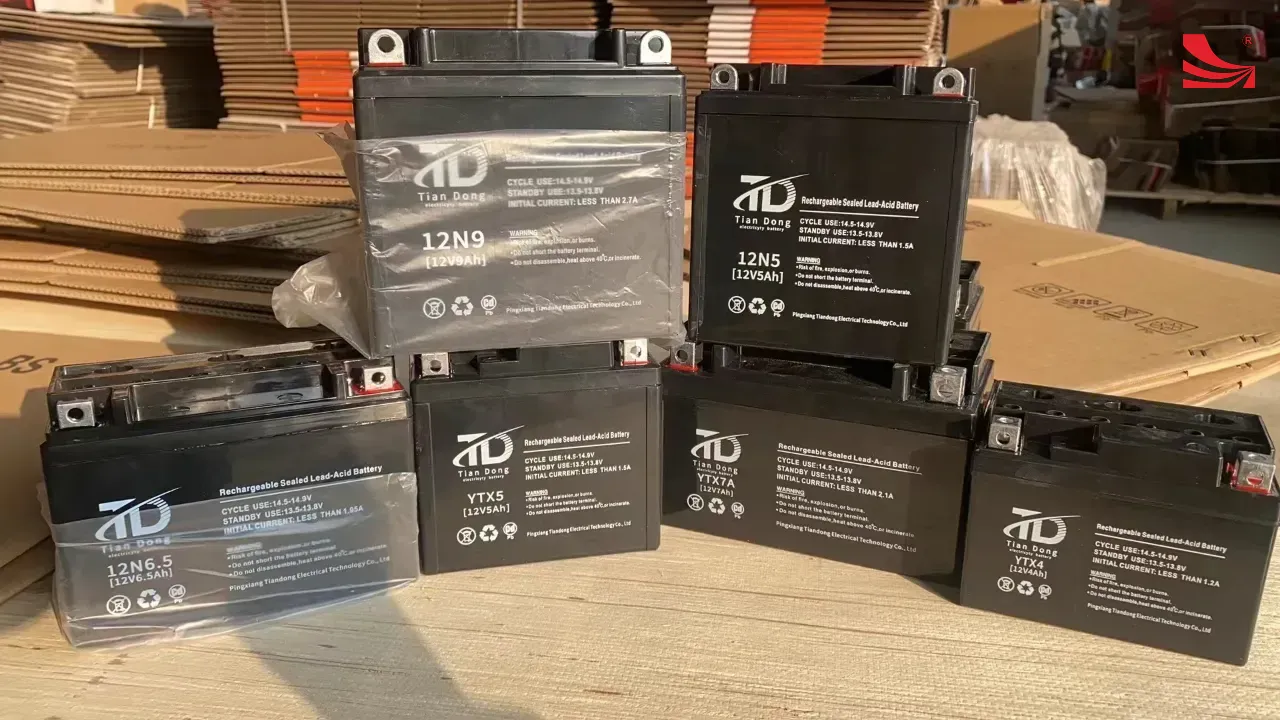
High Performance Motorcycle Batteries for Global Markets

Tiandong Electric Appliance Showcases High-Performance Motorcycle Batteries at Guangzhou Expo

What kind of battery is best for a motorcycle?

The Ultimate Guide to Electric Scooter Batteries: Performance, Longevity, and Future Innovations (2026 & Beyond)

The Ultimate 2026 Guide to Motorcycle Battery Types: Choose, Maintain, and Upgrade for Peak Performance
Product
How long does a motorcycle battery typically last?
A motorcycle battery generally lasts between 2 and 4 years, depending on usage, maintenance, and environmental conditions.
Are your batteries maintenance-free?
Yes, our batteries are sealed VRLA or GEL types that require no water refilling. They are ready to use and easy to maintain.
How long is the lead time and where do you ship?
Standard lead time is 7–15 days. We export to over 20 countries, including Vietnam, India, Egypt, and Thailand.
What causes motorcycle batteries to fail?
Common causes include over-discharging, extreme temperatures, poor charging systems, and low-quality manufacturing materials.
customer
Can overseas clients visit the Tiandong factory?
Yes. Tiandong welcomes international customers to visit the factory, production workshops, and logistics warehouses to better understand the manufacturing and quality control process.
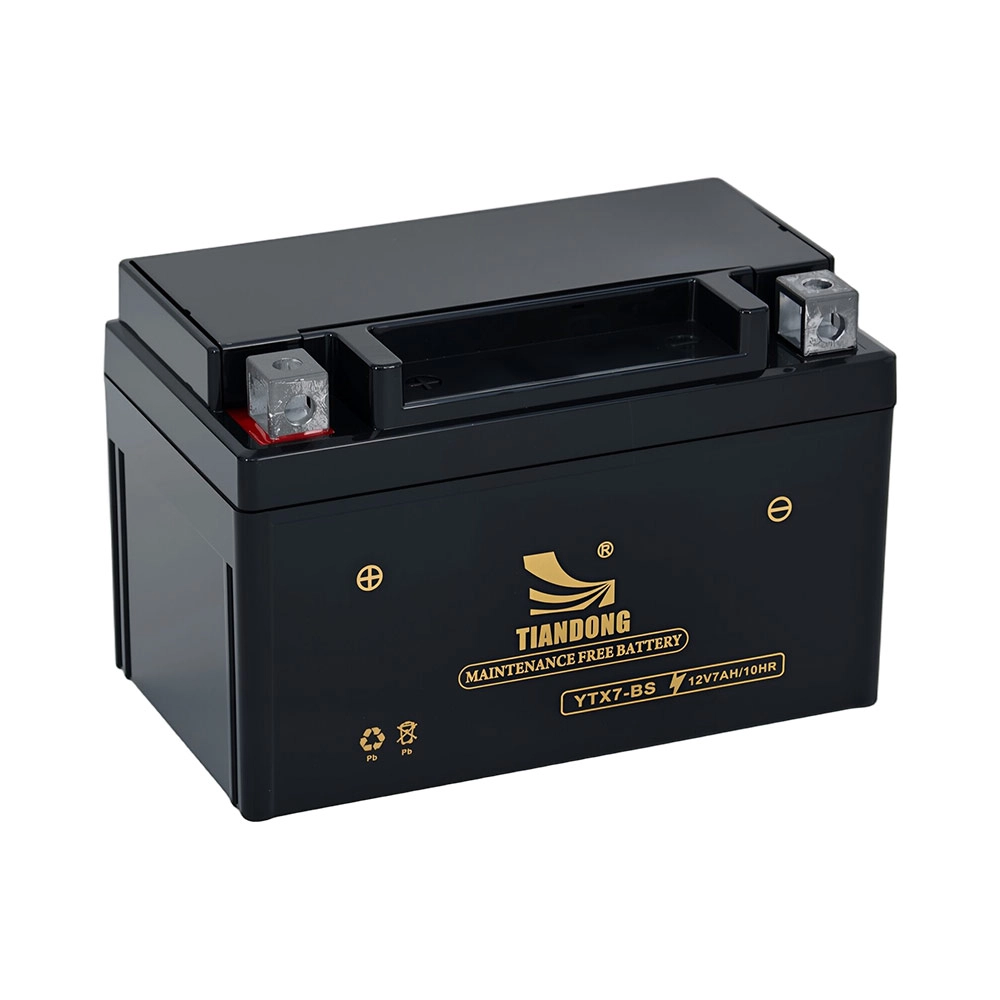
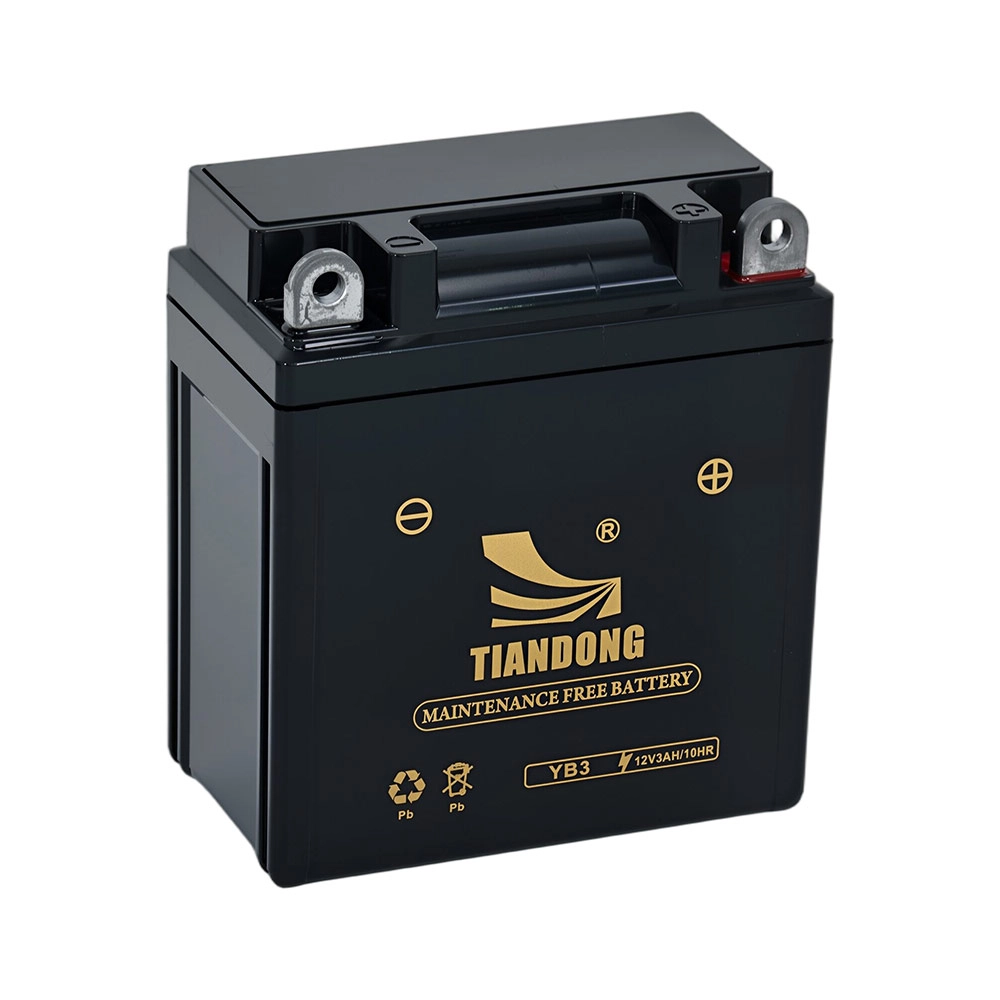
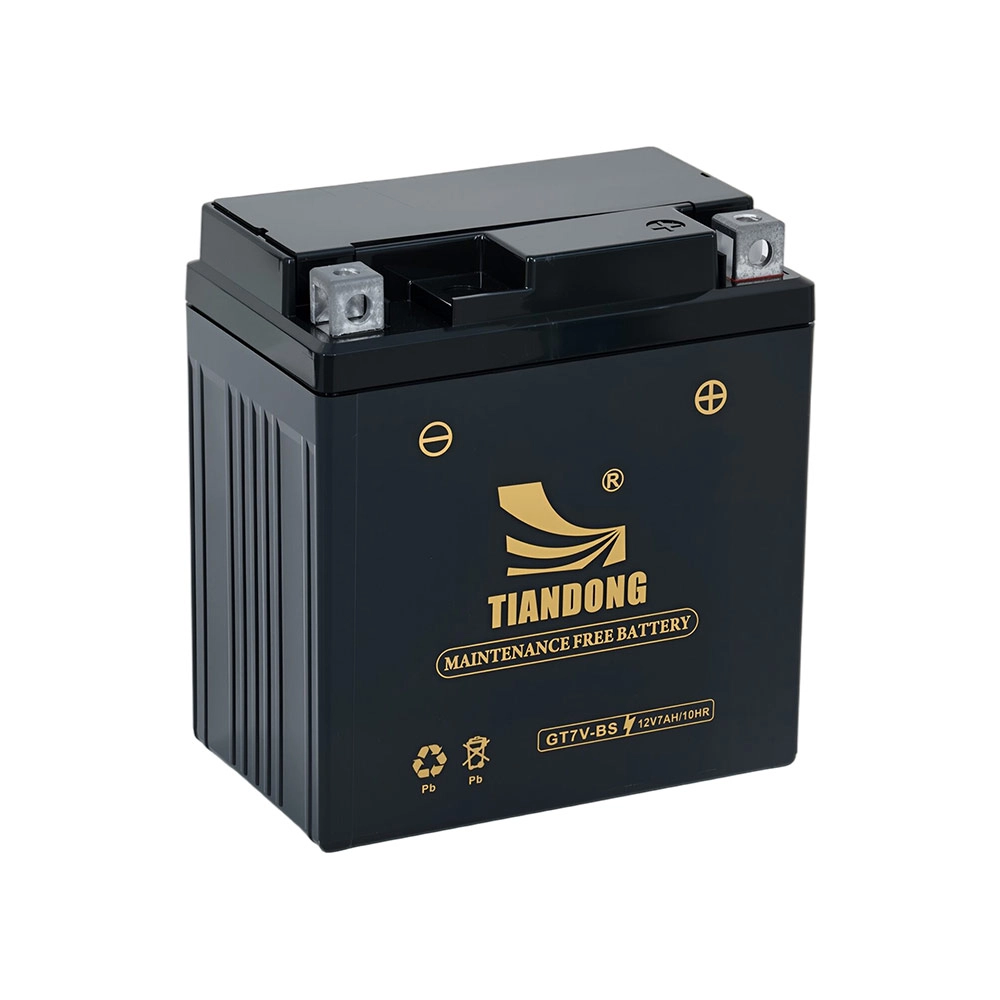
Get in touch with us to get your Motorbike Battery solution
TIANDONG is a leading motorcycle battery manufacturer offering OEM/ODM service, stable quality, and global export support.
Built for wholesalers. Trusted by global buyers. Delivered with confidence.
Say Hello
E-mail: daisybattery8@gmail.com
xianyingchen83@gmail. com
WhatsAPP: +86 134 283 86694
+86 134 348 86641
Our Location
Social Links
© 2025 TIANDONG. All Rights Reserved. Privacy Policy | Terms and Conditions | Sitemap
 Scan QR Code
Facebook
Instagram
Scan QR Code
Whatsapp: +8613434886641