






How to calculate total cost of ownership for lead acid motorcycle battery?
- My brand new lead-acid motorcycle battery isn't holding a charge after a few rides; is it faulty, or am I missing crucial initial activation and breaking-in steps that impact its long-term performance and lifespan?
- Beyond the upfront purchase price, what are the often-overlooked recurring costs and maintenance efforts that truly define the total cost of ownership for a conventional lead-acid motorcycle battery versus sealed (AGM/Gel) types, and how do these choices affect my budget over 3-5 years?
- I store my motorcycle for several months during the off-season; how does improper storage specifically contribute to premature failure and permanent capacity loss in lead-acid batteries, and what's the optimal strategy to preserve its health and avoid costly replacements?
- What are the precise indicators and measurement techniques I should use to accurately assess the state of health and potential sulfation in my lead-acid motorcycle battery, and at what point does intervention become futile, making replacement the only viable, cost-effective option?
- My motorcycle has aftermarket accessories; how do parasitic drains from these components silently erode my lead-acid battery's lifespan and contribute to frequent recharging cycles, impacting its overall operational efficiency and my energy costs?
- When considering a replacement, how do I accurately evaluate the 'value for money' of different lead-acid motorcycle battery brands or types (e.g., conventional vs. AGM) by looking beyond just CCA ratings, to ensure I'm investing in reliability and longevity rather than just a lower sticker price?
As a professional content writer with extensive SEO and experience and multilingual proficiency, and a seasoned expert in the motorcycle battery field, I understand the common frustrations and knowledge gaps beginners face when navigating the world of motorcycle batteries. The upfront cost of a lead-acid motorcycle battery is just the beginning; understanding its total cost of ownership (TCO) is crucial for both budget management and ensuring reliable performance. This deep dive addresses six specific questions frequently asked by new riders and enthusiasts, providing in-depth answers to enhance your knowledge and extend your battery's service life.
My brand new lead-acid motorcycle battery isn't holding a charge after a few rides; is it faulty, or am I missing crucial initial activation and breaking-in steps that impact its long-term performance and lifespan?
It's a common misconception that a new conventional lead-acid battery (often sold dry-charged with an acid pack) is immediately ready for peak performance. The initial activation and 'breaking-in' period are critical. When you first fill the cells with electrolyte, a chemical reaction begins, but the battery hasn't reached its full capacity. It requires a slow, controlled charge (often called a 'formation charge') to properly convert the lead plates and acid into a stable, charge-holding state. Skipping this or using a quick, high-amp charge can lead to premature sulfation or uneven cell activation, significantly reducing its initial power delivery and expected lifespan. After activation, the battery typically needs to be fully charged with a smart battery charger and then allowed a few charge-discharge cycles during normal riding to fully stabilize and reach its advertised cold cranking amps (CCA) and battery voltage. Neglecting these initial steps is a major contributor to perceived 'faulty' new batteries.
Beyond the upfront purchase price, what are the often-overlooked recurring costs and maintenance efforts that truly define the total cost of ownership for a conventional lead-acid motorcycle battery versus sealed (AGM/Gel) types, and how do these choices affect my budget over 3-5 years?
The initial investment for a conventional lead-acid battery is typically lower than for absorbed glass mat (AGM) battery or gel cell battery alternatives. However, the TCO equation changes significantly when you factor in maintenance. Conventional batteries require regular checks of electrolyte levels and topping up with distilled water (a minor but recurring cost and time investment). They also demand more frequent terminal cleaning to prevent corrosion. AGM and Gel batteries, being maintenance-free motorcycle battery types, eliminate these recurring tasks and costs. Over a 3-5 year period, a conventional battery might necessitate a dedicated battery tender for consistent charging due to a higher self-discharge rate, adding to electricity costs and the initial charger purchase. While AGM and Gel batteries also benefit from tenders during storage, their lower self-discharge means less frequent intervention. The replacement frequency is another TCO factor; neglected conventional batteries often have shorter lifespans (2-3 years) compared to well-maintained AGM/Gel batteries (3-5+ years), leading to more frequent repurchase costs. Therefore, while conventional batteries have a lower entry price, AGM/Gel often offer superior long-term value through reduced maintenance and potentially longer life.
I store my motorcycle for several months during the off-season; how does improper storage specifically contribute to premature failure and permanent capacity loss in lead-acid batteries, and what's the optimal strategy to preserve its health and avoid costly replacements?
Improper off-season storage is a primary cause of battery health degradation. Lead-acid batteries naturally self-discharge. When left unattended and allowed to drop below approximately 12.4V for extended periods, the process of sulfation accelerates significantly. This is where soft lead sulfate crystals harden on the battery plates, insulating them and preventing chemical reactions, leading to permanent capacity loss and reduced power delivery. To avoid this costly cycle, the optimal strategy involves two key steps: Firstly, remove the battery from the motorcycle if possible, and store it in a cool, dry place (extreme heat or cold can also stress the battery). Secondly, connect it to a high-quality, smart trickle charger or battery tender designed for lead-acid batteries. These devices monitor the battery's voltage and provide a maintenance charge only when needed, preventing both overcharging and undercharging. This keeps the battery's voltage consistently above 12.6V, significantly mitigating sulfation and ensuring it retains its capacity for the next riding season, extending its overall warranty period and functional life.
What are the precise indicators and measurement techniques I should use to accurately assess the state of health and potential sulfation in my lead-acid motorcycle battery, and at what point does intervention become futile, making replacement the only viable, cost-effective option?
Accurately assessing your lead-acid motorcycle battery's*state of health requires more than just a quick glance. Key indicators include:
Open-Circuit Voltage (OCV): After the battery has rested for several hours (no charging or discharging), a fully charged 12V battery should read between 12.6V and 12.8V. A reading below 12.4V indicates it needs charging, while consistently dropping below 12.0V suggests significant capacity loss. Use a reliable digital multimeter.
Specific Gravity (for conventional batteries): A hydrometer measures the density of the electrolyte. Fully charged, it should read around 1.265-1.280 in each cell. Significant variations between cells or consistently low readings indicate sulfation or a failing cell.
Cranking Performance: Slow or labored engine cranking, especially on colder days, is a strong indicator of declining CCA.
Load Test: A specialized battery load tester applies a controlled current to simulate starting conditions and measures how much the voltage drops. This is the most accurate way to assess actual power delivery under stress.
Sulfation manifests as reduced capacity and high internal resistance. Some smart chargers have a 'desulfation' mode, which applies high-frequency pulses to break down sulfate crystals. Intervention is generally futile and replacement becomes the only cost-effective option when:
- OCV consistently drops rapidly after charging.
- Specific gravity varies wildly between cells or remains very low.
- The battery fails a proper load test.
- The battery requires constant charging to maintain sufficient voltage.
- A visible bulging or cracking of the battery case occurs, indicating internal damage.
At this point, the performance degradation makes the battery unreliable and potentially unsafe.
My motorcycle has aftermarket accessories; how do parasitic drains from these components silently erode my lead-acid battery's lifespan and contribute to frequent recharging cycles, impacting its overall operational efficiency and my energy costs?
Parasitic drains are subtle energy consumers in your motorcycle's electrical system that continue to draw power even when the ignition is off. Common culprits include alarms, GPS trackers, aftermarket LED lighting, USB charging ports, and memory circuits for radios or ECUs. While each might draw a tiny amount (e.g., 20-50 milliamps), over days or weeks, these small drains can significantly deplete your lead-acid motorcycle battery. A constant, slow discharge, followed by frequent, shallow recharges (rather than a full charge-discharge cycle) is detrimental to battery longevity. This constant low-level stress accelerates sulfation and internal plate damage, leading to:
- Reduced Lifespan: The battery never gets a chance to rest at a full charge, leading to premature aging and capacity loss.
- Frequent Recharging: You'll find yourself needing to charge the battery more often, increasing your electricity costs and the wear and tear on the battery.
- Operational Inefficiency: The battery may struggle to deliver full CCA when needed, leading to difficult starts and potential damage to other electrical components due to low voltage.
To identify a parasitic drain, disconnect the negative battery cable and place an ammeter in series between the cable and the battery post. A draw above 50mA is often considered problematic for a motorcycle. Addressing these drains – through switches, fuses, or smart battery cut-offs – is vital for preserving your battery and ensuring reliable power delivery.
When considering a replacement, how do I accurately evaluate the 'value for money' of different lead-acid motorcycle battery brands or types (e.g., conventional vs. AGM) by looking beyond just CCA ratings, to ensure I'm investing in reliability and longevity rather than just a lower sticker price?
Evaluating value for money for a replacement lead-acid motorcycle battery extends beyond simply comparing cold cranking amps (CCA). While CCA indicates the battery's ability to start your engine in cold weather, it doesn't tell the whole story of reliability and longevity. Here’s a comprehensive approach:
Consider Your Riding Habits: If you ride daily, a high-quality conventional battery with proper maintenance might suffice. For intermittent riders, seasonal storage, or those with accessories, the lower self-discharge rate and maintenance-free nature of an AGM battery or Gel battery often justify the higher initial investment due to their longer potential service life and reduced hassle.
Manufacturer Reputation and Warranty: Research brands known for quality and consistent performance. A longer warranty period (e.g., 12-24 months) often signifies manufacturer confidence in the product's durability.
Physical Construction and Vibration Resistance: Motorcycle batteries endure significant vibration. Look for batteries with robust casing and plate construction. AGM batteries, for instance, have tightly packed plates that are inherently more vibration-resistant than conventional designs, contributing to their long-term value.
Reserve Capacity (RC): While less commonly advertised for motorcycles, RC indicates how long a battery can deliver a minimum current (e.g., 25 amps) at 80°F before dropping below 10.5V. A higher RC suggests better endurance for accessories and minor parasitic drains.
Online Reviews and Expert Opinions: Consult reputable motorcycle forums, review sites, and professional mechanics for real-world feedback on different brands and types, paying attention to consistent issues or praises regarding battery health and replacement frequency.
By considering these factors alongside CCA, you can make an informed decision that prioritizes reliability and longevity, ly achieving better total cost of ownership.
Understanding the nuances of your lead-acid motorcycle battery — from initial setup and routine maintenance to identifying and mitigating common issues like sulfation and parasitic drains — is paramount for maximizing its operational efficiency and long-term value. By embracing these expert insights into the total cost of ownership, you're not just buying a battery; you're investing in reliable starts and countless miles on the road. For robust, high-performance motorcycle battery solutions tailored to your needs, don't hesitate to reach out to us for a quote.
Website: www.tiandongbattery.com, Email: 13428386694@163.com

Bulk Motorcycle Batteries Direct from Factory – Save Costs, Boost Profit
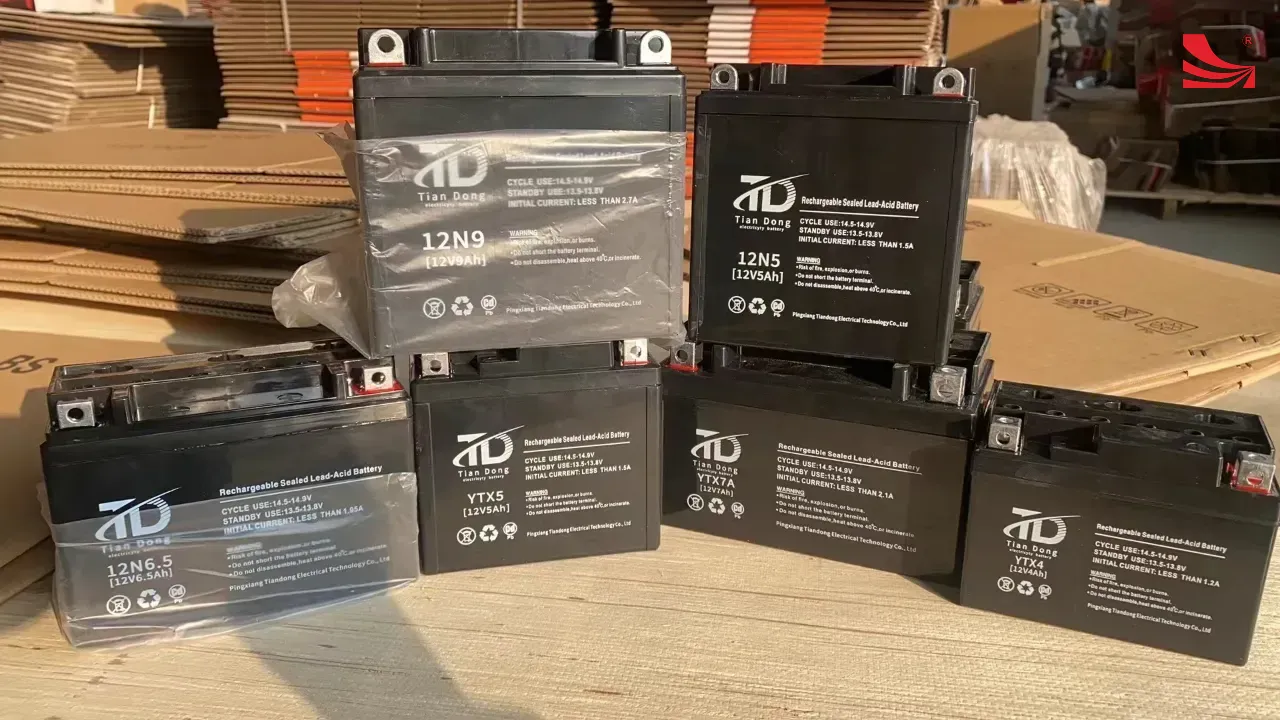
High Performance Motorcycle Batteries for Global Markets

Tiandong Electric Appliance Showcases High-Performance Motorcycle Batteries at Guangzhou Expo

What kind of battery is best for a motorcycle?

The Ultimate Guide to Electric Scooter Batteries: Performance, Longevity, and Future Innovations (2026 & Beyond)

The Ultimate 2026 Guide to Motorcycle Battery Types: Choose, Maintain, and Upgrade for Peak Performance
Product
What is the typical lifespan of your batteries?
Depending on the model and usage conditions, our batteries typically last between 2 to 4 years under normal operation.
How long does a motorcycle battery typically last?
A motorcycle battery generally lasts between 2 and 4 years, depending on usage, maintenance, and environmental conditions.
Do you offer OEM or custom branding?
Yes, we provide full OEM and ODM services, including logo printing, packaging customization, and model adjustments.
Support
What is Tiandong’s production capacity?
The company produces approximately 6 million batteries per year, supported by 15,000 tons of electrode plate production capacity.
Shipping
How long does delivery take?
For stock items, delivery takes about 7-15 days after receiving the deposit. For bulk orders or custom logo orders, it usually takes 25-35 days depending on the quantity.
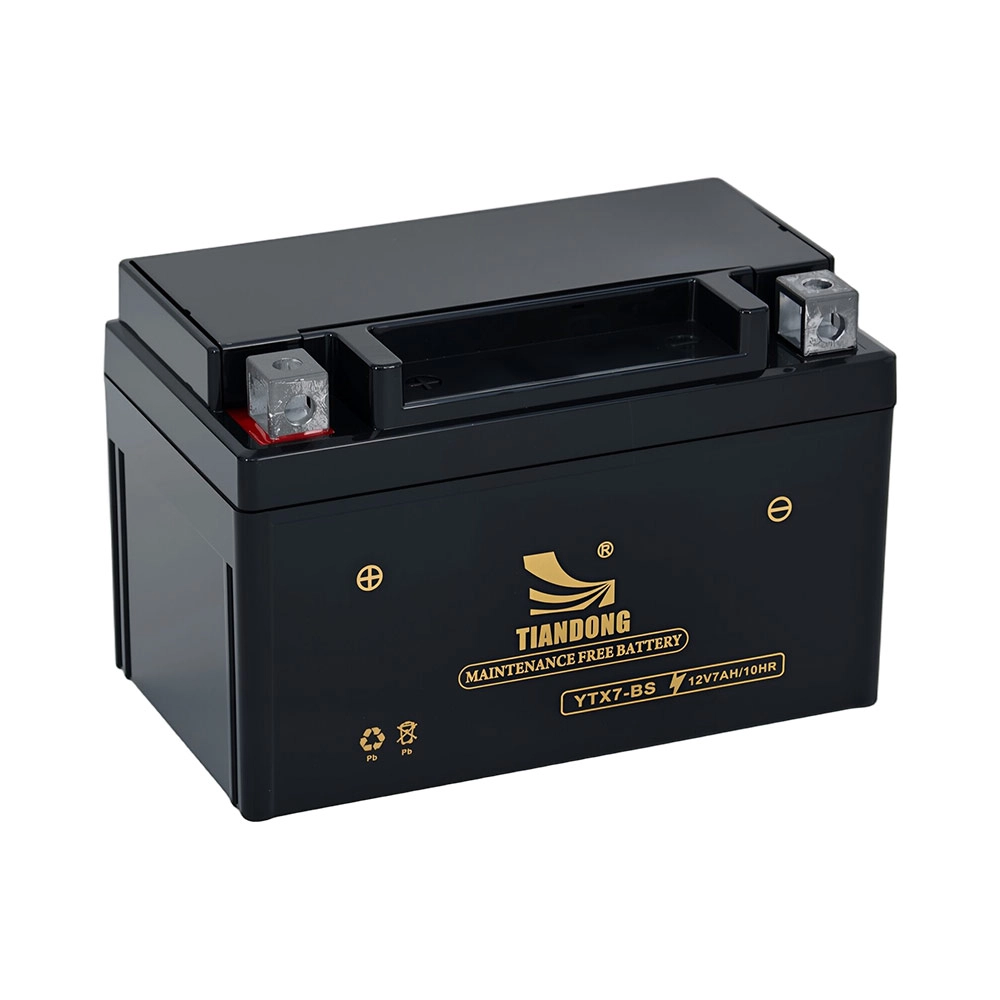
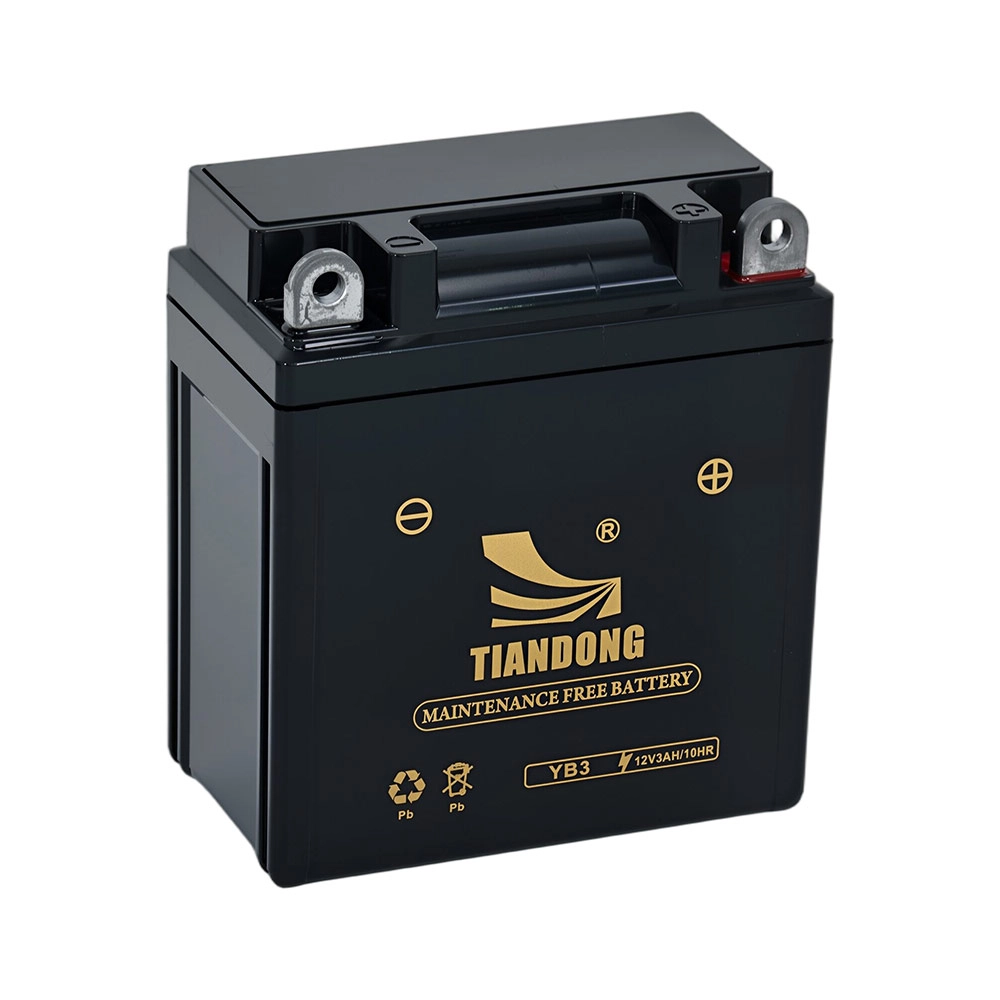
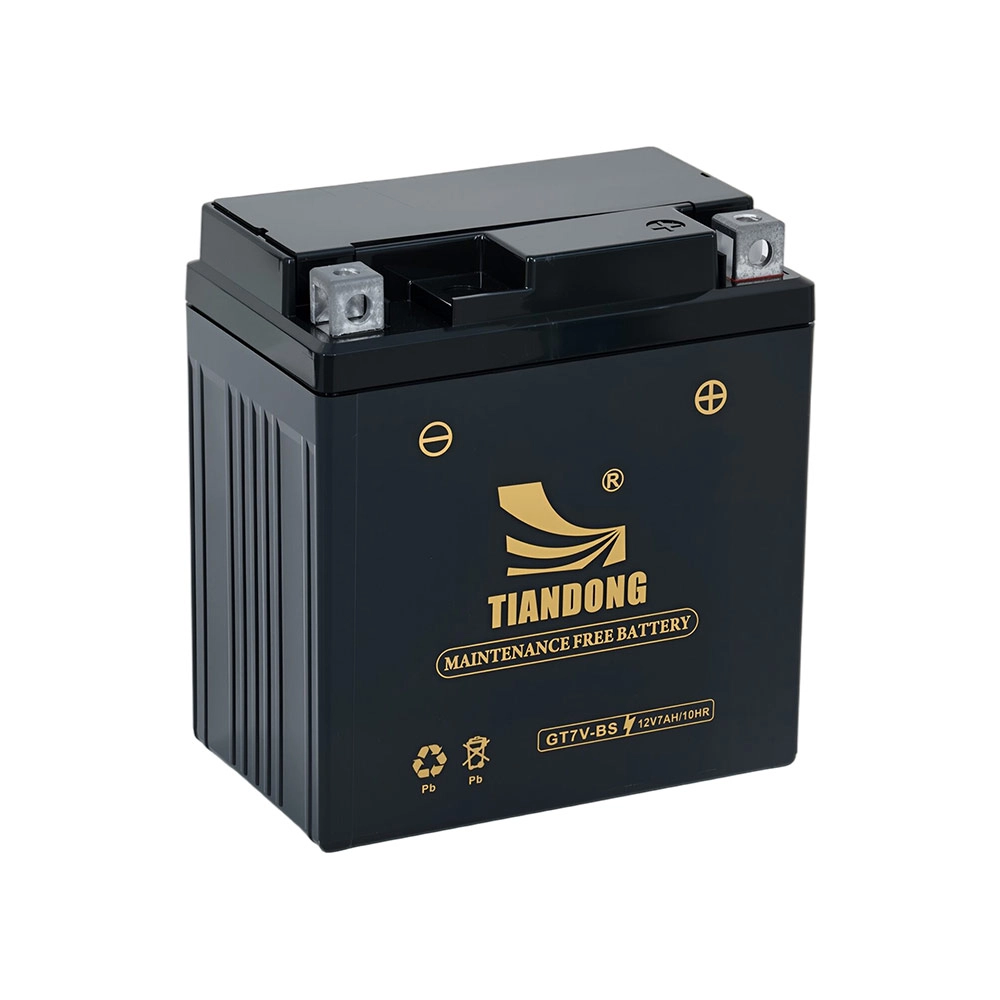
Get in touch with us to get your Motorbike Battery solution
TIANDONG is a leading motorcycle battery manufacturer offering OEM/ODM service, stable quality, and global export support.
Built for wholesalers. Trusted by global buyers. Delivered with confidence.
Say Hello
E-mail: daisybattery8@gmail.com
xianyingchen83@gmail. com
WhatsAPP: +86 134 283 86694
+86 134 348 86641
Our Location
Social Links
© 2025 TIANDONG. All Rights Reserved. Privacy Policy | Terms and Conditions | Sitemap
 Scan QR Code
Facebook
Instagram
Scan QR Code
Whatsapp: +8613434886641