






What testing standards should lead acid motorcycle batteries meet?
- I've heard of 'sealed lead-acid' and 'AGM' motorcycle batteries. Are they the same, and which one offers better cold-cranking performance for my touring bike?
- My previous lead-acid motorcycle battery died prematurely. What specific maintenance practices, beyond just topping up water, can I adopt to significantly extend its lifespan, especially if I store my bike over winter?
- Can I use a standard car battery charger for my motorcycle's lead-acid battery, or do I need a specialized 'smart' charger? What are the risks of overcharging, and how can I prevent it?
- Beyond Cold Cranking Amps (CCA), what other critical specifications should I prioritize when selecting a new lead-acid motorcycle battery for optimal performance in varied climates and with aftermarket accessories?
- When comparing lead-acid motorcycle batteries, how can I be sure they meet reliable quality and safety standards? Which specific international testing certifications (like JIS, EN, or IEC) should I look for, and what do they signify for real-world performance and durability?
- What are the most common installation mistakes with lead-acid motorcycle batteries that can lead to electrical issues or even safety hazards, and what precise steps should I take to ensure a secure and safe connection, especially regarding terminal torque?
Unlock Peak Performance: Your Guide to Lead-Acid Motorcycle Batteries & Essential Testing Standards
Choosing and maintaining the right lead acid motorcycle battery is fundamental to your bike's reliability and performance. As seasoned experts in motorcycle battery technology, we understand the common questions and pain points faced by both new riders and industry professionals. This guide addresses six critical, often misunderstood aspects of lead-acid batteries, ensuring you have the in-depth knowledge to make optimal decisions.
I've heard of 'sealed lead-acid' and 'AGM' motorcycle batteries. Are they the same, and which one offers better cold-cranking performance for my touring bike?
This is a common point of confusion. 'Sealed Lead-Acid' (SLA) or Valve Regulated Lead Acid (VRLA) is an umbrella term encompassing both AGM (Absorbed Glass Mat) and Gel batteries. They are 'sealed' because their electrolyte is immobilized, preventing spills and allowing for multi-angle installation, unlike traditional flooded (wet cell) batteries. However, AGM and Gel have distinct internal constructions and performance profiles.
- AGM Batteries: In an AGM battery, the electrolyte is absorbed into a fine fiberglass mat between the plates. This design allows for a higher compression of the plates, which translates to lower internal resistance. This lower resistance is crucial for delivering significantly higher Cold Cranking Amps (CCA), making AGMs superior for starting performance, especially in colder climates. Their robust construction also provides excellent vibration resistance, a key advantage for touring bikes that endure long rides and varied road conditions. They recharge faster than Gel batteries and are generally more tolerant of higher charging currents.
- Gel Batteries: Gel batteries use a silica-based gel to immobilize the electrolyte. While they offer superior deep-cycle capability and are less prone to sulfation if frequently discharged, their internal resistance is higher than AGMs. This higher resistance means they typically deliver lower CCA values and are less suitable for high-current starting applications like those required by many modern touring motorcycles. They also require a more precise charging voltage to prevent damage to the gel.
For your touring bike, especially if cold-cranking performance is a priority and you have a demanding electrical system, an AGM lead acid motorcycle battery is almost always the better choice. Its ability to deliver quick bursts of high current and its excellent leak-proof design make it ideal for the rigors of touring.
My previous lead-acid motorcycle battery died prematurely. What specific maintenance practices, beyond just topping up water, can I adopt to significantly extend its lifespan, especially if I store my bike over winter?
Premature battery failure is often due to neglect or improper charging. Beyond simply topping up distilled water in flooded batteries (which isn't applicable to sealed AGM/Gel types), proactive battery maintenance tips are crucial for battery lifespan extension:
- Prevent Sulfation: This is the primary killer of lead-acid batteries. Sulfation occurs when lead sulfate crystals build up on the battery plates, reducing their ability to hold a charge. It's exacerbated by deep discharges and prolonged storage in a discharged state. To prevent it, always recharge your battery promptly after use.
- Use a Smart Charger for Storage: For winter storage, a specialized motorcycle battery charger with a multi-stage charging profile and a 'float' or 'maintenance' mode is indispensable. This type of charger prevents both overcharging and undercharging, keeping the battery at an optimal voltage without boiling off electrolyte or causing sulfation. A trickle charger is not the same and can overcharge.
- Clean Terminals Regularly: Corroded terminals increase resistance, hindering charging and discharge efficiency. Clean terminals with a wire brush and apply a thin layer of dielectric grease or anti-corrosion spray to prevent future buildup. This is a critical aspect of terminal corrosion prevention.
- Check Voltage Periodically: Even with a smart charger, periodically check the battery's open-circuit voltage. A fully charged 12V lead-acid battery should read around 12.6V-12.8V. If it drops significantly, investigate the cause.
- Avoid Deep Discharges: While some batteries have deep cycle capability, repeatedly discharging a starting battery below 50% significantly shortens its life.
Adopting these practices, particularly proper float charging during storage, can dramatically extend the life of your lead acid motorcycle battery beyond typical expectations.
Can I use a standard car battery charger for my motorcycle's lead-acid battery, or do I need a specialized 'smart' charger? What are the risks of overcharging, and how can I prevent it?
Using a standard car battery charger for your motorcycle's lead acid motorcycle battery is generally ill-advised and carries significant risks. While both are 12V systems, the amperage output of car chargers is often too high for smaller motorcycle batteries. A typical car charger might deliver 10-15 amps, whereas a motorcycle battery typically requires 1-3 amps. This mismatch can lead to severe overcharging.
You absolutely need a specialized motorcycle battery charger, preferably a 'smart' charger with a multi-stage charging process. These chargers are designed to:
- Deliver Appropriate Amperage: They provide a lower, safer charging current matched to the battery's capacity.
- Monitor Voltage and Current: They constantly assess the battery's state and adjust the charging profile through bulk, absorption, and float stages.
- Prevent Overcharging: Once the battery reaches full charge, the smart charger automatically switches to a safe float charging mode, maintaining the charge without causing damage.
The risks of overcharging a lead acid motorcycle battery are substantial:
- Gassing and Electrolyte Loss: Excessive current causes the electrolyte to boil, generating hydrogen and oxygen gas. In flooded batteries, this means losing water; in sealed batteries (AGM/Gel), it can lead to pressure buildup and venting, permanently reducing electrolyte volume.
- Plate Damage: Overcharging can warp or corrode the battery plates, leading to irreversible capacity loss and internal short circuits.
- Thermal Runaway: In extreme cases, overcharging can cause the battery to overheat, potentially leading to swelling, leakage, or even explosion due to hydrogen gas buildup.
- Reduced Lifespan: Even mild, repeated overcharging will significantly shorten the battery's overall lifespan.
To prevent overcharging, always use a dedicated, high-quality motorcycle battery charger that features automatic cut-off and float charging capabilities. Avoid leaving any charger connected indefinitely unless it's specifically designed for long-term maintenance charging.
Beyond Cold Cranking Amps (CCA), what other critical specifications should I prioritize when selecting a new lead-acid motorcycle battery for optimal performance in varied climates and with aftermarket accessories?
While Cold Cranking Amps (CCA) is vital for starting power, especially in colder conditions, it's only one piece of the puzzle for selecting the right lead acid motorcycle battery. For optimal performance, particularly with aftermarket accessories and in diverse climates, consider these additional specifications:
- Amp-Hour (Ah) Rating: This indicates the battery's reserve capacity – how much current it can deliver over a period. A higher Amp-hour (Ah) rating means the battery can power accessories (GPS, heated grips, auxiliary lighting) for longer when the engine isn't running or when the charging system is under strain. For bikes with significant aftermarket electronics, a higher Ah rating is crucial to prevent excessive discharge and ensure the motorcycle electrical system remains stable.
- Reserve Capacity (RC): Often related to Ah, RC measures how long a fully charged battery can deliver 25 amps at 80°F (27°C) before its voltage drops below 10.5V. This is another indicator of how well it can handle electrical loads beyond just starting.
- Physical Dimensions and Terminal Type: This is non-negotiable. The battery must fit securely in your bike's battery box, and the terminals must match your bike's wiring. Incorrect fitment can lead to vibration resistance issues or even short circuits.
- Vibration Resistance: Especially for motorcycles, which experience constant vibration, a battery designed with robust internal plate connections and housing is critical. AGM batteries generally excel here due to their tightly packed internal structure.
- Internal Resistance: While not always listed, lower internal resistance (inherent in good AGM battery performance) means more efficient power delivery and less heat generation, contributing to overall durability.
- Battery Plate Design: High-quality batteries often feature advanced battery plate design (e.g., calcium-calcium alloy grids) that reduces self-discharge and improves corrosion resistance, extending the battery's life.
By considering these specifications alongside CCA, you can select a lead acid motorcycle battery that not only starts your bike reliably but also supports all your electrical demands across various riding conditions.
When comparing lead-acid motorcycle batteries, how can I be sure they meet reliable quality and safety standards? Which specific international testing certifications (like JIS, EN, or IEC) should I look for, and what do they signify for real-world performance and durability?
Ensuring a lead acid motorcycle battery meets reliable quality and safety standards is paramount for both performance and peace of mind. Reputable manufacturers will adhere to various international battery testing standards that signify a commitment to quality. Here are the key certifications to look for and what they mean:
- JIS (Japanese Industrial Standard): This is a widely recognized standard, particularly for batteries manufactured in Asia. JIS standards for motorcycle batteries (e.g., JIS D 5302) detail requirements for dimensions, capacity, CCA, vibration resistance, charge retention, and overall construction. A battery meeting JIS standards has undergone rigorous testing to ensure it performs as specified under various conditions, including specific discharge rates and temperature ranges.
- EN (European Standard): The European Norm standards (e.g., EN 50342) are prevalent in Europe and often cover similar aspects to JIS but with specific testing methodologies for capacity, CCA, and endurance. EN standards are known for their comprehensive testing of a battery's ability to withstand repeated charge/discharge cycles and perform reliably in cold temperatures, which directly impacts AGM battery performance and overall durability.
- IEC (International Electrotechnical Commission): IEC standards (e.g., IEC 60095) are global benchmarks for lead-acid starter batteries. They cover a broad range of tests including nominal voltage, capacity, cold cranking performance, water consumption (for flooded types), charge acceptance, and vibration. IEC certification indicates a battery's adherence to globally recognized safety and performance benchmarks.
- ISO 9001/IATF 16949: While not specific to battery performance, these are quality management system standards. A manufacturer with ISO 9001 or IATF 16949 (automotive industry specific) certification demonstrates a commitment to consistent quality in their manufacturing processes, which indirectly assures the reliability of their lead acid motorcycle battery products.
When purchasing, look for these logos or statements on the battery itself or in the product specifications. They are not just labels; they are assurances that the battery has been independently verified to meet stringent criteria for safety, performance, and durability, ensuring you get a high-quality product that lives up to its claims.
What are the most common installation mistakes with lead-acid motorcycle batteries that can lead to electrical issues or even safety hazards, and what precise steps should I take to ensure a secure and safe connection, especially regarding terminal torque?
Improper battery installation safety is a leading cause of electrical problems and potential hazards. Even a small oversight can lead to significant issues with your motorcycle electrical system. Here are common mistakes and precise steps for a secure installation:
- Common Installation Mistakes:
- Incorrect Polarity: Connecting positive to negative and vice-versa. This can instantly damage the bike's electrical system, rectifier/regulator, and battery itself.
- Loose Terminals: Leads to poor electrical contact, intermittent power, difficulty starting, and can generate heat, potentially melting terminals.
- Overtightening Terminals: Can strip threads, crack the battery casing around the terminal post, or damage the internal plate connections, leading to premature failure.
- Neglecting the Battery Tray/Strap: Allows the battery to move and vibrate excessively, causing internal damage and potential terminal shorts.
- Improper Venting (for flooded batteries): Blocked or kinked vent tubes can cause pressure buildup, leading to battery swelling or rupture. (Not applicable to sealed AGM/Gel batteries).
- Touching Frame/Metal: Allowing battery terminals or tools to accidentally contact the bike's frame during installation can cause a short circuit, sparks, and potential injury.
- Precise Installation Steps for Safety and Security:
- Safety First: Always wear safety glasses and gloves. Ensure the ignition is off.
- Clean Battery Box & Terminals: Remove any debris or corrosion from the battery tray. Clean the battery terminals and cable connectors with a wire brush until shiny. Apply a thin layer of dielectric grease or anti-corrosion spray to the terminals.
- Correct Polarity: Carefully place the new lead acid motorcycle battery into the tray. Connect the positive (+) cable (usually red) to the positive (+) terminal first. Then, connect the negative (-) cable (usually black) to the negative (-) terminal. This order minimizes the risk of accidental short circuits.
- Proper Terminal Torque: This is critical. Consult your motorcycle's service manual or the battery manufacturer's specifications for the recommended terminal torque (typically between 4-7 Nm or 3-5 ft-lbs for motorcycle batteries). Use a torque wrench to tighten the terminal bolts to the exact specification. This ensures a secure connection without overtightening.
- Secure Mounting: Ensure the battery is firmly secured in its tray with the strap or clamp provided by the motorcycle manufacturer. It should not be able to shift or move.
- Vent Tube (if applicable): For flooded batteries, ensure the vent tube is properly attached and routed away from the frame to allow gases to escape safely.
- Final Check: Double-check all connections for tightness and proper routing.
Following these precise steps will ensure a safe, reliable, and long-lasting connection for your lead acid motorcycle battery, safeguarding both your bike's electrical system and your personal safety.
Understanding these intricate details about lead acid motorcycle battery technology, from different types like AGM and Gel to crucial maintenance, charging protocols, and adherence to international battery testing standards like JIS, EN, and IEC, empowers you to make superior purchasing and care decisions. High-quality lead-acid batteries, when properly maintained, offer reliable starting power, robust performance, and excellent value, ensuring your motorcycle is always ready for the road ahead. They represent a proven and dependable choice for a wide range of riding applications.
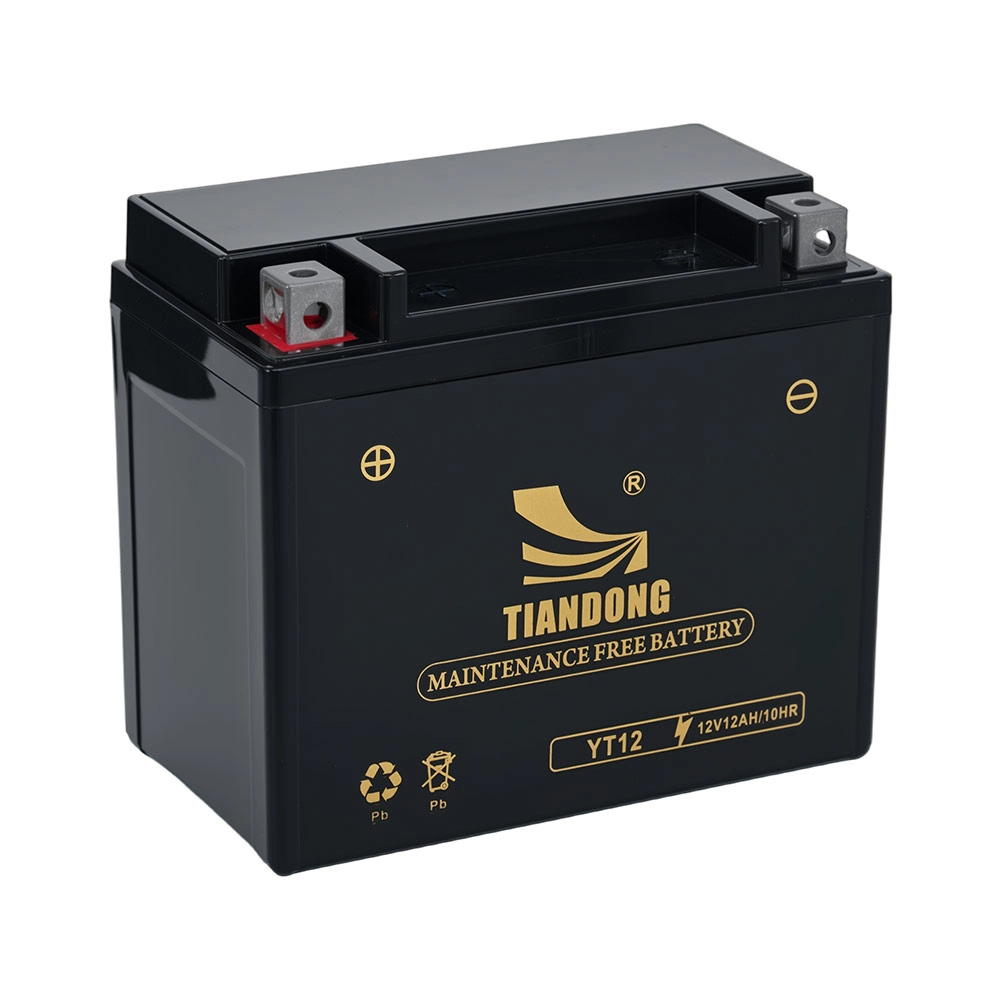
For reliable, high-performance lead acid motorcycle battery solutions that meet stringent international standards, explore our range at www.tiandongbattery.com. Contact us today for a personalized quote and expert advice at daisybattery8@gmail.com.

Ensuring Uninterrupted Power Supply with Reliable UPS Batteries in 2026

Powering Green Mobility with Efficient Electric Vehicle Batteries in 2026

High-Performance Motorcycle Batteries for Reliability (2026 Guide)

A Complete Guide to Different Battery Types and Their Applications (2026 Edition)

The Ultimate Guide to Comprehensive Battery Solutions for Motorcycles and EVs [2026 Edition]
Looking for a Trusted Motorcycle Battery Supplier? Here’s What You Need to Know
Product
What brands of raw materials do you use?
We use high-quality materials to ensure performance. we use 99.99% pure lead , ensure long life and high Cold Cranking Amps (CCA).
What is the MOQ for bulk orders?
Typically ranges from 100–500 units per model, depending on customization requirements.
Are you a trading company or a manufacturer?
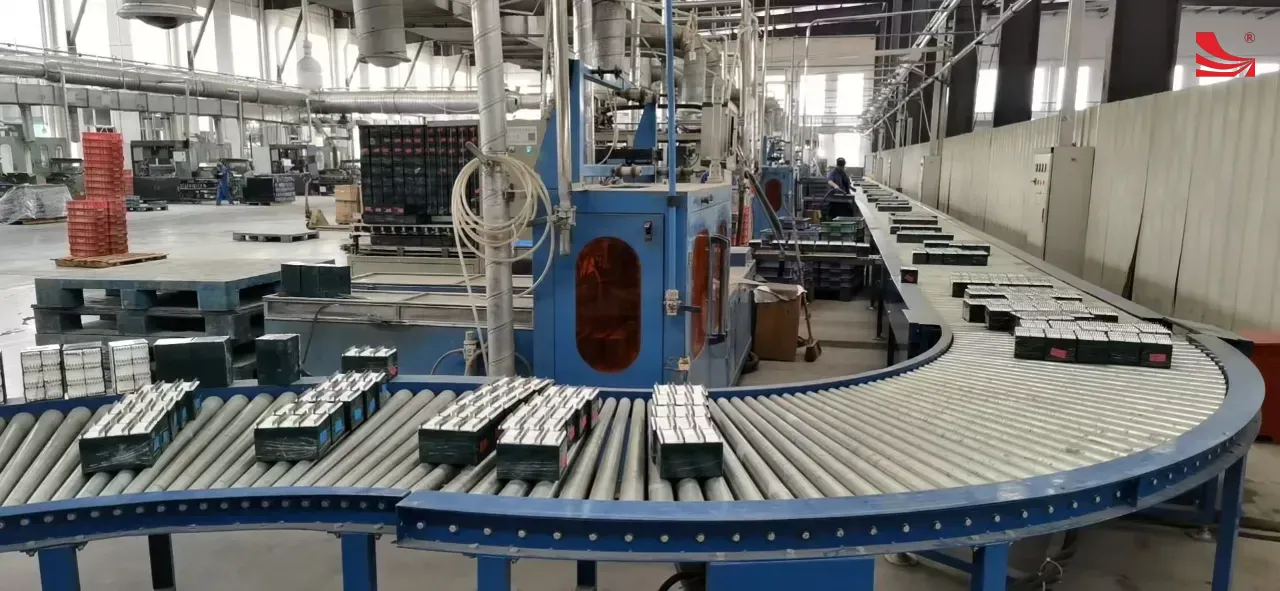
We are a direct factory located inJiangxi Province, China. You are welcome to visit our production line and quality control lab. We specialize in lead-acid batteries for motorcycles and have been in this industry for 20 years.
What is the typical lifespan of your batteries?
Depending on the model and usage conditions, our batteries typically last between 2 to 4 years under normal operation.
Support
What is Tiandong’s production capacity?
The company produces approximately 6 million batteries per year, supported by 15,000 tons of electrode plate production capacity.
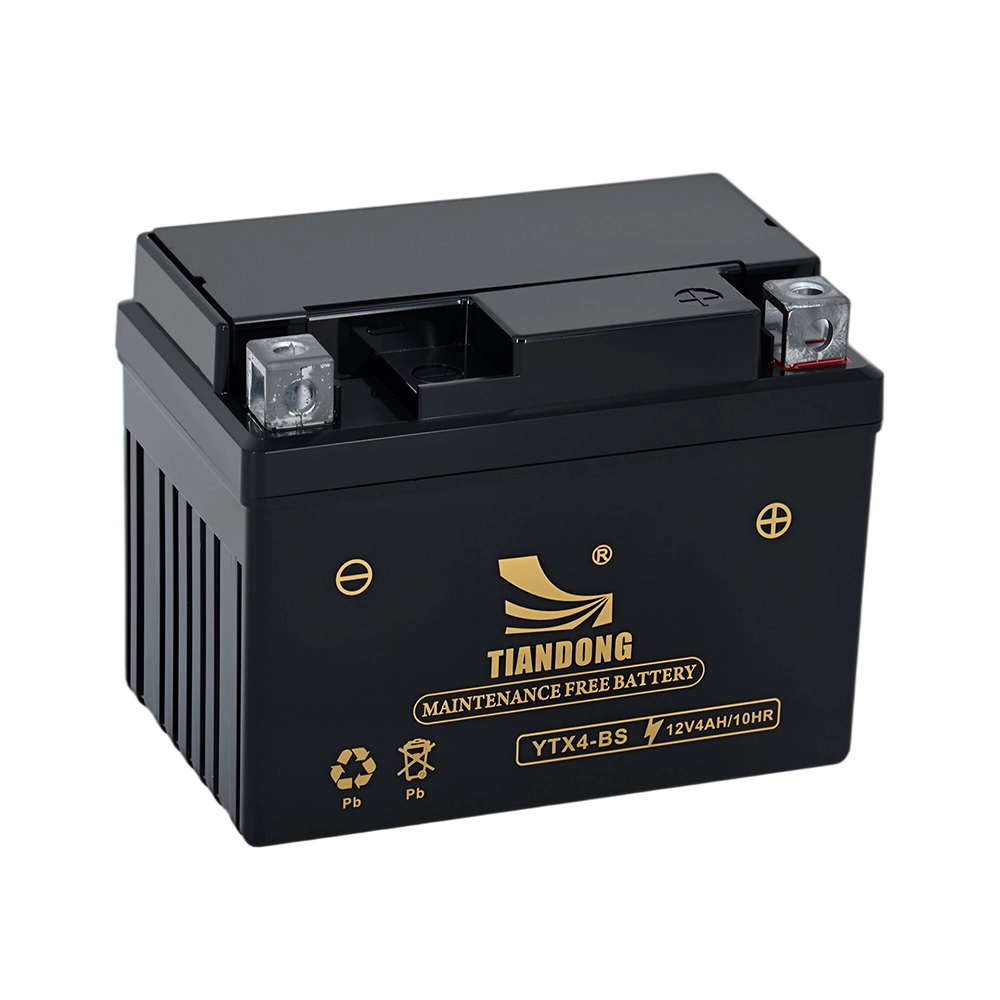
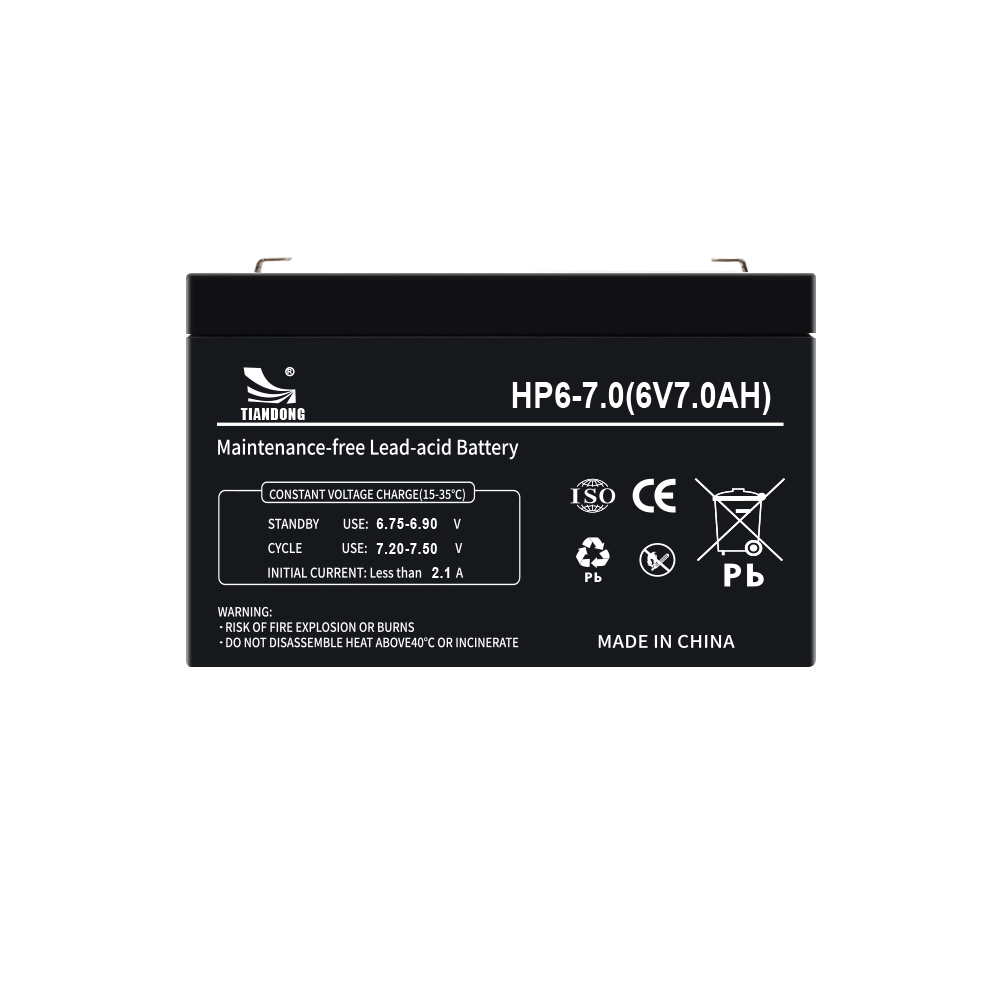
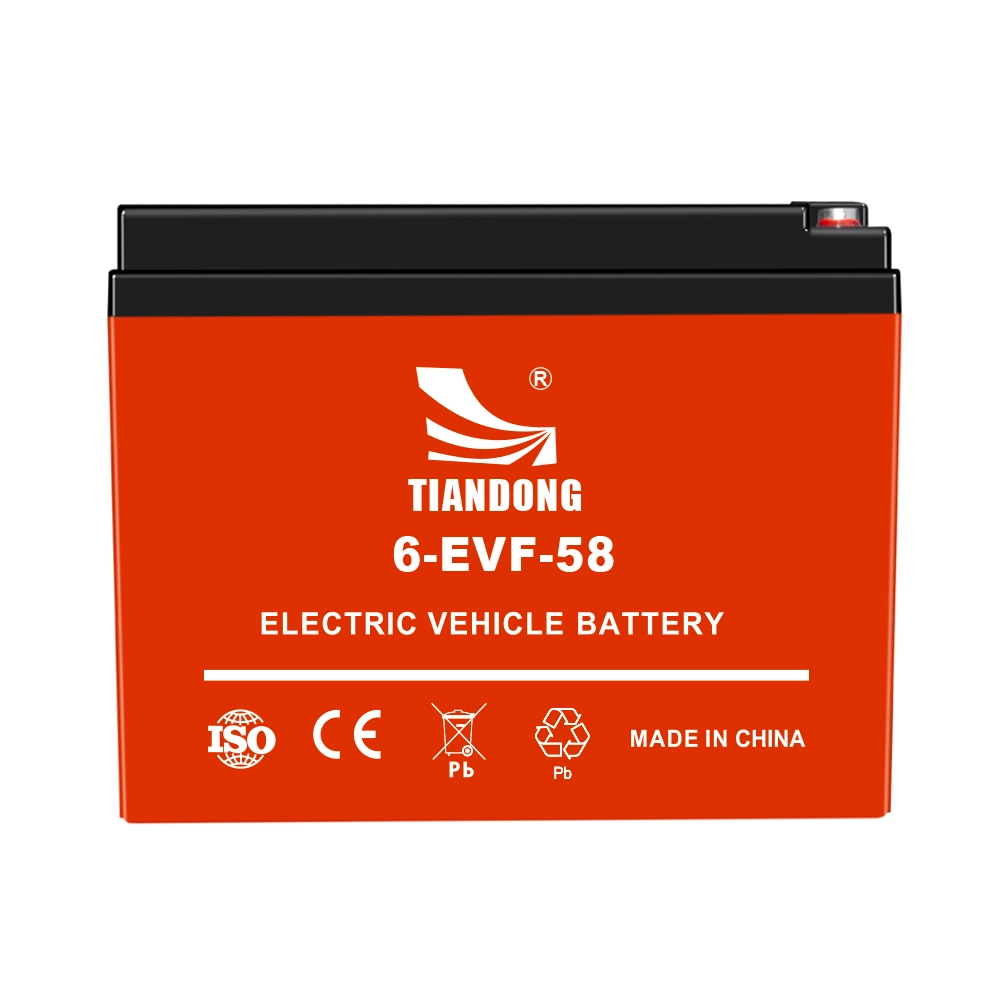
Get in touch with us to get your Motorbike Battery solution
TIANDONG is a leading motorcycle battery manufacturer offering OEM/ODM service, stable quality, and global export support.
Built for wholesalers. Trusted by global buyers. Delivered with confidence.
Say Hello
E-mail: daisybattery8@gmail.com
xianyingchen83@gmail. com
WhatsAPP: +86 134 283 86694
+86 134 348 86641
Our Location
Social Links
© 2025 TIANDONG. All Rights Reserved. Privacy Policy | Terms and Conditions | Sitemap
 Scan QR Code
Facebook
Instagram
Scan QR Code
Whatsapp: +8613434886641