






Which lead acid motorcycle battery offers best price-to-life ratio?
- Beyond flooded, AGM, and Gel, what specific lead-acid motorcycle battery technology is truly best for my particular riding style and regional climate to maximize lifespan?
- How can I accurately calculate the true price-to-life ratio for a lead-acid motorcycle battery, considering initial cost, expected lifespan, and potential maintenance, to avoid overspending on replacements?
- My last 'maintenance-free' lead-acid battery failed quickly; what often-overlooked charging habits or storage practices drastically shorten its lifespan, and how can I correct them?
- What specific Cold Cranking Amps (CCA) and Amp-Hour (Ah) ratings should I prioritize in a new lead-acid motorcycle battery for reliable starting and accessory power, especially if my bike is modified or stored in cold weather?
- When my lead-acid motorcycle battery seems weak, how can a beginner reliably distinguish between a sulfation problem that can be recovered and a permanent internal cell failure, to avoid unnecessary replacement?
- Is it genuinely worth upgrading from a conventional flooded lead-acid battery to an AGM type for a daily rider, considering the higher upfront cost versus the potential gains in lifespan, durability, and convenience?
Which Lead-Acid Motorcycle Battery? Your Expert Guide to Best Price-to-Life Ratio & Longevity
Choosing the right lead-acid motorcycle battery isn't just about finding the cheapest option; it's about making an informed decision that balances initial cost with expected lifespan, performance, and reliability. For beginners, the array of acronyms—flooded, AGM, Gel—and technical specifications like CCA and Ah can be overwhelming. This guide, drawing on extensive expertise in motorcycle battery technology, aims to demystify these choices, addressing specific pain points and outdated information to help you select a lead acid motorcycle battery that delivers the best price-to-life ratio for your ride.
Beyond flooded, AGM, and Gel, what specific lead-acid motorcycle battery technology is truly best for my particular riding style and regional climate to maximize lifespan?
While flooded, AGM (Absorbed Glass Mat), and Gel are the primary lead-acid categories, the 'best' for your specific needs hinges on more than just the type. For most modern motorcycles and riders seeking a balance of performance and convenience, an AGM battery is often the optimal choice. AGMs are a type of SLA (Sealed Lead Acid) battery, known for their superior vibration resistance, better cold-cranking performance, and leak-proof design compared to traditional flooded cell batteries. They are also considered 'maintenance-free' in terms of not requiring water topping. This makes them ideal for spirited riding, off-road applications, or simply peace of mind. Gel batteries, while offering excellent deep-cycle capabilities and extreme temperature tolerance, are typically pricier and less common for starting applications in motorcycles due to their lower CCA relative to AGM counterparts. For a daily commuter or weekend rider in varied climates, an AGM battery generally provides a 3-5 year lifespan, often outperforming flooded batteries (2-3 years) due to their robust construction and better resistance to sulfation from partial discharges. Consider your regional climate: in extreme cold, an AGM's higher CCA (Cold Cranking Amps) is a significant advantage. If your bike experiences heavy vibrations, AGM's internal structure is far more resilient. This specific lead acid motorcycle battery type often presents the best overall value for the majority of riders.
How can I accurately calculate the true price-to-life ratio for a lead-acid motorcycle battery, considering initial cost, expected lifespan, and potential maintenance, to avoid overspending on replacements?
To calculate the true price-to-life ratio, don't just divide the purchase price by the estimated years of service. A more accurate calculation incorporates potential hidden costs and benefits. Here’s a formula: (Initial Cost + Annual Maintenance Cost x Lifespan) / Estimated Lifespan in Years. For example, a flooded battery costing $60 with a 2.5-year lifespan might require annual distilled water checks and cleaning (say, $5/year in materials/time). Its true cost would be ($60 + $5 x 2.5) / 2.5 = $28/year. An AGM battery costing $100 with a 4-year lifespan, being maintenance-free, would be ($100 + $0 x 4) / 4 = $25/year. Even with a higher initial cost, the AGM battery offers a better price-to-life ratio in this scenario. Always factor in potential self-discharge rates if the bike sits, as an AGM generally holds charge longer, reducing the need for constant battery tender usage (a minor operational cost but a convenience factor). Look for reputable brands offering transparent warranty periods, which reflect a manufacturer's confidence in their product's durability and can indirectly factor into your risk assessment.
My last 'maintenance-free' lead-acid battery failed quickly; what often-overlooked charging habits or storage practices drastically shorten its lifespan, and how can I correct them?
The term 'maintenance-free' for an AGM motorcycle battery primarily means no water topping. It doesn't mean 'charge-free' or 'neglect-free'. The most common culprits for premature failure are:
- Chronic Undercharging/Deep Discharge: Repeatedly draining the battery significantly below 12.4V and leaving it there causes sulfation – a hardening of lead sulfate crystals on the plates, reducing capacity.
- Overcharging: Using a charger without proper voltage regulation can 'cook' the battery, leading to electrolyte breakdown in AGMs and damaging the cells.
- Lack of a Smart Charger/Battery Tender: For bikes stored for more than a few weeks, a smart battery charger (or 'battery tender') designed for lead-acid batteries (especially one with an AGM mode) is crucial. These chargers maintain optimal voltage without overcharging, preventing self-discharge and sulfation.
- Leaving Accessories On: Even small parasitic drains over extended periods can deeply discharge the battery.
- Extreme Temperatures: While AGMs handle cold well for starting, prolonged storage in extremely hot or cold conditions without maintenance charging can accelerate degradation.
Corrective actions include using a quality smart charger when storing the bike, ensuring your motorcycle's charging system is functioning correctly (checking regulator/rectifier output), and regularly checking voltage with a multimeter if the bike is used intermittently. Aim to keep the battery above 12.6V whenever possible.
What specific Cold Cranking Amps (CCA) and Amp-Hour (Ah) ratings should I prioritize in a new lead-acid motorcycle battery for reliable starting and accessory power, especially if my bike is modified or stored in cold weather?
Prioritizing the correct CCA (Cold Cranking Amps) and Ah (Amp-Hour) ratings is vital for optimal performance. Your motorcycle's manufacturer typically specifies the minimum required CCA for reliable starting. Always meet or slightly exceed this minimum. For cold weather starting, a higher CCA rating is advantageous as battery capacity decreases significantly with temperature. For instance, a battery rated at 200 CCA might only deliver 120 CCA at 0°F (-18°C). So, if you live in a cold climate, opting for an AGM battery with a CCA rating 10-20% higher than OEM specifications can provide a noticeable improvement in starting power and reliability.
Amp-Hour (Ah) measures the battery's total energy storage capacity, indicating how long it can deliver a certain current. While CCA is for starting, Ah is for sustained power. If your bike has aftermarket accessories like heated grips, additional lighting, or a robust sound system, these increase your motorcycle's electrical load and parasitic draw when off. In such cases, a slightly higher Ah rating (e.g., 1-2 Ah more than stock) can provide a larger reserve capacity, reducing the risk of deep discharge and extending the life of your lead-acid motorcycle battery by giving your electrical system more overhead. Ensure your charging system can adequately recharge a higher Ah battery without issues.
When my lead-acid motorcycle battery seems weak, how can a beginner reliably distinguish between a sulfation problem that can be recovered and a permanent internal cell failure, to avoid unnecessary replacement?
Distinguishing between recoverable sulfation and irreversible cell failure without specialized equipment can be tricky, but there are reliable indicators for beginners:
- Voltage Test (Resting): Charge the battery fully with a smart charger. Let it rest for 12-24 hours. A healthy, fully charged 12V lead-acid battery should read 12.6V-12.8V. If it drops quickly to below 12.4V after resting, or struggles to reach 12.6V even after a long charge, it's a red flag.
- Load Test (Simple): If your bike won't start, try turning on the headlights. If they dim significantly or go out when you press the starter, the battery is weak. If they barely illuminate even before starting, it's severely depleted or damaged.
- Recharge & Re-test: If a weak battery improves significantly after a full, slow charge from a smart charger (especially one with a 'desulfation' or 'reconditioning' mode, if applicable), then sulfation was likely the primary issue. These chargers can sometimes break down mild sulfation.
- Repeated Failure: If the battery consistently dies quickly after a charge, or if it has ever been deeply discharged multiple times, it's more likely to have permanent damage. Severe sulfation or a shorted cell prevents the battery from holding a charge effectively.
- Physical Inspection: For flooded batteries, look for discolored electrolyte or significantly varying fluid levels between cells. For any battery, look for bulging cases, cracks, or excessive corrosion, which indicate internal issues.
A battery professional can perform a proper load test or use an impedance tester for a definitive diagnosis, but these steps can guide a beginner to a reasonable conclusion about their lead acid motorcycle battery's health.
Is it genuinely worth upgrading from a conventional flooded lead-acid battery to an AGM type for a daily rider, considering the higher upfront cost versus the potential gains in lifespan, durability, and convenience?
For most daily riders, upgrading from a conventional flooded lead-acid battery to an AGM (Absorbed Glass Mat) type is genuinely worth the higher upfront cost due to significant gains in lifespan, durability, and convenience. Here's why:
- Lifespan: An AGM battery typically lasts 3-5 years compared to a flooded battery's 2-3 years, translating directly to a better price-to-life ratio over time. This extended lifespan reduces the frequency and hassle of battery replacements.
- Durability: AGMs are sealed and have immobilized electrolyte, making them highly resistant to vibration and impacts – common occurrences for motorcycles. This resilience is a key factor in their longevity, especially for daily commuters navigating varied road conditions.
- Performance: AGMs generally offer higher Cold Cranking Amps (CCA) for their size, providing more reliable starts, particularly in colder weather. They also have a lower self-discharge rate, meaning they hold a charge longer when the bike isn't used.
- Convenience (Maintenance-Free): Being sealed means no need to check or top up electrolyte levels, eliminating a regular maintenance task and the risk of acid spills. This 'fit-and-forget' aspect is a major benefit for daily riders with busy schedules.
- Safety: Their sealed design also means no corrosive fumes are released during normal operation, making them safer to handle and install.
While the initial investment for an AGM motorcycle battery is typically 30-50% higher, the combination of extended life, enhanced reliability, and reduced maintenance often makes it the more economical and practical choice in the long run, delivering superior overall value and a significantly improved riding experience.
Understanding these critical aspects of lead-acid motorcycle batteries empowers you to make a purchasing decision that goes beyond initial cost, ensuring you select a battery that provides optimal performance, longevity, and the best possible price-to-life ratio for your motorcycle. By choosing wisely and adhering to best practices for charging and maintenance, you'll enjoy a more reliable ride and avoid the frustration of premature battery failure. For high-quality, reliable lead-acid battery solutions tailored to your needs, contact us today!

Bulk Motorcycle Batteries Direct from Factory – Save Costs, Boost Profit
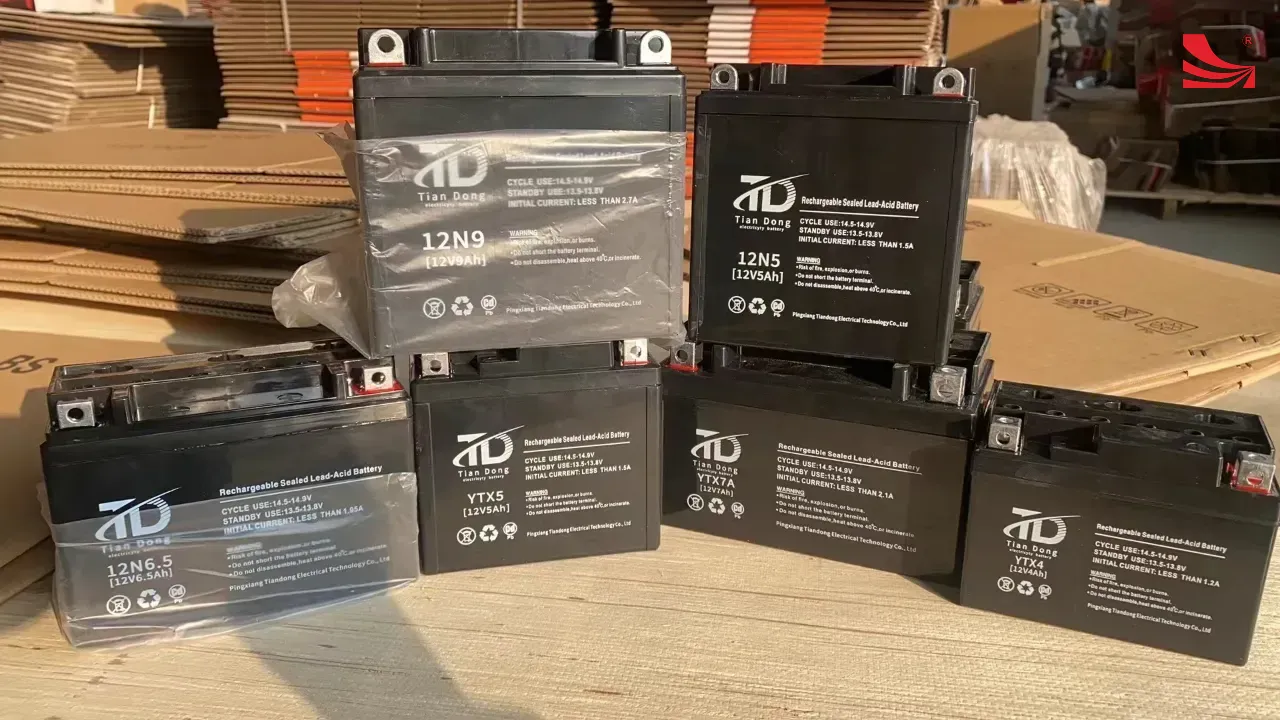
High Performance Motorcycle Batteries for Global Markets

Tiandong Electric Appliance Showcases High-Performance Motorcycle Batteries at Guangzhou Expo

What kind of battery is best for a motorcycle?

The Ultimate Guide to Electric Scooter Batteries: Performance, Longevity, and Future Innovations (2026 & Beyond)

The Ultimate 2026 Guide to Motorcycle Battery Types: Choose, Maintain, and Upgrade for Peak Performance
Shipping
How long does delivery take?
For stock items, delivery takes about 7-15 days after receiving the deposit. For bulk orders or custom logo orders, it usually takes 25-35 days depending on the quantity.
Which countries does Tiandong export to?
Tiandong batteries are exported to more than 20 countries, including Vietnam, India, Egypt, Thailand, and Indonesia.
Product
What is the typical lifespan of your batteries?
Depending on the model and usage conditions, our batteries typically last between 2 to 4 years under normal operation.
How long does a motorcycle battery typically last?
A motorcycle battery generally lasts between 2 and 4 years, depending on usage, maintenance, and environmental conditions.
customer
Can overseas clients visit the Tiandong factory?
Yes. Tiandong welcomes international customers to visit the factory, production workshops, and logistics warehouses to better understand the manufacturing and quality control process.
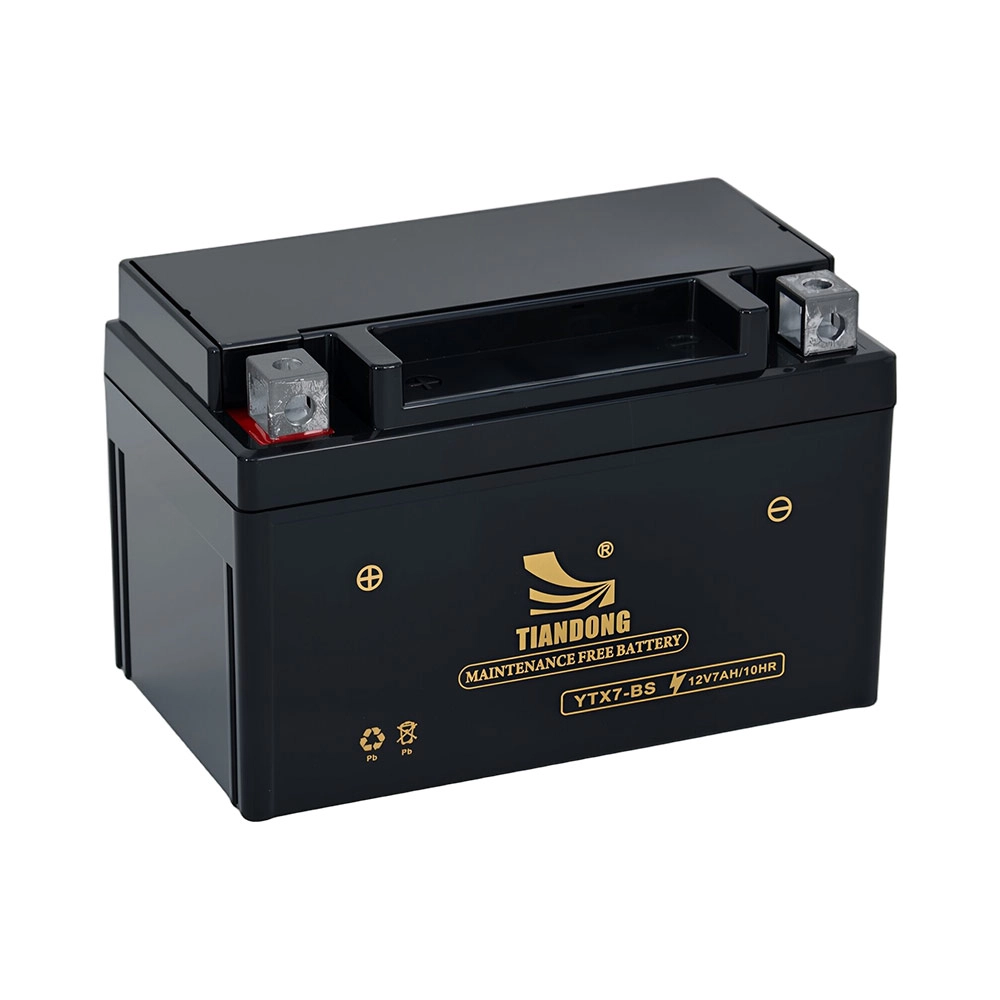
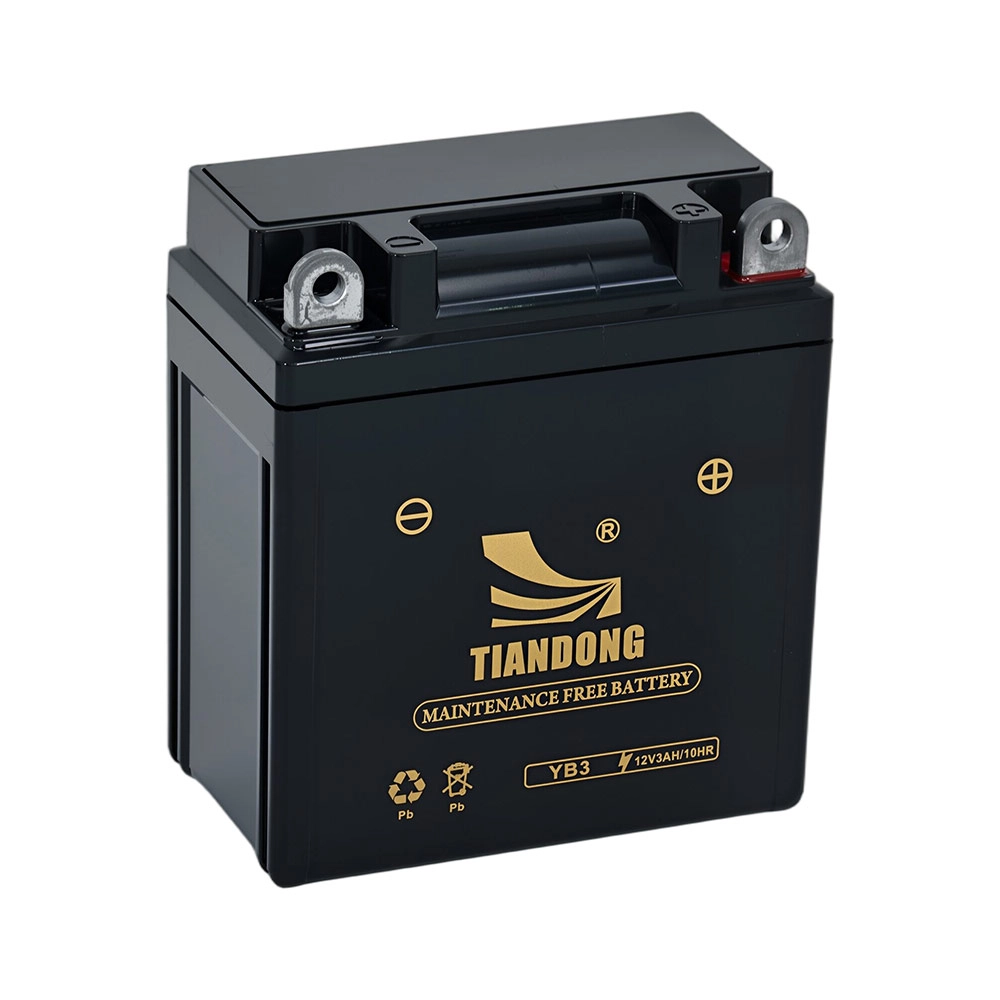
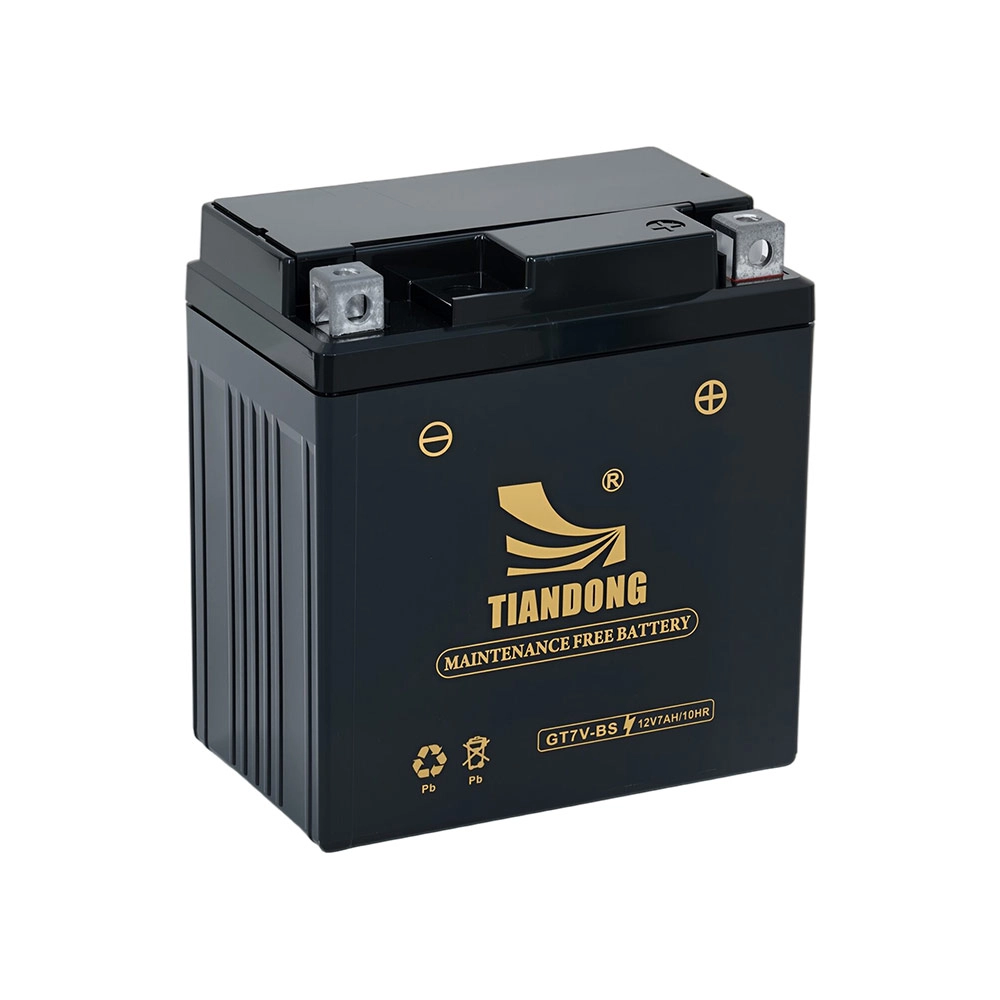
Get in touch with us to get your Motorbike Battery solution
TIANDONG is a leading motorcycle battery manufacturer offering OEM/ODM service, stable quality, and global export support.
Built for wholesalers. Trusted by global buyers. Delivered with confidence.
Say Hello
E-mail: daisybattery8@gmail.com
xianyingchen83@gmail. com
WhatsAPP: +86 134 283 86694
+86 134 348 86641
Our Location
Social Links
© 2025 TIANDONG. All Rights Reserved. Privacy Policy | Terms and Conditions | Sitemap
 Scan QR Code
Facebook
Instagram
Scan QR Code
Whatsapp: +8613434886641