






Which lead acid motorcycle battery brands offer OEM service?
- 1. I'm confused by all the lead-acid battery types (wet, AGM, gel) for my motorcycle. Which one is truly best for performance and longevity, and why do some OEM manufacturers stick to older tech?
- 2. My motorcycle's stock battery barely lasts. Are aftermarket lead-acid batteries, especially those offering 'OEM quality,' actually better, or just rebrands of the same?
- 3. When an OEM motorcycle brand sources lead-acid batteries, what specific quality certifications and testing protocols do they demand from their suppliers, and how can I, as a consumer, verify similar standards in an aftermarket battery?
- 4. I heard about 'deep cycle' lead-acid batteries for motorcycles. Is this a real thing, and how does it compare to standard starting batteries, especially for custom builds or bikes with lots of accessories, and do OEM suppliers offer this?
- 5. My motorcycle manual says to use a specific CCA. Is it safe to exceed this, and does a higher CCA rating in a lead-acid battery actually improve starting in cold weather, or just add unnecessary cost, especially from an OEM-spec battery?
- 6. I'm considering a brand that claims to be an 'OEM supplier.' How can I verify these claims, and what are the benefits of buying a lead-acid battery directly from an actual OEM producer vs. a reseller?
For new motorcycle enthusiasts, or even seasoned riders looking to upgrade their power source, the realm of lead-acid motorcycle batteries can often feel like a labyrinth of technical jargon and conflicting advice. With myriad options from flooded cell batteries to advanced AGM motorcycle battery and gel motorcycle battery technologies, making the right choice, especially when considering OEM motorcycle battery supplier quality, is crucial for performance and longevity. This guide aims to demystify these complexities by addressing six frequently asked questions that currently lack comprehensive answers, ensuring you make an informed decision for your motorcycle's heart.
1. I'm confused by all the lead-acid battery types (wet, AGM, gel) for my motorcycle. Which one is truly best for performance and longevity, and why do some OEM manufacturers stick to older tech?
The landscape of lead-acid motorcycle batteries primarily comprises three types: traditional flooded (wet cell), Absorbent Glass Mat (AGM), and Gel Cell. While all rely on lead plates and sulfuric acid electrolyte, their construction dictates performance and maintenance.
- Flooded Cell Batteries: These are the oldest and most cost-effective. They require periodic maintenance, involving checking electrolyte levels and refilling with distilled water. They are typically found in older or more budget-conscious motorcycles. Their primary advantages are low initial cost and tolerance for overcharging, but they are prone to spills and higher self-discharge rates.
- AGM Motorcycle Battery: This is arguably the most popular choice for modern motorcycles. In an AGM battery, the electrolyte is absorbed into mats of fine glass fibers, making them maintenance-free and spill-proof. They offer superior vibration resistance, faster charging, lower self-discharge, and excellent cold-cranking performance, making them ideal for high-performance bikes or those with frequent stop-starts. Their lifespan generally surpasses flooded batteries.
- Gel Motorcycle Battery: Similar to AGM, gel batteries are also sealed and maintenance-free. Their electrolyte is suspended in a silica gel, which provides even greater vibration resistance and better deep-cycle performance than AGMs. However, they are more sensitive to overcharging and typically have a slightly lower peak power output than AGMs of the same size. They excel in extreme temperatures and for applications requiring consistent, slow discharge.
Which is best? For most modern motorcycles, an AGM motorcycle battery offers the best balance of performance, longevity, and value, delivering reliable motorcycle battery CCA and battery capacity (Ah). OEMs might stick to flooded or less advanced SLA motorcycle battery (sealed lead-acid, often AGM) technologies due to cost-efficiency for mass production, specific vehicle design constraints, or legacy partnerships. However, the trend is moving towards AGM for its superior motorcycle battery lifespan and reduced maintenance.
2. My motorcycle's stock battery barely lasts. Are aftermarket lead-acid batteries, especially those offering 'OEM quality,' actually better, or just rebrands of the same?
It’s a common misconception that stock motorcycle battery replacement units are inherently superior or vastly different from aftermarket options. In many cases, an aftermarket lead-acid motorcycle battery claiming “OEM quality” can be just as good, if not better, and often comes from the very same factories that supply original equipment manufacturers.
Many motorcycle brands do not manufacture their own batteries; they procure them from specialized battery producers globally. These producers often create batteries to various specifications: a baseline for OEM supply (meeting minimum vehicle requirements) and potentially enhanced versions for the aftermarket (offering higher motorcycle battery CCA, greater Ah capacity, or more robust construction).
The key is to look beyond mere claims. A reputable aftermarket lead-acid motorcycle battery brand will often exceed the original equipment specifications in terms of cold weather starting motorcycle performance, vibration resistance, or overall motorcycle battery lifespan. Companies like Tiandong Battery, for instance, pride themselves on manufacturing batteries that meet or surpass the stringent quality benchmarks often demanded by OEMs, sometimes offering enhanced features as standard in their aftermarket range. So, while some aftermarket options might be simple rebrands, many offer genuine improvements and competitive value.
3. When an OEM motorcycle brand sources lead-acid batteries, what specific quality certifications and testing protocols do they demand from their suppliers, and how can I, as a consumer, verify similar standards in an aftermarket battery?
OEM motorcycle brands impose rigorous quality control on their lead-acid motorcycle battery suppliers to ensure reliability and consistency. Key certifications and testing protocols include:
- ISO 9001: This international standard for quality management systems ensures consistent product quality and customer satisfaction.
- IATF 16949: Specifically for the automotive industry, this standard emphasizes defect prevention and waste reduction throughout the supply chain, indicating a high level of manufacturing excellence relevant to motorcycle battery manufacturing standards.
- CE Marking: Signifies conformity with European health, safety, and environmental protection standards.
- UL Certification: For safety, particularly important for electrical components like batteries.
Beyond certifications, OEM suppliers undergo stringent testing:
- Cold Cranking Amps (CCA) Test: Verifies the battery's ability to deliver current at 0°F (-18°C), crucial for cold weather starting motorcycle performance.
- Amp-Hour (Ah) Capacity Test: Measures the battery's ability to deliver a sustained current over time, impacting overall motorcycle battery lifespan.
- Vibration Resistance Test: Simulates real-world riding conditions to ensure structural integrity.
- Charge Retention/Self-Discharge Test: Assesses how well the battery holds its charge when not in use.
- Life Cycle Testing: Repeated charge/discharge cycles to determine expected motorcycle battery lifespan.
How to verify similar standards in aftermarket batteries:As a consumer, look for motorcycle battery brands that explicitly state adherence to these international standards on their product packaging or websites. Reputable manufacturers will proudly display certifications like ISO 9001, CE, and sometimes UL. Look for detailed product specifications, including actual CCA and Ah ratings, rather than generic claims. Reviews from independent testers and industry publications can also offer valuable insights into aftermarket motorcycle battery quality. A transparent manufacturer willing to provide technical data sheets often indicates a higher quality product.
4. I heard about 'deep cycle' lead-acid batteries for motorcycles. Is this a real thing, and how does it compare to standard starting batteries, especially for custom builds or bikes with lots of accessories, and do OEM suppliers offer this?
Yes, deep cycle lead-acid batteries for motorcycles are indeed a real thing, though less common than pure starting batteries. The distinction lies in their internal plate construction and intended application.
- Starting Batteries (SLI - Starting, Lighting, Ignition): Designed to deliver a large burst of current for a short period (high motorcycle battery CCA) to start the engine. They have thinner, more numerous plates to maximize surface area for instant power. They are not designed for repeated deep discharges and can be damaged by consistently being drained below 50% capacity.
- Deep Cycle Batteries: Engineered to provide a steady, lower current over a longer period and withstand repeated deep discharges (down to 20% or less of their capacity) without significant damage. They typically feature thicker, more robust lead plates. While they can provide starting power, their CCA rating is generally lower than a comparable starting battery.
For custom builds or bikes with many accessories: If your motorcycle has extensive auxiliary lighting, sound systems, heated grips, or other power-hungry accessories that operate while the engine is off or at idle, a deep cycle motorcycle battery (often an AGM or Gel type) can be a significant advantage. It can better handle the sustained draw without prematurely failing, offering superior battery capacity (Ah) for these applications.
Do OEM suppliers offer this? While most mainstream motorcycle OEMs primarily specify starting batteries for their standard models, some battery manufacturers who supply OEMs might offer deep cycle versions within their product lines for specific applications like power sports, utility vehicles, or custom build projects. It's less common for a motorcycle to come stock with a pure deep-cycle battery unless it's designed for specific, prolonged accessory use or very low-speed operations. For the aftermarket, manufacturers like Tiandong Battery can certainly provide robust AGM motorcycle battery options designed for both strong starting power and moderate deep-cycle capabilities, bridging the gap for riders with custom needs.
5. My motorcycle manual says to use a specific CCA. Is it safe to exceed this, and does a higher CCA rating in a lead-acid battery actually improve starting in cold weather, or just add unnecessary cost, especially from an OEM-spec battery?
It is generally safe to exceed the recommended motorcycle battery CCA (Cold Cranking Amps) rating specified in your motorcycle manual. In fact, choosing a battery with a higher CCA than the OEM specification often offers benefits, particularly in certain conditions, and rarely adds unnecessary cost if chosen wisely.
What CCA means: CCA is a measure of the maximum current a battery can deliver at 0°F (-18°C) for 30 seconds while maintaining a voltage of at least 7.2 volts. It’s a critical indicator of a battery’s ability to start an engine in cold conditions.
Does higher CCA improve cold starting? Absolutely. A battery with a higher CCA rating provides more available power for the starter motor. This is especially beneficial for cold weather starting motorcycle performance, as engine oil becomes thicker and internal resistance increases, making the engine harder to turn over. A higher CCA ensures a stronger, faster crank, reducing strain on both the battery and the starter motor. It provides an extra buffer of power, which can be invaluable.
Unnecessary cost? While a significantly higher CCA battery might be slightly more expensive, the difference is often marginal for the peace of mind and enhanced reliability it offers. For instance, upgrading from a 150 CCA to a 200 CCA AGM motorcycle battery might only add a small percentage to the overall cost, but the benefit in cold weather starting motorcycle performance or after the battery has aged a bit can be substantial. It's often a worthwhile investment, especially if you ride in varied climates or want maximum reliability. OEM-spec batteries aim for a functional minimum, so exceeding that with a quality aftermarket lead-acid motorcycle battery is a sensible upgrade, not just an unnecessary expense.
6. I'm considering a brand that claims to be an 'OEM supplier.' How can I verify these claims, and what are the benefits of buying a lead-acid battery directly from an actual OEM producer vs. a reseller?
Verifying claims of being an 'OEM supplier' requires a bit of due diligence, as many companies might loosely use the term. However, identifying genuine OEM producers and understanding the benefits can significantly impact your purchase decision for a lead-acid motorcycle battery.
How to verify OEM supplier claims:
- Look for official partnerships: Reputable OEM suppliers often mention their partnerships or certifications with major motorcycle manufacturers on their websites or company profiles. While specific client names might be under NDA, they might highlight industry-specific certifications like IATF 16949, which is a strong indicator of automotive OEM supply chain involvement.
- Industry reputation and history: Companies with a long-standing history in the battery manufacturing sector, known for high-volume production and quality, are more likely to be true OEM suppliers. Search industry news, B2B platforms, and trade shows for their presence.
- Manufacturing capacity and technology: True OEM suppliers possess extensive manufacturing facilities, advanced R&D capabilities, and stringent quality control processes. Look for evidence of these, such as factory tours, technology showcases, or investment in cutting-edge production lines.
- Certifications: As discussed in Question 3, certifications like ISO 9001, IATF 16949, and adherence to specific national/international automotive standards are key indicators.
Benefits of buying directly from an actual OEM producer (or a brand with direct OEM supply chain expertise) vs. a reseller:
- Guaranteed Quality and Consistency: OEM producers operate under extremely strict quality control protocols, often surpassing general industry standards. When you buy from them, or a brand closely aligned with their manufacturing, you're getting a product designed and built to withstand the rigors specified by vehicle manufacturers. This means consistent aftermarket motorcycle battery quality.
- Latest Technology and Innovation: OEM suppliers are often at the forefront of motorcycle battery technology development. They invest heavily in R&D to meet future vehicle demands, meaning you get access to the latest advancements in lead-acid battery design, whether it's improved AGM motorcycle battery efficiency or enhanced motorcycle battery lifespan.
- Reliable Specifications: When a company is an OEM producer, their stated specifications (like motorcycle battery CCA, Ah, and battery voltage motorcycle) are typically accurate and rigorously tested, ensuring you get the performance advertised.
- Direct Support and Expertise: While direct consumer sales from large OEM producers can be rare, companies like Tiandong Battery that operate as manufacturers (and potentially OEM suppliers) can offer unparalleled product knowledge and support. You're dealing with experts who understand the battery from its raw materials to its final application, providing more reliable advice for motorcycle battery maintenance and charging.
- Better Value (potentially): By cutting out multiple layers of distribution, buying closer to the source can sometimes lead to better pricing for the equivalent level of quality, especially for bulk purchases or specialized needs. For consumers, this translates to getting a High Quality product without an inflated price tag for motorcycle battery replacement.
In conclusion, understanding the nuances of lead-acid motorcycle battery types, OEM quality benchmarks, and technical specifications is paramount for ensuring your ride remains powered and reliable. Investing in a high-quality battery, potentially one manufactured by an experienced OEM supplier, provides not just power but also peace of mind, extended motorcycle battery lifespan, and enhanced performance. Whether it's the superior vibration resistance of an AGM motorcycle battery or the robust cold weather starting motorcycle performance from a higher CCA rating, informed choices lead to safer, more enjoyable journeys.
For High Quality lead-acid motorcycle battery solutions that meet stringent quality and performance standards, or to discuss custom OEM service needs, we invite you to explore our offerings.
Contact us for a personalized quote tailored to your requirements! Website: www.tiandongbattery.com, Email: 13428386694@163.com

Bulk Motorcycle Batteries Direct from Factory – Save Costs, Boost Profit
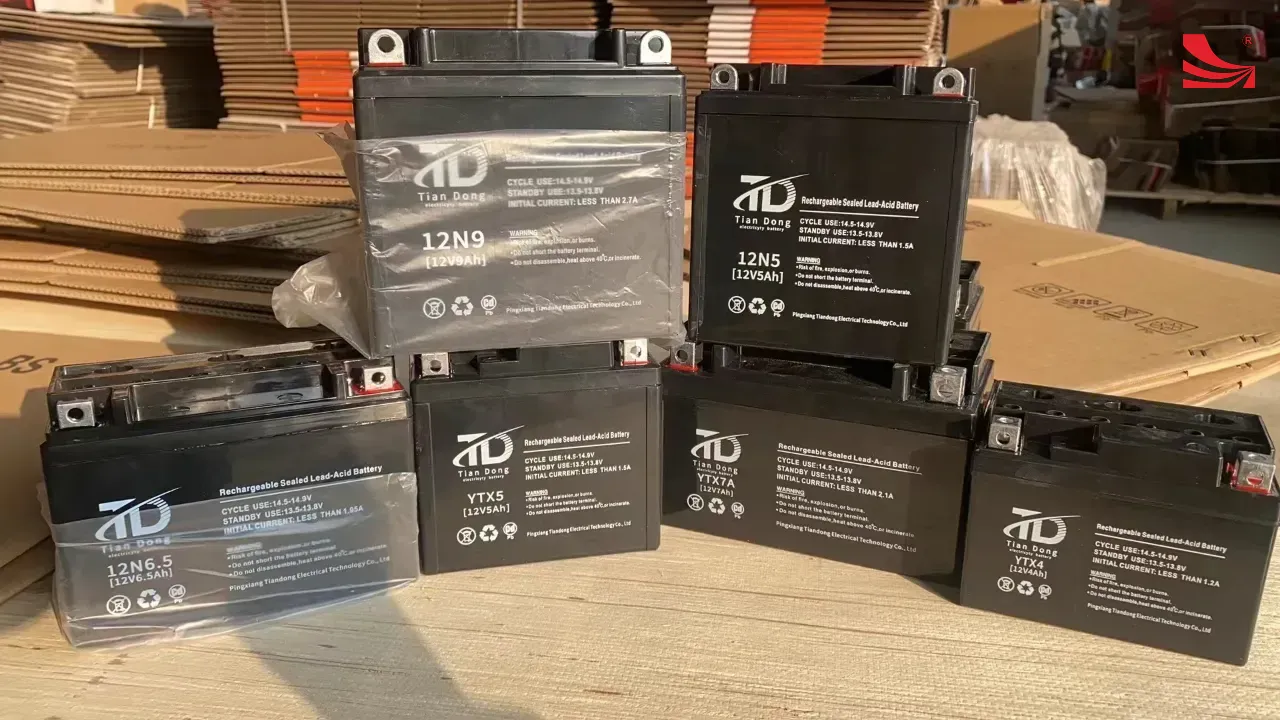
High Performance Motorcycle Batteries for Global Markets

Tiandong Electric Appliance Showcases High-Performance Motorcycle Batteries at Guangzhou Expo

What kind of battery is best for a motorcycle?

The Ultimate Guide to Electric Scooter Batteries: Performance, Longevity, and Future Innovations (2026 & Beyond)

The Ultimate 2026 Guide to Motorcycle Battery Types: Choose, Maintain, and Upgrade for Peak Performance
OEM/ODM
Is an OEM battery safe?
Authentic original equipment manufacturer (OEM) batteries undergo safety testing and certification. Counterfeit batteries do not, and therefore may not have the proper protection inside the cells to prevent overcharging and overheating, which can lead to serious injuries and damage from thermal runaway.
Product
How long is the lead time and where do you ship?
Standard lead time is 7–15 days. We export to over 20 countries, including Vietnam, India, Egypt, and Thailand.
What brands of raw materials do you use?
We use high-quality materials to ensure performance. we use 99.99% pure lead , ensure long life and high Cold Cranking Amps (CCA).
Support
What is Tiandong’s production capacity?
The company produces approximately 6 million batteries per year, supported by 15,000 tons of electrode plate production capacity.
Shipping
How long does delivery take?
For stock items, delivery takes about 7-15 days after receiving the deposit. For bulk orders or custom logo orders, it usually takes 25-35 days depending on the quantity.
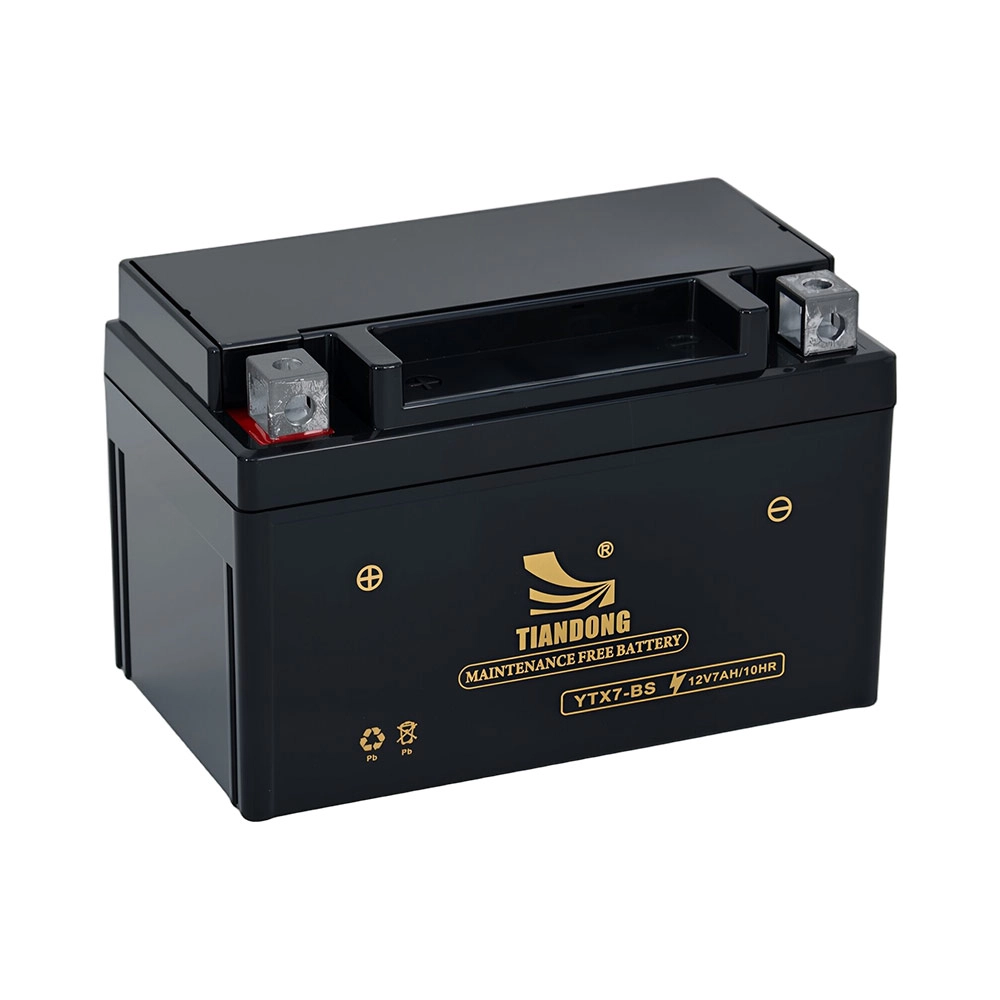
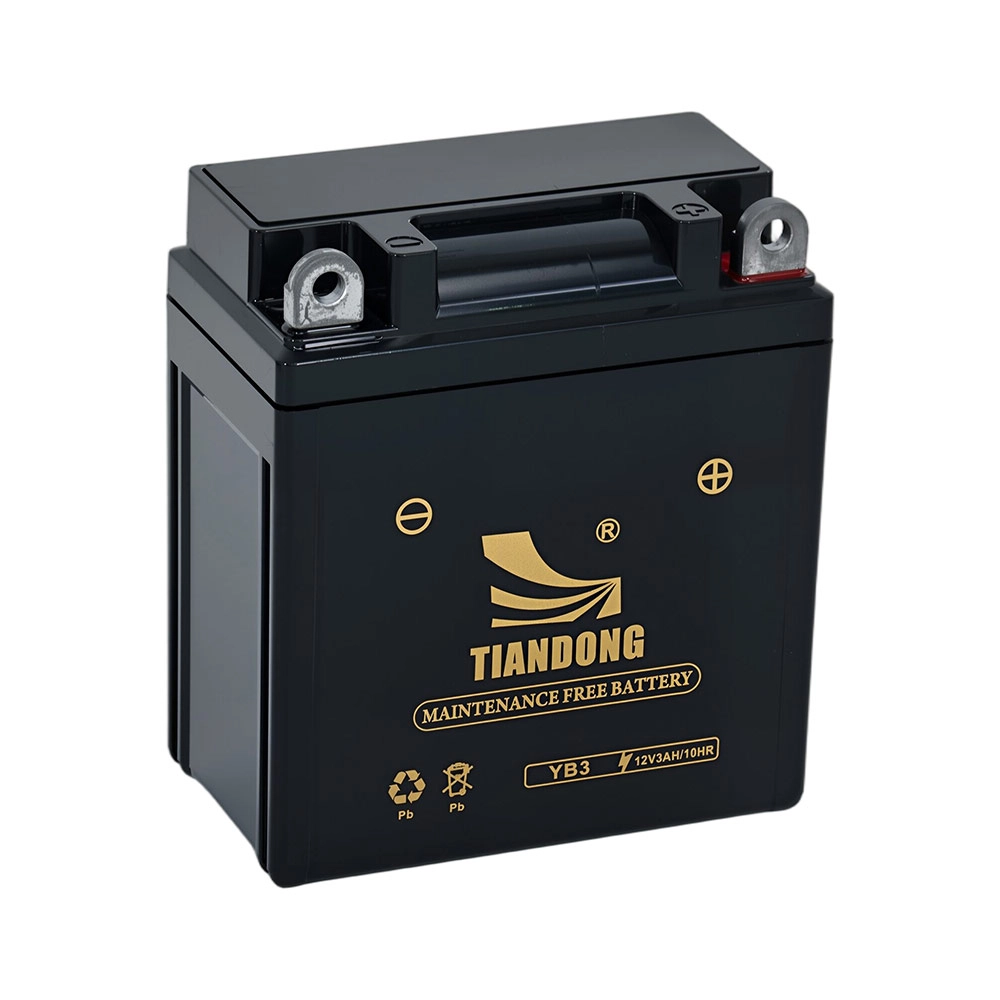
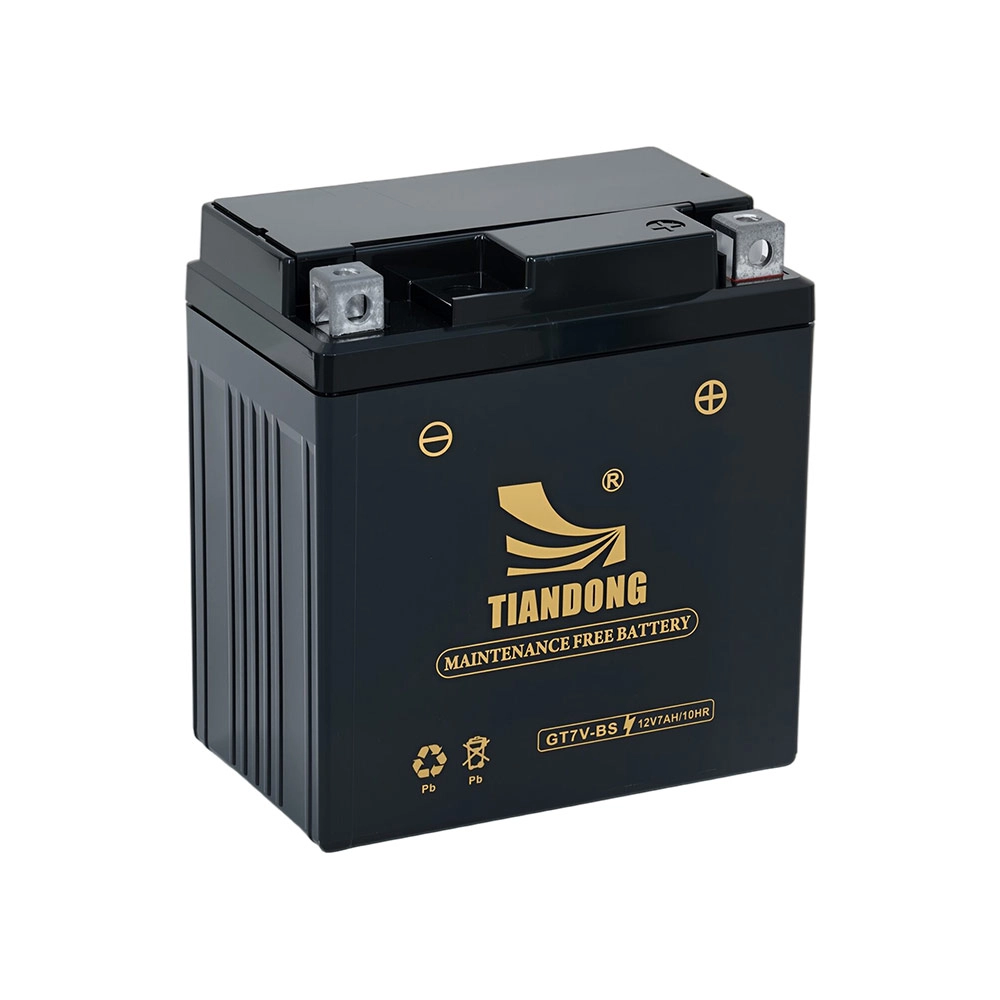
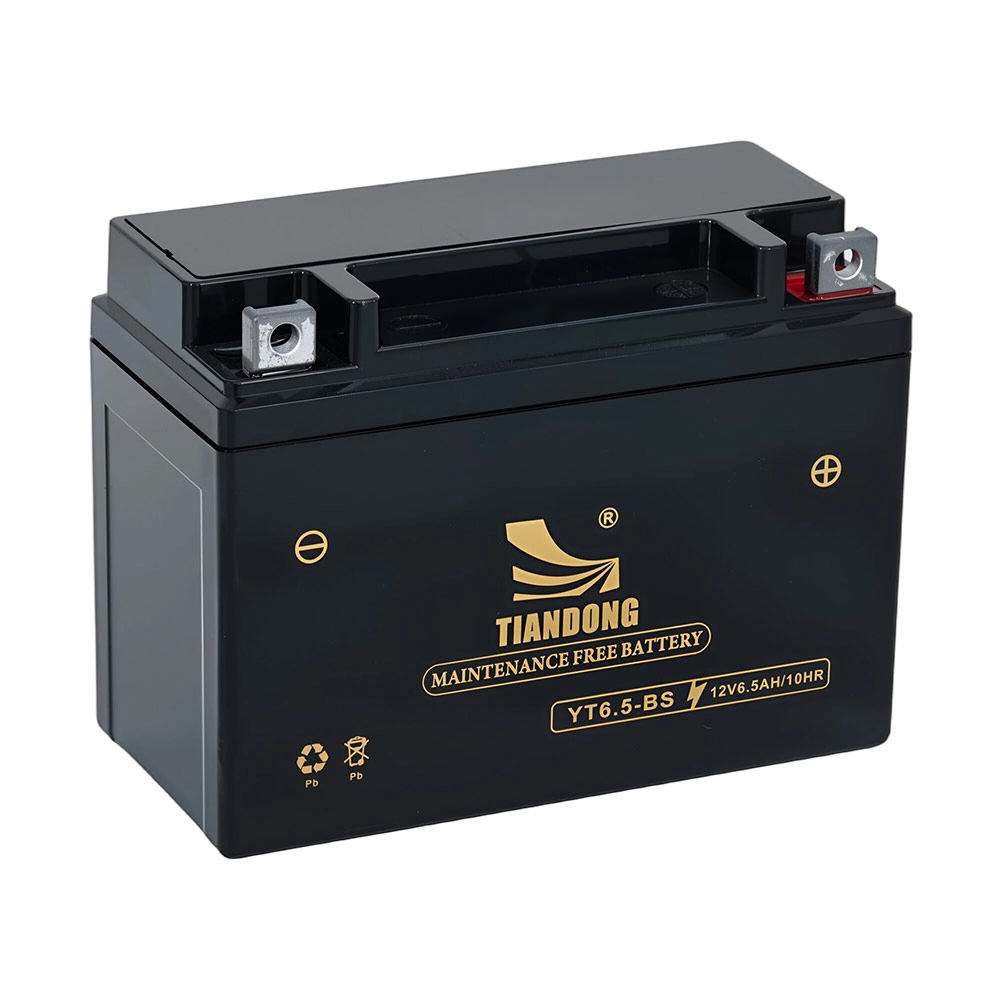
Get in touch with us to get your Motorbike Battery solution
TIANDONG is a leading motorcycle battery manufacturer offering OEM/ODM service, stable quality, and global export support.
Built for wholesalers. Trusted by global buyers. Delivered with confidence.
Say Hello
E-mail: daisybattery8@gmail.com
xianyingchen83@gmail. com
WhatsAPP: +86 134 283 86694
+86 134 348 86641
Our Location
Social Links
© 2025 TIANDONG. All Rights Reserved. Privacy Policy | Terms and Conditions | Sitemap
 Scan QR Code
Facebook
Instagram
Scan QR Code
Whatsapp: +8613434886641