






What recycling and disposal options for lead acid motorcycle battery?
- Beyond simply checking water, what are the subtle signs of impending lead-acid motorcycle battery failure that beginners often miss, and how can proactive monitoring extend its life?
- Many riders connect a trickle charger. Is there a risk of cooking or overcharging a lead-acid motorcycle battery with continuous trickle charging, and what are the best smart charger features to prevent this?
- My new lead-acid motorcycle battery seems weak after a few months of infrequent use. Is this normal, and what exactly are sulfation and acid stratification, and how can I prevent or mitigate them without professional tools?
- Given the recent rise of lithium batteries, why should a beginner still consider a traditional lead-acid motorcycle battery, especially concerning cost-effectiveness and specific riding conditions?
- I understand lead-acid batteries are toxic. What are the specific, step-by-step local recycling and disposal options for a used lead-acid motorcycle battery for the average rider, and how can I ensure I'm complying with environmental regulations?
- When upgrading my motorcycle's electrical accessories, how do I accurately determine if my existing lead-acid battery capacity is sufficient, or if I need a higher Ah rating, without complex calculations?
Beyond simply checking water, what are the subtle signs of impending lead-acid motorcycle battery failure that beginners often miss, and how can proactive monitoring extend its life?
While maintaining the electrolyte level in a flooded lead-acid motorcycle battery is crucial, many subtle indicators signal impending failure long before your bike refuses to start. Beginners often overlook these because they're not immediately catastrophic.
- Slow Cranking, Even After a Charge: This is more than just a weak battery. If your engine turns over noticeably slower than usual, even after being on a charger, it suggests reduced cold cranking amps (CCA) capacity. The internal plates might be sulfated or corroded, making it harder for the battery to deliver the high current needed for starting.
- Dimming Headlights or Gauges During Starting: Similar to slow cranking, if your lights significantly dim or your instrument cluster flickers excessively while you press the start button, it's a clear sign the battery's voltage is dropping too low under load. A healthy lead-acid motorcycle battery should maintain a relatively stable voltage during cranking.
- Battery Case Swelling or Cracks: Physical deformities are major red flags. Swelling (bulging) often indicates internal pressure buildup, usually from overcharging or extreme heat causing gases to form. Cracks, especially around terminals, can lead to acid leaks and indicate a compromised internal structure. This is particularly critical for AGM (Absorbent Glass Mat) and Gel batteries, where the electrolyte is immobilized.
- Excessive Terminal Corrosion (Beyond Surface Level): A small amount of white powdery corrosion is common. However, if corrosion is rapid, severe, or reoccurs quickly after cleaning, it can indicate gas leakage from within the battery (often hydrogen sulfide), a sign of overcharging or internal issues. Excessive corrosion also impedes current flow, mimicking a weak battery.
- Frequent Need for Charging, Even with Regular Use: If your battery requires constant topping up with a motorcycle battery charger despite regular riding, its ability to hold a charge (its amp-hour (Ah) rating) is likely diminished. This often points to advanced sulfation or internal short circuits.
- Increased Internal Resistance (Harder to Fully Charge): A healthy lead-acid battery charges efficiently. An old or failing one will develop higher internal resistance, meaning it gets warmer during charging and takes longer to reach a full charge, often never truly achieving its peak voltage.
Proactive Monitoring to Extend Lifespan:Invest in a simple, inexpensive digital voltmeter or a smart battery tender with a voltage display. Regularly check the battery's static voltage (after resting for several hours off the charger and engine). A fully charged 12V lead-acid battery should read around 12.6V to 12.8V. A reading consistently below 12.4V indicates it's less than 75% charged and needs attention. Monitoring voltage trends over time can reveal a gradual decline before a complete failure, allowing for timely battery replacement or maintenance.
Many riders connect a trickle charger. Is there a risk of cooking or overcharging a lead-acid motorcycle battery with continuous trickle charging, and what are the best smart charger features to prevent this?
Yes, continuous trickle charging, especially with older, non-smart chargers, poses a significant risk of cooking or overcharging a lead-acid motorcycle battery. Traditional trickle chargers deliver a constant, low current irrespective of the battery's state of charge. This can lead to:
- Electrolyte Boil-off: Overcharging causes the electrolyte (sulfuric acid and water) to heat up and the water to electrolyze into hydrogen and oxygen gas. In flooded lead-acid batteries, this water loss needs replenishment, but severe boil-off can expose plates and cause permanent damage. For sealed lead-acid batteries like AGM or Gel, the gasses cannot escape or recombine efficiently, leading to internal pressure buildup, swelling of the battery case, and even rupture.
- Grid Corrosion: Prolonged overcharging accelerates the corrosion of the positive battery plates (grids), reducing the battery's capacity and lifespan.
- Thermal Runaway: In extreme cases, especially with AGM batteries, overcharging can lead to a vicious cycle where increasing temperature causes internal resistance to drop, drawing more current, which further increases temperature. This can destroy the battery and pose a fire hazard.
Smart Charger Features to Prevent Overcharging:Modern smart battery chargers (also known as battery tenders or maintainers) are specifically designed to prevent these issues, making them essential for long-term battery care. Look for chargers with these key features:
- Multi-Stage Charging: This is the most crucial feature. A good motorcycle battery charger typically employs 3 to 8 stages:
- Bulk Stage: Delivers maximum current to rapidly bring the battery to about 80% charge.
- Absorption Stage: Reduces current while maintaining a constant voltage to bring the battery to 100%.
- Float Stage (Maintenance): After the battery is fully charged, the charger reduces the voltage to a safe maintenance level (typically 13.2V to 13.8V for a 12V battery). It supplies just enough current to compensate for self-discharge, keeping the battery topped off without overcharging. Some advanced chargers may also have a desulfation stage to address mild battery desulfation.
- Automatic Voltage Detection: The charger automatically detects whether it's connected to a 6V or 12V battery and adjusts its output accordingly.
- Temperature Compensation: Some advanced chargers can sense ambient temperature and adjust charging voltage slightly. Colder temperatures require a slightly higher voltage, and warmer temperatures require a lower voltage to prevent over/undercharging.
- Spark-Proof and Reverse Polarity Protection: Essential safety features that prevent sparks when connecting terminals and protect against damage if terminals are connected incorrectly.
- Short Circuit Protection: Automatically shuts off if a short circuit is detected.
- Battery Test/Diagnostic Mode: Many smart chargers can assess the battery's health and notify you if it's beyond recovery, preventing wasted charging efforts.
By investing in a quality smart battery charger, you ensure optimal battery health and significantly extend the motorcycle battery lifespan without the risk of overcharging.
My new lead-acid motorcycle battery seems weak after a few months of infrequent use. Is this normal, and what exactly are sulfation and acid stratification, and how can I prevent or mitigate them without professional tools?
It's unfortunately a common scenario for lead-acid motorcycle batteries that experience infrequent use, but it's not normal for a healthy battery to degrade so quickly if properly maintained. The culprits are often sulfation and acid stratification, two major enemies of battery health that significantly reduce motorcycle battery lifespan.
- Sulfation: This is the most common cause of premature lead-acid battery failure. When a battery discharges, lead sulfate crystals form on the lead plates. During charging, these crystals are normally converted back into lead and sulfuric acid. However, if a battery remains discharged or undercharged for extended periods (common with infrequent use), these lead sulfate crystals can harden and grow large, forming a hard, non-conductive layer. This layer prevents the electrolyte from reacting with the active material on the plates, effectively reducing the battery's capacity to accept and deliver a charge.
- Prevention/Mitigation (Beginner-Friendly): The best defense against sulfation is consistent charging. Use a smart battery maintainer whenever the bike is stored for more than a few days. These chargers keep the battery at an optimal float voltage, preventing the deep discharge that leads to hard sulfation. For mild sulfation, some smart chargers have a desulfation mode that uses pulsing currents to break down the crystals, though its effectiveness varies. Regularly starting and riding your motorcycle for at least 30 minutes also helps keep the battery active.
- Acid Stratification: This phenomenon primarily affects flooded lead-acid batteries that are regularly undercharged or never fully charged. Sulfuric acid is denser than water. When a battery discharges, the acid combines with the plates. During charging, the acid is released back into the electrolyte. If the battery is never fully charged, or if it sits undisturbed for long periods, the denser, heavier acid tends to settle at the bottom of the battery cells, leaving a weaker, less dense electrolyte at the top. This creates an uneven acid concentration, leading to:
- The lower, acid-rich area becoming overly reactive, leading to accelerated plate corrosion.
- The upper, acid-poor area leading to sulfation of the upper parts of the plates, as there isn't enough acid to convert the lead sulfate back.
- Overall reduced capacity and premature failure.
- Prevention/Mitigation (Beginner-Friendly): The most effective way to prevent acid stratification is to ensure the battery is regularly brought to a full charge. A complete charge cycle, especially one that includes a slight gassing (gentle bubbling in flooded batteries), helps to mix the electrolyte through convection. Again, a multi-stage smart charger is invaluable here as it ensures the battery reaches its full capacity. For flooded batteries, gently rocking the motorcycle can also help circulate the electrolyte if it's been sitting.
By understanding and actively combating sulfation and acid stratification through diligent use of a smart battery maintainer and ensuring full charge cycles, beginners can dramatically improve their motorcycle battery health and significantly extend its operational life.
Given the recent rise of lithium batteries, why should a beginner still consider a traditional lead-acid motorcycle battery, especially concerning cost-effectiveness and specific riding conditions?
While lithium-ion motorcycle batteries offer compelling advantages like lighter weight and higher cranking power, traditional lead-acid motorcycle batteries (including flooded, AGM, and Gel types) remain a highly viable and often superior choice for beginners, particularly when considering cost, reliability, and specific use cases.
- Superior Cost-Effectiveness: This is arguably the biggest factor for many beginners. Lead-acid batteries are significantly cheaper upfront than their lithium counterparts. For a new rider or someone on a budget, this cost difference can be substantial. The proven technology of lead-acid makes its manufacturing process less expensive, translating to a more accessible price point for consumers. This also makes replacement less financially burdensome.
- Proven Reliability and Durability (Especially AGM): Lead-acid technology has been refined for over a century. AGM (Absorbent Glass Mat) batteries, a type of sealed lead-acid battery, are particularly resilient. They are highly resistant to vibration, can withstand a wider range of temperatures, and are less prone to issues from impact than some lithium designs. Their robust construction and established track record instill confidence, especially for a beginner who might encounter varied riding conditions or minor bumps.
- Cold Weather Performance (Comparative Advantage): While lithium batteries are lighter, many standard lithium motorcycle batteries (LiFePO4) experience a significant drop in performance in very cold temperatures. They may require internal heating elements or specialized charging procedures to operate effectively below freezing. Traditional lead-acid motorcycle batteries, while also experiencing some capacity loss in the cold, generally offer more consistent cold cranking amps (CCA) without needing auxiliary heating, making them a more straightforward and reliable choice for riders in colder climates.
- Tolerance to Overcharge/Discharge (Relatively Forgiving): While not ideal, lead-acid batteries are generally more forgiving of minor overcharge or deep discharge events compared to lithium batteries. Lithium batteries can be permanently damaged or even become unsafe if overcharged or discharged beyond their critical voltage limits without proper Battery Management System (BMS) protection. Lead-acid batteries, while also damaged by abuse, often have a wider operational window before catastrophic failure.
- Simpler Charging Requirements: Most motorcycles' charging systems are designed for lead-acid batteries. While compatible with lithium, lead-acid batteries don't require the same strict monitoring or specialized chargers as lithium batteries (though smart chargers are recommended for both). This simplifies the maintenance aspect for a beginner, reducing the learning curve for battery care tips.
- Ease of Recycling and Environmental Responsibility: As detailed in the next section, lead-acid motorcycle batteries have a highly established and efficient recycling infrastructure, boasting one of the highest recycling rates globally. This makes their end-of-life management straightforward and environmentally sound, aligning with a beginner's potential desire for responsible product lifecycle.
For riders seeking an economical, reliable, and straightforward motorcycle battery solution, especially in varying climates or where upfront cost is a primary concern, lead-acid batteries remain an excellent and practical choice.
I understand lead-acid batteries are toxic. What are the specific, step-by-step local recycling and disposal options for a used lead-acid motorcycle battery for the average rider, and how can I ensure I'm complying with environmental regulations?
You're absolutely right to be concerned about the proper recycling and disposal of lead-acid motorcycle batteries. They contain hazardous materials like lead and sulfuric acid, which are toxic to the environment and human health if improperly discarded. Fortunately, lead-acid battery recycling is one of the most successful recycling programs globally, boasting a recycling rate often exceeding 99% in many regions.
Here's a step-by-step guide for the average rider to ensure responsible and compliant disposal:
- Safety First: Handle with Care:
- Wear protective gloves and eye protection.
- Avoid direct contact with the terminals or any spilled acid.
- Lift the battery by its designated handles (if present) or from the bottom. These batteries can be heavy.
- Prevent Spills: Containment is Key:
- Place the used battery in a sturdy, leak-proof plastic container or tray. A heavy-duty plastic bin, a durable plastic bag, or even the original packaging from your new battery can work. This prevents any residual acid from leaking during transport.
- Locate a Certified Recycling Facility: This is the most crucial step. Do not put lead-acid batteries in household trash or regular recycling bins.
- Auto Parts Stores: Most major auto parts retailers (e.g., AutoZone, Advance Auto Parts, O'Reilly Auto Parts, Pep Boys in the US) accept used lead-acid batteries for recycling, often for free. Many even offer a core charge refund if you're returning an old battery when buying a new one. This is usually the easiest option.
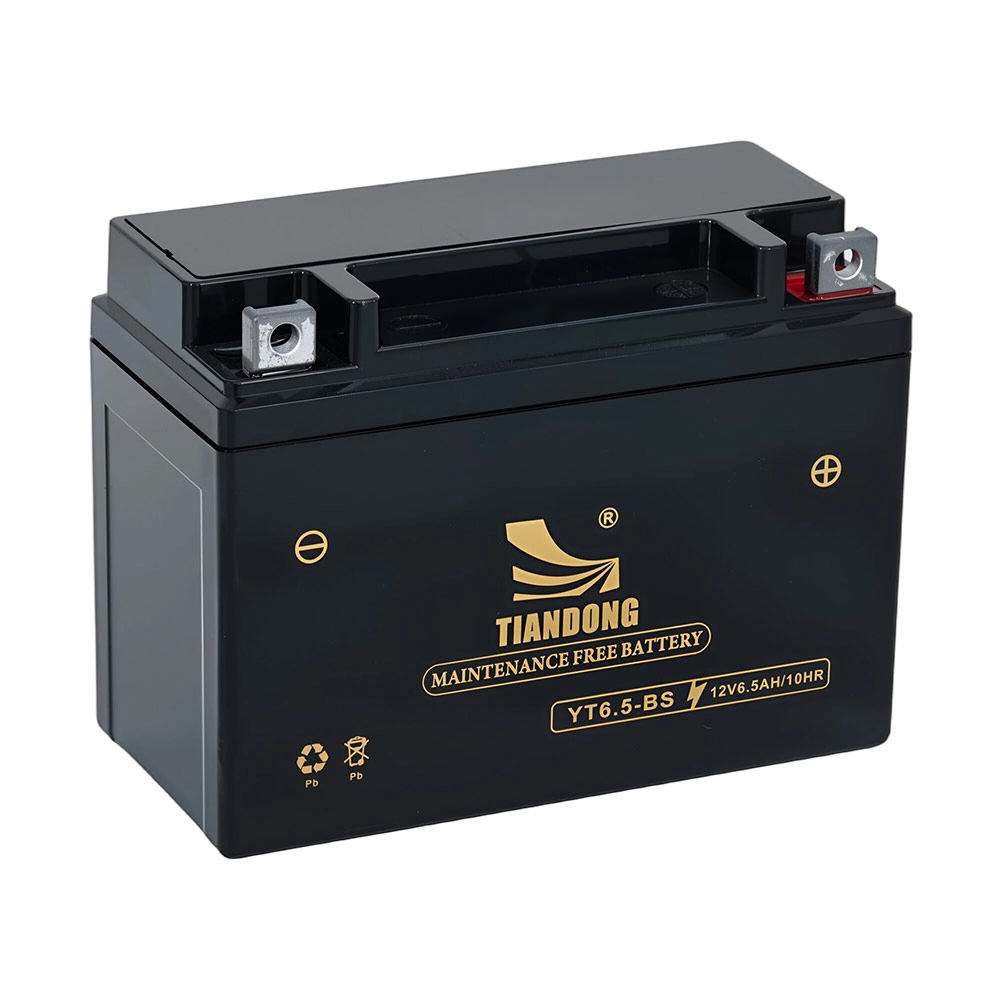
- Battery Retailers: Specialized battery stores (like those selling Tiandong Battery products) will almost certainly accept used batteries for recycling.
- Scrap Metal Dealers: Many scrap metal yards that handle automotive materials also accept lead-acid batteries. Call ahead to confirm.
- Local Government Recycling Programs/Household Hazardous Waste (HHW) Facilities: Your municipal or county waste management department likely has designated hazardous waste disposal days or permanent facilities that accept lead-acid batteries. Check their website or call for schedules and locations.
- Motorcycle Dealerships/Repair Shops: Some dealerships or independent repair shops may accept used batteries, especially if you're a customer.
- Transport Safely:
- Secure the contained battery in your vehicle to prevent it from tipping over, especially if it's a flooded lead-acid battery that could spill.
- Avoid placing it directly on upholstery or carpeting.
- Confirm Compliance:
- By utilizing one of the certified options above, you are generally complying with environmental regulations. In many regions, retailers who sell lead-acid batteries are legally required to accept old ones for recycling. This is mandated to ensure that toxic components like lead are recovered and reused, preventing environmental contamination.
- You don't typically need special documentation as a consumer, but choosing an authorized collection point is your responsibility.
The lead from recycled batteries is melted down and reused in new batteries, plastic is recycled into new battery cases, and even the sulfuric acid can be neutralized and processed. This closed-loop system makes lead-acid battery recycling a significant success story for sustainability.
When upgrading my motorcycle's electrical accessories, how do I accurately determine if my existing lead-acid battery capacity is sufficient, or if I need a higher Ah rating, without complex calculations?
Upgrading electrical accessories on your motorcycle is exciting, but ensuring your lead-acid motorcycle battery can handle the additional load is crucial to prevent premature battery failure and electrical system issues. While precise calculations involve ohms law and wattage, beginners can use a practical, simplified approach to assess if a higher amp-hour (Ah) rating is needed.
List All New Accessories and Their Power Consumption:
- Identify every new electrical accessory you plan to add (e.g., heated grips, auxiliary lights, USB chargers, GPS units, enhanced sound systems, phone mounts with charging).
- Look up their wattage (W) or amperage (A) draw. This information is usually in the product specifications or owner's manual. If you only find wattage, divide by 12V (approximate voltage of your motorcycle's system) to get amps (A = W/V). For example, 60W heated grips draw about 5A (60W / 12V = 5A).
- Consider if the accessory is always on or used intermittently. Focus primarily on items that will be used simultaneously for extended periods.
Estimate Your Motorcycle's Baseline System Output:
- Your motorcycle's charging system (alternator/stator and regulator/rectifier) has a maximum output, usually measured in Watts or Amps. This information is typically found in your motorcycle's service manual or by searching online forums for your specific make/model.
- Crucially, you need to subtract the baseline power consumption of the motorcycle itself (ignition, fuel pump, ECU, headlights, taillights, etc.) from the total alternator output. This remaining power is what's available for accessories. A common rule of thumb for many standard motorcycles is that about 50-70% of the stator's total output is consumed by the bike's essentials, leaving the rest for accessories.
- Simplified Estimate: If your bike has a 300W stator, after powering essentials (say 180-210W), you might have 90-120W (7.5-10A) available for accessories.
Compare Total Accessory Draw to Available Power:
- Sum up the amperage draw of all the new accessories you plan to run simultaneously.
- If this total accessory draw consistently exceeds the available charging system output, your lead-acid battery will slowly discharge even while riding. This leads to persistent undercharging, accelerated sulfation, and a significantly shortened motorcycle battery lifespan.
- Warning Sign: If your added accessories draw, say, 10 amps, but your bike only has 5 amps of available accessory power, your battery will be losing 5 amps per hour while those accessories are on.
Battery Ah Rating Considerations (After Confirming Charging System):
- The Ah (amp-hour) rating primarily indicates how long a battery can deliver a certain current before fully discharging, not its ability to power accessories beyond the charging system's capacity.
- If your charging system can keep up with the new accessories, a slightly higher Ah battery might offer a larger buffer for starting and for brief periods when the engine is off and accessories are still drawing power (e.g., listening to music). This is especially useful for preventing deep discharge.
- However, if your charging system is insufficient, simply installing a higher Ah battery only delays the inevitable discharge; it won't fix the underlying power deficit. The larger battery will still eventually run down and take much longer to recharge, putting more strain on the charging system.
Practical Takeaway for Beginners:Before upgrading, total up the amps of your new accessories. Then, estimate your bike's available accessory power. If the new accessories push you close to or over that limit, consider:
- Upgrading your charging system (stator/regulator) if available.
- Choosing more energy-efficient accessories.
- Limiting the number of accessories run simultaneously.
- Only then, consider if a marginally higher Ah battery would provide a useful buffer in conjunction with a sufficient charging system.
For most standard accessory additions, if your bike's charging system is robust, your existing lead-acid motorcycle battery might be sufficient. However, for significant power draws, a holistic assessment of your electrical system is essential to avoid battery health issues.
Choosing the right lead-acid motorcycle battery and maintaining it properly are vital for uninterrupted riding and prolonging its life. From understanding the subtle signs of impending failure and harnessing the power of smart chargers to recognizing the environmental responsibility of lead-acid battery recycling, this guide aims to empower every beginner. Lead-acid batteries continue to offer a reliable, cost-effective, and environmentally responsible choice for powering motorcycles, backed by decades of proven performance and a robust recycling infrastructure. Tiandong Battery is committed to providing high-quality, durable lead-acid solutions that meet these demands.
For professional-grade lead-acid motorcycle batteries and expert advice tailored to your needs, please contact us for a quote. Visit our website at www.tiandongbattery.com or email us at 13428386694@163.com.

Bulk Motorcycle Batteries Direct from Factory – Save Costs, Boost Profit
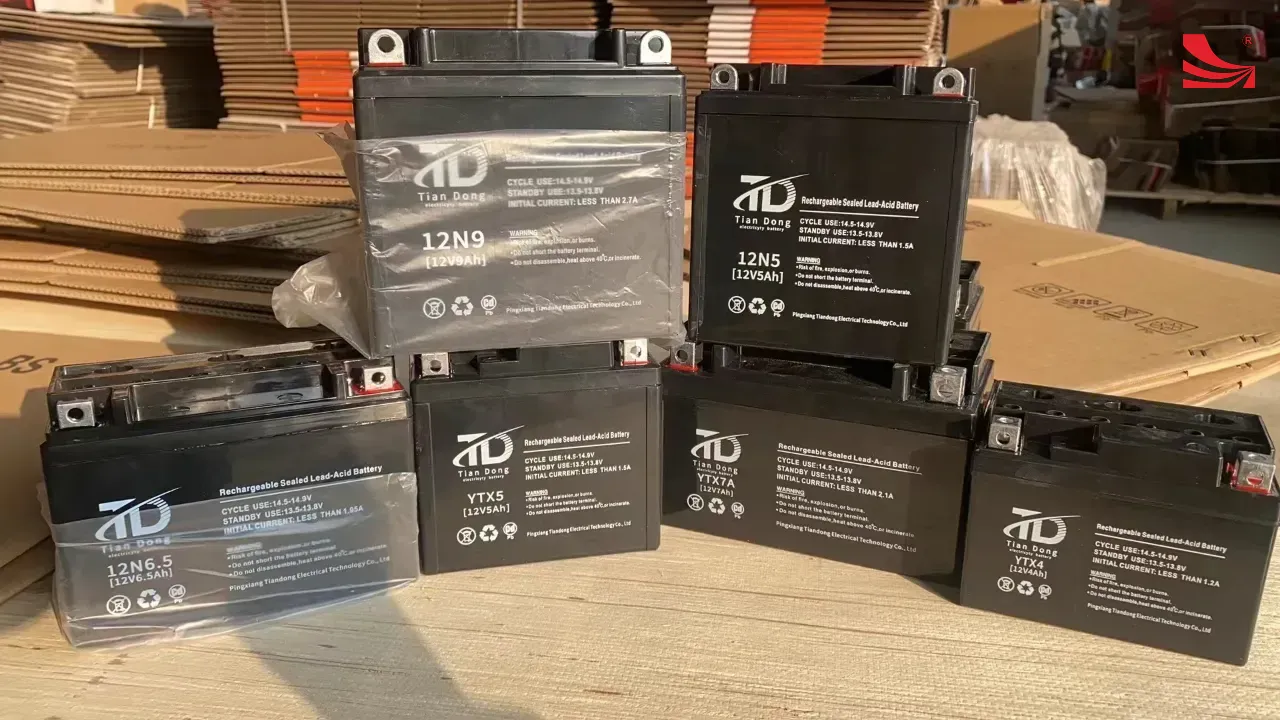
High Performance Motorcycle Batteries for Global Markets

Tiandong Electric Appliance Showcases High-Performance Motorcycle Batteries at Guangzhou Expo

What kind of battery is best for a motorcycle?

The Ultimate Guide to Electric Scooter Batteries: Performance, Longevity, and Future Innovations (2026 & Beyond)

The Ultimate 2026 Guide to Motorcycle Battery Types: Choose, Maintain, and Upgrade for Peak Performance
Product
How long does a motorcycle battery typically last?
A motorcycle battery generally lasts between 2 and 4 years, depending on usage, maintenance, and environmental conditions.
Do you offer OEM or custom branding?
Yes, we provide full OEM and ODM services, including logo printing, packaging customization, and model adjustments.
Are you a trading company or a manufacturer?
We are a direct factory located inJiangxi Province, China. You are welcome to visit our production line and quality control lab. We specialize in lead-acid batteries for motorcycles and have been in this industry for 20 years.
Support
What is Tiandong’s production capacity?
The company produces approximately 6 million batteries per year, supported by 15,000 tons of electrode plate production capacity.
customer
Can overseas clients visit the Tiandong factory?
Yes. Tiandong welcomes international customers to visit the factory, production workshops, and logistics warehouses to better understand the manufacturing and quality control process.
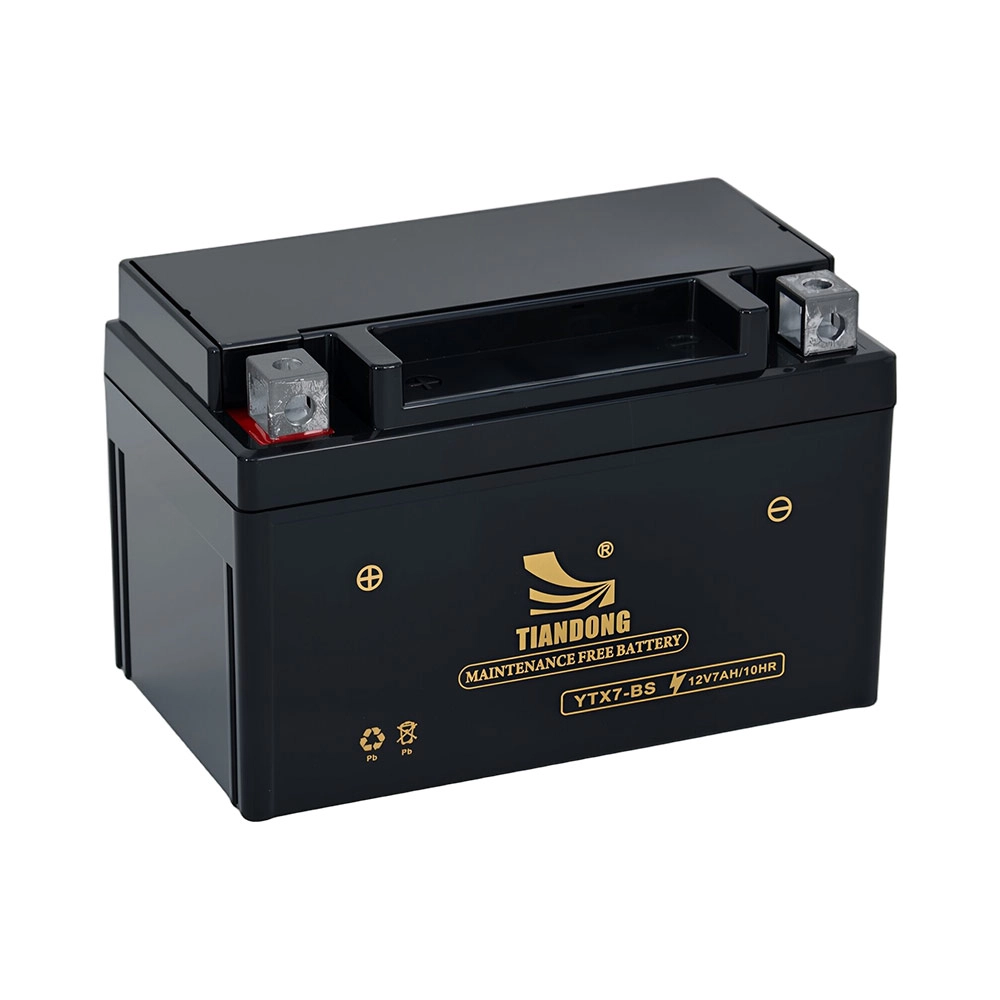
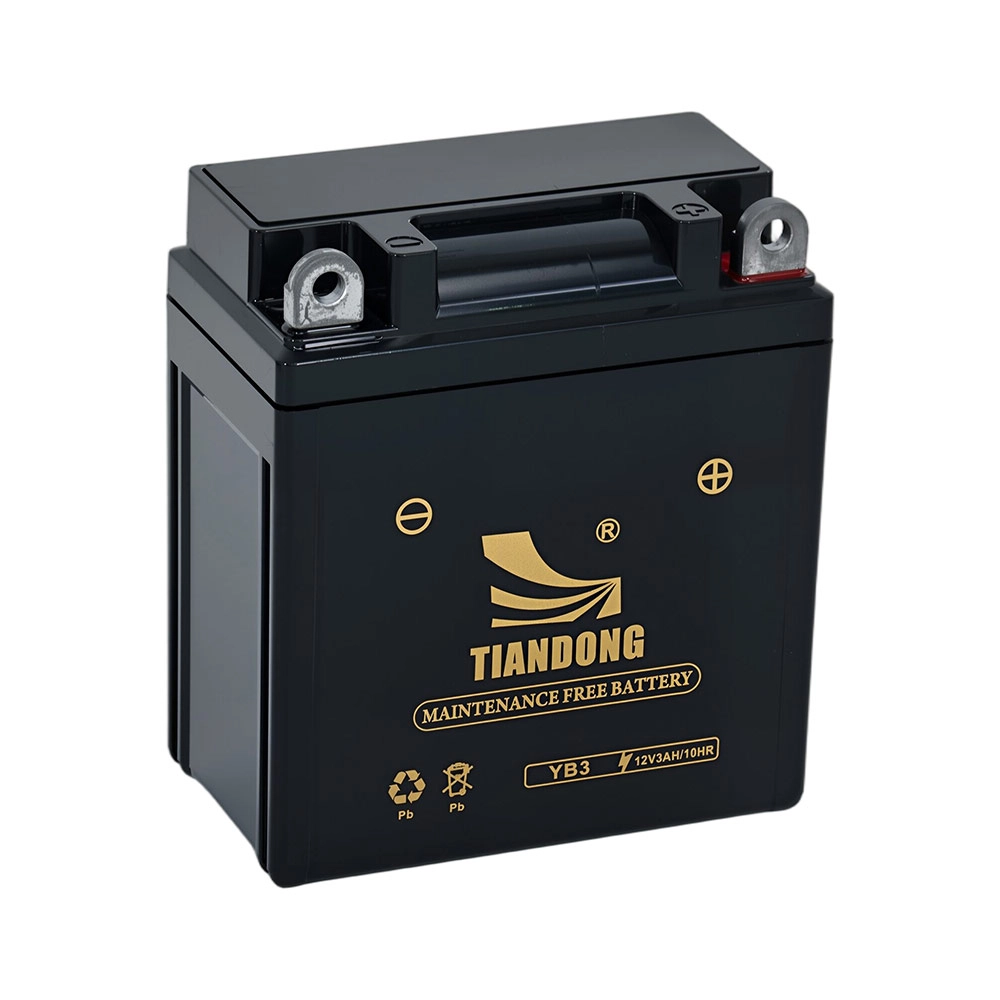
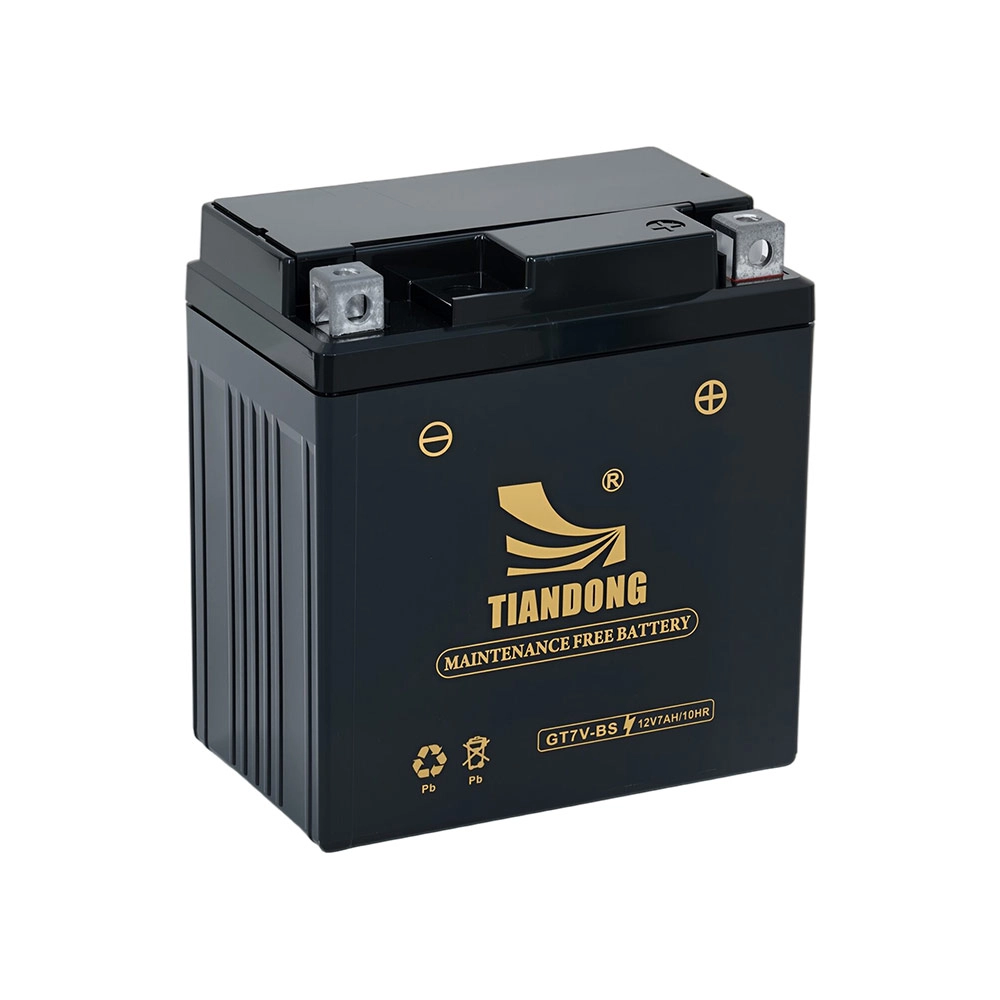
Get in touch with us to get your Motorbike Battery solution
TIANDONG is a leading motorcycle battery manufacturer offering OEM/ODM service, stable quality, and global export support.
Built for wholesalers. Trusted by global buyers. Delivered with confidence.
Say Hello
E-mail: daisybattery8@gmail.com
xianyingchen83@gmail. com
WhatsAPP: +86 134 283 86694
+86 134 348 86641
Our Location
Social Links
© 2025 TIANDONG. All Rights Reserved. Privacy Policy | Terms and Conditions | Sitemap
 Scan QR Code
Facebook
Instagram
Scan QR Code
Whatsapp: +8613434886641