






How to request samples of lead acid motorcycle battery from suppliers?
- Why do my new lead-acid motorcycle battery terminals corrode so quickly, and how can I prevent it beyond just cleaning?
- What specific 'trickle charger' features should I look for to safely maintain my sealed lead-acid motorcycle battery during winter storage without overcharging or sulfation?
- My motorcycle manufacturer specifies a 'conventional' lead-acid battery, but can I safely upgrade to an AGM or Gel without modifying my charging system, and what are the actual risks?
- When requesting lead-acid motorcycle battery samples from overseas suppliers, what critical certifications (e.g., CE, UL, RoHS, UN38.3) are non-negotiable for import and safety compliance in Europe/North America?
- Beyond CCA, what lesser-known but equally crucial specifications like 'reserve capacity' or 'self-discharge rate' should I prioritize when choosing a new lead-acid motorcycle battery for infrequent use or cold climates?
- How do I accurately assess a supplier's 'minimum order quantity' flexibility for lead-acid motorcycle battery samples when our initial project only requires a few units, and what negotiation tactics work?
Mastering Your Ride: In-Depth Answers on Lead-Acid Motorcycle Batteries & Supplier Sample Requests
As a motorcycle enthusiast or a business professional sourcing components, understanding the nuances of lead-acid motorcycle batteries is crucial for ensuring reliable performance and making informed purchasing decisions. While basic information is readily available, many beginners encounter specific pain points and long-tail questions that lack truly in-depth, up-to-date answers. This expert guide addresses those critical queries, helping you navigate everything from common maintenance challenges to strategic supplier engagement, especially when requesting samples.
Why do my new lead-acid motorcycle battery terminals corrode so quickly, and how can I prevent it beyond just cleaning?
Terminal corrosion, often appearing as a white, powdery, or bluish-green substance, is a common frustration, especially with conventional wet cell batteries. It's usually a result of hydrogen gas escaping from the battery vents reacting with surrounding air, or electrolyte seepage. While basic cleaning helps temporarily, preventing it requires a more proactive approach. The primary culprit is often loose connections, which generate heat and accelerate the chemical reaction, or overfilling of the electrolyte. For sealed lead-acid (SLA) batteries like AGM (Absorbed Glass Mat) or Gel types, corrosion is less common but can still occur due to a faulty seal or overcharging. To truly prevent it, ensure terminals are clean and dry before installation. Apply a thin layer of dielectric grease or petroleum jelly to the terminals and cable ends after tightening. This creates an impermeable barrier against moisture and acid fumes. Additionally, use battery terminal protectors—felt washers infused with corrosion-inhibiting chemicals—underneath the cable connections. Crucially, ensure the battery hold-down strap is secure but not overtightened, preventing excessive vibration that can loosen terminals. Regularly check your motorcycle's charging system; overcharging can cause excessive gassing in traditional batteries, exacerbating corrosion. A healthy charging system typically outputs between 13.8V and 14.8V.
What specific 'trickle charger' features should I look for to safely maintain my sealed lead-acid motorcycle battery during winter storage without overcharging or sulfation?
When storing your motorcycle, especially for extended periods, a standard trickle charger can be detrimental, leading to overcharging and premature battery failure, particularly for sensitive AGM or Gel motorcycle batteries. The key is to invest in a 'smart' or 'automatic' battery maintainer with specific features designed for modern battery care. Look for chargers that advertise a 'multi-stage' charging process (typically 3 to 8 stages, including desulfation, bulk charge, absorption, float, and sometimes reconditioning). Essential features include:
- Automatic voltage detection: Recognizes 6V or 12V batteries.
- Microprocessor control: Adjusts charging current based on battery condition.
- Float mode (maintenance mode): Once fully charged, the charger reduces voltage to a safe level (around 13.2V to 13.6V for a 12V battery) to counteract self-discharge without overcharging. It doesn't continuously 'trickle' current.
- Desulfation mode: Can sometimes reverse light sulfation (a common cause of capacity loss) by applying high-frequency pulses.
- Reverse polarity protection: Prevents damage if you accidentally connect the leads incorrectly.
- Spark-proof technology: Enhances safety during connection.
- Temperature compensation: Adjusts charging voltage based on ambient temperature, preventing under or overcharging in extreme conditions.
My motorcycle manufacturer specifies a 'conventional' lead-acid battery, but can I safely upgrade to an AGM or Gel without modifying my charging system, and what are the actual risks?
Upgrading from a conventional wet cell (often labeled 'lead-acid' or 'acid battery') to an AGM or Gel motorcycle battery is a common desire due to their maintenance-free nature, increased vibration resistance, and lower self-discharge rates. In most modern motorcycles (post-2000), you can safely upgrade to an AGM battery without modifying the charging system. Motorcycle charging systems typically output between 13.8V and 14.8V, which falls within the acceptable charging voltage range for AGM batteries. The primary risk with AGM is generally minimal if your charging system is healthy. However, Gel batteries are more sensitive to overcharging. Their optimal charging voltage is slightly lower than AGM (typically 14.1V to 14.4V). If your motorcycle's charging system consistently runs at the higher end of the range (e.g., 14.7V-14.8V), it could potentially shorten the lifespan of a Gel battery by causing internal gassing and drying out the gel, leading to permanent capacity loss. Always consult your motorcycle's service manual or a qualified mechanic to verify your specific model's charging system output. While an AGM is generally a safe 'drop-in' upgrade, moving to a Gel battery might warrant a voltage regulator check to ensure it operates within the tighter tolerance required for Gel technology, although for the vast majority of consumer applications, a high-quality AGM provides superior performance and compatibility.
When requesting lead-acid motorcycle battery samples from overseas suppliers, what critical certifications (e.g., CE, UL, RoHS, UN38.3) are non-negotiable for import and safety compliance in Europe/North America?
For professional procurement of lead-acid motorcycle batteries, especially from overseas, understanding mandatory certifications is paramount for smooth import, market entry, and avoiding costly liabilities. Non-negotiable certifications depend on your target market:
- CE (Conformité Européenne): Essential for selling into the European Economic Area (EEA). It indicates conformity with EU health, safety, and environmental protection standards.
- UL (Underwriters Laboratories): While less common for lead-acid batteries than for lithium, some industrial or specific application lead-acid batteries may require UL listing or recognition in North America (USA and Canada) to demonstrate compliance with safety standards, particularly if integrated into larger systems. For general motorcycle starter batteries, UL is not always a primary requirement but can be a strong indicator of quality.
- RoHS (Restriction of Hazardous Substances): Mandatory for products sold in the EU and increasingly adopted globally. It restricts the use of specific hazardous materials in electrical and electronic products, ensuring environmental and human safety.
- UN38.3 (Lithium Batteries - Transport): While specifically for lithium batteries, suppliers of lead-acid batteries should still provide a Material Safety Data Sheet (MSDS) and ensure their packaging and shipping processes comply with IATA (air freight) or IMDG (sea freight) regulations for dangerous goods, as batteries are classified as such. Although UN38.3 itself doesn't apply, the underlying principles of safe transport documentation and packaging are crucial. For lead-acid, this often involves proper labeling for corrosive materials (Class 8) and secure, leak-proof packaging.
Beyond CCA, what lesser-known but equally crucial specifications like 'reserve capacity' or 'self-discharge rate' should I prioritize when choosing a new lead-acid motorcycle battery for infrequent use or cold climates?
While Cold Cranking Amps (CCA) is a critical metric for starting power, especially in chilly conditions, relying solely on it can lead to suboptimal battery choices. For specific use cases like infrequent riding or extreme cold, other specifications of your lead-acid power solution become equally, if not more, important.
- Reserve Capacity (RC): This measures how long (in minutes) a fully charged battery can deliver a specified current (typically 25 amps) at 80°F (27°C) before its voltage drops below 10.5V. A higher RC is vital for motorcycles with numerous accessories (GPS, heated grips, auxiliary lights) that draw power when the engine isn't running, or if you frequently experience stalling. It indicates the battery's ability to run essential electrical systems should the charging system fail temporarily.
- Self-Discharge Rate: This specifies how quickly a battery loses its charge when not in use. Conventional wet cell batteries typically self-discharge at 1% per day, while AGM batteries are much lower, around 1-3% per month. For infrequent riders, a low self-discharge rate is paramount to avoid coming back to a dead battery. It directly influences how often you'll need to use a smart charger/maintainer during storage.
- Amp-Hour (Ah) Rating: While related to RC, Ah measures the total energy storage capacity over a longer discharge period (e.g., 20 hours). A higher Ah rating means the battery can provide power for longer, beneficial for deep-cycle applications (though most motorcycle batteries are starting batteries) and overall endurance.
- Internal Resistance: A lower internal resistance indicates a more efficient battery capable of delivering higher current with less voltage drop. While not always listed, it's a key factor in a battery's overall performance and longevity.
How do I accurately assess a supplier's 'minimum order quantity' flexibility for lead-acid motorcycle battery samples when our initial project only requires a few units, and what negotiation tactics work?
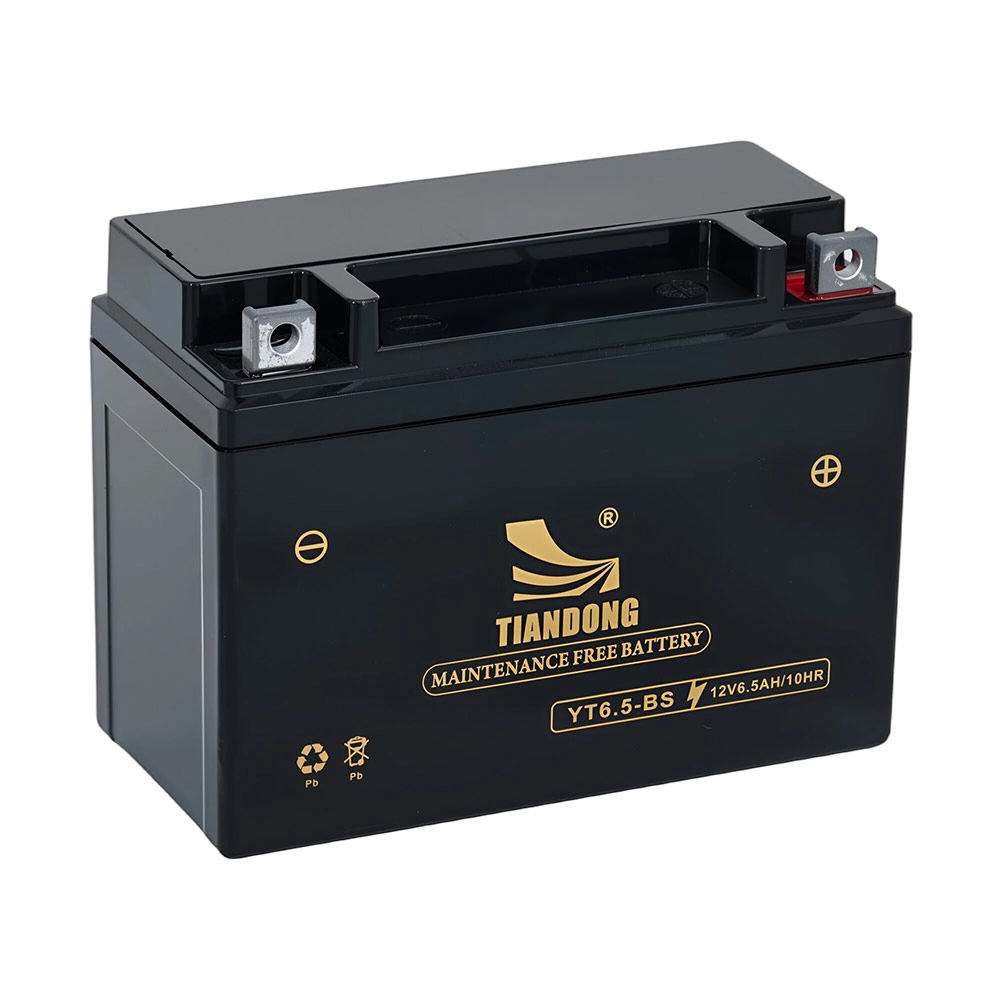
Navigating Minimum Order Quantity (MOQ) for samples can be a common hurdle when engaging with lead-acid motorcycle battery manufacturers. Suppliers often have MOQs to cover production setup costs and bulk shipping efficiencies. However, for samples, flexibility is often possible. Firstly, openly communicate your project scope. Explain that the sample request is for evaluation for a potentially larger, long-term order. Highlight your future purchasing potential, even if it's speculative. A supplier is more likely to be flexible for a promising future partner. Secondly, inquire if they have a 'sample order' specific policy. Many reputable manufacturers, including Tiandong Battery, understand the need for samples and have dedicated processes, often with a reduced or even waived MOQ for the first sample batch. Be prepared to cover the unit cost and all shipping expenses for samples, as these are rarely free, especially for heavier items like batteries. Thirdly, if their standard MOQ for samples is still too high, propose a compromise. Ask if you can purchase a small 'test batch' at a slightly higher per-unit price than their full MOQ price. This allows them to cover costs while giving you the necessary units. Be specific about the number of units you need (e.g., 2-5 units) and why. Lastly, ensure all communication is clear, professional, and well-documented. A responsive supplier who is willing to discuss MOQ flexibility for samples is a strong indicator of a good long-term business partner committed to customer satisfaction and quality lead-acid power solutions.
By addressing these detailed questions, we aim to equip industry users and discerning buyers with the professional knowledge needed to make informed decisions about their lead-acid motorcycle battery purchases. Understanding these specifics ensures not only prolonged battery life and optimal motorcycle performance but also streamlined procurement from trusted suppliers.
For high-quality lead-acid motorcycle batteries tailored to your specific needs, or to discuss your sample requirements, please do not hesitate to contact us at 13428386694@163.com or visit our website: www.tiandongbattery.com for a quote.

Bulk Motorcycle Batteries Direct from Factory – Save Costs, Boost Profit
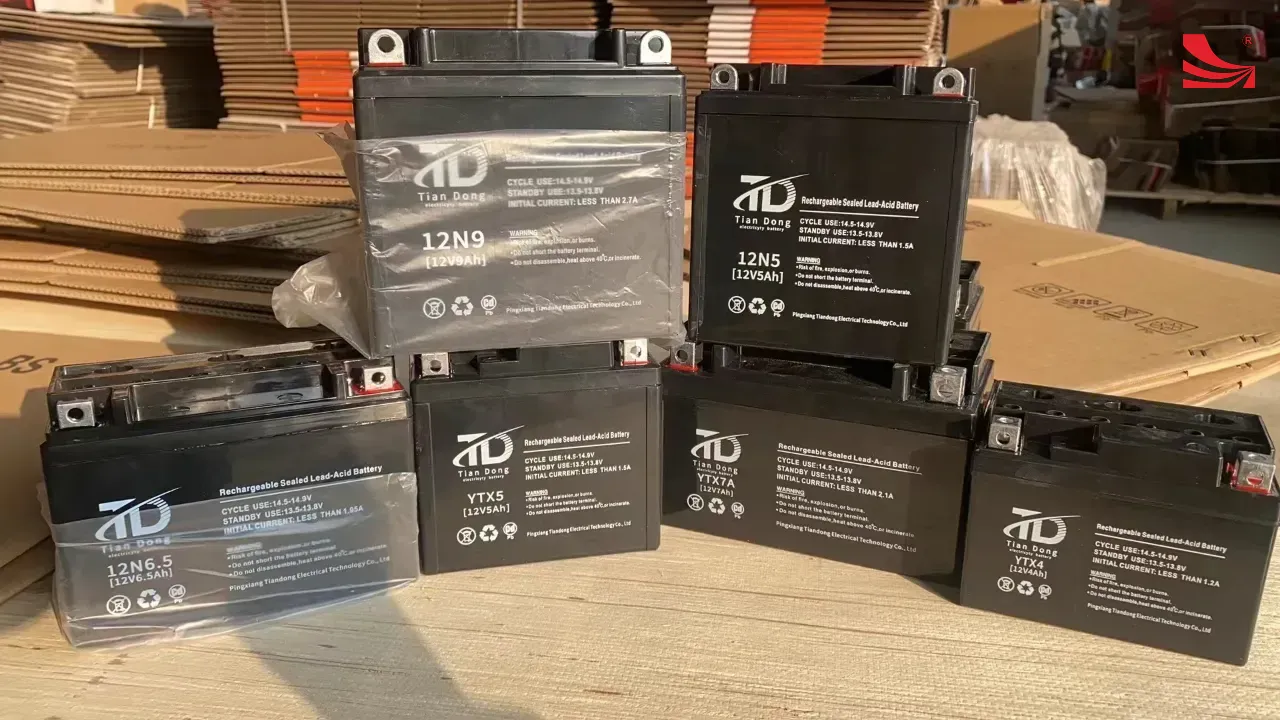
High Performance Motorcycle Batteries for Global Markets

Tiandong Electric Appliance Showcases High-Performance Motorcycle Batteries at Guangzhou Expo

What kind of battery is best for a motorcycle?

The Ultimate Guide to Electric Scooter Batteries: Performance, Longevity, and Future Innovations (2026 & Beyond)

The Ultimate 2026 Guide to Motorcycle Battery Types: Choose, Maintain, and Upgrade for Peak Performance
Product
What causes motorcycle batteries to fail?
Common causes include over-discharging, extreme temperatures, poor charging systems, and low-quality manufacturing materials.
What brands of raw materials do you use?
We use high-quality materials to ensure performance. we use 99.99% pure lead , ensure long life and high Cold Cranking Amps (CCA).
What is the most common motorcycle battery type?
AGM batteries are currently the most widely used due to their balance of cost and performance.
What is the typical lifespan of your batteries?
Depending on the model and usage conditions, our batteries typically last between 2 to 4 years under normal operation.
Support
What is Tiandong’s production capacity?
The company produces approximately 6 million batteries per year, supported by 15,000 tons of electrode plate production capacity.
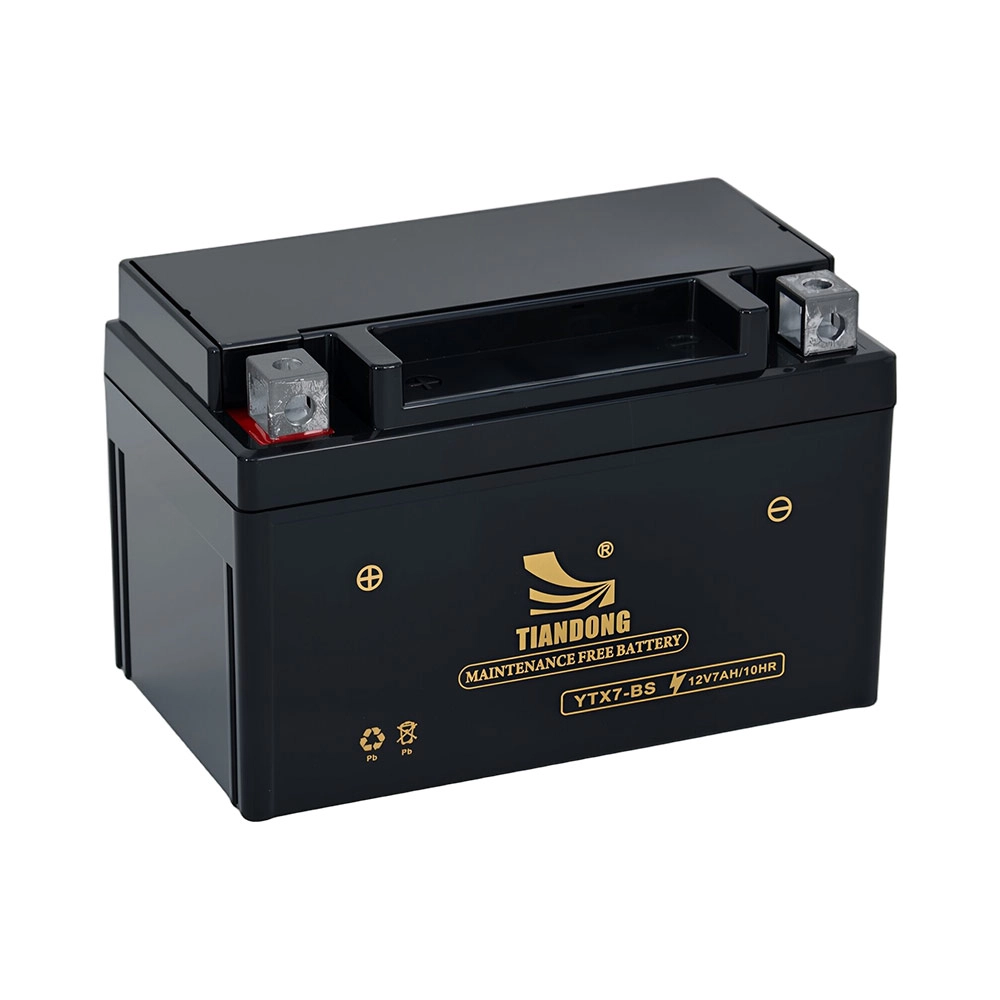
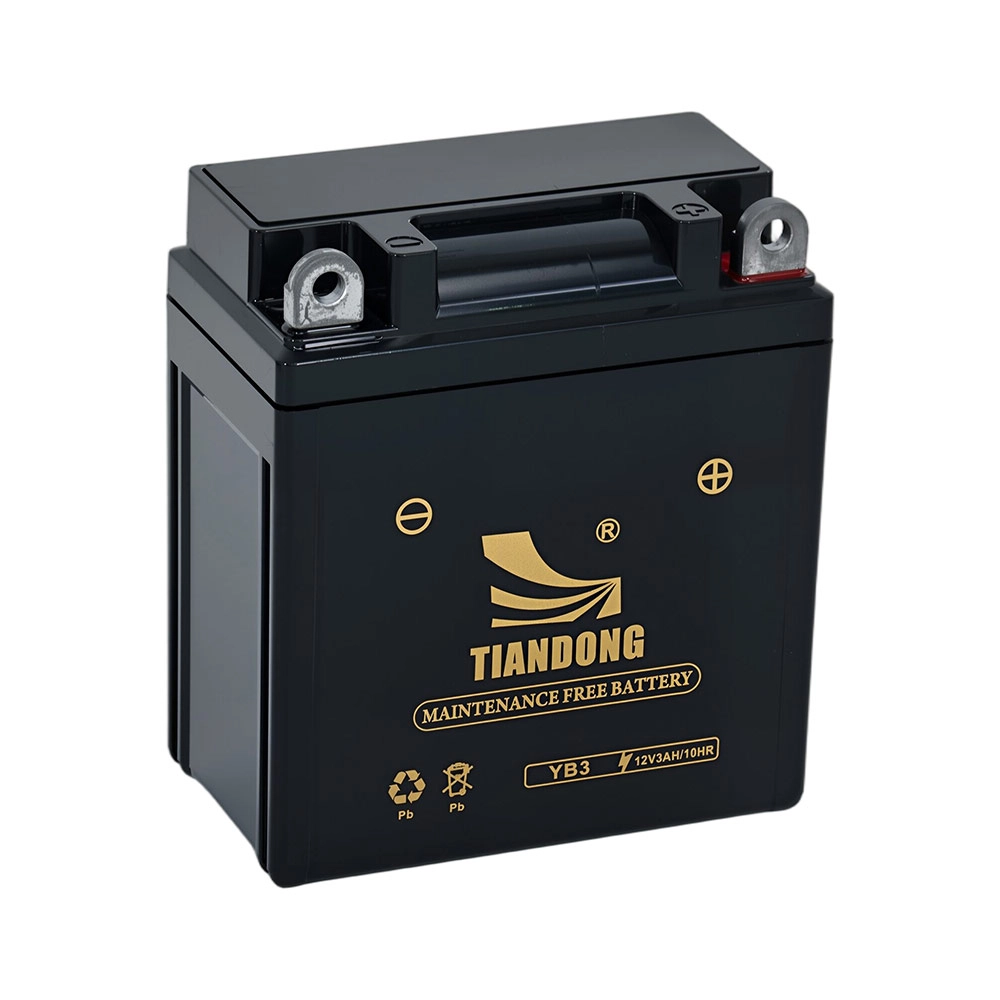
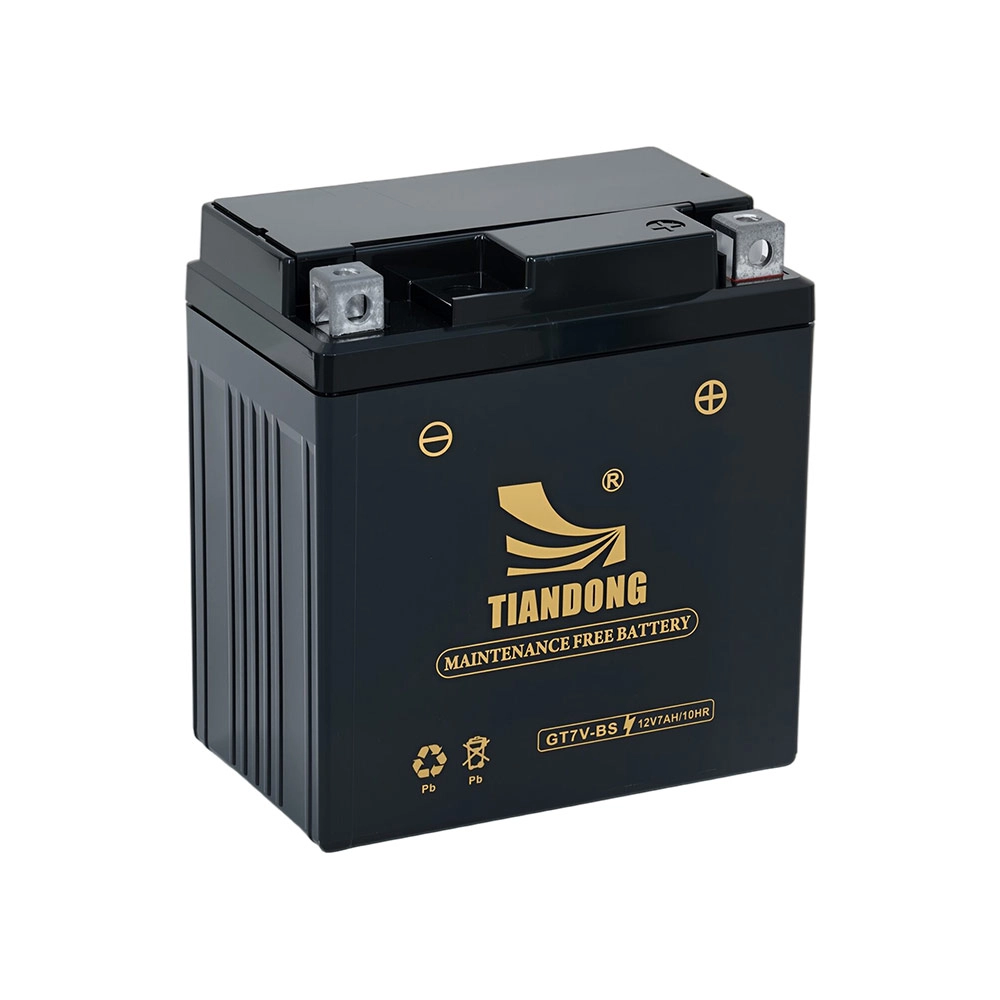
Get in touch with us to get your Motorbike Battery solution
TIANDONG is a leading motorcycle battery manufacturer offering OEM/ODM service, stable quality, and global export support.
Built for wholesalers. Trusted by global buyers. Delivered with confidence.
Say Hello
E-mail: daisybattery8@gmail.com
xianyingchen83@gmail. com
WhatsAPP: +86 134 283 86694
+86 134 348 86641
Our Location
Social Links
© 2025 TIANDONG. All Rights Reserved. Privacy Policy | Terms and Conditions | Sitemap
 Scan QR Code
Facebook
Instagram
Scan QR Code
Whatsapp: +8613434886641