






How do maintenance requirements compare for lead acid batteries?
- My new lead acid motorcycle battery died much faster than expected. Was I overcharging it, or did I not 'break it in' properly?
- I've heard about 'topping off' conventional lead-acid batteries, but what exact liquid do I use, how much, and how often without damaging it?
- Can I safely use my car's battery charger on my motorcycle's lead acid battery, or will the higher amperage damage it?
- My motorcycle sits for several months during winter. What's the best way to store its lead acid battery to prevent it from dying or losing capacity?
- What's the real difference between a 'maintenance-free' AGM lead acid battery and a conventional one? Do I still need to do *any* maintenance on an AGM?
- How can I tell if my lead acid motorcycle battery is genuinely failing and needs replacement, or if it just needs a good charge and some maintenance?
Lead acid motorcycle batteries have been the backbone of motorcycle power systems for decades, offering reliable performance and cost-effectiveness. While newer battery technologies exist, understanding the nuances of lead acid battery care is crucial for maximizing their lifespan and ensuring your ride starts every time. Many beginners face common challenges and misconceptions when it comes to these essential components. This comprehensive guide addresses frequently asked questions, providing in-depth answers to help you maintain your lead acid motorcycle battery like a seasoned pro.
My new lead acid motorcycle battery died much faster than expected. Was I overcharging it, or did I not 'break it in' properly?
Premature battery failure is a common frustration, and often, it's not about 'breaking in' but rather improper initial activation or charging habits. Conventional lead acid motorcycle batteries (also known as flooded or wet cell batteries) typically arrive 'dry' and require activation by filling them with electrolyte (sulfuric acid solution). This process must be done carefully, followed by an initial slow charge to bring the battery to full capacity. Failing to do this correctly can significantly shorten its life.
For both conventional and sealed lead acid motorcycle battery types (like AGM – Absorbent Glass Mat), consistent overcharging or undercharging are primary culprits for early demise. Overcharging can lead to excessive gassing, water loss (in conventional batteries), and internal plate corrosion, while chronic undercharging causes sulfation – a build-up of lead sulfate crystals on the battery plates that hinders its ability to accept and deliver a charge. Always use a smart charger designed for motorcycle batteries, which automatically adjusts voltage and amperage, preventing both scenarios. Ensure the charger matches the battery's voltage (typically 12V for motorcycles). Proper charging protocols are vital for battery longevity.
I've heard about 'topping off' conventional lead-acid batteries, but what exact liquid do I use, how much, and how often without damaging it?
For conventional, non-sealed lead acid motorcycle batteries, electrolyte maintenance is critical. The 'liquid' you use for topping off is distilled water – and only distilled water. Never use tap water, battery acid, or any other fluid, as impurities in tap water or adding acid can severely damage the battery's internal chemistry and performance.
How much and how often? Check your battery's electrolyte levels regularly, typically every 1-3 months, or more frequently in hot climates or if you ride extensively. Each cell has a 'full' or 'upper' level line marked on the side of the battery casing. Carefully remove the cell caps and add distilled water until the electrolyte just reaches this line. Avoid overfilling, as this can cause acid to spill out during charging or riding, leading to corrosion of surrounding components. Use a small, clean funnel to prevent spillage. Always wear appropriate safety gear, including gloves and eye protection, when handling batteries.
Can I safely use my car's battery charger on my motorcycle's lead acid battery, or will the higher amperage damage it?
Using a standard car battery charger on a motorcycle lead acid battery is generally not recommended and can be dangerous. The primary concern is the difference in amperage. Car batteries typically have much larger capacities (Ah) and require higher charging currents (amperage) to recharge efficiently. A car charger designed for 50-100 Ah automotive batteries might deliver 10 amps or more. A motorcycle battery, with a much smaller capacity (e.g., 6-18 Ah), can be easily overcharged and damaged by such high amperage.
Excessive current can cause the battery to overheat, boil its electrolyte, warp its plates, and significantly shorten its lifespan, or even lead to an explosion in extreme cases. It's crucial to use a charger specifically designed for motorcycle batteries, which typically outputs a lower, safer amperage (e.g., 0.75A to 2A). Even better, invest in a 'smart' or 'trickle' charger (also known as a battery tender) that automatically senses the battery's state of charge and adjusts its output to maintain optimal voltage without overcharging, ensuring proper battery care and preventing sulfation.
My motorcycle sits for several months during winter. What's the best way to store its lead acid battery to prevent it from dying or losing capacity?
Proper cold weather storage is paramount for extending your lead acid motorcycle battery's lifespan and preventing irreversible damage from deep discharge and sulfation. Here's the recommended procedure:
- Remove the Battery: Disconnect the battery from the motorcycle. This prevents parasitic drains from the bike's electronics, which can slowly discharge the battery over time.
- Clean the Battery: Wipe down the battery casing and terminals with a baking soda and water solution to neutralize any acid residue, then rinse with clean water and dry thoroughly. Clean terminals ensure good electrical contact when you reinstall it.
- Charge to Full: Ensure the battery is fully charged before storage. A partially charged battery is more susceptible to sulfation, especially in cold temperatures.
- Store in a Cool, Dry Place: Store the battery off the concrete floor (a piece of wood or a shelf is fine) in a location with stable, moderate temperatures (ideally above freezing, but not excessively hot). Extreme cold can reduce battery capacity and increase self-discharge, while extreme heat can accelerate internal corrosion.
- Use a Battery Tender: The most effective method is to connect the battery to a high-quality, automatic 'smart' charger or battery tender specifically designed for motorcycle batteries. These devices monitor the battery's voltage and provide a small, maintenance charge as needed, preventing self-discharge and sulfation without overcharging. This is superior to simply charging it once and leaving it, as all lead acid batteries experience some degree of self-discharge.
What's the real difference between a 'maintenance-free' AGM lead acid battery and a conventional one? Do I still need to do *any* maintenance on an AGM?
The terms 'maintenance-free' can be a bit misleading. While AGM (Absorbent Glass Mat) lead acid motorcycle batteries require less hands-on maintenance than conventional flooded batteries, they are not entirely maintenance-free. The key differences lie in their construction and operational characteristics:
- Conventional (Flooded) Batteries: These have liquid electrolyte that sloshes around freely. They have removable caps for checking and topping off electrolyte levels with distilled water. They are typically less expensive but require regular monitoring and maintenance.
- AGM (Absorbent Glass Mat) Batteries: In AGM batteries, the electrolyte is absorbed into fiberglass mats packed between the lead plates. This design makes them sealed, spill-proof, and allows for more efficient recombination of gasses, significantly reducing water loss. This means you never need to add water to an AGM battery, which is why they are often called 'maintenance-free' in that regard.
Do AGMs require any maintenance? Yes, absolutely. While you don't add water, you still need to:
- Keep them Charged: AGMs, like all lead acid batteries, will self-discharge over time. They still require proper charging and benefit greatly from being connected to a smart charger or battery tender during periods of inactivity to prevent deep discharge and sulfation.
- Keep Terminals Clean: Ensure the battery terminals are clean and free of corrosion for optimal electrical contact.
- Monitor Voltage: Periodically check the battery's voltage to ensure it's holding a charge, especially before long rides or after storage. This proactive battery care can help identify issues before they become critical.
AGM technology offers superior vibration resistance, a slower self-discharge rate compared to conventional batteries, and can often deliver higher cold cranking amps (CCA) for their size, making them a popular choice for many riders seeking reliable power with less fuss.
How can I tell if my lead acid motorcycle battery is genuinely failing and needs replacement, or if it just needs a good charge and some maintenance?
Distinguishing between a failing battery and one that simply needs attention can save you money and hassle. Here's how to troubleshoot your lead acid motorcycle battery:
- Voltage Check (Resting): A fully charged 12V lead acid battery should read around 12.6V to 12.8V after sitting for a few hours (resting voltage). If it consistently reads below 12.4V even after a full charge, it's likely starting to weaken. A reading below 12.0V often indicates a deeply discharged or failing battery.
- Voltage Check (Under Load): While cranking the engine, observe the battery voltage. If it drops significantly (e.g., below 10.5V) during cranking, the battery may not be able to deliver sufficient current, indicating a weak or failing battery. This is a crucial indicator of battery performance.
- Slow Cranking/Dim Lights: If your engine cranks slowly, struggles to start, or your headlights appear dim when the engine is off but the ignition is on, these are classic signs of a weak battery that might be failing to hold a charge.
- Rapid Discharge: If your battery charges up quickly but then loses its charge just as fast, even when disconnected from the motorcycle, it's a strong indicator of internal damage or sulfation that's preventing it from holding capacity.
- Specific Gravity (for Conventional Batteries): For conventional flooded batteries, you can use a hydrometer to check the specific gravity of the electrolyte in each cell. A fully charged cell should read around 1.265-1.280. Significant variations between cells or consistently low readings across all cells suggest a failing battery or severe sulfation.
- Visual Inspection: Look for physical signs of damage, such as a swollen or bulging case (indicating internal pressure or overheating), cracks, leaks, or heavy corrosion on the terminals that can't be cleaned away. These are clear signs that the battery needs immediate replacement.
If, after a thorough charge and any necessary maintenance (like topping off distilled water for conventional batteries), the battery still exhibits these symptoms, it's time to consider a replacement. Regular voltage testing and understanding these signs are key to proactive battery management.
While newer technologies like lithium-ion batteries offer certain advantages, the tried-and-true lead acid motorcycle battery remains a robust, cost-effective, and reliable power source for countless riders. With proper understanding and diligent maintenance, these batteries can provide years of dependable service, making them an excellent choice for those seeking proven performance without breaking the bank.
Ready to power your ride with confidence? Contact us today for a quote on high-quality lead acid motorcycle batteries tailored to your needs. Visit www.tiandongbattery.com or email daisybattery8@gmail.com.

Powering Green Mobility with Efficient Electric Vehicle Batteries in 2026

High-Performance Motorcycle Batteries for Reliability (2026 Guide)

A Complete Guide to Different Battery Types and Their Applications (2026 Edition)

The Ultimate Guide to Comprehensive Battery Solutions for Motorcycles and EVs [2026 Edition]
Looking for a Trusted Motorcycle Battery Supplier? Here’s What You Need to Know

Bulk Motorcycle Batteries Direct from Factory – Save Costs, Boost Profit
Product
Are you a trading company or a manufacturer?
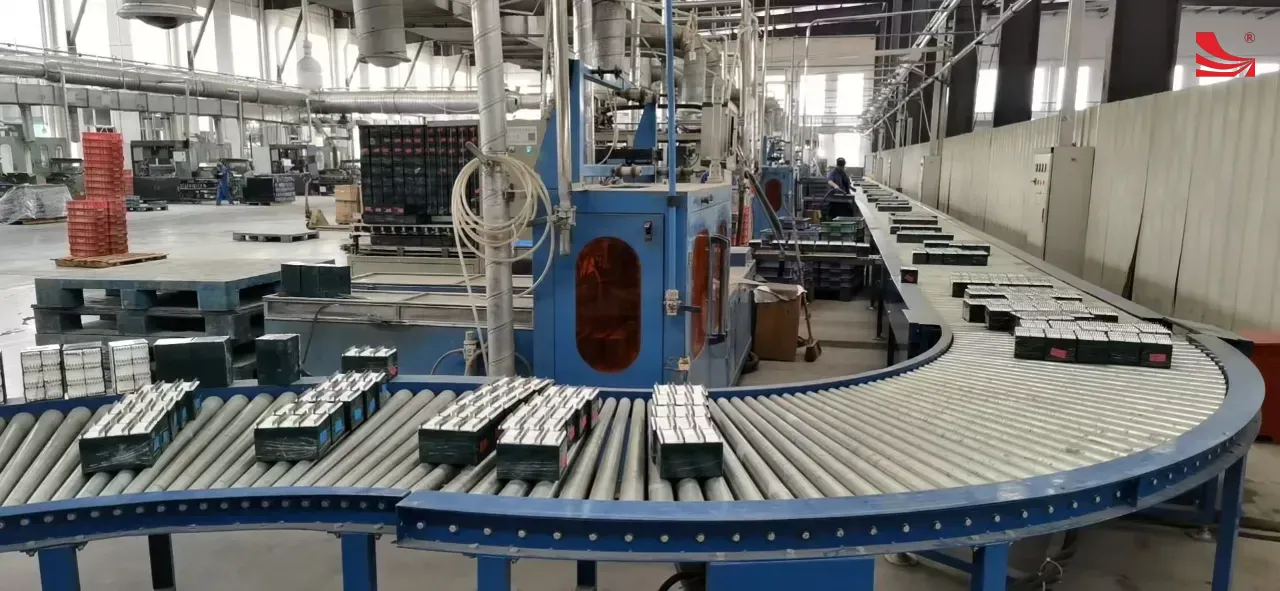
We are a direct factory located inJiangxi Province, China. You are welcome to visit our production line and quality control lab. We specialize in lead-acid batteries for motorcycles and have been in this industry for 20 years.
Why does my motorcycle battery keep dying?
Common causes include:
-
Faulty charging system
-
Parasitic drain
-
Old battery
-
Improper storage
What brands of raw materials do you use?
We use high-quality materials to ensure performance. we use 99.99% pure lead , ensure long life and high Cold Cranking Amps (CCA).
Support
What is Tiandong’s production capacity?
The company produces approximately 6 million batteries per year, supported by 15,000 tons of electrode plate production capacity.
OEM/ODM
Is an OEM battery safe?
Authentic original equipment manufacturer (OEM) batteries undergo safety testing and certification. Counterfeit batteries do not, and therefore may not have the proper protection inside the cells to prevent overcharging and overheating, which can lead to serious injuries and damage from thermal runaway.
Get in touch with us to get your Motorbike Battery solution
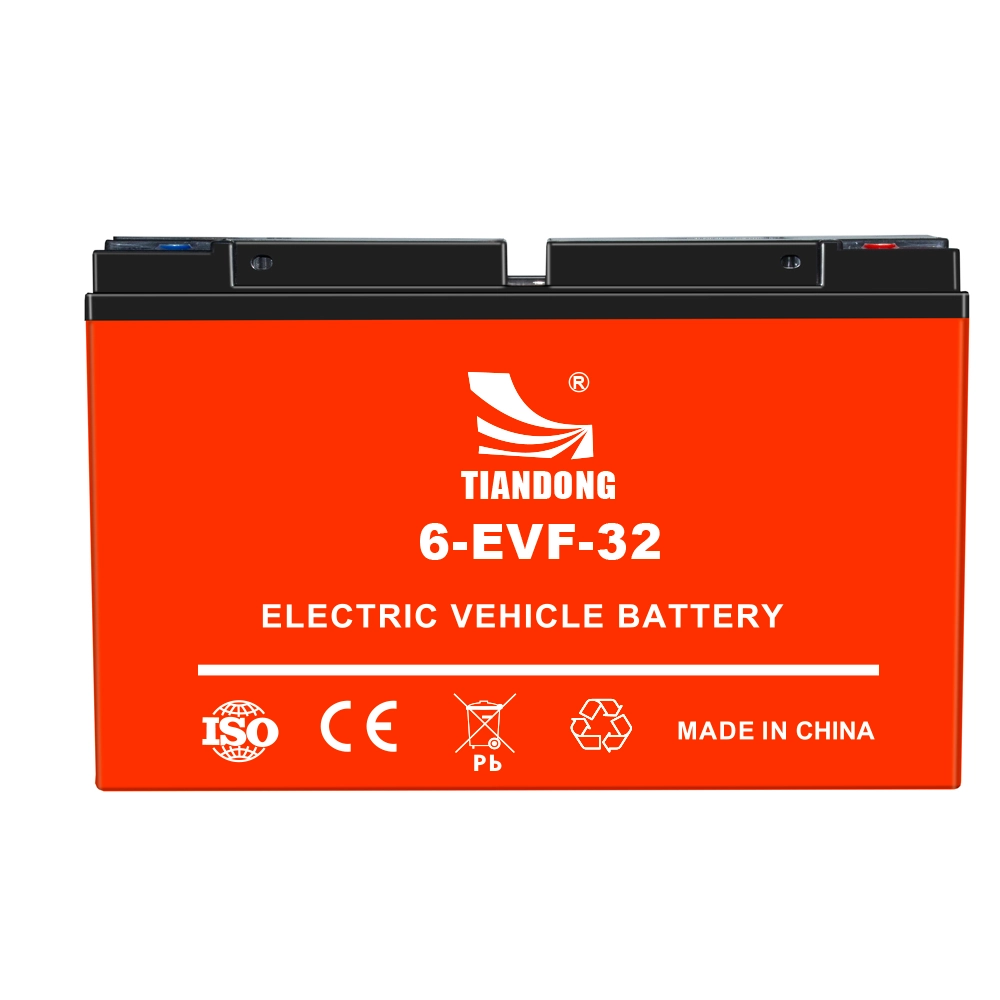
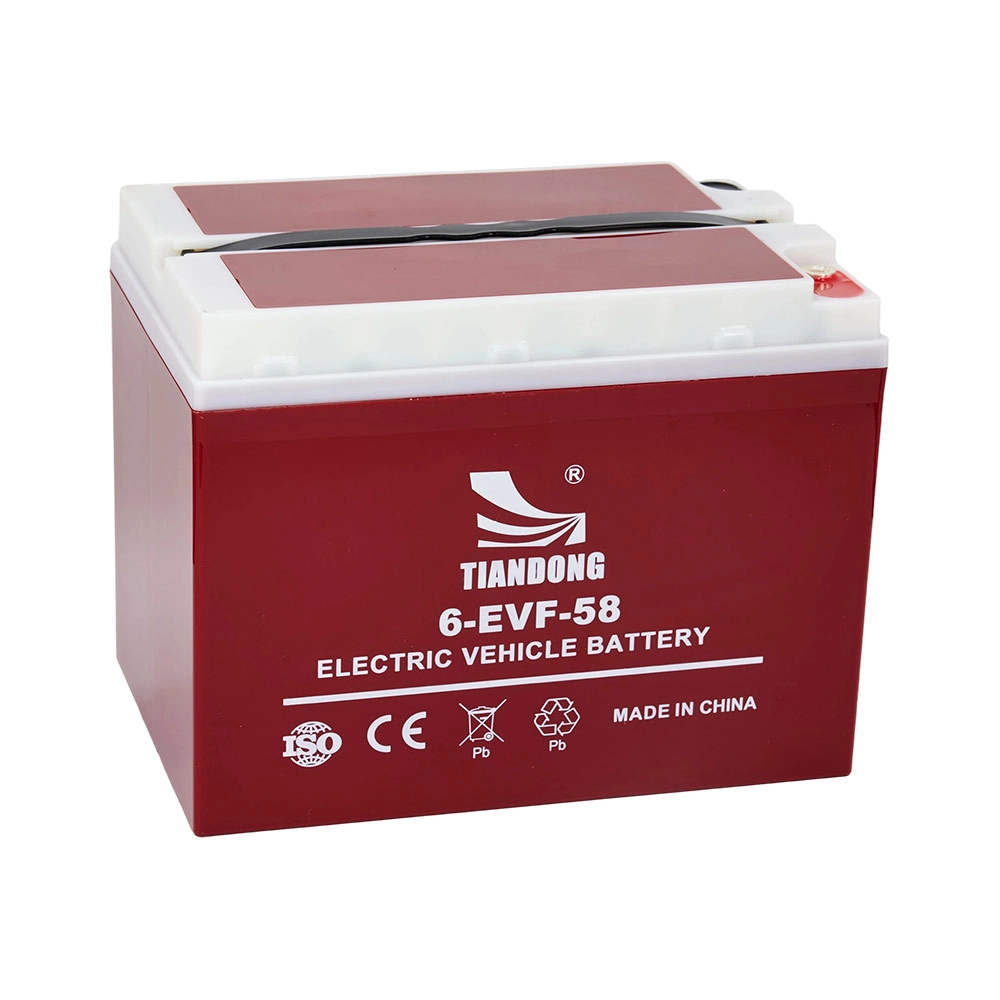
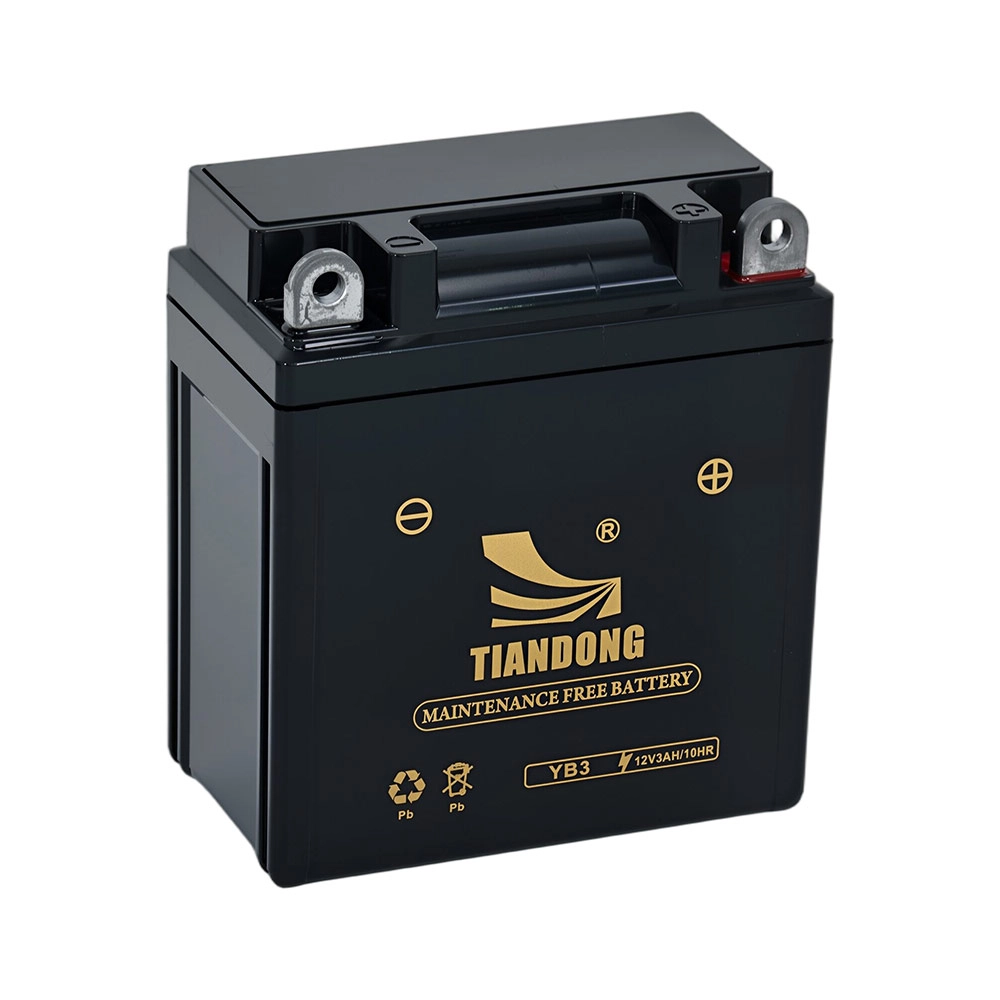
TIANDONG is a leading motorcycle battery manufacturer offering OEM/ODM service, stable quality, and global export support.
Built for wholesalers. Trusted by global buyers. Delivered with confidence.
Say Hello
E-mail: daisybattery8@gmail.com
xianyingchen83@gmail. com
WhatsAPP: +86 134 283 86694
+86 134 348 86641
Our Location
Social Links
© 2025 TIANDONG. All Rights Reserved. Privacy Policy | Terms and Conditions | Sitemap
 Scan QR Code
Facebook
Instagram
Scan QR Code
Whatsapp: +8613434886641