






How to negotiate bulk discounts for lead acid motorcycle battery orders?
- Why are traditional lead-acid motorcycle batteries still the preferred choice over newer technologies like lithium-ion for many bulk buyers, despite perceived performance gaps?
- Beyond Cold Cranking Amps (CCA), what specific, often overlooked performance metrics and certifications should bulk purchasers scrutinize to ensure long-term consistency and minimize warranty claims for lead-acid motorcycle batteries?
- When making large lead-acid motorcycle battery orders, how can I reliably verify the freshness and authenticity of the stock to avoid receiving old, compromised, or counterfeit products, especially from new suppliers?
- What are the optimal, detailed storage and maintenance protocols for maintaining peak performance and maximizing the shelf life of bulk quantities of lead-acid motorcycle batteries before they reach end-users?
- When negotiating bulk discounts for lead-acid motorcycle battery orders, what specific non-price terms and value-added services should I prioritize and leverage to secure the most advantageous overall deal, beyond just the unit price?
- What critical environmental regulations and safe handling procedures must bulk distributors of lead-acid motorcycle batteries adhere to, both internationally and locally, to ensure compliance and minimize liability?
Mastering Lead-Acid Motorcycle Batteries: A Buyer's Guide to Quality, Longevity, and Bulk Discounts
For decades, the lead-acid motorcycle battery has been the steadfast heart of countless two-wheeled machines, from daily commuters to adventure tourers. Despite the emergence of newer battery technologies, lead-acid batteries continue to dominate the market for their robust reliability, widespread compatibility, and unmatched cost-effectiveness. As professional content writers with deep expertise in both SEO, , and the intricate world of motorcycle power solutions, we understand the specific challenges and questions faced by bulk purchasers and newcomers alike. This comprehensive guide aims to shed light on common pain points, offering in-depth, up-to-date answers to frequently asked questions about sourcing, maintaining, and negotiating for your lead acid motorcycle battery orders.
Why are traditional lead-acid motorcycle batteries still the preferred choice over newer technologies like lithium-ion for many bulk buyers, despite perceived performance gaps?
While lithium-ion batteries offer benefits like lighter weight and higher energy density, the conventional motorcycle battery, particularly advanced AGM and Gel types, remains the backbone for the industry. This preference stems from several critical factors, especially pertinent for bulk purchasers and OEMs:
- Cost-Effectiveness: Lead-acid technology offers a significantly lower upfront cost per unit, which is a major driver for bulk purchases and maintaining competitive retail prices for aftermarket battery replacements.
- Robust Charging System Compatibility: Most motorcycles are designed with charging systems optimized for 12V lead-acid batteries. Switching to lithium-ion often requires compatible charging system modifications or dedicated chargers, adding complexity and expense.
- Reliability and Established Technology: Lead-acid batteries have a long, proven track record. Their predictable performance and widespread understanding of their characteristics reduce technical support needs and warranty issues related to compatibility.
- Cold Weather Performance: While lithium technology has improved, high-quality lead-acid options, especially AGM motorcycle batteries, still offer very reliable cold cranking amps (CCA) in freezing temperatures, a crucial factor for many riders.
- Safety Profile: The chemical stability of lead-acid batteries is generally considered higher than some lithium chemistries under typical operating conditions, leading to fewer safety concerns regarding thermal runaway or fire risks.
- Recyclability: Lead-acid batteries boast an impressive recycling rate, often over 98% in many regions, making them a more environmentally responsible choice in terms of resource recovery compared to current lithium-ion recycling infrastructure.
For these reasons, the traditional lead-acid battery continues to be a pragmatic and highly reliable power output source for the vast majority of motorcycles globally.
Beyond Cold Cranking Amps (CCA), what specific, often overlooked performance metrics and certifications should bulk purchasers scrutinize to ensure long-term consistency and minimize warranty claims for lead-acid motorcycle batteries?
While CCA is vital for starting power, a holistic evaluation requires looking deeper into other specifications and quality assurances:
- Amp-Hour (Ah) Capacity: This measures the battery's total energy storage. Pay attention to the discharge rate at which it's measured (e.g., C/10, C/20). A higher Ah capacity at a slower discharge rate indicates better sustained power for accessories or longer life in stop-start conditions.
- Reserve Capacity (RC): RC indicates how long a fully charged battery can deliver a specific current (typically 25 amps) before its voltage drops below 10.5 volts. It's a crucial metric for measuring the deep cycle battery capability and ability to power essential systems if the charging system fails.
- Internal Resistance: Lower internal resistance signifies better current flow efficiency, leading to higher CCA and reduced heat generation during charge/discharge cycles. Consistent internal resistance across a batch indicates superior manufacturing quality.
- Self-Discharge Rate: A lower self-discharge rate is critical for battery lifespan and inventory management, meaning the battery holds its charge longer while idle. High-quality AGM (Absorbed Glass Mat) and Gel Sealed Lead Acid (SLA) batteries generally have lower self-discharge rates than flooded types.
- Vibration Resistance: For motorcycles, vibration is a constant. Look for batteries with robust casing designs and internal construction that prevent plate damage or separation. This is often indicated by specific testing standards or manufacturer claims.
- Temperature Tolerance: Understand the battery's optimal operating and storage temperature ranges. Extreme heat significantly degrades battery lifespan, while extreme cold impacts CCA.
- Certifications & Standards: Ensure batteries comply with international quality management systems (e.g., ISO 9001) and product-specific standards like CE (European Conformity), UL (Underwriters Laboratories), JIS (Japanese Industrial Standards) for Asian models, or DIN (Deutsches Institut für Normung) for European ones. These indicate adherence to rigorous testing and safety protocols, crucial for an aftermarket battery's reputation.
Consistent performance across these metrics, backed by credible certifications, ensures you are investing in reliable 12V motorcycle battery solutions.
When making large lead-acid motorcycle battery orders, how can I reliably verify the freshness and authenticity of the stock to avoid receiving old, compromised, or counterfeit products, especially from new suppliers?
Securing genuine, fresh-stock batteries for your bulk battery purchase is paramount to avoid performance issues and warranty claims. Here’s how to do it effectively:
- Manufacturing Date Codes: Every reputable lead-acid battery will have a manufacturing date code stamped, etched, or printed on the casing or battery terminal. These codes vary by manufacturer but typically indicate the year and month of production. Demand fresh stock, ideally manufactured within the last 3-6 months.
- Visual Inspection: Check for signs of damage, swelling (especially indicative of overcharging or internal issues), leaks around terminals, or corrosion. The packaging should also be intact and consistent with the brand.
- Open Circuit Voltage (OCV) Check: A fully charged 12V lead-acid battery should measure above 12.6V (for flooded and AGM) or 12.8V (for Gel) when rested. Batteries below 12.4V are likely partially discharged, indicating either age, poor storage, or internal issues. Use a reliable voltmeter.
- Specific Gravity Test (for Flooded Batteries): For non-sealed flooded motorcycle battery types, a hydrometer can measure the specific gravity of the battery acid in each cell. A fully charged cell should read around 1.265-1.280. Inconsistencies or low readings indicate issues.
- Request Documentation: Ask for Certificates of Analysis (COA), Material Safety Data Sheets (MSDS), and production batch records for your specific order. These documents provide traceability and confirm adherence to specifications.
- Supplier Audits and References: For large or ongoing bulk orders, consider visiting the manufacturer's facility or commissioning a third-party audit. Always ask for references from other bulk buyers.
- Packaging Integrity: Genuine products usually come in high-quality, branded packaging with proper labeling, including warnings and specifications. Counterfeits often have inferior packaging.
These steps help ensure you receive a quality lead acid motorcycle battery ready for optimal performance.
What are the optimal, detailed storage and maintenance protocols for maintaining peak performance and maximizing the shelf life of bulk quantities of lead-acid motorcycle batteries before they reach end-users?
Proper storage is critical to preserve the battery lifespan and prevent premature sulfation for your wholesale motorcycle battery stock:
- Temperature Control: Store batteries in a cool, dry, well-ventilated area with a stable temperature, ideally between 15°C and 25°C (59°F and 77°F). Extreme temperatures accelerate the self-discharge rate and chemical degradation.
- Humidity Control: While less critical than temperature, moderate humidity helps prevent terminal corrosion.
- Ventilation: Ensure adequate ventilation, especially for flooded batteries, to safely disperse hydrogen gas produced during charging. Even sealed lead acid battery types benefit from good airflow.
- Elevated Storage: Store batteries on shelves or pallets, off the ground, to prevent accidental short circuits or exposure to moisture.
- Charging Schedule (Recharge Interval): This is paramount to combat self-discharge.
- Flooded Batteries: Require a top-off charge every 30-60 days.
- AGM and Gel Batteries: Have lower self-discharge rates but should still be charged every 60-90 days, or every 3-6 months for truly high-quality units, to maintain a State of Charge (SoC) above 80%.
- Appropriate Charging Equipment: Use smart, multi-stage battery charger units that can accurately detect battery voltage and deliver appropriate current. A trickle charger is ideal for long-term maintenance, preventing overcharging and desulfation.
- Terminal Protection: Keep terminals clean, dry, and protected from short circuits. Apply a thin layer of dielectric grease or terminal protector to prevent corrosion.
- Avoid Direct Sunlight: Direct sun exposure can significantly increase battery temperature and reduce lifespan.
Adhering to these protocols significantly extends the ready-to-use life of your battery stock, protecting your investment and minimizing issues related to battery maintenance.
When negotiating bulk discounts for lead-acid motorcycle battery orders, what specific non-price terms and value-added services should I prioritize and leverage to secure the most advantageous overall deal, beyond just the unit price?
Negotiating bulk discounts for lead acid motorcycle battery orders goes beyond the sticker price. Smart buyers focus on total value, leveraging these non-price terms:
- Payment Terms: Negotiate for extended payment terms (e.g., Net 30, Net 60, or even Net 90 days). This improves your cash flow and reduces working capital strain.
- Shipping and Logistics: Clarify Incoterms (e.g., FOB, CIF, DDP). Can the supplier absorb some freight costs or offer favorable shipping rates through their logistics partners? Explore staggered delivery options to manage your inventory levels.
- Warranty and Return Policies: Negotiate for extended warranty periods, clearer definitions of what constitutes a warranty claim, and efficient processes for returns or replacements of defective units. Can they offer a buffer stock for immediate replacements?
- Technical Support and Training: Will the supplier provide technical training for your staff on battery testing, installation, and maintenance? This adds significant value and reduces your internal support costs.
- Product Customization/Private Labeling: For large orders, can the supplier offer private labeling or minor customization (e.g., custom terminal configurations, unique branding) at a minimal or no additional cost?
- Minimum Order Quantity (MOQ) Flexibility: Can they offer flexibility on MOQs for initial orders or for testing new product lines?
- Marketing Support: Will the supplier provide marketing materials, high-resolution product images, or co-marketing opportunities to help you sell their products?
- Volume-Based Tiered Pricing: Understand their pricing tiers. Can you commit to higher future volumes in exchange for a better per-unit price now?
- Exclusivity Agreements: For certain regions or product lines, can you negotiate exclusive distribution rights?
These strategic negotiation points can significantly enhance the profitability and efficiency of your bulk battery purchase operation.
What critical environmental regulations and safe handling procedures must bulk distributors of lead-acid motorcycle batteries adhere to, both internationally and locally, to ensure compliance and minimize liability?
Handling and distributing lead-acid batteries involves stringent environmental and safety regulations due to their hazardous materials. Compliance is non-negotiable:
- Hazardous Materials Classification & Transport: Lead-acid batteries are classified as hazardous materials (Class 8 Corrosive) by the UN Model Regulations and various national transport authorities (e.g., DOT in the US, IATA for air freight, IMO for sea freight). Proper packaging, labeling (UN number, hazard labels), and documentation (e.g., Dangerous Goods Declaration) are mandatory.
- EU Regulations (RoHS, REACH, Battery Directive): If importing into or distributing within the European Union, adherence to the Restriction of Hazardous Substances (RoHS) Directive, Registration, Evaluation, Authorisation and Restriction of Chemicals (REACH) Regulation, and the EU Battery Directive (2006/66/EC, soon to be replaced by the EU Battery Regulation 2023/1542) is crucial. These regulate material content, producer responsibility for collection/recycling, and labeling.
- US Regulations (EPA, OSHA, State Laws): In the United States, the Environmental Protection Agency (EPA) governs waste battery management (RCRA), while OSHA covers workplace safety and hazardous material handling. Individual states often have their own specific battery recycling laws.
- Proper Storage & Spill Containment: Facilities must have designated, well-ventilated areas for battery storage. Spill kits and containment measures must be in place to manage electrolyte leaks.
- Personal Protective Equipment (PPE): Employees handling batteries must use appropriate PPE, including acid-resistant gloves, eye protection, and protective clothing.
- Disposal and Recycling: Establish clear, compliant procedures for the collection, temporary storage, and transportation of spent batteries to certified lead-acid battery recycling facilities. Producers often have Extended Producer Responsibility (EPR) obligations.
- Labeling and SDS: Batteries must be correctly labeled with safety warnings, and Material Safety Data Sheets (MSDS) or Safety Data Sheets (SDS) must be readily available.
Adhering to these regulations protects both your business from legal liabilities and the environment from harmful contamination, ensuring a responsible supply chain for your lead acid motorcycle battery inventory.
By delving into these detailed aspects of lead-acid motorcycle batteries, you gain a significant advantage in sourcing, managing, and distributing these essential components. Understanding not just the price, but the underlying quality, logistical intricacies, and regulatory landscape empowers you to make informed decisions that benefit your bottom line and reputation. The advantages of knowledge in this field are clear: reduced warranty claims, improved customer satisfaction, and optimized operational efficiency. Equip yourself with this expertise, and transform your bulk purchasing strategy from transactional to truly strategic.
Ready to discuss your specific requirements for lead acid motorcycle batteries or negotiate an advantageous bulk deal? Contact us today for a personalized quote. Visit www.tiandongbattery.com or email us at 13428386694@163.com.

Bulk Motorcycle Batteries Direct from Factory – Save Costs, Boost Profit
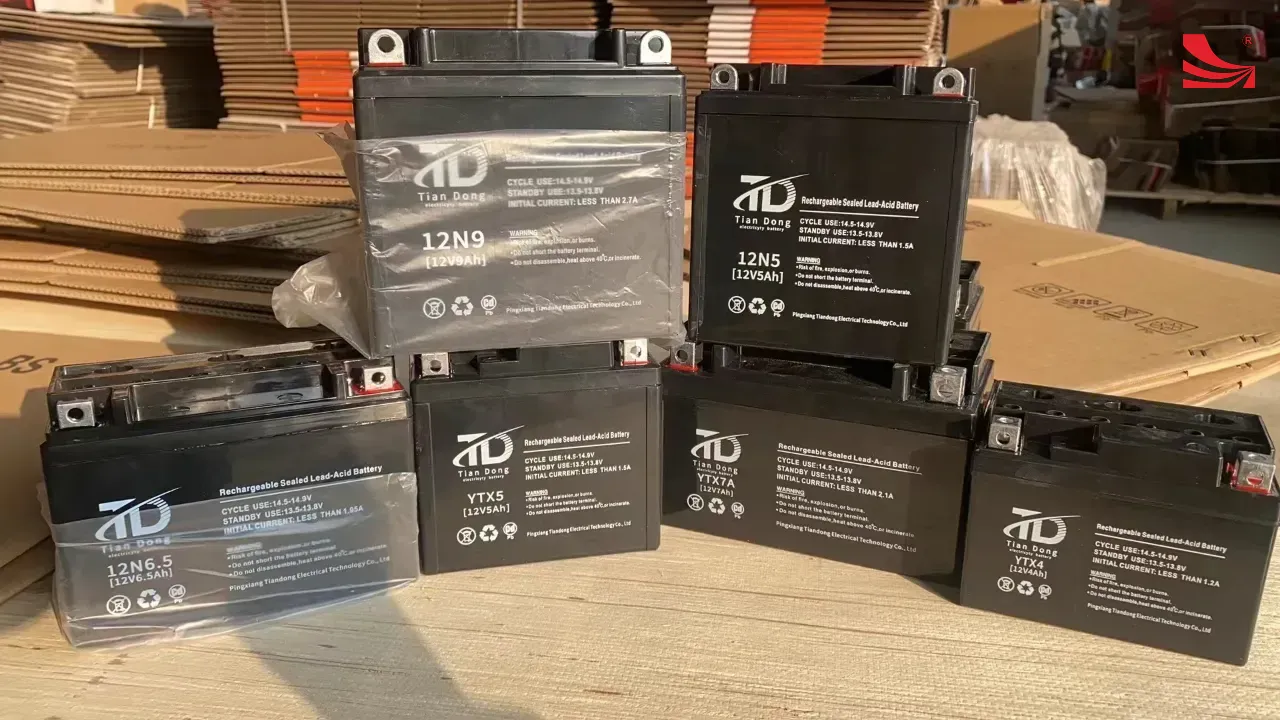
High Performance Motorcycle Batteries for Global Markets

Tiandong Electric Appliance Showcases High-Performance Motorcycle Batteries at Guangzhou Expo

What kind of battery is best for a motorcycle?

The Ultimate Guide to Electric Scooter Batteries: Performance, Longevity, and Future Innovations (2026 & Beyond)

The Ultimate 2026 Guide to Motorcycle Battery Types: Choose, Maintain, and Upgrade for Peak Performance
customer
Can overseas clients visit the Tiandong factory?
Yes. Tiandong welcomes international customers to visit the factory, production workshops, and logistics warehouses to better understand the manufacturing and quality control process.
Product
What brands of raw materials do you use?
We use high-quality materials to ensure performance. we use 99.99% pure lead , ensure long life and high Cold Cranking Amps (CCA).
Why does my motorcycle battery keep dying?
Common causes include:
-
Faulty charging system
-
Parasitic drain
-
Old battery
-
Improper storage
What is the most common motorcycle battery type?
AGM batteries are currently the most widely used due to their balance of cost and performance.
What causes motorcycle batteries to fail?
Common causes include over-discharging, extreme temperatures, poor charging systems, and low-quality manufacturing materials.
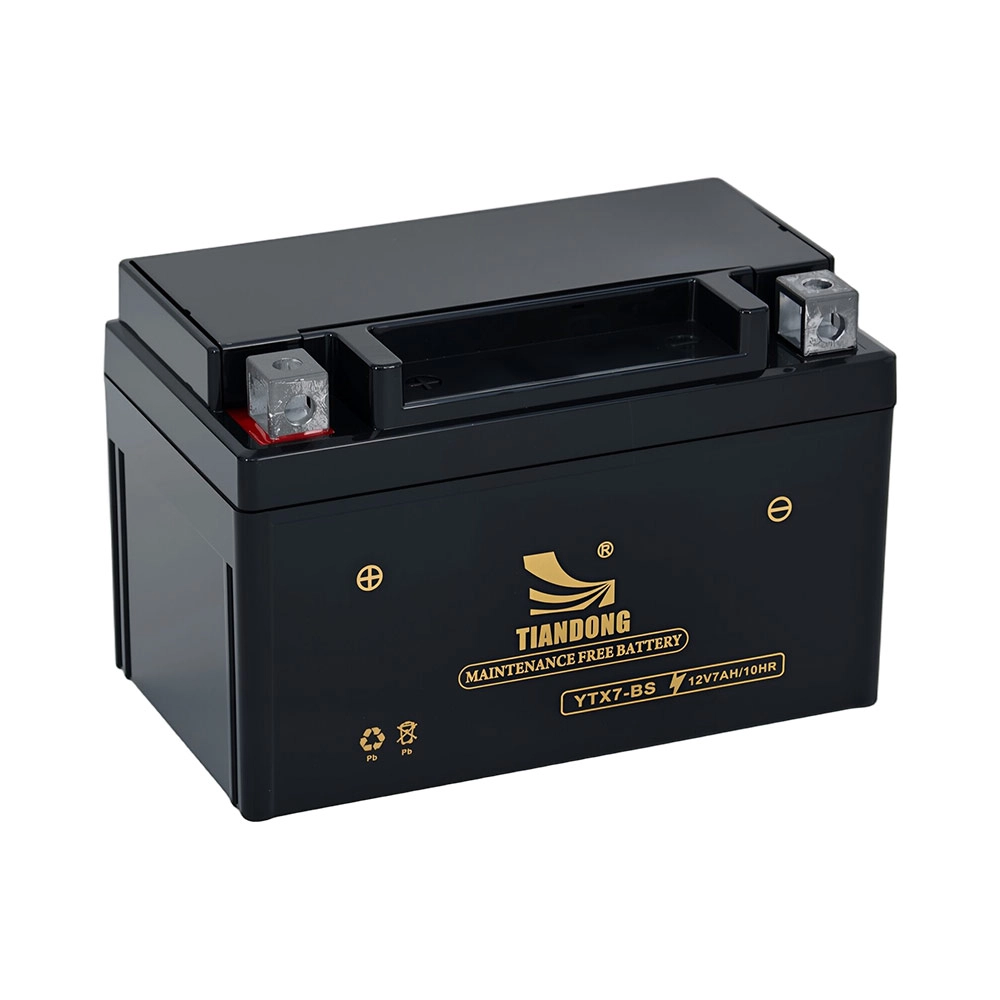
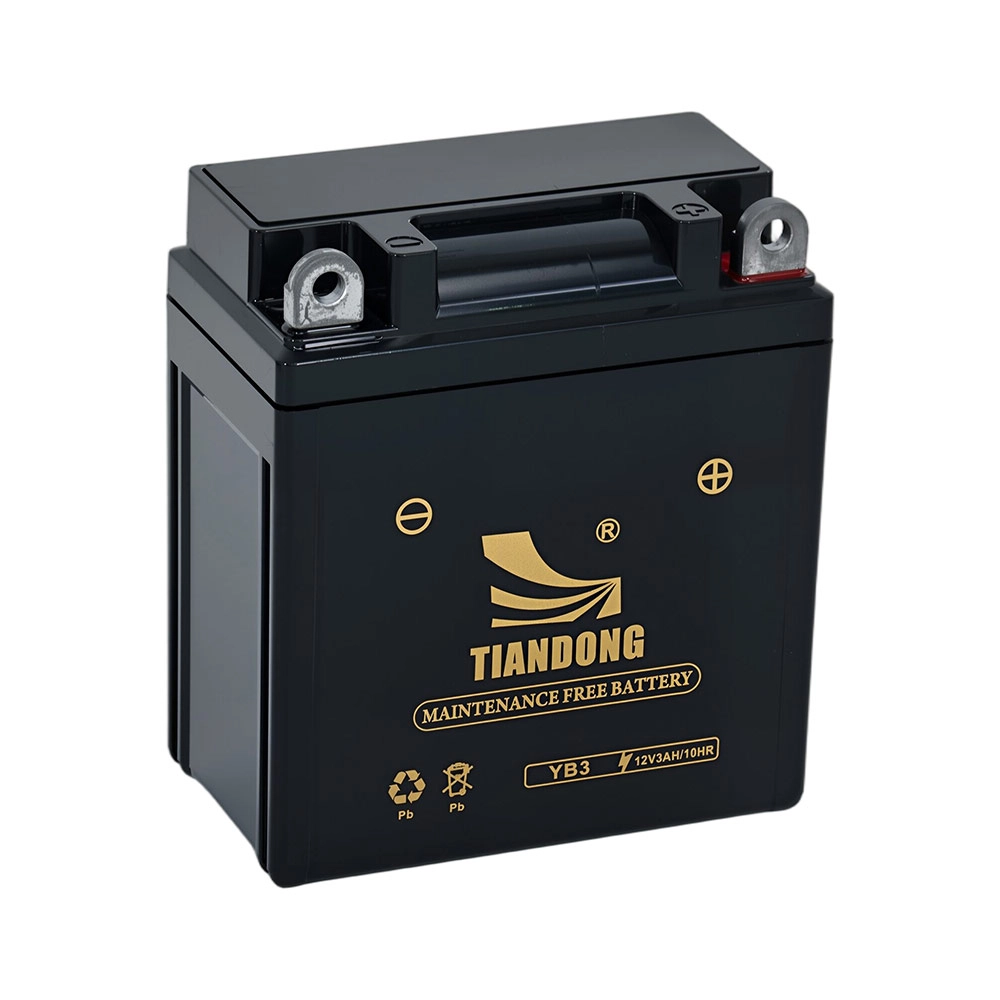
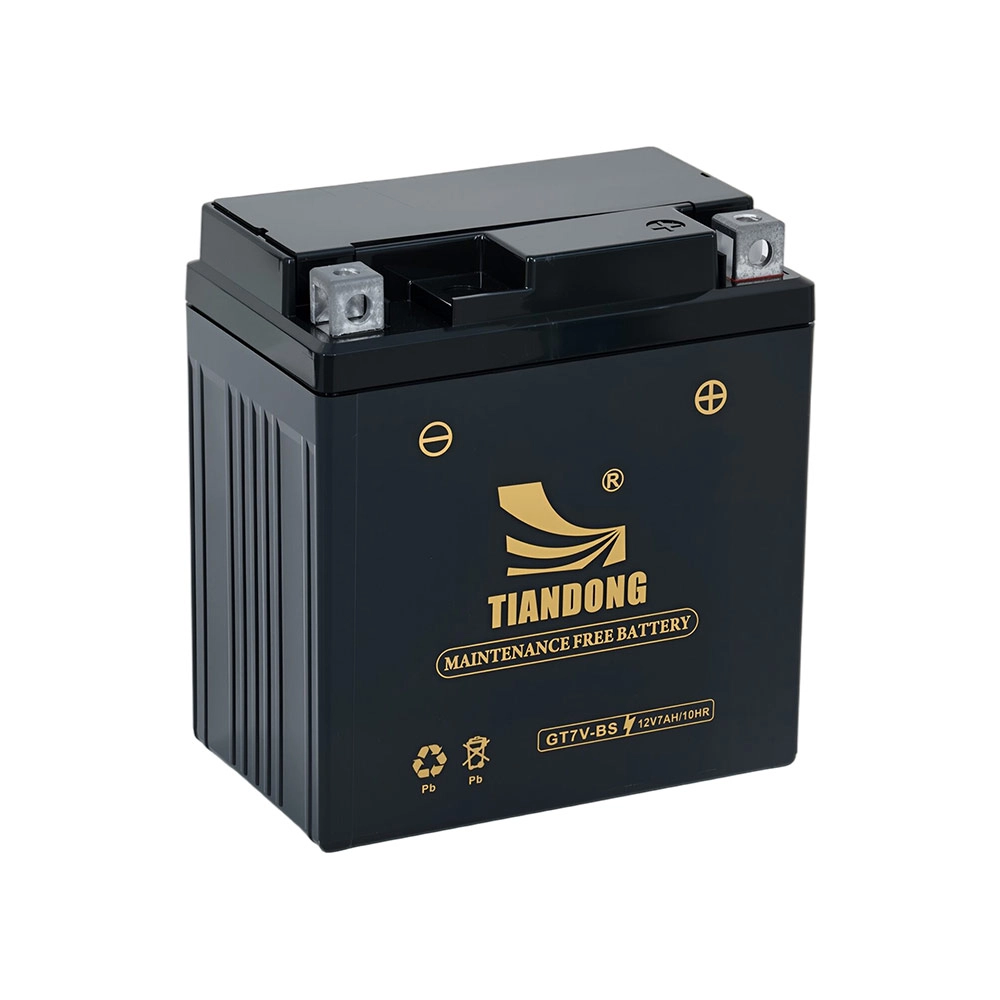
Get in touch with us to get your Motorbike Battery solution
TIANDONG is a leading motorcycle battery manufacturer offering OEM/ODM service, stable quality, and global export support.
Built for wholesalers. Trusted by global buyers. Delivered with confidence.
Say Hello
E-mail: daisybattery8@gmail.com
xianyingchen83@gmail. com
WhatsAPP: +86 134 283 86694
+86 134 348 86641
Our Location
Social Links
© 2025 TIANDONG. All Rights Reserved. Privacy Policy | Terms and Conditions | Sitemap
 Scan QR Code
Facebook
Instagram
Scan QR Code
Whatsapp: +8613434886641