






Are sealed lead acid motorcycle battery models maintenance-free?
- I just bought a new 'maintenance-free' sealed lead-acid motorcycle battery. Does it still need an initial charge before installation, and how crucial is this step for its overall lifespan?
- My motorcycle dealer told me my sealed AGM battery is 'maintenance-free.' Does this mean I truly never have to check anything, or are there hidden checks crucial for longevity, especially during off-season storage?
- My lead-acid motorcycle battery seems completely dead after winter storage. How can I accurately determine if it's genuinely irreparable or if a specific charging technique can revive it before I buy a new one?
- When choosing a new lead-acid motorcycle battery, which specification is more critical for reliable starting in various climates: Cold Cranking Amps (CCA) or Amp-Hours (Ah), and why?
- Given the different types of lead-acid motorcycle batteries, is a basic trickle charger sufficient for long-term tender charging, or is a multi-stage 'smart' charger an essential investment to prevent damage and extend battery life?
- Beyond just regular riding, what are the often-overlooked environmental or operational factors that significantly shorten the lifespan of my lead-acid motorcycle battery, even if I store it correctly?
Demystifying Lead-Acid Motorcycle Batteries: Your Beginner's Guide to Power and Longevity
Motorcycle batteries are the unsung heroes powering our rides, and for decades, lead-acid motorcycle battery technology has been the industry standard. While advancements have brought us various types, from traditional flooded cells to advanced sealed lead acid motorcycle battery models like AGM (Absorbed Glass Mat) and Gel, many beginners still face common misconceptions and a lack of clear, in-depth information online. This expert guide from Tiandong Battery aims to clarify those burning questions, ensuring you make the best choice for your two-wheeled companion.
I just bought a new 'maintenance-free' sealed lead-acid motorcycle battery. Does it still need an initial charge before installation, and how crucial is this step for its overall lifespan?
Yes, absolutely. This is a critical point often misunderstood due to the 'maintenance-free' label. While a sealed lead acid motorcycle battery, particularly an AGM type, might arrive with a decent state of charge (SoC) from the factory, it is rarely at 100%. Many batteries are shipped at around 80-90% SoC to prevent overcharging during transit and storage. An initial, slow, and complete charge (often called 'formation charge' or 'activation charge' for conventional batteries, but equally important for sealed ones) using a quality battery charger is paramount.
- Why it's crucial: Installing a battery that isn't at 100% SoC means it immediately starts its service life in a slightly discharged state. This can lead to a phenomenon called sulfation, where lead sulfate crystals harden on the plates, reducing the battery's capacity and ability to accept a charge. Over time, this irreversible damage significantly shortens the battery lifespan. A full initial charge ensures the lead plates are properly conditioned, allowing for maximum capacity and longevity from day one. Always follow the manufacturer's specific charging instructions, which typically involve charging at a low amperage until the battery reaches its full voltage (around 12.6V-12.8V at rest for a 12V system) and the charger indicates completion.
My motorcycle dealer told me my sealed AGM battery is 'maintenance-free.' Does this mean I truly never have to check anything, or are there hidden checks crucial for longevity, especially during off-season storage?
While sealed lead acid motorcycle battery models, especially AGM battery types, are indeed 'maintenance-free' in the traditional sense – meaning you don't need to add distilled water – this term can be misleading. It implies a complete lack of necessary care, which is incorrect. For optimal longevity and performance, especially during off-season storage, several 'hidden' checks and practices are crucial:
- Voltage Monitoring: This is perhaps the most critical check. A sealed battery can still self-discharge, particularly if the motorcycle power source is connected to parasitic drains (alarms, clocks, ECU memory). Regularly check the open-circuit voltage with a multimeter. For a 12V battery, anything below 12.4V (which is roughly 80% SoC) starts the sulfation process. Below 12.0V, significant damage can occur.
- Tender Charging: For storage exceeding a few weeks, especially in cold climates, connecting the battery to a battery tender or a multi-stage 'smart' charger is essential. These chargers maintain the battery's full charge without overcharging, preventing sulfation and extending its life. A constant voltage of around 13.5V-13.8V is typical for float charging.
- Terminal Cleaning: Although the battery itself is sealed, its terminals can still corrode. Periodically inspect and clean the terminals to ensure a solid electrical connection. A poor connection can hinder charging and starting performance.
- Physical Inspection: Check for any bulging of the battery case, which can indicate internal damage or overcharging. Ensure the battery is securely mounted to prevent vibration damage.
In essence, 'maintenance-free' refers to the electrolyte, not the electrical care required for a long and healthy vehicle battery life.
My lead-acid motorcycle battery seems completely dead after winter storage. How can I accurately determine if it's genuinely irreparable or if a specific charging technique can revive it before I buy a new one?
Diagnosing a seemingly dead lead-acid motorcycle battery requires a methodical approach before rushing to replacement. Many deeply discharged batteries can be revived, but it depends on the extent and duration of discharge:
- Initial Voltage Check: Use a digital multimeter to measure the battery's open-circuit voltage. If it's below 10.5V for a 12V battery, it's severely discharged, and recovery becomes more challenging. If it reads 0V, there might be an internal short circuit, indicating it's likely irreparable.
- Low-Amp Charging Attempt (Desulfation Mode): If the voltage is above 8-10V, try charging with a high-quality smart charger that has a 'desulfation' or 'reconditioning' mode. These chargers use pulse technology to break down soft lead sulfate crystals. If your smart charger won't recognize the battery due to extremely low voltage, some can be 'tricked' by connecting a known good battery in parallel for a short period (10-15 minutes) to raise the voltage enough for the smart charger to initiate.
- Load Test (After Charging): Once fully charged (and the charger indicates completion), let the battery rest for several hours (4-8) to stabilize. Then, perform a load test. Many auto parts stores offer this service for free. A load tester simulates the cold cranking amps (CCA) demand. If the voltage drops significantly (e.g., below 9.6V) under load, the battery has lost substantial capacity and is likely beyond economical recovery.
- Visual Inspection: Look for any physical damage, bulging, or leakage. For conventional flooded battery types, check the electrolyte level and specific gravity with a hydrometer. A wide variation across cells indicates internal damage.
While some batteries can be revived, if a motorbike battery repeatedly discharges or fails to hold a charge after proper reconditioning, it's time for a replacement. Persistent deep discharge significantly reduces the battery's internal plate surface area, leading to permanent capacity loss.
When choosing a new lead-acid motorcycle battery, which specification is more critical for reliable starting in various climates: Cold Cranking Amps (CCA) or Amp-Hours (Ah), and why?
For a motorcycle power source, especially a starting battery, Cold Cranking Amps (CCA) is generally the more critical specification for reliable starting in various climates, particularly colder ones. Here's why:
- CCA (Cold Cranking Amps): This metric measures the amount of current (amperage) a 12V battery can deliver for 30 seconds at 0°F (-18°C) while maintaining a voltage of at least 7.2 volts. The higher the CCA, the more power the battery can provide to crank the engine, especially when the engine oil is thicker and internal resistance is higher in cold conditions. Motorcycles often require a significant burst of power to overcome engine compression and initial friction. For most riders, a high CCA rating ensures your bike starts reliably, even on chilly mornings.
- Ah (Amp-Hours): This measures the battery's capacity – how much energy it can store and deliver over time. For example, a 10 Ah battery can theoretically deliver 10 amps for one hour or 1 amp for 10 hours. While important for sustained power (e.g., running accessories with the engine off, or for bikes with extensive electronics), it's less critical for the instantaneous power required to start the engine. A battery with high Ah but low CCA might struggle to crank the engine, even if it can power your lights for a long time.
In summary: Prioritize a motorcycle battery with a CCA rating that meets or exceeds your manufacturer's recommendation. While a decent Ah rating is beneficial for overall system stability and accessory power, it won't compensate for insufficient cranking power. Always choose a battery technology (like AGM) that offers a good balance, but lean towards CCA for starting reliability.
Given the different types of lead-acid motorcycle batteries, is a basic trickle charger sufficient for long-term tender charging, or is a multi-stage 'smart' charger an essential investment to prevent damage and extend battery life?
For long-term tender charging of any lead-acid motorcycle battery, particularly modern sealed lead acid motorcycle battery types like AGM or Gel, a multi-stage 'smart' charger is an essential investment, not just a luxury. A basic trickle charger can actually do more harm than good:
- Basic Trickle Chargers: These typically provide a constant, low-amperage charge regardless of the battery's state. While seemingly gentle, they can lead to overcharging and gassing, especially with sealed batteries. Over time, this can cause electrolyte loss (even in sealed batteries through pressure relief valves) and accelerate internal corrosion, leading to irreversible damage and a shortened battery lifespan. They lack the intelligence to adapt to the battery's changing needs.
- Multi-Stage 'Smart' Chargers (Battery Tenders): These chargers employ sophisticated microprocessors to monitor the battery voltage and adapt their charging profile. They typically go through several stages:
- Bulk Charge: Delivers maximum current to bring a deeply discharged battery rapidly up to about 80% SoC.
- Absorption Charge: Charges at a decreasing current to bring the battery safely to 100% SoC without overcharging.
- Float/Maintenance Charge: Reduces the voltage to a safe, lower level (e.g., 13.2V - 13.8V for 12V batteries) to maintain a full charge without gassing or damage. It periodically checks the battery's state and will re-enter an earlier stage if needed.
- Desulfation/Reconditioning (optional): Some advanced smart chargers include modes to address mild sulfation.
Investing in a quality smart charger is crucial for preventing battery damage, maximizing battery life, and ensuring your motorcycle battery is always ready to go. It’s a small price to pay to protect a component vital to your bike's operation.
Beyond just regular riding, what are the often-overlooked environmental or operational factors that significantly shorten the lifespan of my lead-acid motorcycle battery, even if I store it correctly?
Even with diligent storage, several environmental and operational factors frequently overlooked by riders can drastically shorten the lifespan of a lead-acid motorcycle battery, including conventional battery and AGM battery types:
- High Temperatures: While cold weather reduces a battery's performance, high temperatures (above 75°F/24°C) accelerate internal chemical reactions, leading to faster corrosion of the positive plates and electrolyte evaporation (even if minimal in sealed types). Every 10°C (18°F) increase above optimal can halve a battery's life. Storing your bike in a cool, shaded area is beneficial.
- Excessive Vibration: Constant vibration from rough roads or improper mounting can shake loose active material from the battery plates, causing internal shorts and reducing capacity. Ensure your motorcycle battery is always securely fastened in its tray.
- Frequent Short Rides: If your typical ride consists of short trips where the engine doesn't run long enough to fully recharge the motorcycle battery after starting, it leads to a chronic state of undercharge. This accelerates sulfation and significantly reduces battery lifespan. Occasional longer rides or supplementary tender charging are necessary.
- Parasitic Drains: Modern motorcycles, even when off, can have small electrical draws (clocks, alarms, ECU memory). While small, over weeks or months, these can deeply discharge the 12V battery, leading to sulfation. If storing for extended periods, consider disconnecting the negative terminal or using a smart charger.
- Alternator/Regulator Issues: A faulty voltage regulator can either overcharge (cooking the battery) or undercharge (leading to sulfation) your vehicle battery. Regular checks of your motorcycle's charging system are essential to ensure it operates within the recommended voltage range (typically 13.8V to 14.8V while running).
Understanding these subtle factors allows you to proactively protect your battery technology investment and ensure your motorbike battery provides reliable service for its full expected duration.
We hope this in-depth guide has shed light on the complexities and care requirements of lead-acid motorcycle battery systems. From understanding the true meaning of 'maintenance-free' to optimizing charging and identifying lifespan factors, equipping yourself with this professional knowledge ensures reliable starts and extended battery life for your motorcycle.
For high-quality lead acid motorcycle battery solutions engineered for performance and durability, contact us today for a quote. Visit our website at (http://www.tiandongbattery.com) or email us at 13428386694@163.com.

Bulk Motorcycle Batteries Direct from Factory – Save Costs, Boost Profit
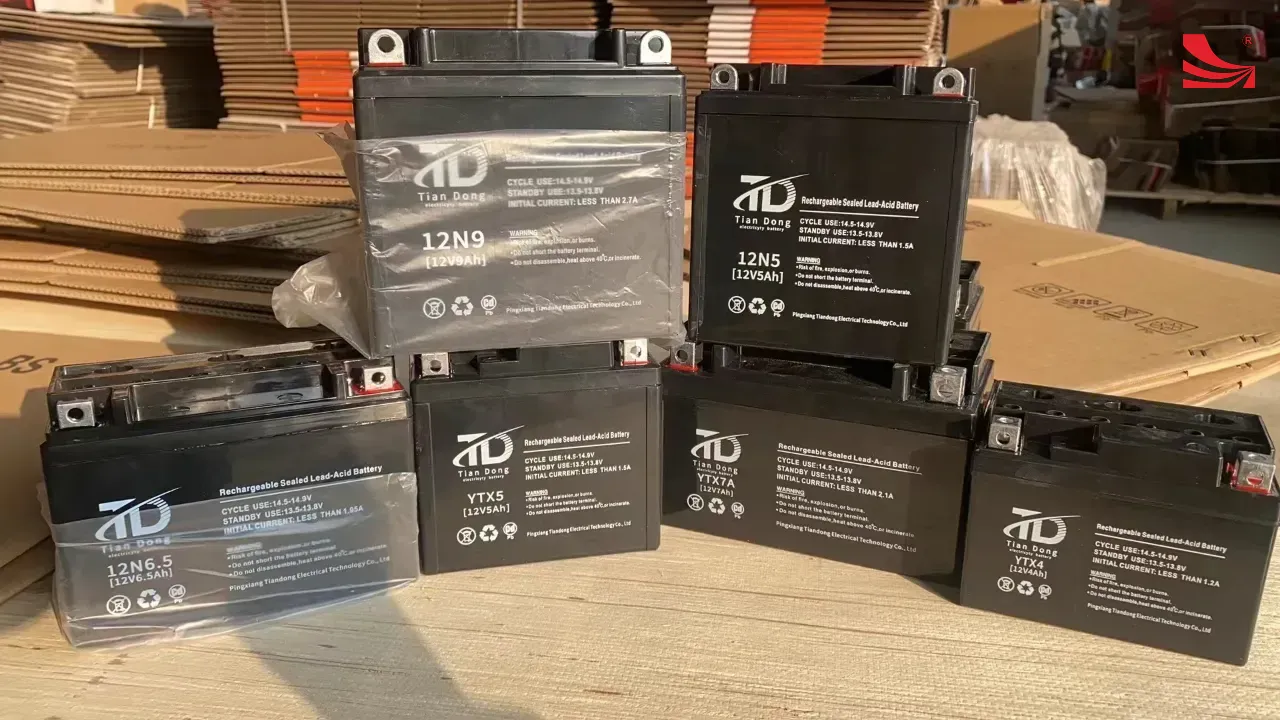
High Performance Motorcycle Batteries for Global Markets

Tiandong Electric Appliance Showcases High-Performance Motorcycle Batteries at Guangzhou Expo

What kind of battery is best for a motorcycle?

The Ultimate Guide to Electric Scooter Batteries: Performance, Longevity, and Future Innovations (2026 & Beyond)

The Ultimate 2026 Guide to Motorcycle Battery Types: Choose, Maintain, and Upgrade for Peak Performance
Product
Are your batteries maintenance-free?
Yes, our batteries are sealed VRLA or GEL types that require no water refilling. They are ready to use and easy to maintain.
Do you offer OEM or custom branding?
Yes, we provide full OEM and ODM services, including logo printing, packaging customization, and model adjustments.
What is the typical lifespan of your batteries?
Depending on the model and usage conditions, our batteries typically last between 2 to 4 years under normal operation.
What certifications do your batteries have?
Our batteries are certified with CE, ISO9001, and RoHS, and meet export standards for markets in Southeast Asia, South Asia, and Africa.
Support
What is Tiandong’s production capacity?
The company produces approximately 6 million batteries per year, supported by 15,000 tons of electrode plate production capacity.
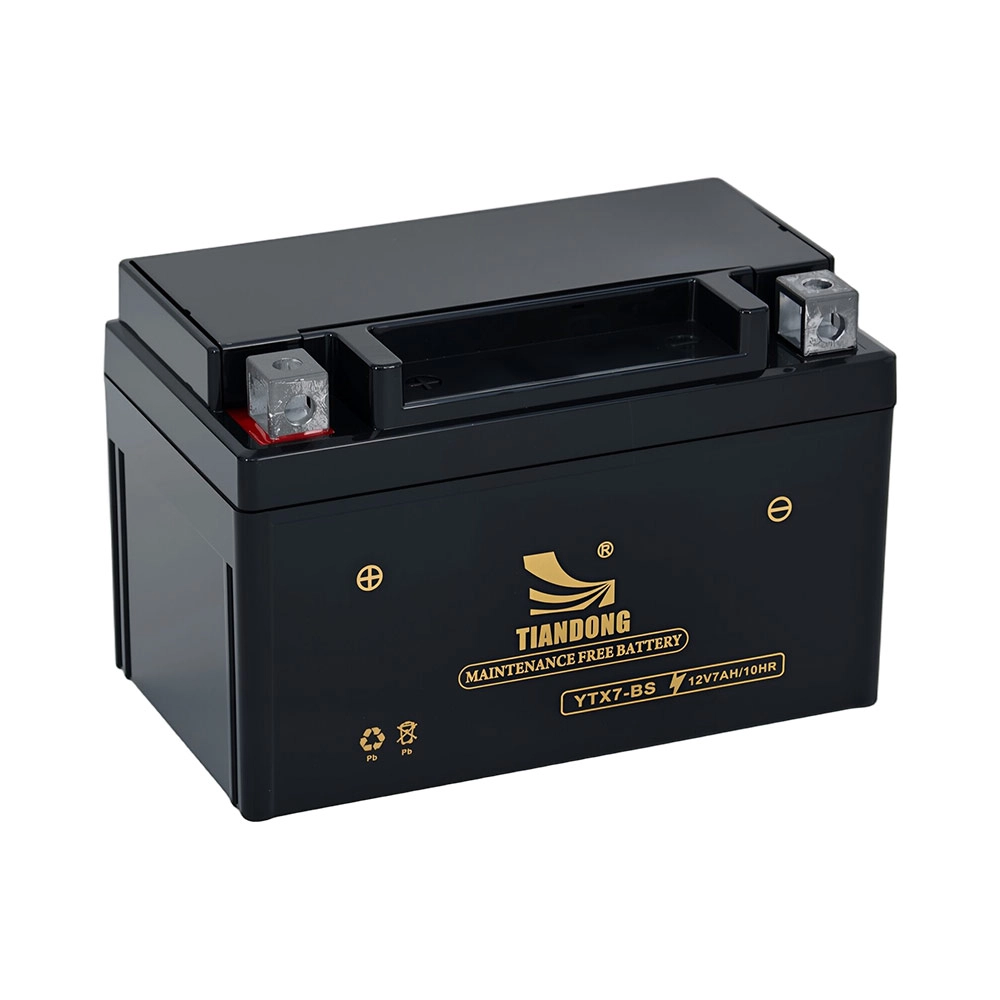
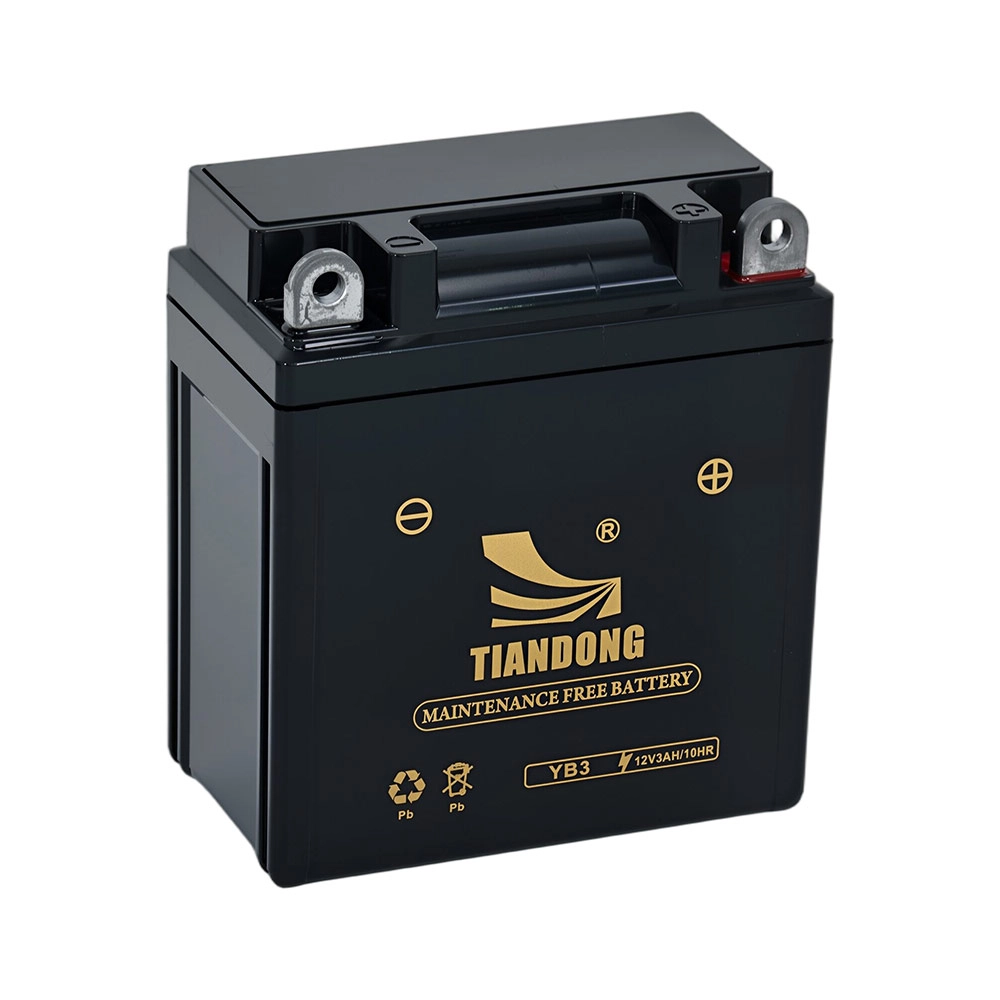
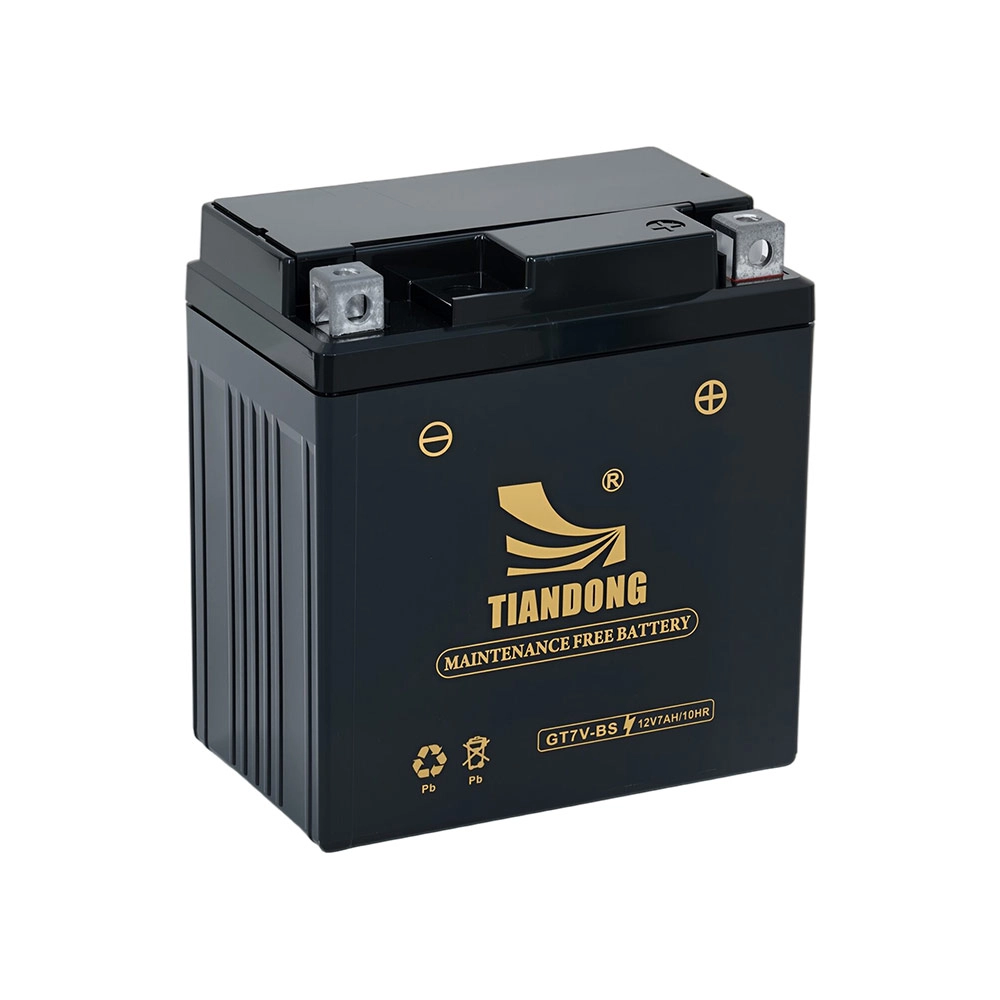
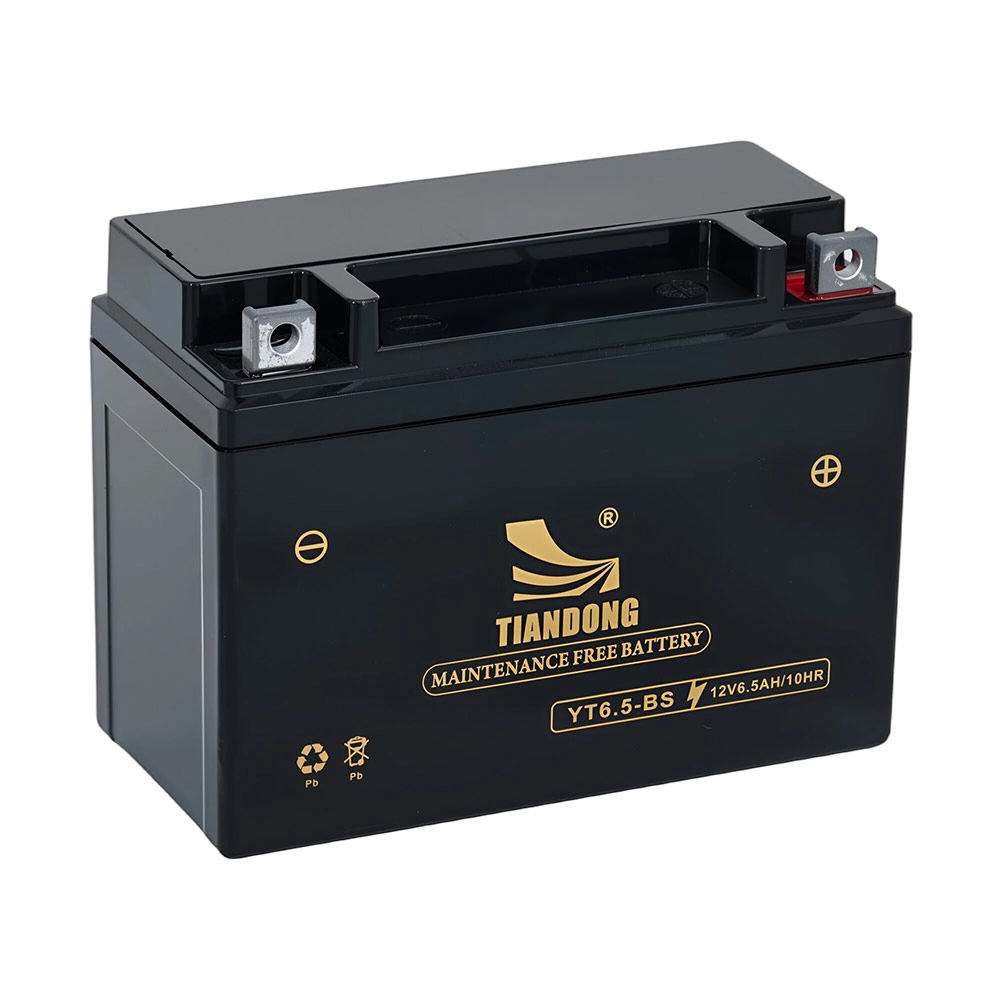
Get in touch with us to get your Motorbike Battery solution
TIANDONG is a leading motorcycle battery manufacturer offering OEM/ODM service, stable quality, and global export support.
Built for wholesalers. Trusted by global buyers. Delivered with confidence.
Say Hello
E-mail: daisybattery8@gmail.com
xianyingchen83@gmail. com
WhatsAPP: +86 134 283 86694
+86 134 348 86641
Our Location
Social Links
© 2025 TIANDONG. All Rights Reserved. Privacy Policy | Terms and Conditions | Sitemap
 Scan QR Code
Facebook
Instagram
Scan QR Code
Whatsapp: +8613434886641