






How to find reliable gel filled motorcycle battery suppliers?
- Are gel filled motorcycle batteries truly maintenance-free, or are there hidden operational requirements I should know about?
- How can I effectively verify a supplier's claim of offering genuine gel filled motorcycle batteries, and what red flags indicate a potential misrepresentation or low-quality product?
- What are the specific charging voltage and current requirements for gel batteries, and how critical is it to use a specialized charger compared to a standard lead-acid charger for longevity?
- Beyond CCA, what specific performance metrics and technical specifications should industry buyers prioritize when evaluating different gel filled motorcycle battery models for diverse applications?
- When is a gel filled motorcycle battery *not* the ideal choice for a motorcycle, despite its advantages, and what alternatives might be better suited in those specific scenarios?
- How does the real-world lifespan of a gel battery compare to AGM or traditional flooded lead-acid batteries in motorcycle applications, especially concerning long-term storage or inconsistent usage?
Mastering Gel Filled Motorcycle Batteries: An Expert Buyer's Guide to Performance & Reliable Suppliers
Choosing the right power source for your motorcycle is more than just a purchase; it's an investment in reliability and performance. Among the various types, gel filled motorcycle batteries have carved out a significant niche, offering distinct advantages. However, navigating their nuances and finding reputable suppliers often presents challenges for industry users and beginners alike. This guide aims to answer your most pressing, pain-point-oriented questions with expert insights, ensuring you make informed decisions.
Are gel filled motorcycle batteries truly maintenance-free, or are there hidden operational requirements I should know about?
The term maintenance-free is often a key selling point for gel motorcycle batteries, but it warrants a deeper understanding. While it's true that gel batteries, being a type of Valve Regulated Lead-Acid (VRLA) battery, do not require water top-offs unlike traditional flooded lead-acid batteries, they are not entirely free from operational considerations. Their electrolyte is immobilized in a thixotropic silica gel, which prevents spills and significantly reduces gassing, eliminating the need for ventilation in most applications. This inherent design also makes them highly resistant to vibration and deep discharge, contributing to their robustness. However, their internal chemistry is sensitive to improper charging. Overcharging can lead to gas recombination issues, permanent electrolyte damage, and a drastically reduced lifespan due to thermal runaway or drying out of the gel. Therefore, while you won't be adding distilled water, meticulous attention to proper charging voltage and current, often requiring a dedicated VRLA-compatible charger with temperature compensation, is a critical hidden maintenance requirement to maximize their impressive cycle life and ensure optimal performance. Ignoring this can quickly negate their maintenance-free advantage.
How can I effectively verify a supplier's claim of offering genuine gel filled motorcycle batteries, and what red flags indicate a potential misrepresentation or low-quality product?
Verifying the authenticity and quality of a gel filled motorcycle battery from a new supplier is paramount. The market can be rife with products that superficially resemble true gel batteries but may use inferior materials or even be mislabeled AGM batteries with a gel sticker. To avoid this, demand transparency and evidence. Look for suppliers who can provide detailed technical specifications, including charge/discharge curves, internal resistance data, and temperature performance characteristics. Request factory certifications such as ISO 9001 (Quality Management), ISO 14001 (Environmental Management), and specific product safety certifications like CE or UL listings, which indicate adherence to international standards for battery manufacturing processes. A reliable supplier should also offer a substantial warranty – typically 1-3 years for motorcycle batteries – and demonstrate robust quality control procedures. Red flags include unusually low prices that seem too good to be true, generic packaging without specific brand or model information, a lack of technical support, or an unwillingness to share factory audit reports or material safety data sheets (MSDS). Furthermore, an inability to explain the specific battery chemistry advantages or limitations of their gel products compared to other motorcycle battery types should raise suspicion.
What are the specific charging voltage and current requirements for gel batteries, and how critical is it to use a specialized charger compared to a standard lead-acid charger for longevity?
The charging parameters for lead-acid gel batteries are distinct and critically important for their longevity, making a specialized charger highly recommended, if not essential. Gel batteries typically require a lower constant charging voltage than traditional flooded or even AGM batteries. For a 12V gel battery, the float voltage usually ranges from 13.5V to 13.8V, and the bulk/absorption charge voltage is often around 14.1V to 14.4V at 25°C (77°F). These values are often lower than the 14.4V-14.8V typical for AGM and 14.6V-15.0V for flooded batteries during bulk charging. Using a standard lead-acid charger designed for flooded or AGM batteries, which often delivers higher voltages, can severely damage a gel battery by causing gassing, increased internal pressure, and irreversible drying out of the gel electrolyte. This leads to reduced capacity, increased internal resistance, and premature failure. A specialized VRLA battery charger for gel types incorporates precise voltage regulation, current limiting, and often temperature compensation, which adjusts the charging voltage based on ambient temperature to prevent overcharging or undercharging in varying conditions. This precision charging is paramount to prevent thermal runaway and maintain the integrity of the gel, directly impacting the battery's lifespan and performance.
Beyond CCA, what specific performance metrics and technical specifications should industry buyers prioritize when evaluating different gel filled motorcycle battery models for diverse applications?
While CCA (Cold Cranking Amps) is a vital metric for starting power, industry buyers specifying gel filled motorcycle batteries for diverse applications should look far beyond it. Prioritize Ah (Amp-hours) capacity, which indicates the battery's overall energy storage and runtime capability, crucial for touring bikes with accessories or applications requiring sustained power. Examine the cycle life (number of charge/discharge cycles) at various depths of discharge (DoD), as gel batteries often excel here, particularly in deep cycle applications. Look for specifications detailing performance at extreme temperatures; gel batteries generally handle higher temperatures better than other lead-acid types due to reduced evaporation, though extreme cold can still slightly impact CCA. Internal resistance is another key indicator of a battery's health and ability to deliver current efficiently; lower values are generally better. Self-discharge rate is important for vehicles stored for extended periods, as gel batteries typically have a lower self-discharge rate compared to flooded batteries. Finally, physical dimensions, terminal type, and vibration resistance ratings are crucial for ensuring compatibility and durability in specific motorcycle chassis designs and riding conditions.
When is a gel filled motorcycle battery *not* the ideal choice for a motorcycle, despite its advantages, and what alternatives might be better suited in those specific scenarios?
Despite their numerous advantages, gel filled motorcycle batteries are not always the optimal choice. One key scenario where they might fall short is in extremely cold climates where maximum Cold Cranking Amps are paramount. While gel batteries perform well in a range of temperatures, some high-performance AGM (Absorbent Glass Mat) batteries can sometimes offer superior CCA in very cold conditions due to their lower internal resistance and optimized electrolyte distribution. Another consideration is the initial cost; gel batteries are generally more expensive upfront than standard flooded lead-acid or even some AGM options. For budget-conscious users or those with older bikes that have minimal electrical demands and are regularly ridden, a robust AGM battery might offer a better balance of cost and performance. Furthermore, for applications demanding extremely high peak current bursts over very short durations, certain specialized AGM or even lithium-ion batteries might be preferred, although these have their own set of charging and cost considerations. ly, the decision hinges on balancing budget, climate, electrical load, and specific operational demands.
How does the real-world lifespan of a gel battery compare to AGM or traditional flooded lead-acid batteries in motorcycle applications, especially concerning long-term storage or inconsistent usage?
In real-world motorcycle applications, the lifespan of a gel filled motorcycle battery generally surpasses that of traditional flooded lead-acid batteries and often competes favorably with, or even exceeds, that of AGM batteries, particularly under specific conditions. Flooded batteries typically last 2-4 years. AGM batteries often achieve 3-5 years. Gel batteries, with proper care and charging, can often last 5-7 years, with some exceeding this. Their superior resistance to deep discharge cycles is a major contributor to this extended lifespan, making them excellent for applications where the battery might be drained more significantly. For long-term storage or inconsistent usage, gel batteries exhibit a significantly lower self-discharge rate compared to flooded batteries, meaning they retain their charge longer when idle. This reduces the frequency of needing a trickle charge, a major benefit for seasonal riders. Their robust construction and immobilized electrolyte also make them highly resilient to vibration and impacts, common stressors in motorcycle environments, further extending their operational life. However, this extended lifespan is heavily contingent on using the correct charging methods; persistent overcharging is the quickest way to prematurely kill a gel battery, negating its inherent durability advantages.
Understanding these intricacies empowers you to make informed decisions when purchasing gel filled motorcycle batteries. By prioritizing quality, proper charging protocols, and choosing the right supplier, you ensure optimal performance and longevity for your investment.
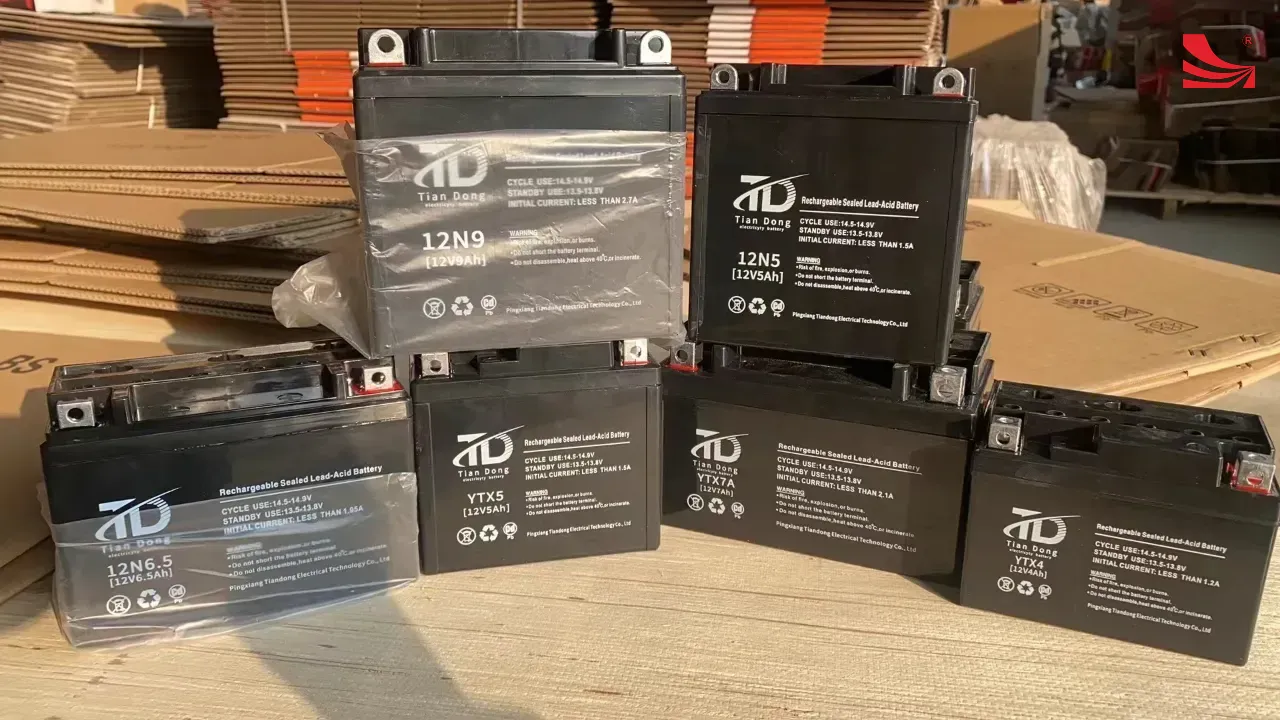
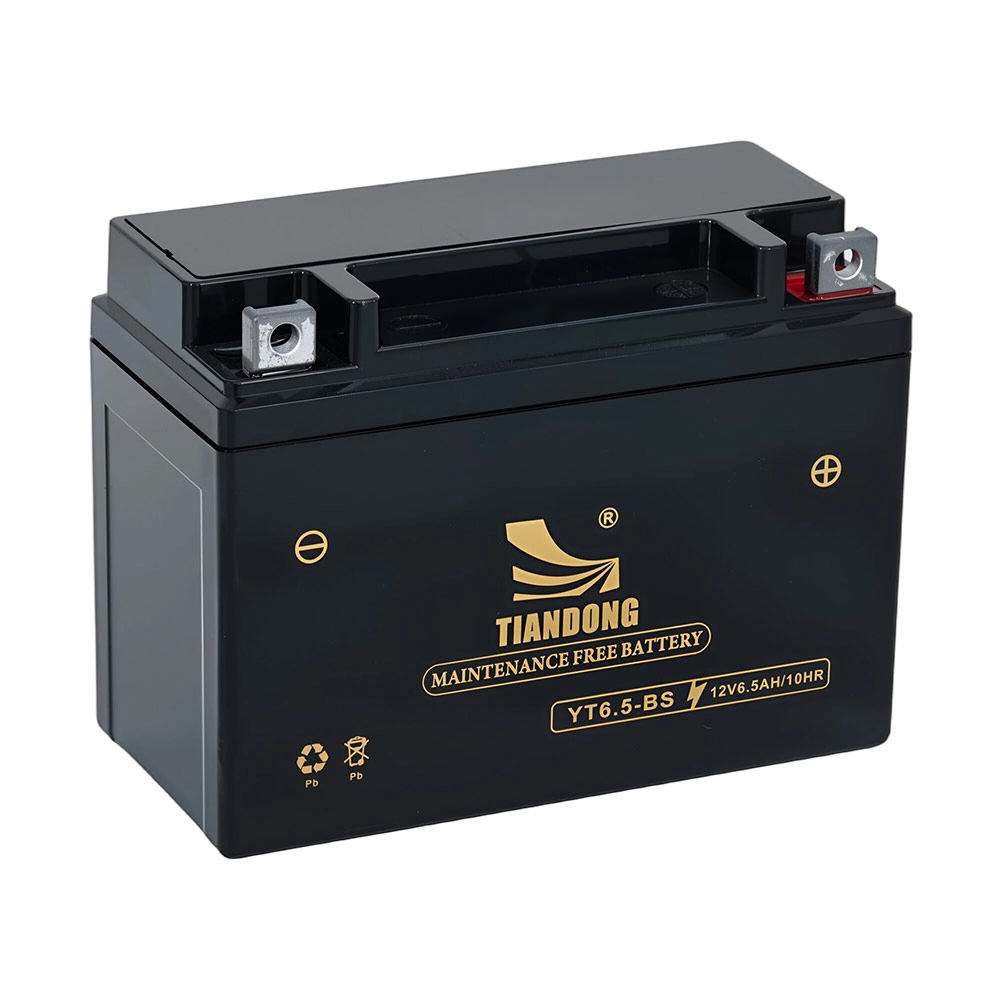
At Tiandong Battery, we pride ourselves on delivering high-quality gel filled motorcycle batteries designed for superior performance and durability. With extensive experience and a commitment to innovation, our products meet stringent industry standards, offering reliable power for diverse applications. The advantages of our gel battery technology include enhanced vibration resistance, deep discharge recovery, and extended cycle life, providing unparalleled reliability for your riding needs.
Ready to power your ride with confidence? Contact us today for a personalized quote tailored to your specific requirements. Visit www.tiandongbattery.com or email us at daisybattery8@gmail.com.

Bulk Motorcycle Batteries Direct from Factory – Save Costs, Boost Profit
High Performance Motorcycle Batteries for Global Markets

Tiandong Electric Appliance Showcases High-Performance Motorcycle Batteries at Guangzhou Expo

What kind of battery is best for a motorcycle?

The Ultimate Guide to Electric Scooter Batteries: Performance, Longevity, and Future Innovations (2026 & Beyond)

The Ultimate 2026 Guide to Motorcycle Battery Types: Choose, Maintain, and Upgrade for Peak Performance
Product
How long does a motorcycle battery typically last?
A motorcycle battery generally lasts between 2 and 4 years, depending on usage, maintenance, and environmental conditions.
What certifications do your batteries have?
Our batteries are certified with CE, ISO9001, and RoHS, and meet export standards for markets in Southeast Asia, South Asia, and Africa.
What kind of battery is best for a motorcycle?
AGM batteries are a popular choice because they combine the best of both worlds: the durability of lead-acid batteries and the low maintenance of lithium-ion batteries. AGM batteries are sealed, so they don't require water refills, and they're designed to handle rough conditions, making them ideal for motorcycles.
How long is the lead time and where do you ship?
Standard lead time is 7–15 days. We export to over 20 countries, including Vietnam, India, Egypt, and Thailand.
Shipping
Which countries does Tiandong export to?
Tiandong batteries are exported to more than 20 countries, including Vietnam, India, Egypt, Thailand, and Indonesia.
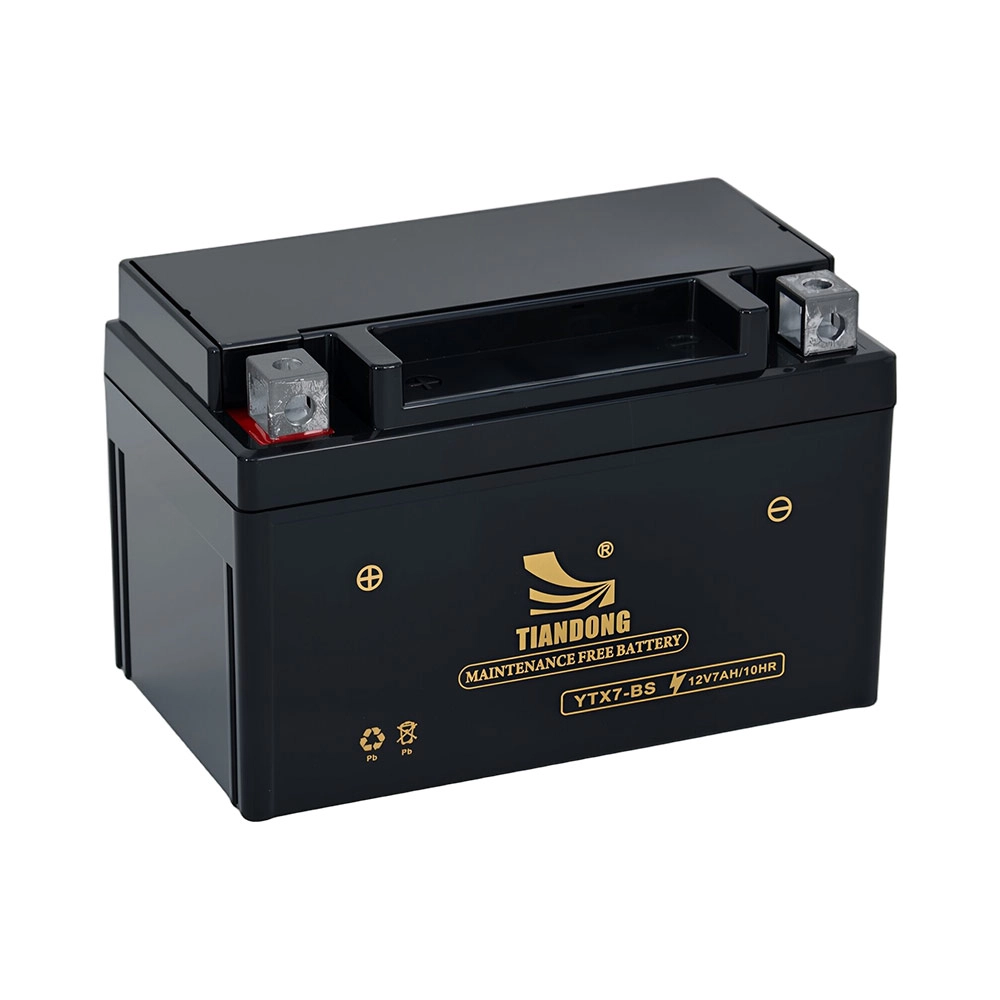
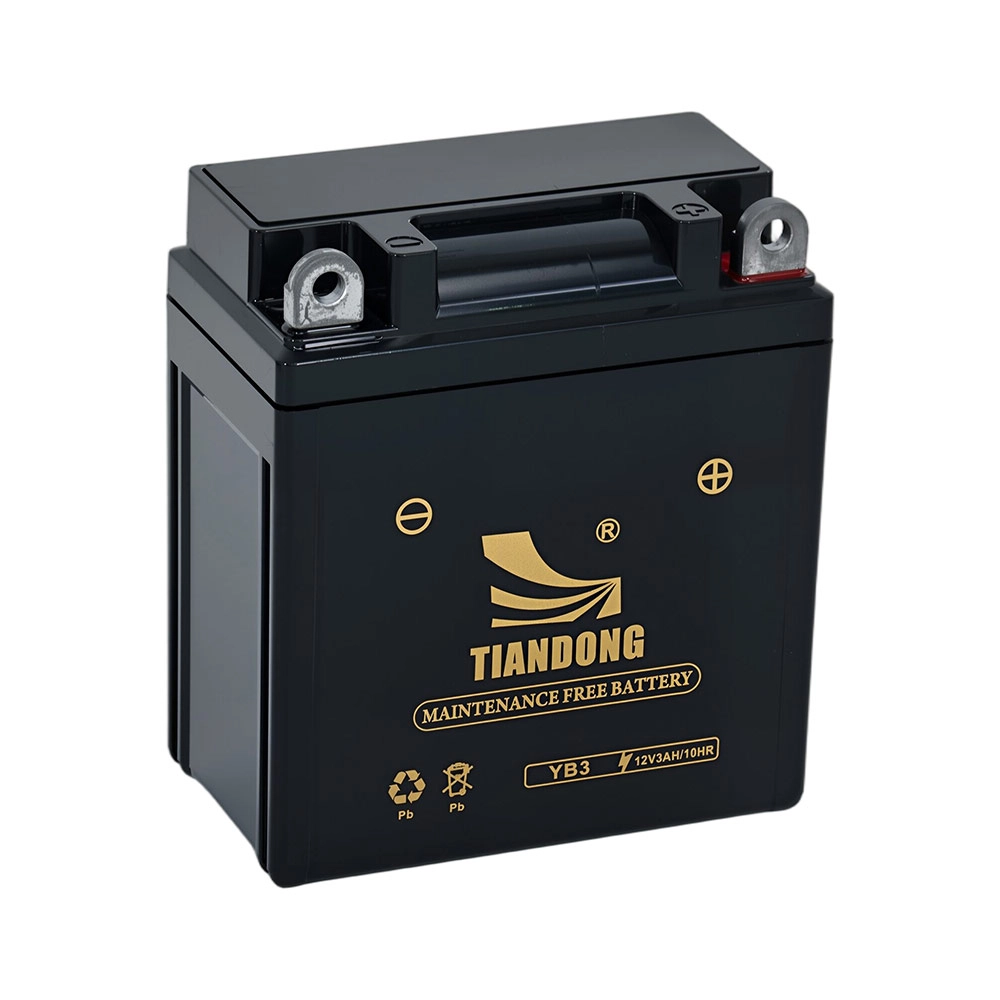
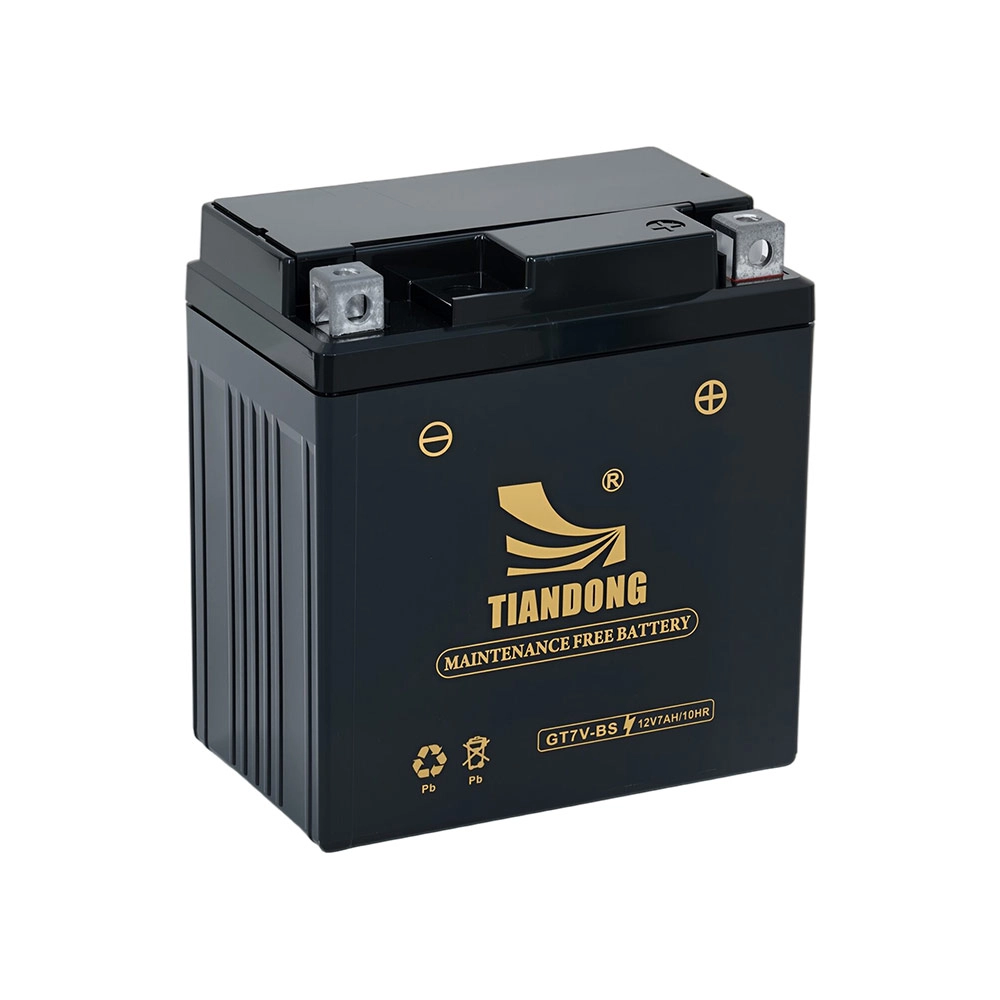
Get in touch with us to get your Motorbike Battery solution
TIANDONG is a leading motorcycle battery manufacturer offering OEM/ODM service, stable quality, and global export support.
Built for wholesalers. Trusted by global buyers. Delivered with confidence.
Say Hello
E-mail: daisybattery8@gmail.com
xianyingchen83@gmail. com
WhatsAPP: +86 134 283 86694
+86 134 348 86641
Our Location
Social Links
© 2025 TIANDONG. All Rights Reserved. Privacy Policy | Terms and Conditions | Sitemap
 Scan QR Code
Facebook
Instagram
Scan QR Code
Whatsapp: +8613434886641