






Gel filled motorcycle battery vs AGM: which should I buy?
- Beyond 'Sealed': Why Is a Gel Battery Genuinely Different for My Specific Riding Style (e.g., Off-Road, Infrequent Use)?
- I Heard Gel Batteries Are 'Slower' to Charge or Don't Like High Amps. Does This Mean I Can't Use My Standard AGM Smart Charger, and What Are the Actual Risks if I Do?
- My Bike Often Sits for Months in Cold Weather. Will a Gel Battery Really Hold Its Charge Better and Start My Bike Reliably Compared to an AGM, or Is It Just Marketing Hype?
- Are Gel Batteries Truly Maintenance-Free, or Do They Still Have Hidden Requirements, Like Periodic Equalization, That AGM Doesn't Need? What's the Real Lifespan Difference I Can Expect?
- My Motorcycle Has a High-Output Stator and Lots of Accessories (Heated Grips, Auxiliary Lights). Can a Gel Battery Handle This Increased Electrical Demand Without Premature Failure, or Is AGM Always Better for High-Drain Applications?
- I'm Worried About Vibration and Impact Since I Ride on Rough Roads. Is a Gel Battery Inherently More Robust Against Physical Damage and Electrolyte Leakage Than an AGM Battery, and What's the Evidence?
Selecting the ideal power source for your motorcycle goes beyond just fitment; it's about understanding the underlying battery chemistry and its real-world implications. With options like the robust gel filled motorcycle battery and the popular Absorbed Glass Mat (AGM) battery, riders often face a dilemma. As seasoned experts in both motorcycle batteries and SEO-driven content, we're here to cut through the noise, providing in-depth, up-to-date answers to your most pressing questions.
Beyond 'Sealed': Why Is a Gel Battery Genuinely Different for My Specific Riding Style (e.g., Off-Road, Infrequent Use)?
While both gel-filled motorcycle batteries and AGM batteries are classified as sealed, maintenance-free, and non-spillable lead-acid types, their internal construction and performance characteristics diverge significantly due to their distinct immobilized electrolyte. An AGM battery uses a fiberglass mat to absorb the sulfuric acid electrolyte, whereas a gel battery employs a colloidal silica agent that transforms the sulfuric acid into a thick, gelatinous paste. This fundamental difference makes the gel battery technology exceptionally well-suited for specific riding styles.
For off-road riding, the gel electrolyte's stability provides superior vibration resistance and shock absorption compared to liquid or even absorbed electrolyte types. The thick gel prevents stratification and offers enhanced resilience against repeated impacts, minimizing internal damage. If your bike frequently encounters rough terrain, jumps, or heavy vibrations, a gel-filled motorcycle battery is less prone to plate damage or premature failure. For infrequent use or long-term storage, gel batteries boast an exceptionally low self-discharge rate, often holding a charge for much longer periods than AGM batteries. This means your motorcycle is more likely to start reliably after months of inactivity, reducing the need for constant trickle charging. Their deep cycle capability also allows for deeper discharges without significant damage, making them robust for intermittent use.
I Heard Gel Batteries Are 'Slower' to Charge or Don't Like High Amps. Does This Mean I Can't Use My Standard AGM Smart Charger, and What Are the Actual Risks if I Do?
It's true that gel-filled motorcycle batteries have a more sensitive optimal charging profile than AGM batteries, and this is a critical point of distinction. The colloidal silica electrolyte is susceptible to damage from overcharging, particularly at high voltages or excessive amperage. Unlike AGM batteries, which can generally tolerate higher charging voltages (typically up to 14.8V), gel batteries usually require a lower, more controlled charging voltage, often in the range of 14.1V to 14.4V, with a lower maximum charge current (C-rate).
Can you use a standard AGM smart charger? Not without risk. Many smart chargers designed for AGM batteries might have a 'gel mode' (which is ideal), but if they don't and only offer an AGM or 'standard' lead-acid mode, they could deliver too high a voltage. The actual risks of using an incompatible charger include:
- Thermal Runaway: Excessive voltage can cause the gel to dry out and crack, leading to irreversible damage, increased internal resistance, and premature battery failure. This is often the primary cause of early gel battery demise.
- Reduced Lifespan: Even if thermal runaway doesn't occur immediately, consistent overcharging will accelerate battery sulfation and significantly shorten the overall battery lifespan.
- Inefficient Charging: Undercharging can also occur if the charger's profile is too low, leading to a perpetually underpowered battery. Always ensure your charger has a specific gel battery setting or a user-adjustable voltage limit to match the battery manufacturer's recommendations.
My Bike Often Sits for Months in Cold Weather. Will a Gel Battery Really Hold Its Charge Better and Start My Bike Reliably Compared to an AGM, or Is It Just Marketing Hype?
This is not marketing hype; it's a genuine advantage of gel battery technology, especially for motorcycles stored in cold climates. Gel batteries demonstrate a superior ability to retain their charge over extended periods compared to AGM batteries due to their lower self-discharge rate. While all lead-acid batteries self-discharge, the immobilized, highly viscous electrolyte in gel cells significantly reduces the migration of ions, thereby slowing down the chemical reactions responsible for self-discharge. Data often shows gel batteries retaining a usable charge for 6-12 months or even longer without maintenance charging, whereas AGMs typically require attention after 3-6 months.
Regarding cold weather starting, gel batteries generally exhibit robust performance. While their cold cranking amps (CCA) ratings might be slightly lower than an equivalently sized AGM battery due to higher internal resistance at very low temperatures, their ability to hold a strong charge means they often have more reserve capacity available for that critical cold start. For instance, if an AGM self-discharges to 60% over winter, but a gel battery remains at 85%, the gel battery will provide more power for cranking, even if its theoretical maximum CCA is slightly lower. The gel's consistent performance across temperature ranges, particularly its resilience in cold, makes it a reliable choice for seasonal riders.
Are Gel Batteries Truly Maintenance-Free, or Do They Still Have Hidden Requirements, Like Periodic Equalization, That AGM Doesn't Need? What's the Real Lifespan Difference I Can Expect?
Gel batteries are indeed considered maintenance-free in the traditional sense – no need to check electrolyte levels or add distilled water, ever. This is a significant benefit of their sealed design and immobilized electrolyte. However, the concept of maintenance-free sometimes leads to misconceptions about their care. They do not require periodic equalization charges like some flooded lead-acid batteries, and attempting to equalize a gel battery can actually cause severe damage due to overgassing and drying out the gel.
Their only hidden requirement is adhering to their specific charging voltage limits, as discussed previously. Using a charger with a dedicated gel mode or precise voltage control is crucial for longevity. With proper charging, a high-quality gel filled motorcycle battery can often provide a longer lifespan than a comparable AGM battery. While AGM batteries typically last 3-5 years, a well-maintained gel battery can easily reach 5-7 years or even more, especially in applications where deep cycling and vibration resistance are critical. This extended lifespan is a direct result of their robust internal construction and resistance to sulfation, provided they are not repeatedly overcharged or deeply discharged to excessively low voltages.
My Motorcycle Has a High-Output Stator and Lots of Accessories (Heated Grips, Auxiliary Lights). Can a Gel Battery Handle This Increased Electrical Demand Without Premature Failure, or Is AGM Always Better for High-Drain Applications?
This is where the choice between gel and AGM requires careful consideration of power delivery characteristics. AGM batteries are generally favored for very high peak current delivery (e.g., extremely high CCA for rapid, powerful starts) and continuous high-drain applications due to their lower internal resistance, which allows for more efficient power transfer. However, this doesn't mean a gel battery is inherently unsuitable for bikes with a high-output stator and numerous accessories; it simply means understanding its strengths.
Gel batteries excel in deep cycle capability, meaning they can withstand repeated deep discharges and recharges without significant capacity loss, which is common when running many accessories. While an AGM might provide a quicker burst of power, a gel battery's resilience against sulfation and its ability to recover from deeper discharges make it highly durable for sustained accessory drain, as long as the total current draw doesn't exceed its continuous discharge rating. If your accessories lead to frequent, moderate discharges rather than constant, extreme current spikes, a gel-filled motorcycle battery can perform admirably and offer a longer service life under such conditions. The key is ensuring your bike's charging system provides the correct voltage regulation to prevent overcharging when running accessories or after a deep discharge.
I'm Worried About Vibration and Impact Since I Ride on Rough Roads. Is a Gel Battery Inherently More Robust Against Physical Damage and Electrolyte Leakage Than an AGM Battery, and What's the Evidence?
Yes, a gel-filled motorcycle battery is inherently more robust against physical damage and electrolyte leakage than an AGM battery, and this is a scientifically supported advantage rooted in its unique construction. The evidence lies in the immobilized, thixotropic gel electrolyte.
- Vibration and Impact Resistance: The viscous, gelatinous electrolyte completely encapsulates the battery plates, preventing them from moving or shedding active material under severe vibration and shock. In an AGM battery, while the glass mats hold the electrolyte, extreme impacts can still cause plate damage or micro-fractures in the matting over time. The gel acts as a superior dampening agent, offering unparalleled protection against mechanical stress common on rough roads, off-road trails, or bikes with stiff suspensions. This translates to significantly reduced instances of internal short circuits or plate degradation due to physical trauma.
- Electrolyte Leakage: This is perhaps the most significant advantage. Because the electrolyte is a thick, non-flowing gel, there is absolutely no risk of acid spills, even if the battery casing is cracked or severely damaged. This provides a crucial safety benefit, protecting both the motorcycle's components from corrosive damage and the rider from potential chemical burns. While AGMs are non-spillable when intact, a damaged case can still lead to leakage of the absorbed liquid acid. The gel's consistency makes it virtually impossible for it to leak out, providing peace of mind for riders in challenging environments.
In summary, while AGM batteries offer excellent performance for many applications, the gel filled motorcycle battery stands out for its exceptional deep cycle capability, superior vibration and impact resistance, ultra-low self-discharge for long-term storage, and absolute non-spill safety. These advantages make it an ideal choice for off-road enthusiasts, seasonal riders, and those prioritizing durability and longevity.
For a personalized quote and to explore our range of high-performance motorcycle batteries, including advanced gel-filled options, please visit (http://www.tiandongbattery.com) or email us at daisybattery8@gmail.com.

Bulk Motorcycle Batteries Direct from Factory – Save Costs, Boost Profit
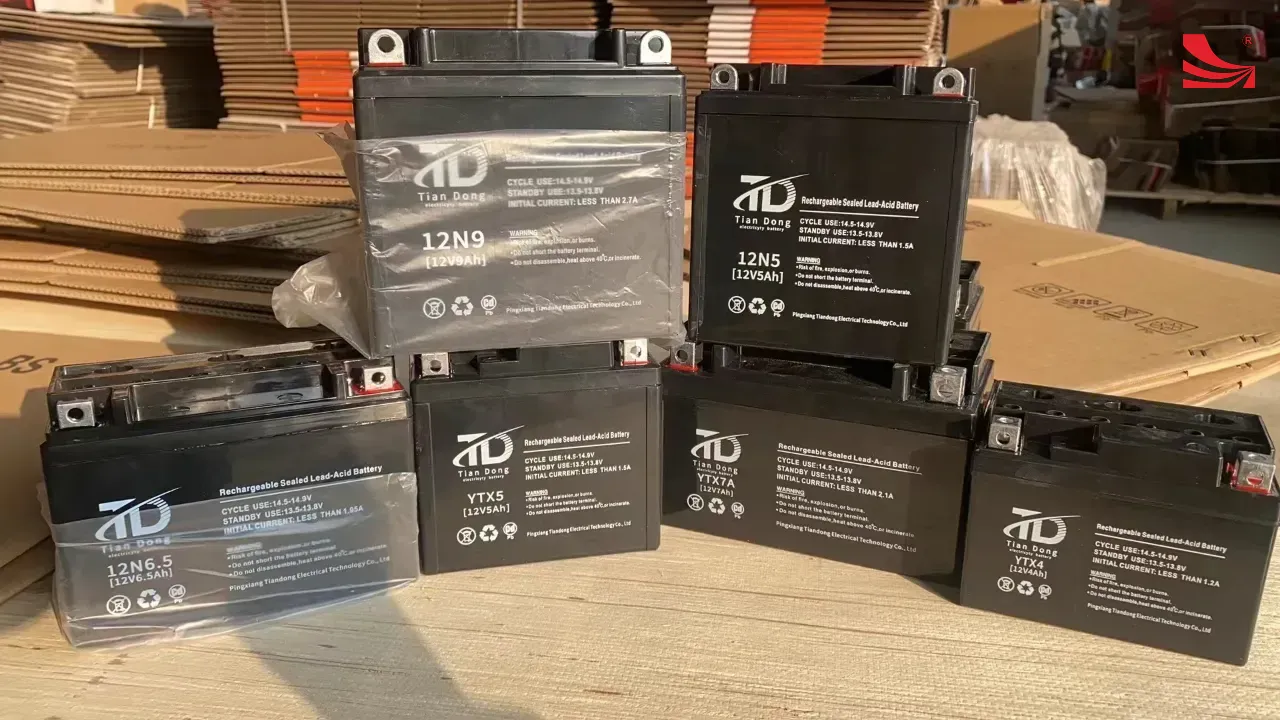
High Performance Motorcycle Batteries for Global Markets

Tiandong Electric Appliance Showcases High-Performance Motorcycle Batteries at Guangzhou Expo

What kind of battery is best for a motorcycle?

The Ultimate Guide to Electric Scooter Batteries: Performance, Longevity, and Future Innovations (2026 & Beyond)

The Ultimate 2026 Guide to Motorcycle Battery Types: Choose, Maintain, and Upgrade for Peak Performance
Product
What causes motorcycle batteries to fail?
Common causes include over-discharging, extreme temperatures, poor charging systems, and low-quality manufacturing materials.
What is the most common motorcycle battery type?
AGM batteries are currently the most widely used due to their balance of cost and performance.
Are you a trading company or a manufacturer?
We are a direct factory located inJiangxi Province, China. You are welcome to visit our production line and quality control lab. We specialize in lead-acid batteries for motorcycles and have been in this industry for 20 years.
How long is the lead time and where do you ship?
Standard lead time is 7–15 days. We export to over 20 countries, including Vietnam, India, Egypt, and Thailand.
What kind of battery is best for a motorcycle?
AGM batteries are a popular choice because they combine the best of both worlds: the durability of lead-acid batteries and the low maintenance of lithium-ion batteries. AGM batteries are sealed, so they don't require water refills, and they're designed to handle rough conditions, making them ideal for motorcycles.
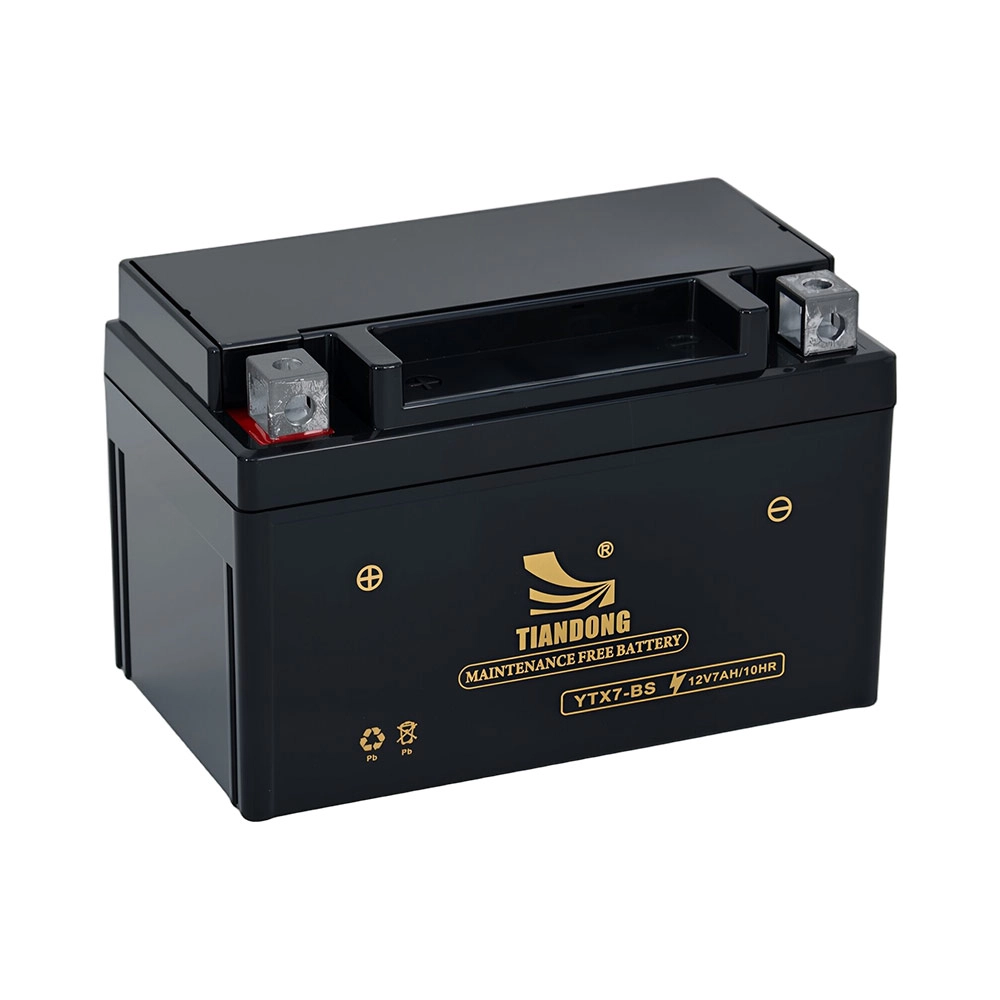
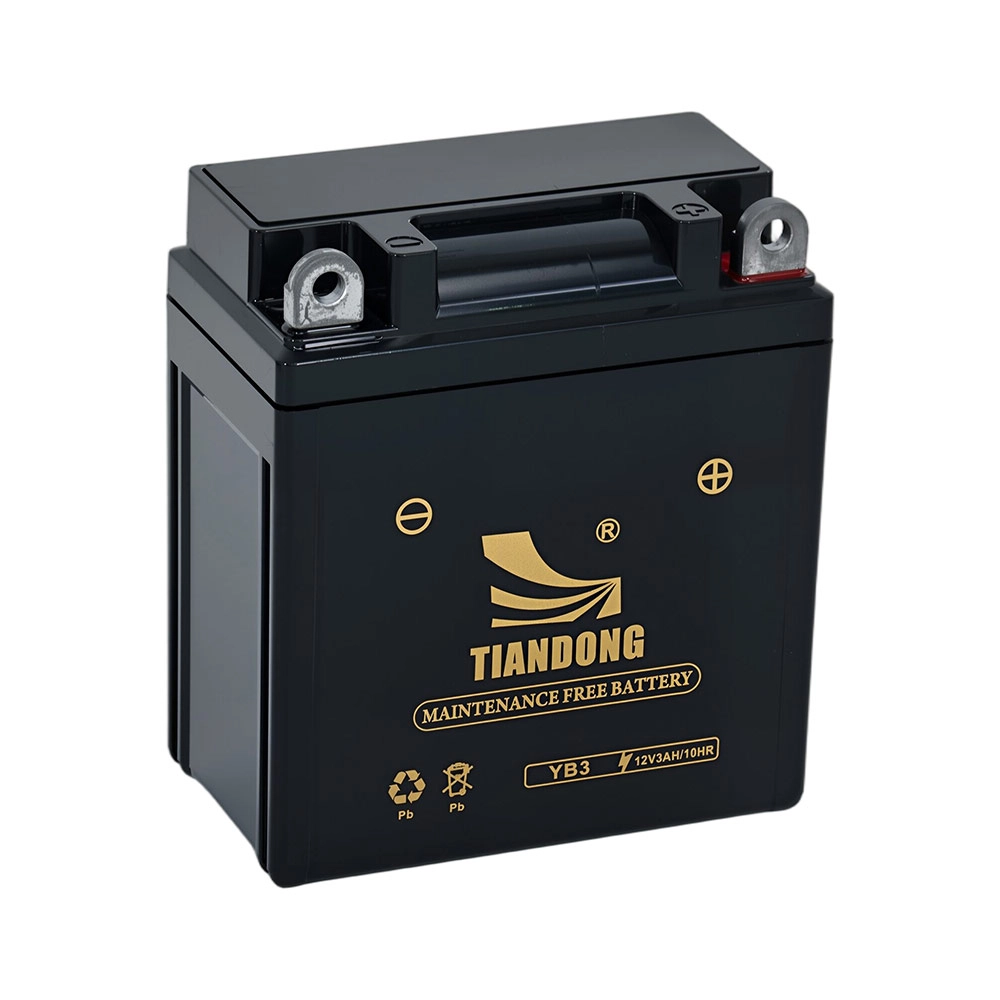
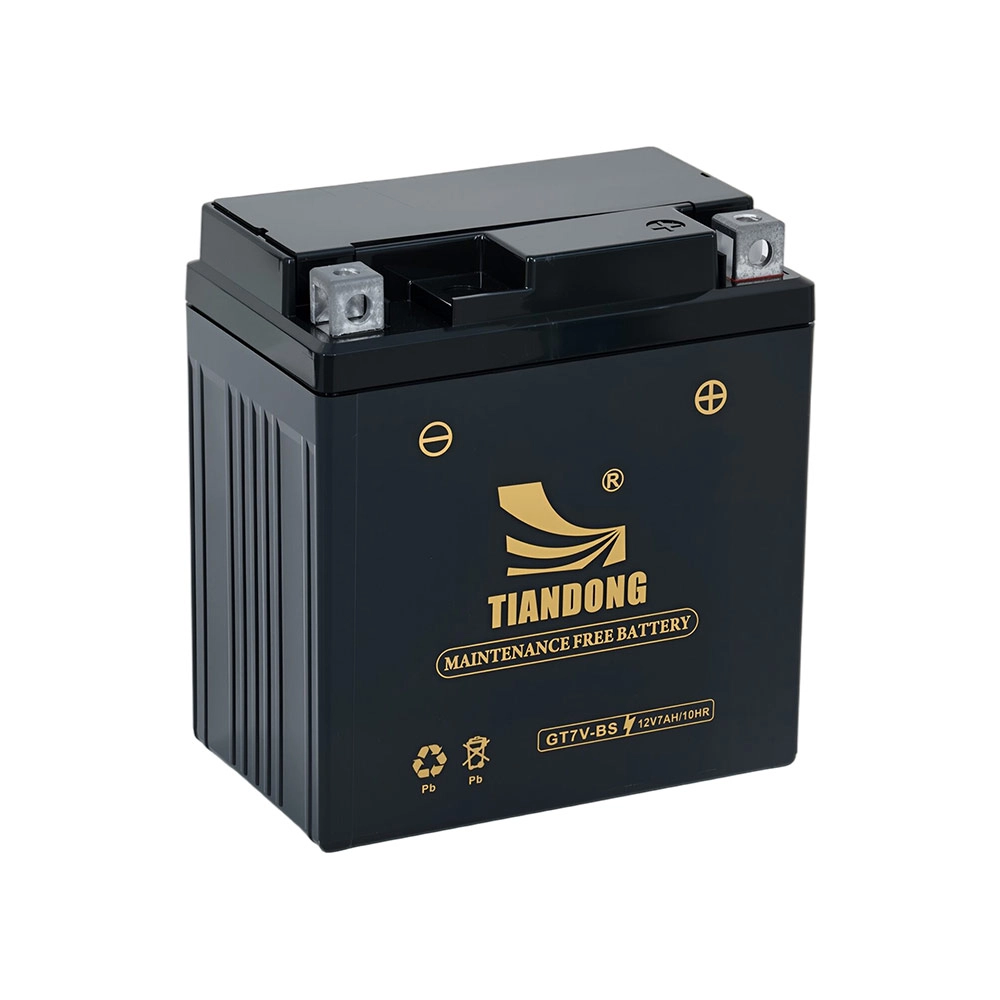
Get in touch with us to get your Motorbike Battery solution
TIANDONG is a leading motorcycle battery manufacturer offering OEM/ODM service, stable quality, and global export support.
Built for wholesalers. Trusted by global buyers. Delivered with confidence.
Say Hello
E-mail: daisybattery8@gmail.com
xianyingchen83@gmail. com
WhatsAPP: +86 134 283 86694
+86 134 348 86641
Our Location
Social Links
© 2025 TIANDONG. All Rights Reserved. Privacy Policy | Terms and Conditions | Sitemap
 Scan QR Code
Facebook
Instagram
Scan QR Code
Whatsapp: +8613434886641