






How to test a gel filled motorcycle battery before purchasing?
- Why do gel batteries sometimes show lower initial voltage readings compared to AGM, and does this indicate a defect?
- Can a standard motorcycle battery charger damage a gel-filled battery, and what specific charging parameters should I look for?
- How do gel motorcycle batteries truly perform in extreme cold weather compared to AGM, and what are the real-world limitations?
- What specific visual indicators or non-invasive tests can a beginner use to assess the health of a new gel battery *before* buying, beyond just terminal voltage?
- Are gel batteries truly spill-proof in all orientations, and does this translate to genuine installation flexibility for custom builds?
- Given their internal structure, is it ever possible to 'recondition' a deeply discharged gel motorcycle battery, or is permanent damage more likely than with AGM?
Gel Filled Motorcycle Batteries: Unveiling Performance & Pre-Purchase Testing Secrets
As enthusiasts and professionals in the motorcycle industry, we often encounter questions about battery technology. Among the various types, the gel filled motorcycle battery stands out for its unique characteristics. Renowned for their durability and specific performance advantages, gel batteries are a preferred choice for many riders, especially those seeking enhanced vibration resistance and deep cycle capabilities. However, their distinct chemistry also brings about specific considerations, particularly when it comes to charging, extreme weather performance, and understanding how to test a gel filled motorcycle battery before purchasing?
This article aims to address some of the most frequently asked, yet often superficially answered, questions about gel motorcycle batteries. We delve into the specifics, providing insights that go beyond basic definitions to help both beginners and seasoned industry users make informed decisions.
Why do gel batteries sometimes show lower initial voltage readings compared to AGM, and does this indicate a defect?
This is a common point of confusion when new riders or mechanics first encounter a gel battery. Unlike Absorbent Glass Mat (AGM) or traditional flooded lead-acid batteries, gel battery technology utilizes a thixotropic gel electrolyte. This gel, formed by mixing sulfuric acid with fumed silica, immobilizes the electrolyte, creating a slightly different internal resistance and electrochemical dynamic. Consequently, a fully charged 12-volt gel battery typically exhibits an open-circuit voltage (OCV) in the range of 12.8V to 13.0V. In contrast, a fully charged AGM battery might show 13.0V to 13.2V, and a flooded battery often around 12.6V to 12.8V. The slightly lower OCV in a new, fully charged gel battery is a characteristic of its unique chemistry, not an indicator of a defect. It's crucial to understand these nominal voltage differences to avoid misinterpreting a healthy gel battery as undercharged or faulty. Always refer to the manufacturer's specifications for the precise voltage range.
Can a standard motorcycle battery charger damage a gel-filled battery, and what specific charging parameters should I look for?
Yes, absolutely. Using an incorrect charger is one of the quickest ways to prematurely damage a gel filled motorcycle battery. Gel batteries are far more sensitive to overcharging and high charge currents than their flooded or even AGM counterparts. The gel electrolyte is susceptible to drying out or forming gas pockets if subjected to excessive voltage or current, leading to irreversible capacity loss and even thermal runaway. To ensure optimal battery health and longevity, always use a smart, multi-stage charger specifically designed for VRLA (Valve Regulated Lead Acid) batteries, ideally with a dedicated 'gel mode'. Key charging parameters to look for include:
- Absorption Voltage: For a 12V gel battery, this should typically be between 14.1V and 14.4V. This is notably lower than the 14.4V-14.7V recommended for AGM batteries.
- Float Voltage: A correct float voltage for a 12V gel battery is usually 13.5V to 13.6V, maintaining a full charge without overcharging.
- Current Limit: The charger should limit the charging current to C/10 or C/20 (10% or 5% of the battery's Ampere-hour (Ah) rating) to prevent overheating and gassing.
- Temperature Compensation: Advanced chargers adjust charging parameters based on ambient temperature, which is crucial for optimal gel battery charging profile, especially in varied climates.
How do gel motorcycle batteries truly perform in extreme cold weather compared to AGM, and what are the real-world limitations?
While gel filled motorcycle batteries offer excellent vibration resistance and are generally robust, their performance in extreme cold weather can have specific nuances. All lead-acid batteries experience a reduction in capacity and Cold Cranking Amps (CCA) as temperatures drop, due to increased internal resistance and slowed chemical reactions. For gel batteries, the silica-infused electrolyte becomes significantly more viscous at very low temperatures, which can impede ion movement more pronouncedly than in AGM batteries where the electrolyte is absorbed in a glass mat. This sometimes translates to slightly lower CCA ratings for an equivalent-sized gel battery compared to an AGM. Real-world limitations include:
- Reduced Cranking Power: Expect a noticeable drop in starting power below freezing (0°C/32°F).
- Slower Recharging: The internal resistance increases, making the battery less efficient at accepting a charge in cold conditions.
- Thermal Management: While less prone to thermal runaway during discharge, charging in extreme cold requires careful management to prevent damage.
For riders in consistently sub-zero environments, while gel batteries are resilient, ensuring they are fully charged before a cold start and potentially keeping them in a warmer environment when not in use can significantly enhance their reliability. Their primary advantage isn't peak cold cranking but rather their deep cycle capability and exceptional vibration/shock resistance, making them ideal for off-road or adventure touring.
What specific visual indicators or non-invasive tests can a beginner use to assess the health of a new gel battery *before* buying, beyond just terminal voltage?
When you're asking, How to test a gel filled motorcycle battery before purchasing?, going beyond a simple voltmeter reading is crucial, especially for beginners aiming to avoid a 'shelf-worn' product. Here’s how to conduct a thorough pre-purchase assessment:
- Visual Inspection of the Case: Look for any signs of stress. This includes cracks, bulges (especially on the sides or top, which can indicate internal gassing or overcharging), or deformities. A slightly rounded top might be normal for some VRLA designs, but significant bulging is a red flag. The case should be perfectly intact.
- Terminal Condition: Inspect the terminals for any corrosion (even minor white or blue powdery residue) or signs of previous connection. Clean, untarnished terminals are paramount. Any residue suggests the battery might have been previously used, discharged, or improperly stored.
- Manufacturing Date: This is vital. Most batteries have a date code (e.g., printed on the case or a sticker). A battery that has been sitting on a shelf for more than 6-12 months without proper maintenance charging will likely have experienced significant self-discharge and irreversible capacity loss. Aim for a battery manufactured as recently as possible.
- Open-Circuit Voltage (OCV) Test with a Multimeter: While not the only test, it's a critical baseline. A new, fully charged 12V gel battery should read between 12.8V and 13.0V. Anything significantly below 12.5V suggests a substantial state of discharge, indicating potential sulfation or an older unit.
- Consistency Check (if buying multiple): If purchasing more than one, compare their OCV readings. Significant discrepancies could point to an issue with one of the units.
While advanced internal resistance (IR) testers offer more precise diagnostic data on battery health indicators, the above visual and OCV checks provide excellent preliminary assessment tools for any beginner.
Are gel batteries truly spill-proof in all orientations, and does this translate to genuine installation flexibility for custom builds?
Yes, the 'spill-proof' characteristic is one of the primary advantages of a gel filled motorcycle battery, offering significant installation flexibility. Because the electrolyte is immobilized within a silica gel, there is no free-flowing liquid acid to leak, even if the battery case is compromised. This fundamental design feature means:
- Orientation Flexibility: Gel batteries can be safely mounted in various positions, including on their side, without the risk of acid leaks or reduced performance. This is a massive benefit for custom motorcycle builders and off-road enthusiasts where space is at a High Quality and traditional battery mounting positions might be challenging.
- Enhanced Safety: The sealed, spill-proof design eliminates the risk of corrosive acid spills, protecting both the motorcycle's components and the rider. It also contributes to the battery being classified as non-hazardous for shipping (e.g., UN2800 certified).
- Vibration and Shock Resistance: The immobilized electrolyte also contributes to superior vibration and shock resistance, making gel batteries robust choices for demanding applications like dirt bikes or adventure bikes.
While virtually spill-proof, it's generally advised against mounting them completely upside down for prolonged periods, as it could potentially impact the long-term function of the pressure relief valves, though the risk of spillage remains negligible. For practical purposes, their installation flexibility is genuinely superior to flooded batteries.
Given their internal structure, is it ever possible to 'recondition' a deeply discharged gel motorcycle battery, or is permanent damage more likely than with AGM?
The ability to 'recondition' a deeply discharged gel filled motorcycle battery is a nuanced topic, and generally, permanent damage is more likely than with an AGM or flooded battery. Gel batteries are more sensitive to deep discharges due to their unique electrolyte structure.
- Sulfation Risk: When a gel battery is deeply discharged (e.g., below 10.5V for a 12V battery), lead sulfate crystals can form on the plates (sulfation). In a gel matrix, these crystals are harder to break down, and the recovery process can be more challenging and risky than in liquid or absorbed electrolyte systems. The gel itself can form 'channels' or voids if repeatedly over-discharged or charged incorrectly, leading to irreversible capacity loss.
- Reconditioning Limitations: While some advanced 'smart' chargers feature desulfation modes, their effectiveness on deeply sulfated gel batteries is often limited. Aggressive desulfation pulses, while sometimes effective on flooded batteries, can potentially overheat and damage the gel electrolyte or accelerate the formation of internal voids, leading to thermal runaway risk.
- Preventative Maintenance is Key: For gel batteries, prevention is far better than cure. Avoiding deep discharges, using the correct multi-stage charger, and maintaining a proper float charge are crucial for maximizing their lifespan.
If a gel battery has been deeply discharged, especially for an extended period, it's often more prudent to consider replacement rather than attempting a risky recovery. While some recovery might be possible, the battery's overall capacity and reliability will likely be compromised.
In conclusion, gel filled motorcycle batteries offer significant advantages in terms of vibration resistance, deep cycle performance, enhanced safety due to their spill-proof design, and superior durability. Understanding their unique chemical properties, proper charging requirements, and effective pre-purchase testing methods are crucial steps for any rider or industry professional to harness their full potential and ensure a long, reliable service life.
For expert advice and a comprehensive quote on High Quality gel-filled motorcycle batteries for your specific needs, visit www.tiandongbattery.com or email daisybattery8@gmail.com today.

Bulk Motorcycle Batteries Direct from Factory – Save Costs, Boost Profit
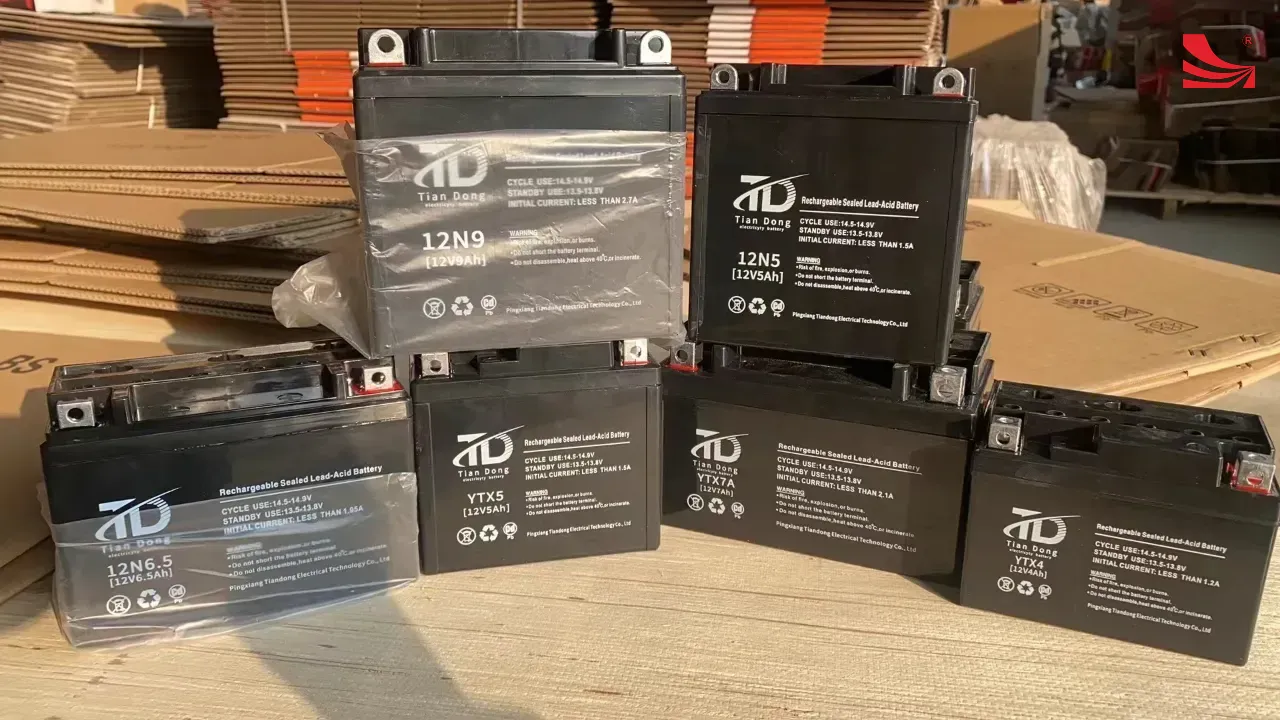
High Performance Motorcycle Batteries for Global Markets

Tiandong Electric Appliance Showcases High-Performance Motorcycle Batteries at Guangzhou Expo

What kind of battery is best for a motorcycle?

The Ultimate Guide to Electric Scooter Batteries: Performance, Longevity, and Future Innovations (2026 & Beyond)

The Ultimate 2026 Guide to Motorcycle Battery Types: Choose, Maintain, and Upgrade for Peak Performance
Product
Are your batteries maintenance-free?
Yes, our batteries are sealed VRLA or GEL types that require no water refilling. They are ready to use and easy to maintain.
How long is the lead time and where do you ship?
Standard lead time is 7–15 days. We export to over 20 countries, including Vietnam, India, Egypt, and Thailand.
What certifications do your batteries have?
Our batteries are certified with CE, ISO9001, and RoHS, and meet export standards for markets in Southeast Asia, South Asia, and Africa.
customer
Can overseas clients visit the Tiandong factory?
Yes. Tiandong welcomes international customers to visit the factory, production workshops, and logistics warehouses to better understand the manufacturing and quality control process.
Support
What is Tiandong’s production capacity?
The company produces approximately 6 million batteries per year, supported by 15,000 tons of electrode plate production capacity.
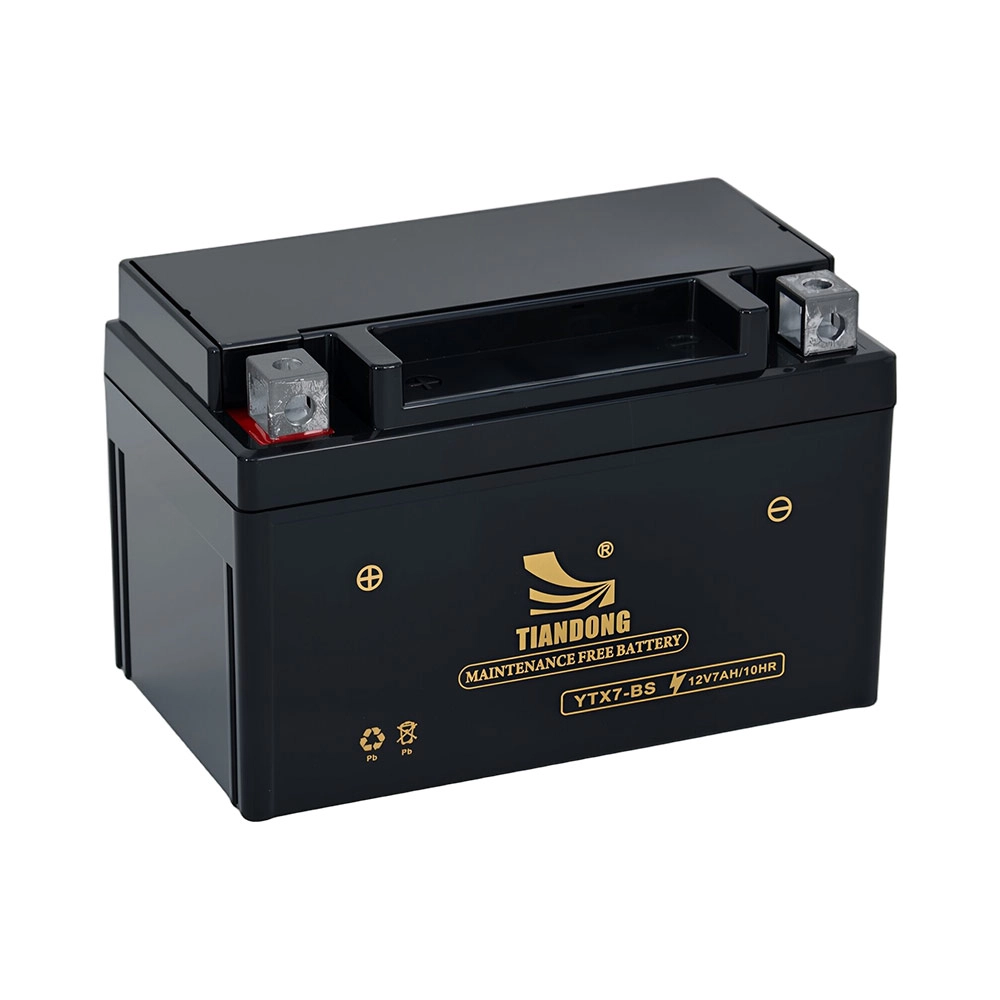
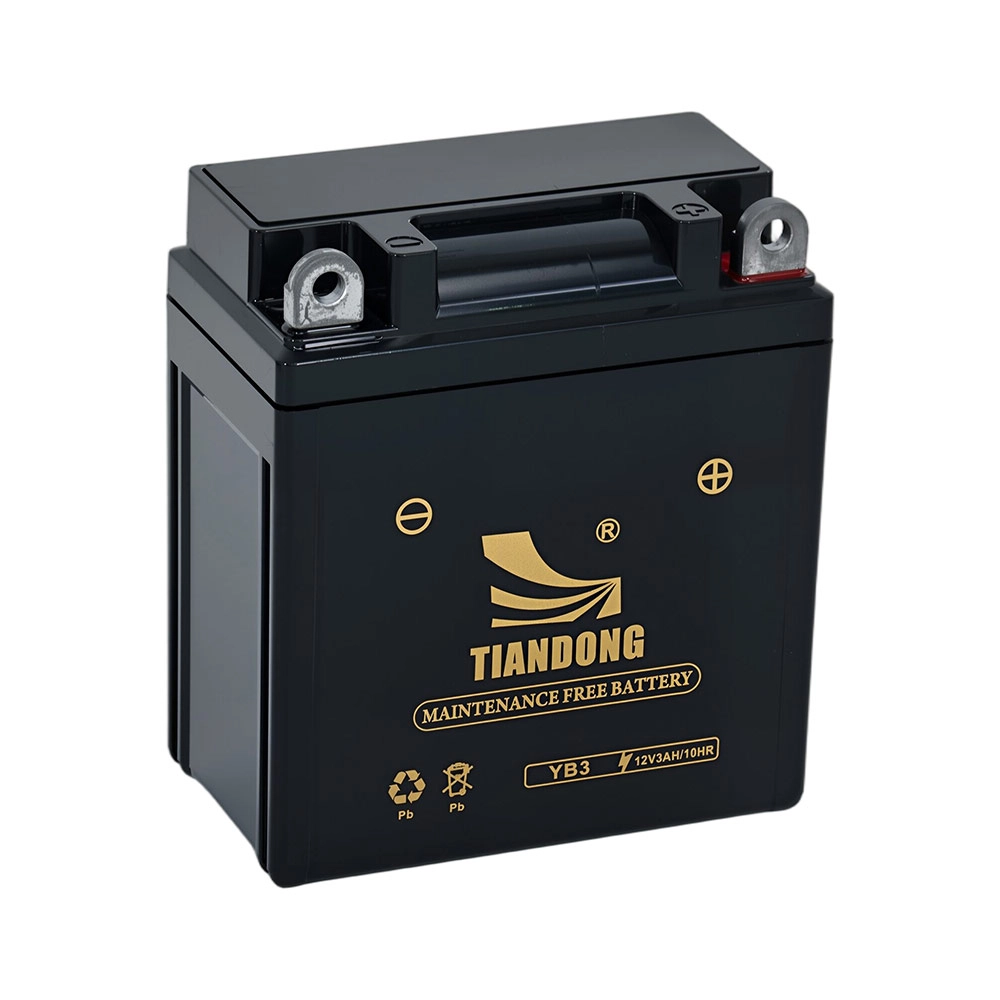
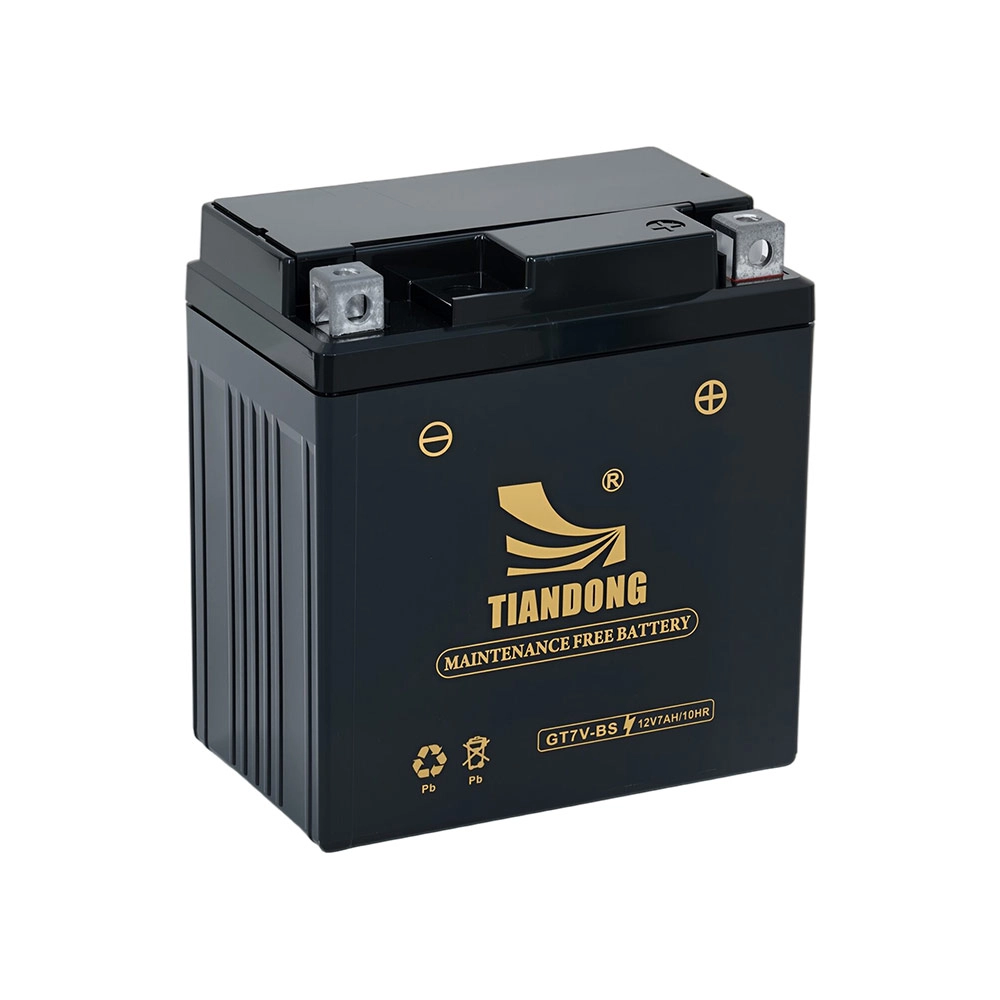
Get in touch with us to get your Motorbike Battery solution
TIANDONG is a leading motorcycle battery manufacturer offering OEM/ODM service, stable quality, and global export support.
Built for wholesalers. Trusted by global buyers. Delivered with confidence.
Say Hello
E-mail: daisybattery8@gmail.com
xianyingchen83@gmail. com
WhatsAPP: +86 134 283 86694
+86 134 348 86641
Our Location
Social Links
© 2025 TIANDONG. All Rights Reserved. Privacy Policy | Terms and Conditions | Sitemap
 Scan QR Code
Facebook
Instagram
Scan QR Code
Whatsapp: +8613434886641