






How to store gel filled motorcycle batteries for long periods?
- Beyond basic leak-proof benefits, what are the specific environmental conditions or riding styles where a gel-filled motorcycle battery genuinely outperforms AGM or flooded batteries in terms of longevity and performance stability?
- When storing my gel-filled motorcycle battery for a long winter, can I just disconnect it, or is a specific type of trickle charger or maintainer absolutely necessary to prevent permanent capacity loss, and what are the precise voltage recommendations?
- My motorcycle with a gel battery struggles to start in very cold weather (
- Many sources say gel batteries are 'maintenance-free,' but what crucial checks or practices, if any, should I still perform periodically to maximize its 5-7 year lifespan, especially for seasonal riders?
- I've heard gel batteries are more sensitive to overcharging. What specific charger settings or types of smart chargers are essential to use to avoid thermal runaway or premature failure, and what should I avoid?
- If I accidentally deep-discharge my gel-filled motorcycle battery, is it recoverable, and what precise steps should I take immediately, or is permanent damage inevitable, unlike some other battery types?
Unlocking the Power: Expert Answers to Your Toughest Gel-Filled Motorcycle Battery Questions
Gel-filled motorcycle batteries represent a significant advancement in power storage for two-wheeled vehicles, offering enhanced durability and reliability. As seasoned experts in power sports battery technology, we understand that while their 'maintenance-free' reputation is appealing, beginners and even experienced riders often have complex, pain-point-oriented questions that go beyond the superficial. This guide is designed to provide professional, in-depth answers to those critical inquiries, ensuring you get the most out of your gel battery investment.
Beyond basic leak-proof benefits, what are the specific environmental conditions or riding styles where a gel-filled motorcycle battery genuinely outperforms AGM or flooded batteries in terms of longevity and performance stability?
While all sealed lead-acid (SLA) batteries, including AGM (Absorbent Glass Mat) and gel, offer a leak-proof design, gel-filled motorcycle batteries truly shine in specific demanding applications. Their unique thixotropic gel electrolyte, which is a silica-based paste, provides superior internal structure and thermal stability compared to liquid electrolytes or the glass mats of AGMs. This makes them exceptionally robust for environments with:
- Extreme Vibrations: Off-road riding, heavy touring bikes, or custom builds often subject batteries to intense vibration. The gel electrolyte is immobile, preventing shedding of active material from the plates, which is a common failure point in flooded batteries and can also occur in AGMs under severe, prolonged vibration. This significantly extends the battery's operational lifespan in such conditions.
- Deep Cycle Demands: For motorcycles equipped with numerous accessories (GPS, heated grips, powerful audio systems) that frequently draw power when the engine is off or at idle, gel batteries offer superior deep cycle capability. They are engineered to withstand more discharge cycles to a lower state of charge without suffering irreversible damage, thanks to the gel preventing plate sulfation more effectively than AGMs when discharged. This makes them ideal for riders who frequently rely on auxiliary power.
- High Ambient Temperatures: In hotter climates or applications where the battery is exposed to engine heat, gel batteries exhibit better thermal stability. The gel dissipates heat more efficiently internally and is less prone to thermal runaway, which can be an issue for AGMs if overcharged in hot conditions. This translates to more consistent performance and longer service life in elevated temperature environments.
When storing my gel-filled motorcycle battery for a long winter, can I just disconnect it, or is a specific type of trickle charger or maintainer absolutely necessary to prevent permanent capacity loss, and what are the precise voltage recommendations?
Simply disconnecting a gel-filled motorcycle battery for long-term storage, especially over a winter period (typically 3-6 months), is a common misconception that can lead to permanent capacity loss and premature failure. All lead-acid batteries, including gel, experience self-discharge. While gel batteries have a lower self-discharge rate than flooded types (typically 1-3% per month vs. 5-10% for flooded), it's still significant over several months. Allowing the battery to drop below 12.4V for extended periods can initiate sulfation, a process where lead sulfate crystals harden on the plates, impeding charging efficiency and reducing capacity. Once hardened, this damage is often irreversible.Therefore, a specific type of smart charger or battery maintainer is *absolutely necessary* for optimal long-term storage of your gel-filled motorcycle battery. You need a charger designed for VRLA (Valve Regulated Lead Acid) batteries, specifically with a 'gel' mode or a multi-stage charging profile that includes a float charge. The precise voltage recommendations are critical:
- Charging Voltage (Bulk/Absorption): Most gel batteries require a charging voltage of 14.1V to 14.4V for optimal charging. Exceeding this, particularly above 14.5V, can cause gassing and damage the sealed gel electrolyte.
- Float Voltage (Maintenance): For long-term storage, the maintainer should provide a float voltage typically between 13.5V and 13.8V. This voltage is just enough to counteract self-discharge without overcharging or causing excessive gassing, keeping the battery topped off at 100% state of charge.
My motorcycle with a gel battery struggles to start in very cold weather (<0°C/32°F). Is this a characteristic limitation of gel technology, or could it indicate an underlying issue with the battery or charging system, and what practical steps can I take?
Struggling to start in very cold weather is a characteristic limitation of *all* lead-acid battery technologies, including gel-filled motorcycle batteries, but it can also be exacerbated by an underlying issue. The electrolyte's chemical reactions slow down significantly in cold temperatures, reducing the battery's ability to deliver its full Cold Cranking Amps (CCA). For gel batteries, the gel electrolyte is slightly less efficient at ion movement in extreme cold compared to liquid electrolytes or even AGM, which can lead to a more pronounced reduction in CCA output. Industry standards typically show a 50% CCA reduction at -18°C (0°F) for lead-acid batteries compared to their rating at 25°C (77°F).However, if the struggle is severe or sudden, it could also indicate:
- Battery Degradation: The battery may be nearing the end of its lifespan, with reduced overall capacity. A fully healthy gel battery should still provide sufficient starting power even if diminished.
- Insufficient Charge: The battery might not be fully charged. A fully charged battery will always perform better in the cold.
- Parasitic Drain: A small electrical drain on the motorcycle could be slowly discharging the battery, leaving it undercharged when you attempt to start in the cold.
- Starting System Issues: Problems with the starter motor, spark plugs, or fuel system can compound the battery's struggle in the cold.
- Pre-Warm the Battery: If possible, bring the battery indoors overnight (if removable) or use a battery blanket. Even raising the battery temperature by a few degrees can significantly improve its cold cranking performance.
- Maintain Full Charge: Always ensure the battery is fully charged, especially before a cold start. Use a smart charger/maintainer as discussed previously.
- Load Test: Have the battery professionally load-tested to assess its true CCA capability. A multimeter only shows voltage, not available power under load.
- Check Connections: Ensure battery terminals are clean and tight. Corroded or loose connections increase resistance, limiting power delivery.
- Thinner Oil: Consider using a lower viscosity engine oil for winter, as thicker oil increases cranking resistance.
Many sources say gel batteries are 'maintenance-free,' but what crucial checks or practices, if any, should I still perform periodically to maximize its 5-7 year lifespan, especially for seasonal riders?
The term 'maintenance-free' for gel-filled motorcycle batteries often leads to a hands-off approach that can shorten their impressive 5-7 year lifespan. While you don't need to add water or check electrolyte levels, crucial periodic checks and practices are essential, particularly for seasonal riders whose bikes might sit for extended periods. These proactive steps ensure your sealed gel battery performs optimally and reaches its maximum potential lifespan:
- Regular Voltage Monitoring: Periodically check the open-circuit voltage with a digital multimeter. A fully charged gel battery should read around 12.8V to 13.0V (after resting for a few hours post-charge). If it consistently reads below 12.5V, it indicates a need for charging. For seasonal riders, checking monthly during off-season storage is advisable.
- Terminal Inspection and Cleaning: Even in a sealed system, corrosion can occur at the terminals due to environmental factors or minor gassing. Inspect terminals every few months for signs of corrosion (white or blue powdery substance) and ensure they are clean and tight. Use a wire brush and a battery terminal cleaner if necessary, then apply a thin layer of dielectric grease or petroleum jelly to prevent future corrosion. Loose connections increase resistance and hinder efficient power transfer.
- Parasitic Drain Check: If your motorcycle sits for weeks, periodically check for parasitic drains. After fully charging and letting the battery rest, disconnect the negative terminal and connect an ammeter in series between the terminal and the battery post. A draw exceeding 20-30mA could slowly discharge your battery. Address any excessive drains to protect the battery.
- Appropriate Charging: The most critical 'maintenance' for a gel battery is proper charging. Always use a smart charger with a 'gel' or 'VRLA' mode that provides a multi-stage charge cycle, including a float charge. Avoid chargers that deliver excessively high voltage or amperage, as this can damage the gel and lead to premature failure.
- Physical Inspection: Occasionally inspect the battery casing for any signs of cracks, swelling, or leaks. While rare for gel batteries, physical damage can compromise the seal and internal integrity.
I've heard gel batteries are more sensitive to overcharging. What specific charger settings or types of smart chargers are essential to use to avoid thermal runaway or premature failure, and what should I avoid?
You are absolutely correct; gel-filled motorcycle batteries are indeed more sensitive to overcharging than other lead-acid types, particularly flooded batteries. This sensitivity stems from the unique properties of their gel electrolyte. Overcharging causes excessive gassing (hydrogen and oxygen production) within the sealed case. Since the gel is less efficient at recombining these gases compared to the AGM's glass mat, the internal pressure can build rapidly. This can lead to the safety valves opening, releasing gas and electrolyte, which then cannot be replenished. This loss of electrolyte irreversibly dries out the gel, causing significant capacity loss, internal short circuits, and in severe cases, thermal runaway (a condition where uncontrolled internal heat generation leads to bulging, melting, and potential explosion).To avoid these severe issues and ensure the longevity of your gel-filled motorcycle battery, specific charger settings and types of smart chargers are essential:
- Dedicated 'Gel' or 'VRLA' Mode: The most critical feature is a charger with a specific 'gel' or 'VRLA' charging profile. These chargers are programmed with lower maximum bulk/absorption voltages and precise float voltages tailored for gel chemistry. They typically limit the bulk charge to around 14.1V-14.4V and the float charge to 13.5V-13.8V.
- Multi-Stage Charging: Essential chargers employ a multi-stage charging process (e.g., bulk, absorption, float). The 'absorption' stage, where voltage is held constant, is particularly crucial for gel batteries, and a good charger will carefully manage this phase to prevent overcharging.
- Temperature Compensation: Advanced smart chargers may include temperature compensation, adjusting charging voltages based on ambient temperature. This is highly beneficial for gel batteries, as charging requirements shift with temperature (lower voltage needed in hot conditions, slightly higher in cold).
- Low Amperage: While not always a 'setting,' a charger with a lower maximum amperage (e.g., 0.8A to 2A for motorcycle batteries) is generally safer. Slower charging reduces heat generation, which is beneficial for gel batteries.
- Standard Car Chargers: Many car chargers are designed for flooded automotive batteries and often deliver higher voltages (e.g., 14.8V or more) that will quickly damage a gel battery.
- Trickle Chargers Without Voltage Regulation: Older, unregulated trickle chargers continuously apply a charge without monitoring the battery's state. This will inevitably overcharge and cook a gel battery.
- Rapid Chargers: While tempting, high-amperage rapid chargers generate too much heat internally, which can severely degrade the gel electrolyte and plates.
If I accidentally deep-discharge my gel-filled motorcycle battery, is it recoverable, and what precise steps should I take immediately, or is permanent damage inevitable, unlike some other battery types?
Accidental deep-discharge of a gel-filled motorcycle battery is a serious event, but unlike the common misconception that permanent damage is always inevitable, recovery *is often possible* if addressed immediately and correctly. The key is the extent and duration of the deep discharge. While gel batteries are known for their better deep cycle tolerance compared to flooded types, they are still lead-acid, and extreme discharge below 10.5V (for a 12V battery) can initiate hard sulfation, which is difficult to reverse.Immediate Steps for Recovery:
- Disconnect from Load: First and foremost, immediately disconnect the battery from the motorcycle or any load. This prevents further discharge and allows you to focus solely on recovery.
- Assess Voltage: Check the open-circuit voltage with a multimeter. If it's above 10.5V, recovery is highly probable. If it's significantly below 10.0V and has been for an extended period (days to weeks), the chances of full recovery diminish significantly, and permanent damage might have occurred.
- Use a 'Desulfation' or 'Recovery' Mode Smart Charger: This is crucial. A standard charger might not even recognize a deeply discharged battery (as its internal resistance is too high) or might try to charge too aggressively. Look for a smart charger with a dedicated 'recovery,' 'desulfation,' or 'repair' mode. These chargers typically apply a pulsed current or a very low constant current at a controlled voltage to gently break down sulfation.
- Slow, Controlled Recharge: Even if a recovery mode isn't available, attempt a very slow, low-amperage charge (e.g., 0.5A - 1A) using a smart charger with a 'gel' setting. Monitor the battery for signs of overheating or swelling. This process can take 24-48 hours or longer. The goal is to gradually bring the voltage back up without causing excessive heat or gassing.
- Monitor Post-Recovery Performance: After a successful slow recharge, allow the battery to rest for several hours, then re-check its open-circuit voltage. It should hold above 12.8V. A professional load test can then confirm if it retains sufficient CCA.
Gel-filled motorcycle batteries offer a compelling combination of durability, deep cycle resilience, and maintenance-free convenience for discerning riders. Their sealed construction and robust gel electrolyte make them an excellent choice for a wide range of applications, from demanding off-road adventures to heavily accessorized touring bikes, and for seasonal storage when managed correctly. Understanding their unique characteristics, particularly regarding charging sensitivity and optimal storage practices, is key to unlocking their full potential and extending their impressive lifespan. When you choose a high-quality gel battery, you're investing in reliable power that performs consistently, even under challenging conditions, ensuring more worry-free miles on the road.
Looking for reliable gel-filled motorcycle batteries that meet the highest industry standards? Contact us today for a quote! Visit www.tiandongbattery.com or email us at daisybattery8@gmail.com.

Bulk Motorcycle Batteries Direct from Factory – Save Costs, Boost Profit
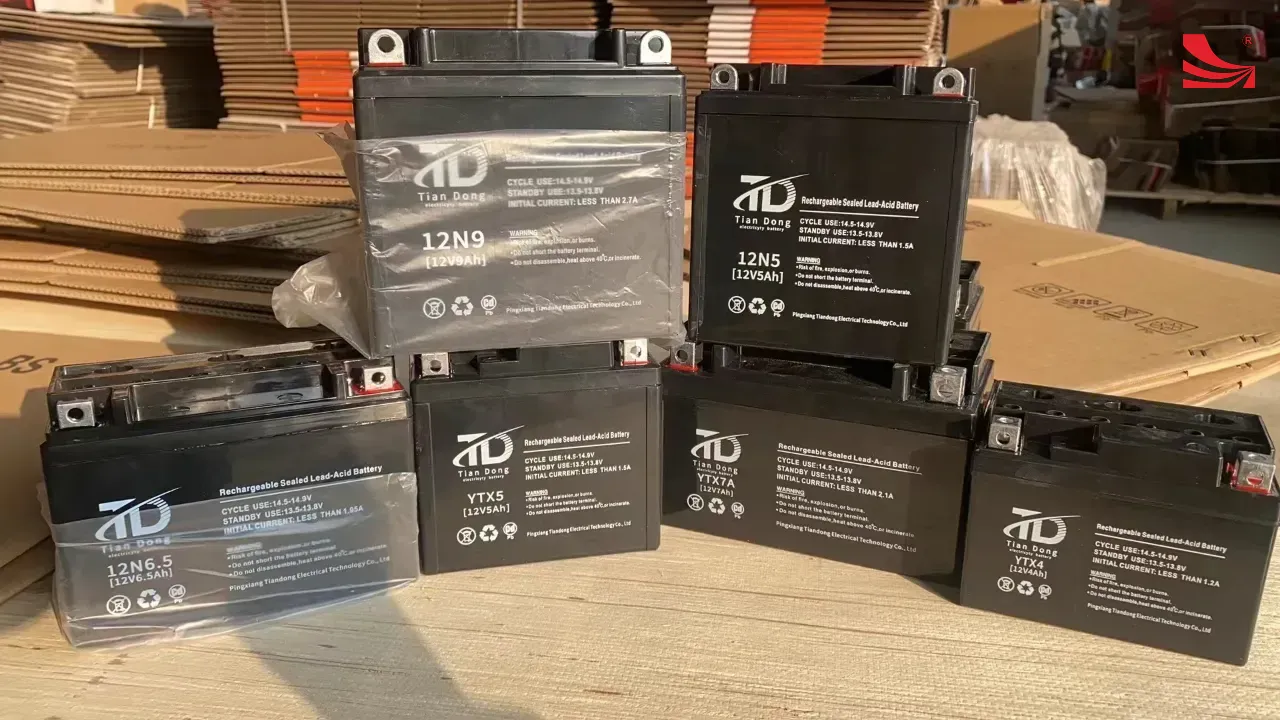
High Performance Motorcycle Batteries for Global Markets

Tiandong Electric Appliance Showcases High-Performance Motorcycle Batteries at Guangzhou Expo

What kind of battery is best for a motorcycle?

The Ultimate Guide to Electric Scooter Batteries: Performance, Longevity, and Future Innovations (2026 & Beyond)

The Ultimate 2026 Guide to Motorcycle Battery Types: Choose, Maintain, and Upgrade for Peak Performance
Product
Why does my motorcycle battery keep dying?
Common causes include:
-
Faulty charging system
-
Parasitic drain
-
Old battery
-
Improper storage
Do you offer OEM or custom branding?
Yes, we provide full OEM and ODM services, including logo printing, packaging customization, and model adjustments.
What is the most common motorcycle battery type?
AGM batteries are currently the most widely used due to their balance of cost and performance.
What causes motorcycle batteries to fail?
Common causes include over-discharging, extreme temperatures, poor charging systems, and low-quality manufacturing materials.
Support
What is Tiandong’s production capacity?
The company produces approximately 6 million batteries per year, supported by 15,000 tons of electrode plate production capacity.
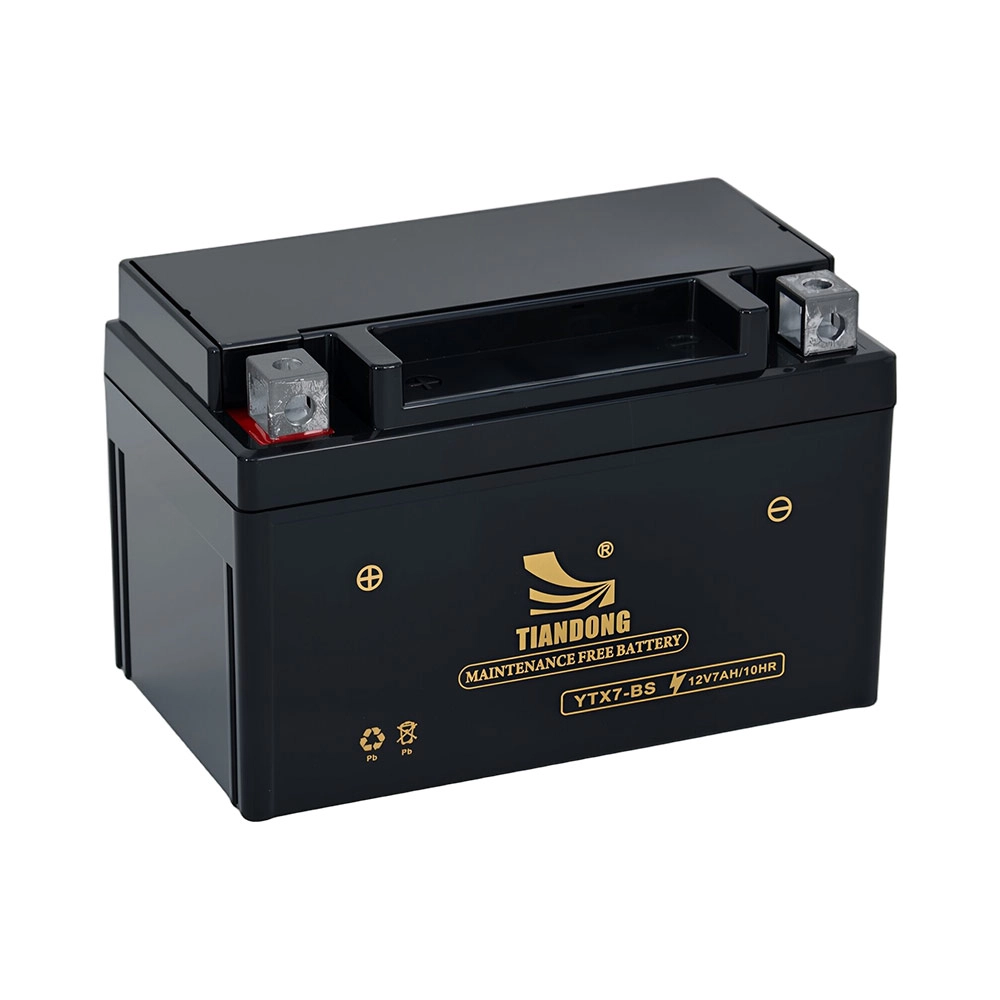
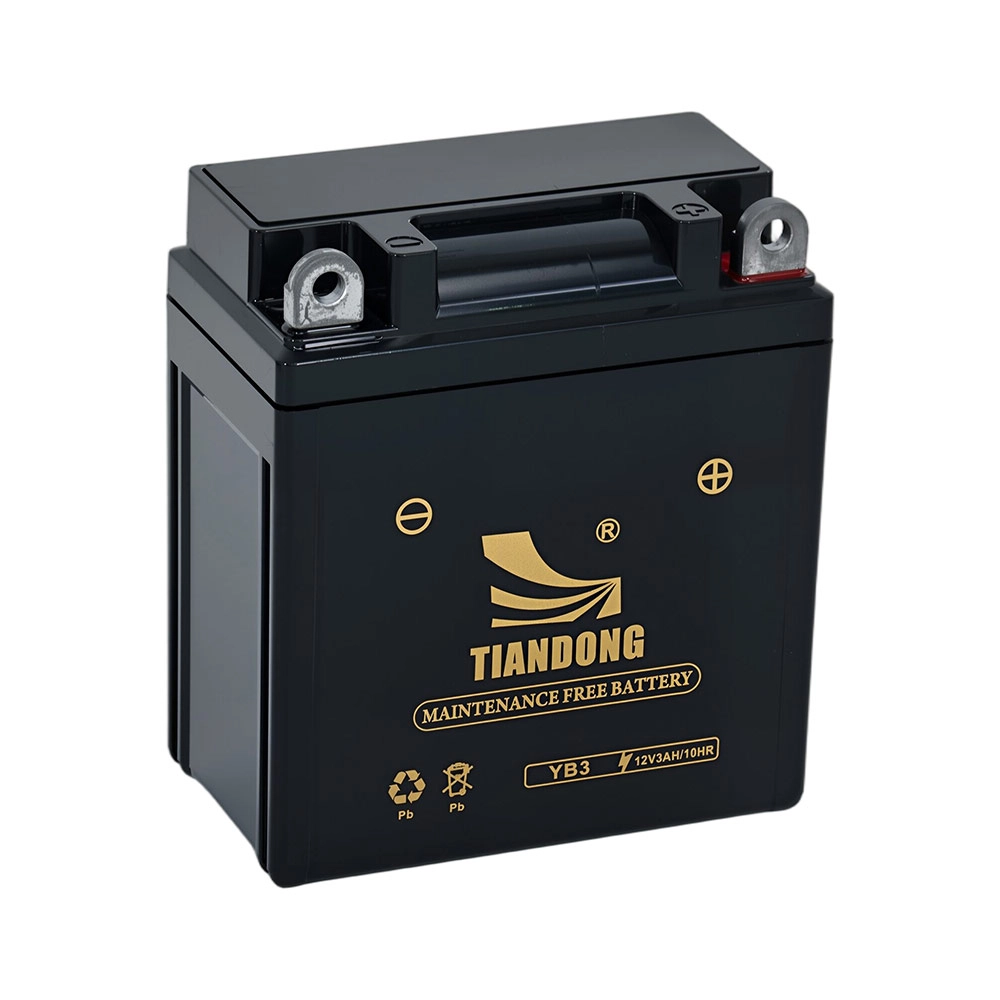
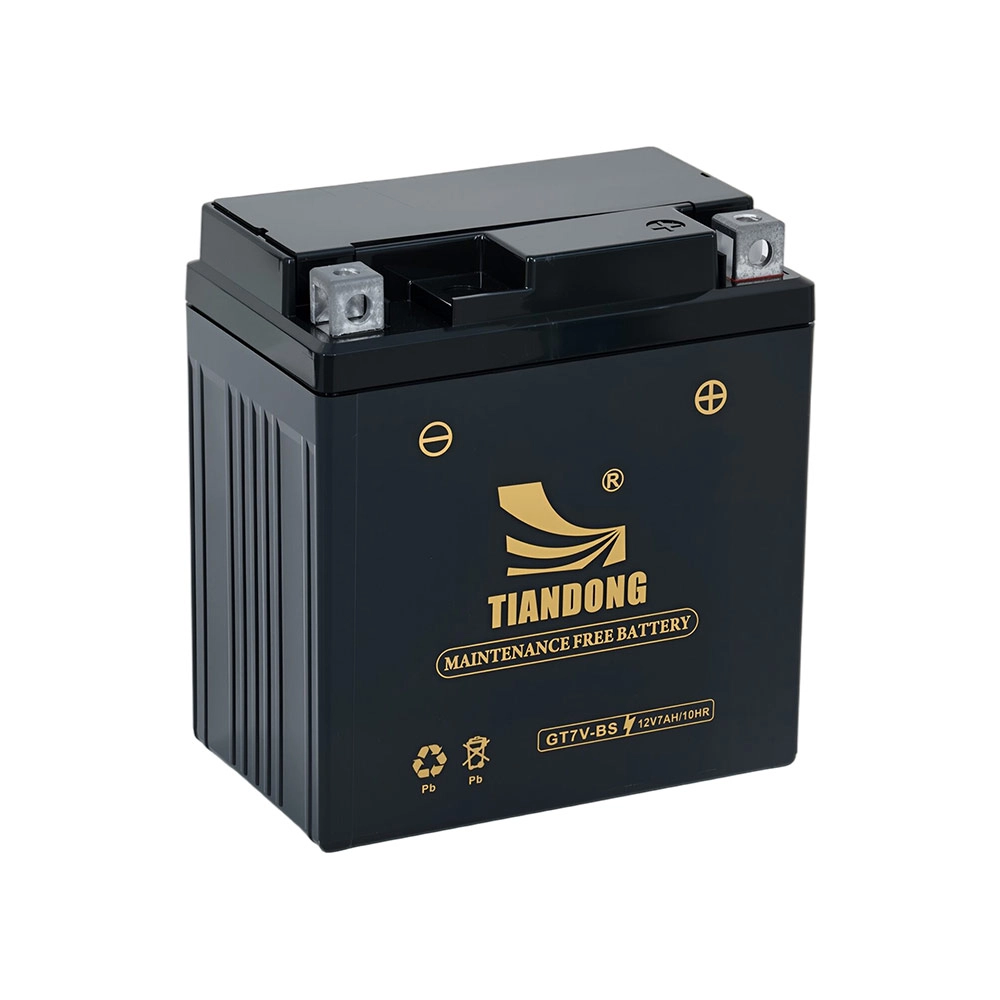
Get in touch with us to get your Motorbike Battery solution
TIANDONG is a leading motorcycle battery manufacturer offering OEM/ODM service, stable quality, and global export support.
Built for wholesalers. Trusted by global buyers. Delivered with confidence.
Say Hello
E-mail: daisybattery8@gmail.com
xianyingchen83@gmail. com
WhatsAPP: +86 134 283 86694
+86 134 348 86641
Our Location
Social Links
© 2025 TIANDONG. All Rights Reserved. Privacy Policy | Terms and Conditions | Sitemap
 Scan QR Code
Facebook
Instagram
Scan QR Code
Whatsapp: +8613434886641