






What size gel filled motorcycle battery fits my bike?
- Beyond basic dimensions, what specific electrical compatibility metrics like CCA and Ah are crucial when upgrading to a gel motorcycle battery for optimal performance?
- Do gel-filled motorcycle batteries require special charging techniques or a specific type of charger compared to conventional lead-acid batteries to prevent damage and extend their lifespan?
- How do gel motorcycle batteries perform in extreme cold weather conditions compared to AGM or conventional flooded batteries, and what are their typical lifespan expectations?
- What are the real-world advantages and disadvantages of choosing a gel motorcycle battery over an AGM or traditional flooded battery for my daily rider, considering cost and practical use?
- Is it possible to replace a standard flooded lead-acid or AGM motorcycle battery with a gel-filled equivalent without modifying my bike's electrical system, and what factors should I confirm before doing so?
- Many sources say gel batteries are 'maintenance-free,' but what does that truly mean for a motorcycle owner, and are there any subtle care tips to maximize their durability?
Finding the right power source for your motorcycle is crucial for reliable starts and peak electrical system performance. While many options exist, gel filled motorcycle battery technology stands out for its unique advantages. For riders looking to upgrade or replace their existing power unit, understanding the nuances of these advanced sealed motorcycle battery types is key. This guide tackles the most pressing questions beginners often have, providing in-depth answers to ensure you make an informed choice.
Beyond basic dimensions, what specific electrical compatibility metrics like CCA and Ah are crucial when upgrading to a gel motorcycle battery for optimal performance?
When considering what size gel filled motorcycle battery fits my bike?, it's about more than just physical fit. While the dimensions (Length x Width x Height) are paramount for placement in your battery tray, electrical specifications are equally, if not more, critical for optimal performance. You must match or exceed your motorcycle's original equipment manufacturer (OEM) specifications for:
- Voltage (V): Virtually all modern motorcycles use a 12-volt battery. Ensure your replacement is 12V. Using a different voltage would severely damage your bike's electrical system.
- Cold Cranking Amps (CCA): This metric represents the battery's ability to deliver current at low temperatures (typically 0°F or -18°C). A higher CCA rating means more starting power, which is vital for quick, reliable starts, especially in colder climates. While gel batteries might have slightly lower CCA values compared to equivalent-sized AGM batteries due to their higher internal resistance, a good quality gel-filled motorcycle battery will still meet or exceed your bike's minimum requirement. Always refer to your bike's owner's manual or current battery specifications for the recommended CCA. Failing to meet the minimum CCA can lead to hard starting or no-starts.
- Ampere-Hour (Ah): This indicates the battery's capacity – how much energy it can store and deliver over time. A higher Ah rating means the battery can power accessories for longer or withstand more starting attempts before needing a recharge. While matching the OEM Ah rating is generally sufficient, a slightly higher Ah can offer a bit more reserve capacity, particularly useful if you run additional accessories like heated grips, GPS, or auxiliary lights. Be careful not to go excessively high, as this can sometimes mean a physically larger battery.
Our battery sizing guide emphasizes checking all three specs. You can often find these details printed on your current battery, in your motorcycle's manual, or through online fitment guides specific to your make and model. Proper motorcycle battery compatibility is non-negotiable for reliable operation.
Do gel-filled motorcycle batteries require special charging techniques or a specific type of charger compared to conventional lead-acid batteries to prevent damage and extend their lifespan?
Yes, absolutely. This is one of the most critical aspects of owning a gel filled motorcycle battery and a common pain point for beginners. Gel batteries are highly sensitive to overcharging and specific charging voltages. Unlike conventional flooded lead-acid batteries or even AGM batteries, gel batteries require a charger with a specific gel setting or a smart charger that regulates voltage precisely.
Here’s why:
- Voltage Sensitivity: Gel batteries operate optimally within a narrower voltage range. They typically require a bulk charge voltage of around 14.1-14.4 volts, followed by a float charge of 13.5-13.8 volts. Overcharging, even slightly, can cause the gel electrolyte to dry out or create gas pockets within the gel, leading to permanent damage, reduced capacity, and a significantly shortened battery life expectancy. This process is irreversible.
- No Desulfation Mode: Many modern smart chargers have a desulfation mode designed for flooded or AGM batteries. This mode uses high-voltage pulses to break down sulfate crystals. Applying this to a gel battery can be extremely detrimental, causing overheating and damage to the gel.
Therefore, using a dedicated battery charger for gel batteries is highly recommended. Look for chargers explicitly stating compatibility with gel batteries, or intelligent chargers with a selectable gel mode. This ensures proper charging, maximizes the battery's lifespan, and safeguards your investment in a maintenance-free motorcycle battery.
How do gel motorcycle batteries perform in extreme cold weather conditions compared to AGM or conventional flooded batteries, and what are their typical lifespan expectations?
Cold weather battery performance is a major concern for many riders. While gel batteries perform well in a wide range of temperatures, there are nuances when compared to other battery types:
- Cold Weather Performance: Gel batteries, due to their immobilized electrolyte, offer good resistance to vibration and temperature extremes. However, their internal resistance can be slightly higher than AGM batteries. This means that while they will certainly start your bike in cold conditions, an equivalent-sized AGM battery might deliver a marginally stronger burst of CCA in truly extreme sub-zero temperatures. Flooded batteries typically struggle the most in severe cold due as the electrolyte thickens. For most riders in moderate to cold climates, a quality gel filled motorcycle battery provides perfectly adequate starting power.
- Lifespan Expectations: The battery life expectancy for a gel battery can be quite impressive, often ranging from 3 to 5 years, and sometimes longer with proper care. This is generally comparable to, or even exceeding, a well-maintained AGM battery, and significantly longer than most conventional flooded batteries. Key factors influencing lifespan include:
- Proper Charging: As discussed, using the correct charger and avoiding overcharging is paramount.
- Depth of Discharge: Avoiding deep discharges (draining the battery below 50% capacity repeatedly) will greatly extend its life. Gel batteries are more tolerant of deep cycles than flooded batteries, but consistent deep discharging still reduces overall cycles.
- Storage: Storing the battery fully charged in a cool, dry place and using a compatible float charger during off-season periods prevents self-discharge and sulfation.
- Temperature: While resistant to extremes, prolonged exposure to very high temperatures can accelerate degradation.
In summary, while AGM might have a slight edge in raw CCA in freezing conditions, gel batteries offer robust performance and excellent durability, often with a longer service life when cared for correctly.
What are the real-world advantages and disadvantages of choosing a gel motorcycle battery over an AGM or traditional flooded battery for my daily rider, considering cost and practical use?
Choosing between battery technologies involves weighing their pros and cons against your specific needs and riding style. Here's a breakdown comparing AGM vs. gel battery and traditional flooded options:
Advantages of Gel Batteries:
- Maintenance-Free: No need to check electrolyte levels or top up with distilled water. They are truly maintenance-free motorcycle battery units.
- Spill-Proof and Leak-Proof: The gelled electrolyte means there's no liquid acid to spill, making them safer to handle and mount in various positions without risk of acid damage to your bike's finish or components. This also makes them a highly desirable spill-proof battery.
- Vibration Resistance: The thick gel minimizes plate movement, making them highly resistant to vibration, which is a significant factor in motorcycle applications. This translates to a longer lifespan in harsh riding conditions, establishing them as a robust vibration resistant battery.
- Lower Self-Discharge Rate: They hold a charge longer when not in use compared to flooded batteries, which is beneficial for seasonal riders.
- Deep Cycle Capability: Gel batteries are generally more tolerant of deep discharges than flooded batteries, offering good deep cycle motorcycle battery characteristics, though not usually the primary purpose for a starter battery.
Disadvantages of Gel Batteries:
- Higher Cost: Gel batteries typically have a higher upfront cost than flooded or even some AGM batteries.
- Charging Sensitivity: As discussed, they require a specific charging profile and can be permanently damaged by incorrect chargers.
- Potentially Lower CCA: For the same physical size, an AGM battery might offer slightly higher CCA, especially in extreme cold.
- Slower Recharge Rate: The gel takes longer to absorb a charge compared to liquid electrolyte.
Practical Use: For a daily rider, a gel battery offers peace of mind with its maintenance-free, spill-proof, and vibration-resistant design. While the initial cost is higher, the extended lifespan and reduced hassle often justify the investment, making them an excellent lead-acid battery alternative. However, if you frequently ride in extremely harsh, sub-zero conditions and prioritize maximum instantaneous cranking power above all else, a high-quality AGM might have a slight edge.
Is it possible to replace a standard flooded lead-acid or AGM motorcycle battery with a gel-filled equivalent without modifying my bike's electrical system, and what factors should I confirm before doing so?
In most cases, yes, it is entirely possible to replace a standard flooded lead-acid or AGM motorcycle battery with a gel filled motorcycle battery without modifying your bike's electrical system. Modern motorcycles are designed with charging systems (alternator/stator and regulator/rectifier) that provide a regulated voltage suitable for 12V lead-acid battery types. However, there are crucial factors to confirm to ensure seamless motorcycle battery compatibility and prevent issues:
- Physical Dimensions: This is the first and most critical check. The new gel battery must fit perfectly into your battery box. Check the Length, Width, and Height (L x W x H) to ensure it clears all surrounding components, including the seat and fairings.
- Terminal Location and Type: Verify that the positive and negative terminals are in the correct positions (left or right side) and that the terminal type (e.g., bolt-through, nut-and-bolt) is compatible with your bike's existing cables. You don't want to stretch or modify cables.
- Voltage, CCA, and Ah Ratings: As detailed earlier, match or exceed your bike's OEM specifications for voltage (12V), Cold Cranking Amps (CCA), and Ampere-Hour (Ah) capacity. Using a battery sizing guide or your owner's manual for these specs is essential.
- Charging System Output Voltage: While most modern bike charging systems are compatible, it's a good practice to verify your motorcycle's regulator/rectifier output voltage. It should typically provide a maximum charging voltage between 14.1V and 14.7V. If your bike's system consistently charges at the very high end of this range (e.g., above 14.5V-14.7V), it might be slightly aggressive for a gel battery over the long term, which prefers a slightly lower top-end charging voltage (around 14.1-14.4V). However, most systems fall within an acceptable range. If you are uncertain, consult a qualified mechanic or refer to your bike's service manual.
As long as these factors align, you can confidently proceed with upgrading motorcycle battery to a gel-filled equivalent, enjoying its benefits without needing to alter your bike's wiring.
Many sources say gel batteries are 'maintenance-free,' but what does that truly mean for a motorcycle owner, and are there any subtle care tips to maximize their durability?
The term maintenance-free for a gel filled motorcycle battery is generally accurate but often misunderstood by new owners. It primarily means:
- No Electrolyte Checks or Topping Off: Unlike conventional flooded lead-acid batteries, you never need to check the electrolyte levels or add distilled water. The electrolyte is immobilized in a silica gel, so it doesn't evaporate or require replenishment. This makes them a true sealed motorcycle battery.
- No Acid Spills: The gelled design also eliminates the risk of acid spills during handling or if the battery case is damaged, contributing to their spill-proof battery reputation.
However, maintenance-free does not mean care-free. To truly maximize the battery life expectancy and durability of your gel battery, consider these subtle but crucial care tips:
- Use the Correct Charger: As emphasized, this is paramount. Invest in a smart charger with a gel setting or one that precisely regulates voltage (max 14.4V for bulk/absorption). Avoid standard automotive chargers that lack voltage regulation or have a desulfation mode.
- Avoid Deep Discharges: While gel batteries are more resilient to deep cycling than flooded batteries, consistently draining them below 50% capacity will shorten their overall life. If you have accessories that drain the battery when the engine is off, consider a battery monitor or disconnect them.
- Keep Terminals Clean and Tight: Periodically inspect the battery terminals for corrosion and ensure they are clean and securely fastened. Loose or corroded terminals impede current flow and can lead to charging issues.
- Proper Storage During Off-Season: If your motorcycle will be stored for an extended period, remove the battery (if accessible) and store it in a cool, dry place. Connect it to a compatible battery charger for gel batteries that provides a float charge to prevent self-discharge. Never store a discharged battery.
- Check Voltage Periodically: Even if you don't need to top up water, a voltmeter can be your best friend. Periodically checking the open-circuit voltage can give you an early indication of a battery going bad or a charging system issue. A fully charged 12V gel battery should read around 12.8V-13.0V.
By following these simple care tips, your maintenance-free motorcycle battery will provide many years of reliable service.
In conclusion, opting for a gel filled motorcycle battery offers significant advantages for the modern rider: enhanced safety with their spill-proof design, superior durability thanks to their vibration resistance, and the convenience of being truly maintenance-free from an electrolyte perspective. While they demand a specific charging protocol and might have a slightly higher upfront cost, their extended lifespan and robust performance make them a compelling choice for reliable power.
Ready to find the perfect gel-filled motorcycle battery for your ride? Contact us for a quote tailored to your needs. Visit www.tiandongbattery.com or email daisybattery8@gmail.com today!

Bulk Motorcycle Batteries Direct from Factory – Save Costs, Boost Profit
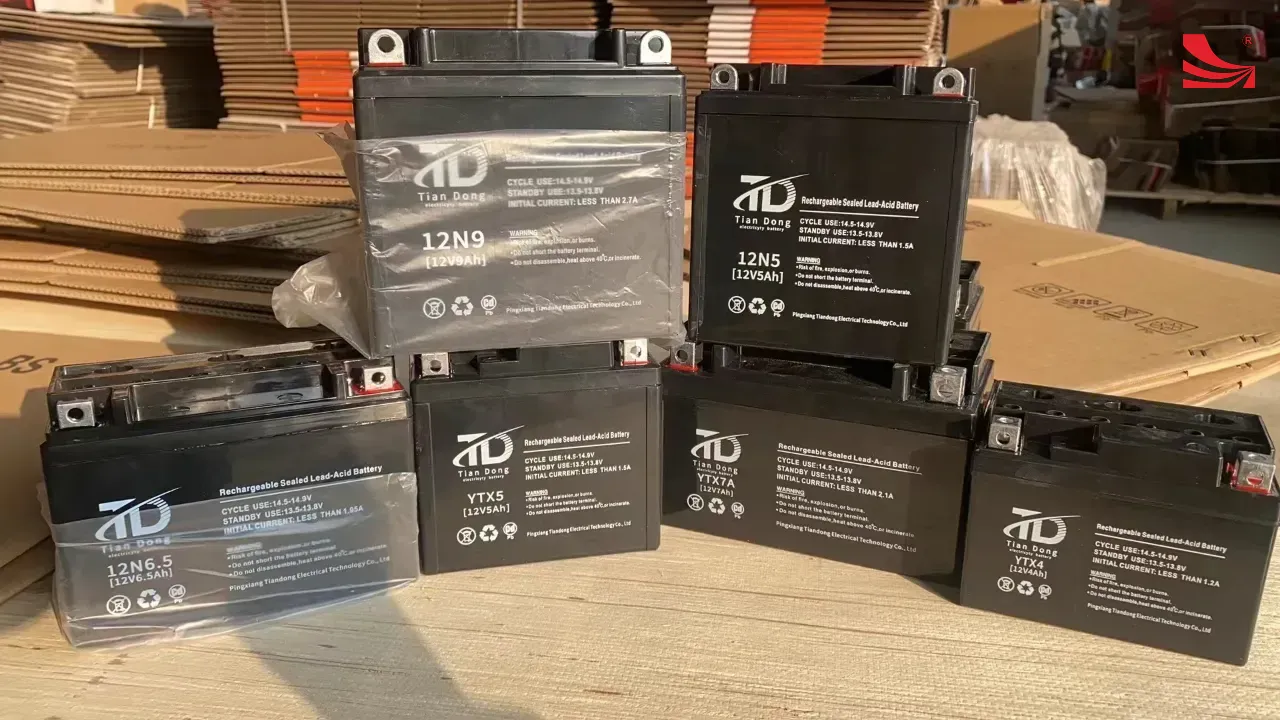
High Performance Motorcycle Batteries for Global Markets

Tiandong Electric Appliance Showcases High-Performance Motorcycle Batteries at Guangzhou Expo

What kind of battery is best for a motorcycle?

The Ultimate Guide to Electric Scooter Batteries: Performance, Longevity, and Future Innovations (2026 & Beyond)

The Ultimate 2026 Guide to Motorcycle Battery Types: Choose, Maintain, and Upgrade for Peak Performance
Product
Are your batteries maintenance-free?
Yes, our batteries are sealed VRLA or GEL types that require no water refilling. They are ready to use and easy to maintain.
Are you a trading company or a manufacturer?
We are a direct factory located inJiangxi Province, China. You are welcome to visit our production line and quality control lab. We specialize in lead-acid batteries for motorcycles and have been in this industry for 20 years.
Shipping
Which countries does Tiandong export to?
Tiandong batteries are exported to more than 20 countries, including Vietnam, India, Egypt, Thailand, and Indonesia.
How long does delivery take?
For stock items, delivery takes about 7-15 days after receiving the deposit. For bulk orders or custom logo orders, it usually takes 25-35 days depending on the quantity.
OEM/ODM
Is an OEM battery safe?
Authentic original equipment manufacturer (OEM) batteries undergo safety testing and certification. Counterfeit batteries do not, and therefore may not have the proper protection inside the cells to prevent overcharging and overheating, which can lead to serious injuries and damage from thermal runaway.
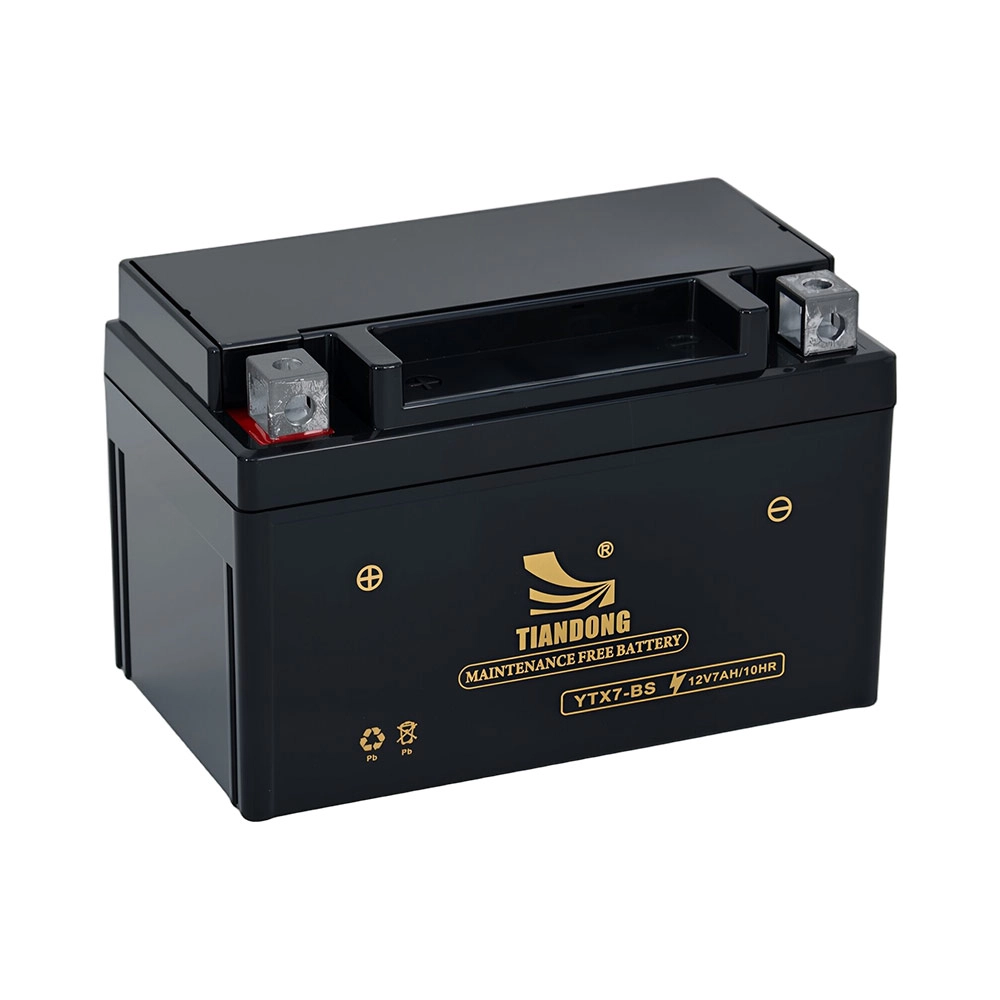
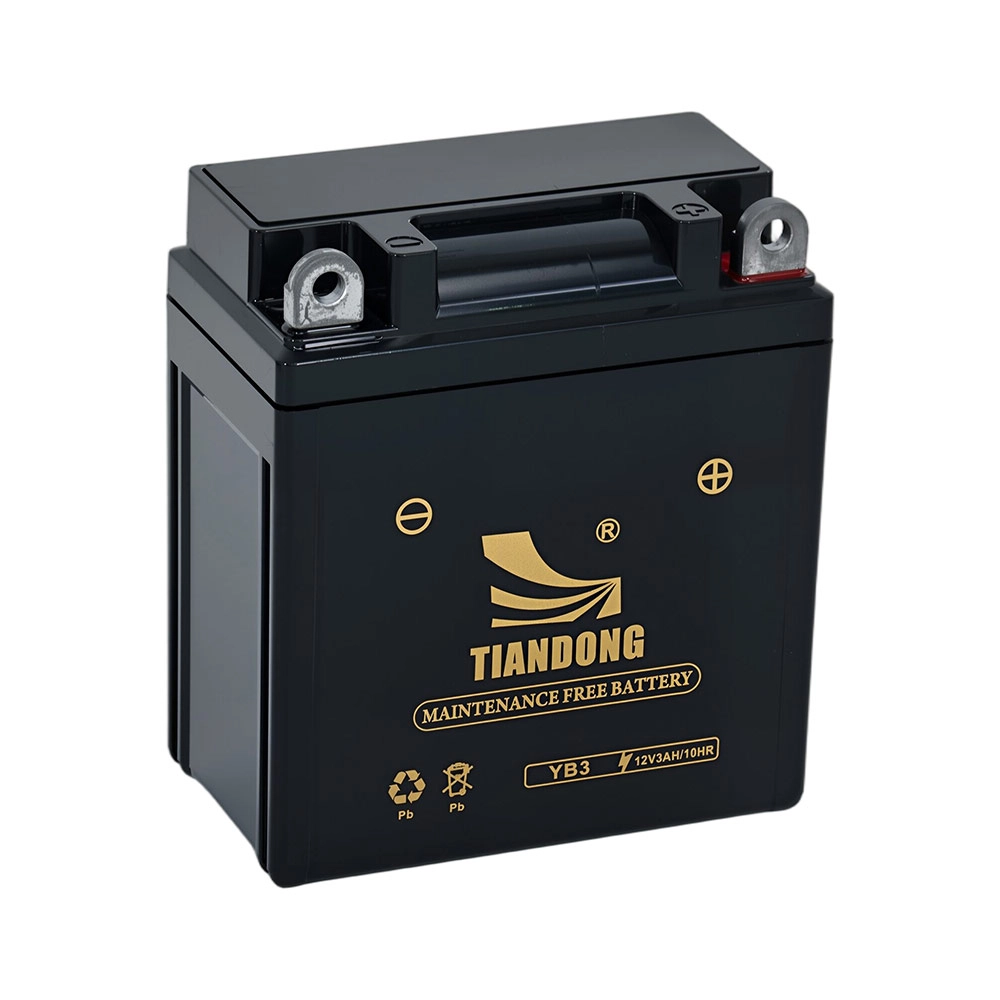
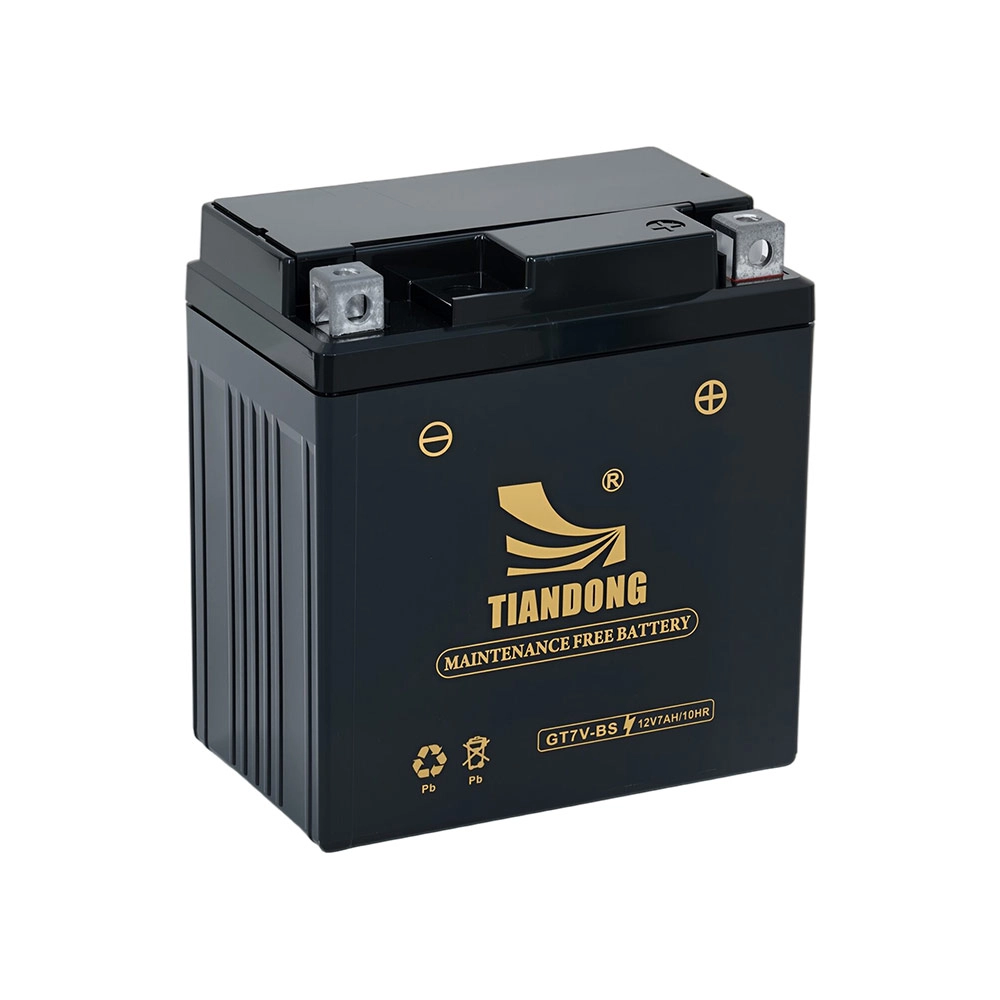
Get in touch with us to get your Motorbike Battery solution
TIANDONG is a leading motorcycle battery manufacturer offering OEM/ODM service, stable quality, and global export support.
Built for wholesalers. Trusted by global buyers. Delivered with confidence.
Say Hello
E-mail: daisybattery8@gmail.com
xianyingchen83@gmail. com
WhatsAPP: +86 134 283 86694
+86 134 348 86641
Our Location
Social Links
© 2025 TIANDONG. All Rights Reserved. Privacy Policy | Terms and Conditions | Sitemap
 Scan QR Code
Facebook
Instagram
Scan QR Code
Whatsapp: +8613434886641