






Can gel filled motorcycle batteries be used in scooters or ATVs?
- I've heard gel batteries are maintenance-free, but do they really require zero attention after installation, especially in extreme weather conditions?
- My conventional battery struggles in winter. Will a gel-filled motorcycle battery provide reliable starting power in sub-zero temperatures without significant capacity loss?
- I own a high-performance scooter/ATV with demanding electronics. Can a gel-filled motorcycle battery handle the increased power draw and vibrations without premature failure, or are there specific compatibility issues to watch for?
- Compared to traditional AGM or flooded batteries, what's the realistic lifespan expectation for a gel-filled motorcycle battery, and what specific charging practices can significantly extend its service life?
- Considering the higher upfront cost of a gel-filled motorcycle battery, what are the long-term cost benefits or potential drawbacks that justify the investment over a cheaper alternative?
- I've heard gel batteries require special chargers. Can I safely use my existing smart charger designed for AGM batteries, or do I absolutely need a dedicated gel-specific charger to avoid damaging the battery?
Gel-Filled Motorcycle Batteries: Your Guide for Bikes, Scooters & ATVs
As a motorcycle, scooter, or ATV owner, choosing the right battery is paramount for reliable performance and peace of mind. While various battery technologies exist, gel-filled motorcycle batteries have gained significant traction for their unique advantages. However, many beginners often have specific, critical questions that aren't adequately addressed by generic online information. This guide aims to provide expert, in-depth answers to those pain points, ensuring you make an informed decision when considering a gel battery for your ride.
I've heard gel batteries are maintenance-free, but do they really require zero attention after installation, especially in extreme weather conditions?
The term maintenance-free for gel-filled motorcycle batteries is a common point of confusion. It primarily refers to the fact that, unlike traditional flooded lead-acid batteries, you never need to check or top up the electrolyte levels. The sulfuric acid electrolyte in a gel battery is suspended in a thixotropic silica gel, which immobilizes it and prevents spills, evaporation, and gassing under normal operating conditions. This sealed, non-spillable battery design is a significant convenience.
However, zero attention is an oversimplification. While they don't require fluid checks, periodic inspection of the terminals for corrosion and ensuring they are tightly secured is still good practice. More importantly, proper charging is absolutely critical. Using an incompatible or unregulated charger can severely damage a gel battery by causing the gel to dry out, leading to irreversible capacity loss. In extreme weather, while their robust construction offers better resilience than flooded types, prolonged exposure to sub-zero temperatures will temporarily reduce their available capacity and cranking power, as is true for all lead-acid batteries. Similarly, extreme heat can accelerate internal degradation. So, while they are low-maintenance, they still benefit from a clean environment and, most importantly, the correct charging regimen to achieve their promised extended lifespan and maintain reliable starting power.
My conventional battery struggles in winter. Will a gel-filled motorcycle battery provide reliable starting power in sub-zero temperatures without significant capacity loss?
For riders experiencing winter starting woes, a gel-filled motorcycle battery can indeed offer a noticeable improvement over conventional flooded batteries. The immobilized electrolyte in a gel battery is less prone to freezing and offers better resistance to temperature extremes compared to liquid electrolytes. This contributes to more consistent performance in colder climates.
However, it's vital to understand that the laws of physics apply to all battery types. All lead-acid batteries, including gel batteries, experience a temporary reduction in both available capacity and Cold Cranking Amps (CCA) as temperatures drop. For example, a battery rated at 100% capacity at 25°C (77°F) might only deliver around 65% of its capacity at 0°C (32°F) and even less at sub-zero temperatures. While a gel battery will generally outperform a similarly sized flooded battery in these conditions, it won't be entirely immune to the cold's effects. For optimal cold weather performance, ensuring your power sports battery is fully charged before exposure to extreme cold and utilizing a compatible battery tender during prolonged winter storage are highly recommended practices. Their superior internal construction and electrolyte suspension make them a more dependable choice for year-round riders seeking enhanced cold-weather reliability.
I own a high-performance scooter/ATV with demanding electronics. Can a gel-filled motorcycle battery handle the increased power draw and vibrations without premature failure, or are there specific compatibility issues to watch for?
Yes, gel-filled motorcycle batteries are an outstanding choice for high-performance scooters and ATVs, particularly those equipped with demanding electronics or subjected to rough terrain and heavy vibrations. Their design inherently addresses the challenges posed by such applications.
The primary advantage here is their exceptional vibration resistance and enhanced durability. Because the electrolyte is a gel, it cannot slosh around or stratify, preventing damage to the internal plates from constant vibrations and shocks common in off-road ATV use or the often-bumpy rides of scooters. This significantly reduces the risk of internal short circuits and premature failure, which are common issues with flooded batteries in high-vibration environments. Furthermore, their sealed, non-spillable battery design allows for flexible, multi-angle mounting without leakage concerns, a crucial factor given the often-tight and uniquely shaped battery compartments in scooters and ATVs. Many gel batteries also possess good deep cycle battery characteristics, making them suitable for powering additional accessories without rapid degradation. When considering battery compatibility, always match the voltage (typically 12V), CCA (Cold Cranking Amps), and physical dimensions to your vehicle's specifications. Ensure your vehicle's charging system is regulated correctly, as consistent overcharging is particularly detrimental to gel batteries.
Compared to traditional AGM or flooded batteries, what's the realistic lifespan expectation for a gel-filled motorcycle battery, and what specific charging practices can significantly extend its service life?
When properly maintained, gel-filled motorcycle batteries typically offer a longer service life than traditional flooded lead-acid batteries and often compare favorably, or even exceed, the lifespan of AGM (Absorbent Glass Mat) batteries. A realistic extended lifespan for a well-cared-for gel battery can range from 3 to 5 years, and sometimes even longer, depending on usage patterns, charging habits, and environmental factors.
The key to maximizing their service life lies almost entirely in precise charging gel battery practices. Unlike flooded or even AGM batteries, gel batteries are highly sensitive to overcharging and high charging voltages. They require a lower, more consistent charging voltage (typically around 14.1-14.4V for a 12V battery) than AGM batteries (which often tolerate 14.4-14.8V or higher) or flooded types. Using a smart charger specifically designed with a gel setting or a voltage-regulated charger is absolutely crucial. Avoid rapid charging or chargers that do not properly regulate voltage, as this can cause the gel to dry out and create voids, leading to permanent capacity loss and premature failure. Regular trickle charging during periods of inactivity (e.g., winter storage) with a compatible battery tender also prevents sulfation, maintains optimal charge levels, and ensures reliable starting power when you need it most.
Considering the higher upfront cost of a gel-filled motorcycle battery, what are the long-term cost benefits or potential drawbacks that justify the investment over a cheaper alternative?
It's true that the initial purchase price of a gel-filled motorcycle battery is generally higher than conventional flooded batteries and often slightly more than AGM alternatives. However, when evaluating the total cost of ownership, the long-term benefits frequently justify this upfront investment.
The primary cost benefit stems from their extended lifespan and enhanced durability. Fewer replacements over time directly translate to savings. Their superior vibration resistance and non-spillable battery design significantly reduce the risk of internal damage and electrolyte leakage, which can lead to costly repairs or even damage to other motorcycle components. The maintenance-free aspect also saves you time and eliminates the recurring cost of distilled water. Furthermore, gel batteries have a lower self-discharge rate compared to flooded batteries, meaning they hold a charge longer during periods of inactivity. This reduces the need for constant recharging and helps prevent sulfation, further contributing to their longevity and reliability. The main potential drawback is their sensitivity to incorrect charging; a damaged gel battery due to using the wrong charger will negate its longevity benefits. However, for riders seeking a High Quality motorcycle battery that offers peace of mind, superior reliability, and reduced frequency of replacement, the long-term value proposition of a gel-filled motorcycle battery is compelling.
I've heard gel batteries require special chargers. Can I safely use my existing smart charger designed for AGM batteries, or do I absolutely need a dedicated gel-specific charger to avoid damaging the battery?
This is arguably the most critical question for new gel-filled motorcycle battery owners, as improper charging is the leading cause of premature failure. While some modern smart chargers claim compatibility with multiple battery types (flooded, AGM, gel), it is absolutely essential to verify if your existing charger has a specific gel charging mode or a voltage profile that is explicitly suitable for gel batteries.
Gel batteries require a lower and more precisely regulated charging voltage (typically 14.1-14.4V for a 12V battery) compared to AGM batteries, which often charge at a slightly higher voltage (e.g., 14.4-14.8V or even higher for some stages). Using an AGM-specific charger on a gel battery can lead to overcharging, causing the gel to dry out, creating irreversible voids, and permanently reducing the battery's capacity and lifespan. This process is often referred to as thermal runaway and is fatal to the battery. If your existing smart charger does not have a dedicated gel setting or a programmable voltage output that precisely matches the gel battery's requirements, investing in a dedicated gel battery charger or a multi-mode smart charger with a specific gel profile is not just recommended, but essential to ensure the longevity and optimal performance of your High Quality gel battery. This investment in the correct charging gel battery equipment will protect your battery and ensure you get the full benefit of its design.
In conclusion, gel-filled motorcycle batteries offer a compelling package of advantages, including superior vibration resistance, a non-spillable and maintenance-reduced design, improved cold-weather performance compared to flooded types, and a longer overall lifespan when properly charged. Their robust construction and consistent power delivery make them an excellent investment for motorcycles, scooters, and ATVs, especially for those with demanding electronics or riders seeking enhanced durability and reliability. By understanding their specific needs, particularly regarding charging, you can unlock the full potential of this advanced battery technology.
For a quote on high-quality gel-filled motorcycle batteries designed for peak performance and durability, please contact us today. Visit www.tiandongbattery.com or email us at daisybattery8@gmail.com.
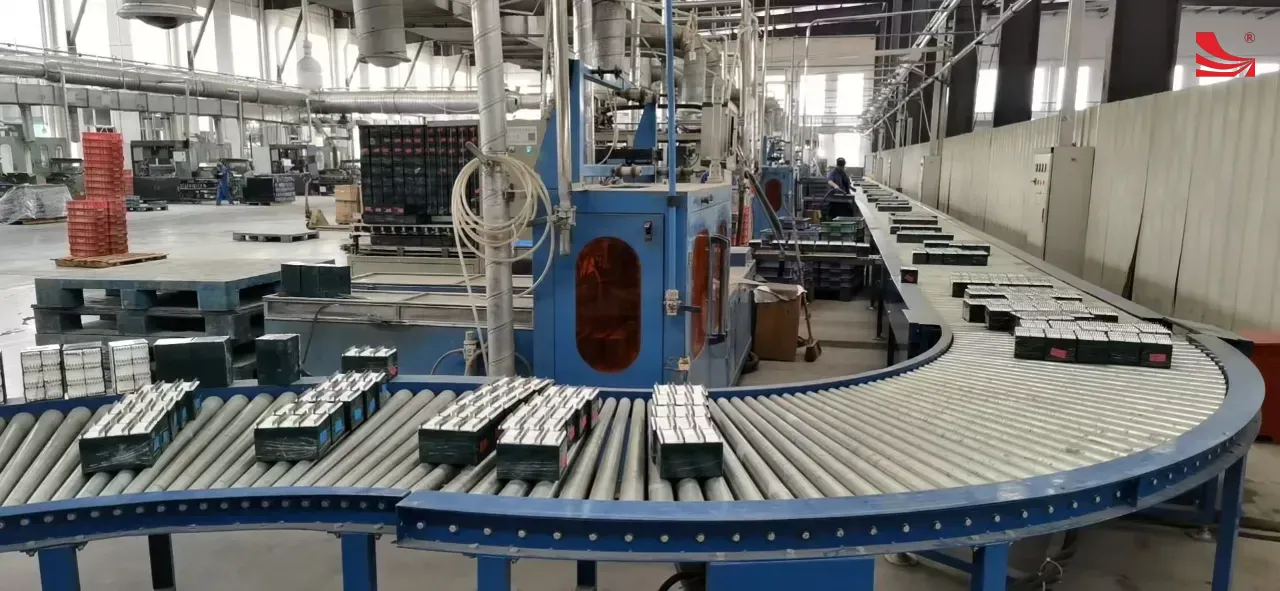
Looking for a Trusted Motorcycle Battery Supplier? Here’s What You Need to Know

Bulk Motorcycle Batteries Direct from Factory – Save Costs, Boost Profit
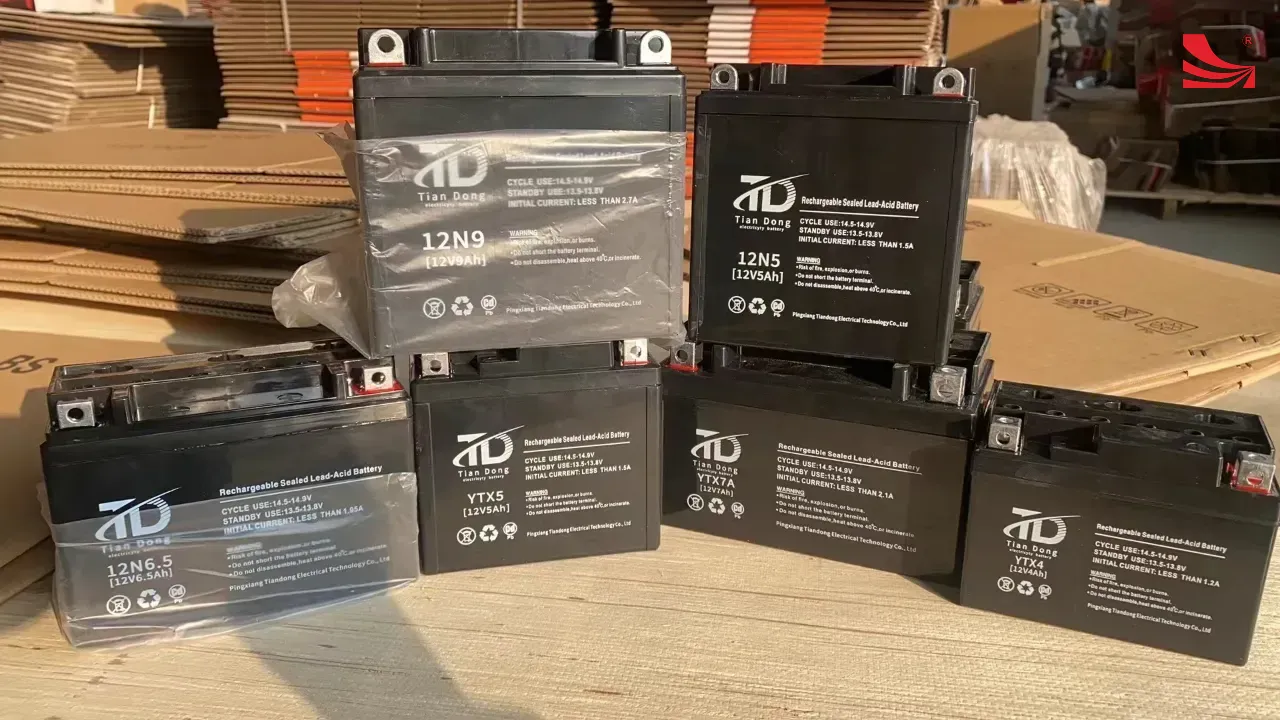
High Performance Motorcycle Batteries for Global Markets

Tiandong Electric Appliance Showcases High-Performance Motorcycle Batteries at Guangzhou Expo

What kind of battery is best for a motorcycle?

The Ultimate Guide to Electric Scooter Batteries: Performance, Longevity, and Future Innovations (2026 & Beyond)
customer
Why import motorcycle batteries from China factories?
Chinese manufacturers offer:
- Competitive pricing
- Large production capacity
- OEM customization
- Stable export experience
Product
Are your batteries maintenance-free?
Yes, our batteries are sealed VRLA or GEL types that require no water refilling. They are ready to use and easy to maintain.
What is the typical lifespan of your batteries?
Depending on the model and usage conditions, our batteries typically last between 2 to 4 years under normal operation.
Shipping
How long does delivery take?
For stock items, delivery takes about 7-15 days after receiving the deposit. For bulk orders or custom logo orders, it usually takes 25-35 days depending on the quantity.
Which countries does Tiandong export to?
Tiandong batteries are exported to more than 20 countries, including Vietnam, India, Egypt, Thailand, and Indonesia.
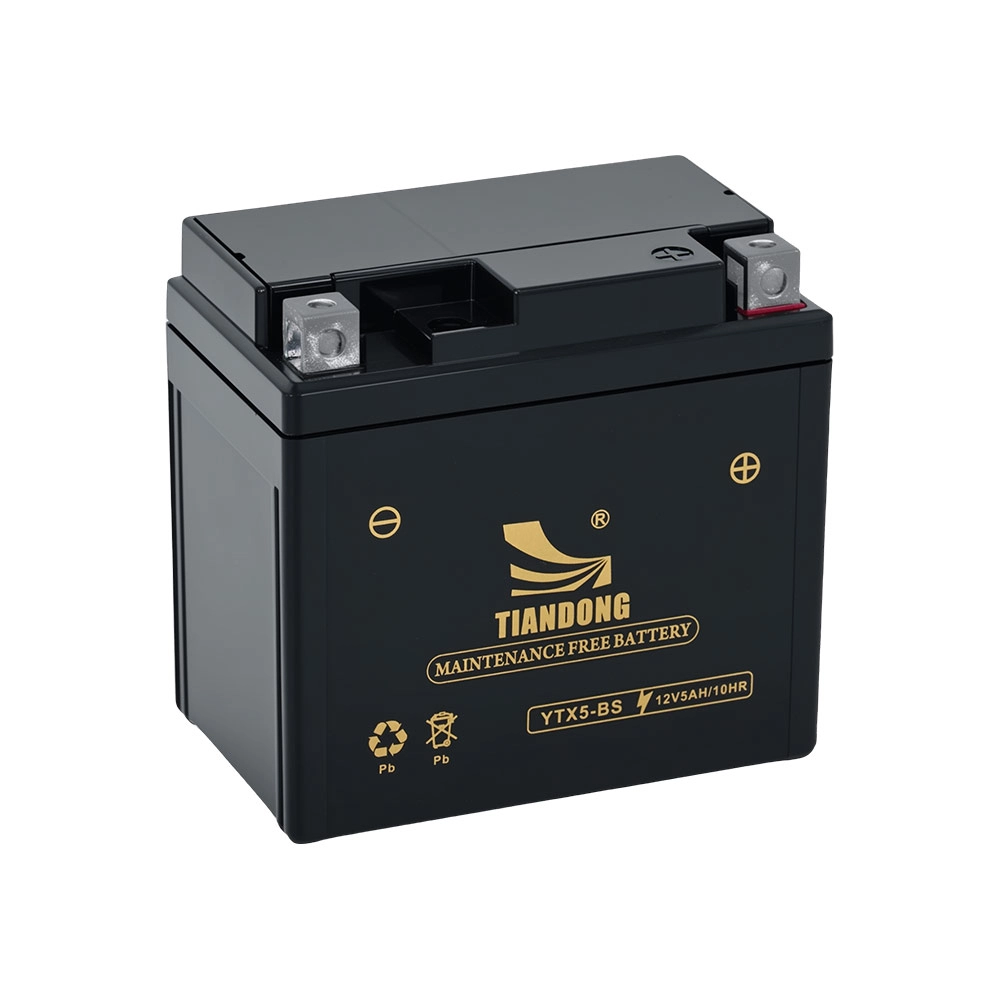
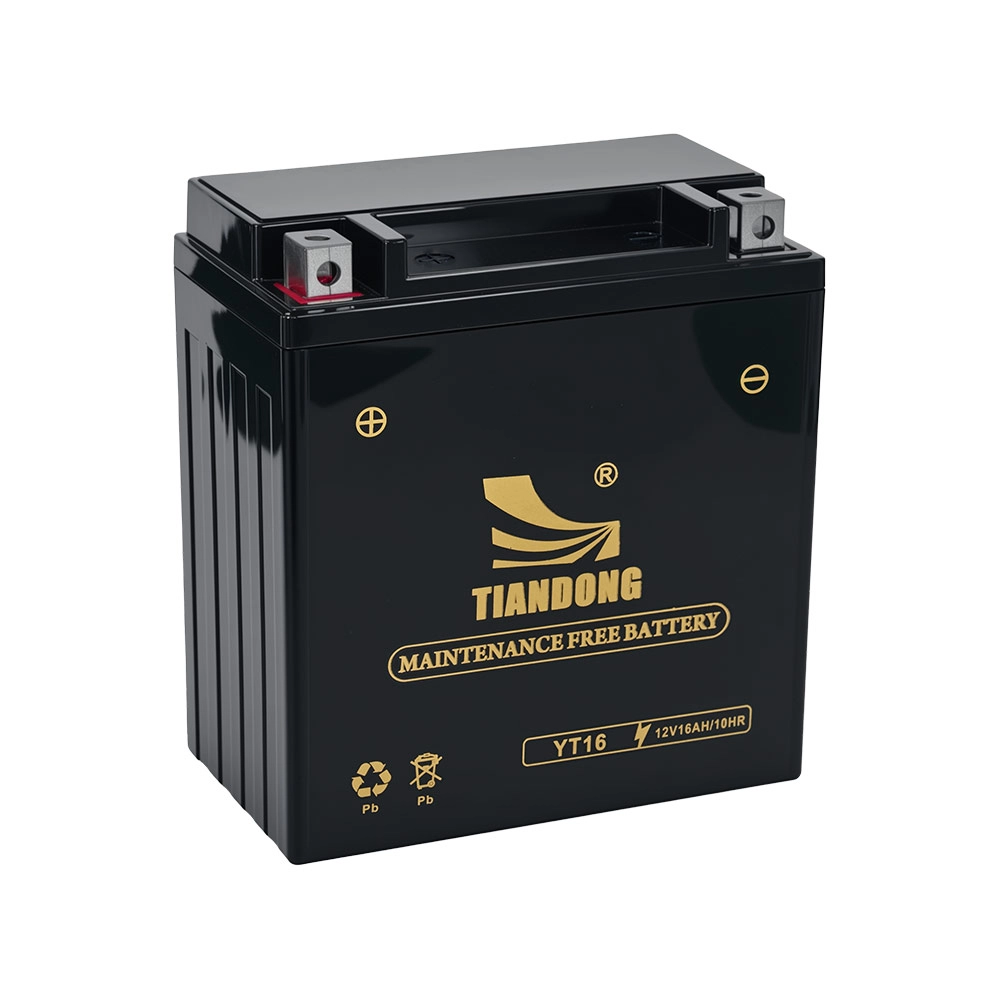
Get in touch with us to get your Motorbike Battery solution
TIANDONG is a leading motorcycle battery manufacturer offering OEM/ODM service, stable quality, and global export support.
Built for wholesalers. Trusted by global buyers. Delivered with confidence.
Say Hello
E-mail: daisybattery8@gmail.com
xianyingchen83@gmail. com
WhatsAPP: +86 134 283 86694
+86 134 348 86641
Our Location
Social Links
© 2025 TIANDONG. All Rights Reserved. Privacy Policy | Terms and Conditions | Sitemap
 Scan QR Code
Facebook
Instagram
Scan QR Code
Whatsapp: +8613434886641