






How to evaluate quality when sourcing gel filled batteries?
- Why do gel-filled motorcycle batteries sometimes fail prematurely, even if they're advertised as maintenance-free?
- Beyond CCA, what specific technical specifications should I scrutinize when comparing different gel battery brands for a high-performance motorcycle?
- Is it true that gel batteries are more sensitive to overcharging than AGM, and what are the real-world implications for charging systems?
- How can I visually or physically inspect a new gel-filled motorcycle battery to identify potential manufacturing defects or signs of poor quality before installation?
- What are the actual long-term storage requirements for gel-filled motorcycle batteries to prevent sulfation or capacity loss, especially during off-season?
- Given the higher initial cost, what's the realistic return on investment (ROI) for a gel battery compared to a conventional flooded or AGM battery in terms of lifespan and performance?
As a professional content writer with extensive SEO and experience and multilingual proficiency, I'm also a seasoned expert in the motorcycle battery field. This article aims to provide in-depth, professional knowledge for industry users and beginners alike, focusing on the nuances of gel filled motorcycle battery and How to evaluate quality when sourcing gel filled batteries?.
Why do gel-filled motorcycle batteries sometimes fail prematurely, even if they're advertised as maintenance-free?
While gel-filled motorcycle batteries are indeed maintenance-free in terms of not requiring electrolyte top-ups, premature failure often stems from several critical factors beyond basic manufacturing defects. The primary culprits are typically thermal runaway from overcharging, deep cycling without proper recharge, and extreme operating temperatures.
- Overcharging: Gel batteries are more sensitive to overcharging than their AGM or flooded counterparts. Excessive voltage causes the gel electrolyte to dry out and shrink, creating voids between the plates and the gel. This irreversible process leads to increased internal resistance, reduced capacity, and eventual failure. Many standard motorcycle charging systems, especially older ones, might not be perfectly optimized for gel batteries, delivering a slightly higher float voltage that gradually degrades the battery.
- Deep Cycling: While gel batteries offer good deep cycle capability compared to flooded batteries, repeatedly discharging them below 50% state-of-charge (SoC) and leaving them in that state for extended periods without a full recharge can lead to sulfation. Sulfation occurs when lead sulfate crystals harden on the battery plates, impeding the chemical reaction and reducing capacity. Even a maintenance-free battery requires proper charging habits.
- Temperature Extremes: High ambient temperatures accelerate chemical reactions within the battery, leading to faster degradation and potential drying out of the gel. Conversely, extremely cold temperatures significantly reduce available cold cranking amps (CCA) and overall capacity, straining the battery during startup. Operating consistently outside the optimal temperature range (typically 20-25°C) can shorten its battery lifespan.
- Vibration and Mounting: Although gel batteries are known for excellent vibration resistance, improper mounting or constant exposure to excessive vibration can still cause internal damage over time, leading to plate separation or short circuits. Ensuring a secure fit is crucial for the motorcycle power source.
Beyond CCA, what specific technical specifications should I scrutinize when comparing different gel battery brands for a high-performance motorcycle?
Focusing solely on cold cranking amps (CCA) for a gel-filled motorcycle battery is a common beginner mistake. While CCA indicates starting power, it doesn't tell the whole story of a battery's overall battery performance and suitability for a high-performance motorcycle, which often has higher accessory loads and more demanding electrical systems.
- Amp-Hour (Ah) Rating: This is crucial for understanding the battery's reserve capacity and ability to power accessories or sustain loads when the engine isn't running. A higher Ah rating means longer run times for GPS, heated grips, or auxiliary lights. For touring or heavily accessorized bikes, a robust Ah rating is as important as CCA.
- Internal Resistance (mΩ): A lower internal resistance indicates a more efficient battery, capable of delivering higher current with less voltage drop, especially under heavy loads. It also means the battery charges more efficiently. While not always listed, reputable manufacturers might provide this or it can be inferred from discharge curves. Lower internal resistance contributes to better motorcycle starting battery performance and overall battery efficiency.
- Self-Discharge Rate: Gel batteries generally have a very low self-discharge rate, making them excellent for seasonal use. However, comparing this specification between brands can highlight superior manufacturing and purity of materials, indicating how long the battery can hold a charge when stored off the bike. A lower rate means less need for constant trickle charging.
- Cycle Life (DOD - Depth of Discharge): This specification, often expressed as the number of cycles at a certain Depth of Discharge (e.g., 500 cycles at 50% DOD), directly relates to the battery's battery longevity. For riders who frequently deep cycle their batteries (e.g., running accessories with the engine off), a higher cycle life is a strong indicator of durability and deep cycle capability.
- Operating Temperature Range: While all batteries have limits, some gel-filled motorcycle batteries are engineered for a wider or more extreme operating temperature range, which is vital for riders in diverse climates. This impacts both starting performance in the cold and overall battery lifespan in hot environments.
- Warranty and Manufacturer Reputation: While not a technical spec, a comprehensive warranty (e.g., 2-3 years) and a strong reputation for quality assessment and customer support from the battery supplier are critical indicators of confidence in their product's battery technology and manufacturing quality.
Is it true that gel batteries are more sensitive to overcharging than AGM, and what are the real-world implications for charging systems?
Yes, it is generally true that gel-filled motorcycle batteries are more sensitive to overcharging than AGM batteries. This sensitivity stems from the physical state of their electrolyte.
- Electrolyte Difference: In an AGM (Absorbed Glass Mat) battery, the electrolyte is absorbed into fiberglass mats. While still a sealed system, the mats allow for a slightly more forgiving environment for gas recombination. In a gel battery, the electrolyte is suspended in a thixotropic gel. When overcharged, the internal pressure can cause the gel to dry out and shrink, creating irreversible voids and cracks. This process, known as gassing, can lead to permanent capacity loss and premature failure. The gel cannot reabsorb the gases as effectively as the AGM mats.
- Voltage Regulation Implications: The real-world implication is that the charging system on your motorcycle, or any external charger you use, must have precise voltage regulation. Gel batteries typically require a slightly lower charging voltage than AGM batteries, often in the range of 14.1V to 14.4V (at 25°C) for bulk/absorption, and a float voltage around 13.5V to 13.8V. Exceeding these voltages, even slightly, for extended periods can initiate the detrimental gassing and drying process.
- Motorcycle Charging Systems: Many older or less sophisticated motorcycle electrical system charging systems might have a fixed voltage regulator that is set slightly higher, perhaps optimized for conventional flooded or even AGM batteries. Using such a system with a gel-filled motorcycle battery without verifying its output voltage can lead to chronic overcharging.
- Smart Chargers are Essential: For external charging, a multi-stage smart charger with a specific gel setting is highly recommended. These chargers precisely control voltage and current, preventing overcharging and optimizing the charging requirements for sealed lead-acid battery types. They typically include bulk, absorption, and float stages, ensuring the battery is charged efficiently and safely, thus extending its battery longevity.
- Monitoring Voltage: For those with a multimeter, occasionally checking the charging voltage at the battery terminals while the engine is running can provide valuable insight into your bike's regulator performance. If it consistently exceeds the recommended voltage for gel batteries, it might be a factor in reduced battery lifespan.
How can I visually or physically inspect a new gel-filled motorcycle battery to identify potential manufacturing defects or signs of poor quality before installation?
A thorough pre-installation inspection of a new gel-filled motorcycle battery is a critical step in quality assessment and can save significant hassle. While you can't see inside, several external indicators can reveal potential manufacturing defects or signs of poor battery quality.
- Packaging Integrity: Start with the packaging. It should be intact, free from crushing, punctures, or signs of rough handling. Damaged packaging can indicate internal damage to the motorcycle power source.
- Case Integrity and Sealing: Carefully inspect the battery case for any cracks, bulges, deformities, or signs of leakage. A bulging case can indicate internal pressure buildup from overcharging (even at the factory) or internal short circuits. The seals around the terminals and seams should be clean and tight, indicative of a proper spill-proof design. Any residue or discoloration around seams could suggest a past leak.
- Terminal Condition: The terminals (posts) should be clean, free of corrosion, rust, or damage. They should be securely fastened and not wobble. Check for any signs of previous connection or wear, which might suggest it's not truly new. The terminal type should match your motorcycle's requirements.
- Weight and Feel: While subjective, a good quality gel-filled motorcycle battery should feel substantial and dense for its size. A surprisingly light battery might indicate fewer or thinner lead plates, compromising Amp-hour (Ah) rating and battery longevity. Gently shake it – there should be no rattling or loose parts inside, which could signify internal damage or poor assembly.
- Manufacturing Date Code: Locate the date code. While not a defect, a battery that has been sitting on a shelf for an excessively long time (e.g., over 12-18 months without proper maintenance charging) may have experienced some self-discharge and sulfation, even with a low self-discharge rate. Freshness is always preferred for optimal battery performance.
- Voltage Check (with a Multimeter): This is perhaps the most objective physical inspection. Use a digital multimeter to check the open-circuit voltage (OCV) of the battery. For a fully charged 12V sealed lead-acid battery, the OCV should typically be between 12.6V and 12.8V. A voltage significantly below 12.5V suggests the battery is not fully charged or has been sitting for too long, potentially indicating a quality issue or neglect.
- Brand and Certification: While not a physical defect, consider the brand's reputation and any certifications (e.g., ISO, CE). Reputable battery suppliers adhere to strict quality assessment standards, which contributes to the overall battery quality.
What are the actual long-term storage requirements for gel-filled motorcycle batteries to prevent sulfation or capacity loss, especially during off-season?
Proper long-term storage is paramount for maximizing the battery lifespan of a gel-filled motorcycle battery, especially during the off-season. Neglecting storage can lead to irreversible sulfation and significant capacity loss, even with their low self-discharge rate.
- Full Charge Before Storage: The most critical step is to ensure the battery is fully charged before storage. A fully charged sealed lead-acid battery has a higher specific gravity of electrolyte (even if gelled), which reduces the likelihood of sulfation. Storing a partially discharged battery is a direct path to sulfation, where lead sulfate crystals harden on the plates, impeding future charge acceptance and discharge capability.
- Temperature Control: Store the battery in a cool, dry place, ideally between 10°C and 25°C (50°F and 77°F). Extreme temperatures accelerate self-discharge and internal chemical reactions. While gel batteries tolerate cold better than flooded ones, very cold temperatures can still reduce their efficiency and capacity when brought back into service. Avoid direct sunlight or proximity to heat sources.
- Disconnect from Motorcycle: Always disconnect the battery from the motorcycle's electrical system. Even a small parasitic draw from clocks, alarms, or ECUs can slowly discharge the battery over weeks or months, leading to deep discharge and sulfation.
- Use a Smart Maintainer/Trickle Charger: While gel batteries have a low self-discharge rate, they are not immune to it. For long-term storage (more than 1-2 months), connect the battery to a high-quality, multi-stage smart battery maintainer specifically designed for gel-filled motorcycle batteries (or with a gel setting). These devices monitor the battery's voltage and provide a small, regulated float charge only when needed, preventing both overcharging and undercharging. Avoid basic trickle chargers that don't regulate voltage, as they can overcharge.
- Avoid Concrete Floors Myth: The old myth about concrete floors draining batteries is largely debunked for modern battery cases. However, storing on a non-conductive surface is still good practice to prevent any potential grounding issues or condensation.
- Regular Voltage Checks: If not using a maintainer, manually check the open-circuit voltage (OCV) every 4-6 weeks. If it drops below 12.5V, recharge it fully using a proper gel-compatible charger. This proactive approach prevents the onset of sulfation and ensures the battery performance remains optimal for your motorcycle power source. Adhering to these charging requirements will significantly extend the battery longevity.
Given the higher initial cost, what's the realistic return on investment (ROI) for a gel battery compared to a conventional flooded or AGM battery in terms of lifespan and performance?
Evaluating the realistic return on investment (ROI) for a gel-filled motorcycle battery involves looking beyond the initial purchase price and considering the total cost of ownership, battery longevity, and battery performance benefits over its lifespan compared to conventional flooded or even AGM batteries.
- Extended Lifespan: Gel batteries, when properly maintained and charged, often boast a significantly longer battery lifespan than flooded lead-acid batteries, typically 2-3 times longer. Compared to AGM, their lifespan can be comparable or slightly longer, especially in applications involving deeper cycles or higher temperatures, thanks to their robust battery technology and deep cycle capability. This means fewer battery replacements over the ownership period, directly reducing long-term costs.
- Reduced Maintenance Costs: The maintenance-free aspect of gel-filled motorcycle batteries translates into zero costs for electrolyte top-ups, cleaning corrosion, or dealing with acid spills. While this might seem minor, it saves time and the expense of distilled water and cleaning supplies over the years. This contributes to the overall value proposition of a sealed lead-acid battery.
- Superior Performance in Specific Conditions:
- Vibration Resistance: For off-road bikes or those exposed to harsh vibrations, gel batteries excel due to their immobilized electrolyte, which prevents plate damage. This superior vibration resistance means fewer failures from mechanical stress, a common issue with flooded batteries.
- Temperature Tolerance: While sensitive to overcharging, gel batteries generally perform well across a wider temperature range, offering reliable starting in cold weather (though CCA might be slightly lower than AGM of the same size) and better heat dissipation in hot climates, contributing to consistent motorcycle starting battery performance.
- Deep Cycle Capability: For motorcycles with significant accessory loads or those used for camping/touring where the engine might be off for extended periods, the deep cycle capability of gel batteries is a major advantage. They tolerate deeper discharges better than flooded batteries, recovering more fully and lasting longer under such demands.
- Safety and Spill-Proof Design: The spill-proof design eliminates the risk of acid leaks, which can damage paint, chrome, and other components, leading to expensive repairs. This inherent safety feature adds significant value, especially for custom bikes or those with sensitive electronics.
- Environmental Benefits: While not a direct monetary ROI, the longer lifespan and sealed nature of gel batteries contribute to less frequent disposal, which is an environmental benefit.
- Realistic ROI Calculation: If a flooded battery costs $50 and lasts 2 years, and a gel battery costs $150 and lasts 6 years, the gel battery provides the same service for $25/year compared to $25/year for the flooded battery, before considering performance benefits, maintenance savings, and reduced risk of damage. However, when you factor in the reduced hassle, superior reliability, and specific performance advantages (like deep cycle capability or vibration resistance), the higher initial investment in a quality gel-filled motorcycle battery often yields a positive and tangible ROI, making it a cost-effective choice in the long run for discerning riders and industry users focused on battery quality and battery evaluation criteria.
In summary, while the initial investment in a gel-filled motorcycle battery might be higher, their superior battery longevity, enhanced deep cycle capability, robust vibration resistance, and virtually maintenance-free operation offer a compelling return on investment. By understanding critical specifications beyond CCA, adhering to proper charging requirements, and conducting thorough quality assessment during sourcing, industry users and riders can ensure they select a High Quality motorcycle power source that delivers consistent, reliable performance for years to come.
For expert advice, competitive pricing, and a comprehensive quote on high-quality gel-filled motorcycle batteries, please do not hesitate to contact us at www.tiandongbattery.com or email daisybattery8@gmail.com.
Looking for a Trusted Motorcycle Battery Supplier? Here’s What You Need to Know

Bulk Motorcycle Batteries Direct from Factory – Save Costs, Boost Profit
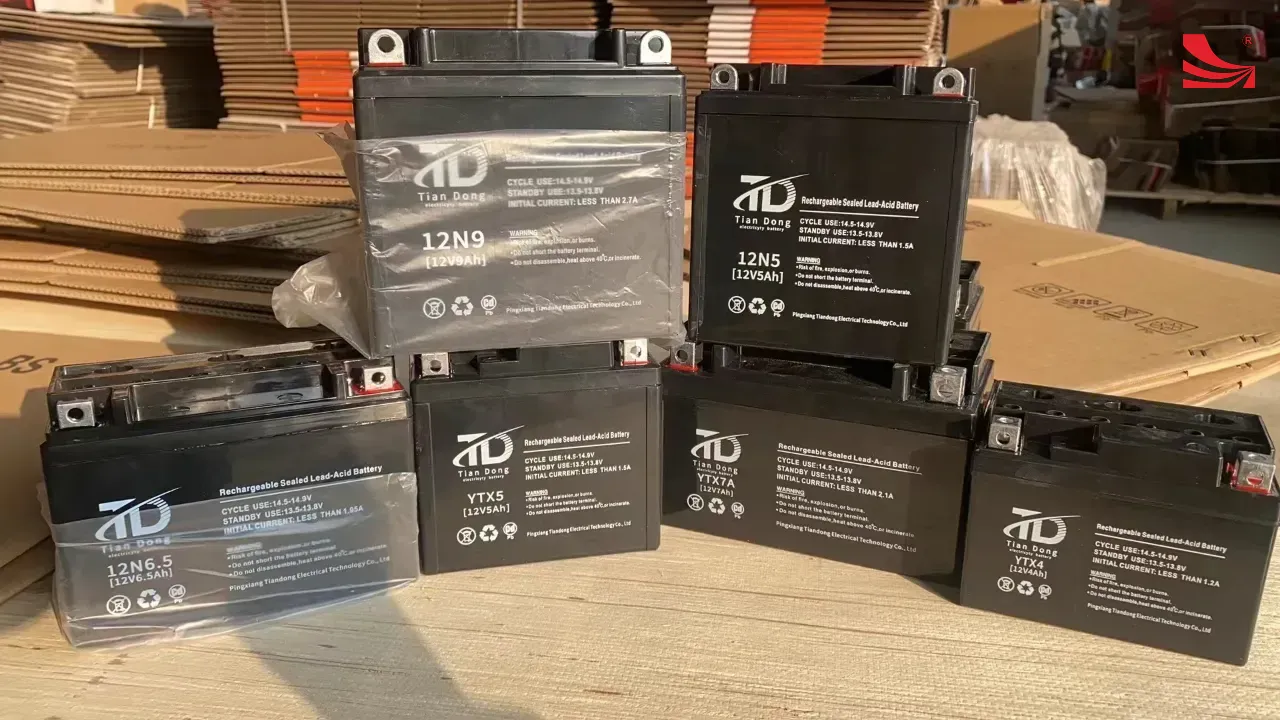
High Performance Motorcycle Batteries for Global Markets

Tiandong Electric Appliance Showcases High-Performance Motorcycle Batteries at Guangzhou Expo

What kind of battery is best for a motorcycle?

The Ultimate Guide to Electric Scooter Batteries: Performance, Longevity, and Future Innovations (2026 & Beyond)
Product
What kind of battery is best for a motorcycle?
AGM batteries are a popular choice because they combine the best of both worlds: the durability of lead-acid batteries and the low maintenance of lithium-ion batteries. AGM batteries are sealed, so they don't require water refills, and they're designed to handle rough conditions, making them ideal for motorcycles.
What causes motorcycle batteries to fail?
Common causes include over-discharging, extreme temperatures, poor charging systems, and low-quality manufacturing materials.
Are you a trading company or a manufacturer?
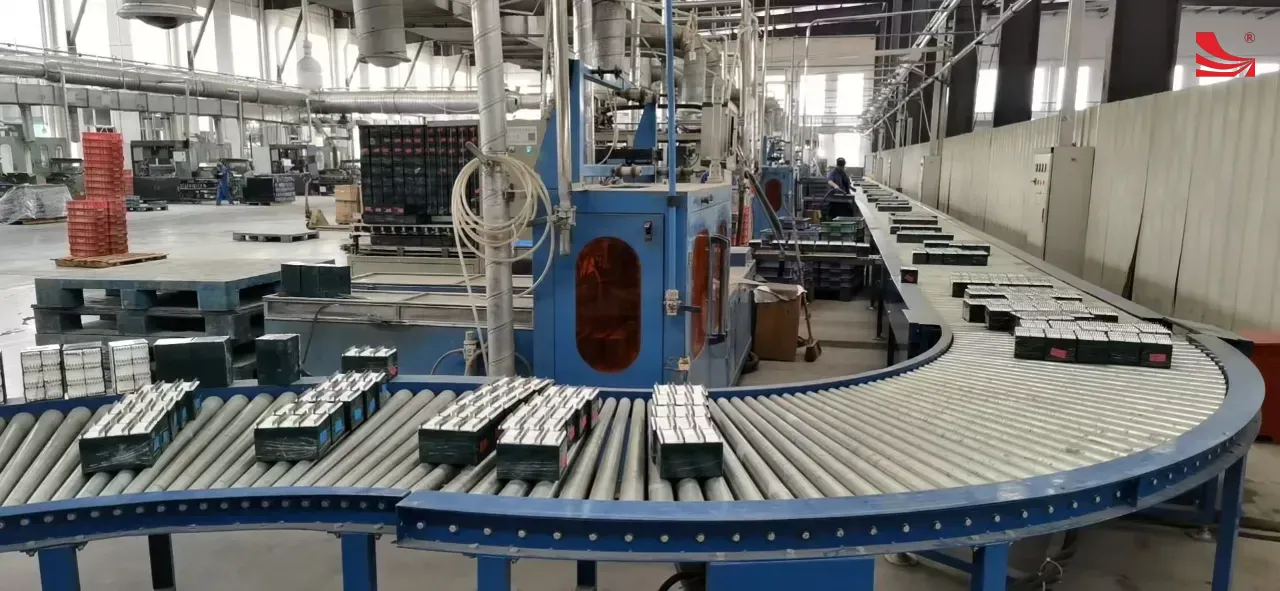
We are a direct factory located inJiangxi Province, China. You are welcome to visit our production line and quality control lab. We specialize in lead-acid batteries for motorcycles and have been in this industry for 20 years.
What is the MOQ for bulk orders?
Typically ranges from 100–500 units per model, depending on customization requirements.
Do you offer OEM or custom branding?
Yes, we provide full OEM and ODM services, including logo printing, packaging customization, and model adjustments.
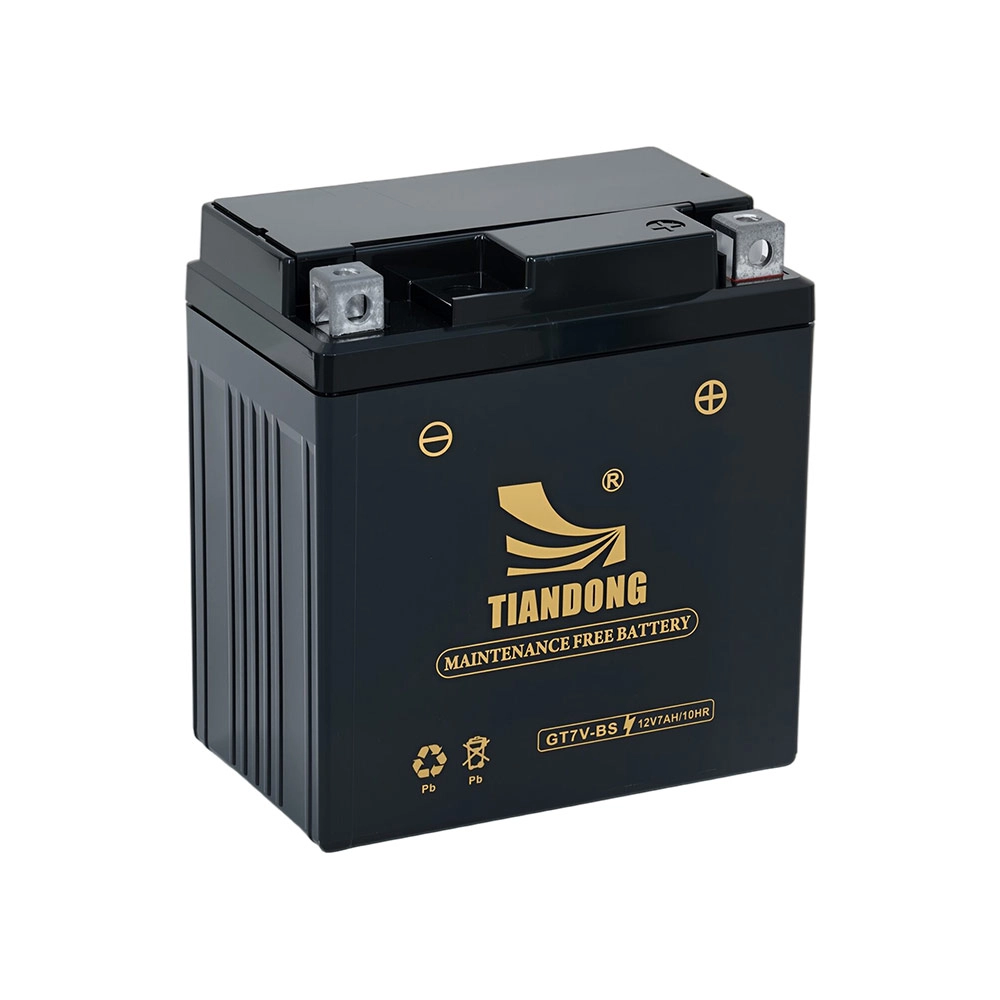
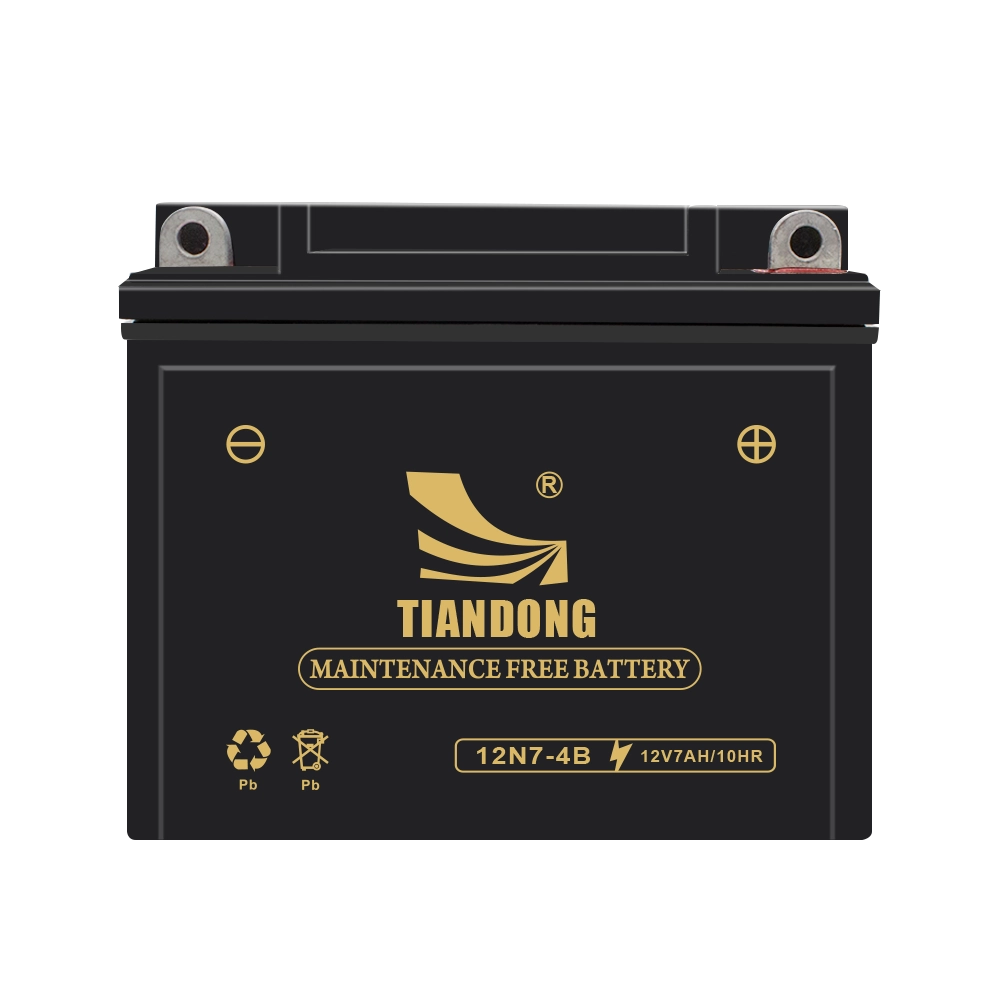
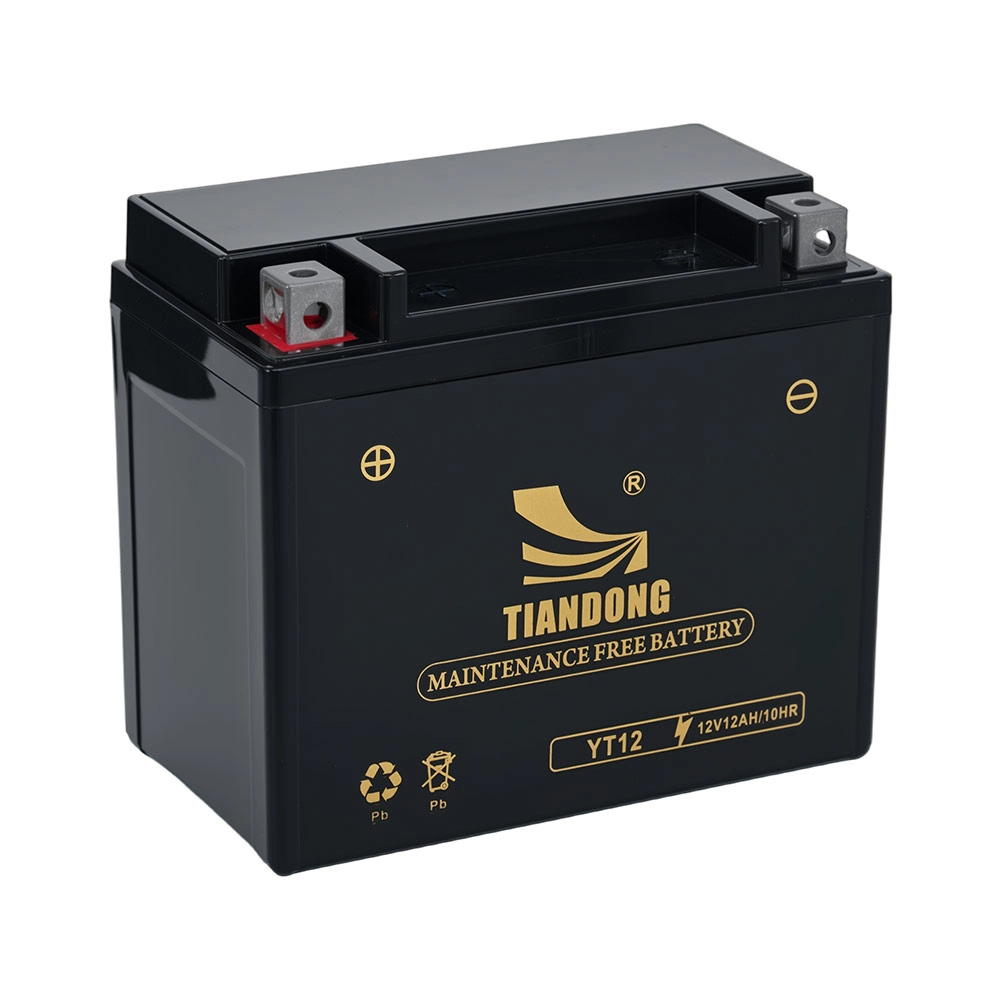
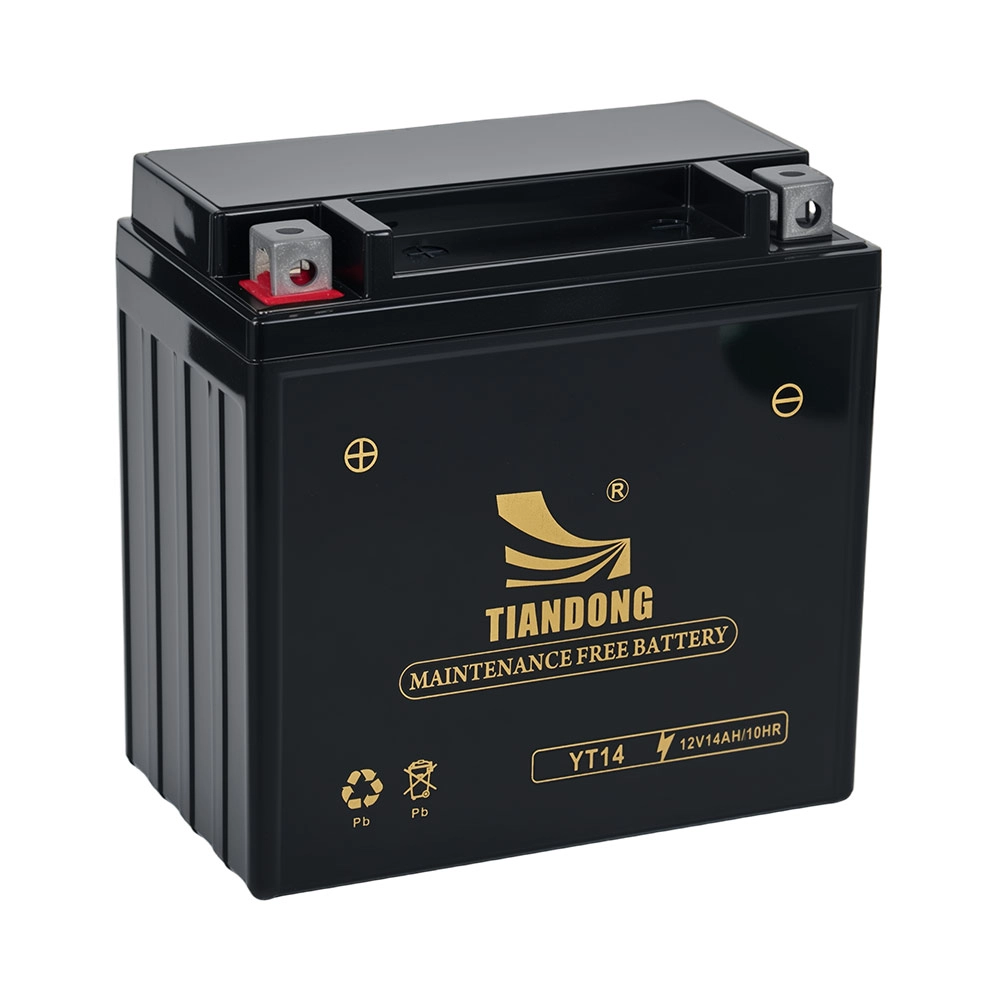
Get in touch with us to get your Motorbike Battery solution
TIANDONG is a leading motorcycle battery manufacturer offering OEM/ODM service, stable quality, and global export support.
Built for wholesalers. Trusted by global buyers. Delivered with confidence.
Say Hello
E-mail: daisybattery8@gmail.com
xianyingchen83@gmail. com
WhatsAPP: +86 134 283 86694
+86 134 348 86641
Our Location
Social Links
© 2025 TIANDONG. All Rights Reserved. Privacy Policy | Terms and Conditions | Sitemap
 Scan QR Code
Facebook
Instagram
Scan QR Code
Whatsapp: +8613434886641