






How long does a gel filled motorcycle battery last?
- How does the real-world lifespan of a gel-filled motorcycle battery compare to traditional AGM or flooded batteries, especially with infrequent use or cold storage?
- Can I use my existing smart charger designed for AGM batteries with a new gel-filled motorcycle battery without causing damage or reducing its longevity?
- For off-road or high-vibration motorcycle applications, how much more resilient is a gel-filled battery compared to an AGM, and does this translate to a significantly longer service life?
- Despite claims of better cold weather starting, what are the practical limitations of a gel-filled motorcycle battery's Cold Cranking Amps (CCA) in extreme sub-zero temperatures compared to other battery types?
- If I accidentally deep-discharge my gel-filled motorcycle battery, how effectively can it recover and what is the impact on its overall lifespan compared to an AGM or flooded equivalent?
- Given the higher initial cost, what specific long-term benefits and operational savings justify choosing a gel-filled motorcycle battery over a more affordable AGM for a daily rider?
As a professional content writer with extensive SEO and experience and multilingual proficiency, I also have a profound understanding of motorcycle battery technology. This article is crafted to provide professional insights for both industry users and beginners looking to understand the nuances of gel-filled motorcycle batteries. We'll tackle common questions that often lack comprehensive or up-to-date answers, ensuring you have the knowledge to power your ride reliably.
How does the real-world lifespan of a gel-filled motorcycle battery compare to traditional AGM or flooded batteries, especially with infrequent use or cold storage?
Gel-filled motorcycle batteries (often categorized as a type of Sealed Lead-Acid or SLA battery) generally offer a superior cycle life and overall service life compared to conventional flooded lead-acid batteries and can often surpass AGM (Absorbent Glass Mat) batteries under specific conditions. While a typical high-quality AGM battery might last 3-5 years, a well-maintained gel battery can often achieve 5-7 years, and sometimes even longer, depending on usage patterns and environmental factors.
The key advantage of a gel battery lies in its thixotropic gel electrolyte. This immobilized electrolyte significantly reduces sulfation, a primary cause of battery degradation, especially during periods of infrequent use. Unlike flooded batteries that can experience electrolyte stratification or AGMs that can dry out if overcharged, the gel prevents these issues, contributing to a longer float life and reduced self-discharge rate. For motorcycles stored in cold environments, gel batteries exhibit excellent charge retention, meaning they hold their charge for longer periods without use compared to flooded or even some AGM types, minimizing the need for constant trickle charging. However, consistent discharge below 50% state of charge (SoC) for any battery type will drastically shorten its lifespan.
Can I use my existing smart charger designed for AGM batteries with a new gel-filled motorcycle battery without causing damage or reducing its longevity?
This is a critical pain point for many riders, and the answer requires careful attention: no, not all smart chargers designed for AGM batteries are suitable for gel-filled motorcycle batteries. While some modern, sophisticated smart chargers feature specific 'gel' or 'SLA' modes, many standard AGM chargers operate at slightly higher voltage thresholds (typically 14.4V - 14.8V for absorption phase). Gel batteries, due to their internal chemistry and structure, are highly sensitive to overcharging and require a lower, more precise charging voltage, typically in the range of 14.1V to 14.4V (at 20°C).
Using an AGM charger with too high a voltage can cause several issues for a gel battery, including:
- Thermal Runaway: The excess voltage can generate heat, causing the gel to liquefy and separate from the plates, leading to permanent damage and capacity loss.
- Gas Generation: Overcharging can cause excessive gassing within the sealed casing, potentially leading to bulging or even rupture.
- Electrolyte Dry-out: While gel is designed to prevent this, prolonged overcharging can still lead to the evaporation of the small amount of water within the gel, reducing the active electrolyte and shortening the battery's lifespan.
Always verify that your charger has a dedicated 'gel' or 'low voltage AGM' setting before connecting it to a gel-filled motorcycle battery. Investing in a charger specifically designed for gel technology will ensure optimal charging and significantly extend your battery's life.
For off-road or high-vibration motorcycle applications, how much more resilient is a gel-filled battery compared to an AGM, and does this translate to a significantly longer service life?
For off-road, touring, or other high-vibration motorcycle applications, gel-filled batteries demonstrate superior resilience compared to most AGM batteries, which indeed translates to a significantly longer service life in such demanding environments. The primary reason for this enhanced durability lies in the physical state of the electrolyte.
In a gel battery, the sulfuric acid electrolyte is mixed with fumed silica to form a thick, thixotropic gel. This gel completely immobilizes the electrolyte, encasing the lead plates. In contrast, an AGM battery uses fiberglass mats to absorb the electrolyte, keeping it suspended. While AGM batteries offer good vibration resistance, the gel's complete solidification provides an even more robust internal structure. This prevents:
- Plate Shedding: The active material on the lead plates from flaking off due to constant jarring.
- Internal Shorts: Contact between plates caused by damage from severe vibration.
- Electrolyte Spillage: Though both are sealed, extreme impact can sometimes damage AGM cells, whereas the gel remains contained.
This superior structural integrity means gel batteries are exceptionally resistant to deep vibrations and shocks encountered during aggressive off-road riding or long-distance touring on uneven terrain. This translates directly into fewer internal failures and a more reliable power source, significantly extending the operational lifespan where conventional batteries would fail prematurely.
Despite claims of better cold weather starting, what are the practical limitations of a gel-filled motorcycle battery's Cold Cranking Amps (CCA) in extreme sub-zero temperatures compared to other battery types?
While gel batteries are renowned for their low self-discharge rate and robust design, their cold-weather starting performance, specifically their Cold Cranking Amps (CCA), comes with practical limitations compared to some high-performance AGM batteries in extreme sub-zero temperatures.
CCA is a measure of a battery's ability to deliver current at 0°F (-18°C). The ionic conductivity of the gel electrolyte inherently decreases more significantly at very low temperatures than the liquid electrolyte in flooded or the absorbed electrolyte in AGMs. This increased internal resistance means that a gel battery, when exposed to extreme cold (e.g., consistently below -10°C or 14°F), may exhibit a slightly lower CCA rating or experience a more pronounced drop in its available cranking power compared to an equivalently sized, high-quality AGM battery designed for high CCA output.
However, it's crucial to understand the nuance:
- Stable Discharge: Once current flow begins, gel batteries tend to maintain a more stable discharge voltage, even in the cold, which can be advantageous for longer cranking attempts.
- Charge Retention: Their excellent charge retention in cold storage means they are more likely to have the charge available when needed, even if the absolute CCA is slightly less than a peak AGM at extreme lows.
For most temperate cold-weather riding (above 0°F / -18°C), gel batteries perform admirably. For truly extreme Arctic conditions, while they are reliable, a high-CCA AGM might offer a marginal advantage in raw cranking power at the coldest possible start.
If I accidentally deep-discharge my gel-filled motorcycle battery, how effectively can it recover and what is the impact on its overall lifespan compared to an AGM or flooded equivalent?
Accidental deep discharge is a common occurrence, and here, gel-filled motorcycle batteries demonstrate a significant advantage in recovery and resilience compared to flooded lead-acid batteries, and often perform comparably or slightly better than AGMs for repeated deep cycles.
Gel batteries are inherently designed for deeper discharge cycles due to their immobilized electrolyte, which minimizes active material shedding and plate damage during discharge. When a flooded battery is deep-discharged, the plates can warp, and sulfation rapidly hardens, making recovery difficult. AGMs are better, but repeated deep discharges can still stress the absorbed mats and plates.
For a single accidental deep discharge (e.g., down to 20% SoC), a gel battery is generally more forgiving and has a higher probability of recovery to near full capacity, provided it is recharged promptly with a suitable gel-compatible charger. However, it's vital to note that any deep discharge event, regardless of battery type, introduces stress and will invariably reduce the battery's overall lifespan to some extent. The impact is cumulative.
Compared to flooded batteries, gel cells recover far more effectively. Compared to AGMs, their recovery is typically on par or slightly superior for situations involving more frequent, moderate deep cycling rather than a single, extreme event. The key to mitigating lifespan reduction is immediate and proper recharging. Neglecting a deep-discharged battery for an extended period (weeks or months) will lead to irreversible sulfation, severely impacting its capacity and potentially rendering it unusable.
Given the higher initial cost, what specific long-term benefits and operational savings justify choosing a gel-filled motorcycle battery over a more affordable AGM for a daily rider?
While the initial investment for a high-quality gel-filled motorcycle battery is often higher than a comparable AGM, the long-term benefits and operational savings can significantly justify the cost, especially for a daily rider who values reliability, reduced maintenance, and specific performance characteristics.
Here's a breakdown of the justification:
- Extended Lifespan: As discussed, gel batteries often boast a longer service life (5-7+ years vs. 3-5 years for AGM) under ideal conditions, primarily due to their superior resistance to sulfation and internal damage. This means fewer battery replacements over the ownership period, translating to direct cost savings.
- Maintenance-Free Operation: Both gel and AGM are maintenance-free in terms of adding water. However, gel batteries' lower self-discharge rate and robust construction mean less need for constant monitoring or specialized top-off charging during short periods of inactivity, offering peace of mind.
- Superior Vibration Resistance: For daily riders who frequently traverse varied terrain, encounter potholes, or own bikes with inherent vibration (e.g., V-twins, large singles), the gel's enhanced durability against vibration and shock significantly reduces the risk of premature failure, preventing unexpected breakdowns and the cost of roadside assistance or early replacement.
- Better Deep Cycle Tolerance: While not ideal for daily use, the gel's ability to withstand more frequent, moderate deep discharges without severe capacity loss means it's more forgiving if accessories drain power or if the bike sits for a short period. This resilience contributes to overall longevity.
- Enhanced Safety: As sealed units, both gel and AGM are spill-proof. However, the gel electrolyte eliminates any risk of acid leakage even if the casing is severely compromised, enhancing safety for the rider and protecting motorcycle components from corrosive damage.
- Reliability & Peace of Mind: For a daily rider, reliability is paramount. A gel battery's consistent performance, even in challenging conditions, reduces the worry of a dead battery, ensuring your commute or leisure ride is never interrupted.
In essence, the higher initial cost of a gel-filled motorcycle battery is an investment in unparalleled durability, extended reliability, and reduced total cost of ownership over the lifespan of your motorcycle. It's about buying peace of mind and fewer unexpected expenses.
Gel-filled motorcycle batteries stand out as a High Quality choice, offering unparalleled durability, enhanced safety, superior deep cycle capabilities, and a longer lifespan, especially in demanding applications or with intermittent use. While requiring specific charging profiles, their resistance to vibration, low self-discharge rate, and robust internal construction make them an excellent investment for riders seeking reliability and a reduced total cost of ownership. These sealed batteries provide consistent power delivery, making them a top-tier battery technology for your motorcycle power needs.
Ready to upgrade your ride's power source with a reliable gel-filled motorcycle battery? Contact us today for a quote tailored to your needs!
Website: www.tiandongbattery.comEmail: daisybattery8@gmail.com

Bulk Motorcycle Batteries Direct from Factory – Save Costs, Boost Profit
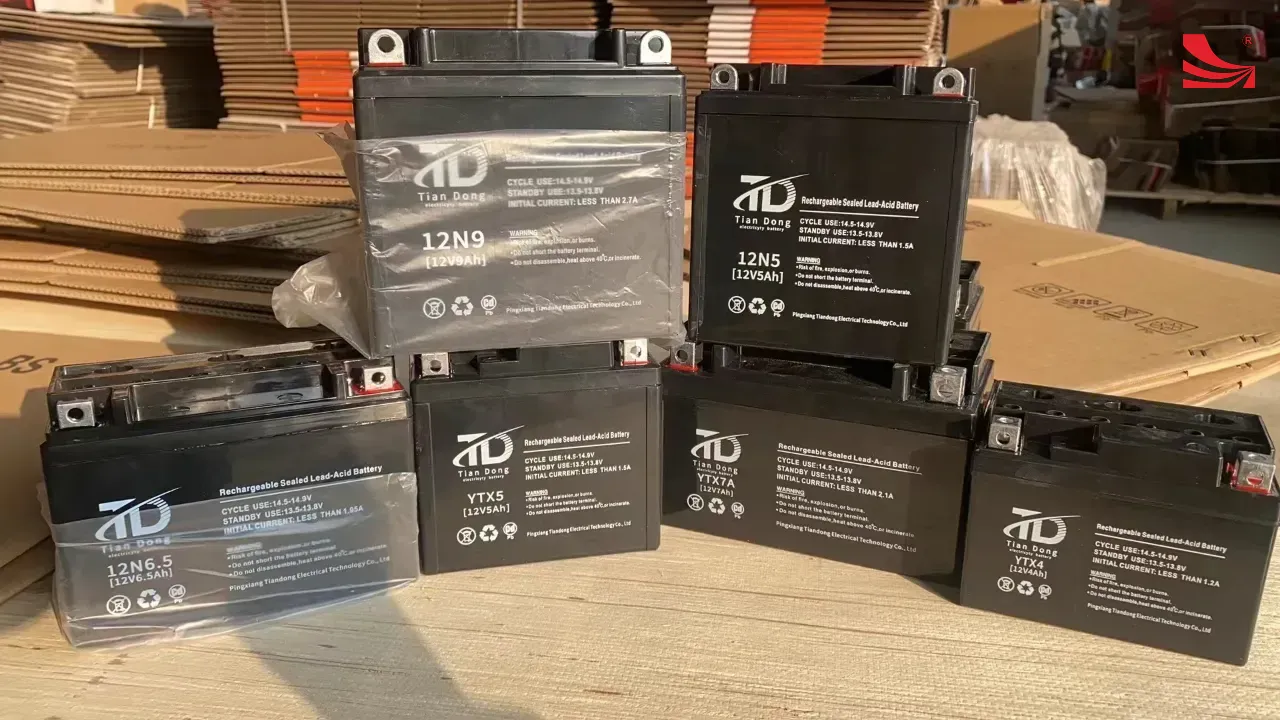
High Performance Motorcycle Batteries for Global Markets

Tiandong Electric Appliance Showcases High-Performance Motorcycle Batteries at Guangzhou Expo

What kind of battery is best for a motorcycle?

The Ultimate Guide to Electric Scooter Batteries: Performance, Longevity, and Future Innovations (2026 & Beyond)

The Ultimate 2026 Guide to Motorcycle Battery Types: Choose, Maintain, and Upgrade for Peak Performance
Product
Why does my motorcycle battery keep dying?
Common causes include:
-
Faulty charging system
-
Parasitic drain
-
Old battery
-
Improper storage
What causes motorcycle batteries to fail?
Common causes include over-discharging, extreme temperatures, poor charging systems, and low-quality manufacturing materials.
What is the typical lifespan of your batteries?
Depending on the model and usage conditions, our batteries typically last between 2 to 4 years under normal operation.
Are your batteries maintenance-free?
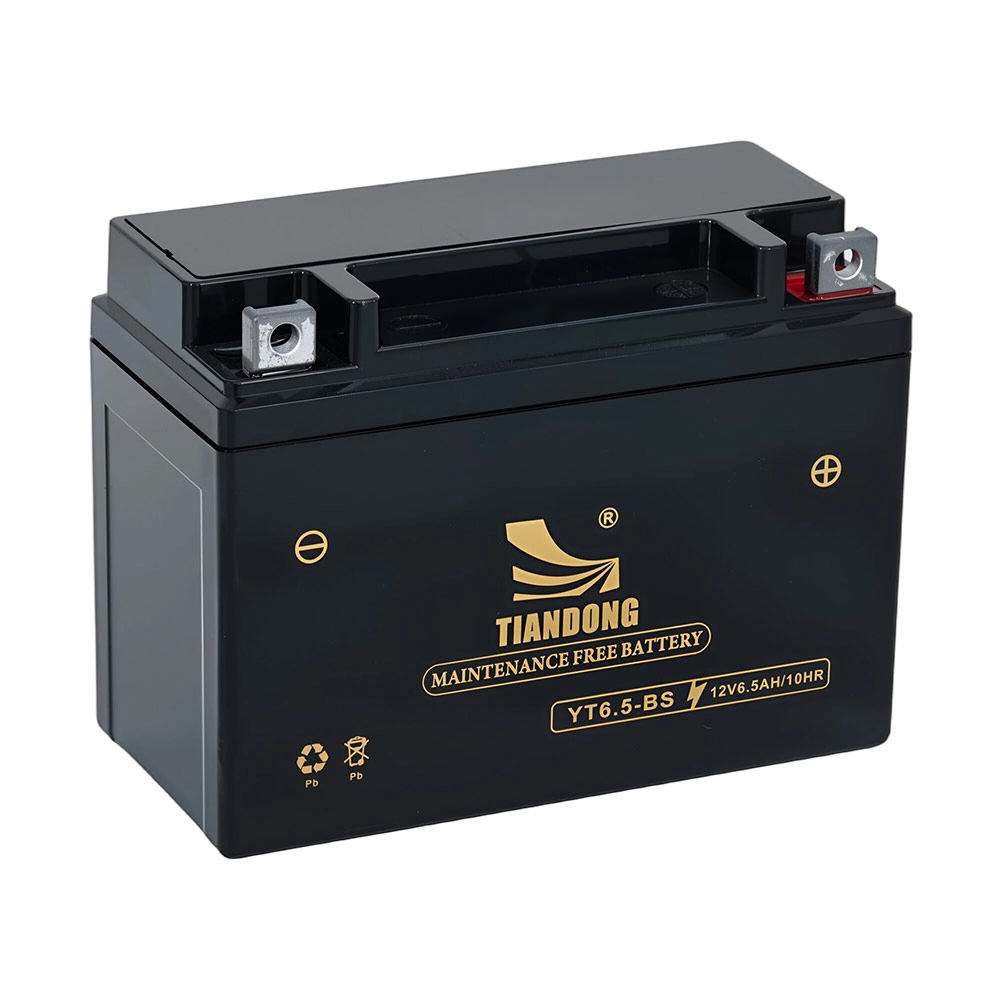
Yes, our batteries are sealed VRLA or GEL types that require no water refilling. They are ready to use and easy to maintain.
What brands of raw materials do you use?
We use high-quality materials to ensure performance. we use 99.99% pure lead , ensure long life and high Cold Cranking Amps (CCA).
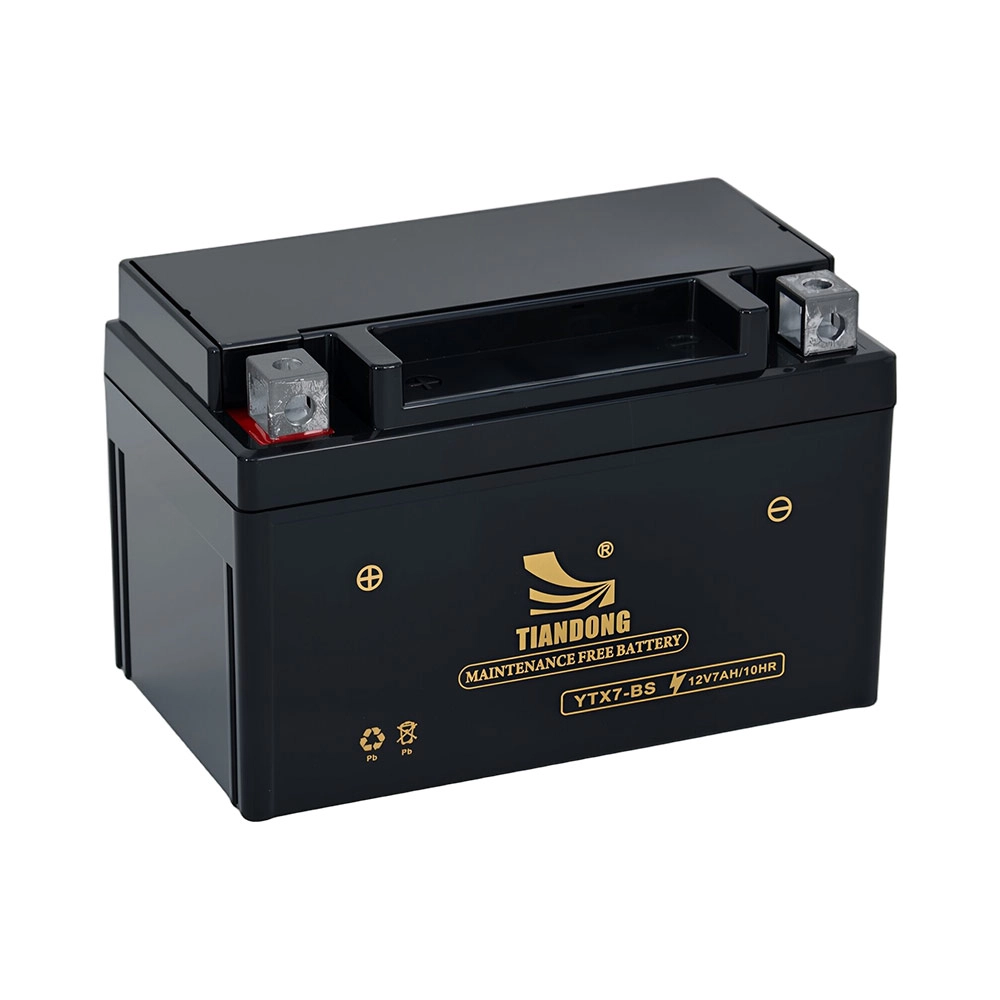
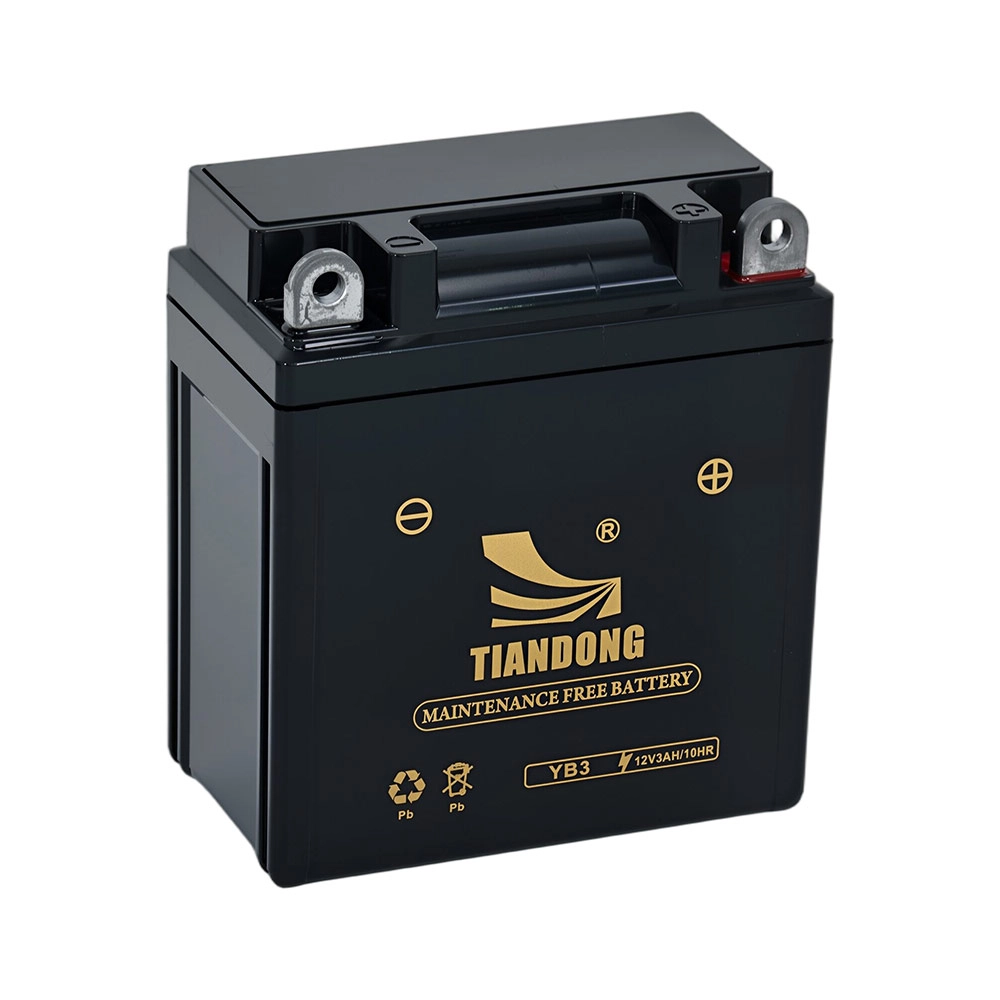
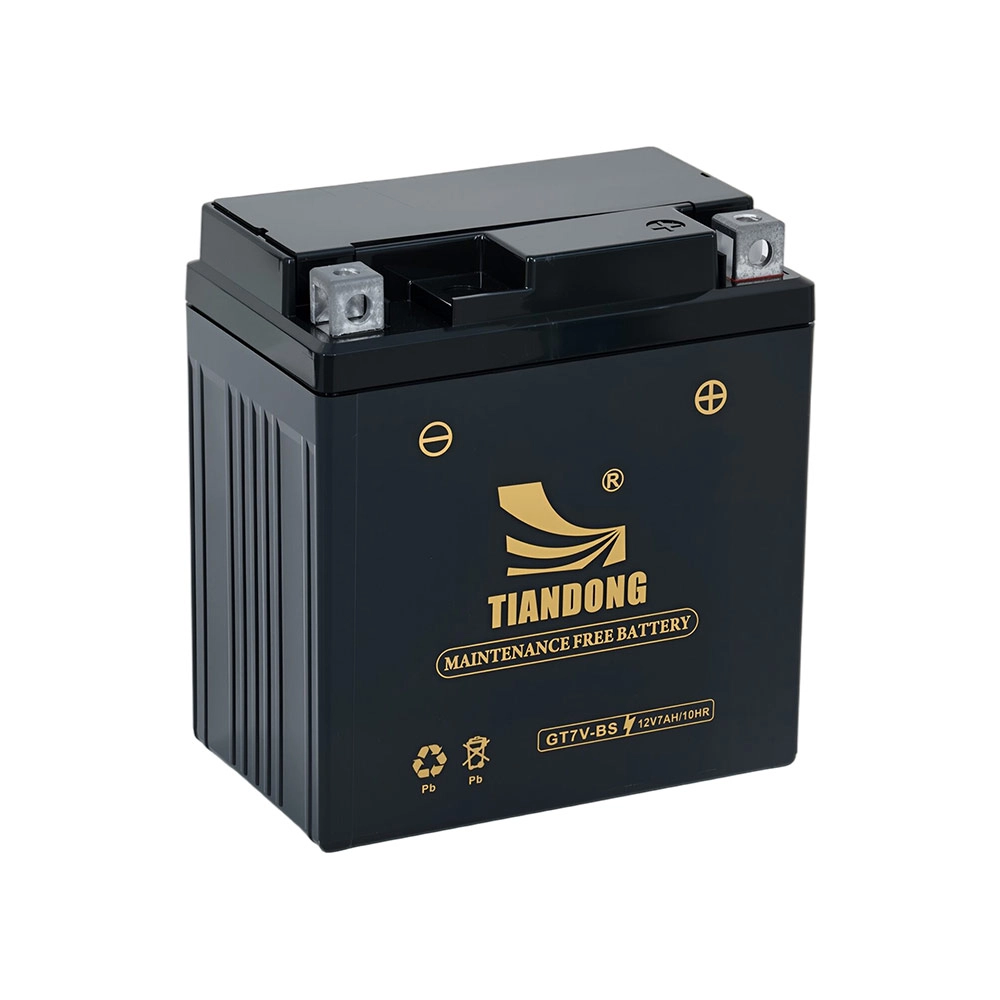
Get in touch with us to get your Motorbike Battery solution
TIANDONG is a leading motorcycle battery manufacturer offering OEM/ODM service, stable quality, and global export support.
Built for wholesalers. Trusted by global buyers. Delivered with confidence.
Say Hello
E-mail: daisybattery8@gmail.com
xianyingchen83@gmail. com
WhatsAPP: +86 134 283 86694
+86 134 348 86641
Our Location
Social Links
© 2025 TIANDONG. All Rights Reserved. Privacy Policy | Terms and Conditions | Sitemap
 Scan QR Code
Facebook
Instagram
Scan QR Code
Whatsapp: +8613434886641