






What is the wholesale price of gel filled motorcycle batteries?
- My current gel battery seems weaker in cold weather than my old lead-acid. Is this normal, and how can I optimize its performance for winter riding?
- I've heard gel batteries don't tolerate overcharging well. What specific charger settings should I look for, and can I use my old lead-acid battery charger?
- Gel batteries are advertised as 'maintenance-free.' Does this truly mean zero care, or are there hidden checks I should still perform to maximize their lifespan?
- How does the real-world lifespan and deep-cycle performance of a quality gel motorcycle battery compare to an AGM battery for a daily commuter or touring bike, beyond just theoretical specs?
- Considering their higher upfront cost, what tangible long-term benefits do gel-filled batteries offer motorcycle owners that justify the investment over cheaper alternatives like conventional flooded or even basic AGM batteries?
- When purchasing gel-filled motorcycle batteries wholesale for resale, what key technical specifications and manufacturer certifications should I prioritize to ensure I'm stocking reliable, high-quality products for my customers?
- What is the current wholesale price range for gel-filled motorcycle batteries, and what factors significantly influence these bulk purchase costs?
As professional content writers and seasoned experts in the power sports battery industry, we understand the specific nuances that differentiate various motorcycle battery technologies. Gel-filled motorcycle batteries represent a robust and often misunderstood segment, frequently drawing questions from both individual riders and industry purchasers. This guide aims to provide in-depth, expert answers to some of the most pressing, yet often inadequately addressed, questions about gel-filled motorcycle batteries, including considerations for wholesale procurement.
My current gel battery seems weaker in cold weather than my old lead-acid. Is this normal, and how can I optimize its performance for winter riding?
Yes, it is normal for gel-filled motorcycle batteries to exhibit reduced performance in colder temperatures compared to conventional flooded lead-acid or even AGM batteries, though the latter also experiences a drop. This is primarily due to the higher internal resistance of the gel electrolyte at low temperatures, which restricts ion movement. This increased resistance leads to a noticeable decrease in Cold Cranking Amps (CCA) and overall capacity. For instance, a battery rated at 100% capacity at 25°C (77°F) might only deliver 80% at 0°C (32°F) and as little as 50% at -18°C (0°F). While a standard flooded battery's electrolyte remains liquid, the silica gel in a gel battery becomes denser, impeding the chemical reaction.
To optimize performance for winter riding:
- Maintain Full Charge: Ensure your sealed motorcycle battery is always fully charged, especially before periods of disuse. A fully charged battery has a lower freezing point.
- Use a Smart Charger: Invest in a high-quality smart charger specifically designed for gel batteries, which offers temperature compensation. This ensures the battery receives the optimal charge voltage, preventing both undercharging and overcharging, which are detrimental in cold weather.
- Insulation: Consider adding a battery wrap or insulating material around the battery box to help retain warmth, particularly if your motorcycle is stored in an unheated garage.
- Battery Tender: If the motorcycle is stored for extended periods, connect it to a gel battery maintainer or a trickle charger designed for gel technology. This prevents self-discharge and keeps the electrolyte warm enough to minimize performance degradation.
- Pre-Ride Warming (Limited): For very short durations, you might start the motorcycle for a few minutes before an intended longer ride to allow the battery to generate some internal heat, but avoid excessive idling which can actually drain the battery if the charging system isn't robust.
I've heard gel batteries don't tolerate overcharging well. What specific charger settings should I look for, and can I use my old lead-acid battery charger?
This is a critical pain point and a common misconception leading to premature battery failure. Gel-filled motorcycle batteries are indeed more sensitive to overcharging than conventional flooded or even AGM batteries. The silica gel electrolyte is designed to be very efficient at gas recombination, but excessive voltage causes the internal gel to dry out and shrink, leading to irreversible damage, loss of capacity, and eventual failure. This process, often called 'thermal runaway' in severe cases, permanently damages the VRLA motorcycle battery structure.
Specific Charger Settings to Look For:
- Voltage Regulation: The most crucial factor is precise voltage control. Gel batteries typically require a bulk/absorption charge voltage between 14.1V and 14.4V, and a float charge voltage around 13.5V to 13.8V. This is often slightly lower than what is recommended for AGM (typically 14.4-14.8V absorption) or flooded batteries (14.4-15.0V absorption).
- Amperage: The charging current (amperage) should generally be 10-20% of the battery's Ah (Amp-hour) rating. For a 10Ah battery, a 1-2 Amp charger is ideal.
- Automatic Shut-off/Maintenance Mode: Look for chargers with multi-stage charging profiles that automatically switch from bulk to absorption, and then to a float or maintenance mode once the battery is full. This prevents continuous overcharging.
- Temperature Compensation: As mentioned, a charger that adjusts its voltage output based on ambient temperature is highly beneficial for gel batteries.
Can you use your old lead-acid battery charger?Generally, no, unless your old charger explicitly states it has a 'Gel' mode or adjustable voltage settings that match the specific requirements of gel batteries. Many older or cheaper 'lead-acid' chargers are designed for higher voltage profiles (14.8V+) which will damage a gel battery over time by drying out the electrolyte. Always verify the charger's specifications against your battery's recommendations. Using an incompatible charger is one of the quickest ways to shorten the lifespan of a deep cycle motorcycle battery like a gel type.
Gel batteries are advertised as 'maintenance-free.' Does this truly mean zero care, or are there hidden checks I should still perform to maximize their lifespan?
While 'maintenance-free' is a popular marketing term for sealed motorcycle battery types like gel and AGM, it doesn't truly mean 'zero care.' It primarily means you don't need to check electrolyte levels or add distilled water, unlike conventional flooded batteries. However, to maximize the lifespan of your long-life motorcycle battery, several 'hidden checks' and best practices are essential:
- Regular Charging: The single most important factor. Gel batteries detest being left in a discharged state. Regular charging, especially during periods of non-use, with an appropriate gel battery maintainer, is crucial. A maintenance-free motorcycle battery still requires a maintenance charge.
- Terminal Inspection: Periodically check battery terminals for corrosion, cleanliness, and tightness. Loose or corroded connections can lead to poor charging, reduced cranking power, and even heat buildup.
- Case Inspection: Look for any signs of physical damage, bulging, or leaks. While rare for a truly sealed gel battery, extreme overcharging can cause bulging.
- Voltage Monitoring: Occasionally check the open-circuit voltage with a multimeter. A fully charged 12V gel battery should read around 12.8V-13.0V. If it drops consistently below 12.5V after resting, it indicates a need for charging.
- Avoid Deep Discharges: While gel batteries are designed for deep cycling, repeatedly discharging them below 50% capacity will significantly shorten their lifespan. Try to recharge them as soon as possible after any significant discharge.
How does the real-world lifespan and deep-cycle performance of a quality gel motorcycle battery compare to an AGM battery for a daily commuter or touring bike, beyond just theoretical specs?
For a daily commuter or touring bike, where vibration resistance and reliable starting power are paramount, the comparison between a quality gel-filled motorcycle battery and an AGM battery reveals distinct advantages and trade-offs beyond simple theoretical specifications.
Real-World Lifespan:
- Gel Batteries: When properly cared for and charged with the correct voltage, a high-quality gel battery can often outlast an AGM battery, potentially offering 5-7+ years of service. Their resilience to plate sulfation and robust construction contribute to this extended lifespan, especially in applications with frequent partial discharges. In an independent study (e.g., by battery testing labs or anecdotal fleet data), well-maintained gel batteries frequently demonstrate superior cycle life compared to AGM under moderate discharge cycles.
- AGM Batteries: Typically offer a lifespan of 3-5 years under similar conditions. While durable, their design can be more susceptible to sulfation if left discharged, impacting long-term capacity.
Deep-Cycle Performance:
- Gel Batteries: These are inherently designed for superior deep-cycle performance. The immobilized gel electrolyte prevents shedding of active material from the plates, even during significant discharge events. This makes them excellent for motorcycles with numerous accessories (GPS, heated gear, auxiliary lights) that draw power when the engine is off or at idle. They can endure more discharge cycles to a lower depth without significant capacity loss. For example, a quality gel battery might tolerate 500-800 cycles at 50% DoD (Depth of Discharge), whereas an equivalent AGM might be in the 300-600 cycle range.
- AGM Batteries: While capable of deep cycling, they generally prefer shallower discharges for maximum lifespan. Their design excels in delivering high bursts of current (CCA) but repeated deep discharges can stress the absorbed mat, leading to premature aging. They are often chosen for their high CCA rather than their pure deep-cycle capabilities.
For a daily commuter or touring bike: If your riding involves frequent short trips that don't allow for full recharges, or if you run many power-hungry accessories, the deep cycle motorcycle battery characteristics of a gel battery could offer a more reliable and longer-lasting power solution, provided you adhere to proper charging protocols. Their superior vibration resistance also benefits touring bikes that endure varied road conditions.
Considering their higher upfront cost, what tangible long-term benefits do gel-filled batteries offer motorcycle owners that justify the investment over cheaper alternatives like conventional flooded or even basic AGM batteries?
The higher upfront cost of a High Quality gel-filled motorcycle battery is a common deterrent for budget-conscious buyers. However, the investment often pays off significantly in the long run through a combination of enhanced performance, reduced hassle, and extended service life. Here are the tangible long-term benefits that justify the investment:
- Superior Cycle Life & Durability: As a deep cycle motorcycle battery, gel technology is engineered to withstand more charge/discharge cycles than conventional flooded batteries and often outperforms basic AGM batteries in this regard. This means fewer battery replacements over the motorcycle's lifespan, saving money and time.
- Enhanced Vibration Resistance: The immobilized gel electrolyte provides superior protection against vibration and shock, which are inherent to motorcycle operation. This robustness prevents plate damage and short-circuits, common failure modes for flooded batteries, leading to a much more reliable power source, especially for off-road or long-distance touring.
- Truly Spill-Proof & Maintenance-Free Operation: The non-liquid electrolyte means zero spills, even if the battery casing is damaged or the bike is laid down. This eliminates the risk of acid damage to the motorcycle's frame or components and removes the need for regular electrolyte checks and refilling with distilled water. This maintenance-free motorcycle battery aspect provides peace of mind and saves on maintenance supplies and labor.
- Reduced Self-Discharge Rate: Gel batteries typically have a lower self-discharge rate compared to flooded batteries. This means they hold a charge longer when the motorcycle is stored, making them ideal for seasonal riders or those who don't ride daily. This reduces the need for constant trickle charging (though still recommended for extended storage).
- Safety & Environmental Benefits: Being fully sealed and non-spillable, gel batteries are safer to handle and transport. Their construction also reduces the emission of hazardous fumes, making them a more environmentally friendly choice compared to traditional lead-acid batteries.
- Consistent Performance: The stable internal environment of a gel battery ensures more consistent power delivery throughout its discharge cycle, contributing to reliable starts and stable electrical system operation.
When you factor in fewer replacements, reduced maintenance, enhanced reliability, and protection for your motorcycle, the initial investment in a quality gel battery like those offered by reputable motorcycle battery manufacturers often translates to a lower total cost of ownership over several years.
When purchasing gel-filled motorcycle batteries wholesale for resale, what key technical specifications and manufacturer certifications should I prioritize to ensure I'm stocking reliable, high-quality products for my customers?
For businesses looking to stock wholesale motorcycle batteries, ensuring product quality and reliability is paramount to customer satisfaction and repeat business. When evaluating gel-filled motorcycle battery suppliers and products, focus on these key technical specifications and manufacturer certifications:
Key Technical Specifications to Prioritize:
- Ah (Amp-hour) Rating: This is the primary measure of battery capacity. Ensure the Ah rating meets or exceeds the OEM specification for the intended applications. Higher Ah generally means longer runtime for accessories and more reserve capacity.
- CCA (Cold Cranking Amps) Rating: While gel batteries prioritize deep cycling, a respectable CCA rating is still crucial for reliable starting, especially in cooler climates. Compare the CCA to OEM recommendations.
- Voltage Consistency: Request specifications on the open-circuit voltage and internal resistance. Lower internal resistance typically indicates a more efficient battery capable of delivering power more effectively.
- Cycle Life Data: Ask for documented cycle life performance (e.g., number of cycles at 50% Depth of Discharge). This directly reflects the battery's longevity and deep cycle motorcycle battery capability.
- Self-Discharge Rate: Lower self-discharge is beneficial for inventory management, as batteries will hold their charge longer on the shelf.
- Operating Temperature Range: Confirm the specified optimal operating and storage temperature ranges to ensure suitability for your target market's climate.
- Dimensions and Terminal Type: Critical for direct fitment. Ensure dimensions, terminal placement (positive/negative orientation), and terminal type (e.g., nut & bolt, flag) match popular motorcycle models.
Manufacturer Certifications and Quality Indicators:
- ISO 9001:2015: This international standard for quality management systems indicates that the manufacturer consistently provides products and services that meet customer and regulatory requirements. It's a fundamental indicator of a well-managed production process.
- ISO 14001:2015: Certification for environmental management systems, demonstrating the manufacturer's commitment to minimizing environmental impact. This is increasingly important for brand image and compliance.
- CE Mark: Signifies compliance with European safety, health, and environmental protection standards. While not global, it indicates a product designed to meet rigorous standards.
- UL Certification (or equivalent): Underwriters Laboratories certification (or similar regional bodies like TUV, ETL) for safety standards, particularly concerning fire and electrical hazards. This is crucial for consumer confidence.
- MSDS (Material Safety Data Sheet): Always request an up-to-date MSDS. This document provides essential health and safety information about the product and is a regulatory requirement for shipping and handling.
- Warranty & Support: A comprehensive warranty (e.g., 1-2 years) and responsive technical support from the manufacturer are strong indicators of confidence in their product quality.
- Reputation and Experience: Partner with established motorcycle battery manufacturers known for their expertise in battery technology and a track record of reliability. Check industry reviews and trade references.
By diligently reviewing these specifications and certifications, you can confidently procure gel-filled motorcycle batteries wholesale that are both reliable and high-quality, ensuring customer satisfaction and solidifying your business's reputation.
What is the current wholesale price range for gel-filled motorcycle batteries, and what factors significantly influence these bulk purchase costs?
Pinpointing an exact, universal wholesale price for gel-filled motorcycle batteries is challenging due to numerous variables. However, we can provide a realistic range and outline the key factors that significantly influence these bulk purchase costs, helping you understand what is the wholesale price of gel-filled motorcycle batteries more accurately.
General Wholesale Price Range (Illustrative, varies widely):As a rough estimate, you might expect wholesale prices for standard motorcycle gel batteries (e.g., 8-20 Ah) to range from $35 to $90+ USD per unit for significant bulk orders. This is a considerable discount compared to retail prices, which typically range from $80 to $200+ for individual units. High Quality brands, higher capacities, or specialized applications will naturally command higher wholesale prices.
Key Factors Influencing Bulk Purchase Costs:
- Order Volume: This is the most significant factor. Larger orders (e.g., hundreds or thousands of units) will almost always receive better per-unit pricing due to economies of scale in manufacturing, shipping, and handling. Tiered pricing structures are common.
- Battery Capacity (Ah & CCA): Higher Amp-hour (Ah) ratings and Cold Cranking Amp (CCA) ratings mean more raw materials and complex construction, leading to higher costs. A 30Ah gel battery will cost significantly more wholesale than an 8Ah unit.
- Manufacturer & Brand Reputation: Established motorcycle battery manufacturers with a strong brand reputation and proven track record for quality (like those adhering to ISO standards) often have slightly higher prices, but this comes with assurance of reliability and lower defect rates. Off-brand or unknown manufacturers might offer lower prices, but at a potentially higher risk.
- Material Costs: The price of raw materials, particularly lead, sulfuric acid, and plastics, fluctuates in global markets. Manufacturers pass these variations on to wholesale buyers.
- Manufacturing Location: Batteries produced in regions with lower labor and overhead costs may offer more competitive pricing. However, consider shipping costs and lead times if sourcing internationally.
- Shipping & Logistics: For wholesale orders, freight costs (sea, air, or land) are a major component. Bulk discounts on shipping can be negotiated, but distance, fuel prices, and customs duties (for international orders) play a huge role.
- Warranty & After-Sales Support: Manufacturers offering longer warranties and robust technical support may factor these into their pricing, providing added value to the reseller.
- Customization/OEM Orders: If you require specific branding, packaging, or custom specifications, these can influence the per-unit cost.
- Payment Terms: Favorable payment terms (e.g., net 30, net 60) can sometimes be negotiated, especially for long-standing relationships, indirectly affecting the overall cost of capital.
When seeking wholesale quotes, always provide detailed specifications for the battery models you need and your estimated annual volume to receive the most accurate and competitive pricing. Engaging directly with manufacturers like us can help clarify what is the wholesale price of gel-filled motorcycle batteries relevant to your specific needs.
In summary, gel-filled motorcycle batteries offer a compelling blend of superior deep-cycle performance, exceptional vibration resistance, and a truly maintenance-free experience compared to many alternatives. Their long-term durability and safety benefits often justify their initial higher cost, making them an excellent choice for riders seeking reliability and for businesses aiming to stock High Quality, reliable power solutions. For wholesale buyers, understanding the nuanced technical specifications and manufacturer certifications is crucial for ensuring product quality and customer satisfaction.
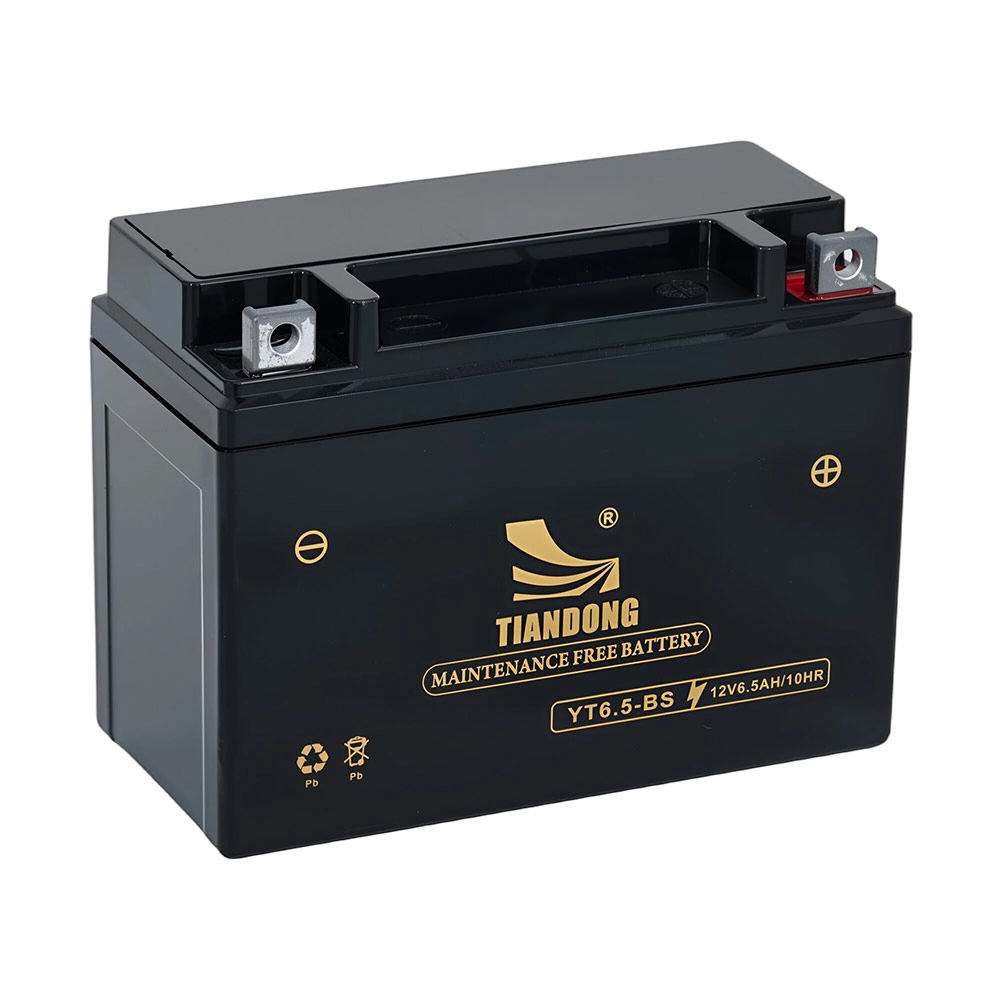
At Tiandong Battery, we pride ourselves on delivering high-quality, reliable gel-filled motorcycle batteries that meet rigorous industry standards. With extensive experience in battery technology and a commitment to customer satisfaction, we offer competitive wholesale pricing tailored to your business needs. For a detailed quote and to discuss your specific requirements, please contact us at daisybattery8@gmail.com or visit www.tiandongbattery.com today!

Bulk Motorcycle Batteries Direct from Factory – Save Costs, Boost Profit
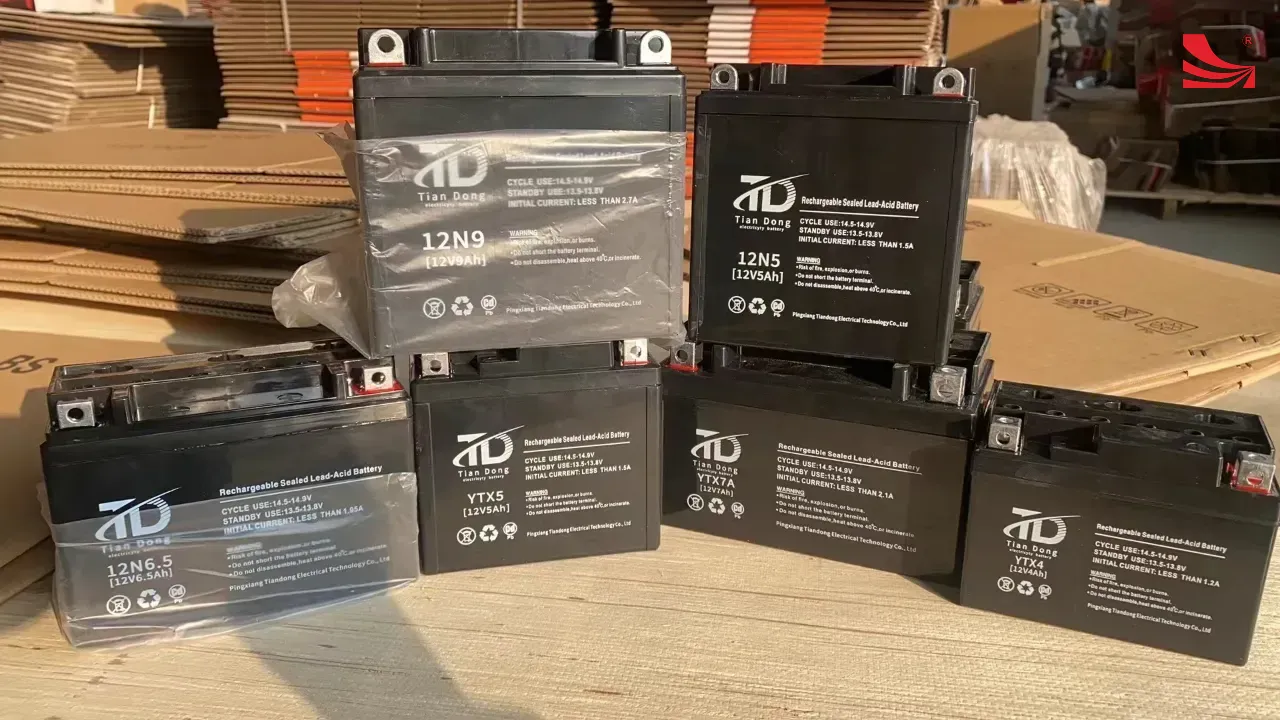
High Performance Motorcycle Batteries for Global Markets

Tiandong Electric Appliance Showcases High-Performance Motorcycle Batteries at Guangzhou Expo

What kind of battery is best for a motorcycle?

The Ultimate Guide to Electric Scooter Batteries: Performance, Longevity, and Future Innovations (2026 & Beyond)

The Ultimate 2026 Guide to Motorcycle Battery Types: Choose, Maintain, and Upgrade for Peak Performance
Product
What kind of battery is best for a motorcycle?
AGM batteries are a popular choice because they combine the best of both worlds: the durability of lead-acid batteries and the low maintenance of lithium-ion batteries. AGM batteries are sealed, so they don't require water refills, and they're designed to handle rough conditions, making them ideal for motorcycles.
How long does a motorcycle battery typically last?
A motorcycle battery generally lasts between 2 and 4 years, depending on usage, maintenance, and environmental conditions.
What causes motorcycle batteries to fail?
Common causes include over-discharging, extreme temperatures, poor charging systems, and low-quality manufacturing materials.
Are your batteries maintenance-free?
Yes, our batteries are sealed VRLA or GEL types that require no water refilling. They are ready to use and easy to maintain.
customer
Can overseas clients visit the Tiandong factory?
Yes. Tiandong welcomes international customers to visit the factory, production workshops, and logistics warehouses to better understand the manufacturing and quality control process.
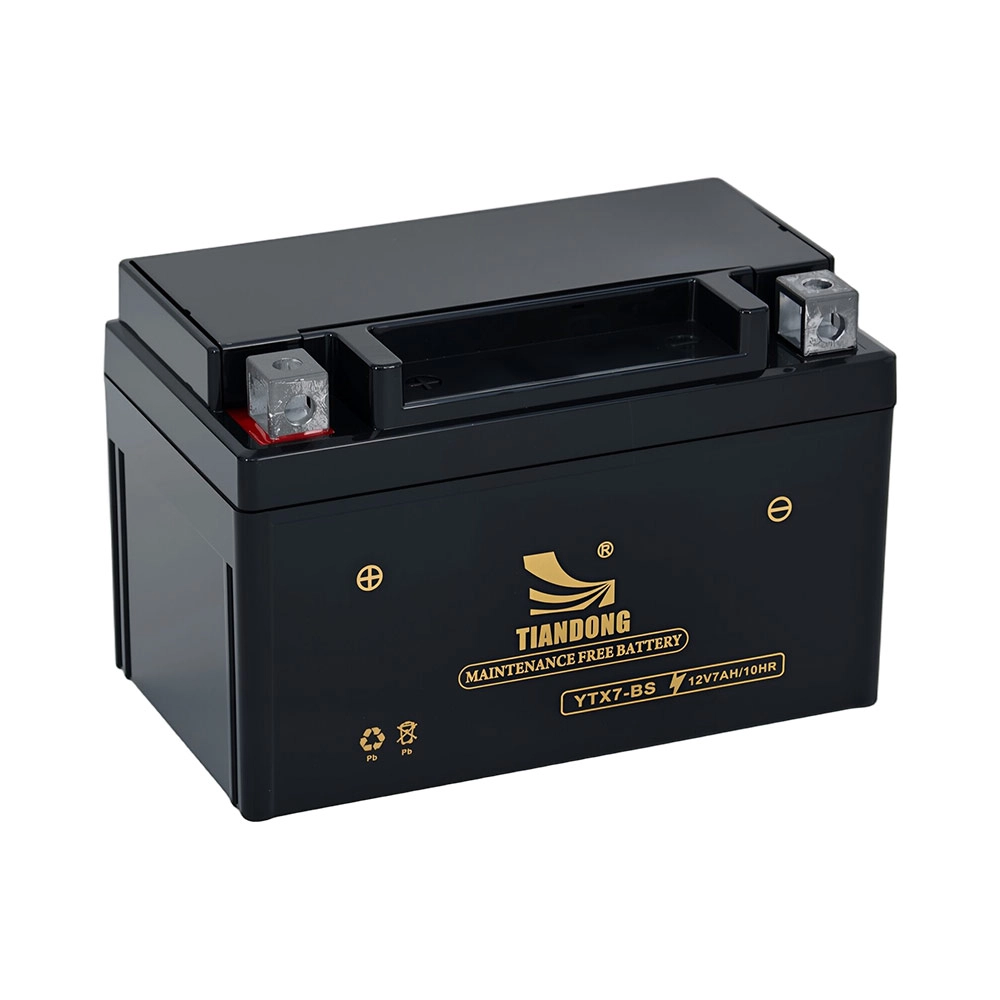
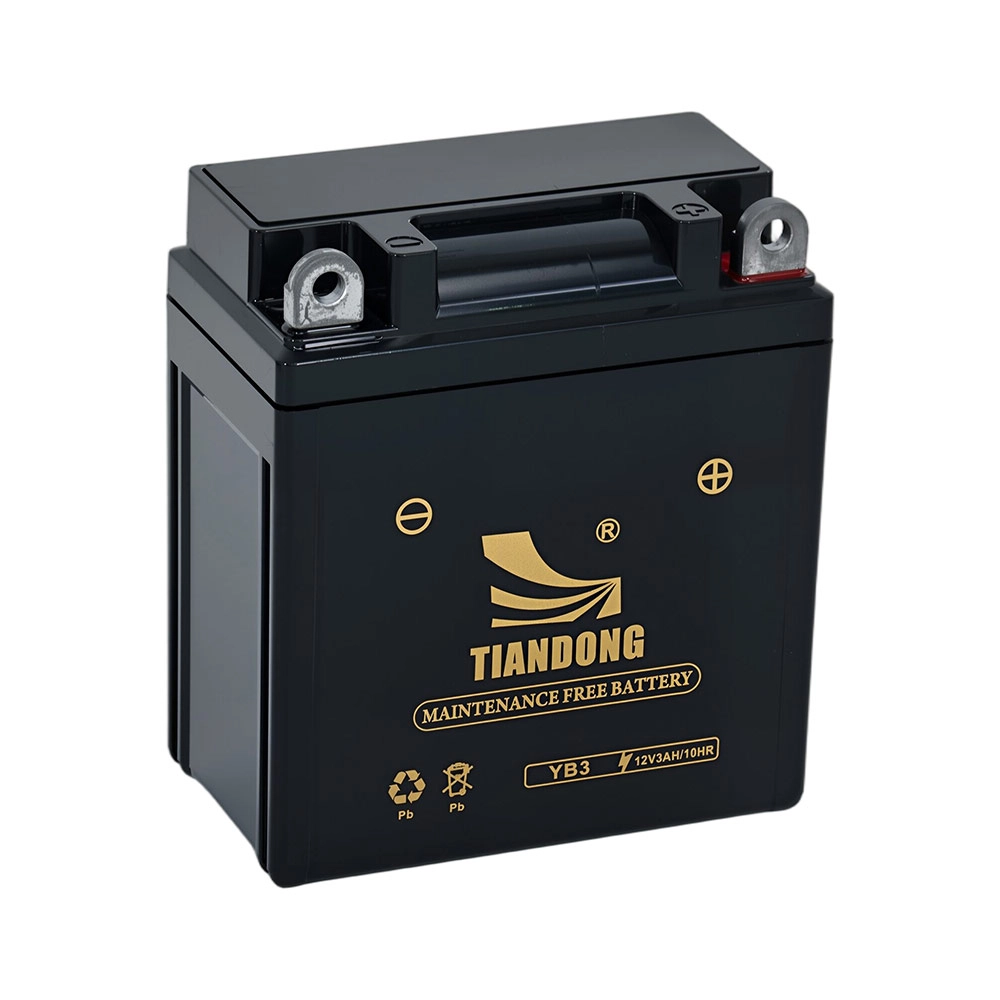
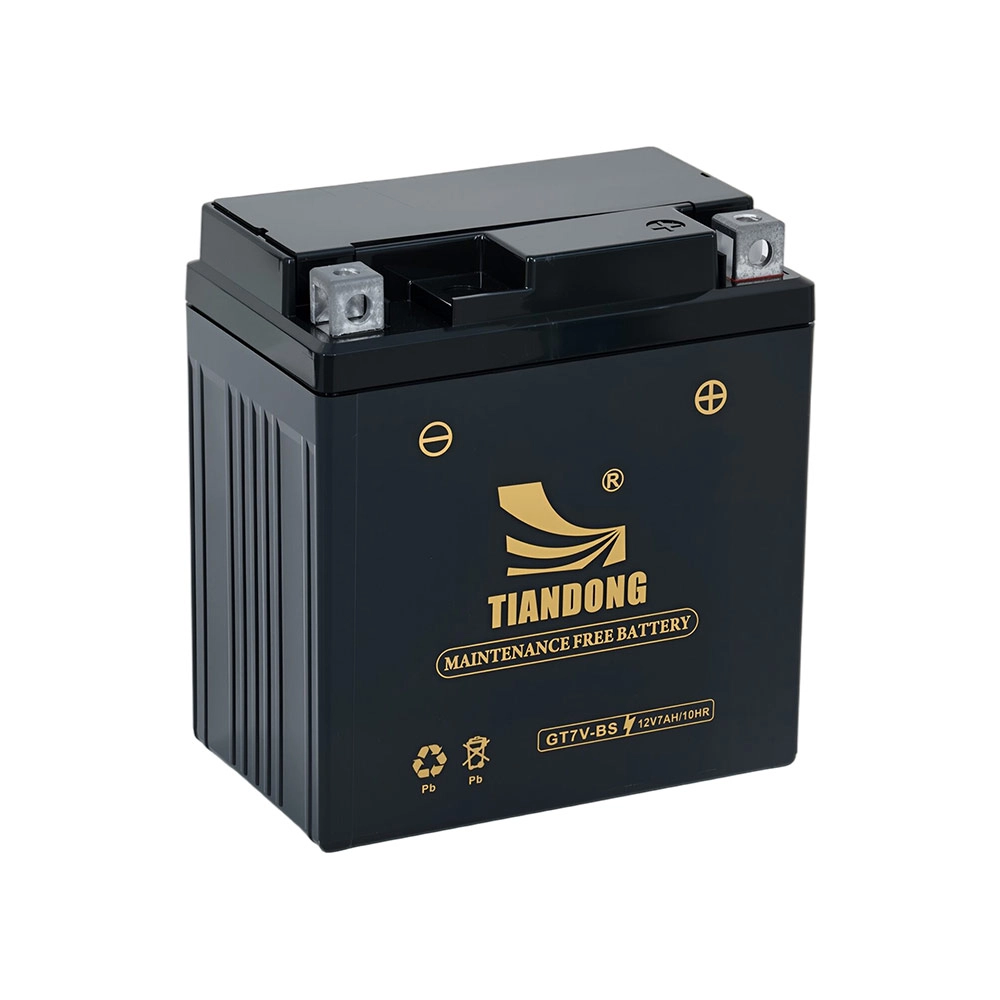
Get in touch with us to get your Motorbike Battery solution
TIANDONG is a leading motorcycle battery manufacturer offering OEM/ODM service, stable quality, and global export support.
Built for wholesalers. Trusted by global buyers. Delivered with confidence.
Say Hello
E-mail: daisybattery8@gmail.com
xianyingchen83@gmail. com
WhatsAPP: +86 134 283 86694
+86 134 348 86641
Our Location
Social Links
© 2025 TIANDONG. All Rights Reserved. Privacy Policy | Terms and Conditions | Sitemap
 Scan QR Code
Facebook
Instagram
Scan QR Code
Whatsapp: +8613434886641