






How to recycle or dispose of gel filled motorcycle batteries?
- Are gel-filled motorcycle batteries truly 'maintenance-free,' or do they still require specific care beyond just charging?
- Can I use my existing standard lead-acid charger for a gel-filled motorcycle battery, or does it demand a specialized charging profile?
- Beyond being 'sealed,' what are the key performance and application differences between a gel battery and an AGM battery for a motorcycle?
- My gel battery often has a slightly lower Cold Cranking Amps (CCA) rating than comparable AGM batteries. Does this indicate inferior starting power, or should I evaluate other metrics?
- What specific factors most significantly impact the longevity of a gel-filled motorcycle battery, and how can I maximize its service life?
- When a gel-filled motorcycle battery reaches its end-of-life, what are the precise, environmentally responsible steps for recycling or disposal, considering its unique internal chemistry?
Unlocking Peak Performance: Your Essential Guide to Gel-Filled Motorcycle Batteries & Responsible Disposal
For many motorcycle enthusiasts, selecting the right battery is crucial for reliable starts and consistent power delivery. Gel-filled motorcycle batteries have emerged as a popular choice, known for their sealed, maintenance-free design and robust performance. However, navigating the nuances of this advanced battery technology can be challenging for beginners, often leading to common misconceptions about their care, performance, and eventual disposal. As experts in motorcycle battery technology and manufacturing, we at Tiandong Battery are here to demystify these powerhouses, providing in-depth answers to the questions that truly matter to riders and industry professionals alike.
Are gel-filled motorcycle batteries truly 'maintenance-free,' or do they still require specific care beyond just charging?
While often marketed as 'maintenance-free,' gel-filled motorcycle batteries are indeed sealed units that do not require electrolyte level checks or water topping up, unlike traditional flooded lead-acid batteries. This is due to their unique construction where the electrolyte is suspended in a silica gel, preventing spills and evaporation. However, 'maintenance-free' does not equate to 'care-free.' These batteries still require proper charging, protection from extreme temperatures, and regular checks of terminal connections to prevent corrosion and ensure optimal conductivity. Neglecting these aspects can significantly reduce their lifespan and performance. Think of it as a low-maintenance pet – it doesn't need daily grooming, but it still needs food, water, and a suitable environment to thrive. Proper storage during off-season, ensuring a full charge before storage, and using a compatible smart charger or battery tender are crucial for extending the life of your sealed motorcycle battery.
Can I use my existing standard lead-acid charger for a gel-filled motorcycle battery, or does it demand a specialized charging profile?
This is a critical pain point that often leads to premature battery failure. No, you should generally NOT use a standard flooded lead-acid battery charger for a gel-filled motorcycle battery. Gel batteries require a specific, lower charging voltage and a more controlled charging profile. Standard chargers, especially older, non-regulated types, can deliver too high a voltage or current, leading to 'thermal runaway' where the battery overheats, the gel can dry out, and permanent damage (such as internal shorts or swelling) occurs. This significantly shortens the battery's cycle life and can even pose a safety risk. Always use a charger specifically designed for gel batteries, or a multi-stage 'smart charger' with a dedicated gel mode. These chargers monitor the battery's state and adjust voltage and current to prevent overcharging and sulfation, ensuring the longevity and health of your gel electrolyte technology battery.
Beyond being 'sealed,' what are the key performance and application differences between a gel battery and an AGM battery for a motorcycle?
Both gel and AGM (Absorbed Glass Mat) batteries are types of sealed lead-acid (SLA) batteries, meaning they are spill-proof and maintenance-free. However, their internal construction and performance characteristics differ significantly. AGM batteries use a fiberglass mat to absorb the electrolyte, allowing for higher cranking amps and faster charging. They excel in high-current, short-burst applications like starting engines and are generally more tolerant of higher charging currents. Gel batteries, with their silica gel electrolyte, are typically better suited for deep cycle capability applications, meaning they can withstand deeper discharges and have a longer cycle life when regularly discharged and recharged. They also offer superior vibration resistant battery performance and better extreme temperature performance, particularly in very hot climates, as the gel helps dissipate heat more effectively. While AGMs might offer a quicker burst of power, gel batteries often provide more consistent power over time and are less prone to sulfation if discharged deeply. For motorcycles used for touring or with many accessories, the deep cycle capability of a gel battery can be a distinct advantage.
My gel battery often has a slightly lower Cold Cranking Amps (CCA) rating than comparable AGM batteries. Does this indicate inferior starting power, or should I evaluate other metrics?
It's true that gel-filled motorcycle batteries often have a slightly lower CCA rating compared to similarly sized AGM batteries. This is a common point of confusion. CCA (Cold Cranking Amps) measures the battery's ability to deliver a high current for a short period at 0°F (-18°C) – essentially, its starting power. While a lower CCA might seem concerning, it doesn't necessarily indicate inferior overall performance for a motorcycle. Gel batteries, due to their internal resistance and the nature of the gel electrolyte, are optimized for sustained power delivery and deep cycling rather than peak instantaneous current. For most modern motorcycles, the CCA rating of a quality gel battery is more than sufficient for reliable starting, especially in moderate climates. Instead of solely focusing on CCA, consider the battery's Amp-Hour (Ah) rating, which indicates its capacity to deliver power over time. For touring bikes, bikes with numerous electronic accessories, or those frequently used for shorter rides, the Ah rating and the battery's resilience to repeated discharge cycles (its cycle life) might be more relevant indicators of overall performance and suitability than a marginal difference in CCA.
What specific factors most significantly impact the longevity of a gel-filled motorcycle battery, and how can I maximize its service life?
The lifespan of a gel-filled motorcycle battery, typically ranging from 3 to 7 years, is heavily influenced by several key factors. The most significant include: 1) Overcharging: As discussed, excessive voltage or current can dry out the gel, leading to irreversible damage and significantly shortening the battery's life. Always use a gel-compatible smart charger. 2) Deep Discharges: While gel batteries have good deep cycle capability, consistently discharging them below 50% of their capacity will still reduce their overall cycle life. Avoid leaving the battery in a deeply discharged state. 3) Temperature Extremes: Prolonged exposure to very high temperatures accelerates internal chemical reactions, leading to faster degradation. Extremely cold temperatures reduce capacity temporarily. Store your battery in a cool, dry place during extended periods of non-use. 4) Vibration: Although gel batteries are vibration resistant, excessive, continuous vibration can still stress internal components over time. Ensure the battery is securely mounted. To maximize service life, always keep the battery fully charged, especially during storage. Use a battery tender to maintain optimal voltage, ensure clean and tight terminal connections, and avoid frequent deep discharges. Proper battery charging requirements and care are paramount for achieving the maximum motorcycle battery lifespan.
When a gel-filled motorcycle battery reaches its end-of-life, what are the precise, environmentally responsible steps for recycling or disposal, considering its unique internal chemistry?
Proper disposal of gel-filled motorcycle batteries is not just a recommendation; it's an environmental imperative. These batteries contain lead and sulfuric acid (even though it's suspended in gel), both of which are hazardous materials. They should never be thrown into household trash. The good news is that lead-acid batteries, including gel types, are one of the most successfully recycled consumer products globally. The precise steps for eco-friendly battery recycling are:
- Locate a Certified Recycling Center: Most auto parts stores, battery retailers, and many municipal waste facilities offer free recycling programs for lead-acid batteries. Search online for 'lead-acid battery recycling near me' or 'hazardous waste disposal' in your area.
- Return to Point of Purchase: Many retailers who sell new motorcycle batteries are legally required to accept old ones for recycling, often without a purchase necessary.
- Specialized Battery Recyclers: Industrial battery recyclers process millions of pounds of batteries annually. These facilities reclaim lead, plastics, and other materials for reuse, significantly reducing environmental impact.
- Prepare for Transport: Ensure the battery is upright and secure during transport to prevent any potential damage. While gel batteries are spill-proof, handling them with care is always advisable.
By following these guidelines, you contribute to a circular economy, preventing hazardous materials from entering landfills and ensuring valuable resources are reused. This commitment to environmental responsibility is a cornerstone of our industry.
Gel-filled motorcycle batteries offer a compelling blend of reliability, safety, and performance for riders seeking a High Quality power solution. Their sealed, maintenance-free design, superior vibration resistance, and excellent deep cycle capabilities make them ideal for a wide range of applications, from daily commuting to long-distance touring. Understanding their specific charging needs, proper care protocols, and the critical importance of responsible recycling ensures you get the most out of your investment while protecting our planet. With proper management, a gel battery provides consistent, long-lasting power, enhancing your riding experience for years to come.
For professional knowledge questions regarding motorcycle batteries or to get a quote for high-quality gel-filled motorcycle batteries tailored to your needs, please contact us at daisybattery8@gmail.com or visit our website at www.tiandongbattery.com.
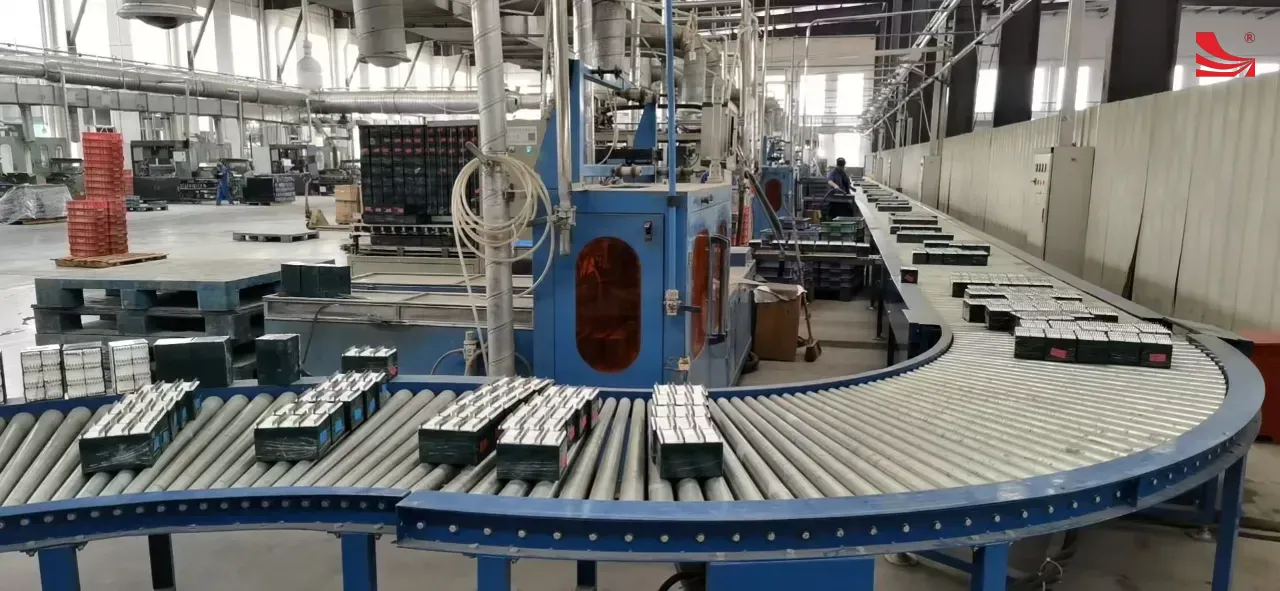
Looking for a Trusted Motorcycle Battery Supplier? Here’s What You Need to Know

Bulk Motorcycle Batteries Direct from Factory – Save Costs, Boost Profit
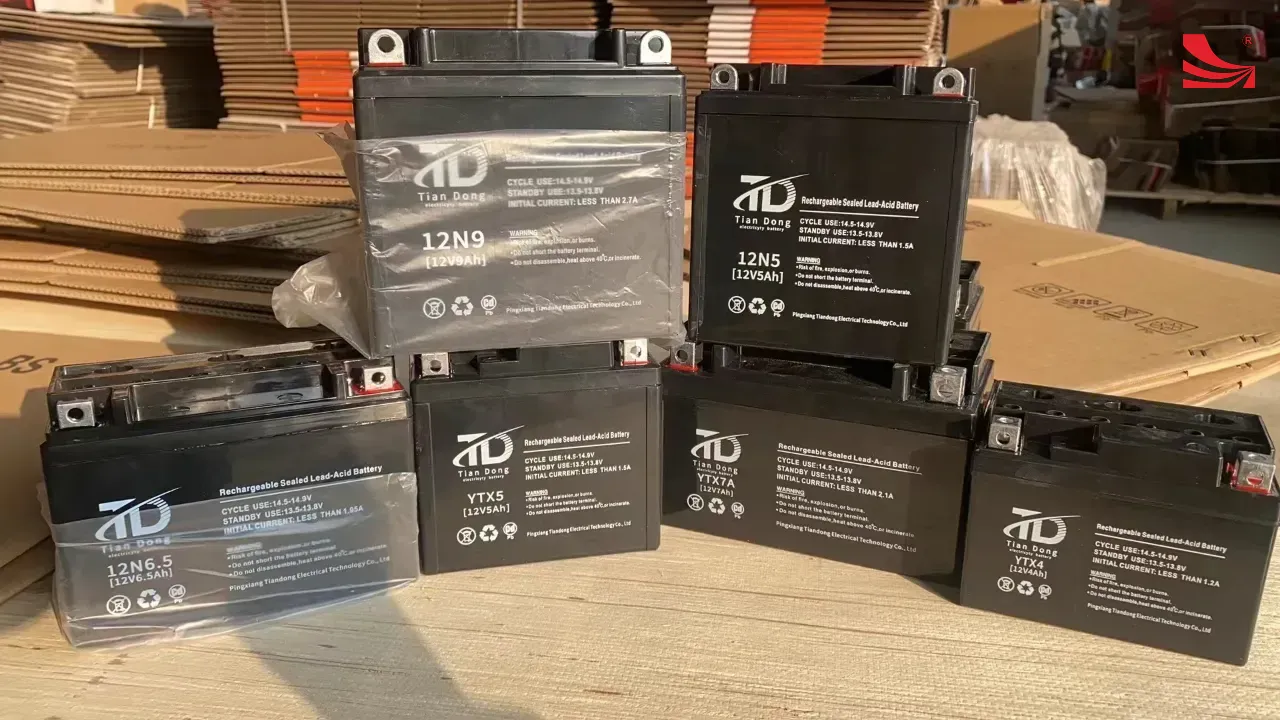
High Performance Motorcycle Batteries for Global Markets

Tiandong Electric Appliance Showcases High-Performance Motorcycle Batteries at Guangzhou Expo

What kind of battery is best for a motorcycle?

The Ultimate Guide to Electric Scooter Batteries: Performance, Longevity, and Future Innovations (2026 & Beyond)
Product
What is the most common motorcycle battery type?
AGM batteries are currently the most widely used due to their balance of cost and performance.
Do you offer OEM or custom branding?
Yes, we provide full OEM and ODM services, including logo printing, packaging customization, and model adjustments.
How long is the delivery time?
- Sample: 7–15 days
- Bulk orders: 20–35 days
What causes motorcycle batteries to fail?
Common causes include over-discharging, extreme temperatures, poor charging systems, and low-quality manufacturing materials.
What kind of battery is best for a motorcycle?
AGM batteries are a popular choice because they combine the best of both worlds: the durability of lead-acid batteries and the low maintenance of lithium-ion batteries. AGM batteries are sealed, so they don't require water refills, and they're designed to handle rough conditions, making them ideal for motorcycles.
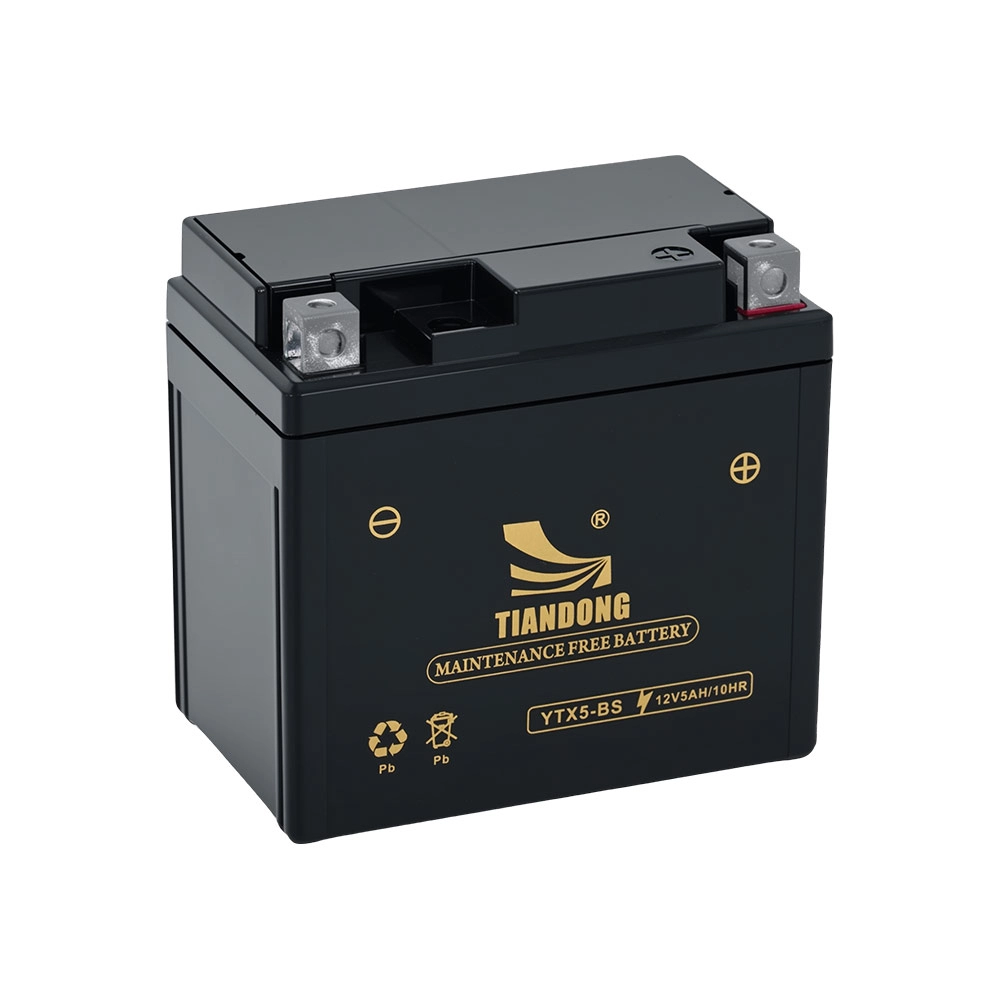
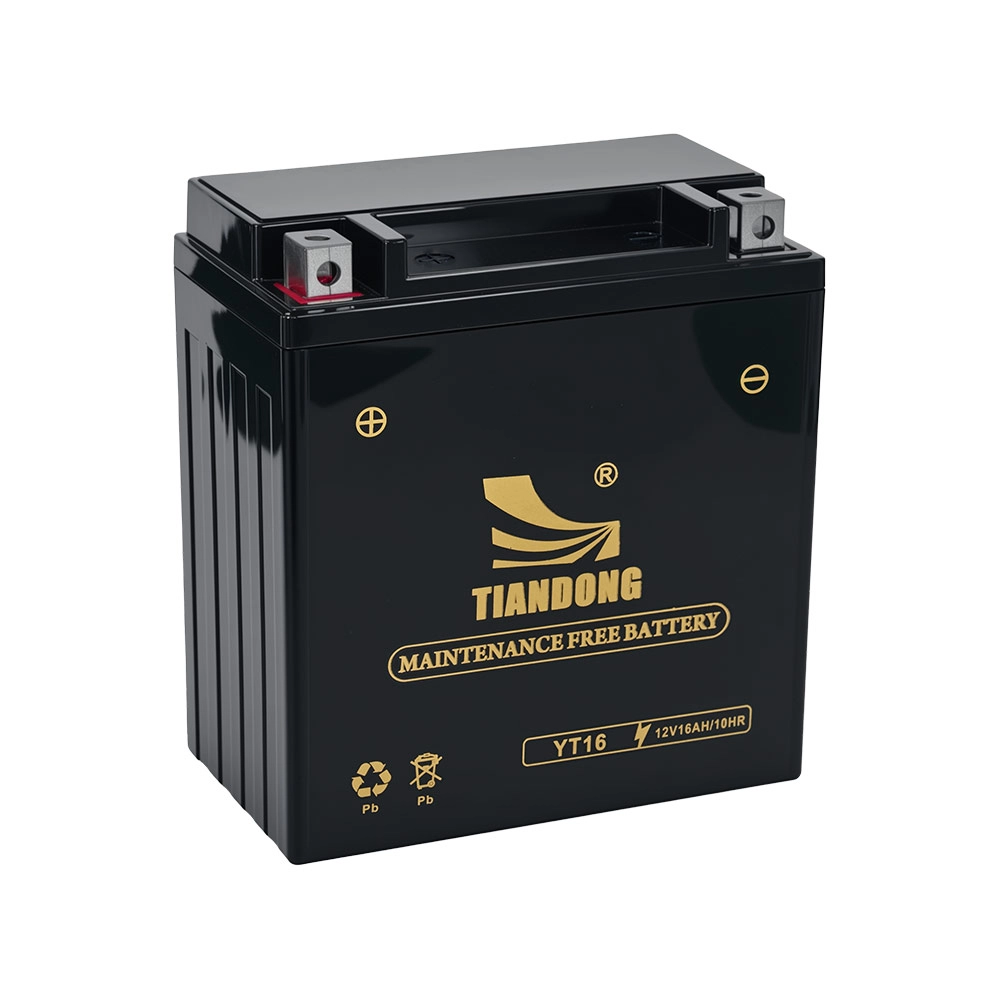
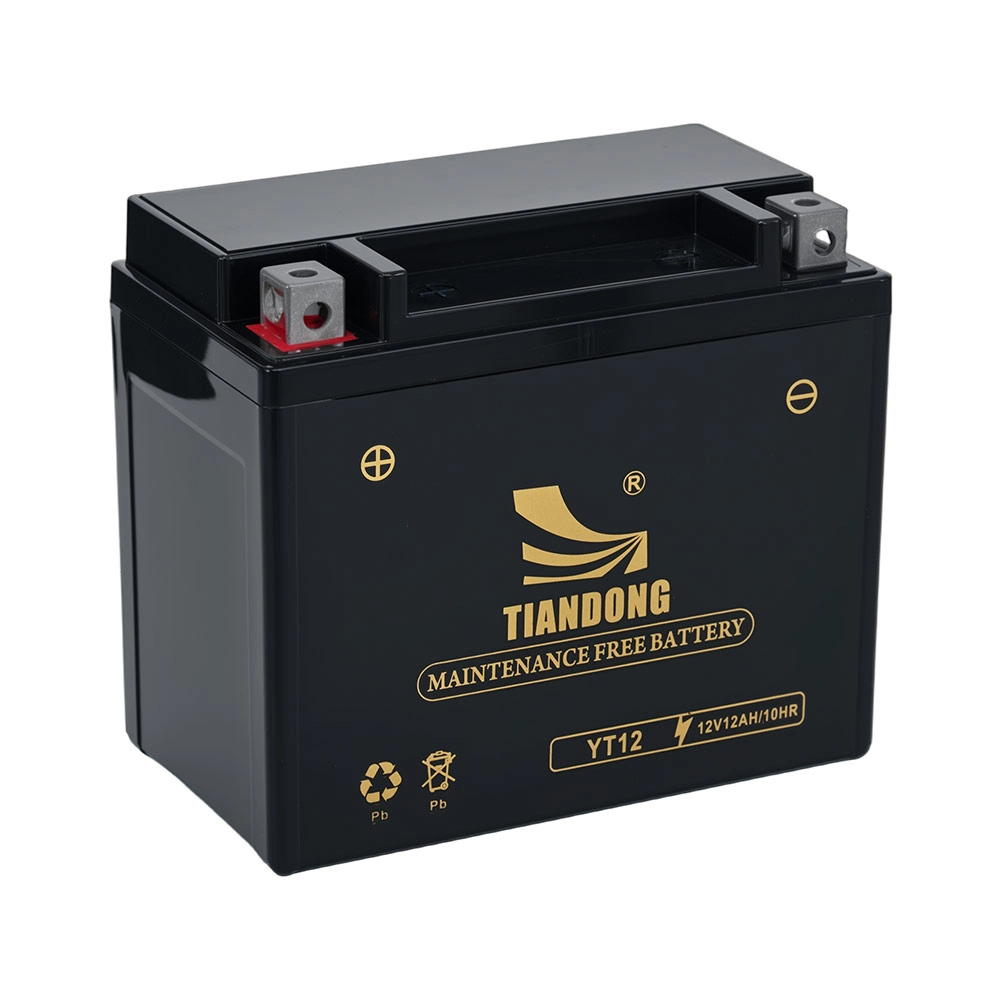
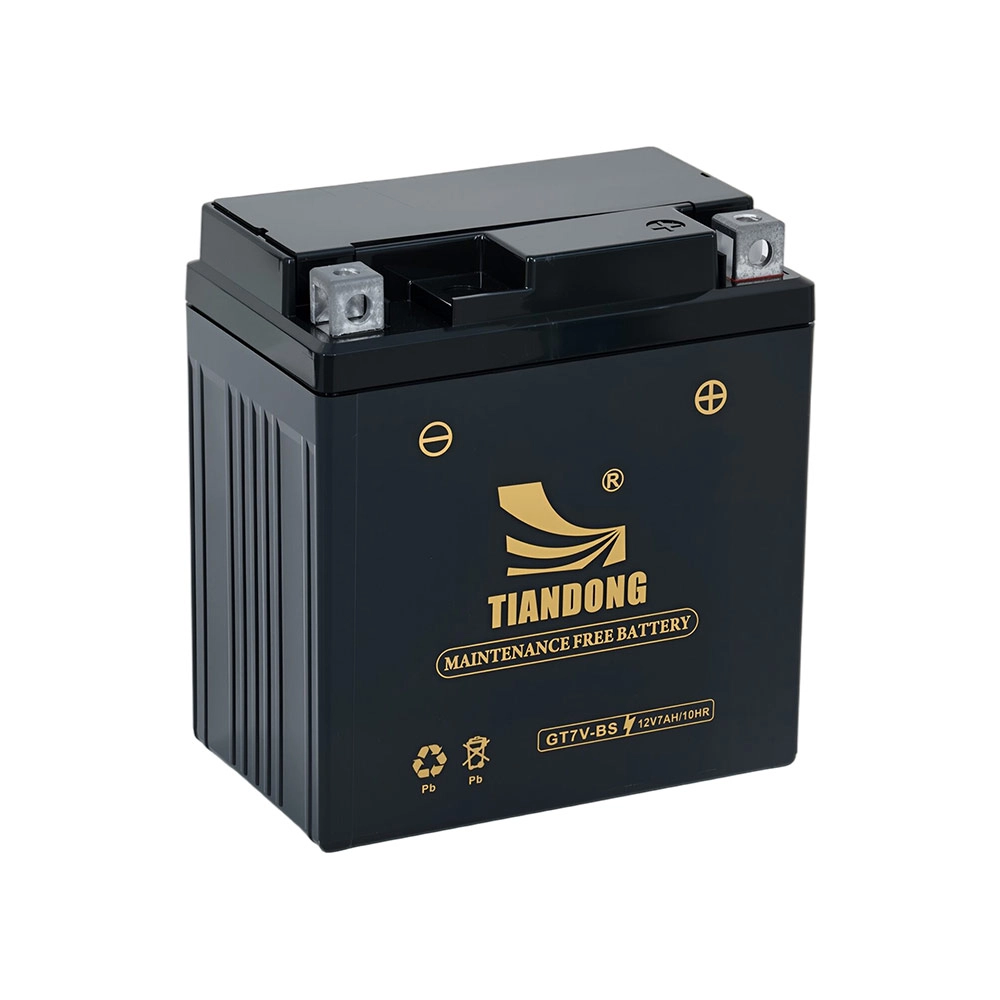
Get in touch with us to get your Motorbike Battery solution
TIANDONG is a leading motorcycle battery manufacturer offering OEM/ODM service, stable quality, and global export support.
Built for wholesalers. Trusted by global buyers. Delivered with confidence.
Say Hello
E-mail: daisybattery8@gmail.com
xianyingchen83@gmail. com
WhatsAPP: +86 134 283 86694
+86 134 348 86641
Our Location
Social Links
© 2025 TIANDONG. All Rights Reserved. Privacy Policy | Terms and Conditions | Sitemap
 Scan QR Code
Facebook
Instagram
Scan QR Code
Whatsapp: +8613434886641