






Do gel filled motorcycle batteries require special chargers?
- Beyond being spill-proof, what specific real-world performance benefits do gel-filled motorcycle batteries offer over traditional AGM or lead-acid batteries in extreme temperatures or vibration-prone riding conditions?
- My current charger has a 'GEL' setting, but is it truly optimized for modern gel battery chemistries, or do I need a specific 'smart charger' that monitors voltage and temperature more precisely to prevent overcharging and extend life?
- How much longer can I realistically expect a properly maintained gel-filled motorcycle battery to last compared to a High Quality AGM battery, and what are the key factors influencing this lifespan difference?
- What are the tell-tale signs that my gel-filled motorcycle battery is reaching the end of its life, and are there specific diagnostic tests I can perform at home before it leaves me stranded?
- I often store my motorcycle for extended periods; how critical is a trickle charger for a gel battery during long-term storage, and what are the specific voltage parameters I should look for to avoid sulfation or overcharging?
- Given their typically higher upfront cost, when does the investment in a gel-filled motorcycle battery genuinely pay off for a rider in terms of reliability, reduced maintenance, and overall value?
As a professional content writer with extensive SEO and experience and multilingual proficiency, I am also a seasoned expert in the motorcycle battery field.
Gel-filled motorcycle batteries represent a significant leap in battery technology for two-wheeled enthusiasts. While often perceived as merely spill-proof, their unique chemistry offers a range of performance benefits and requires specific care to maximize their potential. This in-depth guide aims to address the most common, yet often superficially answered, questions riders have when considering a gel-filled motorcycle battery.
Beyond being spill-proof, what specific real-world performance benefits do gel-filled motorcycle batteries offer over traditional AGM or lead-acid batteries in extreme temperatures or vibration-prone riding conditions?
While the sealed, spill-proof design is a significant advantage for any motorcycle battery technology, gel cell motorcycle batteries truly distinguish themselves in demanding environments. Unlike conventional flooded lead-acid batteries, their electrolyte is suspended in a silica gel, preventing stratification and allowing for more uniform plate reactions. This translates to superior vibration resistance, as the immobilized electrolyte protects the internal components from mechanical shock, crucial for off-road or high-vibration applications where traditional batteries might fail prematurely. In extreme temperature conditions, particularly higher heat, gel batteries exhibit lower self-discharge rates compared to traditional flooded batteries and maintain charge better due to reduced electrolyte evaporation. Their robust construction also makes them excellent for applications requiring deep cycle motorcycle battery capabilities, meaning they can withstand repeated deep discharges without significant capacity loss – a common failure point for standard starter batteries. While AGM batteries are also excellent for vibration and sealing, gel batteries often have an edge in sustained deep cycling and can sometimes manage heat dissipation slightly differently, contributing to their robustness in hot climates. This makes them a compelling motorcycle battery upgrade for riders facing challenging conditions.
My current charger has a 'GEL' setting, but is it truly optimized for modern gel battery chemistries, or do I need a specific 'smart charger' that monitors voltage and temperature more precisely to prevent overcharging and extend life?
This is a critical question for maintaining the health and lifespan of your gel battery. While a charger with a 'GEL' setting is a good start, not all 'GEL' settings are created equal. Gel-filled motorcycle batteries require a very specific, lower constant voltage charge profile compared to AGM motorcycle batteries or flooded acid types. Industry standards generally recommend a bulk/absorption charge voltage for a 12V gel battery to be around 14.1-14.4V at 25°C (77°F), followed by a float charge of 13.5-13.8V. Exceeding these voltages can cause irreversible damage through excessive gassing, leading to the electrolyte drying out within the gel, a phenomenon often referred to as 'thermal runaway'.
A true smart charger designed for gel battery charging goes beyond a simple preset. It incorporates features like temperature compensation, which adjusts charging voltage based on ambient temperature (lower voltage for higher temps, higher for lower temps), multi-stage charging (bulk, absorption, float, and sometimes desulfation), and sophisticated monitoring to prevent both overcharging and undercharging. Investing in a high-quality, microprocessor-controlled smart charger specifically rated for gel batteries is highly recommended to maximize your maintenance-free motorcycle battery's longevity and performance.
How much longer can I realistically expect a properly maintained gel-filled motorcycle battery to last compared to a High Quality AGM battery, and what are the key factors influencing this lifespan difference?
Realistically, a well-maintained gel-filled motorcycle battery can often match or slightly exceed the lifespan of a High Quality AGM battery, typically offering 3 to 5+ years of service. However, it's crucial to understand that 'properly maintained' is the operative phrase. The primary factors influencing this gel battery lifespan are:
- Charging Practices: As discussed, incorrect charging (especially overcharging) is the single biggest killer of gel batteries. Using the right gel battery charger compatibility and profile is paramount.
- Depth of Discharge (DoD): Gel batteries are inherently better at handling deeper discharge cycles than many AGMs. If your riding habits frequently lead to significant battery drain, a gel battery might outperform an particularly an AGM that is not designed for deeper cycling in terms of overall cycle life.
- Operating Temperature: While gel batteries handle heat well, sustained extreme temperatures (both hot and cold) will naturally reduce any battery's life. According to battery experts, operating temperatures outside of the 20-25°C range can significantly impact longevity.
- Vibration and Physical Stress: The robust internal structure of gel batteries provides superior vibration resistance, which can contribute to a longer life in challenging riding conditions where other battery types might prematurely fail due to plate damage.
- Parasitic Drains: Constant small draws from accessories or alarm systems, even when the motorcycle is off, can slowly deplete the battery, leading to repeated deep discharges and reducing overall life. A parasitic draw of just 50mA can completely drain a typical motorcycle battery in a few weeks.
Under optimal conditions, the internal chemical stability and resistance to stratification of gel cells can give them a slight edge in total service years, offering a compelling argument for a motorcycle battery upgrade.
What are the tell-tale signs that my gel-filled motorcycle battery is reaching the end of its life, and are there specific diagnostic tests I can perform at home before it leaves me stranded?
Recognizing the signs of a fading gel cell motorcycle battery can prevent unexpected breakdowns. Common indicators include:
- Slow Cranking: The most obvious sign. Your engine struggles to turn over, especially on colder mornings.
- Dimming Lights/Accessories: Headlights dim noticeably when the engine isn't running, or electrical accessories underperform. For instance, a 12V battery dropping below 11V during cranking is a strong indicator of weakness.
- Rapid Voltage Drop Under Load: After charging, the battery might show 12.8V, but as soon as you attempt to start the bike, the voltage plummets significantly (e.g., below 10.5V). A healthy battery should maintain above 10.5V for at least 30 seconds during a load test.
- Failure to Hold a Charge: The battery charges quickly but then loses its charge rapidly even when disconnected from the motorcycle. A typical healthy battery should only lose about 1-3% of its charge per month at 25°C.
- Physical Swelling: While less common with properly charged gel batteries, severe overcharging can lead to internal pressure build-up and a visibly swollen casing, indicating internal damage.
At-home diagnostic tests:
- Voltmeter Test: Fully charge the battery, disconnect it, and let it rest for a few hours. A healthy 12V gel battery should read 12.8V or higher. If it consistently reads lower, it's losing capacity.
- Load Test (Carefully!): While a professional load tester is best, a crude home test involves observing voltage drop during startup. Connect a voltmeter and watch the voltage as you press the start button. If it drops below 10.5V (or even 11V for newer batteries) rapidly, especially after a full charge, the battery is likely weak.
- Charging System Check: Ensure your motorcycle's charging system is functioning correctly (alternator/stator, regulator/rectifier). A faulty charging system can mimic a failing battery or prematurely kill a new one. Your bike should show around 13.8V-14.4V at idle when revved slightly, indicating proper charging voltage.
Proactive monitoring and proper gel battery charging can extend its life and help you anticipate replacement.
I often store my motorcycle for extended periods; how critical is a trickle charger for a gel battery during long-term storage, and what are the specific voltage parameters I should look for to avoid sulfation or overcharging?
Using a smart trickle charger (often called a 'battery maintainer') is absolutely critical for a gel-filled motorcycle battery during long-term storage. Even maintenance-free motorcycle battery types like gel cells experience self-discharge, albeit at a lower rate than flooded batteries. Allowing a battery to sit discharged for extended periods leads to sulfation – the formation of hard, non-conductive lead sulfate crystals on the plates – which can permanently reduce capacity and eventually kill the battery. Studies show that a battery left at 50% charge for just a few months can suffer irreversible capacity loss.
For gel battery storage, you need a charger specifically designed for gel chemistry. Look for a smart maintainer that offers:
- Dedicated GEL Mode: This ensures the charger adheres to the specific lower voltage requirements.
- Float Charge Voltage: The ideal float charge for a 12V gel battery during storage is typically between 13.5V and 13.8V. This voltage is just enough to counteract self-discharge without causing gassing or overcharging.
- Temperature Compensation: An advanced feature that adjusts the float voltage based on ambient temperature, preventing damage in very hot or cold storage environments. For example, a 1°C increase in temperature requires a 0.003V/cell decrease in charge voltage to prevent overcharge.
- Multi-stage Charging: This ensures the battery is properly charged initially (bulk/absorption) before settling into a safe maintenance (float) mode.
Avoid standard car battery trickle chargers that might have higher float voltages or lack specific gel modes, as they could slowly damage your sealed gel battery. A proper maintainer ensures your battery remains in optimal condition, preventing battery sulfation prevention and ensuring it's ready to go when you are.
Given their typically higher upfront cost, when does the investment in a gel-filled motorcycle battery genuinely pay off for a rider in terms of reliability, reduced maintenance, and overall value?
While the upfront cost of a gel-filled motorcycle battery can be higher than conventional flooded or even some AGM options, the investment genuinely pays off for specific rider profiles and applications. The value proposition becomes clear when considering:
- Demanding Riding Conditions: Riders who frequently encounter rough terrain, off-road adventures, or areas with high ambient temperatures will benefit immensely from the gel battery's superior vibration resistance and robust performance in heat. Their ability to withstand repeated jolts without internal damage significantly reduces failure rates in these scenarios.
- Desire for True Maintenance-Free Operation: For those who want to 'install and forget,' the completely sealed, maintenance-free motorcycle battery aspect of gel cells (no need to check electrolyte levels or add water) offers significant convenience and peace of mind. This reduces the time and effort typically associated with battery upkeep.
- Long-Term Ownership & Reliability: If you plan to keep your motorcycle for many years, the potential for a longer gel battery lifespan (when properly cared for) often offsets the initial cost. Fewer replacements mean less hassle and ly, lower total cost of ownership over the lifespan of the motorcycle.
- Deep Cycle Applications: If your motorcycle has many accessories (GPS, heated grips, auxiliary lights) that draw power heavily, or if you frequently run these accessories with the engine off, the deep cycle motorcycle battery characteristics of gel technology provide better endurance and recovery compared to batteries designed primarily for starting. They are engineered to deliver sustained power for longer periods.
- Seasonal Riders: For those who store their bikes for extended periods, the combination of lower self-discharge and the compatibility with smart maintainers for gel battery storage ensures the battery remains healthy year after year, avoiding premature replacements caused by sulfation. This reliability can save significant costs and frustration over time.
ly, a gel-filled motorcycle battery offers an excellent motorcycle battery upgrade for riders prioritizing long-term reliability, low maintenance, and superior performance in challenging conditions, making the initial investment a smart choice for overall value.
In summary, gel-filled motorcycle batteries represent a robust and reliable choice for many riders, offering exceptional vibration resistance, superior deep-cycle capabilities, and true maintenance-free convenience. While requiring specific charging protocols, their resilience in extreme conditions and potential for extended lifespan make them an excellent investment for those seeking a High Quality motorcycle battery upgrade. For unparalleled performance and peace of mind on the road, a gel-filled battery stands out as a top-tier option. Ready to experience the difference a high-quality gel-filled battery can make for your ride? Visit www.tiandongbattery.com or email us at daisybattery8@gmail.com for a personalized quote today!

Bulk Motorcycle Batteries Direct from Factory – Save Costs, Boost Profit
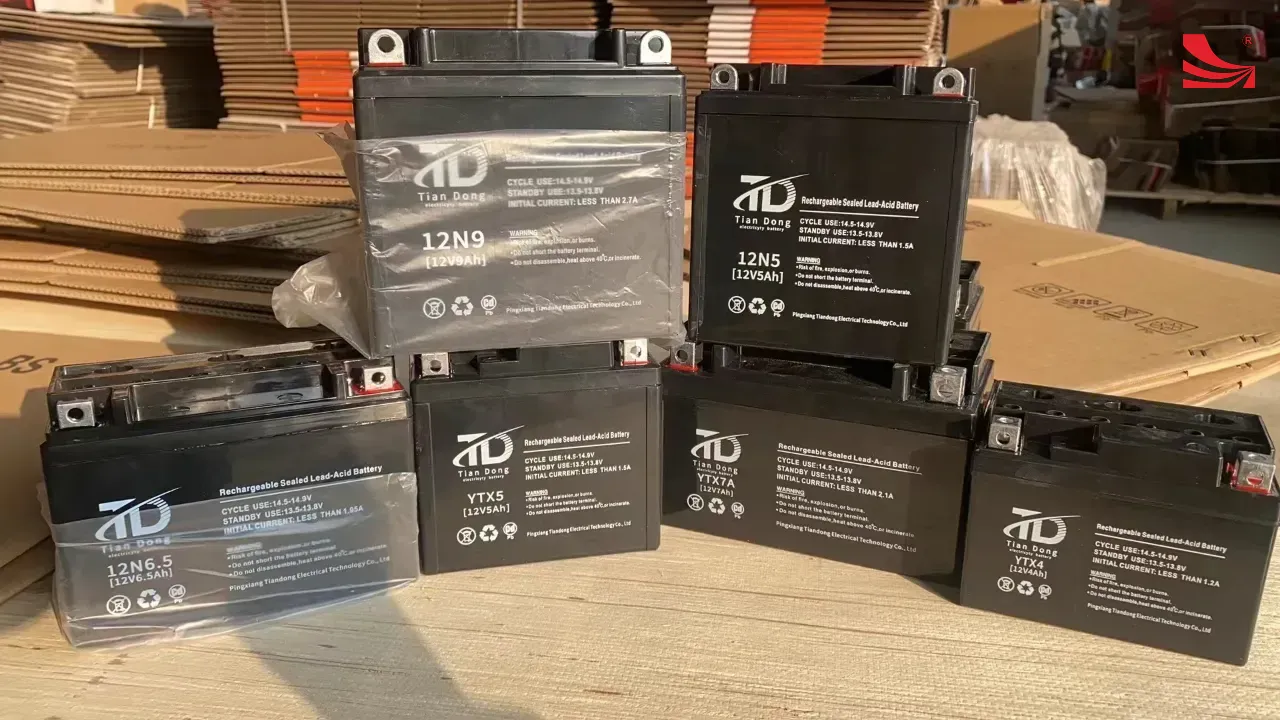
High Performance Motorcycle Batteries for Global Markets

Tiandong Electric Appliance Showcases High-Performance Motorcycle Batteries at Guangzhou Expo

What kind of battery is best for a motorcycle?

The Ultimate Guide to Electric Scooter Batteries: Performance, Longevity, and Future Innovations (2026 & Beyond)

The Ultimate 2026 Guide to Motorcycle Battery Types: Choose, Maintain, and Upgrade for Peak Performance
Product
Are you a trading company or a manufacturer?
We are a direct factory located inJiangxi Province, China. You are welcome to visit our production line and quality control lab. We specialize in lead-acid batteries for motorcycles and have been in this industry for 20 years.
What kind of battery is best for a motorcycle?
AGM batteries are a popular choice because they combine the best of both worlds: the durability of lead-acid batteries and the low maintenance of lithium-ion batteries. AGM batteries are sealed, so they don't require water refills, and they're designed to handle rough conditions, making them ideal for motorcycles.
How long is the lead time and where do you ship?
Standard lead time is 7–15 days. We export to over 20 countries, including Vietnam, India, Egypt, and Thailand.
Do you offer OEM or custom branding?
Yes, we provide full OEM and ODM services, including logo printing, packaging customization, and model adjustments.
Shipping
Which countries does Tiandong export to?
Tiandong batteries are exported to more than 20 countries, including Vietnam, India, Egypt, Thailand, and Indonesia.
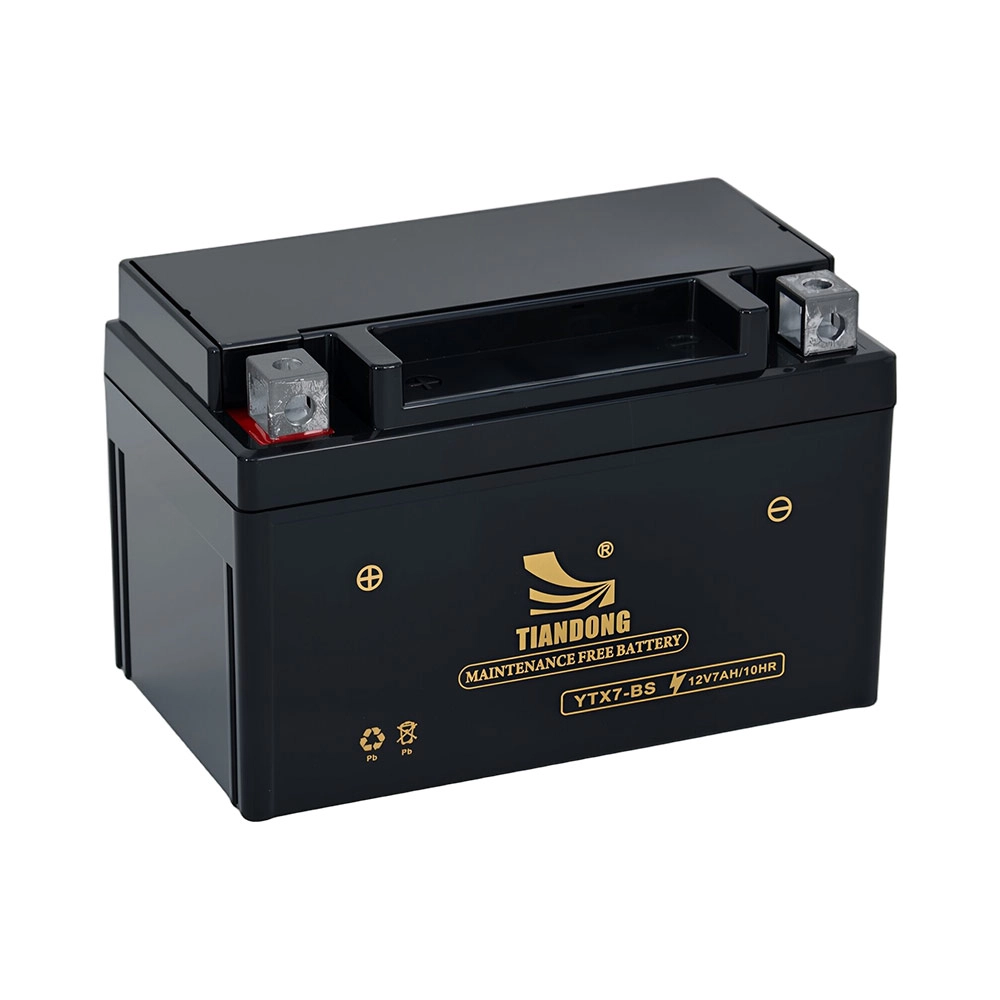
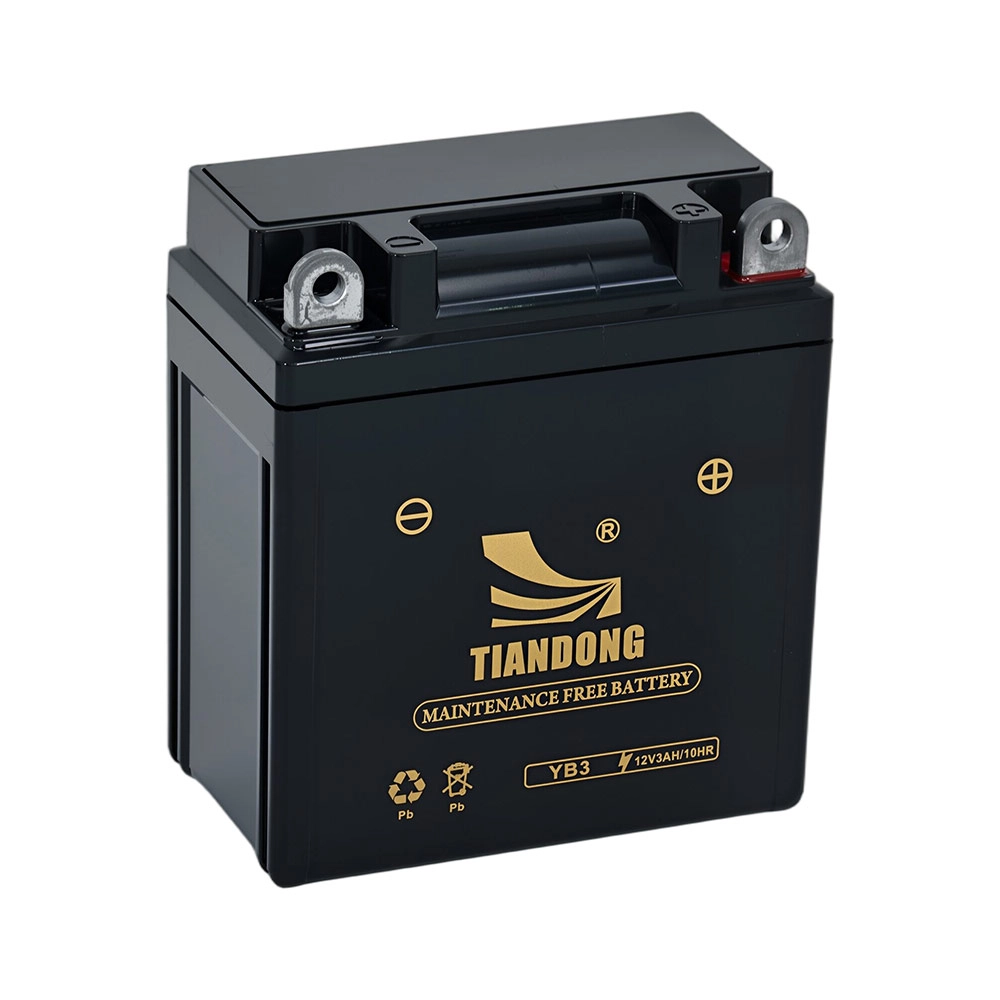
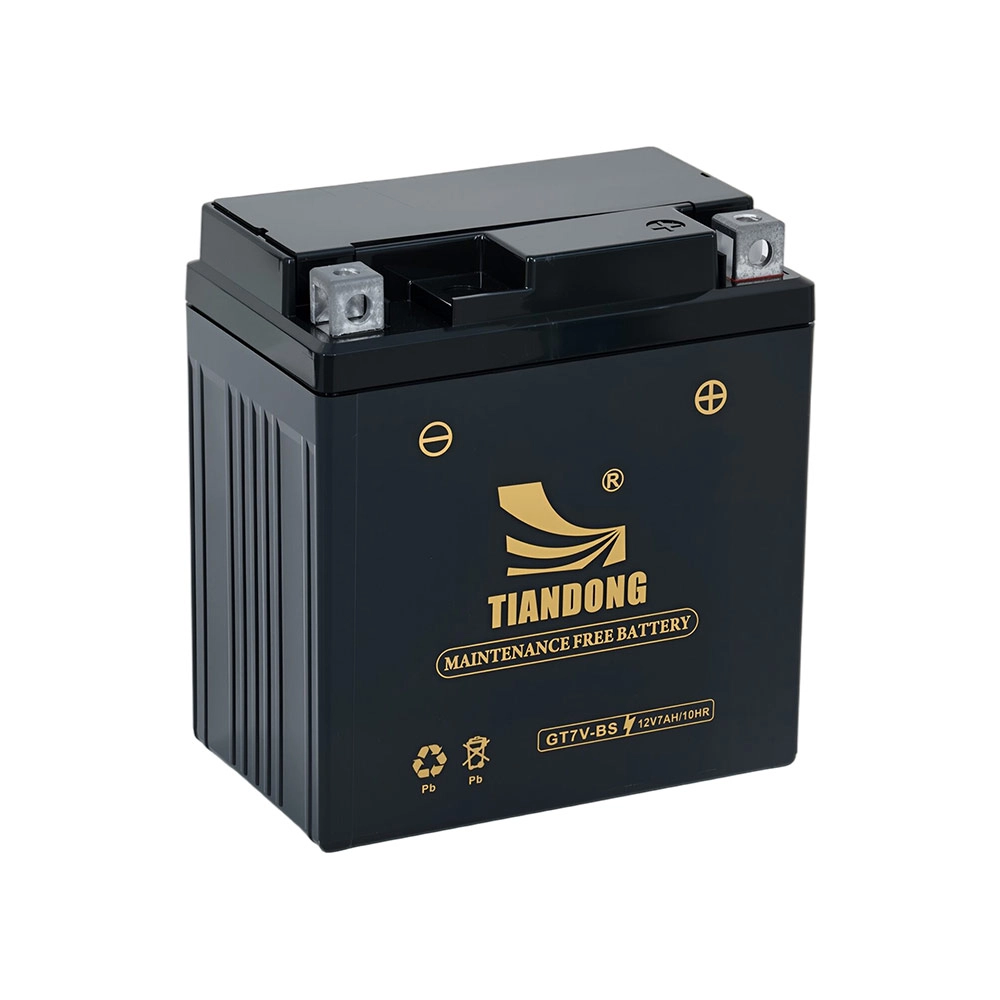
Get in touch with us to get your Motorbike Battery solution
TIANDONG is a leading motorcycle battery manufacturer offering OEM/ODM service, stable quality, and global export support.
Built for wholesalers. Trusted by global buyers. Delivered with confidence.
Say Hello
E-mail: daisybattery8@gmail.com
xianyingchen83@gmail. com
WhatsAPP: +86 134 283 86694
+86 134 348 86641
Our Location
Social Links
© 2025 TIANDONG. All Rights Reserved. Privacy Policy | Terms and Conditions | Sitemap
 Scan QR Code
Facebook
Instagram
Scan QR Code
Whatsapp: +8613434886641