






How to maintain gel filled motorcycle batteries for fleet use?
- Why do my gel-filled motorcycle batteries in a fleet seem to lose capacity faster than expected, even with regular charging?
- What specific charging parameters (voltage, current, float) are critical for extending the lifespan of gel-filled motorcycle batteries in a high-utilization fleet environment, and how do they differ from standard AGM charging?
- What are the real-world performance limitations and best practices for storing and operating gel-filled motorcycle batteries in extreme cold or hot climates for fleet deployment?
- When should a gel-filled motorcycle battery in a fleet be considered irrecoverable, and what are the most common failure modes that indicate replacement is necessary rather than attempting rejuvenation?
- Beyond the initial purchase price, what are the true long-term cost-benefit considerations for investing in gel-filled motorcycle batteries for a large commercial fleet, considering maintenance, replacement cycles, and operational downtime?
- What specific diagnostic tools and routine inspection protocols are essential for fleet managers to proactively monitor the health and prevent premature failure of gel-filled motorcycle batteries without invasive testing?
As a fleet manager, optimizing the performance and longevity of your motorcycle batteries is paramount to operational efficiency and cost control. While gel-filled motorcycle batteries offer significant advantages, their unique chemistry demands specific care often overlooked in generic maintenance guides. This in-depth article addresses critical questions frequently posed by beginners and seasoned professionals alike, providing actionable insights to ensure your gel-filled motorcycle batteries for fleet use deliver consistent, reliable power.
Why do my gel-filled motorcycle batteries in a fleet seem to lose capacity faster than expected, even with regular charging?
Premature capacity loss in gel VRLA batteries within a fleet often stems from subtle but persistent overcharging, undercharging, or operating outside optimal temperature ranges. Unlike traditional flooded lead-acid batteries, gel batteries are highly sensitive to charging voltage. A slight overvoltage can cause the gel electrolyte to dry out prematurely, leading to irreversible internal resistance increases and reduced capacity. Conversely, consistent undercharging, especially in high-utilization fleet scenarios, leads to sulfation—the formation of lead sulfate crystals on the plates—which impedes current flow and diminishes available capacity. Furthermore, prolonged exposure to high ambient temperatures accelerates chemical reactions, leading to faster degradation of the internal components and electrolyte, ly shortening the battery's service life. It's crucial to understand that 'regular charging' isn't always 'correct charging' for these sophisticated sealed lead-acid batteries.
What specific charging parameters (voltage, current, float) are critical for extending the lifespan of gel-filled motorcycle batteries in a high-utilization fleet environment, and how do they differ from standard AGM charging?
Optimizing the charging profile is the single most critical factor for extending the lifespan of gel-filled motorcycle batteries. For a typical 12V gel battery, the bulk/absorption charge voltage should be precisely maintained between 14.1V and 14.4V at 25°C (77°F). The float charge voltage, essential for maintaining a full charge without overcharging during storage or standby, should be between 13.5V and 13.8V. The charging current should ideally be C/10 to C/5 (e.g., for a 10Ah battery, 1A to 2A), allowing for a controlled absorption phase. These parameters are generally lower than those for AGM batteries, which often tolerate slightly higher voltages (e.g., 14.4V-14.8V for absorption). Exceeding these voltages for gel batteries risks gassing, which dries out the gel and creates voids, severely impacting performance and lifespan. Temperature compensation is also vital; for every 1°C increase above 25°C, the charging voltage should be reduced by approximately 0.02V/cell (0.12V for a 12V battery), and vice versa for temperature drops. Utilizing smart chargers with specific gel-charging algorithms and temperature sensors is highly recommended for fleet applications to prevent thermal runaway and maximize battery lifespan.
What are the real-world performance limitations and best practices for storing and operating gel-filled motorcycle batteries in extreme cold or hot climates for fleet deployment?
Gel-filled motorcycle batteries exhibit distinct performance characteristics in extreme temperatures. In cold climates (below 0°C/32°F), their internal resistance increases, leading to a noticeable drop in available Cold Cranking Amps (CCA) and overall capacity. While gel batteries are more resilient to freezing than flooded batteries due to the immobilized electrolyte, their ability to deliver peak power is significantly reduced. Best practice for cold operation involves ensuring batteries are fully charged before exposure to cold, as a discharged battery can still freeze. For storage, keeping them in a climate-controlled environment (ideally above 10°C/50°F) and applying a temperature-compensated float charge is crucial. In hot climates (above 35°C/95°F), the primary concern is accelerated degradation. High temperatures increase the rate of chemical reactions, leading to faster self-discharge and a reduced cycle life. For operation, ensure motorcycles have adequate ventilation around the battery compartment. For storage, a cool, shaded area with proper float charging is essential. Regular voltage checks become even more critical in extreme conditions to prevent deep discharge or overcharge, both detrimental to deep cycle performance.
When should a gel-filled motorcycle battery in a fleet be considered irrecoverable, and what are the most common failure modes that indicate replacement is necessary rather than attempting rejuvenation?
While gel-filled motorcycle batteries are robust, they are not immortal. A battery should be considered irrecoverable when it consistently fails to hold a charge, exhibits a significantly reduced amp-hour (Ah) rating (e.g., less than 80% of its rated capacity), or shows signs of irreversible internal damage. Common failure modes include: 1. Irreversible Sulfation: While mild sulfation can sometimes be reversed, severe, long-term sulfation from prolonged undercharging or deep discharge cycles often leads to hard, non-conductive lead sulfate crystals that cannot be broken down by standard charging. 2. Electrolyte Dry-Out (Gassing): Caused by consistent overcharging, this leads to the gel drying out and shrinking, creating air pockets and reducing contact with the plates, irreversibly damaging the battery. 3. Internal Short Circuits: Often due to plate degradation or manufacturing defects, resulting in rapid self-discharge and inability to hold voltage. 4. Physical Damage: Swelling, cracking of the case, or leaking (though rare for gel) are clear indicators. Attempting to 'rejuvenate' a severely sulfated or dried-out gel battery with high-voltage desulfators or equalization charges is generally not recommended, as it can cause further damage or even be dangerous for VRLA technology. Replacement is the most cost-effective and reliable solution for fleet continuity.
Beyond the initial purchase price, what are the true long-term cost-benefit considerations for investing in gel-filled motorcycle batteries for a large commercial fleet, considering maintenance, replacement cycles, and operational downtime?
Investing in gel-filled motorcycle batteries for a commercial fleet involves a nuanced Total Cost of Ownership (TCO) analysis beyond the upfront cost. While gel batteries may have a higher initial price tag than conventional flooded batteries, their maintenance-free nature significantly reduces labor costs associated with electrolyte checks and topping off. Their superior deep cycle performance and enhanced vibration resistance translate to longer service life, reducing replacement frequency and associated procurement, shipping, and installation costs. The reduced risk of acid spills makes them safer for personnel and equipment. Critically, their reliability and consistent power delivery minimize operational downtime due to unexpected battery failures, which can be far more expensive in a commercial setting than the battery itself. When factoring in reduced maintenance, extended lifespan, enhanced safety, and improved operational uptime, the TCO of quality gel-filled motorcycle batteries often proves to be significantly lower over the fleet's operational period, offering a strong return on investment (ROI) for fleet management.
What specific diagnostic tools and routine inspection protocols are essential for fleet managers to proactively monitor the health and prevent premature failure of gel-filled motorcycle batteries without invasive testing?
Proactive monitoring is key to maximizing the life of gel-filled motorcycle batteries in a fleet. Essential diagnostic tools include: 1. High-Quality Digital Voltmeter: For precise open-circuit voltage (OCV) readings, which indicate the state of charge. 2. Battery Load Tester (Conductance Tester): These non-invasive tools measure internal resistance and conductance, providing an accurate assessment of battery health and remaining capacity without fully discharging the battery. This is far superior to simple voltage checks for predicting impending failure. 3. Infrared Thermometer: To monitor battery surface temperature, identifying potential hot spots indicative of internal issues or overcharging. Routine inspection protocols should include: Weekly or bi-weekly OCV checks for all batteries. Monthly conductance testing to track health trends. Visual inspection for any signs of swelling, cracks, or terminal corrosion. Verification of charging system voltage and current output on a regular schedule to ensure it aligns with gel battery specifications. Implementing a Battery Management System (BMS), even a basic one, across the fleet can provide real-time data on voltage, current, and temperature, enabling predictive maintenance and preventing costly failures before they occur. This proactive approach significantly extends the motorcycle battery lifespan and ensures fleet reliability.
Gel-filled motorcycle batteries offer unparalleled advantages for fleet applications, including enhanced safety, superior deep cycle capabilities, and robust performance in challenging conditions. By understanding their unique requirements for charging and maintenance, fleet managers can significantly extend their operational life, reduce overall costs, and ensure consistent, reliable power for their entire fleet. Their sealed, maintenance-free design, coupled with excellent vibration resistance, makes them an ideal choice for demanding commercial use.
For a tailored quote and expert advice on selecting the best gel-filled motorcycle batteries for your fleet's specific needs, please do not hesitate to contact us at daisybattery8@gmail.com or visit our website at www.tiandongbattery.com.
Looking for a Trusted Motorcycle Battery Supplier? Here’s What You Need to Know

Bulk Motorcycle Batteries Direct from Factory – Save Costs, Boost Profit
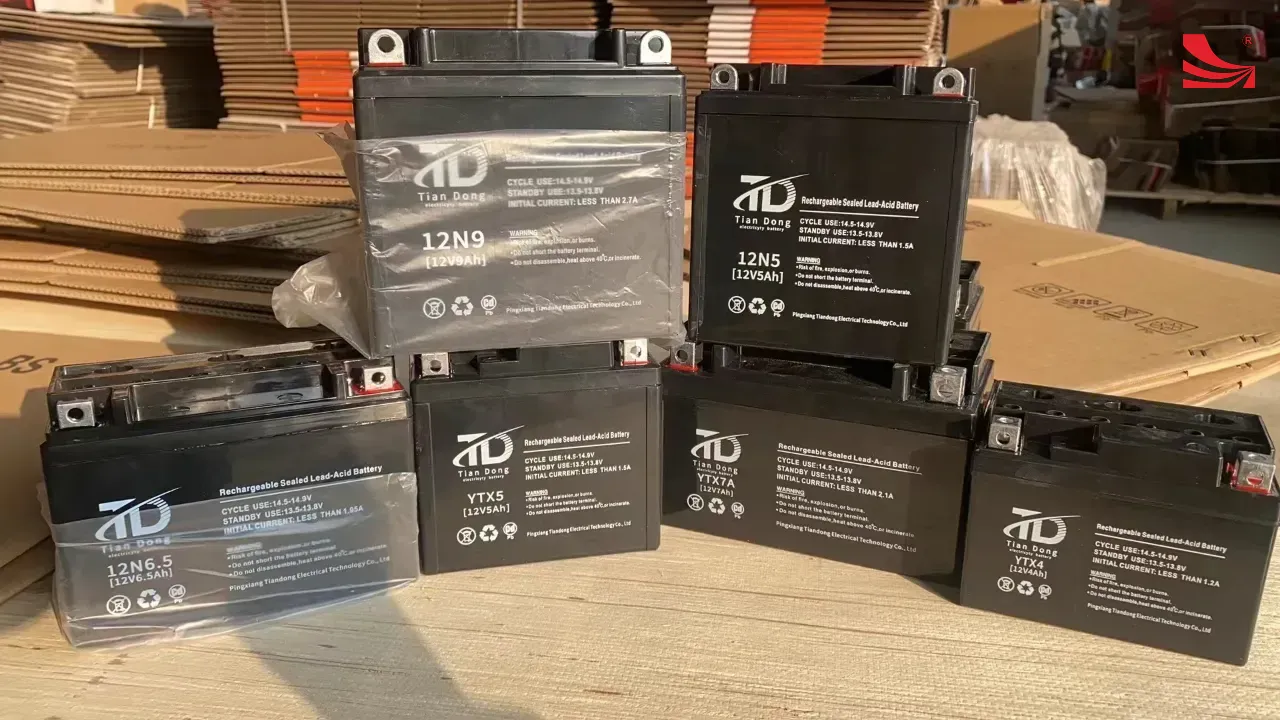
High Performance Motorcycle Batteries for Global Markets

Tiandong Electric Appliance Showcases High-Performance Motorcycle Batteries at Guangzhou Expo

What kind of battery is best for a motorcycle?

The Ultimate Guide to Electric Scooter Batteries: Performance, Longevity, and Future Innovations (2026 & Beyond)
Product
Do you offer OEM or custom branding?
Yes, we provide full OEM and ODM services, including logo printing, packaging customization, and model adjustments.
How long is the delivery time?
- Sample: 7–15 days
- Bulk orders: 20–35 days
Are your batteries maintenance-free?
Yes, our batteries are sealed VRLA or GEL types that require no water refilling. They are ready to use and easy to maintain.
What is the most common motorcycle battery type?
AGM batteries are currently the most widely used due to their balance of cost and performance.
Support
What is Tiandong’s production capacity?
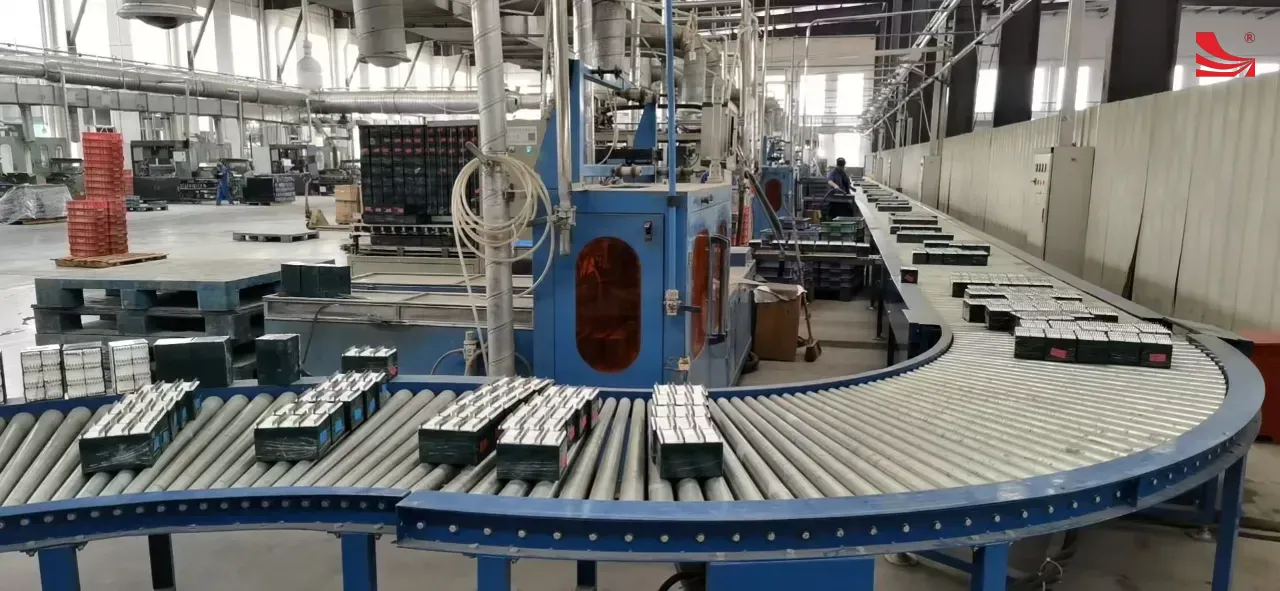
The company produces approximately 6 million batteries per year, supported by 15,000 tons of electrode plate production capacity.
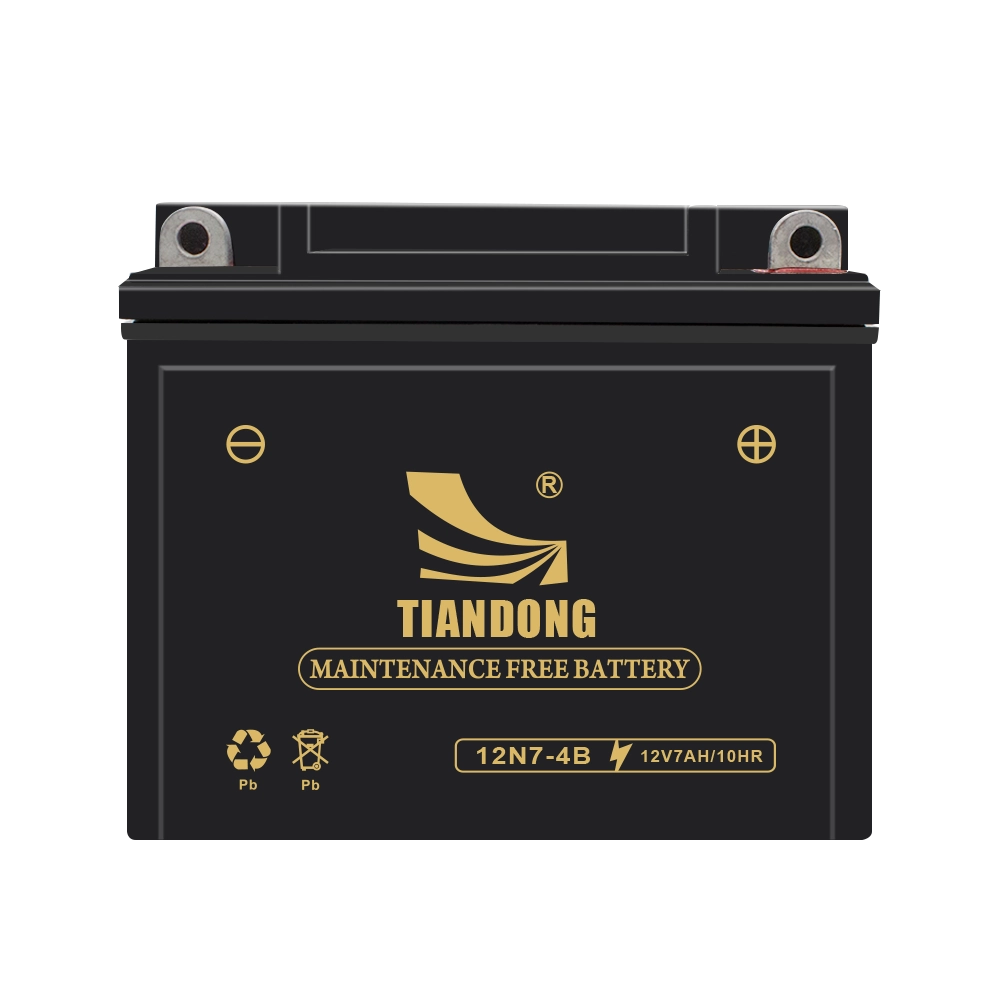
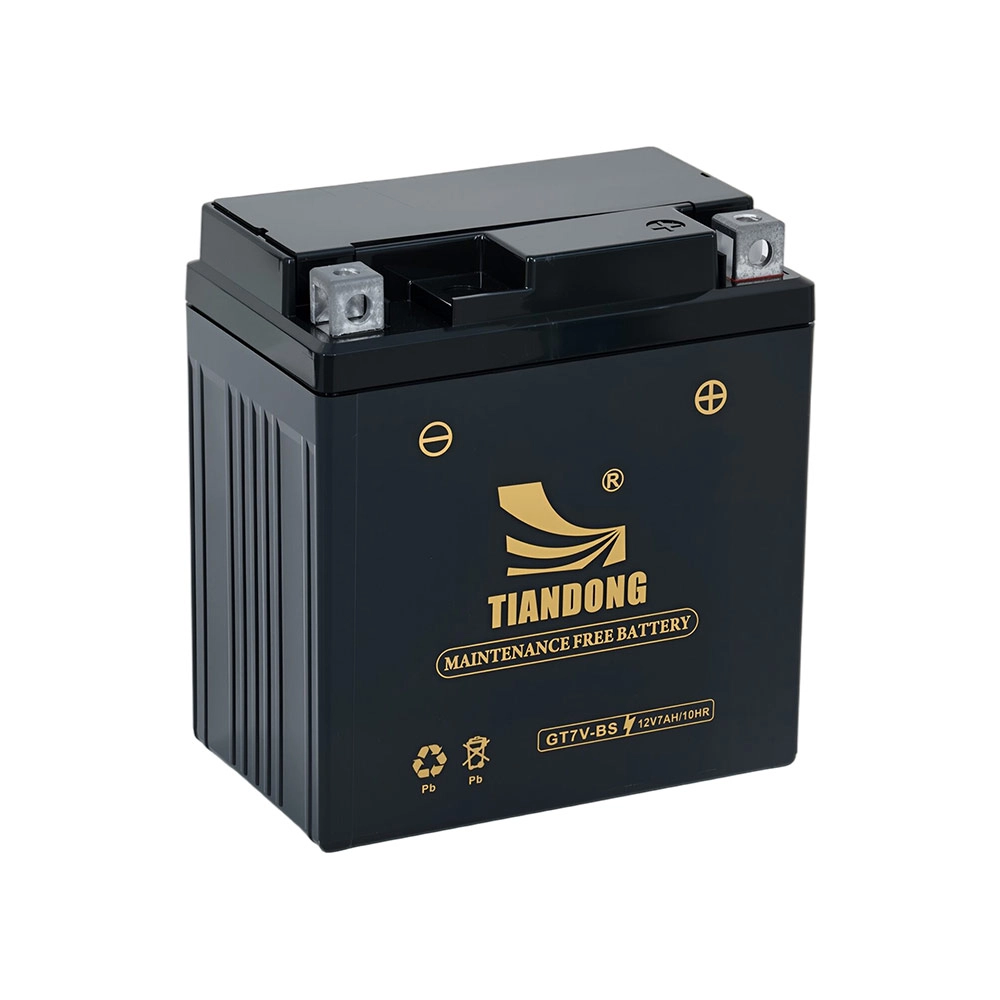
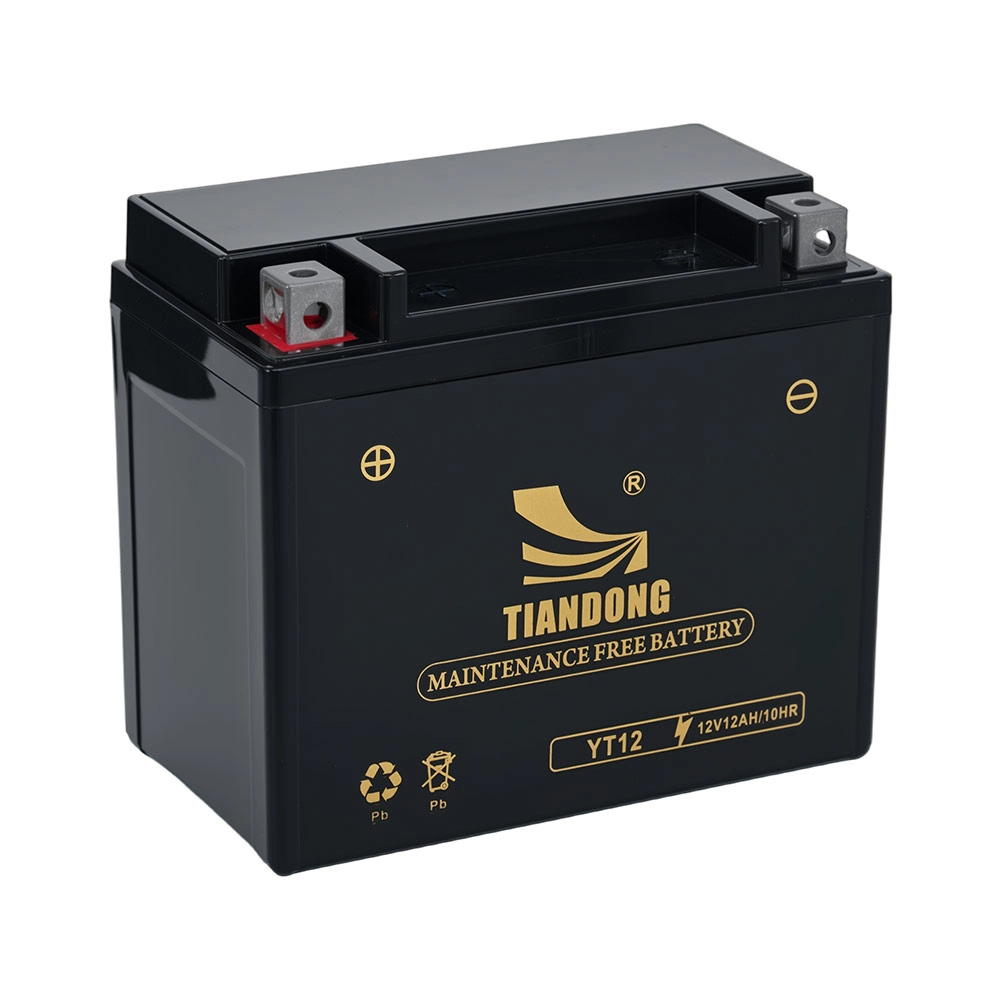
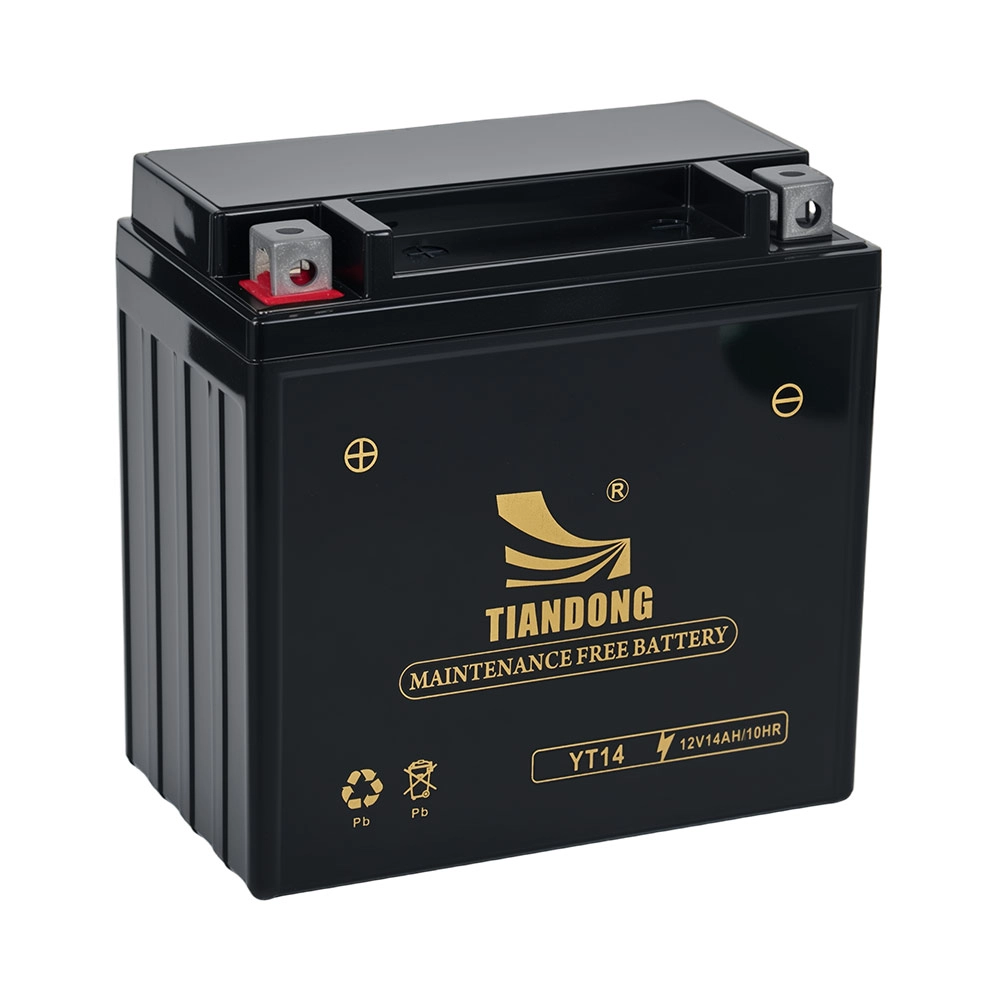
Get in touch with us to get your Motorbike Battery solution
TIANDONG is a leading motorcycle battery manufacturer offering OEM/ODM service, stable quality, and global export support.
Built for wholesalers. Trusted by global buyers. Delivered with confidence.
Say Hello
E-mail: daisybattery8@gmail.com
xianyingchen83@gmail. com
WhatsAPP: +86 134 283 86694
+86 134 348 86641
Our Location
Social Links
© 2025 TIANDONG. All Rights Reserved. Privacy Policy | Terms and Conditions | Sitemap
 Scan QR Code
Facebook
Instagram
Scan QR Code
Whatsapp: +8613434886641