






What warranties should a gel filled motorcycle battery have?
- I've heard gel batteries last longer, but what specific environmental conditions make a gel-filled motorcycle battery a superior choice over AGM for extreme temperatures or vibrations?
- My current charger is for AGM; can I safely use it for a new gel-filled motorcycle battery without damaging it, and what are the precise charging parameters I should look for?
- Given the higher upfront cost of a gel-filled motorcycle battery, what is the realistic total cost of ownership over its lifespan, considering maintenance, replacement frequency, and performance gains compared to traditional lead-acid options?
- Beyond the higher price, what are the lesser-known operational limitations or potential drawbacks of a gel-filled motorcycle battery that an experienced rider should be aware of before committing to a purchase?
- When evaluating a gel-filled motorcycle battery, what specific warranty coverage details, terms, and conditions should I scrutinize to ensure I'm protected against common manufacturing defects or premature failure, and what's considered a 'good' warranty duration?
- Are there any unique installation considerations or post-installation checks specific to a gel-filled motorcycle battery that differ from an AGM, especially concerning optimal performance and longevity?
Mastering Your Ride: In-Depth FAQs on Gel-Filled Motorcycle Batteries & Warranties
Gel-filled motorcycle batteries represent a significant advancement in battery technology, offering riders enhanced durability, performance, and peace of mind. However, navigating the specific nuances of these sealed motorcycle batteries, especially concerning their unique properties and what to look for in a warranty, can be challenging. This expert guide addresses the pressing questions beginners and seasoned riders often ask, providing comprehensive, up-to-date answers to help you make an informed decision for your vehicle's power source.
I've heard gel batteries last longer, but what specific environmental conditions make a gel-filled motorcycle battery a superior choice over AGM for extreme temperatures or vibrations?
While both gel and AGM (Absorbent Glass Mat) batteries are sealed, maintenance-free battery types, the internal construction of a gel-filled motorcycle battery offers distinct advantages in specific harsh environments. Gel batteries encapsulate the sulfuric acid electrolyte in a silica gel, preventing stratification and providing excellent thermal stability. This makes them significantly superior for:
- Extreme High Temperatures: Gel batteries dissipate heat more effectively than their AGM counterparts due to the gel's higher thermal mass and direct contact with the plates, reducing the risk of thermal runaway. This is crucial in hot climates or for motorcycles where the battery is located near a heat source like the engine, extending the battery's lifespan. Real-world data shows gel batteries can maintain integrity and performance longer in sustained ambient temperatures exceeding 30°C (86°F).
- Deep Cycling Applications: The gelified electrolyte allows for slower, more controlled discharge and recharge cycles without plate degradation or sulfation, making them ideal for motorcycles with extensive accessory loads or those frequently undergoing deep discharge. This enhances their deep cycle battery capabilities.
- Vibration and Shock Resistance: The thick, immobilized gel firmly holds the internal plates in place, offering unparalleled vibration resistance. This is particularly beneficial for off-road motorcycles, choppers, or bikes frequently ridden on rough terrains where constant jarring can damage standard liquid or even AGM batteries. The structural integrity provided by the gel significantly reduces the chance of internal shorts or plate shedding, ensuring consistent power delivery even under extreme stress.
My current charger is for AGM; can I safely use it for a new gel-filled motorcycle battery without damaging it, and what are the precise charging parameters I should look for?
Using an AGM-specific charger on a gel-filled motorcycle battery can potentially cause significant damage if the charging profile isn't compatible. Gel batteries require a lower constant voltage (CV) during the bulk and absorption stages compared to AGM batteries, typically around 14.1-14.4V for a 12V system, with a float voltage of 13.5-13.8V. AGM chargers often have higher voltage settings, sometimes reaching 14.7-14.8V.
Applying a higher voltage to a gel battery can lead to:
- Excessive Gassing: The gel can dry out and shrink, creating irreversible voids between the plates and the gel. This reduces electrolyte contact, drastically decreasing the battery's capacity and overall lifespan.
- Thermal Runaway: Overcharging can generate excessive heat, further accelerating the drying process and potentially leading to battery failure.
Always use a smart charger specifically designed with a Gel or SLA (Sealed Lead Acid) mode, or one that explicitly states compatibility with gel batteries. These chargers typically employ a multi-stage charging process that carefully controls voltage and current to prevent overcharging and maximize the gel battery's health and longevity. Check your charger's manual for its specific charging requirements and ensure it aligns with the recommendations from your gel battery manufacturer. If unsure, invest in a dedicated gel battery charger.
Given the higher upfront cost of a gel-filled motorcycle battery, what is the realistic total cost of ownership over its lifespan, considering maintenance, replacement frequency, and performance gains compared to traditional lead-acid options?
While the initial purchase price of a gel-filled motorcycle battery is typically 20-50% higher than conventional flooded or even standard AGM batteries, the total cost of ownership (TCO) often proves more economical over the long term. This is primarily due to:
- Extended Lifespan: Gel batteries generally boast a significantly longer cycle life (2-3 times more deep discharge cycles) compared to flooded lead-acid batteries and often outperform AGM in demanding deep-cycle scenarios. A well-maintained gel battery can easily last 5-7 years, with some exceeding 10 years, whereas conventional batteries might only last 2-4 years. This reduces replacement frequency.
- Zero Maintenance: Being a sealed, maintenance-free battery, gel batteries eliminate the need for electrolyte level checks and topping up with distilled water, saving time and potential service costs. There's also no risk of acid spills, protecting your motorcycle's components.
- Superior Performance & Reliability: Their robustness against vibration, deep discharge, and temperature extremes translates to fewer unexpected battery failures and more reliable starting power, reducing the risk of being stranded and the associated costs (towing, missed events). The consistent power delivery enhances overall riding experience.
When calculating TCO, consider the initial cost divided by years of service, plus any avoided maintenance and repair costs, demonstrating a strong value proposition for advanced battery technology like gel over its operational life.
Beyond the higher price, what are the lesser-known operational limitations or potential drawbacks of a gel-filled motorcycle battery that an experienced rider should be aware of before committing to a purchase?
While gel-filled motorcycle batteries offer numerous advantages, there are a few lesser-known operational limitations that experienced riders should consider:
- Sensitivity to Overcharging/Fast Charging: As discussed, gel batteries are highly sensitive to incorrect charging voltages and currents. While they handle deep discharges well, they do not tolerate rapid or high-current charging cycles as efficiently as some AGM batteries. Incorrect charging can lead to irreversible damage (gel shrinkage, internal voids) more quickly than with AGM, making a compatible charger a non-negotiable accessory. This can be a drawback for riders who prioritize very fast recovery charging.
- Lower Peak Cranking Amps (CCA) in Cold Weather: Generally, gel batteries can have slightly lower Cold Cranking Amps (CCA) ratings compared to similarly sized AGM batteries, particularly at extremely low temperatures (-18°C/0°F). While still sufficient for most motorcycles, riders in very cold climates requiring maximum immediate starting power might notice a marginal difference. This is due to the higher internal resistance of the gel electrolyte compared to the liquid-saturated glass mat in AGM batteries.
- Weight: Due to the dense gel electrolyte and robust construction, gel batteries can sometimes be marginally heavier than comparable AGM or flooded batteries. While often negligible for most motorcycles, weight-sensitive applications (e.g., racing) might find this a minor consideration.
- Recovery from Severe Discharges: While excellent for deep cycling, if a gel battery is left in a severely discharged state for an extended period, the recovery process can be slower and sometimes less complete than with an AGM battery, potentially leading to reduced long-term capacity if not properly maintained.
When evaluating a gel-filled motorcycle battery, what specific warranty coverage details, terms, and conditions should I scrutinize to ensure I'm protected against common manufacturing defects or premature failure, and what's considered a 'good' warranty duration?
Evaluating a gel-filled motorcycle battery warranty requires close attention to detail, as terms can vary significantly between manufacturers. To ensure robust protection, scrutinize the following:
- Warranty Duration: A good warranty for a gel-filled motorcycle battery typically ranges from 18 to 24 months, with some High Quality brands offering 36 months for manufacturing defects. Be wary of warranties shorter than 12 months, as this might indicate lower confidence in the product's longevity.
- Pro-Rata vs. Free Replacement: Understand if the warranty offers free replacement for the entire period or if it switches to a pro-rata (partial credit based on usage/time) after an initial period (e.g., 12 months free replacement, then 12 months pro-rata). Free replacement is always preferable.
- Coverage Scope (What's Covered): The warranty should explicitly cover manufacturing defects, material flaws, and premature battery failure not caused by misuse. It should NOT be voided by normal wear and tear, and specific exclusions should be clearly stated.
- Exclusions (What's NOT Covered): Pay close attention to exclusions. Common ones include:
- Misuse/Abuse: Damage from improper installation, overcharging/undercharging (crucial for gel batteries), physical damage, or using the battery in an application it wasn't designed for.
- Sulfation: While gel batteries are less prone, severe sulfation from prolonged deep discharge or undercharging can sometimes be excluded if deemed user error.
- Environmental Damage: Damage from extreme temperatures beyond operating limits, fire, or freezing.
- Lack of Maintenance (for flooded): Not applicable to sealed gel, but good to check if terms conflate battery types.
- Claim Process: Understand the procedure for making a warranty claim. Do you need the original receipt? Is a diagnostic test required? Who covers shipping for replacements? A clear, straightforward process is a sign of a reputable manufacturer.
- Transferability: Is the warranty transferable if you sell the motorcycle? This is usually not the case but worth checking.
Manufacturers like Tiandong Battery often offer competitive warranties reflecting their commitment to quality and performance for gel-filled motorcycle batteries.
Are there any unique installation considerations or post-installation checks specific to a gel-filled motorcycle battery that differ from an AGM, especially concerning optimal performance and longevity?
While gel-filled motorcycle batteries share many installation commonalities with AGM batteries, a few specific considerations optimize their unique chemistry for peak performance and extended longevity:
- Orientation Flexibility (with a caveat): Gel batteries offer significant flexibility in mounting orientation (can be installed on their side without leaking), similar to AGM. However, for maximum lifespan and optimal performance, installing them in the upright position is generally recommended. This ensures the gel consistently contacts all plate surfaces uniformly, especially for high-power applications. If mounting on its side, ensure the terminals are easily accessible for charging and inspection.
- Terminal Torque: While critical for all batteries, ensuring proper terminal torque is especially important for gel batteries. Over-tightening can damage the terminal posts, leading to poor connection and potential battery failure, which might not be covered under warranty. Under-tightening can cause excessive resistance, heat, and poor starting performance. Always refer to the manufacturer's specified torque values, typically found in the battery manual.
- Ventilation (Though Sealed): Although gel batteries are sealed and do not emit significant gases under normal operation, ensuring the battery compartment has some air circulation is still good practice. This helps dissipate any minimal heat generated during charging or heavy discharge, contributing to a stable operating temperature and longer battery life.
- Immediate Full Charge Post-Installation: Unlike some conventional batteries that may be partially charged, it is crucial to fully charge a new gel-filled motorcycle battery immediately after installation and before its first use. This initial charge ensures the battery reaches its optimal capacity and conditions the gel electrolyte, preventing early sulfation and maximizing its cycle life from day one. Use a gel-compatible charger for this.
- Charging System Health Check: Post-installation, verify your motorcycle's charging system (stator/alternator and voltage regulator) is functioning within specifications (typically 14.1-14.4V at idle and higher RPMs). An overcharging or undercharging regulator will quickly degrade a gel battery's performance and lifespan, often voiding its battery warranty. This check is more critical for gel than other types due to its charging sensitivity.
By following these specific guidelines, you ensure your gel-filled motorcycle battery provides reliable starting power and enjoys its full projected lifespan.
Gel-filled motorcycle batteries offer a compelling blend of advanced battery technology, deep cycle capabilities, extreme durability against vibration, and extended service life, making them a High Quality choice for riders seeking reliability and low maintenance. Their robust construction and unique electrolyte composition provide superior performance in demanding conditions, outlasting and outperforming traditional options when properly cared for and charged with the correct parameters. While the upfront cost is higher, their long-term value, reduced replacement frequency, and freedom from maintenance often lead to a lower total cost of ownership, securing their position as a wise investment for serious riders.
Ready to upgrade your ride with a reliable, high-performance gel-filled motorcycle battery? Contact us today for a personalized quote tailored to your needs! Email: daisybattery8@gmail.com, Website: www.tiandongbattery.com
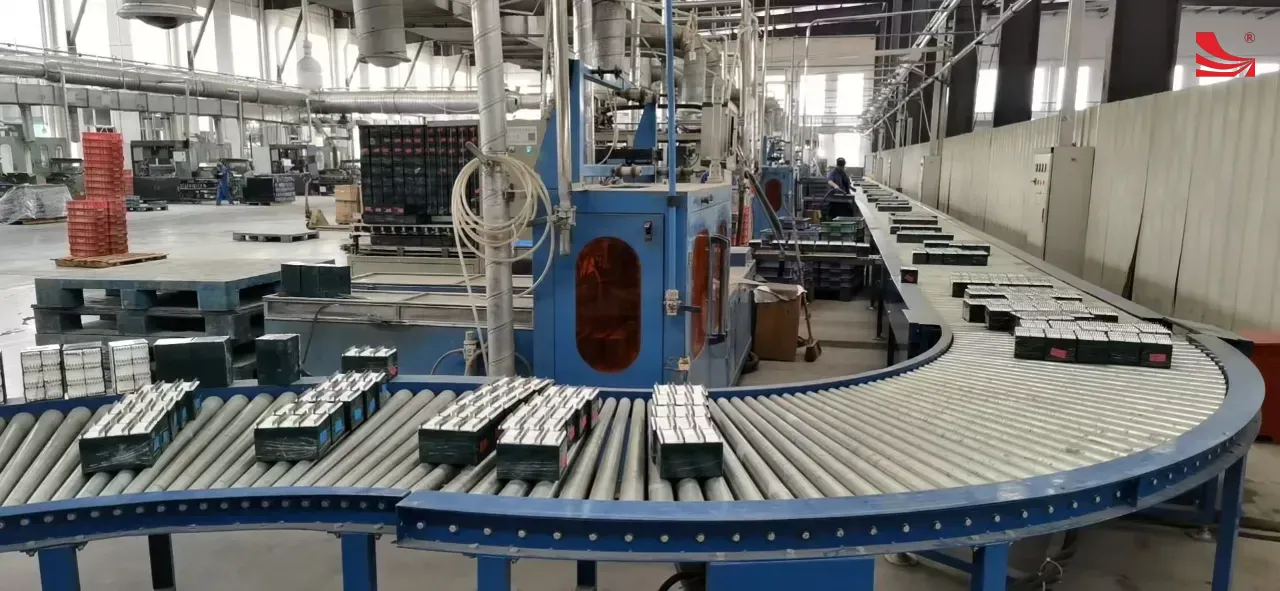
Looking for a Trusted Motorcycle Battery Supplier? Here’s What You Need to Know

Bulk Motorcycle Batteries Direct from Factory – Save Costs, Boost Profit
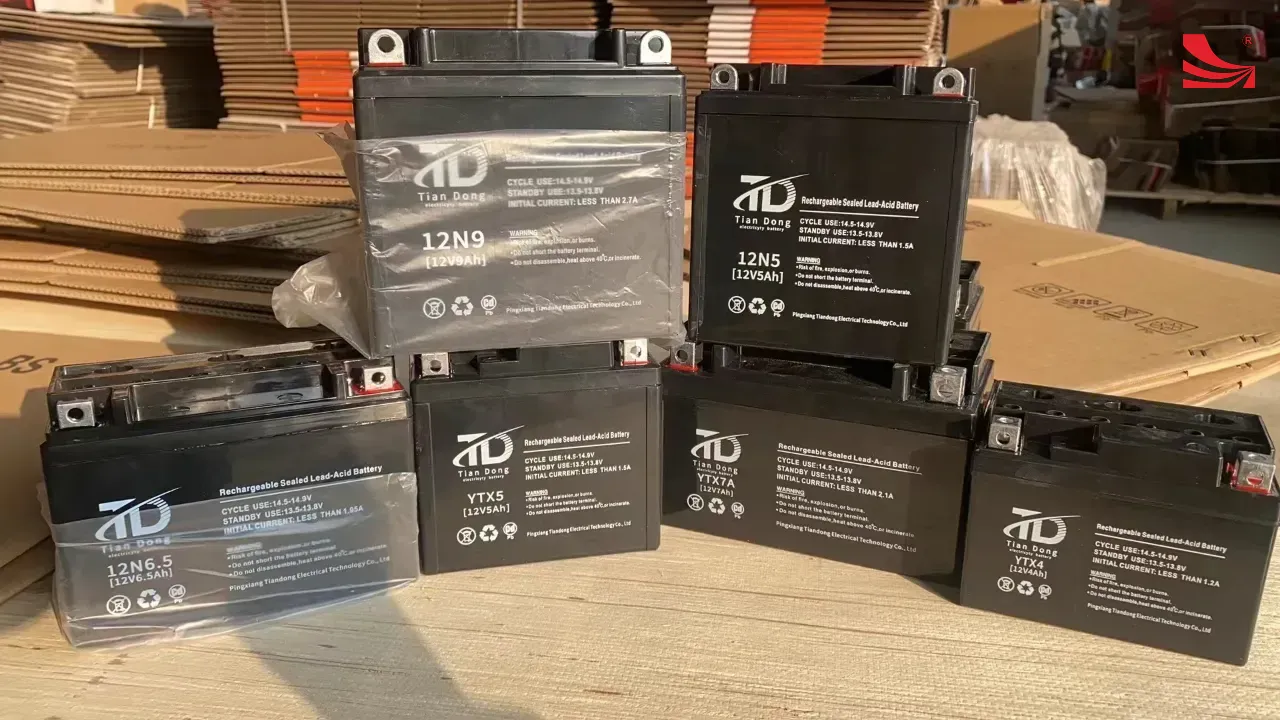
High Performance Motorcycle Batteries for Global Markets

Tiandong Electric Appliance Showcases High-Performance Motorcycle Batteries at Guangzhou Expo

What kind of battery is best for a motorcycle?

The Ultimate Guide to Electric Scooter Batteries: Performance, Longevity, and Future Innovations (2026 & Beyond)
Product
What certifications do your batteries have?
Our batteries are certified with CE, ISO9001, and RoHS, and meet export standards for markets in Southeast Asia, South Asia, and Africa.
What kind of battery is best for a motorcycle?
AGM batteries are a popular choice because they combine the best of both worlds: the durability of lead-acid batteries and the low maintenance of lithium-ion batteries. AGM batteries are sealed, so they don't require water refills, and they're designed to handle rough conditions, making them ideal for motorcycles.
What is the typical lifespan of your batteries?
Depending on the model and usage conditions, our batteries typically last between 2 to 4 years under normal operation.
What causes motorcycle batteries to fail?
Common causes include over-discharging, extreme temperatures, poor charging systems, and low-quality manufacturing materials.
Shipping
How long does delivery take?
For stock items, delivery takes about 7-15 days after receiving the deposit. For bulk orders or custom logo orders, it usually takes 25-35 days depending on the quantity.
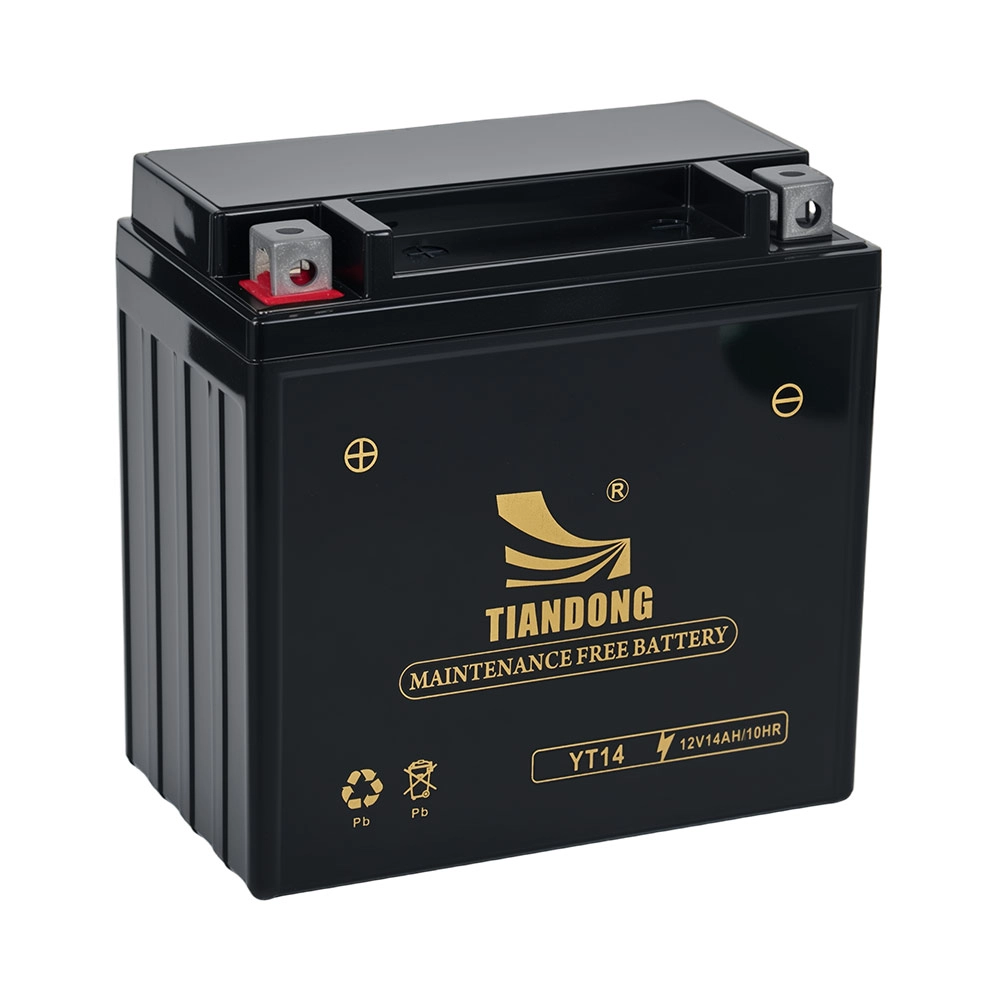
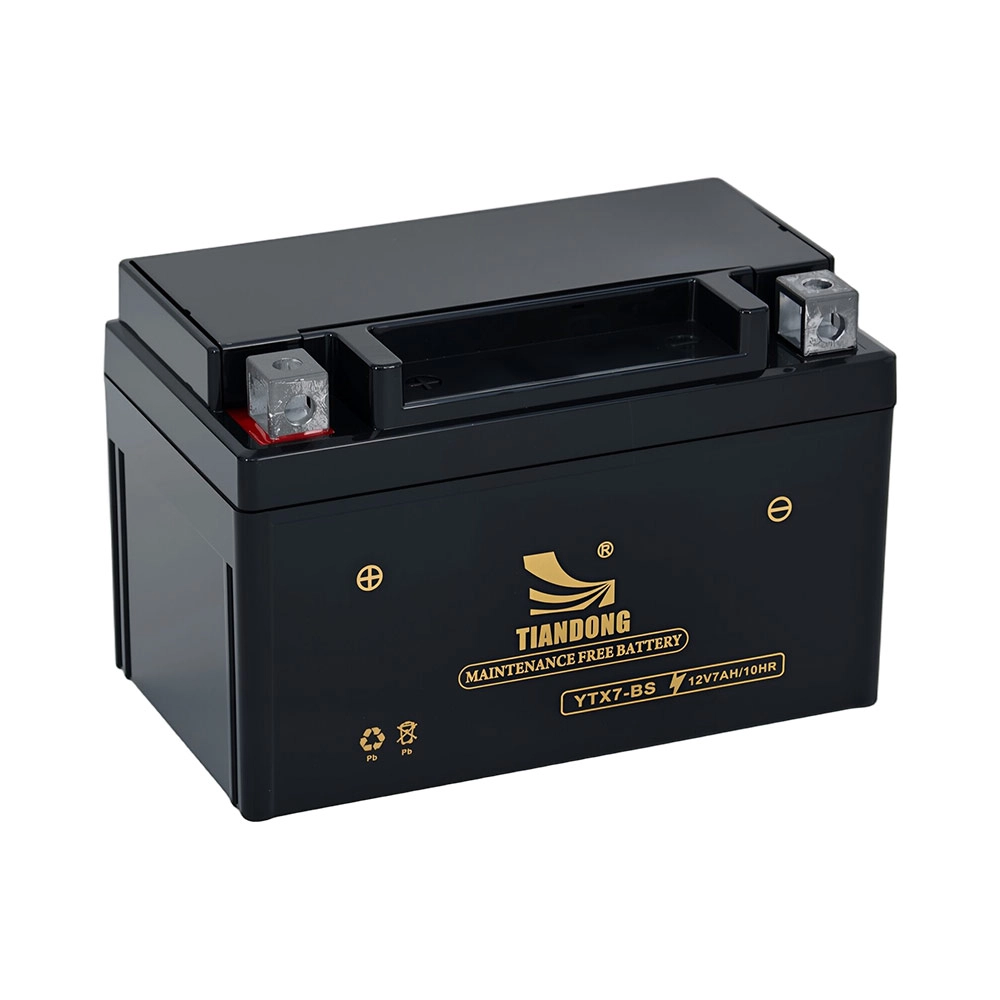
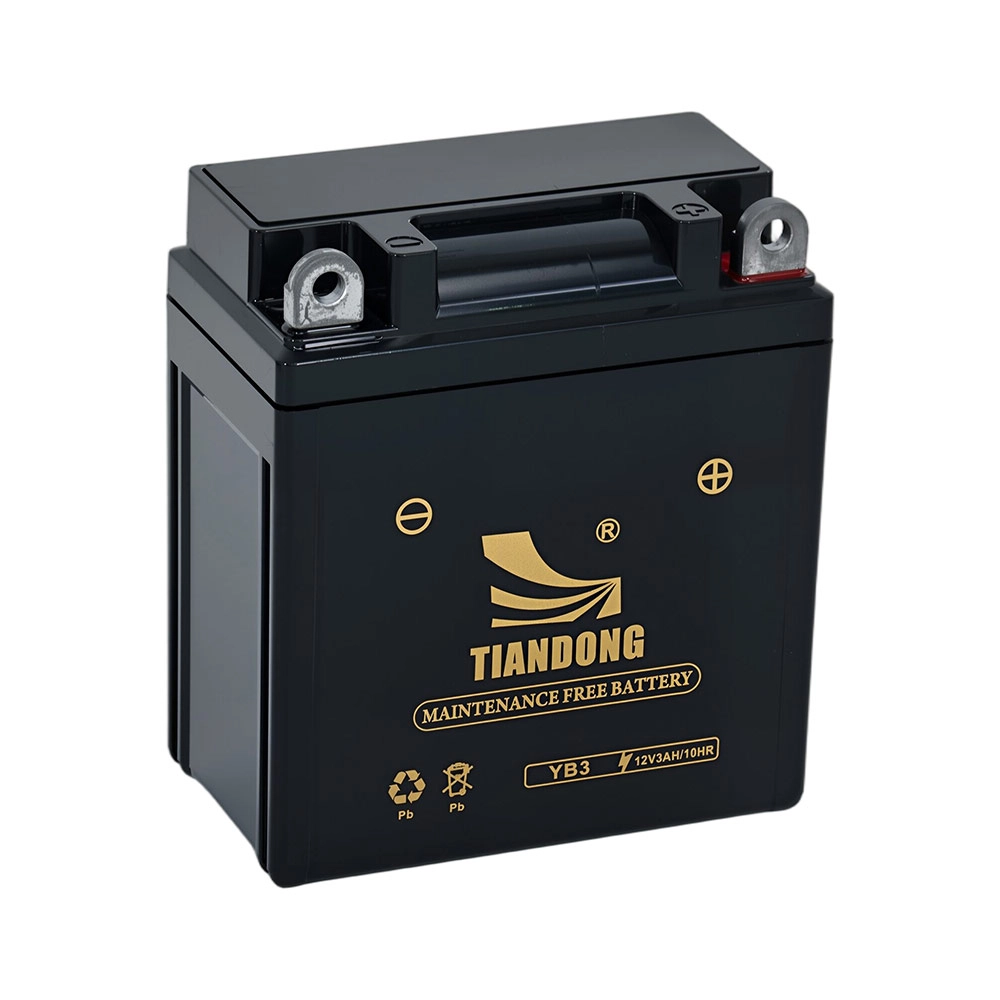
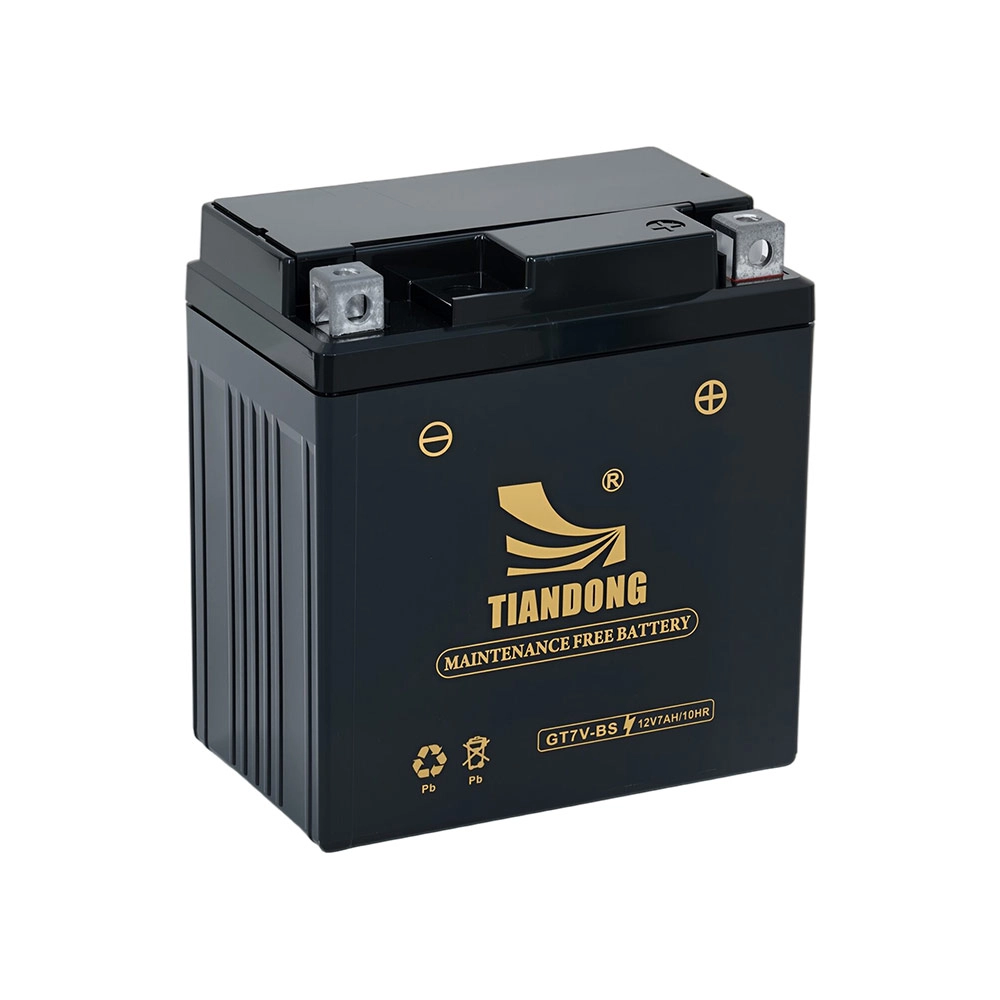
Get in touch with us to get your Motorbike Battery solution
TIANDONG is a leading motorcycle battery manufacturer offering OEM/ODM service, stable quality, and global export support.
Built for wholesalers. Trusted by global buyers. Delivered with confidence.
Say Hello
E-mail: daisybattery8@gmail.com
xianyingchen83@gmail. com
WhatsAPP: +86 134 283 86694
+86 134 348 86641
Our Location
Social Links
© 2025 TIANDONG. All Rights Reserved. Privacy Policy | Terms and Conditions | Sitemap
 Scan QR Code
Facebook
Instagram
Scan QR Code
Whatsapp: +8613434886641