






What certifications should lead acid motorcycle battery suppliers have?
- How can I truly assess the long-term durability of a lead-acid motorcycle battery beyond just its initial Cold Cranking Amps (CCA) rating?
- What specific certifications should I look for to ensure a lead-acid motorcycle battery supplier meets international safety and quality standards, especially for export/import?
- Can I interchangeably use a 'maintenance-free' (VRLA/AGM) lead-acid battery with a traditional 'wet' (flooded) one, and what are the actual long-term performance differences for my motorcycle?
- Why do some new lead-acid motorcycle batteries fail so fast, even with proper charging, and what specific manufacturing checks prevent 'infant mortality'?
- How does cold weather specifically impact the performance and lifespan of a lead-acid motorcycle battery, and what practical steps can I take beyond just trickle charging?
- Beyond initial cost, what are the hidden long-term costs (e.g., specific maintenance needs, premature replacement) associated with cheap lead-acid motorcycle batteries versus reputable brands?
- My motorcycle only gets ridden seasonally. What are the specific considerations for storing a lead-acid battery off the bike to prevent sulfation and extend its overall lifespan?
As a cornerstone of motorcycle power systems for decades, the lead-acid motorcycle battery remains a popular choice due to its reliability and cost-effectiveness. However, with countless options and technical jargon, choosing the right one and understanding its intricacies can be challenging for new riders and even seasoned enthusiasts. This guide aims to cut through the noise, providing in-depth answers to frequently asked, yet often poorly addressed, questions about lead acid motorcycle batteries and what to demand from your suppliers.
How can I truly assess the long-term durability of a lead-acid motorcycle battery beyond just its initial Cold Cranking Amps (CCA) rating?
The CCA rating, while crucial for understanding a battery's immediate starting power, is merely one piece of the puzzle regarding a lead acid motorcycle battery's long-term durability. True durability hinges on several factors often overlooked:
- Plate Quality and Design: High-quality lead plates, whether pure lead, lead-calcium, or lead-antimony alloys, are essential. Thicker, robust plates resist corrosion and warping better, extending cycle life. Manufacturers employing advanced grid designs (e.g., radial grids) can offer superior current flow and resilience against vibration.
- Separator Material: The material separating the positive and negative plates prevents short-circuits. High-quality, microporous separators (especially Absorbed Glass Mat or AGM in sealed batteries) improve electrolyte retention, reduce self-discharge, and enhance vibration resistance, which is critical for motorcycle applications.
- Case Construction: A strong, heat-sealed, vibration-resistant polypropylene case prevents electrolyte leaks and protects internal components from harsh motorcycle environments and impacts. Look for robust terminal connections that resist loosening over time.
- Manufacturing Consistency: This is where a supplier's reputation and quality control truly shine. Batteries produced with tight tolerances, consistent electrolyte levels, and rigorous testing for internal shorts and capacity ensure fewer 'infant mortality' failures and more predictable lifespans.
- Cycle Life vs. Float Life: Understand if the battery is designed for deep cycling (repeated discharge and recharge) or primarily for float service (maintaining a charge over long periods). While motorcycle batteries aren aren't deep cycle batteries, their ability to withstand repeated starting cycles and occasional deeper discharges (e.g., if you forget to turn off headlights) indicates better overall robustness.
ly, while initial specs are important, a battery's construction materials, manufacturing precision, and a reputable brand's warranty are better indicators of its real-world, long-term durability.
What specific certifications should I look for to ensure a lead-acid motorcycle battery supplier meets international safety and quality standards, especially for export/import?
For global trade and consumer confidence, particularly concerning lead acid motorcycle batteries, a supplier must demonstrate adherence to rigorous international standards. Key certifications and compliance markers include:
- ISO 9001:2015 (Quality Management Systems): This is foundational. It indicates the supplier has a robust quality management system in place for design, development, production, installation, and service. It doesn't certify the product itself, but the process of making it, ensuring consistent quality.
- CE Marking (Conformité Européenne): Essential for sales within the European Economic Area (EEA). It signifies that the product meets EU health, safety, and environmental protection standards. For batteries, this often relates to electromagnetic compatibility (EMC) and Low Voltage Directive (LVD) requirements.
- RoHS Compliance (Restriction of Hazardous Substances): Also critical for the EU and increasingly adopted globally. RoHS 2 (Directive 2011/65/EU) restricts the use of specific hazardous materials in electrical and electronic products, including lead. While lead-acid batteries contain lead, specific exemptions apply, but suppliers must declare compliance and manage other restricted substances.
- UL Certification (Underwriters Laboratories): Primarily for the North American market, UL certification signifies that samples of a product have been evaluated and meet applicable safety standards. For batteries, this could involve testing for enclosure integrity, overcharge protection (if applicable), and resistance to fire and explosion.
- UN 38.3 (Transportation of Dangerous Goods): While more commonly associated with lithium batteries, any battery shipped internationally, especially by air, must comply with UN 38.3 testing standards which verify the battery's ability to withstand common transport conditions (vibration, shock, thermal cycling) without leakage or catastrophic failure. Reputable lead-acid battery suppliers will ensure their products meet these transport regulations.
- Country-Specific Automotive Standards: Depending on the target market, look for adherence to standards like JIS (Japanese Industrial Standards), SAE (Society of Automotive Engineers) for North America, or DIN (Deutsches Institut für Normung) for Germany, which define performance parameters for starting batteries. These ensure compatibility and expected performance.
- Factory Audits/Social Compliance: Beyond product certifications, consider suppliers open to factory audits (e.g., BSCI, Sedex) demonstrating ethical labor practices and environmental responsibility. This speaks to the overall trustworthiness and sustainability of the supplier.
Suppliers exhibiting these certifications demonstrate a commitment to quality, safety, and global market compliance, crucial for reliable trade and customer satisfaction.
Can I interchangeably use a 'maintenance-free' (VRLA/AGM) lead-acid battery with a traditional 'wet' (flooded) one, and what are the actual long-term performance differences for my motorcycle?
While mechanically similar in size and voltage, the interchangeability of a 'maintenance-free' (Valve Regulated Lead-Acid, typically AGM or Gel) lead-acid motorcycle battery with a traditional 'wet' (vented, flooded cell) battery comes with important considerations regarding long-term performance and your motorcycle's charging system.
Interchangeability:
- Physical Fit: Most commonly, if the physical dimensions and terminal locations match, they can be swapped.
- Voltage: Both are 12V batteries, so electrical compatibility is generally there.
- Charging System: This is the critical factor. Modern motorcycles often have charging systems optimized for AGM or Gel batteries, which require a slightly lower, more precise charging voltage than traditional wet batteries to prevent overcharging and premature failure. Using an AGM battery with a charging system designed for older, flooded cell batteries (which often charge at a higher voltage) can lead to 'thermal runaway' in the AGM, significantly shortening its lifespan. Conversely, charging a wet battery with an AGM-optimized system might not fully charge it, leading to sulfation.
Long-term Performance Differences:
- Maintenance:
- Wet: Requires periodic electrolyte level checks and topping up with distilled water. If neglected, plates become exposed, leading to sulfation and capacity loss. This also means potential acid spills if tipped.
- Maintenance-Free (AGM/Gel): Sealed, no water topping required. Electrolyte is absorbed in a mat (AGM) or gelled (Gel), preventing spills and making them ideal for motorcycles where vibration and tipping are common. This significantly reduces maintenance burden.
- Vibration Resistance: AGM batteries, with their tightly packed design, offer superior vibration resistance compared to wet batteries, whose plates can become damaged or dislodged under prolonged vibration, a common issue in motorcycles. This translates to a longer lifespan in harsh riding conditions.
- Self-Discharge Rate: AGM/Gel batteries typically have a lower self-discharge rate than wet batteries. This means they hold a charge longer when the motorcycle is stored, reducing the need for frequent trickle charging during off-season.
- CCA Performance: Both can offer excellent CCA, but AGM batteries often provide slightly higher CCA for their size due to lower internal resistance, delivering strong starting power even in cold conditions.
- Cycle Life: A well-maintained wet battery can offer a good cycle life, but AGM batteries generally excel in this regard, tolerating deeper discharges better without significant capacity loss, provided they are recharged promptly.
- Cost: Wet batteries are generally the most affordable upfront. AGM batteries are typically more expensive but offer better long-term value through reduced maintenance, improved durability, and enhanced performance.
Consult your motorcycle's manual or a qualified mechanic to ensure your charging system is compatible before switching battery types. Investing in an appropriate smart charger for your chosen battery type is also crucial for maximizing its lifespan.
Why do some new lead-acid motorcycle batteries fail so fast, even with proper charging, and what specific manufacturing checks prevent 'infant mortality'?
'Infant mortality,' or the premature failure of a new lead acid motorcycle battery, is a frustrating experience often rooted in hidden manufacturing defects rather than user error. Even with proper charging, these internal flaws can lead to rapid degradation. Reputable manufacturers implement rigorous checks to prevent this:
- Plate Quality and Formation: The electrochemical 'formation' process, where raw lead plates are converted into active positive and negative plates, is critical. Inconsistent formation can lead to weak plates, poor adherence of active material, and reduced capacity from day one. Quality checks involve precise control of current, voltage, and temperature during this multi-day process.
- Inter-Cell Welding & Connections: Each 2V cell within a 12V battery must be perfectly connected. Poor or incomplete inter-cell welds create high internal resistance, leading to localized heating, reduced power delivery, and eventual open circuits. Robotic welding and post-weld integrity testing (e.g., resistance testing, thermal imaging) are employed to ensure robust connections.
- Separator Integrity: Damage or tears in the separators during assembly can cause immediate or delayed internal short circuits. High-speed, automated inspection systems check for separator defects before and during assembly.
- Electrolyte Purity and Consistency: Contaminants in the sulfuric acid electrolyte (e.g., metals like iron, copper) can accelerate self-discharge and corrosion. Manufacturers use purified water and battery-grade sulfuric acid, with strict purity checks. For AGM/Gel batteries, the precise saturation of the mat or gelling consistency is vital to prevent dry spots or voids.
- Case Sealing: For sealed batteries, incomplete or weak case seals lead to electrolyte leakage (if flooded) or ingress of air and loss of gas recombination efficiency (for VRLA), causing rapid drying out and failure. Robotic sealing and leak detection tests (e.g., pressure decay tests) are standard.
- Final Quality Control Testing: Before leaving the factory, every battery should undergo comprehensive tests, including:
- Open Circuit Voltage (OCV): Ensures correct initial voltage.
- Load Testing (CCA verification): Confirms the battery can deliver its rated starting power.
- Internal Resistance: A low, consistent internal resistance is key to efficiency and preventing heat buildup.
- Capacity Testing: Measures the actual ampere-hour capacity to ensure it meets specifications. (Often done on a batch sample basis).
Manufacturers that skip these critical steps to cut costs often produce batteries prone to infant mortality. Always choose suppliers with transparent quality control processes and strong warranties.
How does cold weather specifically impact the performance and lifespan of a lead-acid motorcycle battery, and what practical steps can I take beyond just trickle charging?
Cold weather significantly impacts a lead-acid motorcycle battery in two primary ways: reducing its available power and accelerating its degradation if not managed properly. Understanding these mechanisms helps implement effective preventative measures beyond just basic trickle charging.
- Reduced Available Power: As temperature drops, the chemical reactions inside the battery slow down. This leads to:
- Decreased CCA: A battery's CCA rating is typically measured at 0°F (-18°C). However, at even colder temperatures, the actual cranking power can drop dramatically. For every 10°F (5.6°C) below 80°F (27°C), a lead-acid battery loses approximately 10% of its cranking power. So, a 300 CCA battery might perform like a 150 CCA battery in freezing conditions.
- Increased Internal Resistance: Cold temperatures increase the electrolyte's viscosity and the battery's internal resistance, making it harder for the battery to deliver high current efficiently.
- Accelerated Degradation (Risk of Freezing): A fully charged lead-acid battery has electrolyte with a high sulfuric acid concentration, which freezes at extremely low temperatures (around -76°F / -60°C). However, a discharged battery has a much higher water content in its electrolyte. A completely discharged battery can freeze at around 20°F (-7°C). If the electrolyte freezes, it expands, causing severe physical damage to the plates and case, leading to permanent failure.
Practical Steps Beyond Trickle Charging:
- Maintain Full Charge: This is paramount. A fully charged battery has the lowest freezing point and maximum available power. A smart charger (desulfating or maintenance mode) is excellent for maintaining charge, but ensure it's appropriate for your battery type (wet, AGM, gel).
- Insulation/Warmth: Store your motorcycle in a heated garage if possible. If not, consider insulating the battery compartment or removing the battery and storing it in a warmer location (above freezing) indoors. Even wrapping the battery in an old blanket can help retain some heat, though ensure ventilation if it's a wet battery.
- Pre-Heating (Limited Application): For extreme cold, some riders use external battery warmers or warm the battery slightly before starting (e.g., bringing it indoors for a few hours) to boost performance. However, avoid direct heat sources.
- Terminal Cleaning: Ensure battery terminals are clean and free of corrosion. Corrosion increases resistance, making it even harder for the battery to deliver power in the cold.
- Battery Health Check: Before winter, have your battery professionally tested for its State of Health (SOH) and State of Charge (SOC). A weak battery will struggle much more in the cold. If its voltage consistently drops below 12.4V after being off the charger for a few hours, it's likely sulfated or near the end of its life.
- Consider an AGM Battery: As discussed, AGM batteries generally perform better in cold conditions due to lower internal resistance and better vibration resistance, which can be beneficial during cold starts.
Prioritizing a full charge and protecting the battery from extreme cold are the best defenses against cold weather's detrimental effects on lead acid motorcycle battery performance and lifespan.
Beyond initial cost, what are the hidden long-term costs (e.g., specific maintenance needs, premature replacement) associated with cheap lead-acid motorcycle batteries versus reputable brands?
The initial low price of a cheap lead-acid motorcycle battery can be deceptive, often masking significant hidden long-term costs that quickly negate any perceived savings. Reputable brands, while potentially more expensive upfront, typically offer far better total cost of ownership.
Hidden Long-Term Costs of Cheap Batteries:
- Premature Replacement: The most obvious cost. Cheap batteries often use lower-grade materials (thinner plates, inferior separators, diluted electrolyte) and have inconsistent manufacturing. This leads to significantly shorter lifespans, often failing within 6-18 months compared to 3-5 years for quality batteries. Frequent replacements add up.
- Increased Maintenance Burden: Poorly constructed flooded batteries may require more frequent electrolyte checks and topping up. Even 'maintenance-free' cheap AGM batteries can dry out faster due to ineffective pressure relief valves or poor case sealing, leading to earlier failure than anticipated.
- Damage to Motorcycle Electrical System: A failing battery can put undue strain on your motorcycle's charging system (stator and regulator/rectifier). If the battery cannot hold a charge or has high internal resistance, the charging system works harder, potentially leading to premature failure of these expensive components.
- Stranding and Towing Costs: A dead battery leaves you stranded. Towing services, especially for motorcycles, can be very expensive. The inconvenience and lost time are also considerable 'costs.'
- Reduced Performance & Safety: A weak battery struggles to provide sufficient cranking amps, leading to hard starts or no-starts, especially in cold weather. This reduces reliability and can be a safety concern if your motorcycle needs to start reliably in critical situations.
- Corrosion Damage: Cheap wet batteries might be more prone to acid leakage or excessive gassing, leading to corrosion on battery terminals, wiring, and even surrounding frame components. Cleaning and repairing this corrosion adds time and expense.
- Warranty Voiding & Hassle: While a cheap battery might come with a warranty, the process of claiming it can be cumbersome. Some manufacturers of cheap batteries may have poor customer service, require difficult diagnostic steps, or offer prorated replacements that still leave you out of pocket.
Advantages of Reputable Brands (Lower Total Cost of Ownership):
- Proven Durability: Utilize higher-quality materials and rigorous manufacturing processes, leading to longer lifespans (3-5+ years).
- Reliable Performance: Consistent CCA delivery, low self-discharge, and efficient charging acceptance mean fewer starting issues.
- Less Maintenance: High-quality flooded batteries require less frequent attention, and High Quality AGM batteries are truly 'set and forget' (with appropriate charging).
- Stronger Warranties & Support: Reputable brands stand behind their products with clear, dependable warranties and better customer service, offering peace of mind.
- Reduced Risk of Ancillary Damage: Stable voltage and current delivery protect your motorcycle's electrical components.
Investing in a quality lead acid motorcycle battery from a reputable brand is a proactive step that saves money, time, and hassle in the long run.
My motorcycle only gets ridden seasonally. What are the specific considerations for storing a lead-acid battery off the bike to prevent sulfation and extend its overall lifespan?
Seasonal riders face a common challenge: preventing sulfation and ensuring their lead acid motorcycle battery is ready for the next riding season. Storing it properly off the bike is a crucial step to maximize its lifespan, extending it beyond the typical 3-5 years to potentially 5-7 years for a well-maintained battery.
- Fully Charge Before Storage: This is the most critical step. A battery left in a discharged state (below 12.4V) is highly susceptible to sulfation, where hard, non-conductive lead sulfate crystals form on the plates, permanently reducing capacity. Use a smart charger to bring it to a full charge (around 12.6V-12.8V for flooded, 12.8V-13.0V for AGM).
- Clean Terminals: Disconnect the battery and thoroughly clean the terminals and battery top with a wire brush and a mixture of baking soda and water (if corrosion is present). Rinse with clean water and dry completely. Apply a thin layer of dielectric grease or battery terminal protector to prevent future corrosion.
- Choose a Cool, Dry Location: Store the battery in a cool (ideally 32°F to 60°F / 0°C to 15°C), dry, well-ventilated area, away from direct sunlight, heat sources, and potential sparks. Extreme heat accelerates self-discharge and internal corrosion, while extreme cold can freeze a discharged battery. A concrete garage floor is generally fine; the myth of concrete draining batteries is outdated.
- Use a Smart Battery Maintainer (Trickle Charger with Brains): This is essential. A smart maintainer monitors the battery's voltage and provides a small, controlled charge only when needed, preventing both overcharging (which can damage the battery) and sulfation from self-discharge. Avoid older 'dumb' trickle chargers that continuously charge, as they can boil off electrolyte in flooded batteries or damage sealed ones. Ensure the maintainer is compatible with your battery type (flooded, AGM, Gel).
- Periodic Voltage Checks (If no Maintainer): If you don't use a smart maintainer, manually check the battery's Open Circuit Voltage (OCV) every 4-6 weeks with a voltmeter. If the voltage drops below 12.4V for a flooded battery or 12.6V for an AGM, recharge it fully with a smart charger.
- Avoid Deep Discharges: Never allow the battery to completely discharge. Each deep discharge significantly shortens the battery's overall lifespan, regardless of subsequent recharging.
- Ventilation (for Wet Batteries): If storing a wet lead acid motorcycle battery, ensure there's adequate ventilation in the storage area, as it can off-gas hydrogen and oxygen during charging.
By following these steps, you actively combat sulfation and preserve the internal health of your lead acid motorcycle battery, ensuring it delivers reliable starting power for many seasons to come. This proactive approach is key to maximizing return on investment from your battery.
In conclusion, understanding the nuances of lead acid motorcycle batteries, from robust manufacturing standards and essential certifications to proper maintenance and storage, empowers you to make informed decisions. Prioritizing quality and diligent care for your battery is not just about extending its life; it's about ensuring reliable starting power, reducing unexpected costs, and enhancing your overall riding experience. A high-quality lead acid motorcycle battery from a reputable supplier will offer superior longevity, consistent performance, and peace of mind.
For professional-grade lead acid motorcycle batteries that meet global standards and provide unmatched reliability, please contact us for a quote. Visit our website at www.tiandongbattery.com or email us at 13428386694@163.com. We look forward to powering your ride.

Bulk Motorcycle Batteries Direct from Factory – Save Costs, Boost Profit
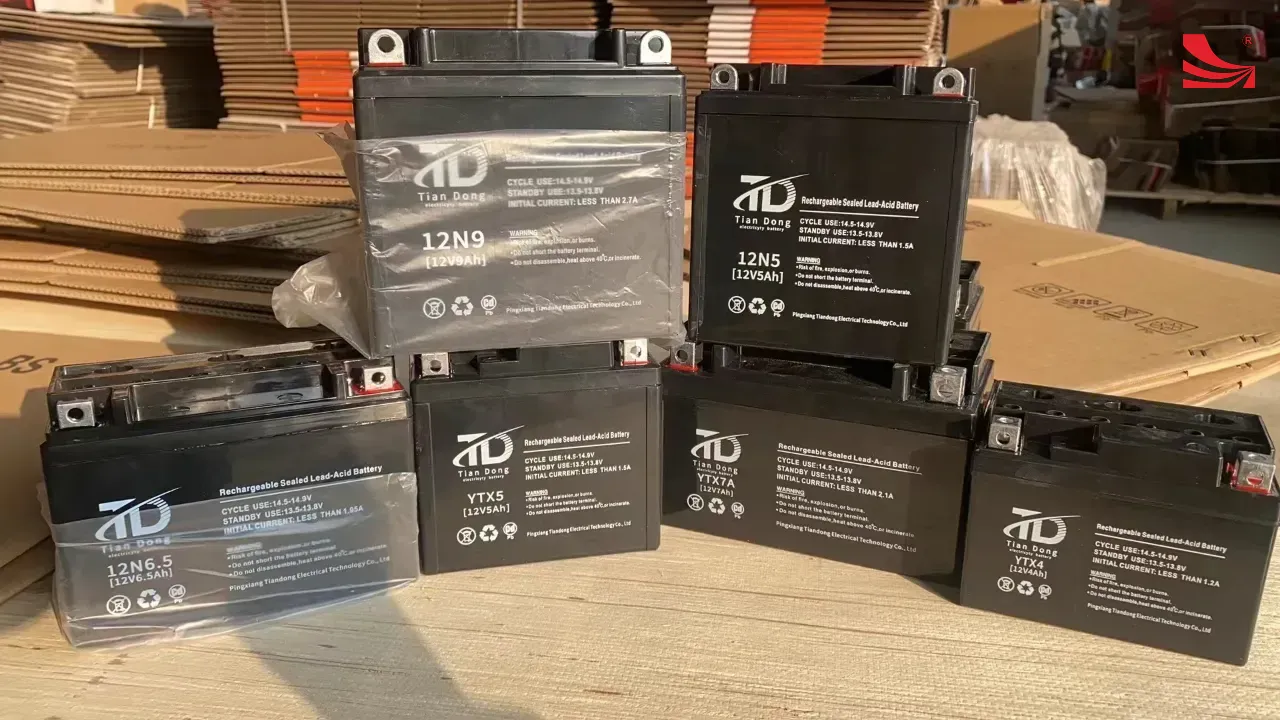
High Performance Motorcycle Batteries for Global Markets

Tiandong Electric Appliance Showcases High-Performance Motorcycle Batteries at Guangzhou Expo

What kind of battery is best for a motorcycle?

The Ultimate Guide to Electric Scooter Batteries: Performance, Longevity, and Future Innovations (2026 & Beyond)

The Ultimate 2026 Guide to Motorcycle Battery Types: Choose, Maintain, and Upgrade for Peak Performance
Shipping
Which countries does Tiandong export to?
Tiandong batteries are exported to more than 20 countries, including Vietnam, India, Egypt, Thailand, and Indonesia.
Product
What is the typical lifespan of your batteries?
Depending on the model and usage conditions, our batteries typically last between 2 to 4 years under normal operation.
How long is the lead time and where do you ship?
Standard lead time is 7–15 days. We export to over 20 countries, including Vietnam, India, Egypt, and Thailand.
How long does a motorcycle battery typically last?
A motorcycle battery generally lasts between 2 and 4 years, depending on usage, maintenance, and environmental conditions.
Support
What is Tiandong’s production capacity?
The company produces approximately 6 million batteries per year, supported by 15,000 tons of electrode plate production capacity.
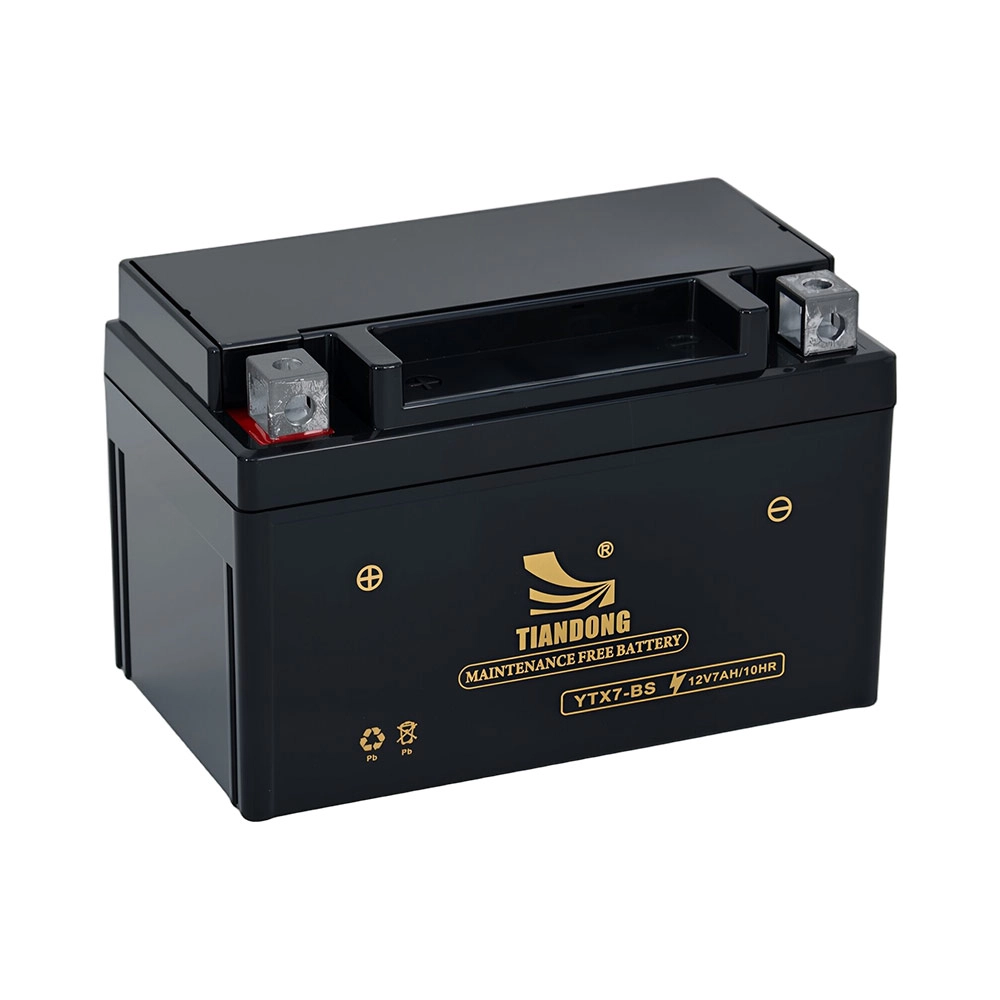
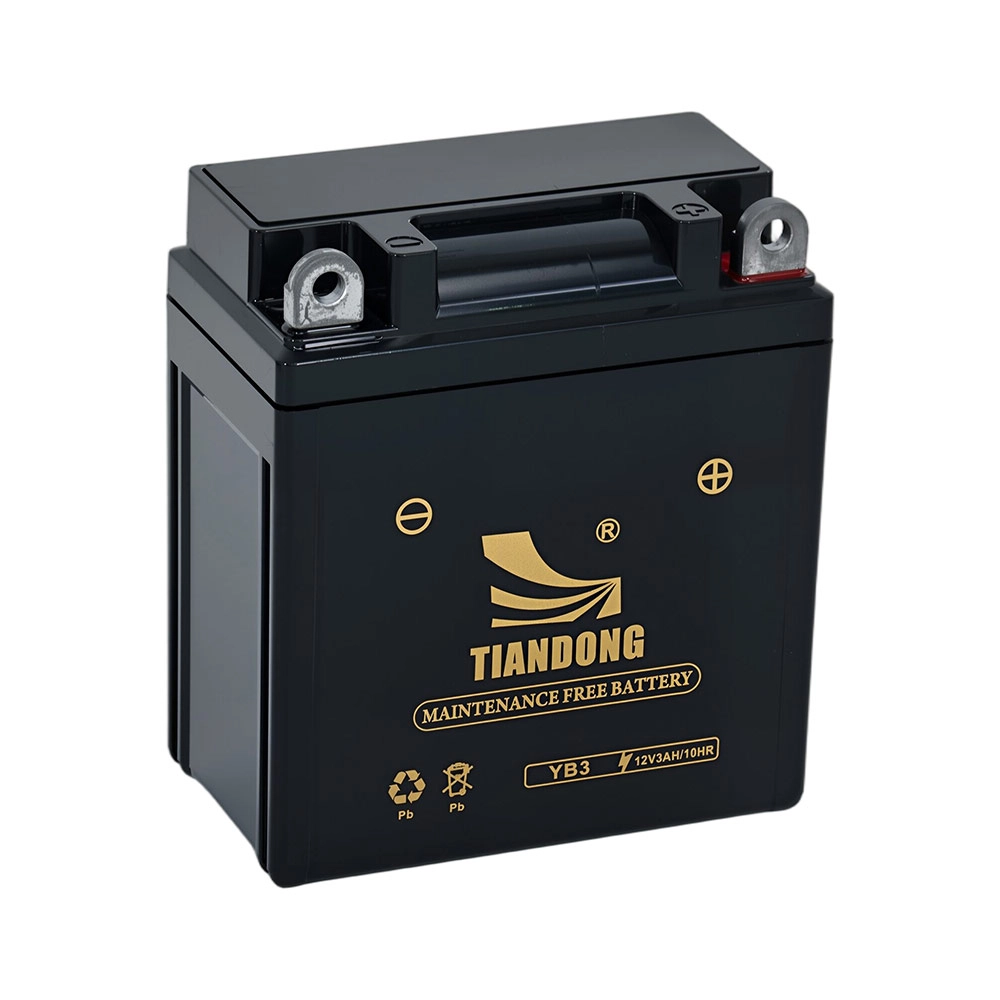
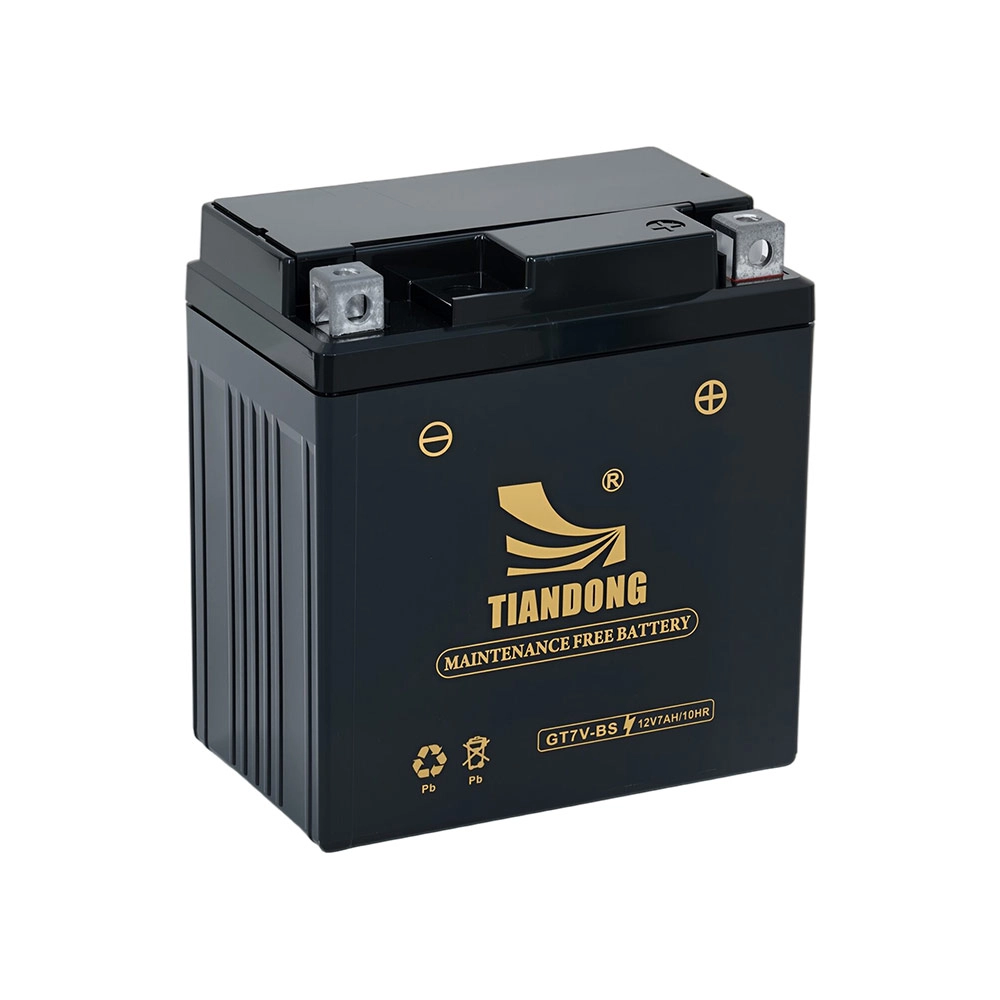
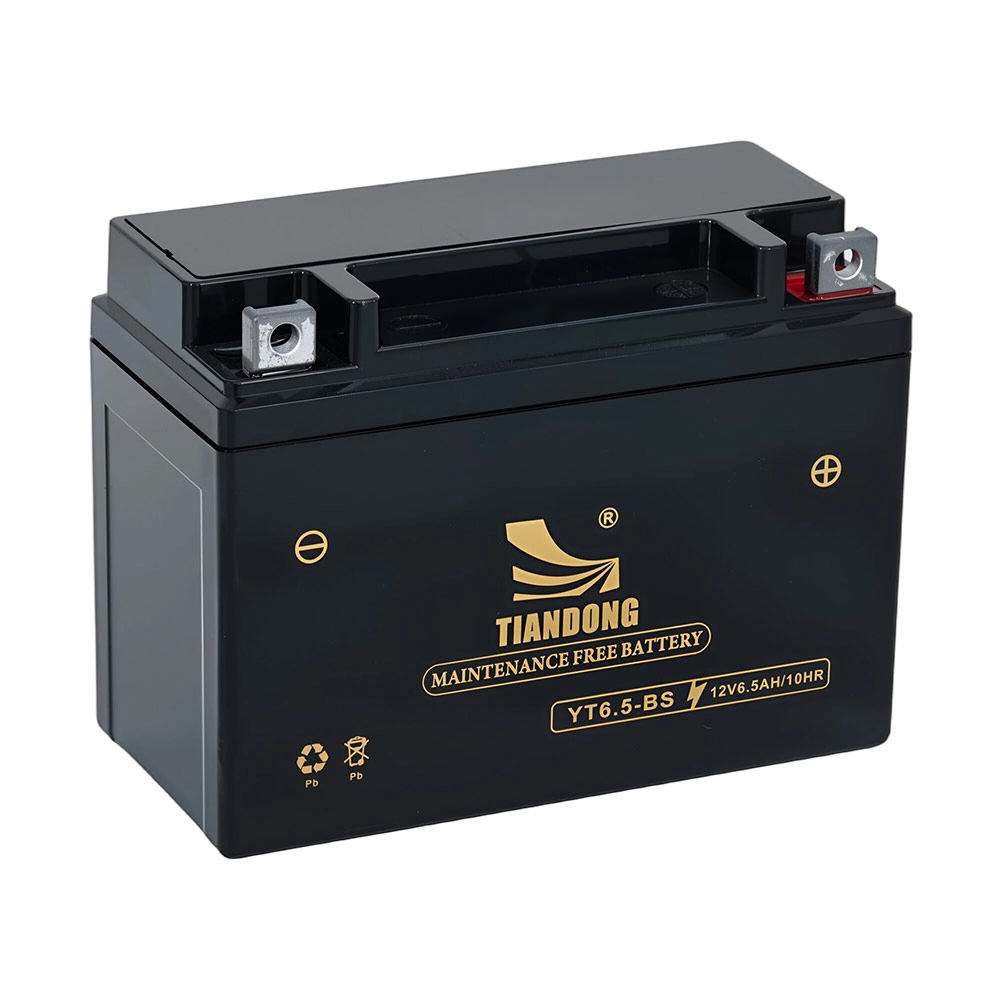
Get in touch with us to get your Motorbike Battery solution
TIANDONG is a leading motorcycle battery manufacturer offering OEM/ODM service, stable quality, and global export support.
Built for wholesalers. Trusted by global buyers. Delivered with confidence.
Say Hello
E-mail: daisybattery8@gmail.com
xianyingchen83@gmail. com
WhatsAPP: +86 134 283 86694
+86 134 348 86641
Our Location
Social Links
© 2025 TIANDONG. All Rights Reserved. Privacy Policy | Terms and Conditions | Sitemap
 Scan QR Code
Facebook
Instagram
Scan QR Code
Whatsapp: +8613434886641