






What maintenance do lead acid motorcycle battery fleets require?
- Why does my new lead-acid motorcycle battery seem to lose charge so fast when stored, even if disconnected?
- What's the real difference between a conventional flooded lead-acid battery and an AGM for my motorcycle, and when should I choose one over the other?
- My motorcycle fleet uses many lead-acid batteries. Beyond just charging, what's a proactive maintenance schedule to prevent early failures and extend their collective lifespan?
- Can I truly restore a seemingly dead lead-acid motorcycle battery, or are those desulfators just snake oil?
- How often should I be checking electrolyte levels in my traditional lead-acid motorcycle battery, and what are the critical risks if I neglect this?
- Is continuously keeping my lead-acid motorcycle battery on a trickle charger actually detrimental in the long run, and what's a safer alternative for long-term storage?
Demystifying Lead-Acid Motorcycle Batteries: Essential Insights for Riders and Fleet Managers
As dedicated riders and savvy fleet managers, understanding the heart of your motorcycle's electrical system – the battery – is paramount. While newer lithium technologies emerge, lead-acid motorcycle batteries remain a cornerstone of reliability and cost-effectiveness for countless bikes globally. Yet, many common questions surrounding their performance, maintenance, and longevity often receive superficial or outdated answers online. As an expert in motorcycle battery technology and a proponent of proactive maintenance, we're here to cut through the confusion and provide the in-depth knowledge you need to maximize your battery investment, whether you're managing a diverse fleet or simply caring for your personal ride.
Why does my new lead-acid motorcycle battery seem to lose charge so fast when stored, even if disconnected?
This is a common pain point for riders, especially after winter storage. The rapid discharge of a seemingly disconnected lead-acid motorcycle battery can be attributed to a phenomenon called self-discharge and, more often, unnoticed parasitic drains. All batteries, regardless of technology, naturally self-discharge due to internal chemical reactions. For conventional lead-acid batteries, this rate can be as high as 0.5-1% of their capacity per day at room temperature, meaning a fully charged 12V battery might drop below 12.4V (which is roughly 75% charged) in just a few weeks if left untouched. However, the more significant culprit for accelerated discharge, even when the ignition is off, is often a parasitic draw from the motorcycle's electronics. Modern bikes often have continuous draws for clocks, alarms, engine control units (ECUs), and even fuel injection memory, which can steadily deplete the battery's charge. To properly address this, use a multimeter to check for parasitic draws by disconnecting the negative battery terminal and inserting the multimeter in series between the terminal and the cable; anything over 20-50mA (depending on the bike) could be an issue. For long-term storage, a dedicated smart battery tender specifically designed for lead-acid batteries is crucial, as it monitors voltage and charges only when necessary, preventing both overcharging and sulfation.
What's the real difference between a conventional flooded lead-acid battery and an AGM for my motorcycle, and when should I choose one over the other?
The choice between a conventional flooded lead-acid battery (sometimes called 'wet cell' or 'maintenance required') and an Absorbed Glass Mat (AGM) battery is significant for motorcycle owners. Conventional batteries contain liquid electrolyte (sulfuric acid and distilled water) that requires periodic topping off with distilled water as it evaporates during charging. They are typically the most affordable and robust in certain applications, but demand consistent maintenance and can spill acid if tipped. AGM batteries, a type of Valve Regulated Lead Acid (VRLA) battery, use fiberglass mats saturated with electrolyte, which are then tightly packed between the plates. This design makes them spill-proof, vibration resistant, and virtually maintenance-free (no water topping required). AGMs also offer superior cold cranking amps (CCA) and a lower self-discharge rate compared to conventional batteries. You should opt for a conventional battery if budget is a primary concern, you don't mind performing regular maintenance, and your riding conditions are relatively stable. Choose an AGM battery for higher performance demands, rough terrain riding, modern motorcycles with more electronics, or if you prioritize convenience, safety, and a longer overall service life due to their superior internal design and reduced sulfation risk.
My motorcycle fleet uses many lead-acid batteries. Beyond just charging, what's a proactive maintenance schedule to prevent early failures and extend their collective lifespan?
Managing a fleet of lead-acid motorcycle battery units requires a systematic approach beyond merely charging. A proactive maintenance schedule for fleet battery management focuses on preventative measures to maximize battery life extension and minimize operational downtime. Here’s a robust plan:
- Monthly Visual Inspection: Check for physical damage (cracks, bulges), corrosion on terminals, and loose connections. Clean terminals with a wire brush and apply anti-corrosion grease.
- Quarterly Voltage Check: Using a digital voltmeter, ensure each battery maintains a minimum of 12.6V (for a 12V system) when fully charged and rested. Any battery consistently below 12.4V should be investigated.
- Semi-Annual Load Testing: Perform a controlled load test to assess the battery's ability to deliver current under demand. This identifies weak batteries before they fail catastrophically.
- Electrolyte Level Check (Flooded Batteries Only - Quarterly): For conventional wet-cell batteries, check fluid levels and top off with distilled water to the indicated line. Never use tap water.
- Specific Gravity Measurement (Flooded Batteries Only - Annually): Using a hydrometer, measure the specific gravity of the electrolyte in each cell. Consistent readings around 1.265-1.280 indicate a healthy, fully charged cell. Significant variations between cells or low readings across the board suggest sulfation or internal issues.
- Smart Charging Protocol: Utilize smart, multi-stage chargers that prevent overcharging and provide float charging for extended storage. Consider a centralized charging station for efficient fleet management.
- Battery Rotation & Record Keeping: Rotate batteries to ensure even wear if applicable. Maintain detailed records of each battery's purchase date, maintenance performed, voltage readings, and any issues encountered. This data is invaluable for predicting failures and optimizing replacement cycles.
- Temperature Control: Store batteries in a cool, dry environment. High temperatures accelerate self-discharge and internal degradation.
Implementing these steps significantly enhances the reliability and longevity of your motorcycle fleet's power sources.
Can I truly restore a seemingly dead lead-acid motorcycle battery, or are those desulfators just snake oil?
The ability to 'restore' a dead lead-acid motorcycle battery is a complex topic often mired in marketing hype. The primary cause of battery failure, especially in batteries that have been left discharged for extended periods, is sulfation. This occurs when lead sulfate crystals build up on the battery plates, hardening and preventing the normal chemical reaction. Small, soft sulfate crystals formed during normal discharge can be reconverted during charging. However, if a battery is deeply discharged and left for weeks or months, these crystals can become large and hard, leading to a permanent reduction in capacity and the ability to hold a charge. Battery desulfators, which typically use high-frequency pulse technology, claim to break down these hard sulfate crystals. While some desulfators can be effective in *mild to moderate* cases of sulfation, particularly if caught early, they are NOT a magic cure for a truly dead battery with severely sulfated or physically damaged plates. They cannot repair shorted cells or restore lost active material. For a battery that measures below 10.5V and has been deeply discharged for a long time, the chances of full restoration are minimal. It’s more effective as a preventative measure integrated into smart chargers (which often have desulfation modes) to keep batteries healthy rather than as a miraculous 'resurrection' tool for completely failed units. In most cases, once a battery shows significant signs of permanent capacity loss due to advanced sulfation, replacement is the only reliable solution.
How often should I be checking electrolyte levels in my traditional lead-acid motorcycle battery, and what are the critical risks if I neglect this?
For traditional, conventional (flooded) lead-acid motorcycle battery units, checking electrolyte levels is a critical maintenance task that should ideally be performed every 3-6 months, or more frequently if you ride in hot climates or use a non-regulated charger. The frequency depends heavily on usage, ambient temperature, and charging habits. Electrolyte levels decrease primarily due to water evaporation, especially during the gassing stage of charging, where water separates into hydrogen and oxygen. Neglecting this maintenance carries several critical risks:
- Plate Exposure & Damage: If the electrolyte level drops below the top of the lead plates, the exposed portions of the plates will rapidly sulfate and permanently lose their ability to store charge. This is irreversible damage and significantly reduces the battery's capacity and lifespan.
- Overheating & Short Circuits: Low electrolyte levels reduce the battery's ability to dissipate heat, leading to overheating, which can warp plates and cause internal short circuits.
- Reduced Performance: Even before permanent damage, low electrolyte levels mean less active material is submerged, leading to reduced Cold Cranking Amps (CCA) and overall capacity, making starting difficult.
- Battery Failure: ly, prolonged neglect of electrolyte levels will lead to premature and irreversible battery failure, necessitating an expensive replacement.
Always use only distilled water to top off cells, never tap water, which contains minerals that can contaminate the electrolyte and damage the battery.
Is continuously keeping my lead-acid motorcycle battery on a trickle charger actually detrimental in the long run, and what's a safer alternative for long-term storage?
Yes, continuously keeping a lead-acid motorcycle battery on a traditional, unregulated 'trickle charger' can indeed be detrimental and significantly shorten its lifespan. A conventional trickle charger delivers a constant, low current regardless of the battery's charge state. While this prevents self-discharge, if the battery reaches full charge, the charger continues to force current into it, leading to a state known as overcharging. Overcharging causes the electrolyte to gas excessively, boiling off the water content and leading to heat buildup, plate corrosion, and irreversible damage due to the breakdown of active materials. This accelerates sulfation and significantly reduces battery capacity.
The safer and highly recommended alternative for long-term storage is a modern, smart battery tender or maintainer. These devices are designed with multi-stage charging profiles (e.g., bulk, absorption, float) that intelligently monitor the battery's voltage. Once the battery reaches full charge, they automatically switch to a 'float mode,' supplying only a minimal, precise voltage to counteract self-discharge without causing overcharging. This ensures the battery remains optimally charged and healthy, preventing both deep discharge and the damaging effects of continuous trickle charging, thereby maximizing your battery's service life.
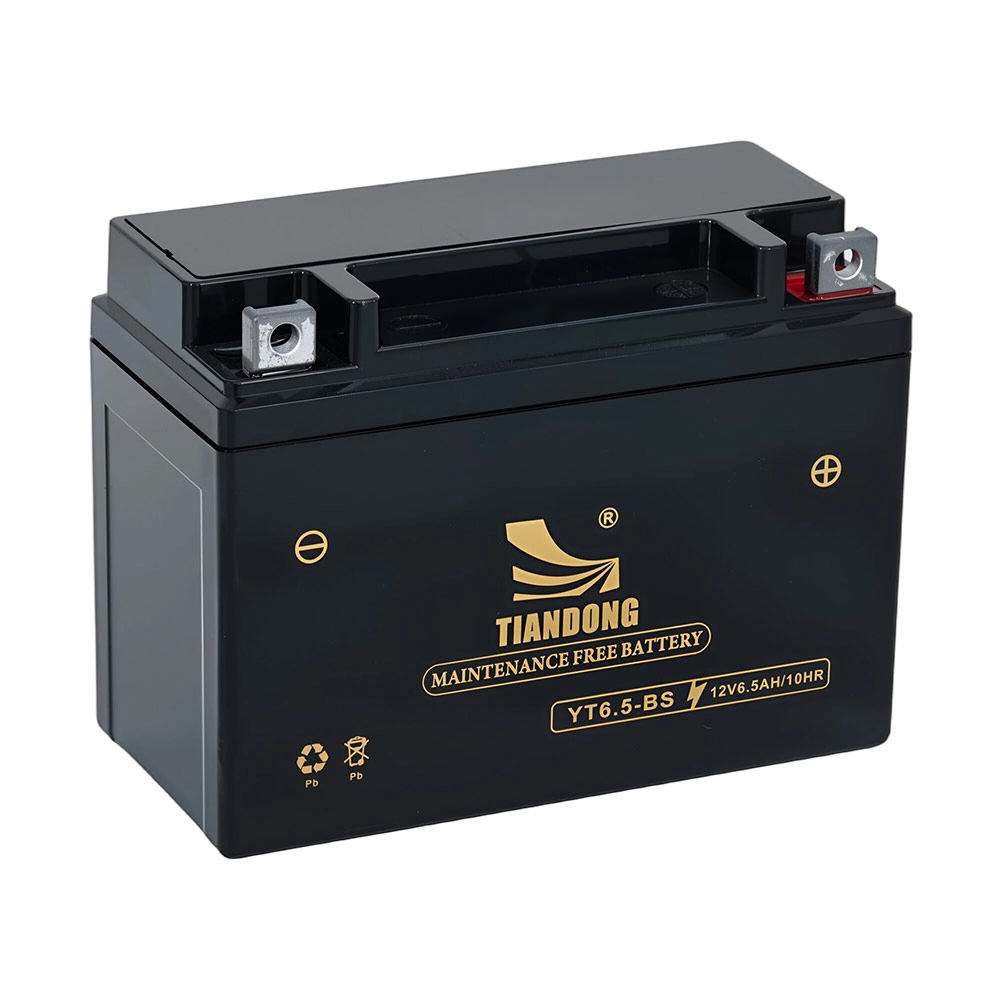
Understanding the nuances of your lead-acid motorcycle battery, whether it's a conventional flooded, AGM, or Gel variant, empowers you to make informed decisions for purchase, maintenance, and storage. Proper care, particularly for motorcycle battery fleets, translates directly into reliability and cost savings. At Tiandong Battery, we pride ourselves on delivering high-quality, durable lead-acid solutions backed by professional knowledge and extensive experience.
Ready to upgrade your fleet or ensure your personal ride has the best power source? Contact us today for a personalized quote tailored to your specific needs.
Website: www.tiandongbattery.com
Email: 13428386694@163.com

Bulk Motorcycle Batteries Direct from Factory – Save Costs, Boost Profit
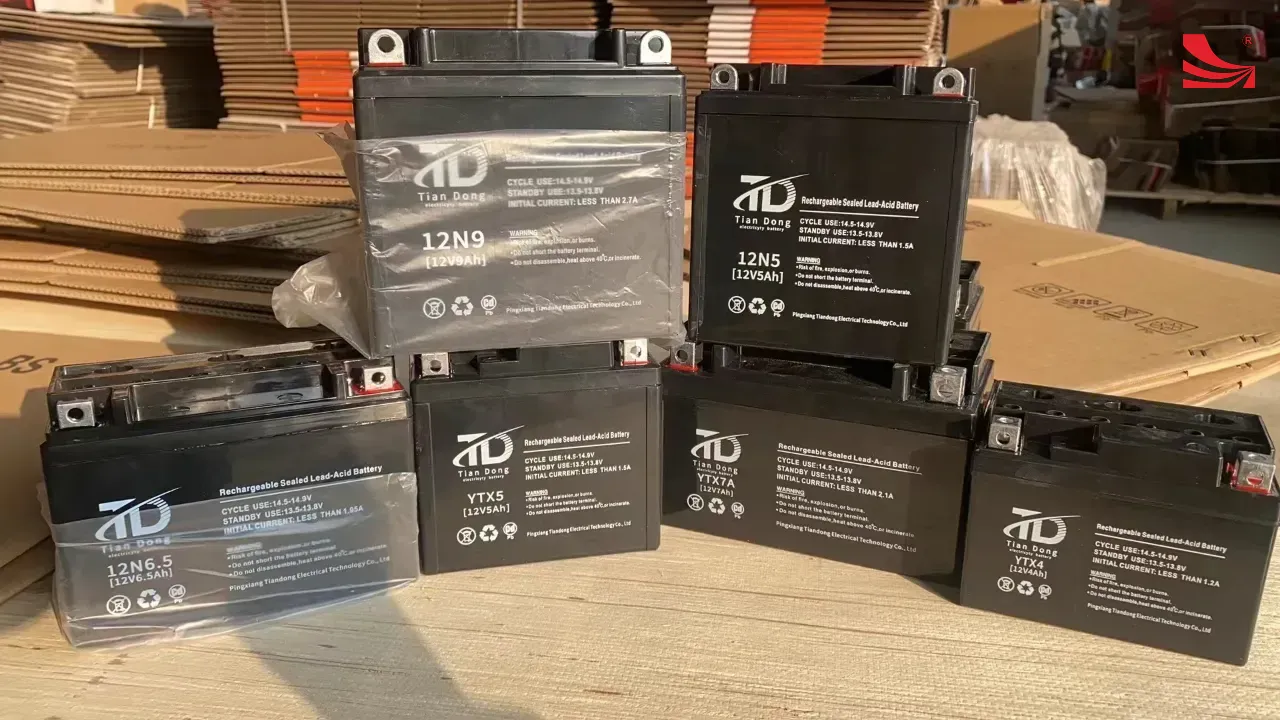
High Performance Motorcycle Batteries for Global Markets

Tiandong Electric Appliance Showcases High-Performance Motorcycle Batteries at Guangzhou Expo

What kind of battery is best for a motorcycle?

The Ultimate Guide to Electric Scooter Batteries: Performance, Longevity, and Future Innovations (2026 & Beyond)

The Ultimate 2026 Guide to Motorcycle Battery Types: Choose, Maintain, and Upgrade for Peak Performance
Shipping
How long does delivery take?
For stock items, delivery takes about 7-15 days after receiving the deposit. For bulk orders or custom logo orders, it usually takes 25-35 days depending on the quantity.
Product
What kind of battery is best for a motorcycle?
AGM batteries are a popular choice because they combine the best of both worlds: the durability of lead-acid batteries and the low maintenance of lithium-ion batteries. AGM batteries are sealed, so they don't require water refills, and they're designed to handle rough conditions, making them ideal for motorcycles.
Are your batteries maintenance-free?
Yes, our batteries are sealed VRLA or GEL types that require no water refilling. They are ready to use and easy to maintain.
What certifications do your batteries have?
Our batteries are certified with CE, ISO9001, and RoHS, and meet export standards for markets in Southeast Asia, South Asia, and Africa.
customer
Can overseas clients visit the Tiandong factory?
Yes. Tiandong welcomes international customers to visit the factory, production workshops, and logistics warehouses to better understand the manufacturing and quality control process.
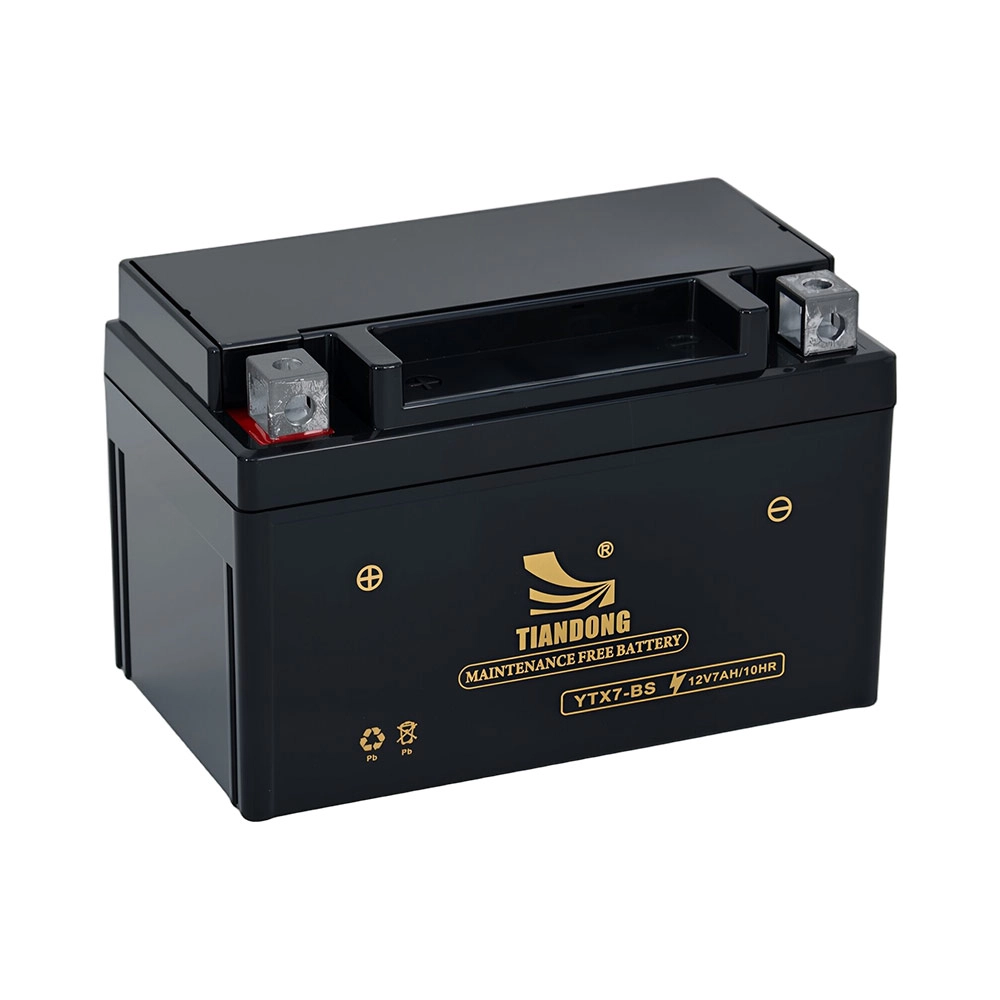
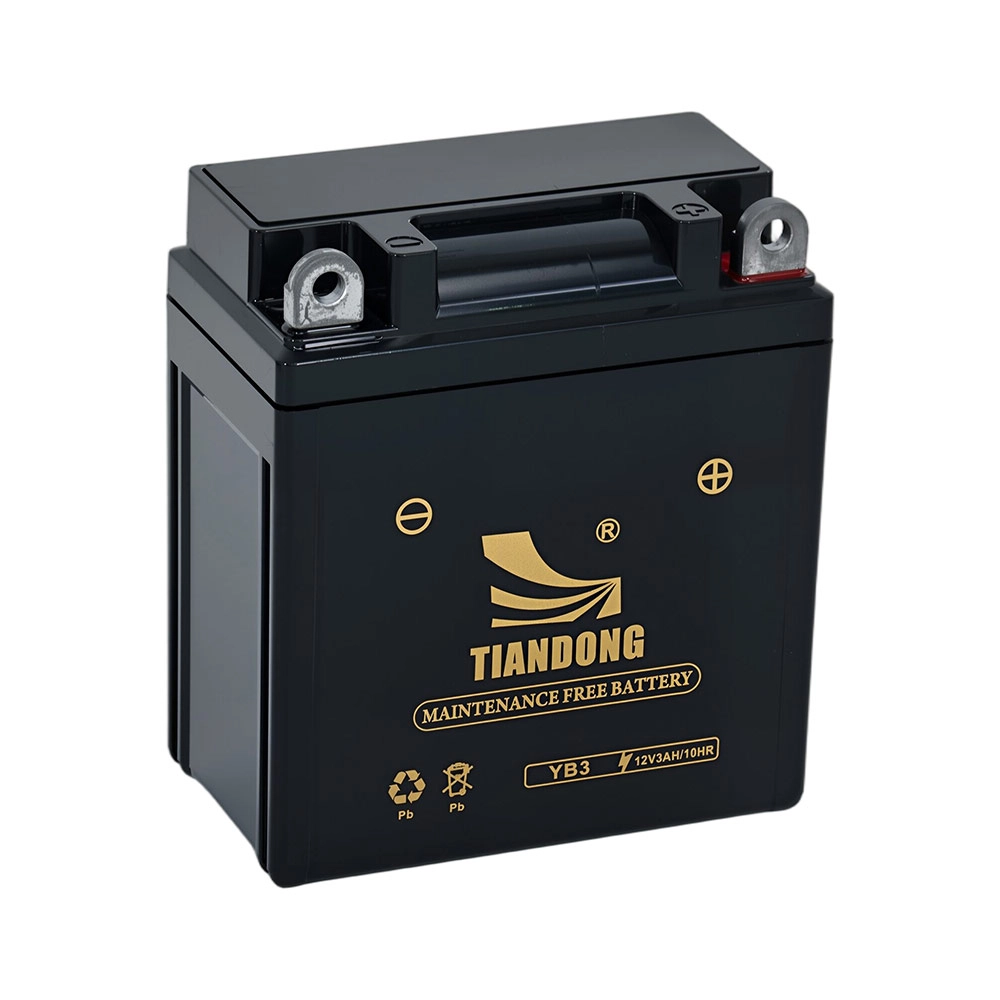
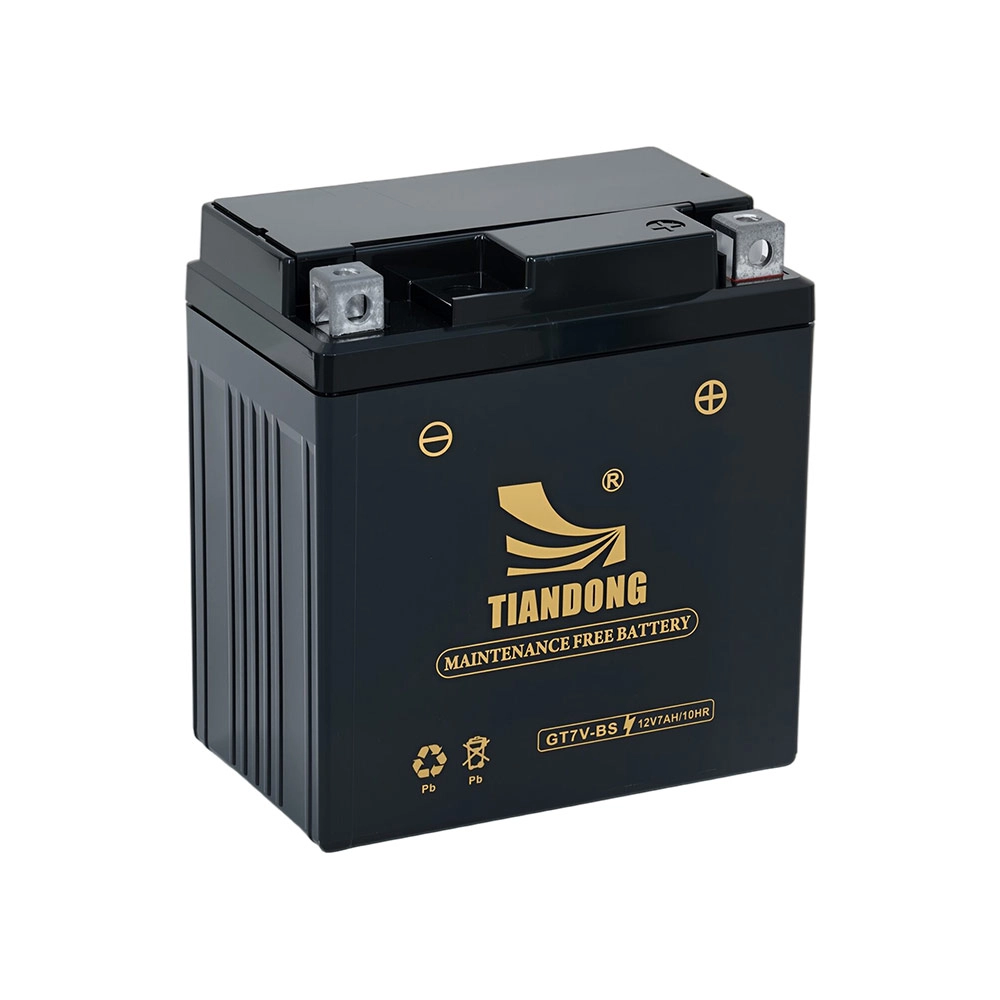
Get in touch with us to get your Motorbike Battery solution
TIANDONG is a leading motorcycle battery manufacturer offering OEM/ODM service, stable quality, and global export support.
Built for wholesalers. Trusted by global buyers. Delivered with confidence.
Say Hello
E-mail: daisybattery8@gmail.com
xianyingchen83@gmail. com
WhatsAPP: +86 134 283 86694
+86 134 348 86641
Our Location
Social Links
© 2025 TIANDONG. All Rights Reserved. Privacy Policy | Terms and Conditions | Sitemap
 Scan QR Code
Facebook
Instagram
Scan QR Code
Whatsapp: +8613434886641