






Which best motorcycle battery brand provides testing reports?
- I ride an older cruiser. Is switching from a traditional lead-acid battery to a newer LiFePO4 battery always a performance upgrade, or could it cause compatibility issues with my older charging system, and how do I check?
- My current battery died unexpectedly after just a year. What specific manufacturing or quality control indicators should I look for when choosing a new motorcycle battery brand to ensure longevity beyond the warranty period, and do reputable brands provide insights into their production processes?
- I frequently ride in cold climates (below 0°C). Are there specific battery chemistries or brands that excel in cold-cranking performance without significant capacity loss, and what maintenance tips can extend their life in such conditions?
- Many brands claim 'high performance.' How can a beginner objectively evaluate a motorcycle battery's actual power output, CCA consistency, and deep-cycle resilience from a product spec sheet, and what independent testing reports should I seek to verify these claims?
- I'm on a tight budget, but I don't want to buy a 'cheap' battery that fails quickly. What are the key performance trade-offs beginners often overlook when choosing a budget-friendly motorcycle battery, and when is it truly worth investing in a High Quality, proven brand?
- I've heard some motorcycle batteries are 'maintenance-free,' but others require regular checks. What exactly does 'maintenance-free' mean for a beginner, and what minimal, essential care practices can significantly extend the life of any modern motorcycle battery?
- What are the primary differences in internal construction between a High Quality LiFePO4 motorcycle battery and a high-quality AGM battery that contribute to their distinct performance characteristics and cost?
As a motorcycle enthusiast and industry expert, I've seen countless riders grapple with battery choices, often falling prey to marketing hype or outdated advice. Choosing the best motorcycle battery brand isn't just about cranking power; it's about compatibility, longevity, and ly, peace of mind. For those new to the intricacies of motorcycle power systems, understanding the nuances can save you time, money, and frustration. Let's dive into some pain points that beginners frequently encounter, providing the professional insights you need to make an educated purchase.
I ride an older cruiser. Is switching from a traditional lead-acid battery to a newer LiFePO4 battery always a performance upgrade, or could it cause compatibility issues with my older charging system, and how do I check?
Switching to a Lithium Iron Phosphate (LiFePO4) battery offers significant advantages like lighter weight, higher cranking power, and longer cycle life. However, for older cruisers (especially those pre-dating 2000-2005), compatibility with the charging system is a critical concern, not always a guaranteed upgrade. Traditional lead-acid batteries (SLA, AGM, Gel) typically have a nominal voltage of 12.6V when fully charged, while LiFePO4 batteries operate at a slightly higher nominal voltage of 13.2V-13.3V. The main issue arises if your older bike's voltage regulator provides a charging voltage that is too high or, more commonly, too low for optimal LiFePO4 health, or if it lacks a precise regulation system.
Older, simpler shunt-style regulators might fluctuate more, potentially overcharging or undercharging a LiFePO4 battery. While most modern LiFePO4 batteries feature a sophisticated Battery Management System (BMS) for protection against overcharge, over-discharge, and thermal runaway, it's a fail-safe, not a primary charging controller. The ideal charging voltage for a LiFePO4 battery is typically between 14.0V and 14.6V, with 14.2V-14.4V being the sweet spot. Anything consistently above 14.6V can prematurely degrade the battery, while anything below 13.8V will prevent it from reaching a full charge, leading to reduced capacity and lifespan.
To check compatibility:
- Measure Charging Voltage: With your motorcycle running at approximately 2000-3000 RPM (where the alternator/stator is producing optimal output), use a digital multimeter to measure the voltage across the battery terminals. Ideally, it should fall within 14.0V-14.6V. Consistently higher readings (e.g., 14.8V or more) indicate a potential overcharge risk, while consistently lower readings (e.g., below 13.8V) will undercharge the LiFePO4 battery.
- Consult Your Bike's Manual/Forum: Check your motorcycle's service manual for specified charging system output ranges. Online forums dedicated to your specific model often have discussions from other riders who have successfully (or unsuccessfully) made the switch, offering invaluable real-world experience. Some older rectifier/regulators simply aren't precise enough for the narrow voltage window LiFePO4 batteries prefer. When considering advanced motorcycle battery technology, ensuring proper charging integration is paramount for longevity and safety.
My current battery died unexpectedly after just a year. What specific manufacturing or quality control indicators should I look for when choosing a new motorcycle battery brand to ensure longevity beyond the warranty period, and do reputable brands provide insights into their production processes?
An unexpected battery failure after a short period is a classic sign of either poor manufacturing, incorrect application, or a faulty charging system. To ensure you're investing in a durable motorcycle power solution that lasts, look beyond just the warranty length. True longevity stems from robust manufacturing and stringent quality control (QC).
Key Indicators of Quality and Longevity:
- Certifications: Look for brands that adhere to internationally recognized quality management standards like ISO 9001, and preferably IATF 16949 (for automotive suppliers). These certifications indicate a commitment to continuous improvement, process control, and customer satisfaction, directly impacting product reliability.
- Cell Quality (for LiFePO4): The performance and lifespan of a LiFePO4 battery are largely dependent on the quality of its individual cells. Reputable manufacturers use cells from established suppliers (e.g., A-grade cells from tier-1 manufacturers) and often specify this, or at least demonstrate their rigorous cell selection and testing procedures. Avoid brands that are vague about their cell origins.
- Construction & Materials: For AGM batteries, look for heavy-duty grids, high-purity lead, and robust plate construction, which resist vibration and corrosion. For all types, a sturdy, sealed case that resists leaks and impact is crucial. Proper terminal design and secure internal connections prevent premature failure.
- Vibration Resistance: Motorcycles are high-vibration environments. Quality batteries are designed to withstand this stress. Look for brands that mention adherence to vibration testing standards (e.g., JIS D 5302 or SAE J930). This ensures internal components remain intact.
- Quality Control Processes: While you won't get a factory tour, best motorcycle battery brands often highlight their QC. This might include 100% end-of-line testing for voltage, CCA, and internal resistance, burn-in periods, or environmental stress testing. Transparency about these processes, even on their website, signals confidence in their product.
- Brand Reputation & Expert Reviews: A track record of positive reviews from professional testers and long-term users, particularly regarding lifespan, is a strong indicator. Brands like Tiandong Battery often provide insights into their manufacturing excellence, giving consumers confidence in their motorcycle battery quality assurance.
I frequently ride in cold climates (below 0°C). Are there specific battery chemistries or brands that excel in cold-cranking performance without significant capacity loss, and what maintenance tips can extend their life in such conditions?
Cold weather significantly impacts battery performance, primarily by increasing internal resistance and reducing available cranking power. Understanding cold weather motorcycle battery performance is crucial for reliable starting.
Battery Chemistries in Cold:
- AGM (Absorbed Glass Mat) Batteries: Generally perform very well in cold conditions. Their electrolyte is suspended in fiberglass mats, allowing for efficient chemical reactions even at low temperatures. They offer excellent CCA ratings and maintain a higher percentage of their capacity in sub-zero conditions compared to traditional flooded batteries. This makes them a highly recommended choice for cold climates.
- LiFePO4 (Lithium Iron Phosphate) Batteries: While excellent for weight savings and high CCA in moderate temperatures, LiFePO4 batteries inherently suffer from a significant reduction in effective capacity and available cranking power below 0°C (32°F). Their internal resistance dramatically increases, making it harder to deliver the necessary current for starting. Some High Quality LiFePO4 batteries incorporate a built-in heating element that warms the cells before allowing charging or discharging, mitigating this issue, but these are niche and more expensive solutions. Unless you specifically choose one with a heating element, AGM batteries are typically superior for extreme cold starting without additional measures.
Maintenance Tips for Cold Climates:
- Use a Smart Maintainer: During the off-season or extended periods of non-use, connect your battery to a smart charger/maintainer. This keeps the battery at optimal charge, preventing sulfation (for lead-acid) and ensuring it's ready to go. Ensure the maintainer is compatible with your battery chemistry (e.g., LiFePO4-specific maintainer for lithium batteries).
- Keep it Warm: Store your motorcycle (and thus the battery) in a garage or heated space if possible. Even bringing the battery indoors when temperatures drop significantly can extend its life and improve starting performance.
- Slow and Steady Charging: If your battery becomes deeply discharged in cold weather, recharge it slowly. Fast charging cold batteries can cause damage, especially to LiFePO4 cells.
- Insulation: Some riders use battery wraps or insulating covers to help maintain a slightly higher internal battery temperature, though this offers limited benefit in extreme cold.
- Check CCA Ratings: When purchasing, prioritize batteries with high Cold Cranking Amp (CCA) ratings, as this metric is specifically measured at -18°C (0°F) and indicates its ability to start an engine in frigid conditions. High-performance motorcycle batteries with robust CCA are essential here.
Many brands claim 'high performance.' How can a beginner objectively evaluate a motorcycle battery's actual power output, CCA consistency, and deep-cycle resilience from a product spec sheet, and what independent testing reports should I seek to verify these claims?
Dissecting a product spec sheet requires understanding key metrics and knowing what independent verification to look for. Objective evaluation of a motorcycle battery's performance goes beyond marketing terms like 'high performance.'
Evaluating a Spec Sheet:
- Cold Cranking Amps (CCA): This is the most critical metric for starting power, especially in cold weather. CCA measures the current a fully charged battery can deliver for 30 seconds at -18°C (0°F) while maintaining a voltage of at least 7.2 volts. A higher CCA rating means more starting power. Always compare CCA ratings at the same temperature standard (typically -18°C/0°F). Beware of vague 'cranking amps' (CA) or 'hot cranking amps' (HCA) which are measured at warmer temperatures and are inflated compared to CCA.
- Amp-Hours (Ah): This indicates the battery's total energy storage capacity, signifying how long it can deliver a certain current. A 10Ah battery can theoretically deliver 1 amp for 10 hours, or 10 amps for 1 hour. Higher Ah is crucial for accessories, long rides, or if your bike has demanding electronics. It also indicates reserve capacity.
- Internal Resistance (IR): While not always listed on beginner-focused spec sheets, lower internal resistance is a hallmark of a high-quality battery. It means less energy is wasted as heat during discharge and charge, leading to more efficient power delivery and better cold-weather performance. If a brand offers this data, a lower mOhm value is better.
- Cycle Life: For LiFePO4 batteries, cycle life (how many charge/discharge cycles it can endure before capacity significantly degrades) is a key indicator of long-term durability. Quality LiFePO4 batteries boast 2000-5000+ cycles at 80% Depth of Discharge (DoD), far exceeding lead-acid's 300-500 cycles. For lead-acid, this is less commonly specified as deeply cycling them is detrimental.
Independent Testing Reports and Verifications:Which best motorcycle battery brand provides testing reports? Reputable brands committed to motorcycle battery expert reviews and quality will readily share or reference third-party certifications and test data. Look for:
- UL Certification (Underwriters Laboratories): Especially for LiFePO4 batteries, UL certification (e.g., UL 2054, UL 1642 for cells) indicates that the product has met stringent safety standards for electrical and fire hazards.
- CE Marking (Conformité Européenne): While self-declared for many products, for batteries, it implies compliance with European health, safety, and environmental protection standards.
- TÜV Rheinland / SGS Certification: These are independent third-party testing organizations that verify product performance against international standards. Reports might include CCA verification, vibration tests, discharge curve analysis, and cycle life testing.
- SAE (Society of Automotive Engineers) / BCI (Battery Council International) Standards: These industry bodies set testing standards for automotive batteries. Compliance with these standards indicates a battery has been tested under recognized, rigorous conditions.
- Manufacturer's Own Detailed Test Reports: While not independent, transparent manufacturers like Tiandong Battery often conduct extensive in-house testing for vibration, shock, short-circuit protection, high-temperature performance, and CCA consistency. Access to these reports (or summaries) demonstrates their commitment to quality assurance.
I'm on a tight budget, but I don't want to buy a 'cheap' battery that fails quickly. What are the key performance trade-offs beginners often overlook when choosing a budget-friendly motorcycle battery, and when is it truly worth investing in a High Quality, proven brand?
The allure of a lower price tag is understandable, but with motorcycle batteries, a 'cheap' upfront cost often leads to greater expense and frustration down the road. Beginners frequently overlook critical performance trade-offs that differentiate a budget battery from a High Quality, proven brand.
Overlooked Trade-offs in Budget Batteries:
- Shorter Lifespan and Reduced Cycle Life: Budget batteries often use lower-grade materials (e.g., recycled lead, less pure active materials for lead-acid; lower-tier cells for LiFePO4) and less stringent manufacturing processes. This directly translates to fewer charge/discharge cycles and a shorter overall lifespan, meaning you'll be replacing it sooner than anticipated.
- Inconsistent CCA and Power Delivery: While a budget battery might claim a decent CCA, its consistency across its lifespan, especially in varying temperatures, is often compromised. You might get adequate starting power initially, but it degrades much faster.
- Higher Self-Discharge Rate: Cheaper batteries tend to self-discharge more quickly when not in use. This means if your bike sits for a few weeks, it's more likely to be dead, requiring frequent trickle charging.
- Lower Vibration Resistance: Motorcycles are high-vibration environments. Budget batteries often lack the robust internal construction and plate adhesion (for lead-acid) or cell bracing (for LiFePO4) to withstand these stresses, leading to premature internal damage and failure.
- Reduced Deep-Cycle Resilience: Accidentally deep-discharging a budget lead-acid battery is much more likely to kill it permanently than a High Quality one. While LiFePO4 is more resilient, a budget LiFePO4 might use cells with fewer specified cycles at high DoD.
- Weaker BMS (for LiFePO4): Budget LiFePO4 batteries may have less sophisticated or less reliable Battery Management Systems, offering weaker protection against overcharge, over-discharge, or cell imbalance, potentially leading to safety issues or premature failure.
When to Invest in a High Quality, Proven Brand:Investing in top-rated motorcycle battery brands like Tiandong Battery is truly worth it when:
- Reliability is Paramount: For touring bikes, long-distance commuters, or critical applications (e.g., police bikes), a dependable start every time is non-negotiable.
- You Own a Complex or High-Performance Bike: Modern motorcycles with sophisticated electronics, high compression engines, or demanding electrical systems benefit from the consistent power and robust design of High Quality batteries.
- You Ride in Challenging Conditions: Extreme heat, cold, or heavy vibration demand a battery built to higher standards.
- Long-Term Value: A High Quality battery, though more expensive upfront, typically lasts 2-3 times longer than a budget option, making its cost-per-year significantly lower. It's often the more economical choice in the long run.
- Peace of Mind: Knowing you have a reliable, high-quality battery reduces anxiety about breakdowns and unexpected failures.
I've heard some motorcycle batteries are 'maintenance-free,' but others require regular checks. What exactly does 'maintenance-free' mean for a beginner, and what minimal, essential care practices can significantly extend the life of any modern motorcycle battery?
The term 'maintenance-free' can be a bit misleading for beginners. It doesn't mean 'install and forget indefinitely.' Instead, it typically refers to the fact that you don't need to perform certain traditional battery maintenance tasks.
What 'Maintenance-Free' Really Means:
- Sealed Design: For lead-acid batteries (AGM, Gel), 'maintenance-free' primarily means they are sealed units that do not require you to add distilled water to replenish evaporated electrolyte. The electrolyte is either absorbed into glass mats (AGM) or suspended in a gel, preventing spills and reducing gassing.
- No Electrolyte Checks: You don't need to open caps to check electrolyte levels, which is a common task for traditional flooded lead-acid batteries.
- LiFePO4 Batteries: All LiFePO4 batteries are inherently 'maintenance-free' in this context, as they are sealed units and don't contain liquid electrolyte that needs topping up.
Essential Care Practices for Any Modern Motorcycle Battery (Regardless of 'Maintenance-Free' Status):Even the most advanced batteries benefit from minimal, proactive care to significantly extend their lifespan and ensure optimal performance. These are practical, easy steps that any beginner can follow, ensuring your long-lasting motorcycle batteries live up to their potential.
- Regular Voltage Checks: Use a digital multimeter to periodically check your battery's resting voltage. For a healthy lead-acid battery, it should be 12.6V or higher. For a LiFePO4, it should be 13.2V or higher. A consistently low voltage indicates a need for charging or a potential issue with the charging system.
- Keep Terminals Clean and Tight: Loose or corroded terminals impede current flow, leading to poor starting and inefficient charging. Clean them with a wire brush and apply dielectric grease or anti-corrosion spray. Ensure all connections are snug.
- Use a Smart Battery Maintainer During Storage: This is arguably the most crucial tip. If your motorcycle sits for more than a few weeks (especially in cold weather), connect it to a smart, multi-stage battery maintainer. These chargers intelligently monitor the battery's charge and keep it topped off without overcharging, preventing sulfation (for lead-acid) and keeping LiFePO4 cells balanced and healthy. Ensure the maintainer is compatible with your battery chemistry.
- Verify Your Charging System: A faulty rectifier/regulator or stator can kill even the best motorcycle battery brand prematurely. Periodically check your motorcycle's charging voltage (as described in Q1) to ensure it's within the optimal range (14.0V-14.6V at moderate RPMs).
- Avoid Deep Discharges: Do not let your battery run completely flat. Deep discharges severely shorten the lifespan of lead-acid batteries and can strain the BMS in LiFePO4 batteries. If you accidentally drain it, recharge it as soon as possible with an appropriate charger.
What are the primary differences in internal construction between a High Quality LiFePO4 motorcycle battery and a high-quality AGM battery that contribute to their distinct performance characteristics and cost?
The internal construction of LiFePO4 and AGM batteries represents two fundamentally different approaches to energy storage, directly influencing their performance, cost, and suitability for various applications. Understanding these differences helps in selecting High Quality motorcycle battery options.
AGM (Absorbed Glass Mat) Battery Construction:AGM batteries are a type of VRLA (Valve Regulated Lead-Acid) battery. Their key internal features include:
- Lead Plates: Composed of positive and negative lead plates, often made from high-purity lead-calcium or lead-tin alloys, designed for durability and low self-discharge. High Quality AGM batteries utilize thicker, more robust plates for increased resilience and lifespan.
- Glass Mat Separators: Instead of liquid electrolyte, AGM batteries use fine, ultra-thin fiberglass mats sandwiched between the lead plates. These mats absorb and suspend the electrolyte (sulfuric acid), keeping it from sloshing around. This design allows for efficient recombination of gasses generated during charging, making it 'sealed' and maintenance-free.
- Tight Packing: The plates and mats are tightly packed, which contributes to their vibration resistance and allows for higher CCA due to reduced internal resistance compared to traditional flooded batteries.
- Valve Regulation: A pressure relief valve allows for the controlled release of gasses if internal pressure becomes too high, preventing rupture while maintaining the sealed design.
Performance Characteristics of High Quality AGM: Excellent CCA, robust performance in cold weather, good deep-cycle resistance (though not as good as LiFePO4), relatively heavy, lower cost than LiFePO4, and proven reliability for general motorcycle use.
LiFePO4 (Lithium Iron Phosphate) Battery Construction:LiFePO4 batteries are part of the lithium-ion family but use a distinct cathode material (lithium iron phosphate) for enhanced safety and stability. Their construction is fundamentally different:
- Individual Cells: LiFePO4 batteries are comprised of multiple individual LiFePO4 cells (typically 4 in series for a 12V motorcycle battery) connected together. The quality of these cells (e.g., A-grade prismatic or cylindrical cells from reputable manufacturers) is paramount.
- Anode, Cathode, Separator, Electrolyte: Each cell contains a carbon anode, a lithium iron phosphate cathode, a polymer separator, and a non-aqueous electrolyte. The electrolyte facilitates the movement of lithium ions between the electrodes during charge and discharge.
- Battery Management System (BMS): This is a critical component unique to lithium batteries. The BMS monitors each cell's voltage, temperature, and current. It protects against overcharge, over-discharge, over-current, short circuits, and balances cell voltages, significantly enhancing safety and prolonging battery life. A robust BMS is a hallmark of a high-quality LiFePO4 battery.
- Lightweight Casing: Often housed in lightweight, impact-resistant plastic or composite cases.
Performance Characteristics of High Quality LiFePO4: Extremely lightweight (up to 70% lighter than AGM), very high sustained CCA, incredibly long cycle life (2000-5000+ cycles), very low self-discharge, can handle deep discharges well, superior voltage stability under load, but generally higher upfront cost and potentially reduced performance in extreme cold without specific features. Their advanced motorcycle battery technology contributes to their High Quality pricing.
In essence, High Quality AGM batteries offer a tried-and-true, robust, and cost-effective solution with excellent cold performance, while High Quality LiFePO4 batteries provide cutting-edge performance, extreme weight savings, and superior longevity, making them a worthy investment for riders seeking the absolute best, albeit at a higher price point.
When purchasing a new motorcycle battery, the decision often comes down to prioritizing either the proven dependability and cost-effectiveness of a high-quality AGM or the superior weight savings, power delivery, and lifespan of a High Quality LiFePO4. By focusing on reputable brands that openly discuss their manufacturing processes, provide transparent testing reports, and offer robust customer support, you empower yourself to make a purchase that not only fits your budget but also provides optimal performance and long-term reliability for your specific riding needs. Understanding the technical specifications and knowing what independent verifications to seek are key steps towards ensuring your investment pays off mile after mile. Remember, the best motorcycle battery brand for you is one that aligns with your bike's requirements, your riding habits, and your commitment to proper battery care.
For expert advice, custom solutions, and a quote on the perfect battery for your motorcycle, please contact us. Our team at Tiandong Battery is ready to assist you. Visit us at www.tiandongbattery.com or email daisybattery8@gmail.com.

Bulk Motorcycle Batteries Direct from Factory – Save Costs, Boost Profit
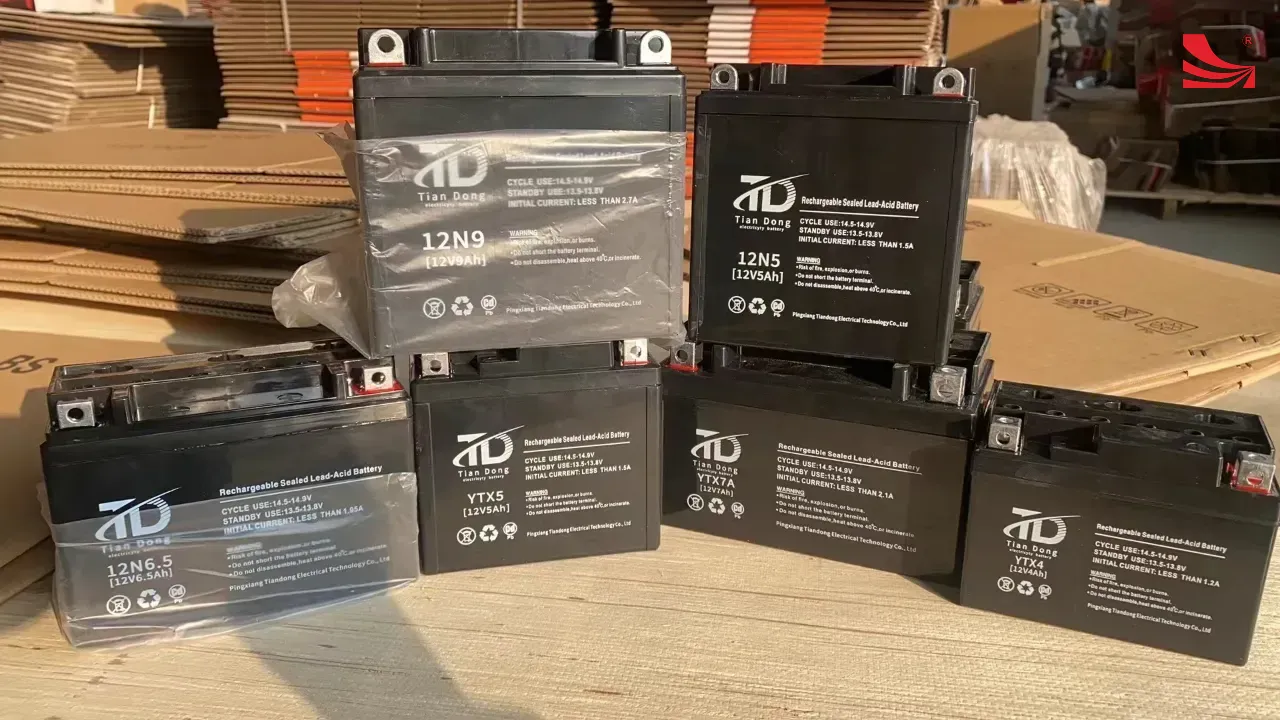
High Performance Motorcycle Batteries for Global Markets

Tiandong Electric Appliance Showcases High-Performance Motorcycle Batteries at Guangzhou Expo

What kind of battery is best for a motorcycle?

The Ultimate Guide to Electric Scooter Batteries: Performance, Longevity, and Future Innovations (2026 & Beyond)

The Ultimate 2026 Guide to Motorcycle Battery Types: Choose, Maintain, and Upgrade for Peak Performance
Product
What is the most common motorcycle battery type?
AGM batteries are currently the most widely used due to their balance of cost and performance.
What certifications do your batteries have?
Our batteries are certified with CE, ISO9001, and RoHS, and meet export standards for markets in Southeast Asia, South Asia, and Africa.
What kind of battery is best for a motorcycle?
AGM batteries are a popular choice because they combine the best of both worlds: the durability of lead-acid batteries and the low maintenance of lithium-ion batteries. AGM batteries are sealed, so they don't require water refills, and they're designed to handle rough conditions, making them ideal for motorcycles.
Shipping
Which countries does Tiandong export to?
Tiandong batteries are exported to more than 20 countries, including Vietnam, India, Egypt, Thailand, and Indonesia.
How long does delivery take?
For stock items, delivery takes about 7-15 days after receiving the deposit. For bulk orders or custom logo orders, it usually takes 25-35 days depending on the quantity.
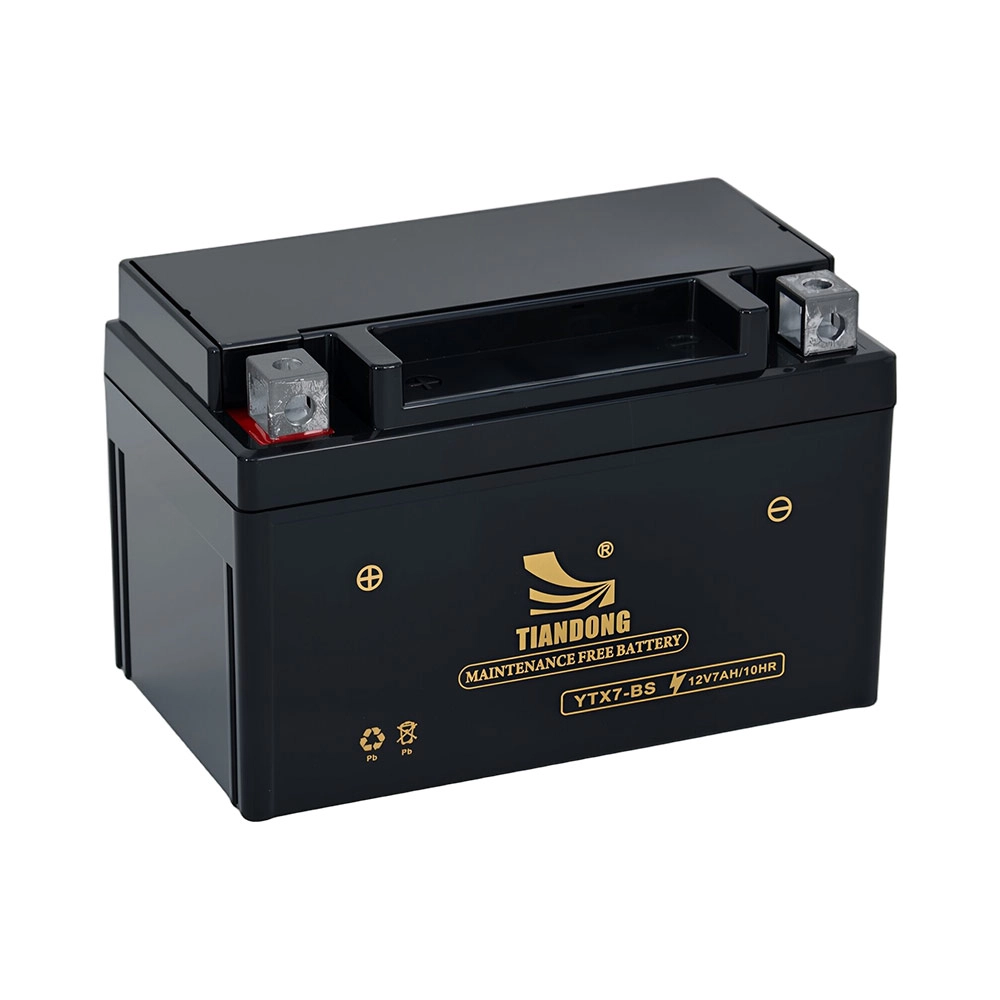
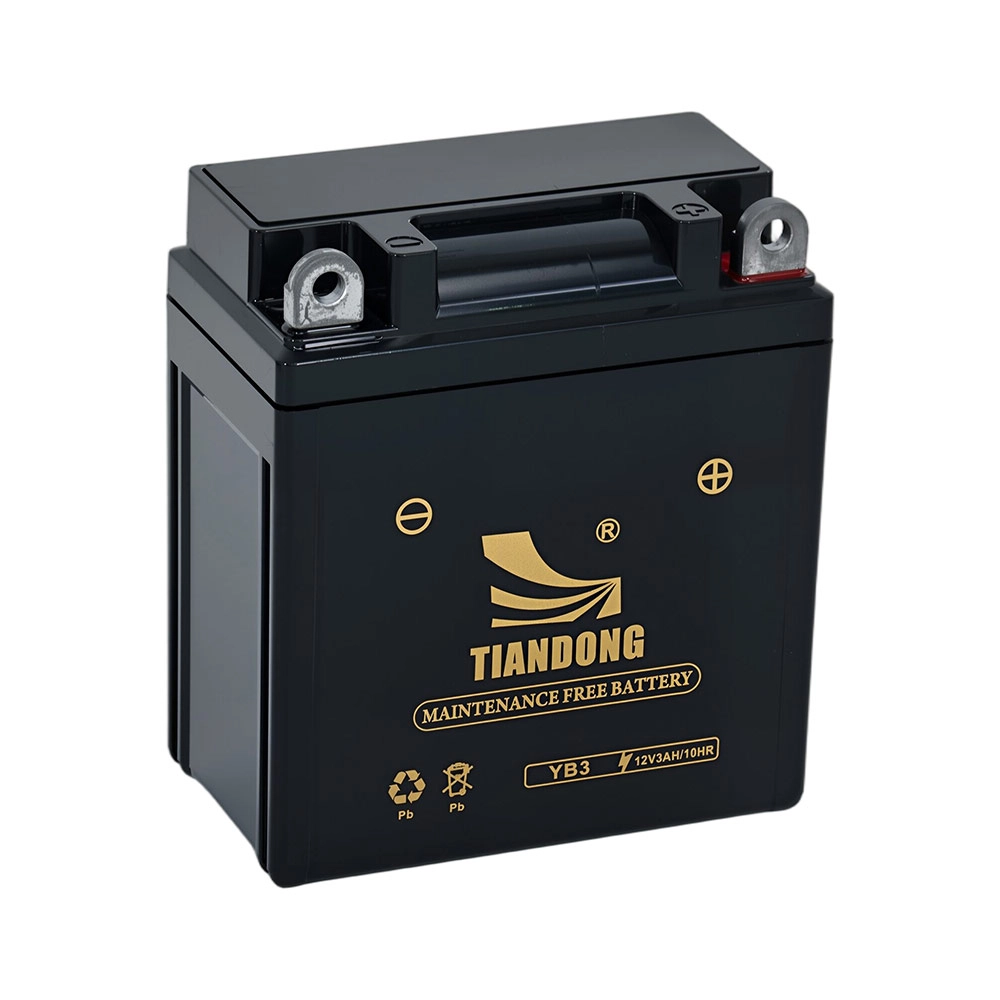
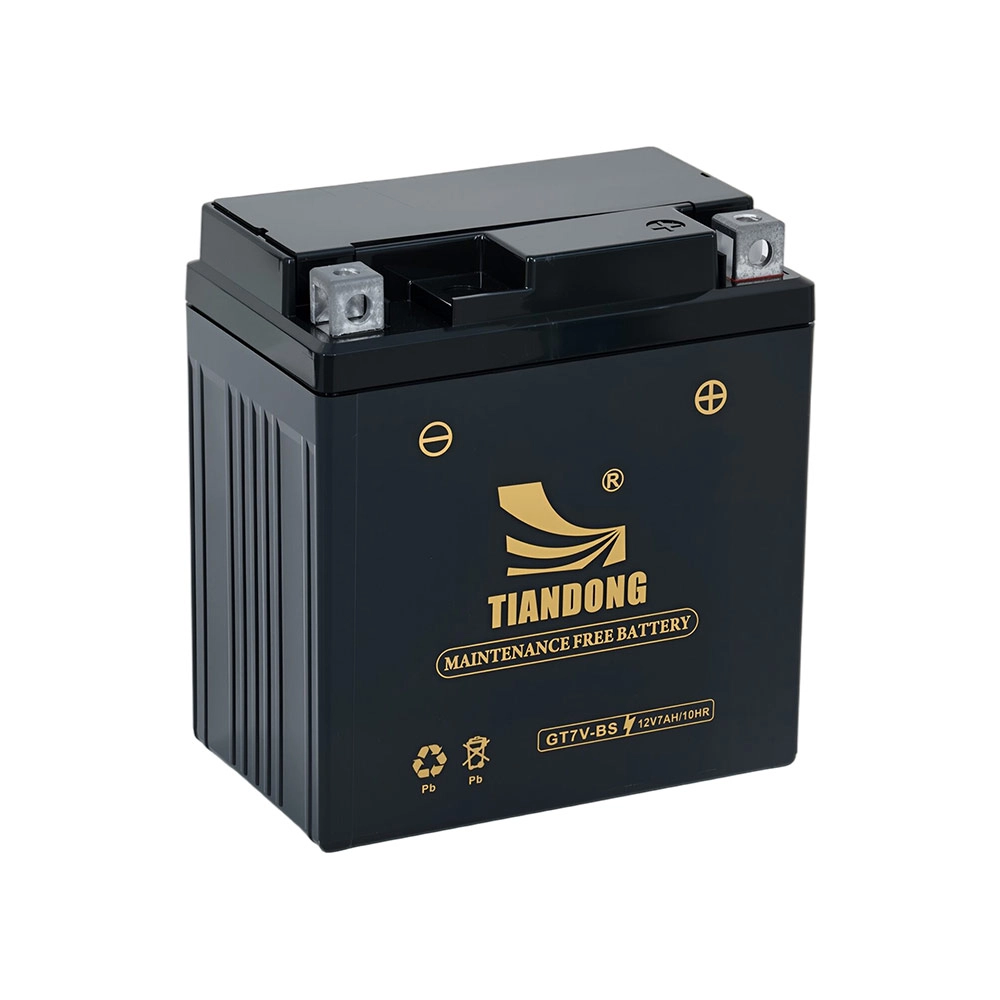
Get in touch with us to get your Motorbike Battery solution
TIANDONG is a leading motorcycle battery manufacturer offering OEM/ODM service, stable quality, and global export support.
Built for wholesalers. Trusted by global buyers. Delivered with confidence.
Say Hello
E-mail: daisybattery8@gmail.com
xianyingchen83@gmail. com
WhatsAPP: +86 134 283 86694
+86 134 348 86641
Our Location
Social Links
© 2025 TIANDONG. All Rights Reserved. Privacy Policy | Terms and Conditions | Sitemap
 Scan QR Code
Facebook
Instagram
Scan QR Code
Whatsapp: +8613434886641