






Which motorcycle batteries offer best safety features for fleets?
- Comprehensive Guide to Selecting the Best Motorcycle Batteries with Optimal Safety Features for Fleets
- 1. What Are the Primary Types of Motorcycle Batteries?
- 2. How Do Cold Cranking Amps (CCA) Affect Battery Performance?
- 3. What Maintenance Requirements Should Be Considered?
- 4. How Does Battery Weight Impact Motorcycle Performance?
- 5. What Are the Safety Features to Look for in Motorcycle Batteries?
- 6. How Do Battery Lifespan and Warranty Affect Fleet Operations?
- 7. What Are the Cost Implications of Different Battery Types?
- 8. How Do Environmental Conditions Affect Battery Performance?
- Conclusion: Why Choose TIANDONG Batteries?
Comprehensive Guide to Selecting the Best Motorcycle Batteries with Optimal Safety Features for Fleets
When managing a fleet of motorcycles, ensuring each bike is equipped with a reliable and safe battery is paramount. The right battery not only guarantees consistent performance but also enhances the safety of riders and reduces operational risks. This guide delves into key considerations for selecting the best motorcycle batteries, emphasizing safety features essential for fleet operations.
1. What Are the Primary Types of Motorcycle Batteries?
Understanding the different types of motorcycle batteries is the first step in making an informed choice:
Lead-Acid Batteries: Traditional and cost-effective, these batteries require regular maintenance, including checking electrolyte levels. They are heavier and have a shorter lifespan compared to newer technologies.
Absorbed Glass Mat (AGM) Batteries: A type of lead-acid battery, AGM batteries are sealed and maintenance-free, offering better vibration resistance and longer service life. They are spill-proof, enhancing safety during operation.
Lithium Iron Phosphate (LiFePO4) Batteries: Known for their lightweight design and long lifespan, lithium batteries provide consistent voltage and faster engine cranking. They are maintenance-free and have a low self-discharge rate, making them suitable for motorcycles that are not used daily.
2. How Do Cold Cranking Amps (CCA) Affect Battery Performance?
Cold Cranking Amps (CCA) measure a battery's ability to start an engine in cold temperatures. A higher CCA rating indicates better performance in low temperatures, which is crucial for fleet operations in colder climates. For instance, the Yuasa YUAM320BS Motorcycle Battery offers 270 CCA, ensuring reliable starts even in cold conditions.
3. What Maintenance Requirements Should Be Considered?
Maintenance needs vary among battery types:
Lead-Acid Batteries: Require regular checks of electrolyte levels and periodic charging.
AGM Batteries: Sealed and maintenance-free, eliminating the need for electrolyte monitoring.
Lithium Batteries: Also maintenance-free, with a low self-discharge rate, reducing the frequency of charging cycles.
For fleet operations, opting for maintenance-free batteries like AGM or lithium can reduce downtime and labor costs associated with regular upkeep.
4. How Does Battery Weight Impact Motorcycle Performance?
Battery weight influences the overall performance and handling of a motorcycle:
Lead-Acid Batteries: Heavier, which can affect the bike's balance and handling.
AGM and Lithium Batteries: Lighter, contributing to improved maneuverability and reduced strain on the motorcycle's electrical system.
For fleet operations, lighter batteries can enhance fuel efficiency and reduce wear on the motorcycle's components.
5. What Are the Safety Features to Look for in Motorcycle Batteries?
Safety features are crucial in preventing accidents and ensuring rider protection:
Spill-Proof Design: AGM and lithium batteries are sealed and spill-proof, reducing the risk of acid leaks that can cause injuries or damage.
Vibration Resistance: Batteries with robust construction can withstand vibrations, preventing internal damage and potential short circuits.
Overcharge Protection: Some batteries come equipped with built-in protection against overcharging, preventing overheating and potential explosions.
Selecting batteries with these safety features is essential for fleet operations to minimize risks and ensure rider safety.
6. How Do Battery Lifespan and Warranty Affect Fleet Operations?
A longer battery lifespan reduces the frequency of replacements, leading to cost savings and less downtime:
Lead-Acid Batteries: Typically last 2-3 years.
AGM Batteries: Have a lifespan of 3-5 years.
Lithium Batteries: Can last up to 10 years with proper care.
Additionally, a comprehensive warranty provides peace of mind and protection against manufacturing defects. For example, the ThrottleX Batteries MX30L offers a 12-month free-replacement warranty, ensuring reliability and customer satisfaction.
7. What Are the Cost Implications of Different Battery Types?
While lithium batteries have a higher upfront cost, their longer lifespan and maintenance-free nature can lead to cost savings over time. AGM batteries offer a balance between cost and performance, making them a popular choice for many riders. Lead-acid batteries are the most affordable initially but may incur higher maintenance costs and require more frequent replacements.
8. How Do Environmental Conditions Affect Battery Performance?
Extreme temperatures can impact battery performance:
Cold Temperatures: Can reduce a battery's ability to deliver power, leading to starting issues.
Hot Temperatures: Can accelerate battery degradation and reduce lifespan.
Selecting batteries designed to perform in a range of temperatures can mitigate these effects. For instance, the Odyssey PC680 Motorcycle Battery is known for its high stable voltage and faster recharge capabilities, making it suitable for various environmental conditions.
Conclusion: Why Choose TIANDONG Batteries?
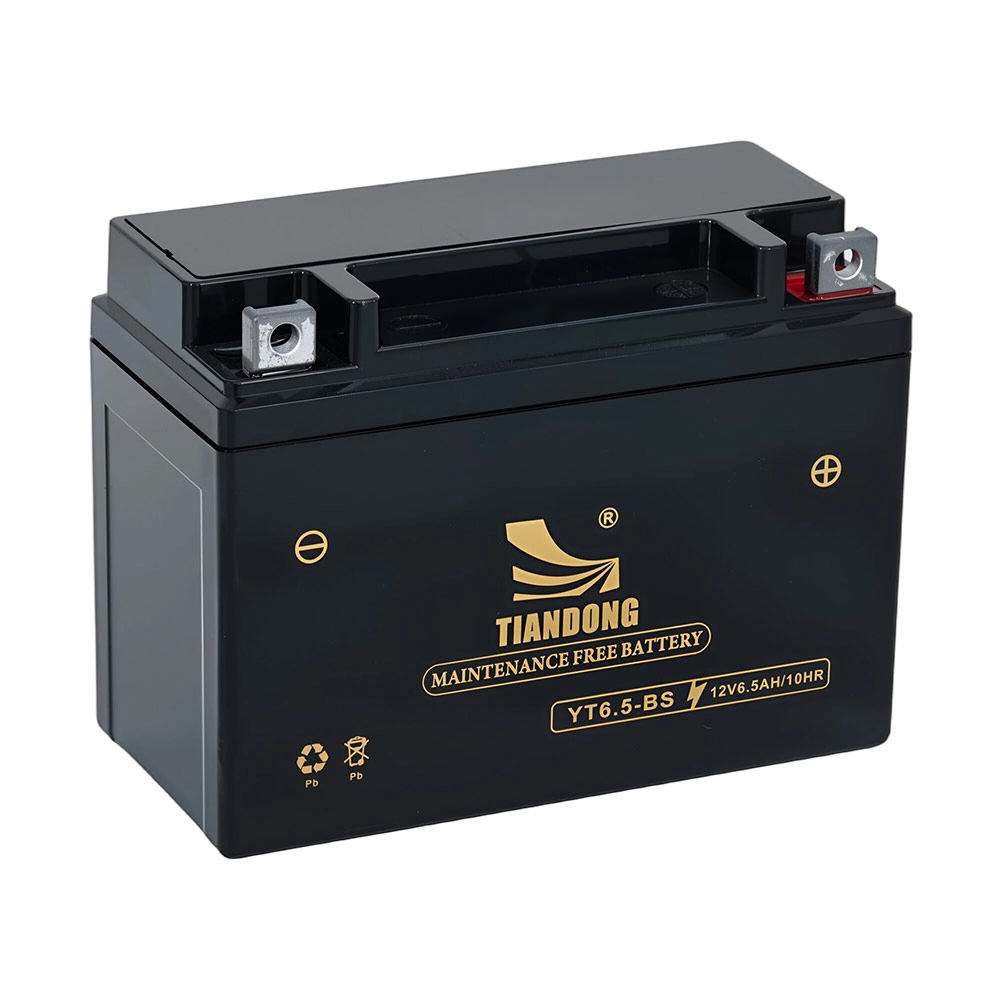
TIANDONG offers a range of motorcycle batteries that combine advanced technology with safety features tailored for fleet operations. Their batteries are designed for reliability, longevity, and consistent performance, ensuring that your fleet remains operational with minimal downtime. With a focus on quality and customer satisfaction, TIANDONG stands out as a trusted choice for fleet managers seeking optimal battery solutions.
By considering these factors, fleet operators can make informed decisions when selecting motorcycle batteries, ensuring safety, reliability, and cost-effectiveness in their operations.
References:
Yuasa YUAM320BS Motorcycle Battery:
ThrottleX Batteries MX30L:
Odyssey PC680 Motorcycle Battery:
TIANDONG Motorcycle Batteries: (https://www.tiandong.com)

Bulk Motorcycle Batteries Direct from Factory – Save Costs, Boost Profit
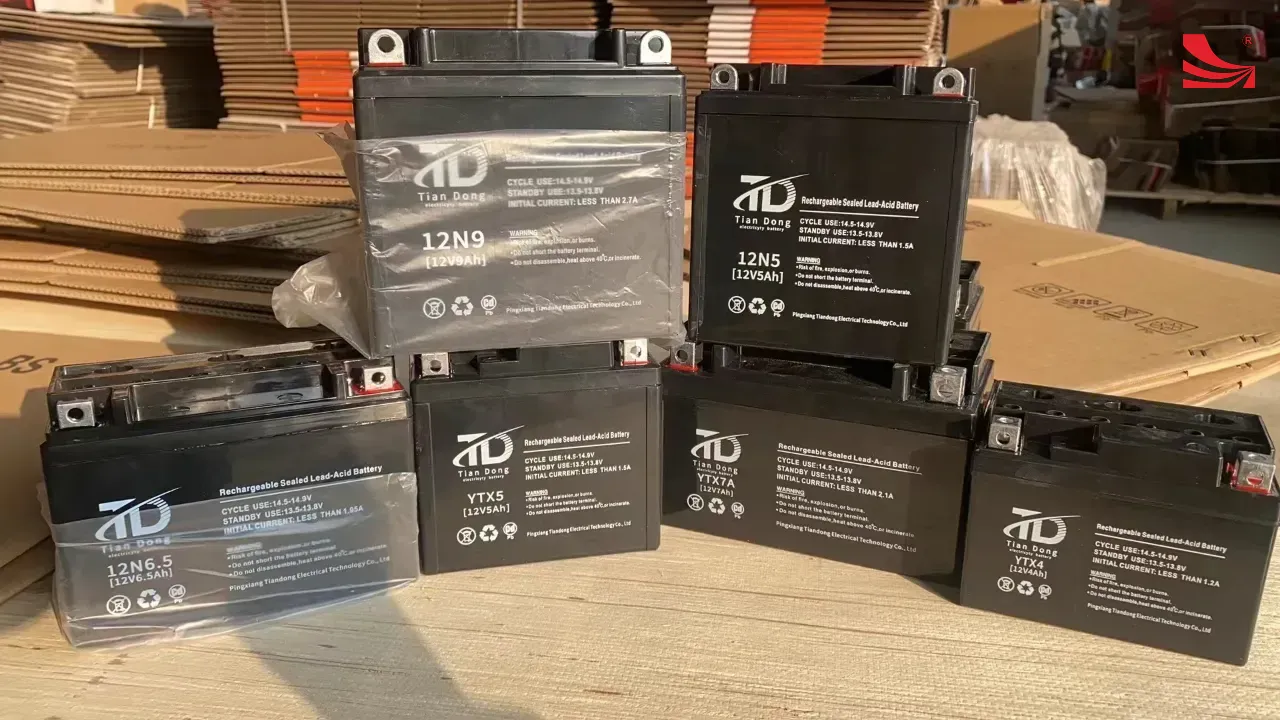
High Performance Motorcycle Batteries for Global Markets

Tiandong Electric Appliance Showcases High-Performance Motorcycle Batteries at Guangzhou Expo

What kind of battery is best for a motorcycle?

The Ultimate Guide to Electric Scooter Batteries: Performance, Longevity, and Future Innovations (2026 & Beyond)

The Ultimate 2026 Guide to Motorcycle Battery Types: Choose, Maintain, and Upgrade for Peak Performance
Product
How long is the lead time and where do you ship?
Standard lead time is 7–15 days. We export to over 20 countries, including Vietnam, India, Egypt, and Thailand.
What causes motorcycle batteries to fail?
Common causes include over-discharging, extreme temperatures, poor charging systems, and low-quality manufacturing materials.
What is the most common motorcycle battery type?
AGM batteries are currently the most widely used due to their balance of cost and performance.
Shipping
How long does delivery take?
For stock items, delivery takes about 7-15 days after receiving the deposit. For bulk orders or custom logo orders, it usually takes 25-35 days depending on the quantity.
Support
What is Tiandong’s production capacity?
The company produces approximately 6 million batteries per year, supported by 15,000 tons of electrode plate production capacity.
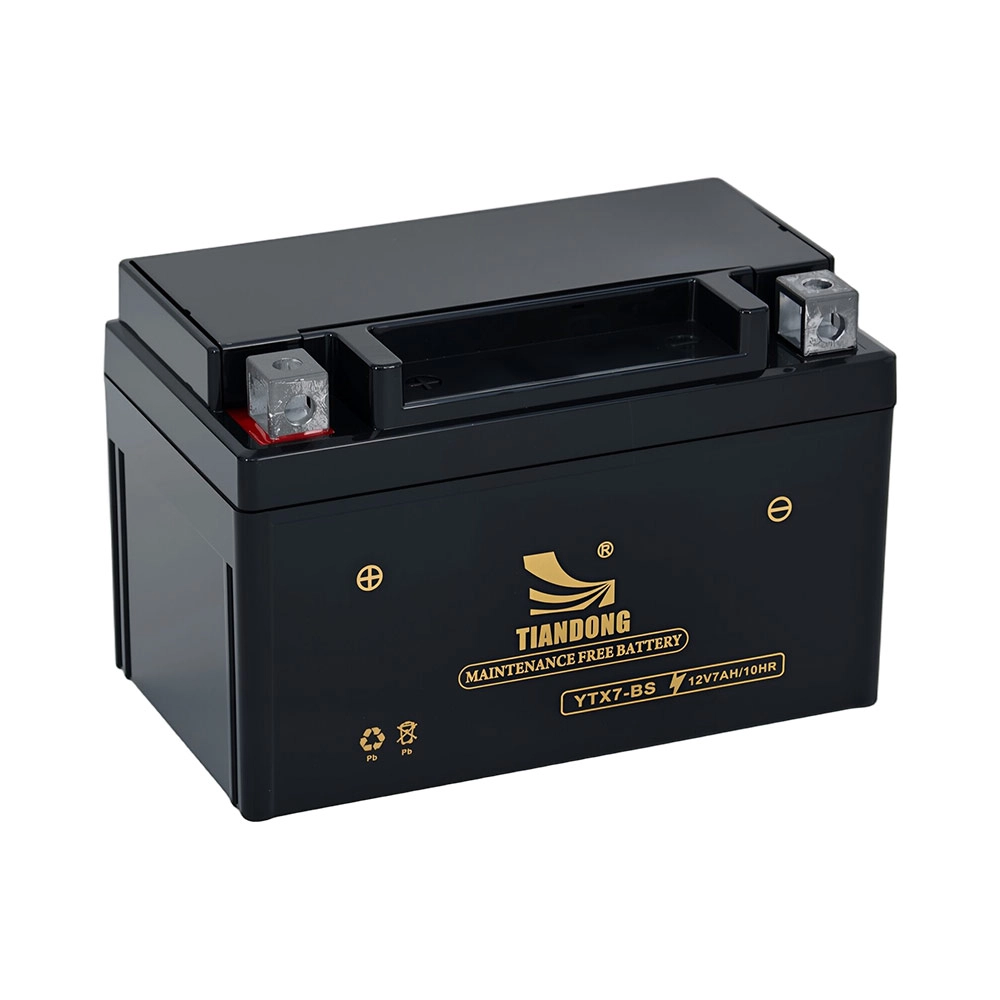
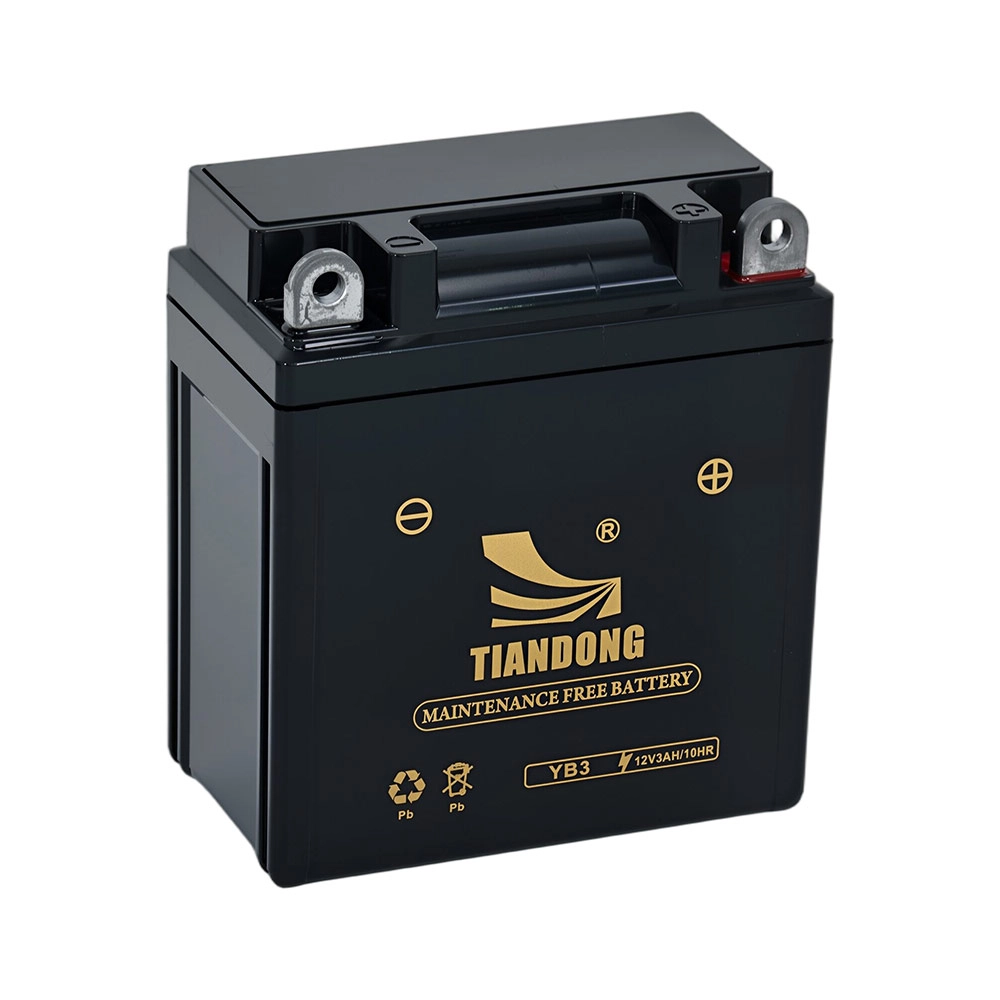
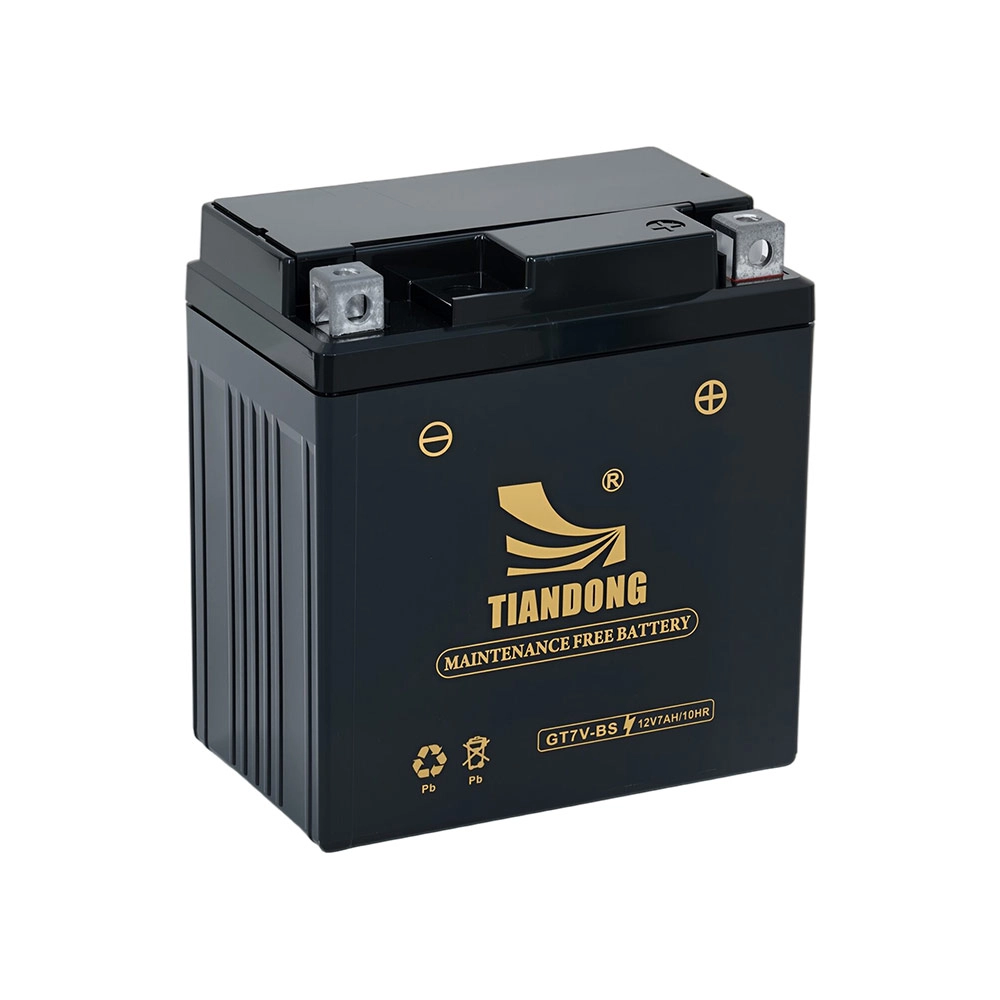
Get in touch with us to get your Motorbike Battery solution
TIANDONG is a leading motorcycle battery manufacturer offering OEM/ODM service, stable quality, and global export support.
Built for wholesalers. Trusted by global buyers. Delivered with confidence.
Say Hello
E-mail: daisybattery8@gmail.com
xianyingchen83@gmail. com
WhatsAPP: +86 134 283 86694
+86 134 348 86641
Our Location
Social Links
© 2025 TIANDONG. All Rights Reserved. Privacy Policy | Terms and Conditions | Sitemap
 Scan QR Code
Facebook
Instagram
Scan QR Code
Whatsapp: +8613434886641