






Small motorcycle battery vs regular: which is right?
- Choosing the Right Motorcycle Battery: Small vs. Regular
- 1. What is the difference between small and regular motorcycle batteries?
- 2. Can I use a small motorcycle battery in a regular motorcycle?
- 3. What factors should I consider when choosing a motorcycle battery?
- 4. How do battery types differ in terms of maintenance and lifespan?
- 5. How can I maintain my motorcycle battery for optimal performance?
- 6. What are the signs that my motorcycle battery needs replacement?
- 7. How do I choose a reputable motorcycle battery brand?
- 8. How does climate affect motorcycle battery performance?
Choosing the Right Motorcycle Battery: Small vs. Regular
When it comes to selecting a motorcycle battery, understanding the differences between small and regular batteries is crucial for optimal performance and longevity. Below, we address common questions to guide your decision-making process.
1. What is the difference between small and regular motorcycle batteries?
Small motorcycle batteries are designed for lightweight motorcycles and scooters, typically offering lower capacity and cranking power. Regular motorcycle batteries, on the other hand, are built for larger motorcycles, providing higher capacity and cranking power to meet the demands of bigger engines and additional electrical components.
2. Can I use a small motorcycle battery in a regular motorcycle?
Using a small motorcycle battery in a regular motorcycle is not recommended. Small batteries may lack the necessary capacity and cranking power required to start larger engines and support additional electrical systems, leading to potential starting issues and reduced performance.
3. What factors should I consider when choosing a motorcycle battery?
When selecting a motorcycle battery, consider the following factors:
Battery Type: Options include Flooded Lead Acid (FLA), Absorbed Glass Mat (AGM), Gel, and Lithium batteries. Each type has its own advantages regarding maintenance, lifespan, and performance.
Cold Cranking Amps (CCA): This rating indicates the battery's ability to start the engine in cold temperatures. Ensure the CCA meets or exceeds your motorcycle manufacturer's specifications.
Reserve Capacity (RC): This measures how long the battery can supply power before requiring a recharge. A higher RC is beneficial for motorcycles with additional electrical accessories.
Amp-Hour (Ah) Rating: This indicates the battery's capacity to provide a certain amount of current over a specified period. Match the Ah rating to your motorcycle's electrical demands.
4. How do battery types differ in terms of maintenance and lifespan?
Flooded Lead Acid (FLA) Batteries: These are the most affordable but require regular maintenance, including checking and refilling electrolyte levels. They have a shorter lifespan compared to other types.
Absorbed Glass Mat (AGM) Batteries: Maintenance-free and sealed, AGM batteries are leak-proof and vibration-resistant, offering a longer lifespan and better performance in cold weather.
Gel Batteries: Similar to AGM but use a gel electrolyte, making them more resistant to vibration and leakage. They are also maintenance-free and have a longer lifespan.
Lithium Batteries: Lightweight and compact, lithium batteries have a longer lifespan and faster charging times. They are maintenance-free but come with a higher upfront cost.
5. How can I maintain my motorcycle battery for optimal performance?
To ensure your motorcycle battery performs optimally:
Regular Charging: Use a battery charger to maintain the battery during periods of inactivity.
Proper Storage: Store the battery in a cool, dry place and avoid exposing it to extreme temperatures.
Clean Terminals: Periodically clean the battery terminals to prevent corrosion.
Check Voltage: Regularly check the battery voltage and recharge when it drops below 12.4V for 12V systems.
6. What are the signs that my motorcycle battery needs replacement?
Signs that your motorcycle battery may need replacement include:
Slow Engine Crank: The engine turns over slowly or hesitates when starting.
Dim Lights or Electrical Issues: Flickering headlights or unresponsive gauges.
Swelling, Leaks, or Corrosion: Visible damage to the battery case or terminals.
Age: Batteries typically last 3-5 years; if yours is older, consider testing or replacing it.
7. How do I choose a reputable motorcycle battery brand?
When selecting a motorcycle battery, consider the following:
Brand Reputation: Established brands like Yuasa, Shorai, and Motobatt are known for quality and reliability.
Warranty: Look for batteries with comprehensive warranty coverage, typically ranging from 1 to 3 years.
User Reviews: Research user experiences and reviews to gauge real-world performance and longevity.
8. How does climate affect motorcycle battery performance?
Climate plays a significant role in battery performance:
Cold Climates: Batteries with higher CCA ratings are essential for reliable starting in cold temperatures.
Hot Climates: Heat can accelerate battery degradation; ensure proper ventilation and consider batteries designed to withstand higher temperatures.
In conclusion, selecting the appropriate motorcycle battery involves understanding your bike's specific requirements and considering factors such as battery type, capacity, maintenance needs, and climate conditions. By making an informed choice, you can ensure reliable performance and extend the lifespan of your motorcycle.
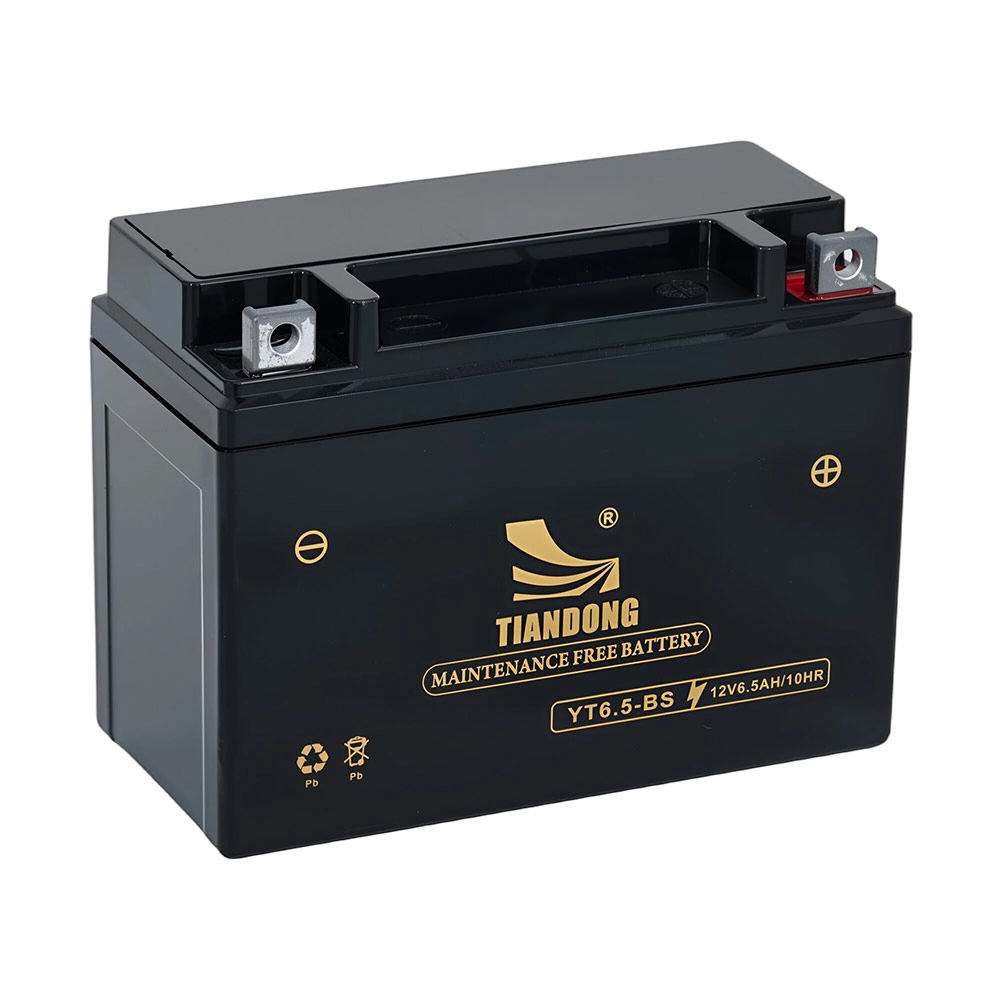
TIANDONG offers a range of high-quality motorcycle batteries designed to meet various needs, ensuring optimal performance and durability for your ride.
References:
(https://www.batteriesplus.com/buying-guides/motorcycle-battery-buying-guide)
(https://www.motorcyclistonline.com/story/gear/motorcycle-battery-buyers-guide/)
(https://www.batteriesplus.com/blog/power/motorcycle-batteries)
(https://www.teammcc.com/2025/01/02/how-to-choose-and-maintain-a-motorcycle-battery/)
(https://www.intact-batterien.de/en/advice-and-knowledge/purchasing-advice/motorcycle-battery/)
(https://bikeboxmt.com/blog/spare-parts/choose-the-right-motorcycle-battery/)
(https://www.batterystuff.com/kb/buyers-guide/powersport/motorcycle-battery-buyers-guide.html)
[How to Choose the Best Motorcycle Battery: A Complete Buying Guide (https://sportssurge.alibaba.com/guides/motorcycle-battery)
(https://www.jackpowergroup.com/info/a-complete-guide-to-motorcycle-battery-models-103095661.html)
(https://naredi.in/blogs/news/12v-battery-guide-motorbike-battery-vs-car-battery-differences)

Bulk Motorcycle Batteries Direct from Factory – Save Costs, Boost Profit
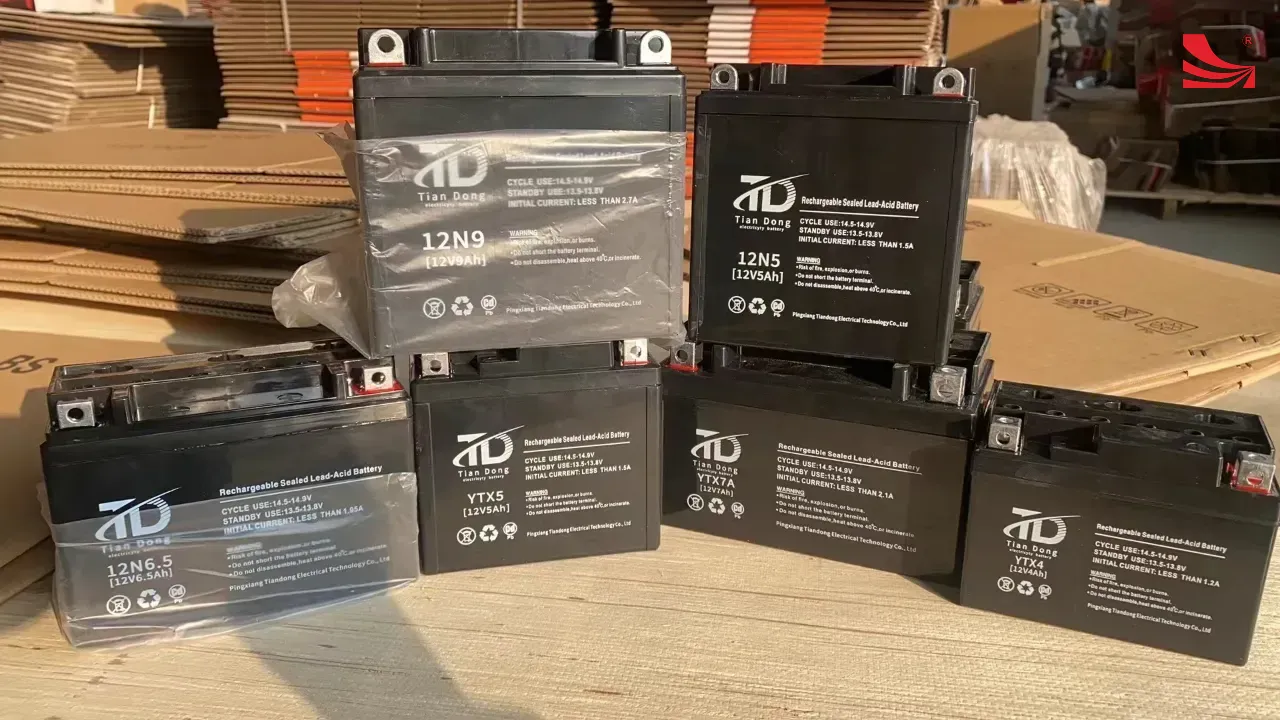
High Performance Motorcycle Batteries for Global Markets

Tiandong Electric Appliance Showcases High-Performance Motorcycle Batteries at Guangzhou Expo

What kind of battery is best for a motorcycle?

The Ultimate Guide to Electric Scooter Batteries: Performance, Longevity, and Future Innovations (2026 & Beyond)

The Ultimate 2026 Guide to Motorcycle Battery Types: Choose, Maintain, and Upgrade for Peak Performance
Shipping
Which countries does Tiandong export to?
Tiandong batteries are exported to more than 20 countries, including Vietnam, India, Egypt, Thailand, and Indonesia.
Product
Are you a trading company or a manufacturer?
We are a direct factory located inJiangxi Province, China. You are welcome to visit our production line and quality control lab. We specialize in lead-acid batteries for motorcycles and have been in this industry for 20 years.
Are your batteries maintenance-free?
Yes, our batteries are sealed VRLA or GEL types that require no water refilling. They are ready to use and easy to maintain.
What brands of raw materials do you use?
We use high-quality materials to ensure performance. we use 99.99% pure lead , ensure long life and high Cold Cranking Amps (CCA).
Support
What is Tiandong’s production capacity?
The company produces approximately 6 million batteries per year, supported by 15,000 tons of electrode plate production capacity.
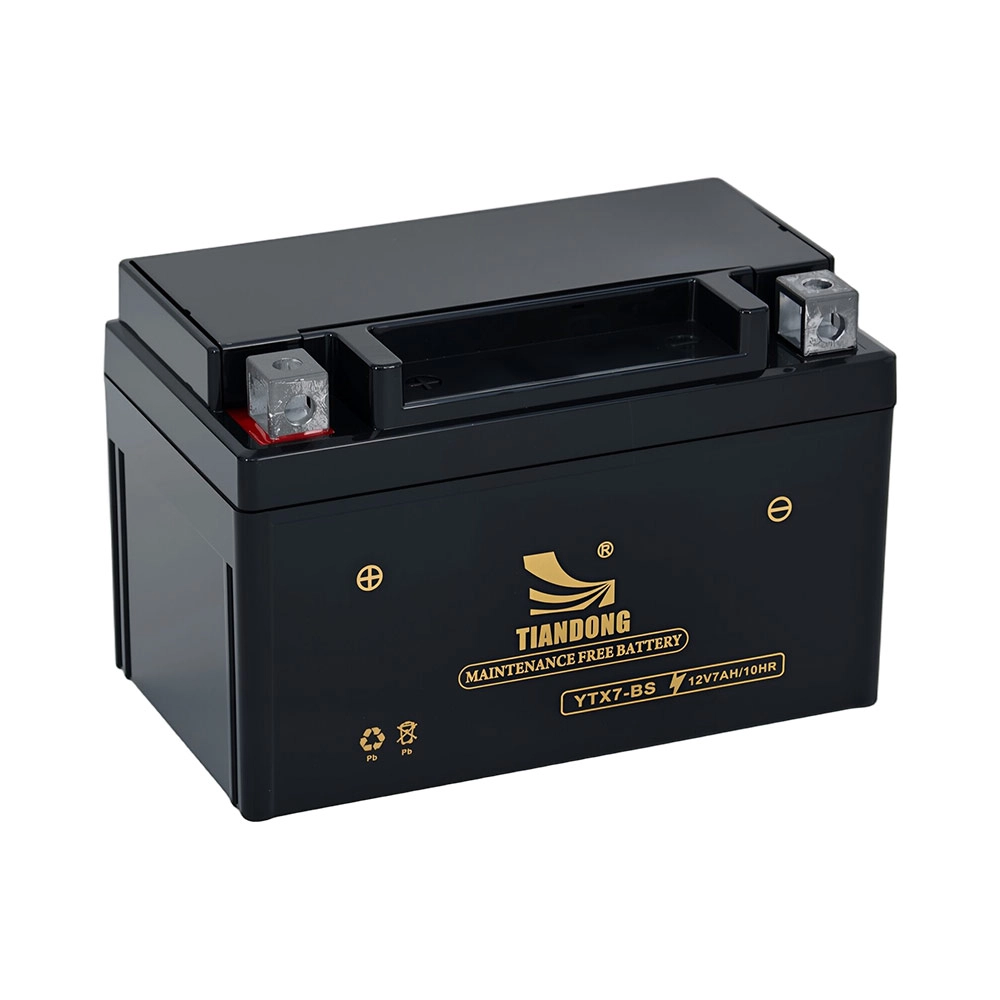
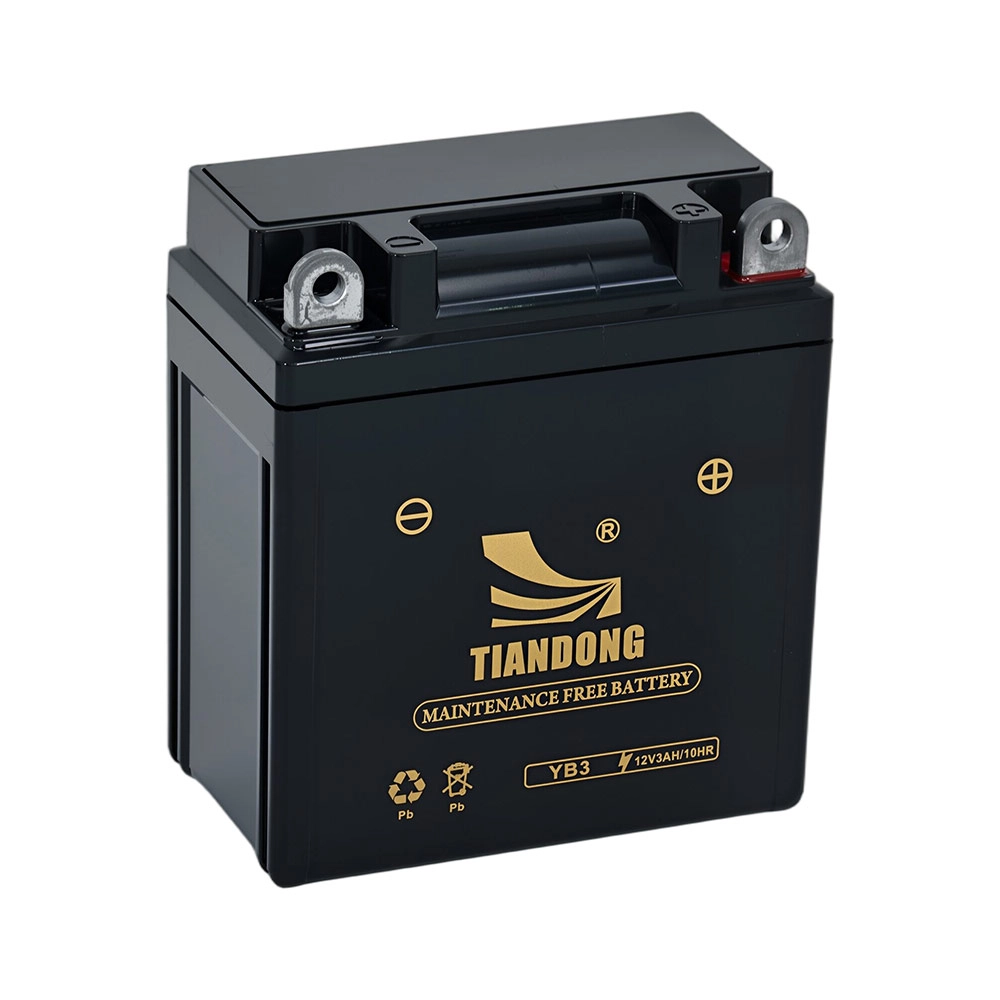
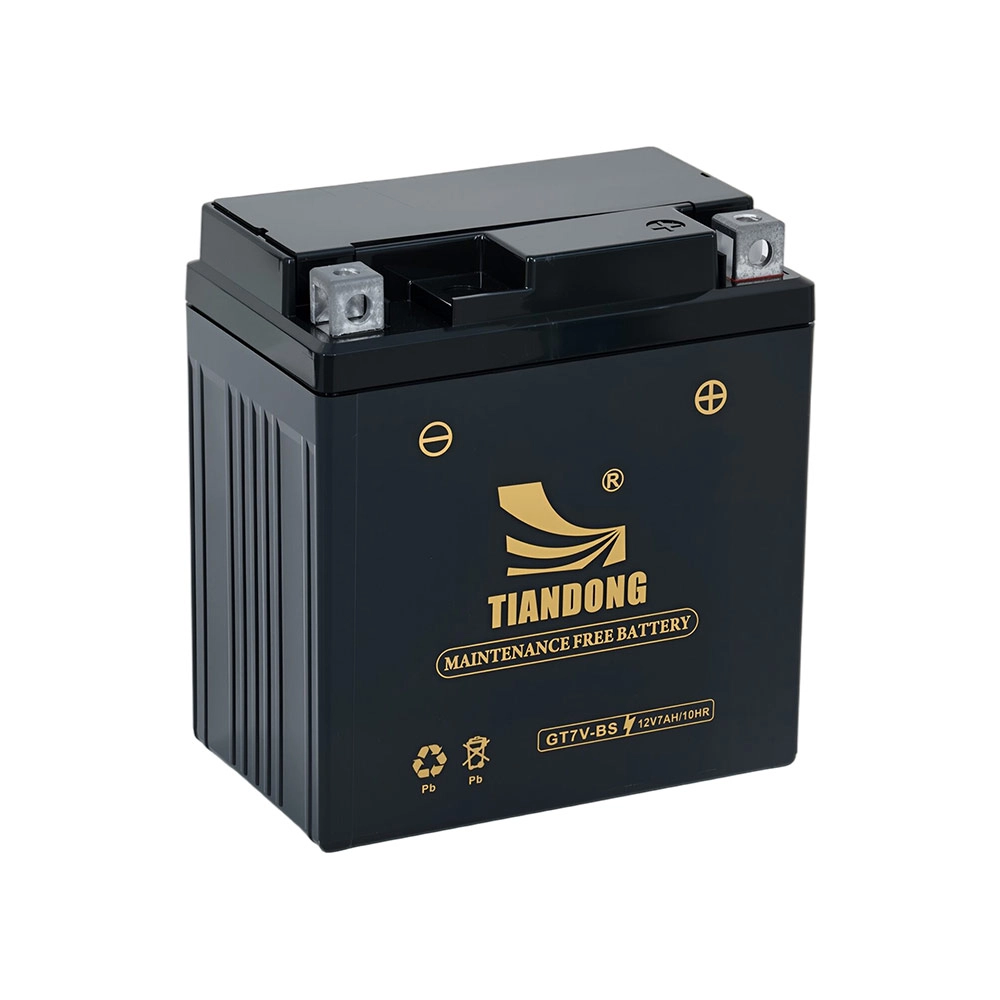
Get in touch with us to get your Motorbike Battery solution
TIANDONG is a leading motorcycle battery manufacturer offering OEM/ODM service, stable quality, and global export support.
Built for wholesalers. Trusted by global buyers. Delivered with confidence.
Say Hello
E-mail: daisybattery8@gmail.com
xianyingchen83@gmail. com
WhatsAPP: +86 134 283 86694
+86 134 348 86641
Our Location
Social Links
© 2025 TIANDONG. All Rights Reserved. Privacy Policy | Terms and Conditions | Sitemap
 Scan QR Code
Facebook
Instagram
Scan QR Code
Whatsapp: +8613434886641