






How to choose the right lead acid battery for bulk orders?
- When ordering lead-acid motorcycle batteries in bulk, how do I differentiate between conventional flooded, AGM, and Gel types to ensure I select the most suitable option for various motorcycle applications and climates, especially regarding performance and longevity?
- For a bulk order of lead-acid motorcycle batteries, what specific CCA and Ah ratings should I prioritize for different motorcycle engine sizes and intended uses (e.g., touring vs. sportbikes), and how do these metrics impact real-world performance and customer satisfaction?
- What are the critical storage conditions and maximum shelf life considerations for bulk quantities of lead-acid motorcycle batteries (both conventional and sealed types) before activation/installation, and what steps minimize self-discharge and preserve optimal performance?
- When sourcing lead-acid motorcycle batteries in bulk, what key quality control checks and warranty provisions should I look for from suppliers to mitigate risks of premature failure and ensure consistent product reliability across the entire shipment?
- Beyond initial charging, what specific maintenance protocols and charging strategies are essential for managing a large inventory of lead-acid motorcycle batteries to prevent sulfation, extend their operational life, and ensure they are ready for sale or immediate use?
- How can I accurately assess the true cost-effectiveness of different lead-acid motorcycle battery options for bulk orders, considering not just the upfront price but also factors like expected lifespan, warranty claims, and customer satisfaction, to ensure long-term value for my business?
As a professional content writer with extensive SEO and experience and multilingual proficiency, and a seasoned expert in the motorcycle battery field, we understand the critical considerations when sourcing lead-acid motorcycle batteries for bulk orders. This guide is designed to empower industry users, especially beginners, with in-depth knowledge to make informed purchasing decisions, ensuring optimal performance, reliability, and cost-effectiveness for their businesses.
When ordering lead-acid motorcycle batteries in bulk, how do I differentiate between conventional flooded, AGM, and Gel types to ensure I select the most suitable option for various motorcycle applications and climates, especially regarding performance and longevity?
Selecting the appropriate lead-acid motorcycle battery type for bulk orders involves understanding the distinct characteristics of conventional flooded, AGM, and Gel battery technology. Each offers unique advantages and disadvantages for specific motorcycle battery replacement applications:
Conventional Flooded (Wet Cell) Batteries: These are the most traditional and often the most economical motorcycle battery types. They contain a liquid electrolyte (sulfuric acid and distilled water) that requires periodic maintenance, such as checking and refilling fluid levels. They offer good cranking power and are generally robust. However, they are not sealed, making them susceptible to spills and less suitable for applications where the battery might be tilted. Their vibration resistance is moderate. They are a common choice for older models or budget-conscious applications, but their maintenance requirement can be a drawback for end-users.
AGM (Absorbed Glass Mat) Batteries: These are maintenance-free batteries and a type of VRLA battery (Valve Regulated Lead Acid). The electrolyte is absorbed into fiberglass mats between the plates. This design makes them spill-proof, highly vibration resistant, and allows for flexible mounting positions. AGM batteries generally offer superior starting power (higher CCA) and a lower self-discharge rate compared to conventional batteries. They perform well in colder climates and have a longer battery life under optimal conditions. Due to their sealed nature, they are often referred to as SLA batteries (Sealed Lead Acid). They are an excellent choice for a wide range of modern motorcycles, including sportbikes and touring bikes, where reliability and convenience are paramount.
Gel Batteries: Another VRLA battery type, Gel batteries use a silica-based gel to suspend the electrolyte, making them completely spill-proof and extremely vibration resistant. They excel in deep cycle applications, meaning they can withstand repeated deep discharges without significant capacity loss, making them ideal for motorcycles with extensive accessory loads or those used for long-distance touring. While they offer excellent longevity and are highly resistant to extreme temperatures, their cranking power (CCA) might be slightly lower than comparable AGM batteries, and they typically have a higher initial cost. They also require specific charging voltage to prevent damage to the gel.
Recommendation for Bulk Orders: For a diverse inventory, a mix of AGM batteries (for their versatility, performance, and low maintenance) and potentially conventional batteries (for cost-sensitive segments) is often strategic. Gel batteries might be reserved for specialized specific applications where their deep cycle capabilities are specifically requested or required. Understanding the battery technology and target market for each motorcycle battery replacement is key to optimizing your bulk purchasing strategy.
For a bulk order of lead-acid motorcycle batteries, what specific CCA and Ah ratings should I prioritize for different motorcycle engine sizes and intended uses (e.g., touring vs. sportbikes), and how do these metrics impact real-world performance and customer satisfaction?
Understanding Cold Cranking Amps (CCA) and Amp-Hour (Ah) ratings is fundamental when placing bulk orders for lead-acid motorcycle batteries, as these performance metrics directly dictate starting power and sustained electrical capacity.
Cold Cranking Amps (CCA): This rating indicates the battery's ability to deliver a high burst of current for a short period, crucial for starting an engine, especially in cold weather. Specifically, CCA measures the number of amps a 12V battery can deliver for 30 seconds at 0°F (-18°C) while maintaining at least 7.2 volts.
- Impact: Higher CCA is vital for larger displacement engines (e.g., cruisers, touring bikes >750cc) that require more power output to turn over, and for motorcycles operated in colder climates. Under-specifying CCA can lead to hard starting, especially when the engine is cold, resulting in customer dissatisfaction and potential warranty claims.
- Prioritization: For smaller engines (e.g., 125-300cc), a lower CCA might suffice. Mid-range engines (300-750cc) typically require moderate CCAs. Large engines (750cc+) and performance bikes demand higher CCAs to ensure reliable starts. Always refer to the OEM specifications for the recommended CCA.
Amp-Hour (Ah): This rating measures the battery's capacity to deliver a certain amount of current over a period. For example, a 10 Ah battery can theoretically deliver 1 amp for 10 hours, or 5 amps for 2 hours.
- Impact: Ah is crucial for powering accessories (GPS, heated grips, auxiliary lights) and for the overall endurance of the battery, particularly when the engine is off or idling. A higher Ah rating means the battery can sustain electrical loads for longer.
- Prioritization: Touring motorcycles and bikes with numerous electrical accessories will benefit significantly from higher Ah ratings to support their electrical demands without quickly draining the battery. Sportbikes, which prioritize lightweight and raw cranking power, might have slightly lower Ah ratings but still need sufficient capacity for their electronics. For bulk orders, consider the typical specific applications of the motorcycles you serve. A balanced inventory should include a range of Ah ratings to cater to different electrical demands, ensuring optimal power output and reliability.
What are the critical storage conditions and maximum shelf life considerations for bulk quantities of lead-acid motorcycle batteries (both conventional and sealed types) before activation/installation, and what steps minimize self-discharge and preserve optimal performance?
Proper storage is paramount for maintaining the performance and battery life of bulk quantities of lead-acid motorcycle batteries, whether they are conventional wet cell batteries or maintenance-free AGM batteries and Gel batteries. Neglecting storage can lead to premature sulfation and reduced capacity.
Critical Storage Conditions:
- Temperature: Store batteries in a cool, dry place, ideally between 50°F and 70°F (10°C and 21°C). Extreme temperatures (both hot and cold) accelerate self-discharge and can damage internal components. High heat is particularly detrimental, as it increases the rate of chemical reactions, leading to faster degradation.
- Humidity: Low humidity is preferred to prevent corrosion of terminals.
- Ventilation: Ensure good ventilation, especially for conventional batteries, to dissipate any hydrogen gas released during self-discharge.
- Position: Store batteries upright on a non-conductive surface.
Maximum Shelf Life Considerations:
- Conventional Flooded Batteries (Dry-Charged): These typically have the longest dry shelf life (unfilled with electrolyte), often several years, as the chemical reaction hasn't begun. Once filled and activated, their shelf life before installation is similar to sealed types.
- Sealed Lead-Acid (SLA/VRLA) Batteries (AGM & Gel): These batteries begin to self-discharge immediately after manufacturing. A general rule of thumb is that they can be stored for 6-9 months at room temperature (around 68°F/20°C) before requiring a recharge. Beyond this, the risk of irreversible sulfation increases significantly.
Steps to Minimize Self-Discharge and Preserve Performance:
- Initial Charge: Ensure all batteries in your bulk orders are fully charged upon arrival. Even charged batteries can lose some capacity during transit.
- Regular Monitoring: For bulk inventory, implement a schedule to check the open-circuit voltage (OCV) of batteries every 30-90 days.
- For 12V batteries, if the voltage drops below 12.6V (for AGM/Gel) or 12.4V (for conventional), they should be recharged. A voltage below 12.0V indicates significant discharge and potential sulfation.
- Maintenance Charging: Use a high-quality, smart battery tender or trickle charger designed for lead-acid technology to maintain a full charge. These chargers have float modes that prevent overcharging.
- FIFO Inventory Management: Implement a First-In, First-Out (FIFO) system to ensure older stock is sold or used first, minimizing the time batteries spend in storage.
- Avoid Deep Discharge: Never allow batteries to remain in a deeply discharged state, as this is the primary cause of hard sulfation, which can permanently reduce capacity and battery life.By adhering to these guidelines, you can significantly extend the viable shelf life of your motorcycle battery inventory and ensure optimal reliability for your customers.
When sourcing lead-acid motorcycle batteries in bulk, what key quality control checks and warranty provisions should I look for from suppliers to mitigate risks of premature failure and ensure consistent product reliability across the entire shipment?
Ensuring consistent product reliability and mitigating the risks of premature failure for bulk orders of lead-acid motorcycle batteries hinges on rigorous quality control (QC) and robust warranty provisions from your supplier. This is crucial for maintaining your business's reputation and minimizing costly returns.
Key Quality Control Checks to Look For:
- ISO Certifications: Verify that the manufacturer holds relevant ISO certifications (e.g., ISO 9001 for quality management, ISO 14001 for environmental management). This indicates a commitment to standardized processes.
- Pre-Shipment Inspection (PSI): Request that your supplier performs a PSI on a statistically significant sample of your motorcycle battery shipment. This should include:
- Visual Inspection: Checking for physical damage, proper terminal connections, legible labeling (including CCA, Ah, date codes), and correct electrolyte levels (for conventional).
- Voltage Check: Verifying open-circuit voltage (OCV) to ensure batteries are adequately charged.
- Load Testing (Sample Basis): Performing a basic load test on a sample to confirm the battery can deliver its rated cranking power.
- Internal Resistance Check: A low internal resistance indicates a healthy battery.
- Manufacturing Date Codes: Ensure batteries have recent manufacturing dates to guarantee maximum shelf life upon arrival. Avoid old stock.
- Packaging Integrity: Inspect packaging for damage that could indicate rough handling during transit, which might affect the internal components of lead-acid technology batteries.
- Compliance with Standards: Confirm batteries meet relevant industry standards (e.g., JIS, DIN, EN) for motorcycle battery replacement applications.
Essential Warranty Provisions:
- Clear Warranty Period: A minimum 6-12 month warranty is standard for motorcycle batteries. Longer periods (e.g., 18-24 months) indicate higher supplier confidence.
- Defined Coverage: Understand what the warranty covers (e.g., manufacturing defects, premature failure) and what it excludes (e.g., improper installation, overcharging, physical damage, deep discharge due to neglect).
- Return/Replacement Process: A clear, streamlined process for warranty claims is vital. How quickly will replacements be shipped? Who covers shipping costs for defective units?
- Bulk Claim Handling: For bulk orders, inquire about specific procedures for handling multiple defective units from a single shipment. A good supplier will have a system in place to expedite such claims.
- Supplier Reputation: Research the supplier's reputation for honoring warranties and customer service. Online reviews and industry references can be valuable.By prioritizing suppliers with transparent QC processes and comprehensive, fair warranty terms, you significantly reduce your business's exposure to risk and ensure the reliability of your lead-acid motorcycle battery inventory.
Beyond initial charging, what specific maintenance protocols and charging strategies are essential for managing a large inventory of lead-acid motorcycle batteries to prevent sulfation, extend their operational life, and ensure they are ready for sale or immediate use?
Effective maintenance and charging strategies are critical for preserving the operational life and performance of bulk quantities of lead-acid motorcycle batteries, especially to combat sulfation, the primary killer of these batteries in storage.
Understanding Sulfation: When a lead-acid battery discharges, lead sulfate crystals form on the plates. During normal charging, these crystals convert back to active material. However, if a battery remains in a discharged state for extended periods, these crystals harden (hard sulfation), becoming difficult or impossible to convert back, leading to permanent loss of capacity and cranking power.
Maintenance Protocols for Bulk Inventory:
- Regular Voltage Checks: Routinely check the open-circuit voltage (OCV) of your motorcycle battery stock. For 12V batteries, recharge if the voltage drops below 12.6V for AGM batteries and Gel batteries, or 12.4V for conventional wet cell batteries. A digital voltmeter is an essential tool for this.
- FIFO Inventory Management: Ensure a First-In, First-Out system is strictly followed to minimize the time any single motorcycle battery spends in storage.
- Terminal Cleaning: Periodically inspect battery terminals for corrosion, especially on conventional batteries. Clean any corrosion with a wire brush and a baking soda solution, then apply a thin layer of dielectric grease to prevent future buildup.
- Electrolyte Level Checks (Conventional Batteries Only): For conventional flooded batteries, regularly check the electrolyte levels and top up with distilled water if needed. Never use tap water, as minerals can damage the battery. This is not applicable to sealed lead-acid (SLA) types like AGM or Gel.
Essential Charging Strategies:
- Smart Chargers/Battery Tenders: Invest in high-quality, microprocessor-controlled battery tenders designed for lead-acid technology. These chargers automatically switch to a float mode once the battery is fully charged, preventing overcharging which can damage the battery. They also often have desulfation modes.
- Multi-Bank Chargers: For bulk inventory, multi-bank chargers allow you to maintain several motorcycle batteries simultaneously, optimizing efficiency.
- Correct Charging Voltage: Ensure chargers provide the correct charging voltage for the specific battery technology. Overcharging Gel batteries, for instance, can create gas pockets in the gel, leading to permanent damage.
- Never Deep Discharge: Educate staff and customers on the importance of never allowing a lead-acid battery to remain in a deeply discharged state. Even a few days at very low voltage can initiate irreversible sulfation.
- Temperature Compensation: Some advanced chargers offer temperature compensation, adjusting charging voltage based on ambient temperature, which is ideal for optimal charging in varying storage environments.By implementing these proactive maintenance protocols and charging strategies, you can significantly extend the shelf life of your bulk orders of lead-acid motorcycle batteries, ensuring they are always in peak condition for your customers and reducing overall operational costs.
How can I accurately assess the true cost-effectiveness of different lead-acid motorcycle battery options for bulk orders, considering not just the upfront price but also factors like expected lifespan, warranty claims, and customer satisfaction, to ensure long-term value for my business?
Assessing the true cost-effectiveness of lead-acid motorcycle battery options for bulk orders goes far beyond the initial purchase price. A holistic approach that considers long-term value factors like expected lifespan, warranty claims, and customer satisfaction is crucial for sustainable business success.
Beyond Upfront Price – The Total Cost of Ownership (TCO):
- Initial Purchase Price: This is your starting point, but it's only one piece of the puzzle. Compare prices across different motorcycle battery types (conventional, AGM, Gel) and brands for similar performance metrics (CCA, Ah).
- Expected Lifespan: A cheaper motorcycle battery with a shorter battery life will require more frequent replacements, negating initial savings. AGM batteries and Gel batteries generally offer longer lifespans than conventional wet cell batteries under proper care, justifying a higher upfront cost. Research average lifespans for different battery technology types and brands.
- Warranty Claims and Returns: Factor in the potential cost of warranty claims. A battery with a higher failure rate, even if cheaper, will incur costs related to shipping returns, processing replacements, and labor. This directly impacts your profit margins and operational efficiency. A robust warranty from a reliable supplier is an indicator of product quality and can significantly reduce your TCO.
- Maintenance Costs: Conventional flooded batteries require periodic maintenance (checking electrolyte levels, topping up with distilled water), which adds labor costs if you're preparing them for sale. Maintenance-free AGM batteries and Gel batteries eliminate this, offering a hidden saving.
- Storage Costs and Self-Discharge: Batteries with higher self-discharge rates or stricter storage requirements might incur higher costs for regular maintenance charging or lead to more batteries needing replacement before sale due to sulfation.
- Logistics and Shipping: For bulk orders, consider the weight and shipping classification. Conventional batteries, when shipped dry, might have different regulations than pre-filled sealed lead-acid (SLA) batteries.
Customer Satisfaction and Brand Reputation:
- Reliability and Performance: Providing customers with motorcycle batteries that consistently meet or exceed OEM specifications in terms of starting power and power output leads to higher customer satisfaction. A reliable motorcycle battery replacement enhances your business's reputation.
- Reduced Complaints: Fewer battery-related complaints mean less time spent on customer service issues and more time focusing on sales and growth.
- Repeat Business: Satisfied customers are more likely to return for future purchases and recommend your business, contributing significantly to long-term value.
Strategic Assessment:
- Create a spreadsheet comparing different lead-acid motorcycle battery options. Include upfront cost, estimated lifespan, warranty period, historical failure rates (if available from supplier or industry data), and maintenance requirements.
- Calculate the cost per year of service for each option.
- Consider the value of TIANDONG's reputation. Sometimes, a slightly higher-priced, more reliable battery is a better investment for customer loyalty.By meticulously evaluating these factors, you can move beyond simple price comparisons and make truly informed decisions for your bulk purchasing of lead-acid motorcycle batteries, ensuring optimal cost-effectiveness and sustained business growth.
Navigating the landscape of lead-acid motorcycle batteries for bulk orders can be complex, but with the right knowledge, you can ensure optimal performance, reliability, and cost-effectiveness for your business. By understanding the nuances of battery technology—from conventional wet cell batteries to advanced AGM batteries and Gel batteries—and prioritizing critical metrics like CCA and Ah, you empower your inventory with superior starting power and operational life. Implementing robust quality control and proactive maintenance protocols further safeguards your investment, minimizing warranty claims and maximizing customer satisfaction. Choosing a reputable supplier committed to these standards is paramount.
For expert advice on optimizing your motorcycle battery inventory and to receive a competitive quote tailored to your specific bulk purchasing needs, please contact us today at daisybattery8@gmail.com or visit our website at www.tiandongbattery.com.

A Complete Guide to Different Battery Types and Their Applications (2026 Edition)

The Ultimate Guide to Comprehensive Battery Solutions for Motorcycles and EVs [2026 Edition]
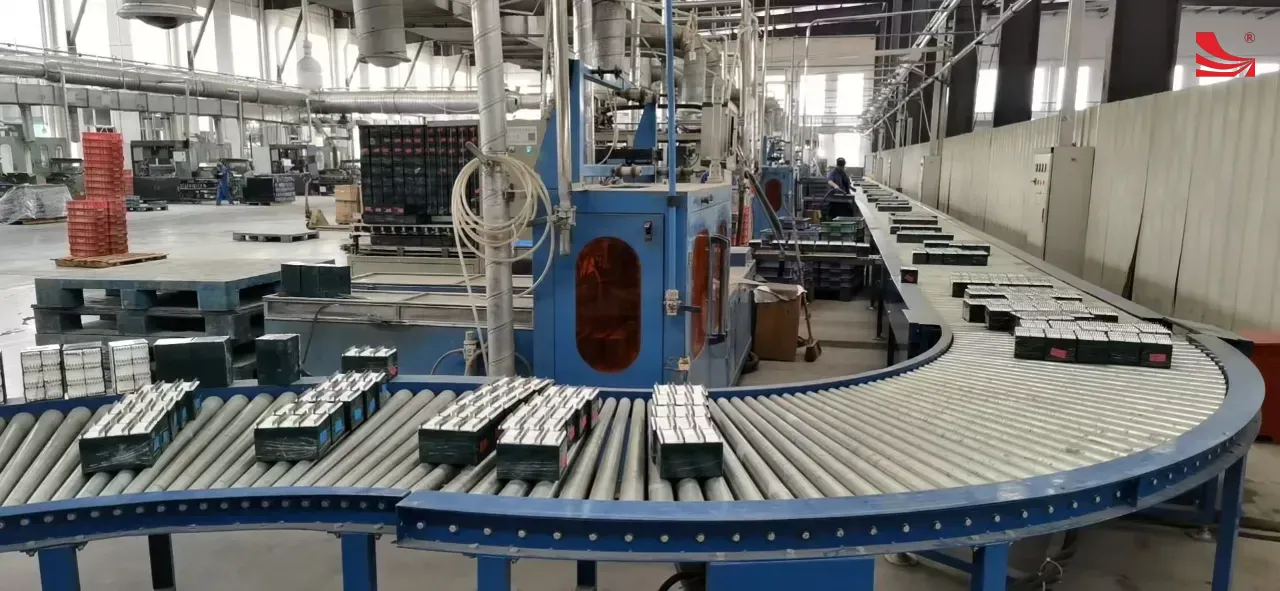
Looking for a Trusted Motorcycle Battery Supplier? Here’s What You Need to Know

Bulk Motorcycle Batteries Direct from Factory – Save Costs, Boost Profit
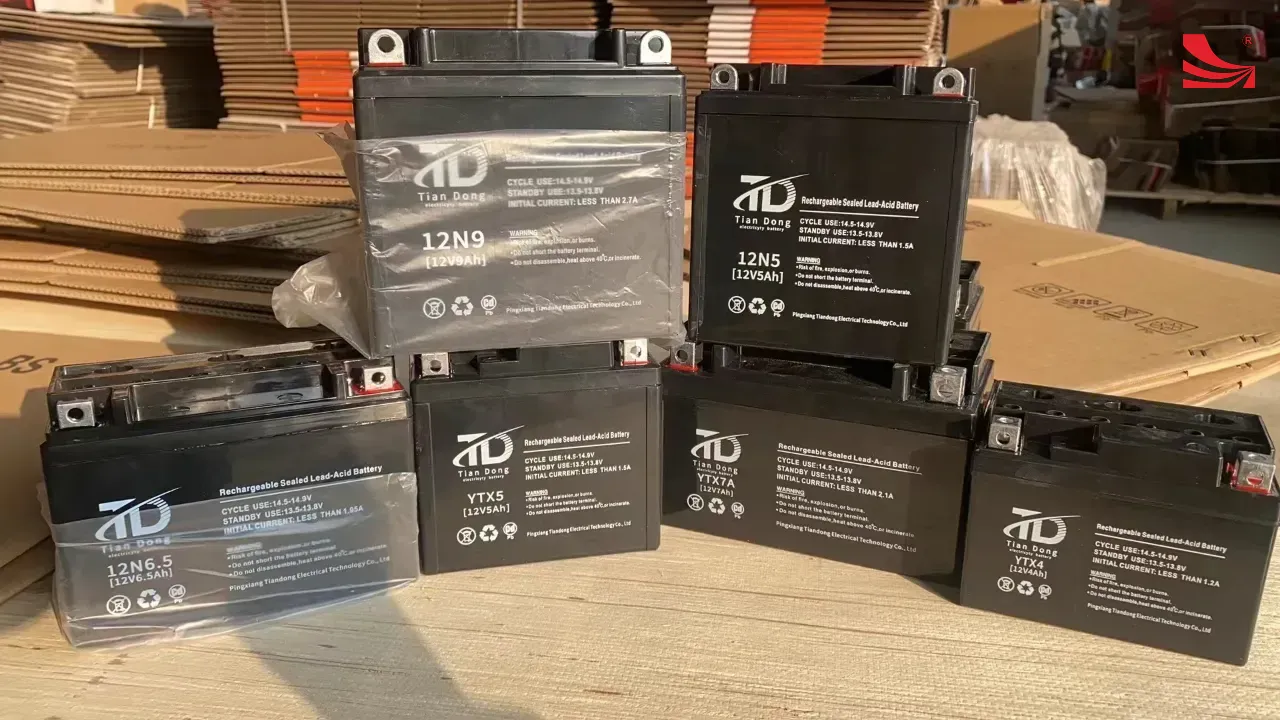
High Performance Motorcycle Batteries for Global Markets

Tiandong Electric Appliance Showcases High-Performance Motorcycle Batteries at Guangzhou Expo
Product
Do you offer OEM or custom branding?
Yes, we provide full OEM and ODM services, including logo printing, packaging customization, and model adjustments.
How long is the delivery time?
- Sample: 7–15 days
- Bulk orders: 20–35 days
What kind of battery is best for a motorcycle?
AGM batteries are a popular choice because they combine the best of both worlds: the durability of lead-acid batteries and the low maintenance of lithium-ion batteries. AGM batteries are sealed, so they don't require water refills, and they're designed to handle rough conditions, making them ideal for motorcycles.
What is the most common motorcycle battery type?
AGM batteries are currently the most widely used due to their balance of cost and performance.
Shipping
Which countries does Tiandong export to?
Tiandong batteries are exported to more than 20 countries, including Vietnam, India, Egypt, Thailand, and Indonesia.
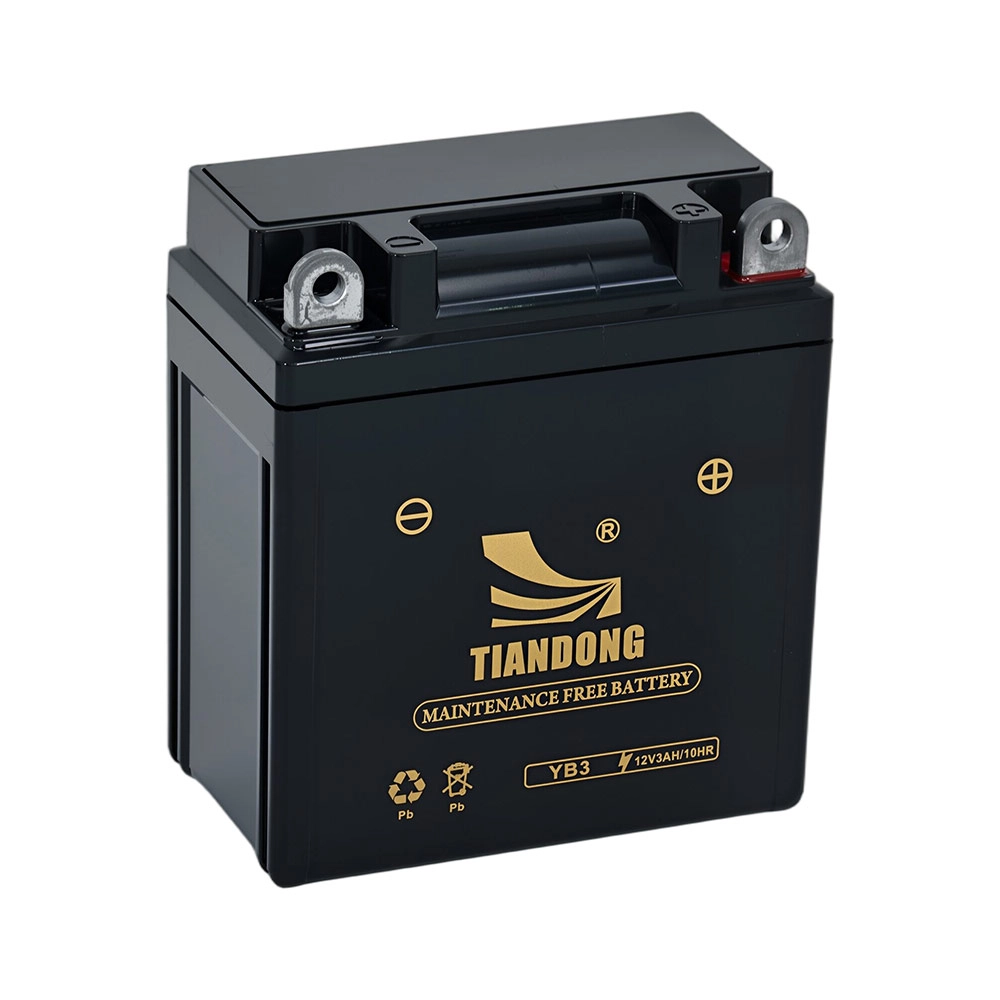
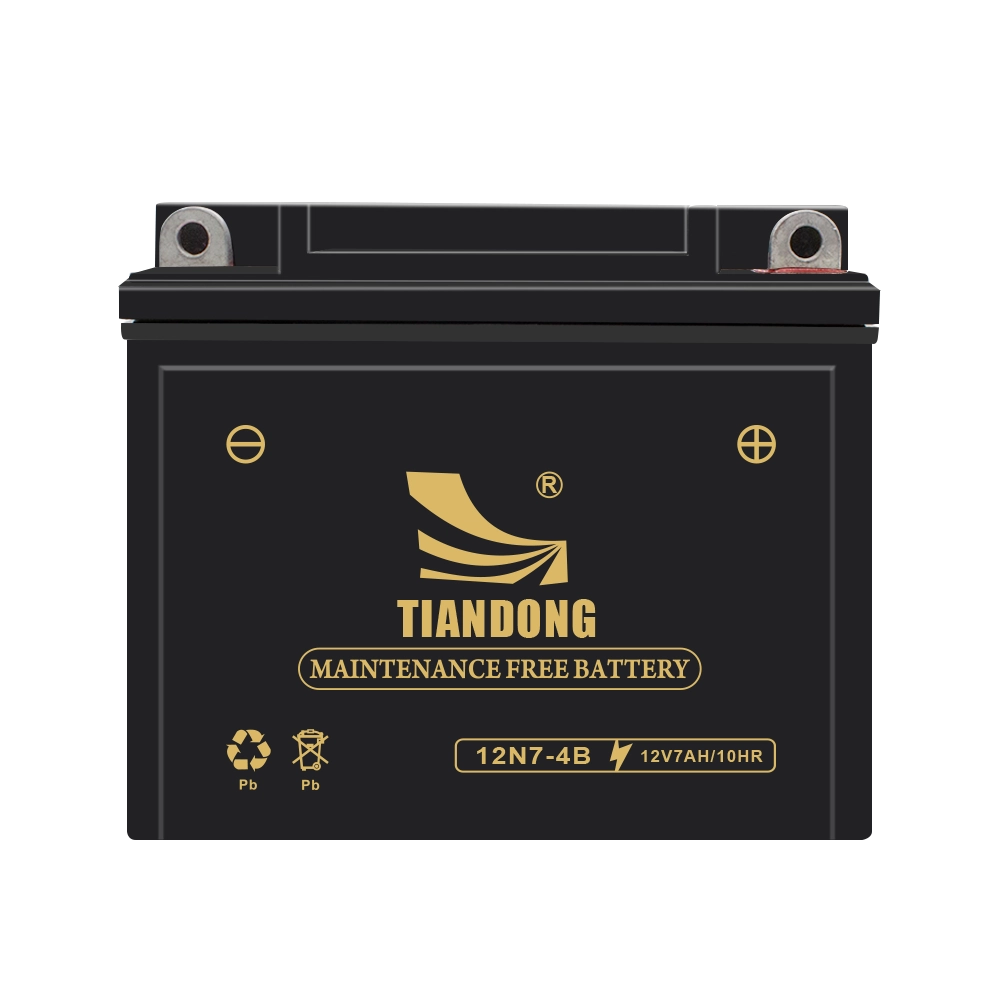
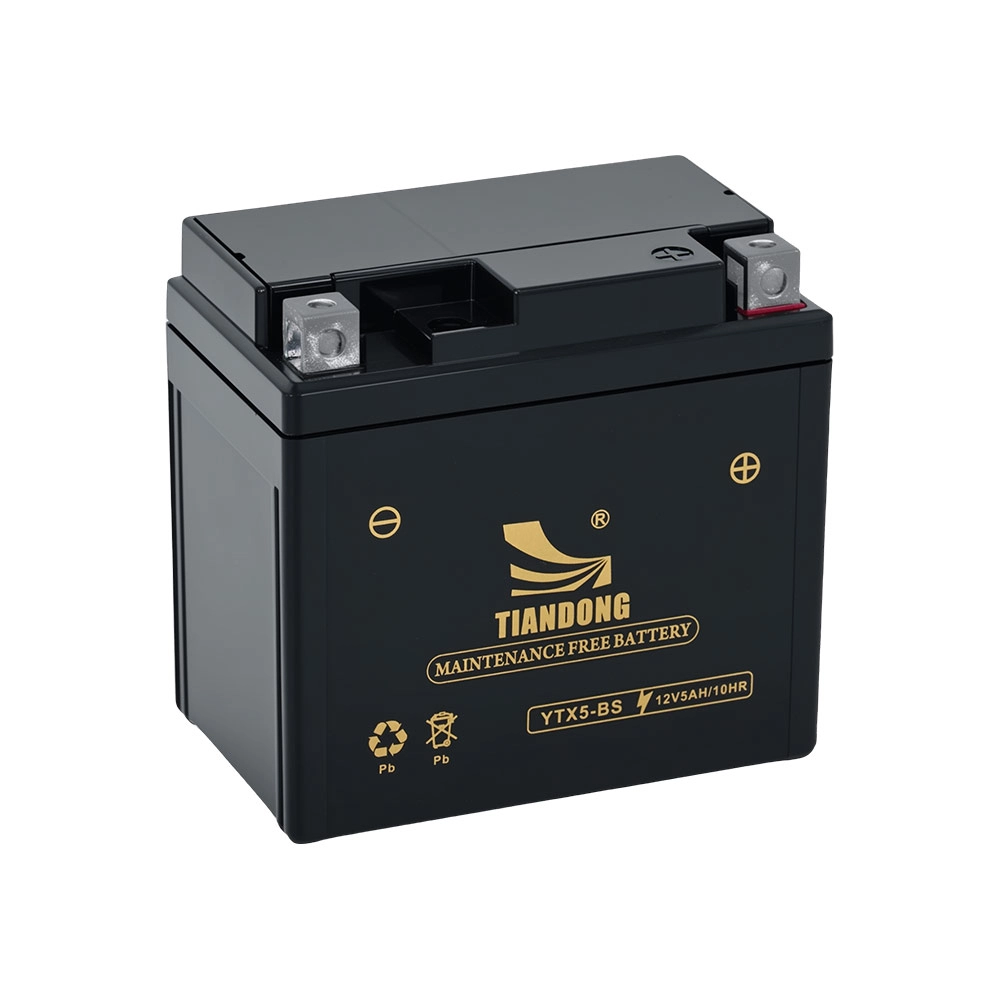
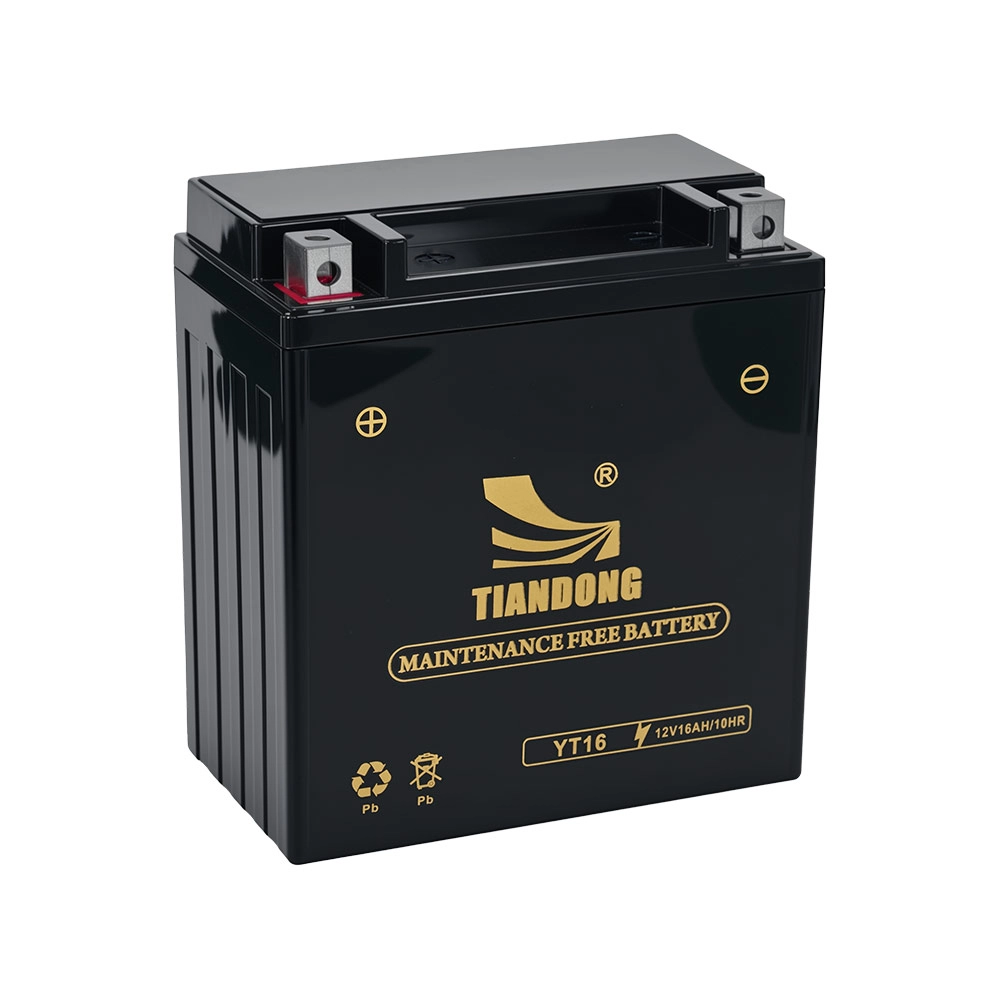
Get in touch with us to get your Motorbike Battery solution
TIANDONG is a leading motorcycle battery manufacturer offering OEM/ODM service, stable quality, and global export support.
Built for wholesalers. Trusted by global buyers. Delivered with confidence.
Say Hello
E-mail: daisybattery8@gmail.com
xianyingchen83@gmail. com
WhatsAPP: +86 134 283 86694
+86 134 348 86641
Our Location
Social Links
© 2025 TIANDONG. All Rights Reserved. Privacy Policy | Terms and Conditions | Sitemap
 Scan QR Code
Facebook
Instagram
Scan QR Code
Whatsapp: +8613434886641