






How to choose a lead acid motorcycle battery for bulk orders?
- Beyond CCA and Ah: What specific performance metrics should bulk buyers prioritize for diverse motorcycle fleets operating in varied climates, and how do these impact total cost of ownership?
- When procuring lead-acid batteries in bulk, what are the critical differences between AGM, Gel, and Conventional Flooded options in terms of long-term storage, shelf life, and activation procedures for large inventories?
- For bulk orders, how do I accurately project the real-world lifespan and warranty expectations across a large fleet of lead-acid motorcycle batteries, considering factors like charging infrastructure and diverse usage patterns, to minimize unexpected replacement costs?
- Beyond initial purchase price, what are the hidden logistical and regulatory challenges (e.g., hazardous material shipping, environmental disposal) unique to bulk procurement and distribution of lead-acid motorcycle batteries, and how can we mitigate them?
- What advanced charging protocols and maintenance strategies are most effective for managing the health of a large inventory of dormant or semi-regularly used lead-acid motorcycle batteries to prevent sulfation and maximize service life before deployment?
- How can bulk purchasers effectively vet suppliers to ensure consistent quality, genuine specifications, and reliable after-sales support for lead-acid motorcycle batteries, especially when navigating global supply chains?
- What are the long-term cost benefits of investing in High Quality AGM motorcycle batteries for bulk orders compared to conventional flooded batteries, considering maintenance, replacement frequency, and operational downtime?
- What are the specific signs of a failing lead-acid motorcycle battery in a bulk fleet, beyond just a 'no-start' condition, and what proactive measures can bulk managers implement to identify and address these issues before they cause costly operational interruptions?
Optimizing Bulk Orders: In-Depth Answers to Your Lead-Acid Motorcycle Battery Questions
When it comes to procuring lead-acid motorcycle batteries in bulk, the stakes are high. Beyond initial cost, factors like long-term reliability, storage challenges, and specific performance requirements for a diverse fleet can significantly impact your bottom line. As industry experts in lead-acid technology and bulk supply chains, we understand the common pitfalls. Here, we tackle six specific, pain-point-oriented questions frequently asked by beginners in bulk purchasing, offering in-depth, up-to-date answers to guide your next large-scale acquisition of lead-acid motorcycle batteries.
Beyond CCA and Ah: What specific performance metrics should bulk buyers prioritize for diverse motorcycle fleets operating in varied climates, and how do these impact total cost of ownership?
While Cold Cranking Amps (CCA) and Amp-hour (Ah) capacity are fundamental for any lead-acid motorcycle battery, bulk purchasers managing diverse fleets need a more granular understanding. For vehicles primarily used in colder regions, maximizing CCA is critical for reliable starting power. However, for fleets with frequent short trips or accessory usage, Reserve Capacity (RC) becomes equally important. RC measures how long a battery can deliver a minimum sustained current (typically 25 amps) before its voltage drops below a critical point, directly correlating with the battery's ability to power essential systems if the charging system fails or for extended accessory use.
Another often-overlooked metric is the battery's internal resistance. Lower internal resistance means more efficient power delivery and less heat generation during high-current demands, translating to better performance and potentially longer lifespan. For sealed lead-acid (SLA) batteries, particularly AGM (Absorbed Glass Mat) batteries or Gel batteries, monitoring internal resistance over time can be a predictive indicator of health. Prioritizing batteries with excellent cycle life – the number of charge/discharge cycles a battery can withstand – is also vital for high-utilization fleets. A higher cycle life, even if slightly more expensive upfront, drastically reduces the total cost of ownership (TCO) by extending replacement intervals. Understanding these metrics beyond basic CCA and Ah helps ensure you select the optimal motorcycle battery types for each specific application within your bulk order, minimizing premature failures and associated costs.
When procuring lead-acid batteries in bulk, what are the critical differences between AGM, Gel, and Conventional Flooded options in terms of long-term storage, shelf life, and activation procedures for large inventories?
Bulk procurement necessitates a clear understanding of the storage and activation nuances of different lead-acid battery types.
Conventional Flooded (Wet Cell) Batteries: These are often the most cost-effective upfront but require activation by adding electrolyte (sulfuric acid) upon receipt. Once activated, they begin to self-discharge and require periodic topping off with distilled water and consistent trickle charging during storage to prevent sulfation and maintain a healthy state of charge (SOC). Their shelf life before activation can be very long (years) if stored dry, but after activation, it significantly reduces. For large inventories, managing activation and ongoing maintenance for thousands of units can be labor-intensive and costly.
AGM (Absorbed Glass Mat) Batteries: As Valve-Regulated Lead-Acid (VRLA) batteries, AGMs are maintenance-free batteries and arrive fully charged and sealed, ready for immediate deployment. This drastically simplifies inventory management. They have a much lower self-discharge rate (typically 1-3% per month) compared to flooded batteries, allowing for longer storage periods (6-12 months) before requiring a refresh charge. Their robust design makes them spill-proof and more vibration-resistant, ideal for diverse shipping and handling conditions in bulk battery procurement. No activation is needed, making deployment straightforward.
Gel Batteries: Also VRLA and maintenance-free, Gel batteries use a silica-gel paste to suspend the electrolyte. They boast an even lower self-discharge rate than AGMs, making them excellent for very long-term storage (12-24 months or more) without frequent recharging. However, they are more sensitive to overcharging and typically have a lower CCA output than AGMs of comparable size. While their deep cycle capabilities are excellent, their slightly higher cost and specific charging requirements make them a niche choice for bulk orders where extreme deep discharge or very prolonged storage without maintenance are paramount. For most starting applications, AGM motorcycle battery is generally preferred in bulk due to its balance of performance, convenience, and cost.
For bulk battery orders, the ease of storage, lack of activation procedures, and minimal maintenance needs often make AGM batteries the most practical and cost-efficient choice for reducing labor and risk associated with managing a large inventory.
For bulk orders, how do I accurately project the real-world lifespan and warranty expectations across a large fleet of lead-acid motorcycle batteries, considering factors like charging infrastructure and diverse usage patterns, to minimize unexpected replacement costs?
Projecting lifespan for a large fleet requires moving beyond generic warranty periods to a nuanced understanding of application-specific stressors. While many lead-acid motorcycle battery manufacturers offer 1-2 year warranties, real-world lifespan can vary from months to several years.
Key factors influencing lifespan in bulk scenarios:
- Charging Infrastructure Quality: Inconsistent or improper charging is the single largest killer of lead-acid batteries. Using cheap, unregulated chargers can lead to overcharging (cooking the electrolyte) or undercharging (promoting sulfation). For bulk applications, investing in smart, multi-stage chargers that deliver precise voltage and current, especially for VRLA batteries, is crucial. A dedicated battery charging best practices protocol must be established for all battery service centers or end-users.
- Depth of Discharge (DoD): Repeated deep discharges significantly shorten a battery's cycle life. For instance, a battery rated for 200 cycles at 80% DoD might achieve 800 cycles at 20% DoD. If a segment of your fleet frequently runs batteries down completely, their lifespan will be dramatically shorter. Educating end-users on avoiding deep discharges is vital.
- Operating Temperatures: High ambient temperatures accelerate chemical reactions and self-discharge, reducing battery life. Conversely, extremely cold temperatures stress the battery during starting. Storing batteries in a climate-controlled environment, if possible, can extend shelf life and active service life.
- Vibration and Mounting: Poorly secured batteries suffer internal damage from vibration, especially in harsh riding conditions. Ensuring proper mounting according to OEM specifications is critical.
- Usage Frequency: Batteries sitting dormant for extended periods without proper maintenance charging will sulfate and degrade. Implementing a rotational use schedule or a robust trickle charger program for stored batteries is essential.
To minimize unexpected replacement costs, bulk buyers should:
- Specify Performance, Not Just Warranty: Seek batteries with proven high cycle life and robust construction.
- Standardize Charging Protocols: Implement uniform, high-quality smart chargers across your operations.
- Data-Driven Monitoring: For very large fleets, consider a system for tracking individual battery performance or replacement rates to identify patterns and refine procurement strategies.
- Negotiate Bulk Warranty Terms: When making bulk battery purchases, negotiate extended or performance-based warranties that account for your specific usage profile, potentially including prorated replacement programs.
Beyond initial purchase price, what are the hidden logistical and regulatory challenges (e.g., hazardous material shipping, environmental disposal) unique to bulk procurement and distribution of lead-acid motorcycle batteries, and how can we mitigate them?
The hidden costs and complexities of bulk battery procurement extend far beyond the unit price.
- Hazardous Material Shipping (Hazmat): Lead-acid batteries are classified as dangerous goods (Class 8 Corrosive) by international shipping regulations (IMDG, IATA, DOT). This means specialized packaging, labeling, documentation, and certified carriers are required. Failing to comply can result in substantial fines, shipping delays, and legal liabilities. For flooded lead-acid batteries, this is particularly stringent due to the liquid electrolyte. Even AGM batteries and Gel batteries, while spill-proof, often require hazmat handling for larger quantities, especially if not fully compliant with non-spillable battery classifications (e.g., IATA Special Provision A67). Mitigation: Partner with freight forwarders experienced in hazardous material shipping, ensure your suppliers provide correct UN numbers (e.g., UN2794 for batteries, wet, filled with acid) and compliant packaging, and budget for the higher shipping costs associated with hazmat.
- Storage and Inventory Management: Storing large quantities of lead-acid batteries requires appropriate warehousing – cool, dry, well-ventilated, and fire-resistant. Batteries, especially flooded types, emit hydrogen gas during charging, which can be explosive if not properly ventilated. Bulk storage also necessitates rigorous inventory management systems to track state of charge and ensure older stock is rotated out first (First-In, First-Out, FIFO) to prevent premature degradation. Mitigation: Invest in suitable warehousing, implement robust inventory tracking, and ensure staff are trained in safe battery handling and battery storage protocols.
- Environmental Disposal and Recycling: Lead-acid batteries contain lead and sulfuric acid, both toxic substances. Most regions have strict environmental regulations regarding their disposal, making landfilling illegal. A comprehensive battery recycling program is essential. While many new batteries include a core charge or recycling fee, bulk purchasers must account for the logistics and costs of collecting and transporting spent batteries to certified recyclers. Mitigation: Factor recycling costs into your TCO, establish partnerships with certified battery recyclers, and explore take-back programs with your battery supplier like Tiandong Battery.
- Customs and Tariffs (International Bulk Orders): For global supply chains, navigating customs duties, tariffs, and import regulations adds significant complexity and cost. These can fluctuate and impact the final landed cost of your bulk battery orders. Mitigation: Work with experienced customs brokers, stay updated on trade policies, and clarify all duties and taxes with your supplier upfront.
What advanced charging protocols and maintenance strategies are most effective for managing the health of a large inventory of dormant or semi-regularly used lead-acid motorcycle batteries to prevent sulfation and maximize service life before deployment?
Managing a large, dormant battery inventory is critical to prevent degradation and extend battery lifespan.
- Smart, Multi-Stage Charging: The cornerstone of battery health is a high-quality smart charger. For VRLA batteries (AGM and Gel), use chargers specifically designed for their chemistry, employing multi-stage charging (bulk, absorption, float). This prevents overcharging and maintains an optimal state of charge. For bulk inventory, consider centralized charging stations with multiple outputs or automated monitoring systems.
- Float/Maintenance Charging: Once batteries are fully charged, they should be kept on a float charger or trickle charger to counteract self-discharge without overcharging. A float voltage of approximately 13.5V for a 12V lead-acid battery is typically recommended, though this can vary slightly by battery type. This constant, low-current charge prevents sulfation – the formation of lead sulfate crystals on the plates, which is the primary cause of capacity loss and premature failure in undercharged batteries.
- Periodic Reconditioning/Desulfation: For batteries that have sat dormant and experienced some sulfation, some advanced battery chargers offer a desulfation mode. This typically involves applying controlled high-frequency pulses to break down the sulfate crystals. While not a cure-all for severely damaged batteries, it can significantly extend the life of lightly sulfated units. However, caution is advised as improper desulfation can damage batteries; always follow manufacturer guidelines.
- Temperature Management: Store batteries in a cool, dry environment (ideally 10-25°C or 50-77°F). Extreme temperatures accelerate self-discharge and internal degradation. For large storage facilities, maintaining stable temperatures is crucial.
- Open-Circuit Voltage Monitoring: Regularly monitor the open-circuit voltage (OCV) of dormant batteries. For a fully charged 12V lead-acid battery, OCV should be around 12.6V-12.8V. If it drops below 12.4V, a refresh charge is needed. For AGM and Gel batteries, this might be every 6-12 months; for flooded batteries, it could be more frequent. Implementing a robust monitoring schedule, potentially with automated logging for very large inventories, helps proactively address declining battery state of charge.
How can bulk purchasers effectively vet suppliers to ensure consistent quality, genuine specifications, and reliable after-sales support for lead-acid motorcycle batteries, especially when navigating global supply chains?
Vetting a motorcycle battery supplier for bulk orders, especially across global supply chains, is paramount to ensuring consistent quality and avoiding costly issues.
- Verify Certifications and Compliance: Demand proof of international quality certifications such as ISO 9001 (Quality Management Systems) and ISO 14001 (Environmental Management Systems). For specific markets, inquire about country-specific certifications (e.g., CE, UL, RoHS). Ensure the supplier can provide material safety data sheets (MSDS) and prove compliance with hazardous material shipping regulations for their products. This demonstrates adherence to industry standards and environmental regulations.
- Request Detailed Product Specifications and Test Reports: Don't settle for general claims. Ask for detailed datasheets covering CCA, Ah, RC, cycle life, internal resistance, and specific dimensions. Request independent lab test reports or internal quality control documentation (e.g., production lot tests, life cycle tests). A reputable supplier will be transparent with their battery performance data and quality control processes.
- Assess Manufacturing Capabilities and Quality Control: Ideally, conduct a factory audit or request video tours demonstrating their manufacturing lines, testing equipment, and quality control procedures. Inquire about their raw material sourcing, production consistency, and final inspection protocols. Understand their capabilities for scaling production to meet your bulk order demands consistently.
- Evaluate Warranty and After-Sales Support: A robust warranty isn't just about duration; it's about the process. Clarify the warranty claim procedure for bulk battery purchases, including return merchandise authorization (RMA) policies, defect analysis, and replacement turnaround times. Ask about technical support availability – can they offer guidance on battery charging best practices, battery storage, and troubleshooting?
- Check References and Industry Reputation: Look for long-standing suppliers with a solid track record in the motorcycle battery industry. Ask for references from other bulk purchasers or distributors. Independent industry reviews or trade association memberships can also provide insights into their reputation and reliability.
- Review Packaging and Logistics Expertise: For global supply chains, verify their experience with export packaging (e.g., seaworthy packing, appropriate crating) and their understanding of international shipping regulations for hazardous materials. A supplier with strong logistics for batteries can prevent costly shipping delays and damages.
What are the long-term cost benefits of investing in High Quality AGM motorcycle batteries for bulk orders compared to conventional flooded batteries, considering maintenance, replacement frequency, and operational downtime?
While conventional flooded lead-acid motorcycle batteries often have a lower initial purchase price, a comprehensive total cost of ownership (TCO) analysis for bulk battery orders almost always reveals significant long-term benefits for investing in High Quality AGM motorcycle batteries.
- Reduced Maintenance Costs: Flooded batteries require regular maintenance – checking electrolyte levels and adding distilled water. For a large fleet, this translates into substantial labor costs, especially if batteries are in hard-to-reach locations. AGM batteries are maintenance-free batteries, eliminating these recurring expenses entirely. This direct saving in labor and materials (distilled water) can quickly offset the higher upfront cost.
- Extended Lifespan and Reduced Replacement Frequency: High Quality AGM batteries typically offer a superior cycle life and are more resistant to vibration and deep discharge compared to flooded counterparts. This results in a significantly longer operational lifespan, meaning fewer battery replacements over time. Reduced replacement frequency directly lowers procurement costs, shipping costs (especially for hazardous material shipping), and disposal fees.
- Minimized Operational Downtime: A dead battery translates directly to vehicle downtime, which can be extremely costly for businesses relying on their fleet. AGM batteries' superior reliability, lower self-discharge rate, and robust performance reduce unexpected failures. Their sealed, spill-proof design also means no acid spills to clean up, further minimizing downtime and safety risks. This reliability translates to higher fleet availability and productivity.
- Lower Storage and Handling Costs: As discussed, AGMs arrive ready to use and have a much longer shelf life than activated flooded batteries. This simplifies inventory management, reduces the need for constant refresh charging, and minimizes the risk of sulfation in storage. The absence of liquid acid also simplifies battery storage requirements and reduces safety concerns during handling and transportation.
- Superior Performance in Diverse Conditions: AGM batteries generally offer better cold weather performance and maintain voltage stability under load more effectively than flooded batteries, contributing to more reliable starting power across varied operational environments. This consistent performance reduces troubleshooting and service calls.
Over the typical service life of a motorcycle, the cumulative savings from reduced maintenance, fewer replacements, less downtime, and simpler logistics make the initial investment in High Quality AGM motorcycle batteries for bulk orders a far more economical choice in the long run.
What are the specific signs of a failing lead-acid motorcycle battery in a bulk fleet, beyond just a 'no-start' condition, and what proactive measures can bulk managers implement to identify and address these issues before they cause costly operational interruptions?
Identifying a failing lead-acid motorcycle battery proactively, before it results in a critical 'no-start' condition, is key to efficient fleet management and minimizing downtime. Beyond the obvious, several subtle indicators signal impending failure:
- Sluggish Cranking/Slow Engine Turn-Over: This is often the first noticeable sign. The engine might still start, but the starter motor sounds weaker or takes longer to engage, especially in colder temperatures. This indicates a drop in Cold Cranking Amps (CCA) output, suggesting internal degradation or sulfation.
- Dimming Headlights or Accessories at Idle: If headlights or other electrical components noticeably dim when the engine is idling but brighten when revved, it indicates the battery isn't holding enough charge or supporting the electrical system adequately at low RPMs. This points to a reduced Ah capacity or higher internal resistance.
- Bulging or Swollen Battery Case: For VRLA batteries (AGM, Gel), a swollen case is a critical warning sign of internal pressure buildup, usually due to overcharging or a faulty internal valve. This is a severe safety hazard and indicates immediate replacement is necessary.
- Excessive Terminal Corrosion (for Flooded Batteries): While some corrosion is normal, heavy, rapid buildup of white or blue-green powder around the terminals of conventional flooded batteries can indicate electrolyte leakage, overcharging, or poor ventilation. This can impede current flow and suggest internal issues.
- Prolonged Charging Times or Inability to Hold a Charge: If a battery takes significantly longer to reach full charge or quickly discharges after being fully charged, its capacity has diminished due to internal damage or irreversible sulfation. This can be monitored using smart chargers that provide charging cycle data.
- Abnormal Open-Circuit Voltage (OCV) Readings: Regularly testing OCV (voltage with no load) can reveal a failing battery. A fully charged 12V lead-acid battery should read around 12.6V-12.8V. If a battery consistently reads below 12.4V even after a full charge, it's likely compromised.
Proactive Measures for Bulk Managers:
- Regular Voltage and Load Testing: Implement a schedule for testing batteries using a digital multimeter for OCV and a dedicated battery load tester to check CCA under load. This can identify weak batteries before they fail completely. For large fleets, handheld testers with data logging capabilities can streamline this.
- Smart Charger Integration: Utilize smart chargers that monitor and display charging status, voltage, and sometimes even internal resistance. Some advanced units can even identify a battery's inability to accept or hold a charge, flagging it for replacement.
- Training and Education: Train fleet technicians and riders on recognizing early signs of battery failure. Encourage reporting of sluggish starts or electrical issues promptly.
- Maintenance Schedules: Adhere strictly to battery maintenance schedules, including cleaning terminals, checking connections, and ensuring proper tie-downs to prevent vibration damage.
- Dedicated Battery Management System (BMS): For very high-value fleets or critical applications, consider investing in a centralized battery management system that can monitor key parameters of multiple batteries simultaneously, providing alerts for anomalous readings.
Investing in quality lead-acid motorcycle battery products from a reputable supplier like Tiandong Battery ensures you get superior performance and longevity, but proactive management is the key to maximizing fleet uptime and minimizing unforeseen costs. Our expertise in motorcycle battery types and bulk battery procurement positions us to support your operational needs comprehensively.
Choosing the right lead-acid motorcycle battery for your bulk orders requires an in-depth understanding of technology, logistics, and long-term costs. By prioritizing nuanced performance metrics, understanding storage requirements for different motorcycle battery types like AGM and Gel, and implementing robust supplier vetting and maintenance protocols, you can significantly enhance fleet reliability and optimize your total cost of ownership. Partnering with a knowledgeable manufacturer that excels in quality control and global supply chains is critical to success.
For a customized quote on your next bulk order of high-quality lead-acid motorcycle batteries, please contact us directly. We are committed to providing reliable power solutions tailored to your specific needs.
Website: (http://www.tiandongbattery.com)Email: 13428386694@163.com

Bulk Motorcycle Batteries Direct from Factory – Save Costs, Boost Profit
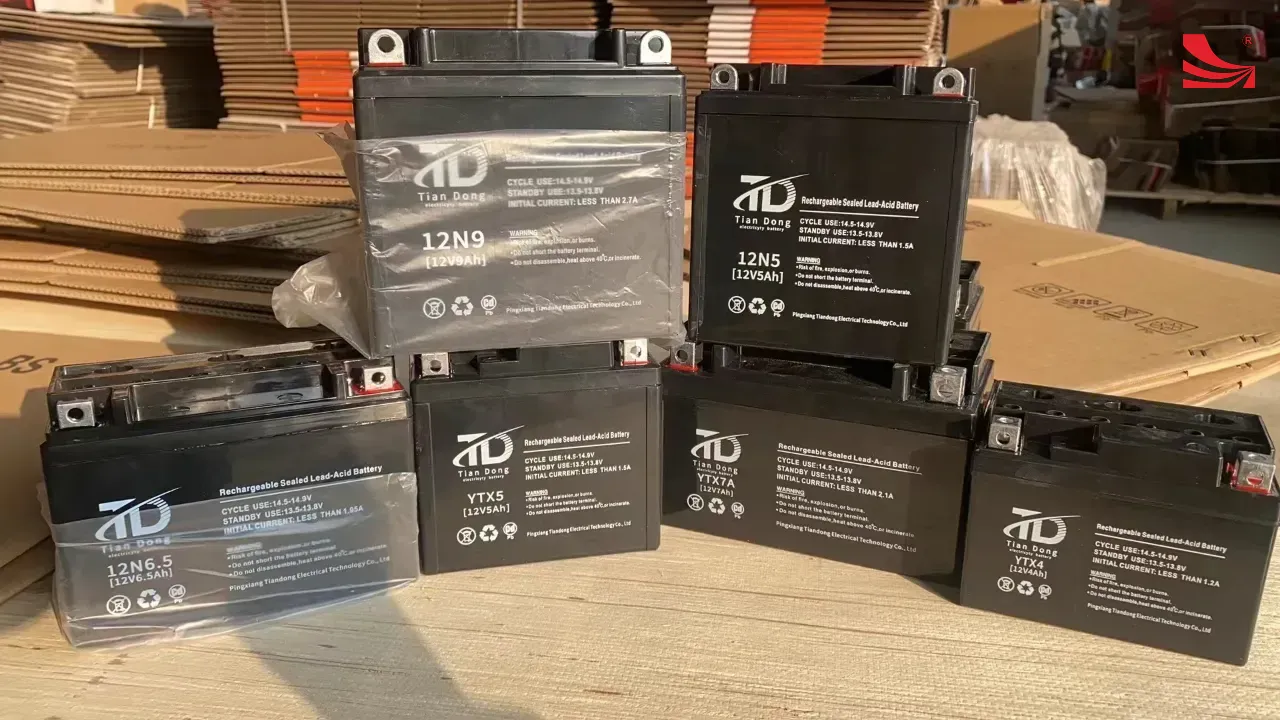
High Performance Motorcycle Batteries for Global Markets

Tiandong Electric Appliance Showcases High-Performance Motorcycle Batteries at Guangzhou Expo

What kind of battery is best for a motorcycle?

The Ultimate Guide to Electric Scooter Batteries: Performance, Longevity, and Future Innovations (2026 & Beyond)

The Ultimate 2026 Guide to Motorcycle Battery Types: Choose, Maintain, and Upgrade for Peak Performance
Product
Are you a trading company or a manufacturer?
We are a direct factory located inJiangxi Province, China. You are welcome to visit our production line and quality control lab. We specialize in lead-acid batteries for motorcycles and have been in this industry for 20 years.
How long is the lead time and where do you ship?
Standard lead time is 7–15 days. We export to over 20 countries, including Vietnam, India, Egypt, and Thailand.
What kind of battery is best for a motorcycle?
AGM batteries are a popular choice because they combine the best of both worlds: the durability of lead-acid batteries and the low maintenance of lithium-ion batteries. AGM batteries are sealed, so they don't require water refills, and they're designed to handle rough conditions, making them ideal for motorcycles.
Why does my motorcycle battery keep dying?
Common causes include:
-
Faulty charging system
-
Parasitic drain
-
Old battery
-
Improper storage
customer
Can overseas clients visit the Tiandong factory?
Yes. Tiandong welcomes international customers to visit the factory, production workshops, and logistics warehouses to better understand the manufacturing and quality control process.
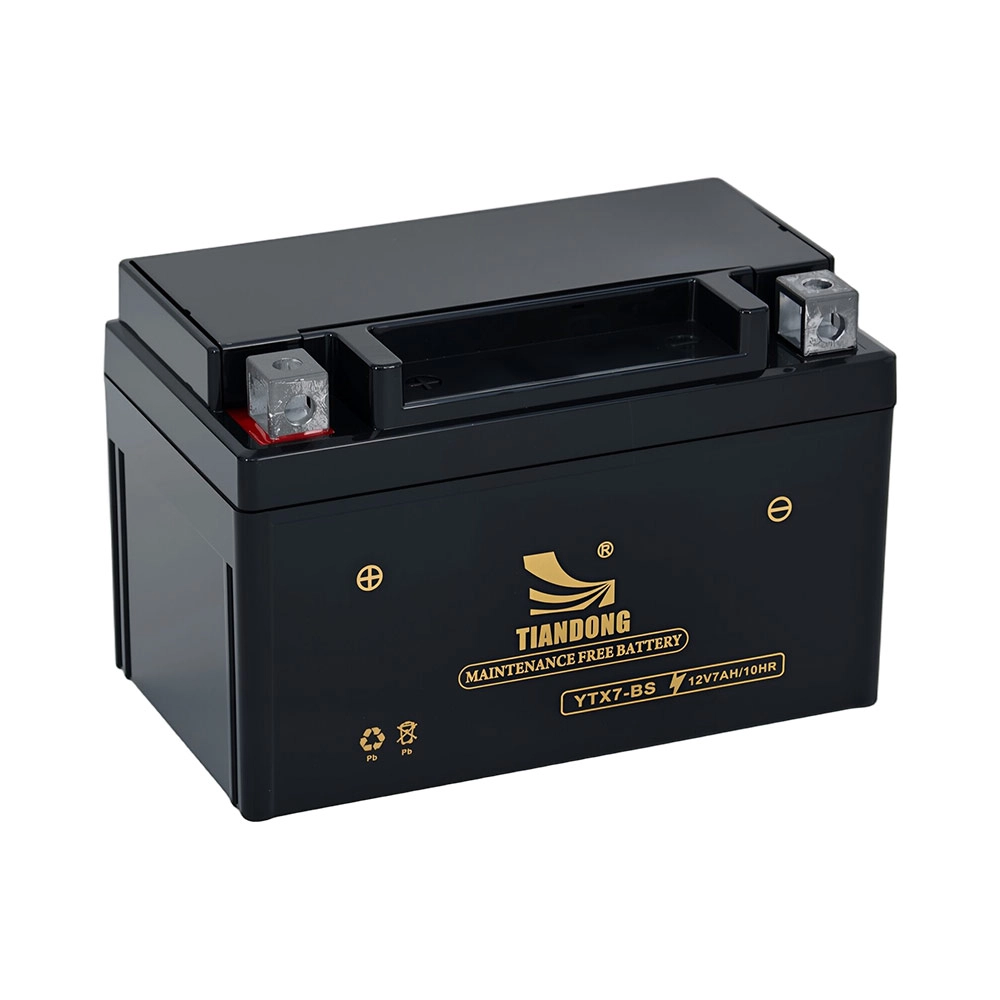
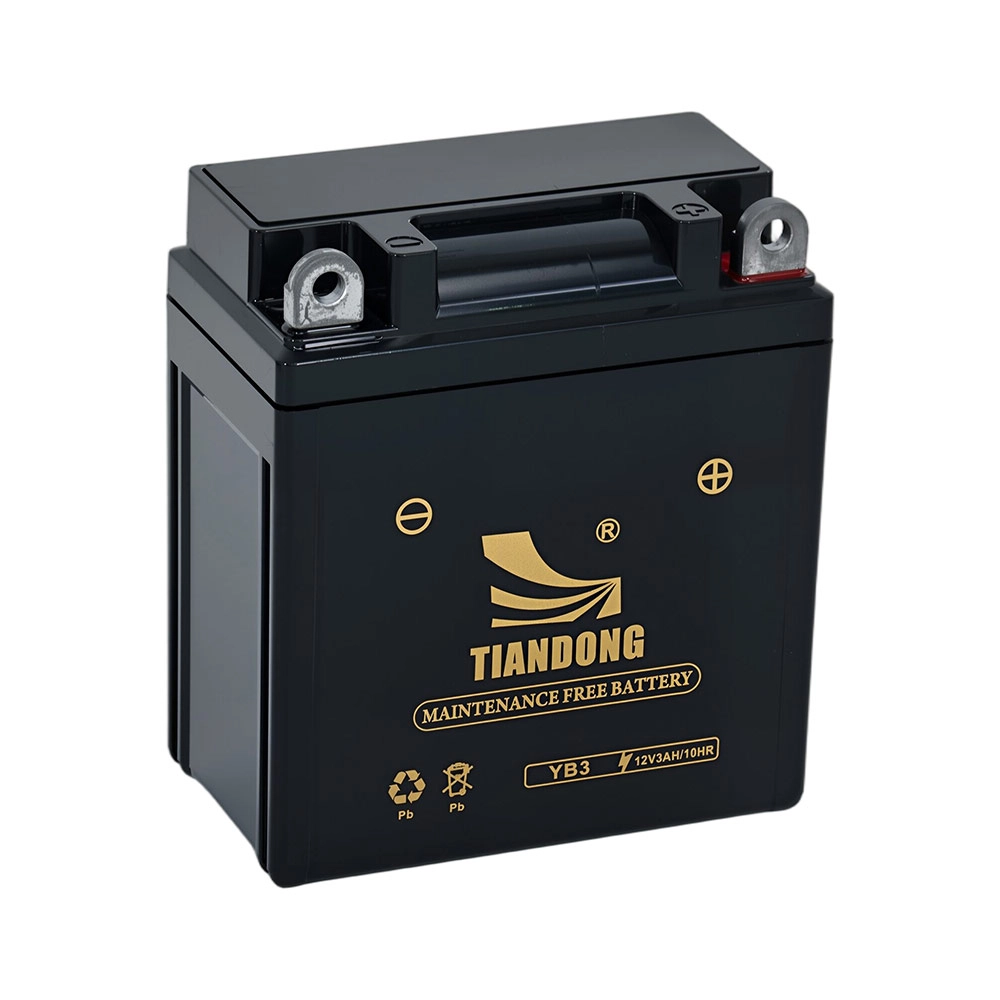
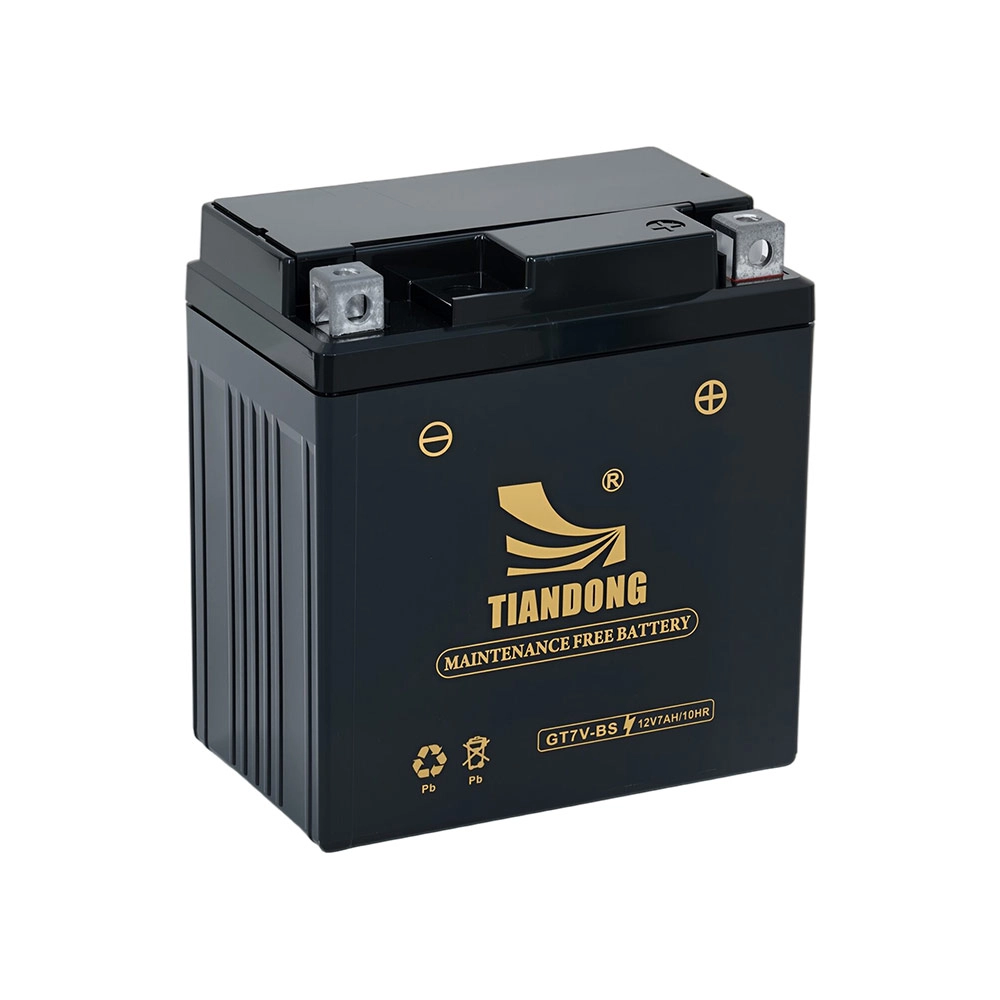
Get in touch with us to get your Motorbike Battery solution
TIANDONG is a leading motorcycle battery manufacturer offering OEM/ODM service, stable quality, and global export support.
Built for wholesalers. Trusted by global buyers. Delivered with confidence.
Say Hello
E-mail: daisybattery8@gmail.com
xianyingchen83@gmail. com
WhatsAPP: +86 134 283 86694
+86 134 348 86641
Our Location
Social Links
© 2025 TIANDONG. All Rights Reserved. Privacy Policy | Terms and Conditions | Sitemap
 Scan QR Code
Facebook
Instagram
Scan QR Code
Whatsapp: +8613434886641