






What is a good motorcycle battery for daily commuting?
- Comprehensive Guide to Choosing the Best Motorcycle Battery for Daily Commuting
- 1. What are the different types of motorcycle batteries?
- 2. How long do motorcycle batteries typically last?
- 3. What maintenance is required for motorcycle batteries?
- 4. Which brands are known for producing reliable motorcycle batteries?
- 5. How do I choose the right battery size and specifications for my motorcycle?
- 6. Can I use a car charger to charge my motorcycle battery?
- 7. How can I prolong the lifespan of my motorcycle battery?
- 8. What are the signs that my motorcycle battery needs replacement?
- Conclusion
- TIANDONG's Advantages
Comprehensive Guide to Choosing the Best Motorcycle Battery for Daily Commuting
When selecting a motorcycle battery for daily commuting, it's crucial to consider factors such as battery type, lifespan, maintenance requirements, and brand reliability. This guide addresses common questions to assist you in making an informed decision.
1. What are the different types of motorcycle batteries?
Motorcycle batteries primarily fall into four categories:
Lead-Acid Batteries: Traditional and cost-effective, these include flooded, AGM (Absorbent Glass Mat), and Gel types. They require regular maintenance and are heavier compared to newer technologies.
Lithium-Ion Batteries: Known for their lightweight design and longer lifespan, lithium-ion batteries offer superior performance but come at a higher initial cost.
AGM Batteries: A subtype of lead-acid batteries, AGM batteries are sealed, maintenance-free, and resistant to vibrations, making them suitable for motorcycles.
Gel Batteries: Another lead-acid variant, gel batteries use a silica-based electrolyte, offering spill-proof and maintenance-free operation.
2. How long do motorcycle batteries typically last?
The lifespan of a motorcycle battery varies based on type and usage:
Lead-Acid Batteries: Generally last 2-3 years.
AGM and Gel Batteries: Typically last 3-5 years.
Lithium-Ion Batteries: Can last up to 5-10 years with proper care.
Regular maintenance and usage patterns significantly influence these durations.
3. What maintenance is required for motorcycle batteries?
Maintenance requirements depend on the battery type:
Lead-Acid Batteries: Require periodic checks and topping off with distilled water.
AGM and Gel Batteries: Sealed and maintenance-free, but periodic voltage checks are recommended.
Lithium-Ion Batteries: Also maintenance-free; however, using a charger compatible with lithium batteries is essential to prevent damage.
4. Which brands are known for producing reliable motorcycle batteries?
Several brands are recognized for their quality and reliability:
Yuasa: A leading manufacturer of AGM batteries, known for their durability and performance.
Antigravity Batteries: Specializes in lightweight lithium-ion batteries with advanced features like built-in jump-start technology.
Shorai: Offers high-performance lithium batteries favored by racers and enthusiasts.
Odyssey: Produces robust AGM batteries suitable for heavy-duty applications.
5. How do I choose the right battery size and specifications for my motorcycle?
Selecting the appropriate battery involves:
Consulting the Owner's Manual: Refer to your motorcycle's manual for recommended battery specifications, including size, voltage, and type.
Considering Cold Cranking Amps (CCA): Ensure the battery's CCA rating meets or exceeds your motorcycle's requirements for reliable starting, especially in colder climates.
Checking Dimensions: Verify that the battery's physical dimensions fit your motorcycle's battery compartment.
6. Can I use a car charger to charge my motorcycle battery?
Using a car charger on a motorcycle battery is not recommended due to differences in charging requirements. Car chargers often have higher amperage and may not be suitable for the smaller capacity of motorcycle batteries, potentially leading to overcharging or damage. It's advisable to use a charger specifically designed for motorcycle batteries.
7. How can I prolong the lifespan of my motorcycle battery?
To extend your battery's life:
Regular Maintenance: Keep terminals clean and ensure secure connections.
Use a Battery Tender: Connect your motorcycle to a battery tender when not in use to maintain charge and prevent sulfation.
Proper Storage: Store the battery in a cool, dry place and avoid placing it directly on cold concrete floors.
Avoid Deep Discharges: Try not to let the battery discharge completely, as deep discharges can shorten its lifespan.
8. What are the signs that my motorcycle battery needs replacement?
Indicators that your battery may need replacing include:
Difficulty Starting: If the engine cranks slowly or fails to start.
Dim Lights: Headlights and dashboard lights appear dimmer than usual.
Electrical Issues: Malfunctions in electrical components or accessories.
Age: Batteries older than 3-5 years may be nearing the end of their lifespan.
Conclusion
Selecting the right motorcycle battery for daily commuting involves understanding the different types, maintenance needs, and choosing a reputable brand. By considering these factors, you can ensure reliable performance and longevity for your motorcycle.
TIANDONG's Advantages
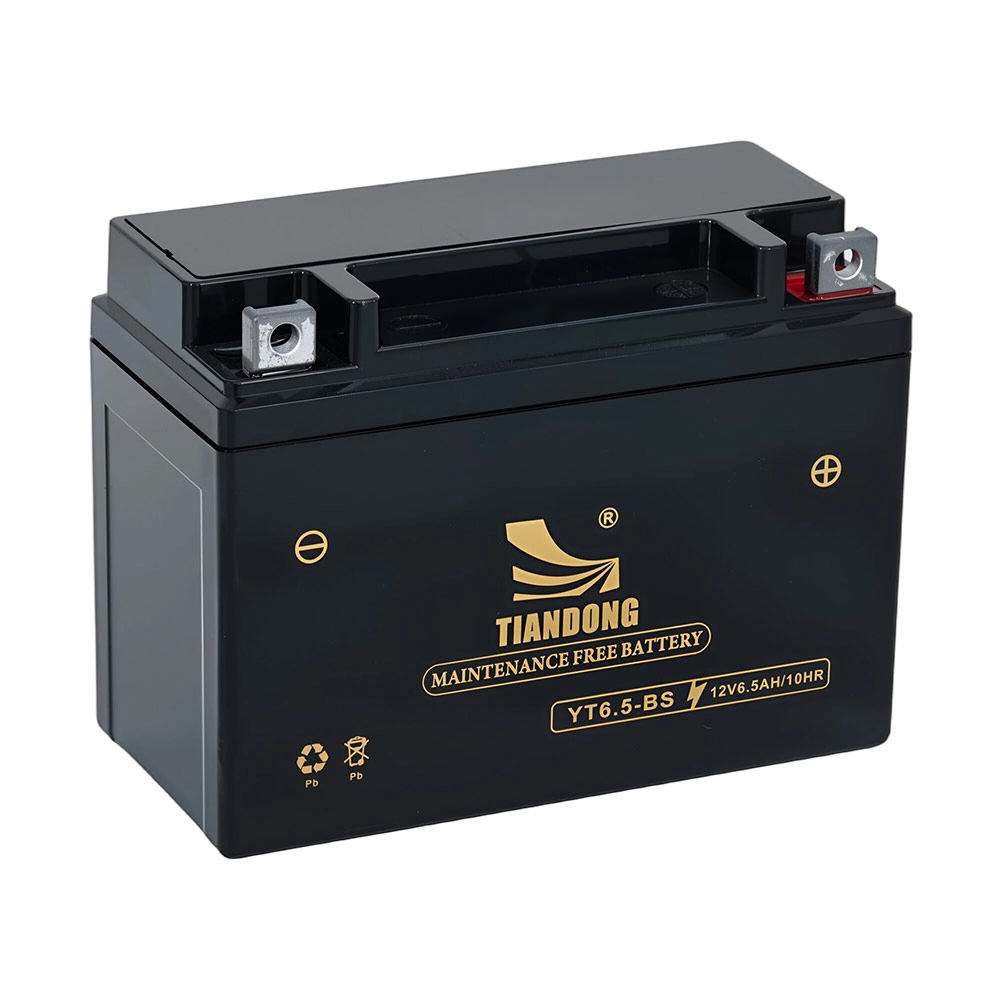
TIANDONG offers high-quality motorcycle batteries designed for durability and consistent performance. Their products undergo rigorous testing to meet industry standards, ensuring reliability for daily commuting. With a focus on customer satisfaction, TIANDONG provides excellent after-sales support and warranty services.

Bulk Motorcycle Batteries Direct from Factory – Save Costs, Boost Profit
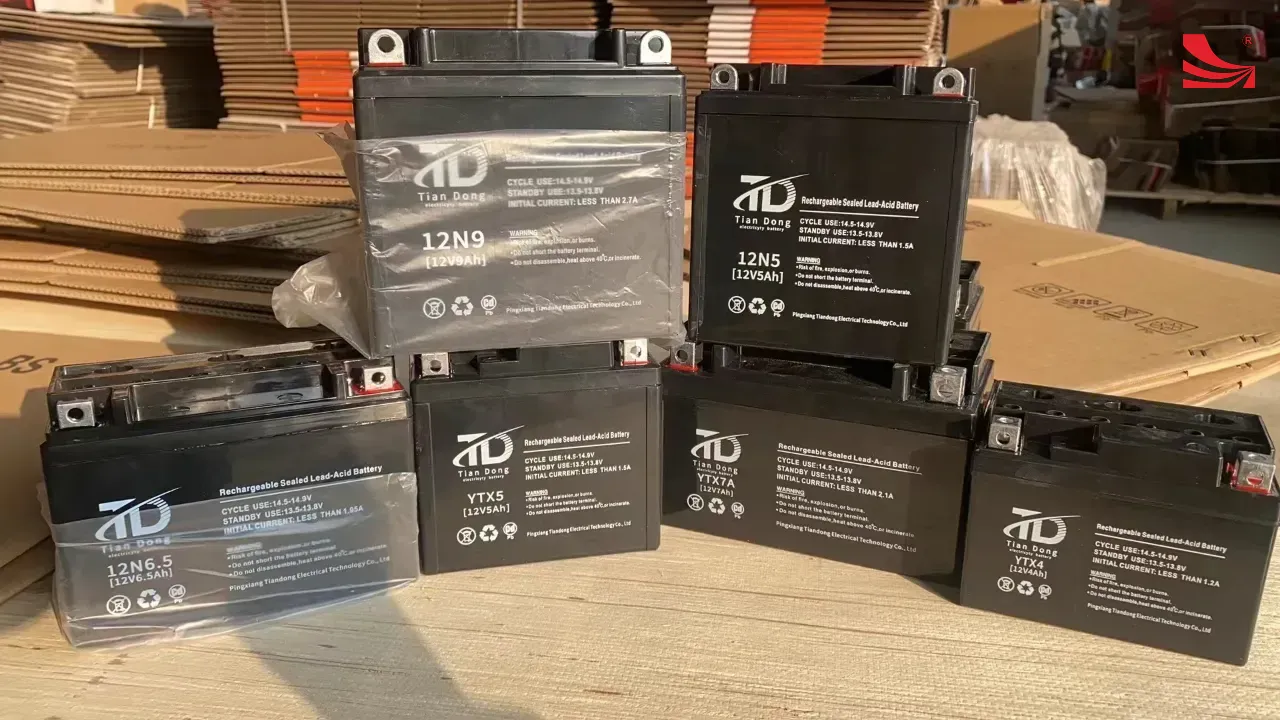
High Performance Motorcycle Batteries for Global Markets

Tiandong Electric Appliance Showcases High-Performance Motorcycle Batteries at Guangzhou Expo

What kind of battery is best for a motorcycle?

The Ultimate Guide to Electric Scooter Batteries: Performance, Longevity, and Future Innovations (2026 & Beyond)

The Ultimate 2026 Guide to Motorcycle Battery Types: Choose, Maintain, and Upgrade for Peak Performance
Product
What certifications do your batteries have?
Our batteries are certified with CE, ISO9001, and RoHS, and meet export standards for markets in Southeast Asia, South Asia, and Africa.
How long is the lead time and where do you ship?
Standard lead time is 7–15 days. We export to over 20 countries, including Vietnam, India, Egypt, and Thailand.
Do you offer OEM or custom branding?
Yes, we provide full OEM and ODM services, including logo printing, packaging customization, and model adjustments.
Support
What is Tiandong’s production capacity?
The company produces approximately 6 million batteries per year, supported by 15,000 tons of electrode plate production capacity.
OEM/ODM
Is an OEM battery safe?
Authentic original equipment manufacturer (OEM) batteries undergo safety testing and certification. Counterfeit batteries do not, and therefore may not have the proper protection inside the cells to prevent overcharging and overheating, which can lead to serious injuries and damage from thermal runaway.
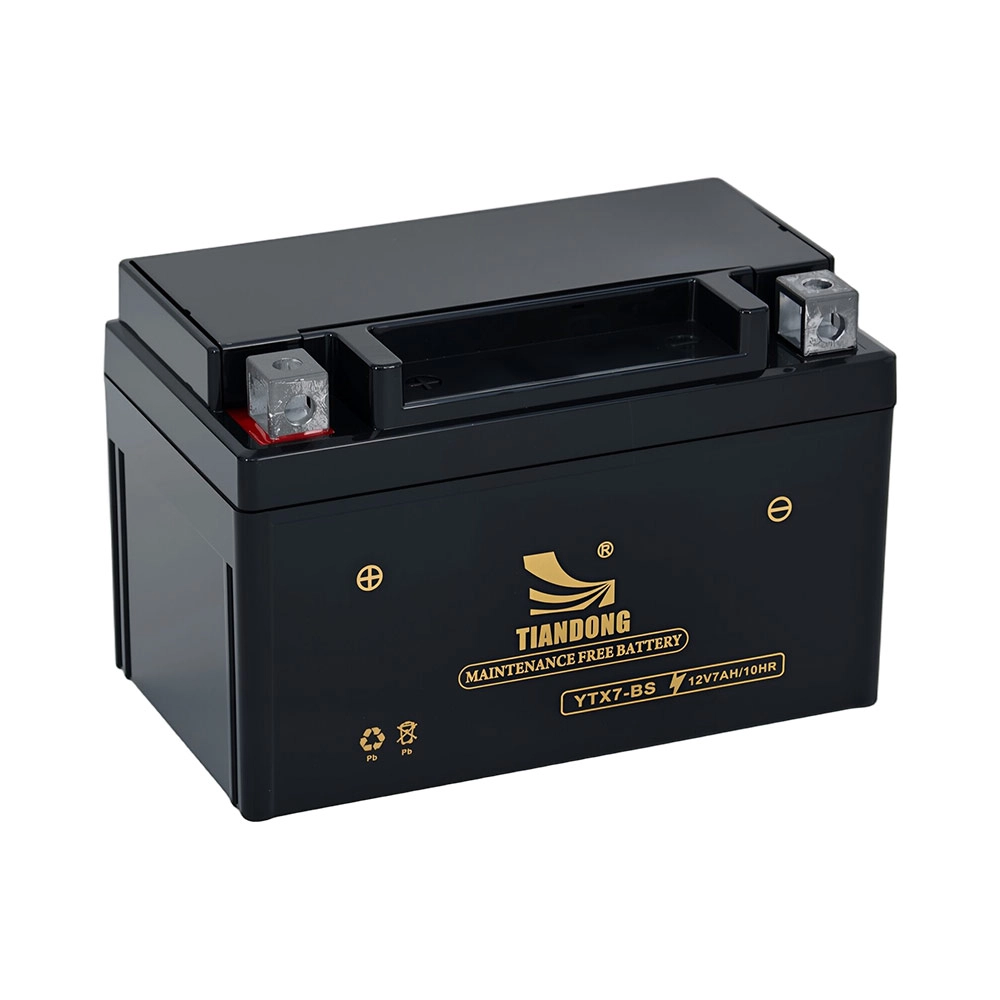
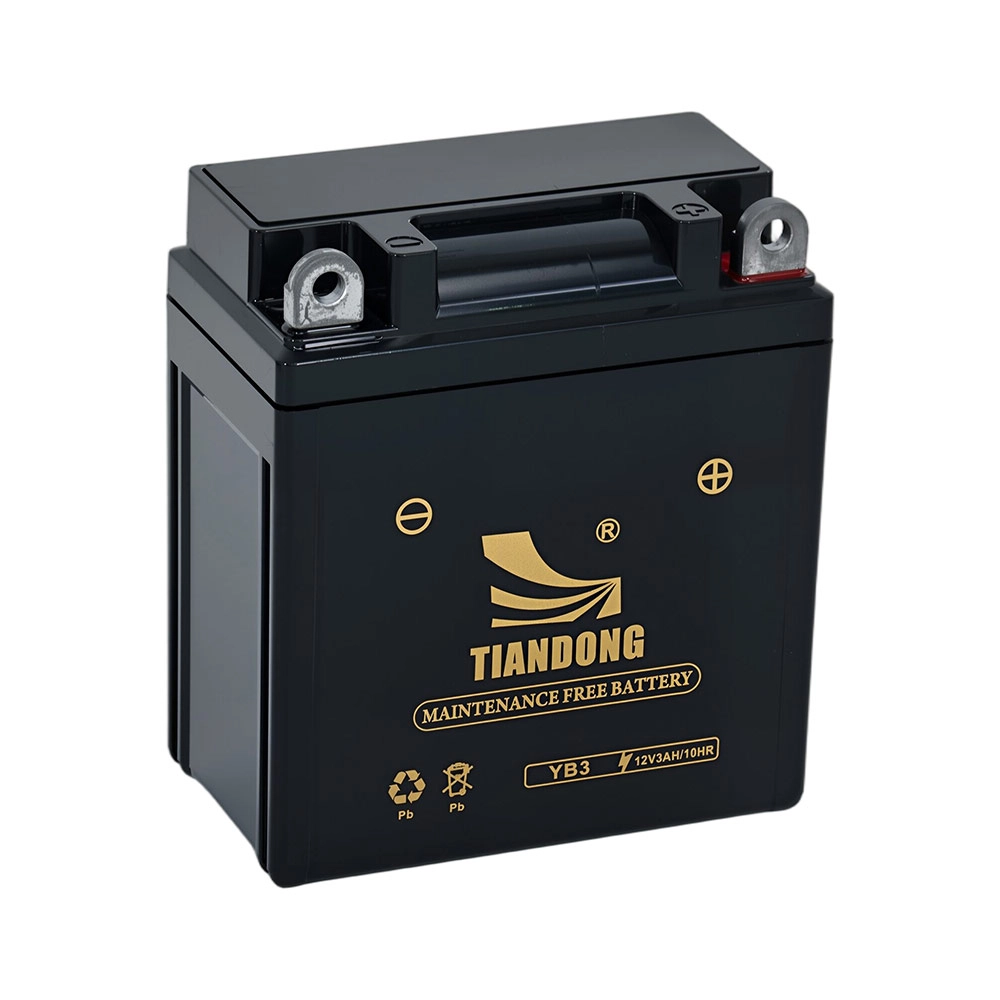
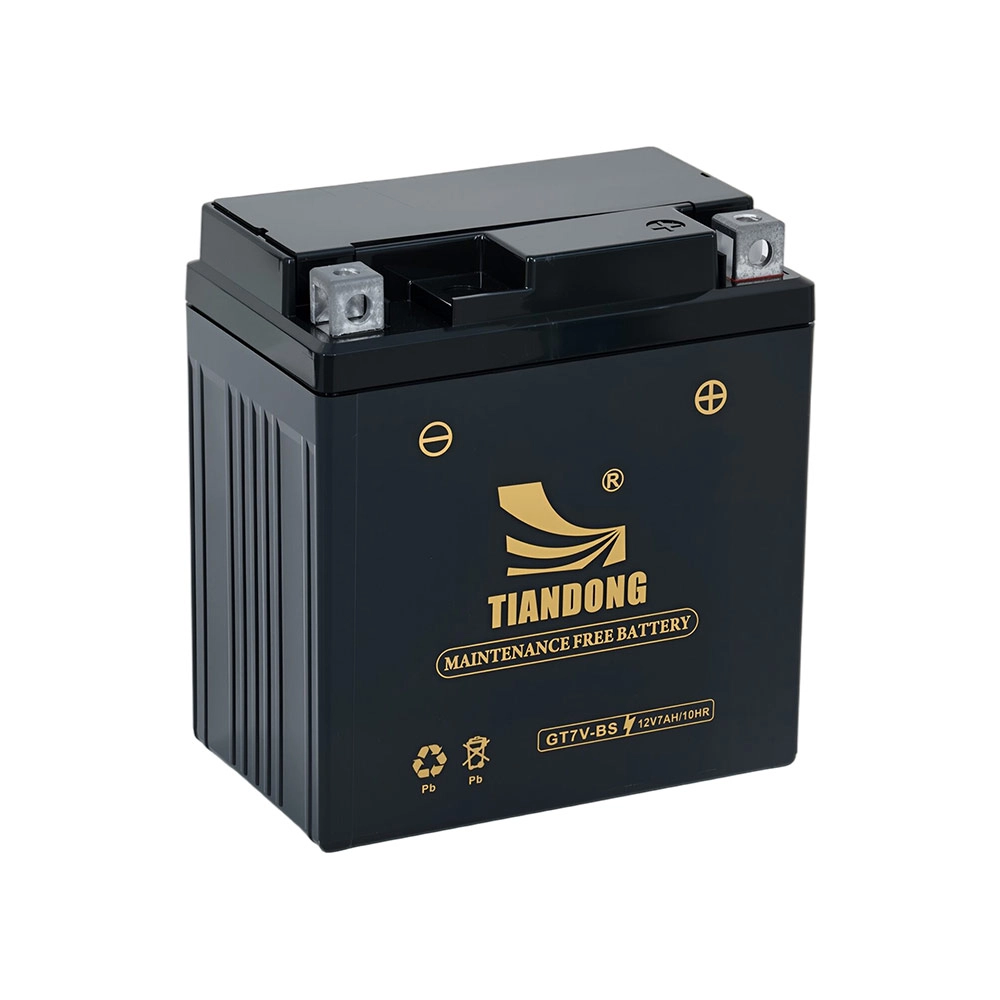
Get in touch with us to get your Motorbike Battery solution
TIANDONG is a leading motorcycle battery manufacturer offering OEM/ODM service, stable quality, and global export support.
Built for wholesalers. Trusted by global buyers. Delivered with confidence.
Say Hello
E-mail: daisybattery8@gmail.com
xianyingchen83@gmail. com
WhatsAPP: +86 134 283 86694
+86 134 348 86641
Our Location
Social Links
© 2025 TIANDONG. All Rights Reserved. Privacy Policy | Terms and Conditions | Sitemap
 Scan QR Code
Facebook
Instagram
Scan QR Code
Whatsapp: +8613434886641