






What's the best motorcycle battery for long-term storage?
- Comprehensive Guide to Choosing the Best Motorcycle Battery
- 1. What Are the Different Types of Motorcycle Batteries?
- 2. How Do I Choose the Right Battery for My Motorcycle?
- 3. How Long Do Motorcycle Batteries Typically Last?
- 4. What Are the Signs That My Motorcycle Battery Needs Replacement?
- 5. How Should I Maintain My Motorcycle Battery?
- 6. Which Brands Are Known for High-Quality Motorcycle Batteries?
- 7. How Do I Properly Store My Motorcycle Battery During Inactivity?
- 8. What Are the Advantages of Lithium-Ion Batteries Over Other Types?
- Conclusion: Why Choose TIANDONG Batteries?
Comprehensive Guide to Choosing the Best Motorcycle Battery
Selecting the right motorcycle battery is crucial for ensuring your bike's performance, reliability, and longevity. This guide addresses common questions and provides expert insights to assist you in making an informed decision.
1. What Are the Different Types of Motorcycle Batteries?
Motorcycle batteries primarily come in four types:
Conventional Lead-Acid Batteries: Traditional and cost-effective, requiring regular maintenance, including checking and refilling electrolyte levels.
Absorbed Glass Mat (AGM) Batteries: Maintenance-free, sealed batteries that offer better vibration resistance and longer lifespan compared to conventional lead-acid batteries.
Gel Batteries: Similar to AGM but use a gel electrolyte, providing enhanced safety and resistance to extreme temperatures.
Lithium-Ion Batteries: Lightweight and high-performing, with longer lifespans and faster charging times, though they come at a higher initial cost.
2. How Do I Choose the Right Battery for My Motorcycle?
Consider the following factors:
Compatibility: Refer to your motorcycle's owner manual for the recommended battery specifications, including size, voltage, and terminal configuration.
Riding Conditions: For frequent short trips, a maintenance-free AGM or gel battery may be suitable. For long-distance touring or off-road riding, a high-capacity lithium-ion battery could be more appropriate.
Budget: While lithium-ion batteries offer superior performance, they are more expensive. Balance your budget with the desired performance and longevity.
3. How Long Do Motorcycle Batteries Typically Last?
The lifespan varies by type:
Lead-Acid Batteries: Approximately 2-3 years.
AGM and Gel Batteries: Around 3-5 years.
Lithium-Ion Batteries: Up to 5 years or more, depending on usage and maintenance.
Regular maintenance and proper charging can extend battery life.
4. What Are the Signs That My Motorcycle Battery Needs Replacement?
Indicators include:
Difficulty starting the engine.
Dimmed lights or electrical issues.
Swollen or leaking battery casing.
A significant decrease in battery voltage.
If you experience these symptoms, it's advisable to have your battery tested and consider replacement if necessary.
5. How Should I Maintain My Motorcycle Battery?
Regular Charging: Use a smart charger to maintain the battery's charge, especially during periods of inactivity.
Clean Terminals: Periodically clean battery terminals to prevent corrosion, which can impede performance.
Proper Storage: Store the battery in a cool, dry place when not in use, and avoid placing it directly on a cold concrete floor to prevent rapid discharge.
6. Which Brands Are Known for High-Quality Motorcycle Batteries?
Reputable brands include:
Yuasa: Known for reliable AGM batteries with a long track record.
Antigravity Batteries: Offers lightweight lithium-ion batteries with advanced features like built-in jump-start technology.
Shorai: Specializes in high-performance lithium batteries favored by racers and enthusiasts.
Odyssey: Provides durable AGM batteries suitable for heavy-duty applications.
Selecting a battery from a reputable brand can ensure quality and reliability.
7. How Do I Properly Store My Motorcycle Battery During Inactivity?
Remove and Store: If not riding for an extended period, remove the battery and store it in a cool, dry place.
Use a Battery Maintainer: Connect the battery to a smart charger to keep it topped off without overcharging.
Check Voltage: Regularly monitor the battery's voltage to ensure it remains within optimal levels.
8. What Are the Advantages of Lithium-Ion Batteries Over Other Types?
Lightweight: Lithium-ion batteries are significantly lighter than lead-acid or AGM batteries, reducing overall bike weight.
Longer Lifespan: They typically last longer, offering better value over time.
Faster Charging: Lithium-ion batteries charge more quickly, reducing downtime.
Maintenance-Free: They require less maintenance compared to traditional batteries.
However, they come at a higher initial cost.
Conclusion: Why Choose TIANDONG Batteries?
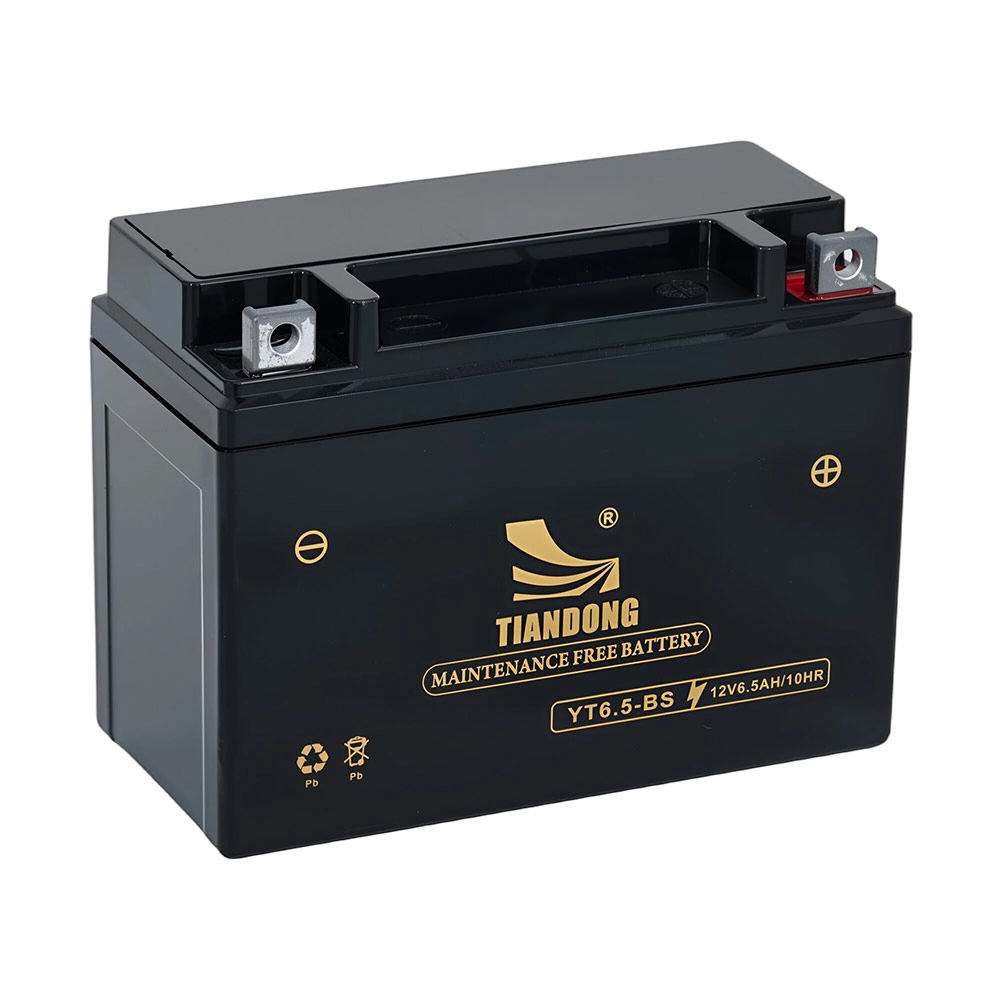
TIANDONG offers a range of high-quality motorcycle batteries designed to meet diverse rider needs. Their products are known for durability, performance, and reliability, ensuring your motorcycle starts reliably and operates efficiently. Whether you prefer the lightweight nature of lithium-ion or the proven reliability of AGM batteries, TIANDONG provides options that cater to various preferences and riding conditions.
Investing in a TIANDONG battery means choosing a product that combines advanced technology with user-centric features, enhancing your riding experience and providing peace of mind on the road.
For more detailed information on motorcycle battery types and maintenance, you can watch the following video:
(https://www.youtube.com/watch?v=wOVX3Yqq5uQ&utm_source=openai)

Bulk Motorcycle Batteries Direct from Factory – Save Costs, Boost Profit
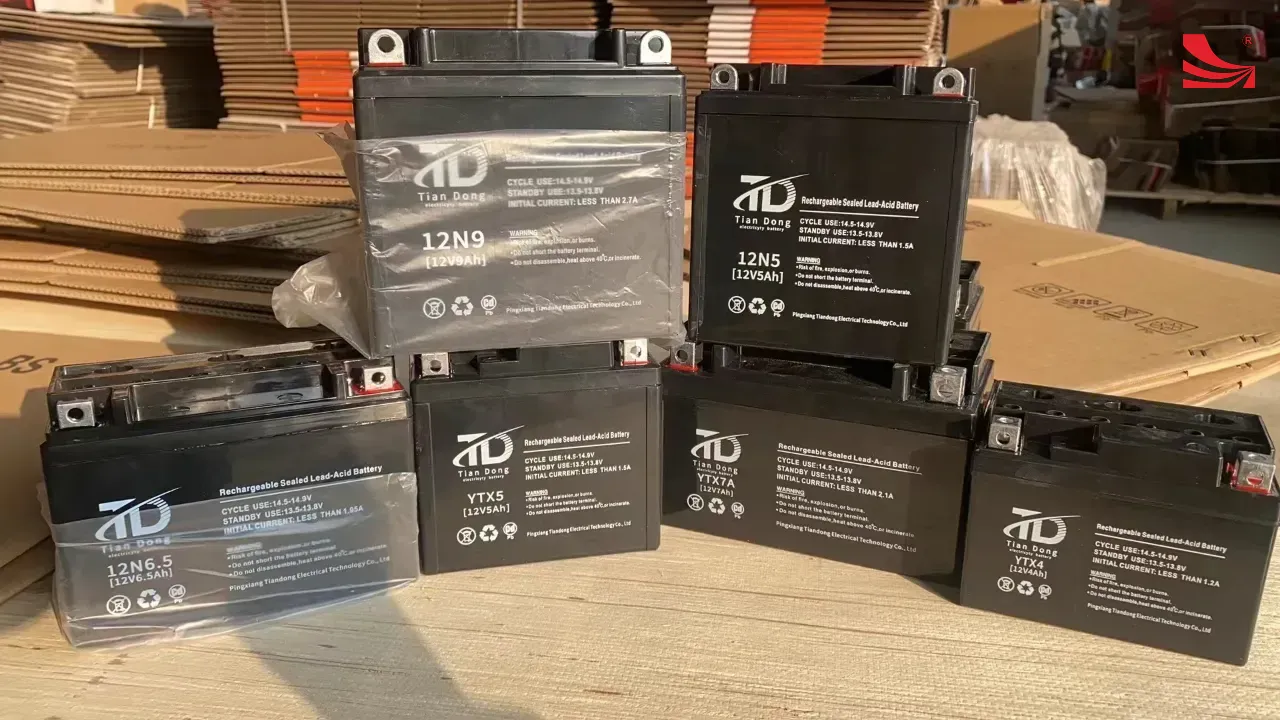
High Performance Motorcycle Batteries for Global Markets

Tiandong Electric Appliance Showcases High-Performance Motorcycle Batteries at Guangzhou Expo

What kind of battery is best for a motorcycle?

The Ultimate Guide to Electric Scooter Batteries: Performance, Longevity, and Future Innovations (2026 & Beyond)

The Ultimate 2026 Guide to Motorcycle Battery Types: Choose, Maintain, and Upgrade for Peak Performance
Product
What certifications do your batteries have?
Our batteries are certified with CE, ISO9001, and RoHS, and meet export standards for markets in Southeast Asia, South Asia, and Africa.
Do you offer OEM or custom branding?
Yes, we provide full OEM and ODM services, including logo printing, packaging customization, and model adjustments.
What causes motorcycle batteries to fail?
Common causes include over-discharging, extreme temperatures, poor charging systems, and low-quality manufacturing materials.
What kind of battery is best for a motorcycle?
AGM batteries are a popular choice because they combine the best of both worlds: the durability of lead-acid batteries and the low maintenance of lithium-ion batteries. AGM batteries are sealed, so they don't require water refills, and they're designed to handle rough conditions, making them ideal for motorcycles.
Support
What is Tiandong’s production capacity?
The company produces approximately 6 million batteries per year, supported by 15,000 tons of electrode plate production capacity.
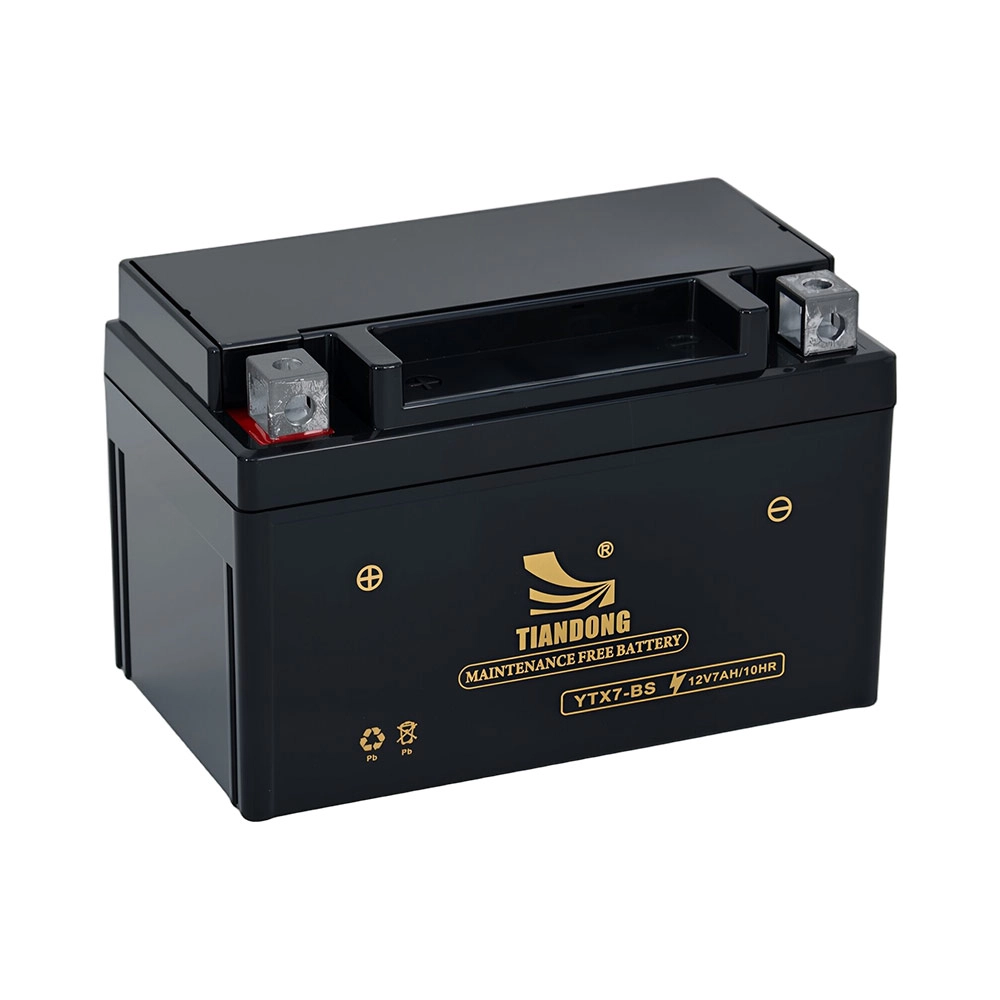
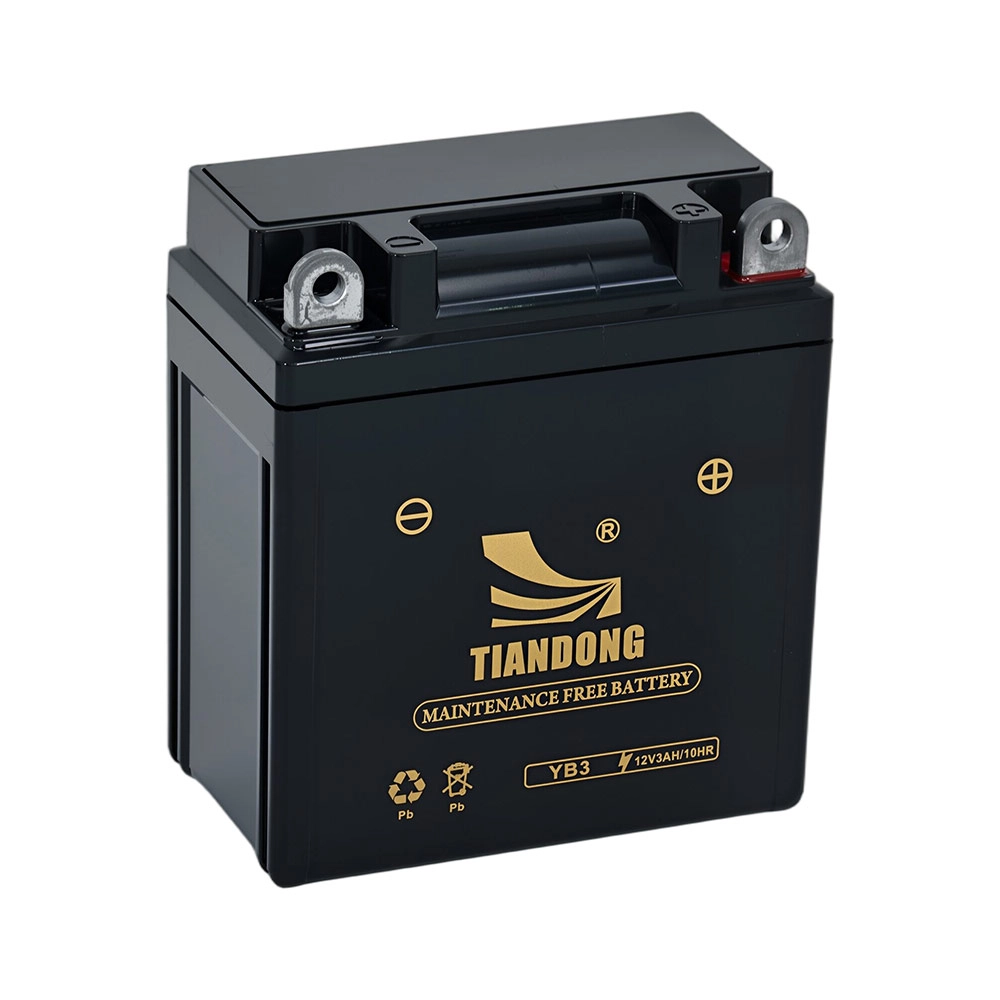
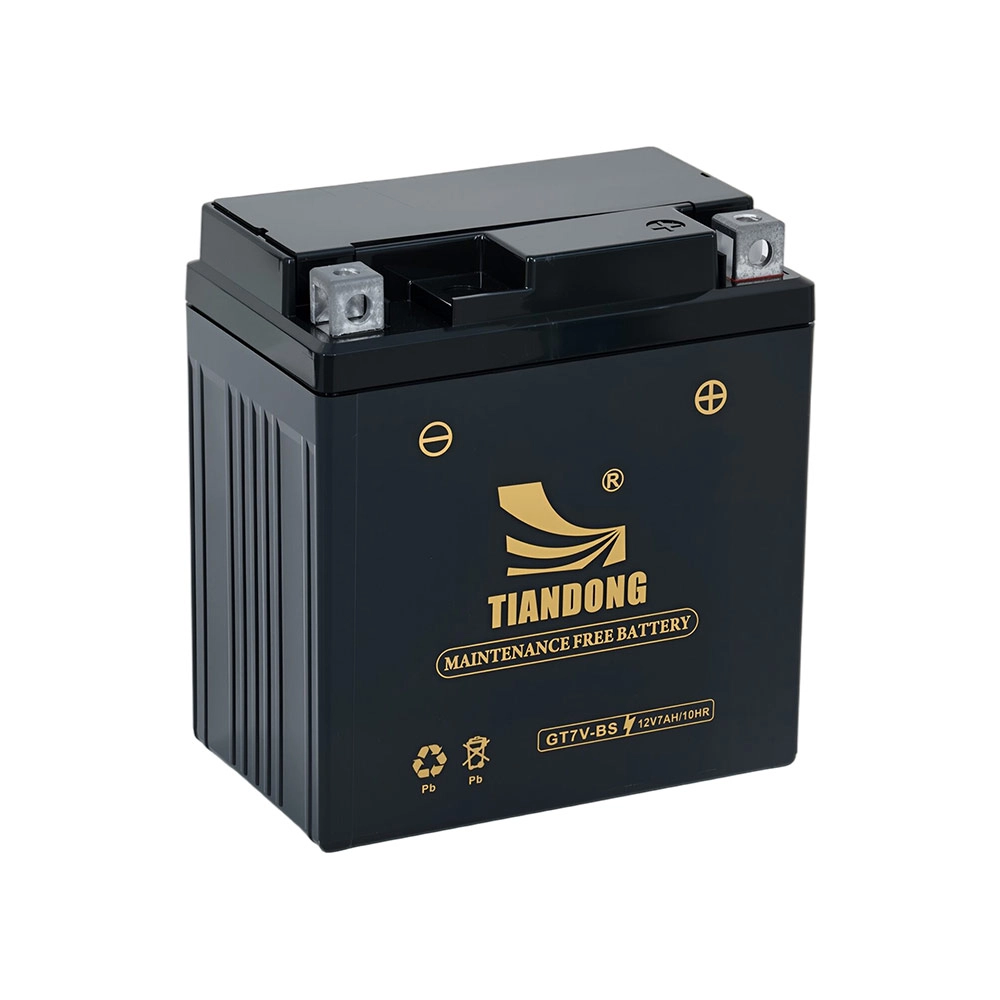
Get in touch with us to get your Motorbike Battery solution
TIANDONG is a leading motorcycle battery manufacturer offering OEM/ODM service, stable quality, and global export support.
Built for wholesalers. Trusted by global buyers. Delivered with confidence.
Say Hello
E-mail: daisybattery8@gmail.com
xianyingchen83@gmail. com
WhatsAPP: +86 134 283 86694
+86 134 348 86641
Our Location
Social Links
© 2025 TIANDONG. All Rights Reserved. Privacy Policy | Terms and Conditions | Sitemap
 Scan QR Code
Facebook
Instagram
Scan QR Code
Whatsapp: +8613434886641