






Which is the best motorcycle battery for touring bikes?
- Comprehensive Guide to Choosing the Best Motorcycle Battery for Touring Bikes
- 1. What Are the Key Factors to Consider When Selecting a Motorcycle Battery for Touring?
- 2. What Are the Different Types of Motorcycle Batteries, and Which Is Best for Touring Bikes?
- 3. What Are the Top Motorcycle Batteries Recommended for Touring?
- 4. How Long Do Motorcycle Batteries Typically Last?
- 5. How Can I Maintain My Motorcycle Battery to Ensure Longevity?
- 6. What Are the Signs That My Motorcycle Battery Needs Replacement?
- 7. How Do I Properly Dispose of My Motorcycle Battery?
- 8. What Are the Advantages of Choosing TIANDONG Batteries for My Touring Bike?
Comprehensive Guide to Choosing the Best Motorcycle Battery for Touring Bikes
When embarking on long-distance journeys, the reliability of your touring bike's battery is paramount. Selecting the right battery ensures consistent performance, especially when equipped with additional accessories. This guide delves into the essential considerations for choosing the best motorcycle battery for touring bikes.
1. What Are the Key Factors to Consider When Selecting a Motorcycle Battery for Touring?
When choosing a battery for your touring motorcycle, consider the following factors:
Cold Cranking Amps (CCA): Indicates the battery's ability to start the engine in cold temperatures. Touring bikes, often equipped with larger engines, require batteries with higher CCA ratings to ensure reliable starts in various weather conditions.
Reserve Capacity (RC): Denotes the battery's ability to power the bike's electrical systems if the charging system fails. A higher RC is beneficial for touring bikes with numerous electronic accessories.
Amp-Hour (Ah) Rating: Reflects the battery's capacity to supply a specific current over time. Touring bikes with added features demand batteries with higher Ah ratings to maintain consistent power.
Battery Type: Options include lead-acid, Absorbent Glass Mat (AGM), Gel, and Lithium-ion batteries. Each type offers distinct advantages in terms of maintenance, weight, lifespan, and performance.
2. What Are the Different Types of Motorcycle Batteries, and Which Is Best for Touring Bikes?
Lead-Acid Batteries: Traditional and cost-effective but require regular maintenance and have a shorter lifespan.
AGM Batteries: Maintenance-free, sealed, and vibration-resistant, making them suitable for modern street, touring, and off-road motorcycles.
Gel Batteries: Offer deep-cycle capabilities and are ideal for extreme conditions, providing longevity and resistance to deep discharges.
Lithium-Ion Batteries: Lightweight with rapid charging capabilities and longer lifespans, suitable for riders seeking high performance and efficiency during long tours. ((https://www.tiandongbattery.com/guides/best-motorcycle-battery-for-touring/))
For touring bikes, AGM and Lithium-ion batteries are often preferred due to their maintenance-free nature and ability to handle the power demands of extended rides.
3. What Are the Top Motorcycle Batteries Recommended for Touring?
Based on performance, reliability, and suitability for touring, the following batteries are highly recommended:
Yuasa High Performance AGM Battery: Known for its durability and maintenance-free design, this battery offers superior starting power and longevity, making it ideal for touring motorcycles. ((https://www.tiandongbattery.com/guides/best-motorcycle-battery-for-touring/))
Shorai Lithium Iron Phosphate Battery: Offering a lightweight design and rapid charging capabilities, Shorai batteries are suitable for riders seeking high performance and efficiency during long tours. ((https://www.tiandongbattery.com/guides/best-motorcycle-battery-for-touring/))
Odyssey Extreme Series Battery: Designed for high-performance motorcycles, this battery provides deep cycle capabilities and a long service life, ensuring reliability on extended tours. ((https://www.tiandongbattery.com/guides/best-motorcycle-battery-for-touring/))
4. How Long Do Motorcycle Batteries Typically Last?
The lifespan of a motorcycle battery varies by type:
Lead-Acid Batteries: Approximately 2-3 years.
AGM and Gel Batteries: Around 4-6 years.
Lithium-Ion Batteries: Up to 6-10 years, depending on usage and maintenance. ((https://www.tiandongbattery.com/guides/best-motorcycle-battery-for-touring/))
Regular maintenance and proper storage can extend the life of your battery.
5. How Can I Maintain My Motorcycle Battery to Ensure Longevity?
To prolong your battery's lifespan:
Regular Charging: Use a battery charger to maintain your motorcycle battery during the off-season or other long periods of inactivity.
Proper Storage: Store the battery in a cool, dry place and ensure it's fully charged before storage.
Avoid Overcharging: Overcharging your motorcycle battery can shorten its life.
Check Voltage Regularly: Monitor the battery's voltage to ensure it's within the optimal range.
Inspect for Corrosion: Regularly check terminals for corrosion and clean them as needed.
6. What Are the Signs That My Motorcycle Battery Needs Replacement?
Signs that your battery may need replacement include:
Difficulty Starting: If the engine cranks slowly or fails to start.
Dim Lights: If the headlights or dashboard lights appear dimmer than usual.
Electrical Issues: Malfunctions in electronic accessories or systems.
Swollen Battery Case: Indicates internal damage or overcharging.
If you experience any of these issues, it's advisable to have your battery tested and replaced if necessary.
7. How Do I Properly Dispose of My Motorcycle Battery?
Proper disposal is crucial to prevent environmental harm:
Recycle: Take your old battery to a recycling center or a retailer that accepts used batteries.
Do Not Dispose in Trash: Never throw batteries in the regular trash, as they contain hazardous materials.
Check Local Regulations: Follow local guidelines for battery disposal.
By adhering to these practices, you contribute to environmental conservation and comply with regulations.
8. What Are the Advantages of Choosing TIANDONG Batteries for My Touring Bike?
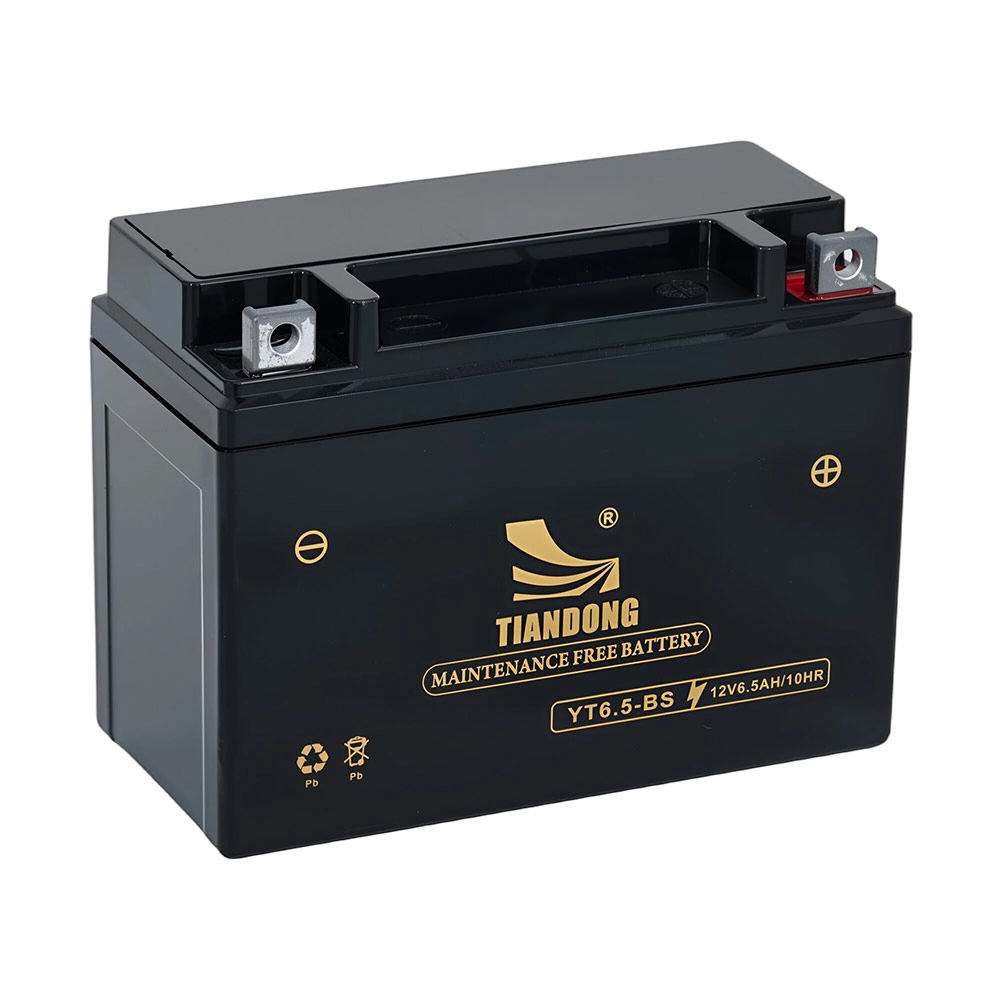
TIANDONG offers a range of high-quality motorcycle batteries tailored for touring bikes. Key advantages include:
High CCA Ratings: Ensures reliable starts in various weather conditions.
Maintenance-Free Design: Reduces upkeep and enhances convenience.
Durability: Built to withstand the rigors of long-distance touring.
Compatibility: Designed to meet the power demands of modern touring motorcycles.
Choosing TIANDONG batteries ensures your touring bike remains powered and ready for the road ahead.
By considering these factors and selecting a suitable battery, you can enhance your touring experience with reliable and consistent performance.
Note: Always consult your motorcycle's owner manual or a professional mechanic to ensure compatibility and optimal performance.

Bulk Motorcycle Batteries Direct from Factory – Save Costs, Boost Profit
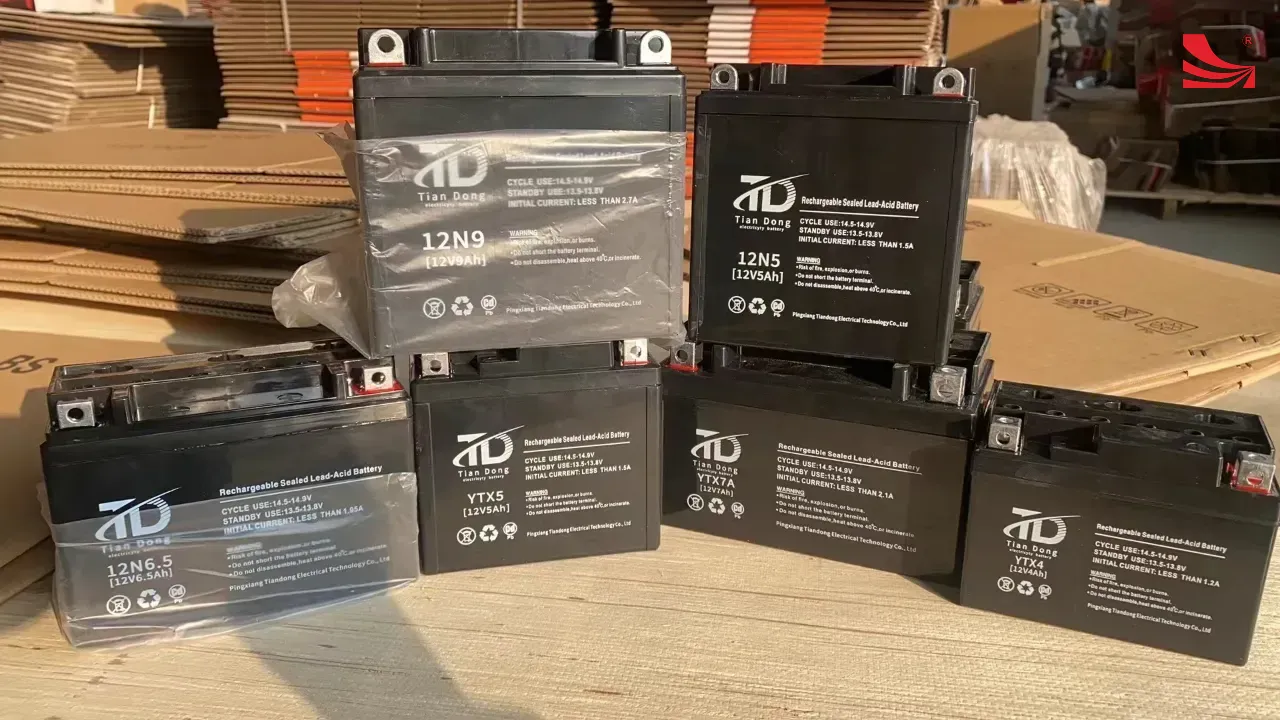
High Performance Motorcycle Batteries for Global Markets

Tiandong Electric Appliance Showcases High-Performance Motorcycle Batteries at Guangzhou Expo

What kind of battery is best for a motorcycle?

The Ultimate Guide to Electric Scooter Batteries: Performance, Longevity, and Future Innovations (2026 & Beyond)

The Ultimate 2026 Guide to Motorcycle Battery Types: Choose, Maintain, and Upgrade for Peak Performance
Product
What kind of battery is best for a motorcycle?
AGM batteries are a popular choice because they combine the best of both worlds: the durability of lead-acid batteries and the low maintenance of lithium-ion batteries. AGM batteries are sealed, so they don't require water refills, and they're designed to handle rough conditions, making them ideal for motorcycles.
What is the typical lifespan of your batteries?
Depending on the model and usage conditions, our batteries typically last between 2 to 4 years under normal operation.
Support
What is Tiandong’s production capacity?
The company produces approximately 6 million batteries per year, supported by 15,000 tons of electrode plate production capacity.
Shipping
Which countries does Tiandong export to?
Tiandong batteries are exported to more than 20 countries, including Vietnam, India, Egypt, Thailand, and Indonesia.
OEM/ODM
Is an OEM battery safe?
Authentic original equipment manufacturer (OEM) batteries undergo safety testing and certification. Counterfeit batteries do not, and therefore may not have the proper protection inside the cells to prevent overcharging and overheating, which can lead to serious injuries and damage from thermal runaway.
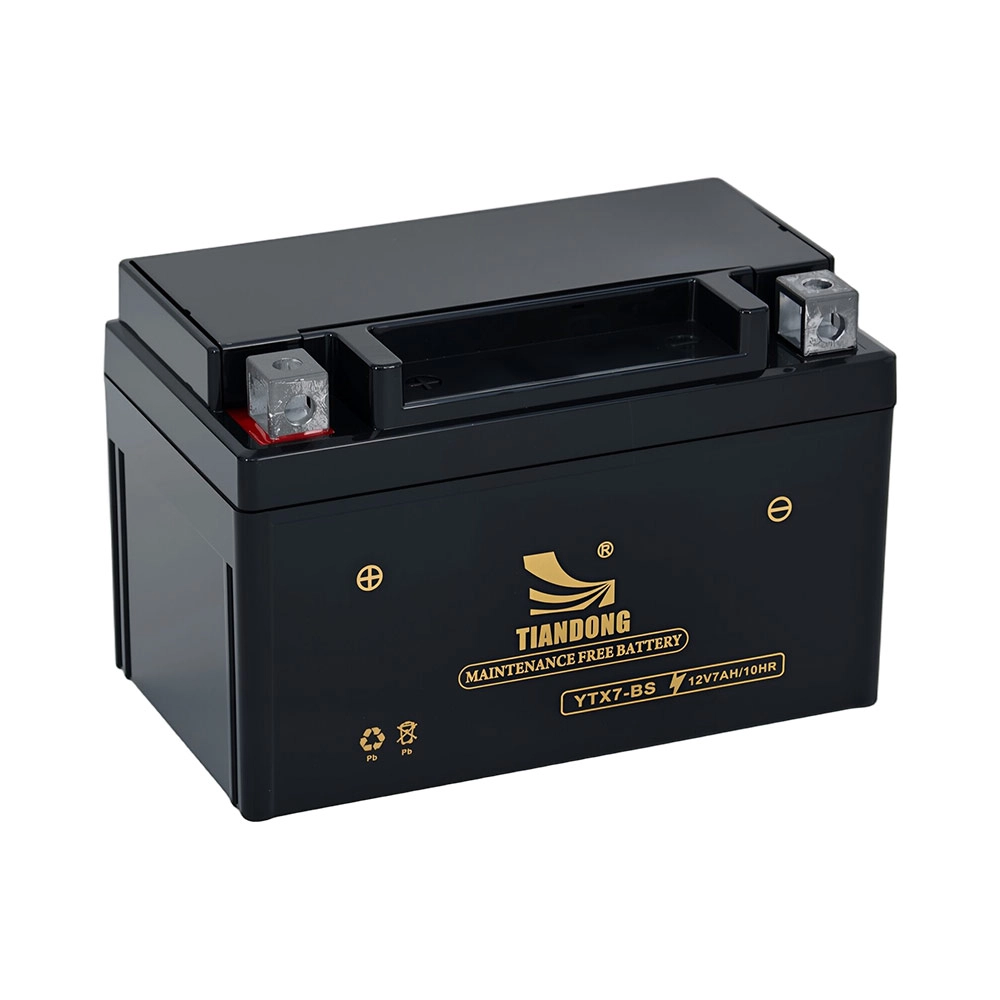
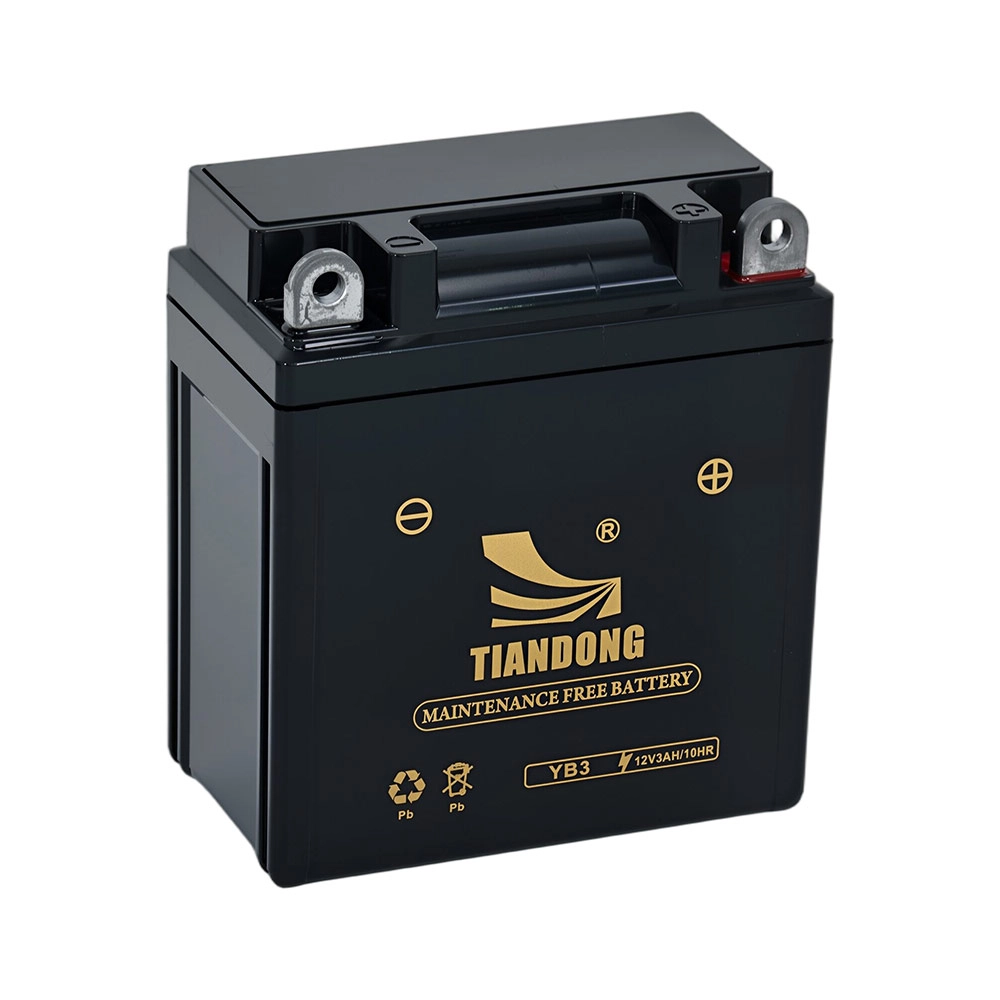
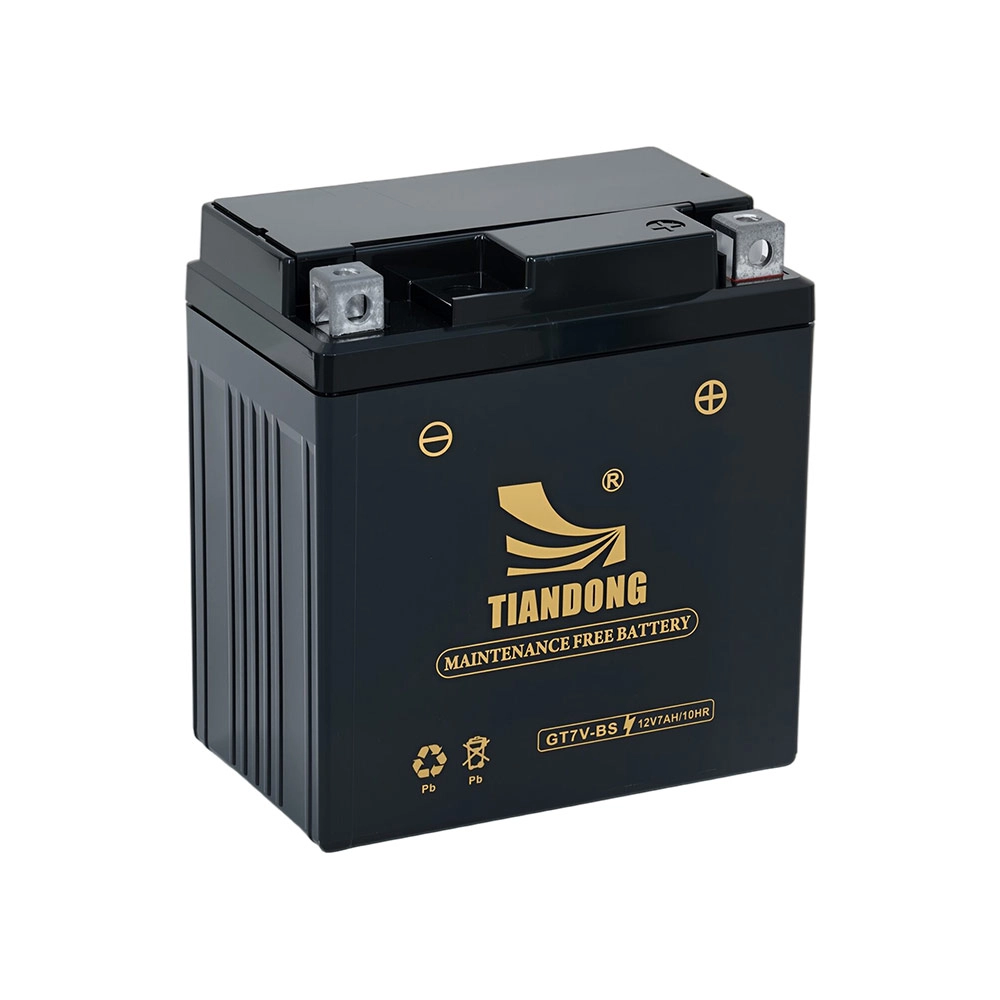
Get in touch with us to get your Motorbike Battery solution
TIANDONG is a leading motorcycle battery manufacturer offering OEM/ODM service, stable quality, and global export support.
Built for wholesalers. Trusted by global buyers. Delivered with confidence.
Say Hello
E-mail: daisybattery8@gmail.com
xianyingchen83@gmail. com
WhatsAPP: +86 134 283 86694
+86 134 348 86641
Our Location
Social Links
© 2025 TIANDONG. All Rights Reserved. Privacy Policy | Terms and Conditions | Sitemap
 Scan QR Code
Facebook
Instagram
Scan QR Code
Whatsapp: +8613434886641