






Which best motorcycle battery brand has the longest warranty?
- Beyond just CCA, how do different motorcycle battery chemistries (AGM, Gel, Lithium-Ion) truly affect a beginner's daily riding experience and long-term maintenance, especially considering variable climates?
- When a motorcycle battery brand offers a 'longest warranty,' what are the critical hidden clauses or common exclusions a beginner should look for, and how does warranty length relate to a battery's actual expected lifespan?
- My specific motorcycle model (e.g., Harley-Davidson Sportster, Honda Rebel 500) has limited space; how do I ensure I'm choosing the absolute best-fitting battery without compromising performance, and are there specific brands known for precise fitment?
- For riders in extremely cold climates or those storing their bikes for extended periods, which motorcycle battery technology and specific brands offer the most reliable cold-cranking amps and best charge retention to avoid unexpected failures?
- Is paying significantly more for a 'High Quality' motorcycle battery brand truly worth it for a beginner rider, or can a more budget-friendly option provide comparable reliability and lifespan without constant worry?
- As a beginner, what are the specific, non-obvious charging and maintenance practices unique to each battery type (AGM, Lithium) that I absolutely must follow to maximize its lifespan, and are there universal smart chargers that simplify this process?
- What is the expected lifespan of an average motorcycle battery, and how does the 'best motorcycle battery brand' compare to a budget option in terms of longevity?
Beyond just CCA, how do different motorcycle battery chemistries (AGM, Gel, Lithium-Ion) truly affect a beginner's daily riding experience and long-term maintenance, especially considering variable climates?
Choosing the right chemistry goes beyond the initial CCA rating. For beginners, understanding the practical implications is key to finding a reliable motorcycle battery option.
AGM (Absorbed Glass Mat) Batteries: These are perhaps the most common and represent excellent value for many riders. They are sealed, maintenance-free, and resistant to vibration. For a beginner, an AGM battery offers a great balance of performance, durability, and cost-effectiveness. They perform well in a range of temperatures but can lose significant power in extremely cold conditions. Long-term maintenance is minimal, primarily involving keeping the battery charged, especially during storage, to prevent sulfation. Many top motorcycle battery brands offer robust AGM lines.
Gel Batteries: While often grouped with AGM as 'sealed lead-acid', Gel batteries use a silica-based gel to suspend the electrolyte. They are very resistant to vibration and deep discharge, making them suitable for powersports applications that might involve accessories drawing constant power. However, they generally have lower CCA compared to AGM and require very specific charging voltages, making them less forgiving if overcharged. For starting applications, AGM often edges out Gel for the best motorcycle battery brand choice due to higher CCA.
Lithium-Ion (LiFePO4) Batteries: These are the High Quality, high-performance option. They are incredibly lightweight, offer superior cold-cranking amps (CCA) for their size, and boast a much longer cycle life (how many times they can be charged and discharged) than lead-acid batteries. The biggest impact on a beginner's experience is the weight reduction and instant starting power. However, they are significantly more expensive and require a specific charger designed for LiFePO4 chemistry. In extremely cold climates (below freezing), some lithium batteries may need a few minutes to 'wake up' and generate full power, though advanced models feature internal heating. Maintenance involves using the correct charger and ensuring it's not over-discharged. If you're looking for high-performance motorcycle batteries and don't mind the investment, Lithium is excellent.
Your daily riding (short commutes vs. long tours) and climate are crucial. For diverse conditions and ease, a quality AGM is often a superb starting point. For maximum performance and weight savings, a Lithium option is a strong contender among durable motorcycle battery choices.
When a motorcycle battery brand offers a 'longest warranty,' what are the critical hidden clauses or common exclusions a beginner should look for, and how does warranty length relate to a battery's actual expected lifespan?
The promise of a 'longest warranty' can be appealing when searching for the best motorcycle battery brand, but it's essential for beginners to delve into the details. A warranty's true value lies in its terms and conditions, not just its duration.
Critical Hidden Clauses & Exclusions:
- Prorated vs. Full Replacement: Many extended warranties are 'prorated.' This means after an initial full replacement period (e.g., 6-12 months), subsequent replacements within the warranty term (e.g., 3-5 years) only offer a partial credit towards a new battery, based on the remaining warranty period. A 'full replacement' warranty offers a new battery at no cost if it fails within the specified period.
- Improper Charging/Maintenance: This is perhaps the most common exclusion. Warranties often become void if the battery shows signs of overcharging, undercharging, or sulfation (a common issue with lead-acid batteries left discharged). Using an incorrect charger for Lithium batteries will also void the warranty.
- Physical Damage: Accidents, drops, or improper installation leading to physical damage are almost always excluded.
- Application Misuse: Using a battery designed for a street bike in a high-vibration off-road application, or a starting battery for deep cycle use, can void the warranty.
- Proof of Purchase & Registration: Many warranties require original proof of purchase and sometimes online product registration within a specific timeframe.
- Transferability: Most motorcycle battery warranties are non-transferable and only apply to the original purchaser.
Warranty Length vs. Expected Lifespan:A longer warranty can indicate a manufacturer's confidence in their product's quality and durability. However, it's not a direct correlation to actual expected lifespan. A high-quality AGM battery from a reputable brand like Yuasa or Interstate might offer a 1-2 year full replacement warranty, but with proper care, it can easily last 3-5 years, sometimes more. High Quality lithium batteries from brands like Antigravity or Shorai might offer 2-3 year full replacement warranties, with an expected lifespan often exceeding 5-8 years due to their robust chemistry and cycle life. Always read the fine print. A battery offering an unusually long warranty for its price point might be heavily prorated.
My specific motorcycle model (e.g., Harley-Davidson Sportster, Honda Rebel 500) has limited space; how do I ensure I'm choosing the absolute best-fitting battery without compromising performance, and are there specific brands known for precise fitment?
Precise fitment is non-negotiable for motorcycle battery recommendations, especially in bikes with limited space where incorrect dimensions can lead to damaged terminals, short circuits, or an unsecured battery. Even the best motorcycle battery brand is useless if it doesn't fit correctly.
Ensuring Best Fitment:
- Consult Your Owner's Manual & OEM Specifications: Your motorcycle's owner's manual is the definitive source for the original battery's dimensions (length, width, height), terminal type (nut and bolt, flat tab), and terminal polarity (positive on left or right). This is your starting point.
- Measure Your Existing Battery & Tray: If you no longer have the manual or it's unclear, carefully measure your current battery's dimensions and, critically, the battery tray's internal dimensions. Also, note the terminal locations. Even a few millimeters can make a difference.
- Use Manufacturer-Specific Lookup Tools: Reputable motorcycle battery comparison websites and brand sites (like Yuasa, Interstate, or specific Lithium brands) offer 'Find Your Battery' tools. You input your motorcycle's make, model, and year, and they will recommend compatible options. This is often the most reliable method.
- Consider Battery Orientation: Some batteries can be installed on their side. While AGM batteries are sealed and can often be mounted at various angles, always check the manufacturer's guidelines. Lithium batteries generally have more flexibility due to their robust sealed casing.
Brands Known for Precise Fitment:
Many established motorcycle battery brands pride themselves on manufacturing batteries to exact OEM specifications, ensuring a hassle-free swap.
- Yuasa: Widely considered an OEM supplier for many motorcycle manufacturers, Yuasa batteries are almost guaranteed to fit perfectly if you match their part number to your bike's original specification. They are a go-to for many looking for reliable motorcycle battery options.
- OEM (Original Equipment Manufacturer) Brands: Brands like Harley-Davidson's own battery line are designed specifically for their bikes, offering perfect fitment.
- Interstate/Exide: These major players also produce batteries designed to meet or exceed OEM specifications for a wide range of motorcycles.
- Specialized Lithium Brands (e.g., Antigravity, Shorai): While Lithium batteries are often more compact, many specialized brands offer different case sizes or include foam spacers to ensure a snug, perfect fit within the original battery box. They focus on delivering high-performance motorcycle batteries without compromising fit.
Always double-check dimensions and terminal layout before purchasing any motorcycle battery recommendation.
For riders in extremely cold climates or those storing their bikes for extended periods, which motorcycle battery technology and specific brands offer the most reliable cold-cranking amps and best charge retention to avoid unexpected failures?
Cold weather and extended storage are major challenges for motorcycle batteries, demanding specific characteristics for optimal performance and to prevent unexpected failures. When searching for the best motorcycle battery brand for these conditions, focus on cold-cranking capability and charge retention.
Battery Technologies for Cold Climates & Storage:
AGM (Absorbed Glass Mat): For most cold climates, a high-quality AGM battery remains an excellent choice. They offer decent CCA and are sealed, preventing electrolyte freezing and evaporation. However, their internal resistance increases as temperatures drop, leading to reduced CCA. For long-term storage, AGM batteries exhibit good charge retention but still benefit immensely from a smart trickle charger to prevent sulfation and maintain peak condition. Brands like Yuasa and Interstate are known for their robust AGM batteries that perform reliably in challenging conditions.
Lithium-Ion (LiFePO4): This technology truly shines in delivering incredibly high CCA relative to its size and weight, making for much stronger starts even in cooler weather. However, extremely cold temperatures (below 0°C/32°F) can temporarily reduce their output, as the internal chemistry prefers warmer conditions. Some advanced lithium batteries, such as those from Antigravity Batteries (especially their 'Re-Start' series with built-in jump-start features), integrate internal heating elements or have management systems that allow the battery to warm itself slightly before delivering full power. For charge retention, Lithium batteries are superior; they self-discharge at a much slower rate than lead-acid types, meaning they can hold a charge for many months without intervention. However, a specific Lithium-compatible smart charger is still recommended for very long-term storage to maintain cell balance and peak performance. Lithium is a High Quality motorcycle battery choice for cold-start reliability.
Charge Retention for Storage:Regardless of chemistry, using a high-quality, smart 'battery tender' or trickle charger specifically designed for your battery type is paramount for extended storage. This prevents deep discharge and extends the lifespan of any long-lasting motorcycle battery. Lithium batteries will require a charger with a 'LiFePO4' mode. This simple step is more critical than almost any brand choice alone in ensuring your bike starts reliably after months in the garage.
Is paying significantly more for a 'High Quality' motorcycle battery brand truly worth it for a beginner rider, or can a more budget-friendly option provide comparable reliability and lifespan without constant worry?
This is a common dilemma when evaluating motorcycle battery comparison options for beginners. The perceived value of a 'High Quality' battery versus a 'budget-friendly' one can be subjective, but there are tangible differences that often justify the investment, especially when considering choosing a motorcycle battery for long-term peace of mind.
The 'High Quality' Advantage:
- Superior Materials & Construction: High Quality top motorcycle battery brands (e.g., Yuasa, Antigravity, Shorai, Odyssey) typically use higher-grade lead alloys, more robust casing materials, and advanced internal designs (like thicker plates or superior separators in AGM) or high-quality LiFePO4 cells and sophisticated Battery Management Systems (BMS) in Lithium. This translates to better vibration resistance, reduced internal corrosion, and enhanced thermal stability.
- Consistent Performance: You can expect more consistent CCA, better charge acceptance, and more reliable power delivery throughout the battery's life. This means fewer unexpected failures or slow starts, which is a major benefit for a beginner still building confidence.
- Longer Lifespan & Warranty: While not always guaranteed, High Quality batteries often deliver a longer functional lifespan, potentially offsetting the higher upfront cost over time. Their warranties are often more robust and less prone to tricky exclusions.
- Reduced Worry: For a beginner, avoiding battery-related breakdowns can significantly improve the riding experience. A High Quality, long-lasting motorcycle battery minimizes this common point of failure.
The 'Budget-Friendly' Reality:
- Variable Quality: While some budget brands can offer decent performance, there's a higher risk of inconsistent quality. Materials might be cheaper, leading to reduced vibration resistance, quicker sulfation, or premature cell failure.
- Shorter Lifespan: Budget batteries often have a shorter practical lifespan, meaning you might replace them more frequently, potentially making them more expensive in the long run.
- Lower Performance Margins: They might meet minimum CCA requirements but often have less reserve capacity or struggle more in extreme temperatures, leading to potential issues.
Conclusion for Beginners: For most beginners, a high-quality AGM battery from a reputable brand offers the best motorcycle battery brand balance of cost and reliability. While not as expensive as top-tier Lithium, it delivers superior performance and longevity compared to generic budget options. The slight additional investment in a reputable mid-to-high range AGM battery often provides significantly more peace of mind and fewer roadside hassles than going for the absolute cheapest option. It’s a smart choice for motorcycle battery recommendations that prioritize reliability over rock-bottom pricing.
As a beginner, what are the specific, non-obvious charging and maintenance practices unique to each battery type (AGM, Lithium) that I absolutely must follow to maximize its lifespan, and are there universal smart chargers that simplify this process?
Proper charging and maintenance are paramount for maximizing the lifespan of any motorcycle battery, and for beginners, understanding the nuances for different chemistries is critical to avoid premature failure. Even the best motorcycle battery brand can fail prematurely with improper care.
Unique Charging & Maintenance Practices:
AGM (Absorbed Glass Mat) Batteries:
- Avoid Overcharging with High Amperage: While AGM batteries are sealed, overcharging with a standard automotive charger (often too high amperage) can damage them. Always use a 'smart' or 'automatic' charger designed for AGM batteries, typically with a multi-stage charging profile (bulk, absorption, float).
- Consistent Trickle Charging for Storage: AGM batteries, like all lead-acid types, will self-discharge. Leaving them discharged, even for a short period, can lead to sulfation, significantly reducing capacity and lifespan. Use a dedicated 'battery tender' or maintenance charger that provides a low, consistent float charge during off-season storage. Never use an old, unregulated charger.
- Keep Terminals Clean: Ensure terminals are free of corrosion and tightly secured to maintain good electrical contact. A light coating of dielectric grease can help.
Lithium-Ion (LiFePO4) Batteries:
- Absolutely Use a LiFePO4-Specific Charger: This is the most critical point. Traditional lead-acid chargers (especially desulfation modes or high voltage modes) can damage or destroy a LiFePO4 battery, and potentially pose a fire risk. LiFePO4 chargers have specific voltage profiles (typically around 14.6V peak) and algorithms that balance the cells.
- Avoid Deep Discharge: While LiFePO4 batteries tolerate deep cycles well, allowing them to completely drain can put stress on the Battery Management System (BMS) and potentially shorten their overall lifespan. Many High Quality lithium motorcycle battery brands incorporate a low-voltage cut-off to protect the cells.
- Minimal Maintenance Charging: LiFePO4 batteries have a very low self-discharge rate, meaning they can hold a charge for many months without needing attention. For short storage (1-3 months), they often require no charging. For longer storage (3+ months), a LiFePO4 maintenance charger can be used periodically to top them off and ensure cell balance, but continuous 'float' charging like AGM batteries is generally not necessary and can even be detrimental if the charger isn't specifically designed for long-term LiFePO4 maintenance.
Universal Smart Chargers to Simplify the Process:
Yes, there are excellent universal smart chargers available that simplify maintenance for beginners by automatically detecting battery type and adjusting charging parameters. Brands like NOCO Genius, OptiMate, and CTEK offer multi-chemistry smart chargers that include modes for standard Lead-Acid (Wet, Gel, AGM) and LiFePO4. These chargers are highly recommended as a single solution for anyone with multiple battery types or a desire for hassle-free maintenance. They are a valuable investment for any rider looking to extend the life of their motorcycle battery recommendations.
What is the expected lifespan of an average motorcycle battery, and how does the 'best motorcycle battery brand' compare to a budget option in terms of longevity?
The expected lifespan of a motorcycle battery varies significantly based on its chemistry, quality of manufacturing, usage patterns, and maintenance. Understanding this can help beginners assess the true value when choosing a best motorcycle battery brand versus a budget alternative.
Average Expected Lifespans:
- Conventional Lead-Acid (Wet Cell): These typically last 1-3 years. They require regular fluid checks and can be prone to sulfation if not maintained.
- AGM (Absorbed Glass Mat): A good quality AGM battery usually lasts 3-5 years, with some High Quality versions potentially reaching 6-7 years with meticulous care. This range makes them a strong contender for long-lasting motorcycle batteries.
- Lithium-Ion (LiFePO4): These generally have the longest lifespan, often exceeding 5-8 years, and in some cases, even 10+ years. Their inherent chemistry allows for many more charge cycles than lead-acid batteries.
'Best Motorcycle Brand' vs. Budget Option in Longevity:
There is a notable difference in longevity between batteries from reputable, top motorcycle battery brands and generic, budget-friendly options.
Reputable Brands (e.g., Yuasa, Antigravity, Interstate, Shorai): These brands invest in higher-quality materials, better manufacturing processes, and rigorous quality control. This leads to batteries with:
- Thicker Plates/High Quality Cells: Resist corrosion and degradation better.
- Robust Construction: Better withstands vibration, a major killer of motorcycle batteries.
- Consistent Performance: Maintains capacity and CCA over a longer period.
- Advanced BMS (for Lithium): Protects the cells, ensuring balanced charging and discharging, which directly extends life.
As a result, batteries from these brands tend to reach or exceed the higher end of their expected lifespan ranges. For example, a Yuasa AGM might consistently hit 4-5 years, while an Antigravity Lithium could easily last 7-8 years, making them truly durable motorcycle battery choices.
Budget Options: These batteries often use cheaper materials and less stringent manufacturing. They might meet specifications initially, but often suffer from:
- Thinner Plates/Lower Quality Cells: Prone to quicker degradation and sulfation.
- Inferior Construction: More susceptible to vibration damage.
- Inconsistent Performance: Rapid drop in CCA and capacity after 1-2 years.
- Basic or Non-existent BMS (for cheap Lithium): Lack of protection can lead to premature failure or even safety issues.
A budget AGM, while cheaper upfront, might only last 1-2 years before needing replacement, potentially costing more in the long run. The phrase 'buy once, cry once' often applies here. For beginners, investing in a reliable motorcycle battery option from a trusted brand significantly reduces the chances of frustrating breakdowns and replacement costs.
In conclusion, choosing a battery from a reputable, High Quality motorcycle battery brand, even if it costs a bit more initially, generally translates into a longer, more reliable lifespan, offering better overall value and peace of mind for the rider.
Investing in the right motorcycle battery is a crucial decision that impacts your riding experience, reliability, and long-term costs. By understanding the nuances of different battery chemistries, scrutinizing warranty details, ensuring perfect fitment, preparing for extreme conditions, evaluating true value beyond the price tag, and adopting proper maintenance practices, you can confidently select the best motorcycle battery brand for your specific needs. An informed choice not only ensures consistent performance but also extends the life of your battery, keeping you on the road longer and with fewer worries. Make an educated decision that aligns with your riding style and priorities.
Ready to power your ride with confidence? Contact us today for a personalized quote and expert advice. Website: www.tiandongbattery.com, Email: 13428386694@163.com

Bulk Motorcycle Batteries Direct from Factory – Save Costs, Boost Profit
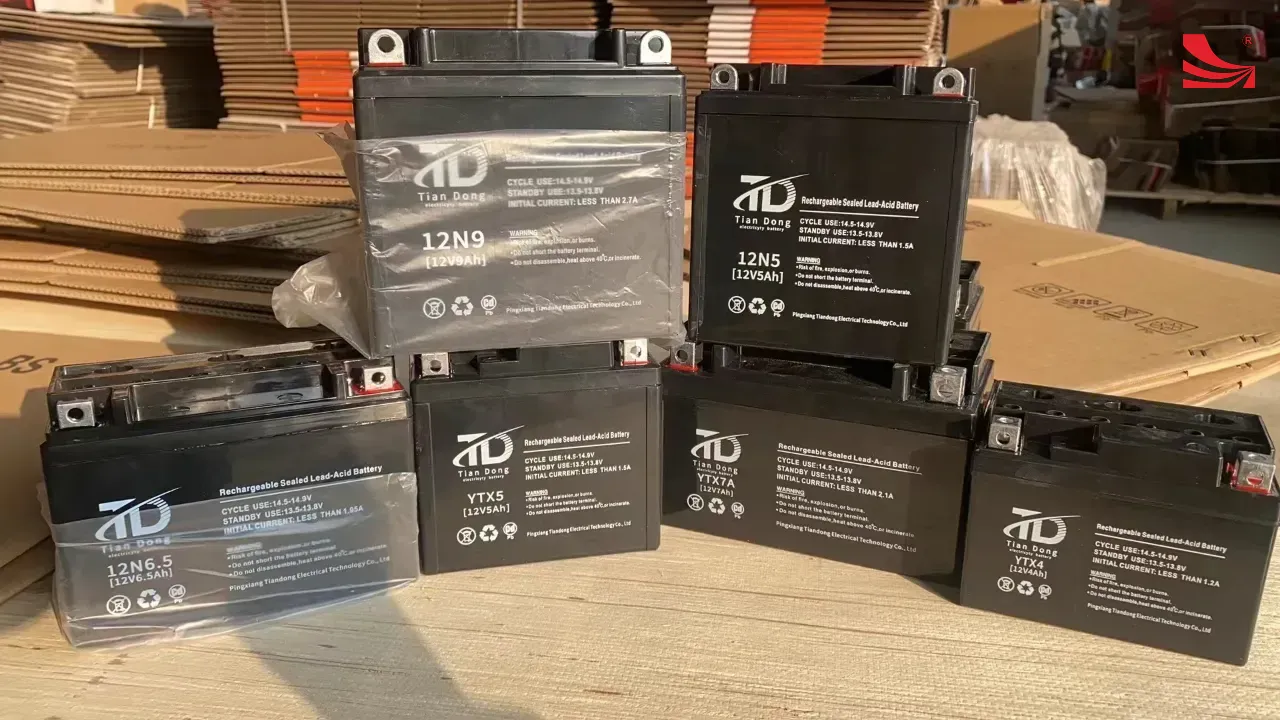
High Performance Motorcycle Batteries for Global Markets

Tiandong Electric Appliance Showcases High-Performance Motorcycle Batteries at Guangzhou Expo

What kind of battery is best for a motorcycle?

The Ultimate Guide to Electric Scooter Batteries: Performance, Longevity, and Future Innovations (2026 & Beyond)

The Ultimate 2026 Guide to Motorcycle Battery Types: Choose, Maintain, and Upgrade for Peak Performance
Product
What is the typical lifespan of your batteries?
Depending on the model and usage conditions, our batteries typically last between 2 to 4 years under normal operation.
Why does my motorcycle battery keep dying?
Common causes include:
-
Faulty charging system
-
Parasitic drain
-
Old battery
-
Improper storage
What certifications do your batteries have?
Our batteries are certified with CE, ISO9001, and RoHS, and meet export standards for markets in Southeast Asia, South Asia, and Africa.
What kind of battery is best for a motorcycle?
AGM batteries are a popular choice because they combine the best of both worlds: the durability of lead-acid batteries and the low maintenance of lithium-ion batteries. AGM batteries are sealed, so they don't require water refills, and they're designed to handle rough conditions, making them ideal for motorcycles.
How long is the lead time and where do you ship?
Standard lead time is 7–15 days. We export to over 20 countries, including Vietnam, India, Egypt, and Thailand.
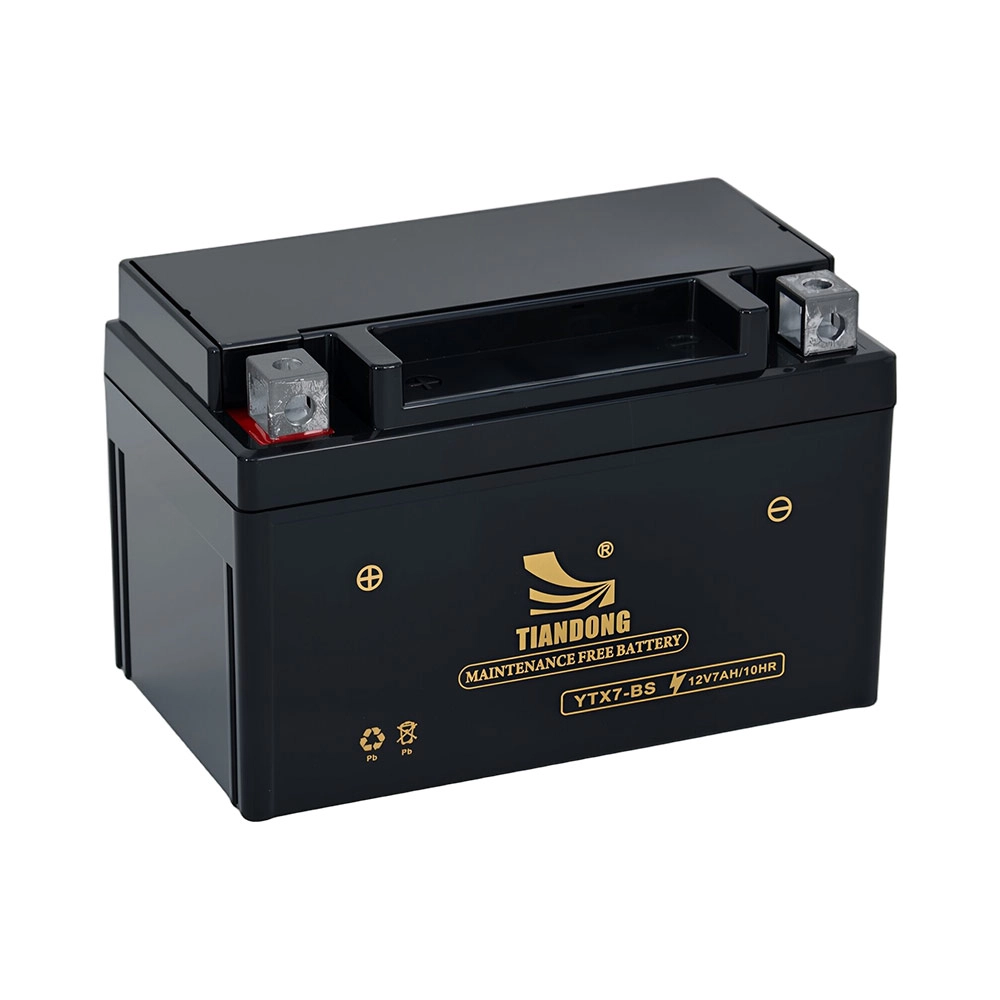
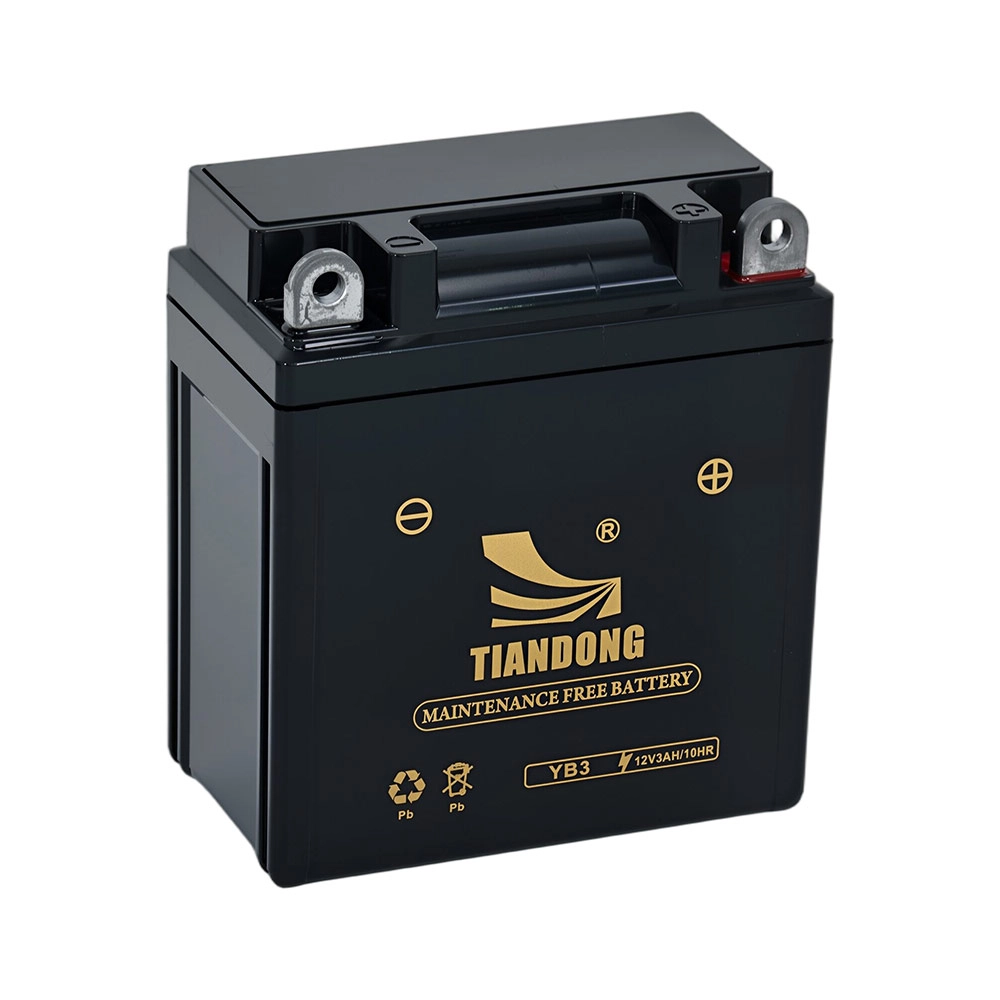
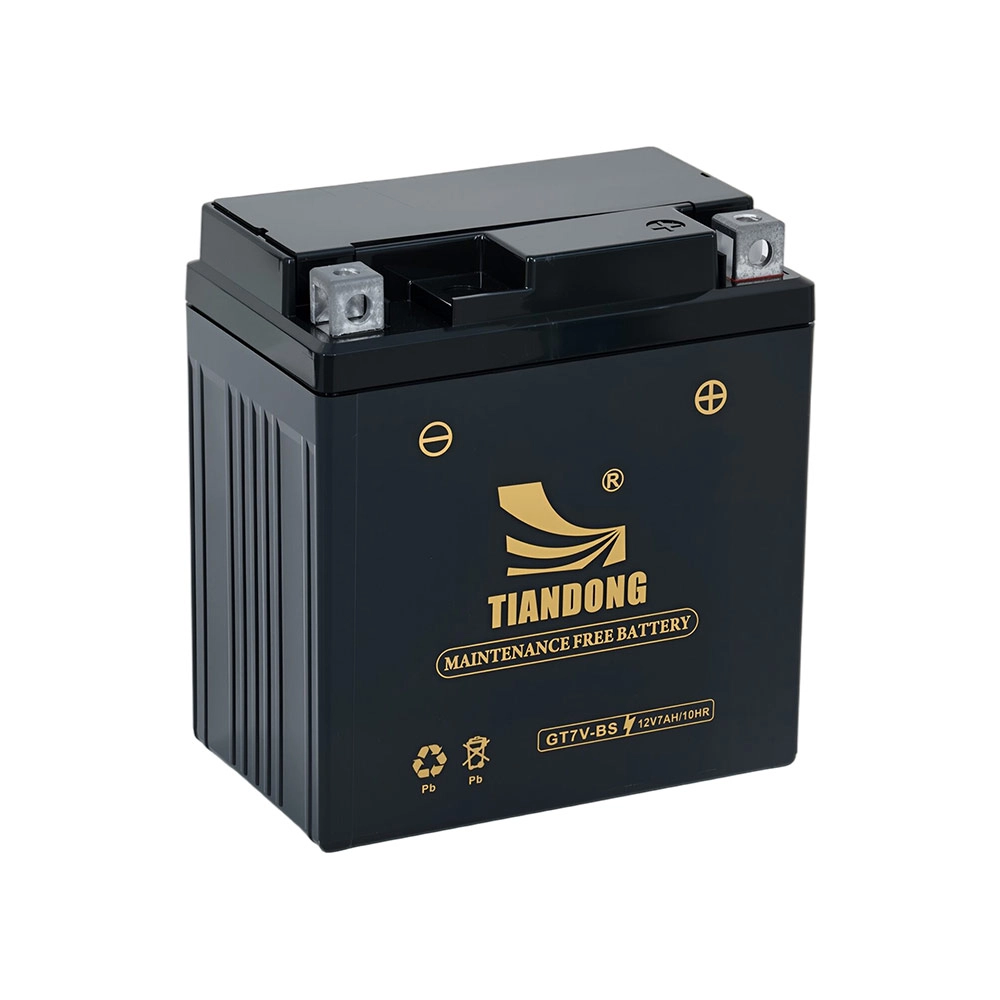
Get in touch with us to get your Motorbike Battery solution
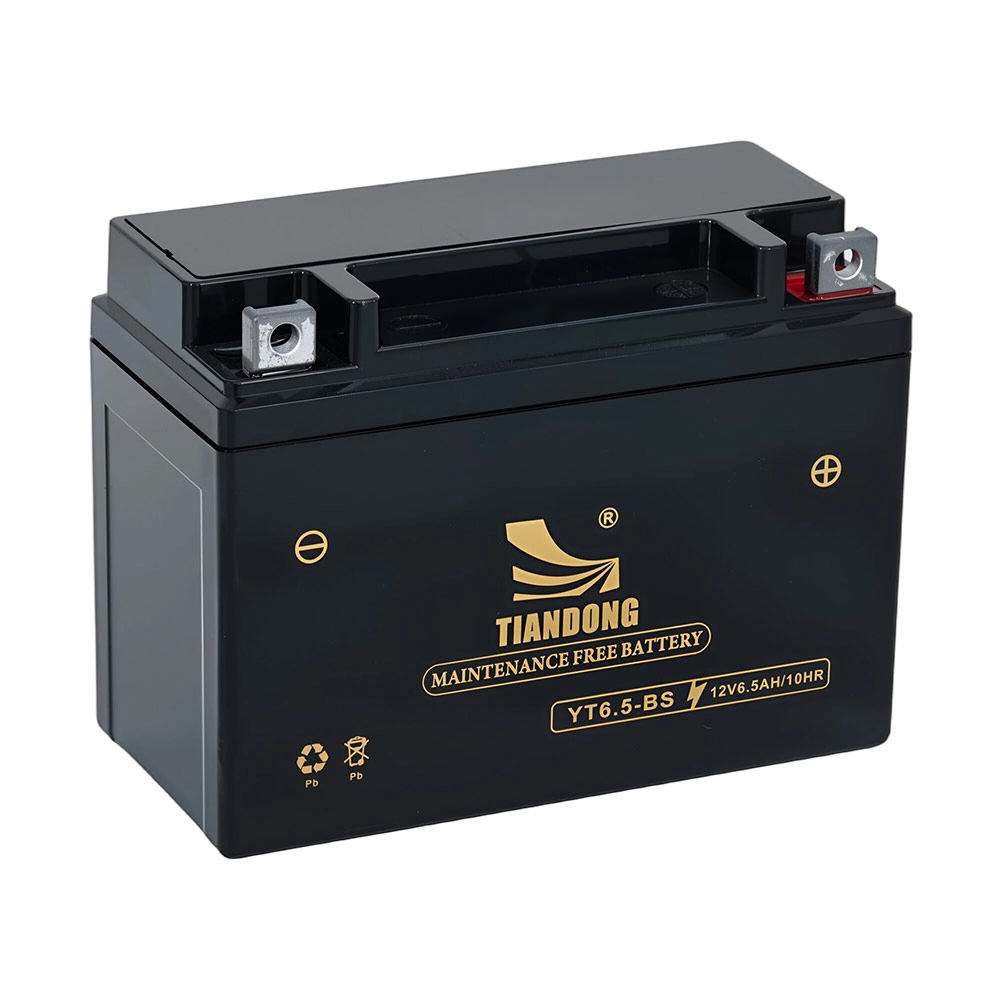
TIANDONG is a leading motorcycle battery manufacturer offering OEM/ODM service, stable quality, and global export support.
Built for wholesalers. Trusted by global buyers. Delivered with confidence.
Say Hello
E-mail: daisybattery8@gmail.com
xianyingchen83@gmail. com
WhatsAPP: +86 134 283 86694
+86 134 348 86641
Our Location
Social Links
© 2025 TIANDONG. All Rights Reserved. Privacy Policy | Terms and Conditions | Sitemap
 Scan QR Code
Facebook
Instagram
Scan QR Code
Whatsapp: +8613434886641