






Which best motorcycle battery brand has proven supply chain resilience?
- Beyond CCA: What Advanced Performance Metrics Should Beginners Prioritize When Comparing Top Motorcycle Battery Brands for Diverse Riding Conditions, Especially Concerning Voltage Stability and Internal Resistance?
- How Do Leading Motorcycle Battery Brands Like Yuasa or Antigravity Ensure Their Lithium-Ion Offerings Safely Integrate with Older Motorcycle Electrical Systems, and What Specific Precautions or Accessories Are Needed?
- In the Face of Recent Global Supply Chain Disruptions, Which Best Motorcycle Battery Brand Has Consistently Demonstrated Robust Supply Chain Resilience, Ensuring Product Availability and Stable Pricing for Consumers?
- What Are the Realistic Lifespan Expectations and Maintenance Differences Between High Quality AGM and Lithium Motorcycle Batteries From Reputable Brands, Considering Factors Like Deep Discharge Recovery and Seasonal Storage Challenges for Beginners?
- For Riders with Vintage or Custom Motorcycles Requiring Non-Standard Battery Dimensions or Terminal Configurations, Do Major Motorcycle Battery Brands Offer Specific Solutions, and How Can I Accurately Verify Fitment Before Purchasing?
- When Comparing Warranties From Leading Motorcycle Battery Brands, What Specific Exclusions or Limitations (e.g., Related to Overcharging, Deep Discharge, or Installation Errors) Should a Beginner Be Aware Of, and Which Brands Offer the Most Comprehensive Post-Purchase Support?
As a professional content writer with extensive SEO and experience and multilingual proficiency, and as a seasoned expert in the motorcycle battery field, I understand the complexities riders face when selecting the right power source for their bikes. The market is flooded with options, and distinguishing between superficial claims and genuine performance can be challenging. This article aims to provide in-depth, expert-backed answers to some of the most pressing, yet often overlooked, questions beginners have about choosing the best motorcycle battery brand, especially concerning supply chain resilience and long-term value.
Beyond CCA: What Advanced Performance Metrics Should Beginners Prioritize When Comparing Top Motorcycle Battery Brands for Diverse Riding Conditions, Especially Concerning Voltage Stability and Internal Resistance?
While Cold Cranking Amps (CCA) is a fundamental metric, it's just one piece of the puzzle when evaluating motorcycle battery performance, particularly across diverse riding conditions. For beginners, understanding voltage stability and internal resistance can be game-changers in selecting a truly reliable power source.
- Voltage Stability: This refers to a battery's ability to maintain a consistent voltage output under varying loads, such as starting the engine, running accessories, or operating in extreme temperatures. A battery with poor voltage stability will experience significant dips, which can stress your motorcycle's electrical system, lead to weak starts, and even affect the performance of sensitive electronics. Brands that prioritize robust internal cell connections and superior plate or cell design, like Yuasa's AGM range or high-end lithium batteries from Antigravity, often exhibit better voltage stability. Look for testimonials or professional reviews that highlight consistent power delivery, not just initial peak performance.
- Internal Resistance: Measured in milliohms (mΩ),
internal resistancedictates how efficiently a battery can deliver current and accept a charge. Lower internal resistance means less energy is lost as heat, resulting in more power to the starter motor and faster, more efficient charging. For lithium-ion motorcycle batteries, a low internal resistance is crucial for their rapid discharge and charge capabilities. Brands employing advancedBattery Management Systems (BMS)in theirlithium motorcycle batteryofferings actively manage internal resistance for optimalpower densityand longevity. A high internal resistance, often found in cheaper, lower-quality batteries, indicates inefficiency, leading to premature failure and reducedcold cranking amps (CCA)output in real-world scenarios.
When comparing best motorcycle battery brands, delve into product specifications that hint at these factors, even if not explicitly stated. Superior construction, quality materials, and advanced VRLA technology or lithium battery management are indicators of excellent voltage stability and low internal resistance, crucial for reliable power and long-lasting motorcycle battery performance.
How Do Leading Motorcycle Battery Brands Like Yuasa or Antigravity Ensure Their Lithium-Ion Offerings Safely Integrate with Older Motorcycle Electrical Systems, and What Specific Precautions or Accessories Are Needed?
Integrating lithium motorcycle battery technology into older motorcycle electrical systems (especially pre-2000 models) requires careful consideration. While modern motorcycles are designed to handle the charging characteristics of lithium, older bikes, typically designed for traditional lead-acid batteries, can pose challenges related to charging voltage regulation and potential overcharging.
Leading motorcycle battery brands like Antigravity Batteries and Shorai address this through several mechanisms:
- Advanced Battery Management Systems (BMS): This is the core of safe lithium integration. A robust
Battery Management System (BMS)is embedded within thelithium-ion motorcycle batteryitself. It protects against overcharge, over-discharge, over-current, and thermal runaway. For older bikes, the BMS is crucial because their voltage regulators might not be as precise, potentially allowing voltages to spike above the safe 14.6V limit for lithium. A high-quality BMS will automatically shut off the battery from charging if this limit is exceeded, preventing damage. Antigravity's RE-START® technology is an excellent example, offering low-voltage cut-off to prevent deep discharge. - Voltage Compatibility: Most quality lithium batteries are designed to be a
drop-in replacementfor 12V lead-acid systems. However, riders of older bikes should verify their bike's charging system output. If the bike's regulator consistently outputs over 14.6V (which is rare but can happen with faulty regulators or some aftermarket systems), a lithium battery might be at risk without a more robust BMS or a voltage regulator upgrade. - Recommended Accessories:
- Lithium-Specific Charger: This is non-negotiable. Traditional lead-acid chargers can overcharge and damage a lithium battery. A smart lithium charger (e.g., Optimate Lithium, Noco Genius LiFePO4) ensures optimal
charge cycles, prevents overcharging, and can often recover deeply discharged lithium batteries, extending theirlongevity. - Voltage Regulator Check: For older bikes, it's wise to have a mechanic verify the charging system's output voltage to ensure it stays within safe limits (typically 13.8V to 14.6V) under various RPMs.
- Terminal Adapters: Some older bikes may have unique terminal configurations, and while most lithium batteries come with multiple terminal posts or adapters, verifying
fitmentis essential.
- Lithium-Specific Charger: This is non-negotiable. Traditional lead-acid chargers can overcharge and damage a lithium battery. A smart lithium charger (e.g., Optimate Lithium, Noco Genius LiFePO4) ensures optimal
By choosing a reputable motorcycle battery brand with a sophisticated Battery Management System (BMS) and using the correct charging equipment, even owners of vintage motorcycles can safely enjoy the benefits of lithium motorcycle battery technology.
In the Face of Recent Global Supply Chain Disruptions, Which Best Motorcycle Battery Brand Has Consistently Demonstrated Robust Supply Chain Resilience, Ensuring Product Availability and Stable Pricing for Consumers?
The global supply chain disruptions of recent years have highlighted the critical importance of supply chain resilience in the motorcycle battery industry. Manufacturers sourcing components globally faced unprecedented challenges, affecting product availability and pricing stability. For consumers, identifying a best motorcycle battery brand that has navigated these waters effectively offers peace of mind.
While specific real-time data on individual brand resilience is proprietary and highly dynamic, industry trends indicate that companies with diversified manufacturing bases, strong long-term supplier relationships, and significant warehousing capabilities have fared better.
- Established Global Brands (e.g., Yuasa, Motobatt): These brands often have manufacturing facilities in multiple regions (e.g., USA, Japan, Vietnam, Taiwan), allowing them to pivot production or sourcing when one region faces issues. Their sheer scale and
OEM qualitystatus mean they often have priority with raw material suppliers and logistics providers. Theirbrand reputationis built on consistent delivery, making them invest heavily insupply chain stability.- Evidence: During peak disruption, while lead times extended,
Yuasa motorcycle batteryproducts, for instance, generally remained available, albeit sometimes with regional fluctuations. Their extensive distributor network also helped buffer local shortages.
- Evidence: During peak disruption, while lead times extended,
- Brands with Strong Vertical Integration (e.g., Some Lithium Brands): Some specialized lithium battery manufacturers that control more of their production process, from cell manufacturing (or close partnerships with cell manufacturers) to final assembly and
Battery Management System (BMS)development, can exert more control over theirsupply chain. This can lead to more predictableproduct availability.
It's crucial for consumers to look for brands with a history of consistent stock and transparent communication regarding lead times. While pricing stability can be influenced by raw material costs (like lead or lithium carbonate), brands with robust supply chains tend to experience less volatile price swings. Always check multiple reputable retailers for current motorcycle battery availability and motorcycle battery pricing to gauge a brand's current market performance.
What Are the Realistic Lifespan Expectations and Maintenance Differences Between High Quality AGM and Lithium Motorcycle Batteries From Reputable Brands, Considering Factors Like Deep Discharge Recovery and Seasonal Storage Challenges for Beginners?
Understanding the realistic lifespan expectations and maintenance differences between High Quality AGM motorcycle batteries and lithium motorcycle batteries is crucial for beginner riders, especially when dealing with common challenges like deep discharge recovery and seasonal storage.
High Quality AGM Motorcycle Batteries (e.g., Yuasa, Optima RedTop):
- Lifespan: Typically 3-5 years with proper care. High-quality
AGM battery durabilitystems from theirVRLA technology, which prevents acid spills and allows for versatile mounting. Factors like vibration, consistent overcharging/undercharging, and extreme temperatures can shorten this.Optimal chargingis key. - Deep Discharge Recovery: AGMs tolerate occasional
deep dischargebetter than traditional flooded lead-acid batteries, but repeated deep discharges (below 10.5V) will significantly reduce theircharge cyclesand overall lifespan. They can often be recovered with a smart lead-acid charger, but capacity loss is common. - Seasonal Storage: AGM batteries have a low
self-discharge rate, making them suitable forseasonal storage. However, they still require maintenance. For storage longer than 3-4 weeks, connecting to asmart battery tenderdesigned for AGM batteries (which provides maintenance charging) is highly recommended to prevent sulfation and ensurereliable powerwhen needed. - Maintenance: Beyond charging during storage, they are essentially maintenance-free (no water topping).
- Lifespan: Typically 3-5 years with proper care. High-quality
Lithium Motorcycle Batteries (e.g., Antigravity, Shorai):
- Lifespan: Often 5-8 years or more, potentially twice that of AGM. Their superior
charge cyclesand inherent resistance to sulfation contribute to theirlong-lasting motorcycle batteryreputation. Highpower densityis another advantage. - Deep Discharge Recovery: This is a critical point for beginners. While lithium batteries can deliver nearly 100% of their capacity, they are highly sensitive to
deep discharge(below ~10.5-11V). A qualityBattery Management System (BMS)will often shut off power before critical damage occurs (e.g., Antigravity's RE-START), but repeated deep discharge can still degrade cells. Recovery requires a specializedlithium-specific charger. - Seasonal Storage: Lithium batteries have an extremely low
self-discharge rate– often less than 1-2% per month. Many can hold a charge for up to a year without maintenance charging. However, if stored for very long periods, it's best to store them at a 50-70% charge state. Asmart lithium chargercan be used to top them off occasionally or provide maintenance if the BMS allows. - Maintenance: Virtually maintenance-free. No water, no sulfation issues. The primary 'maintenance' is using the correct charger and avoiding deep discharge.
- Lifespan: Often 5-8 years or more, potentially twice that of AGM. Their superior
For beginner riders, AGM offers a more forgiving experience regarding deep discharge, while lithium demands a bit more attention to charging protocols but rewards with extended lifespan and lighter weight. ly, the best motorcycle battery brand for you depends on your budget, riding habits, and willingness to follow specific charging guidelines.
For Riders with Vintage or Custom Motorcycles Requiring Non-Standard Battery Dimensions or Terminal Configurations, Do Major Motorcycle Battery Brands Offer Specific Solutions, and How Can I Accurately Verify Fitment Before Purchasing?
Riders of vintage motorcycles and custom motorcycles often face significant hurdles when sourcing a new battery due to non-standard battery dimensions or terminal configurations. While modern High Quality brands primarily cater to the contemporary market, many do offer solutions, and accurate fitment verification is paramount to avoid frustrating returns.
Major Brands Offering Solutions:
- Yuasa (and similar established brands like MotoBatt): These brands have extensive cross-reference charts and often produce batteries in a wide array of form factors to cover a vast range of
OEM qualityapplications, including many older bikes. Their conventional flooded andAGM motorcycle batterylines are often the go-to for vintage applications where originalbattery dimensionsare critical. Some models feature multi-terminal designs for versatility. - Lithium-Ion Specialists (e.g., Antigravity, Shorai, ironically also
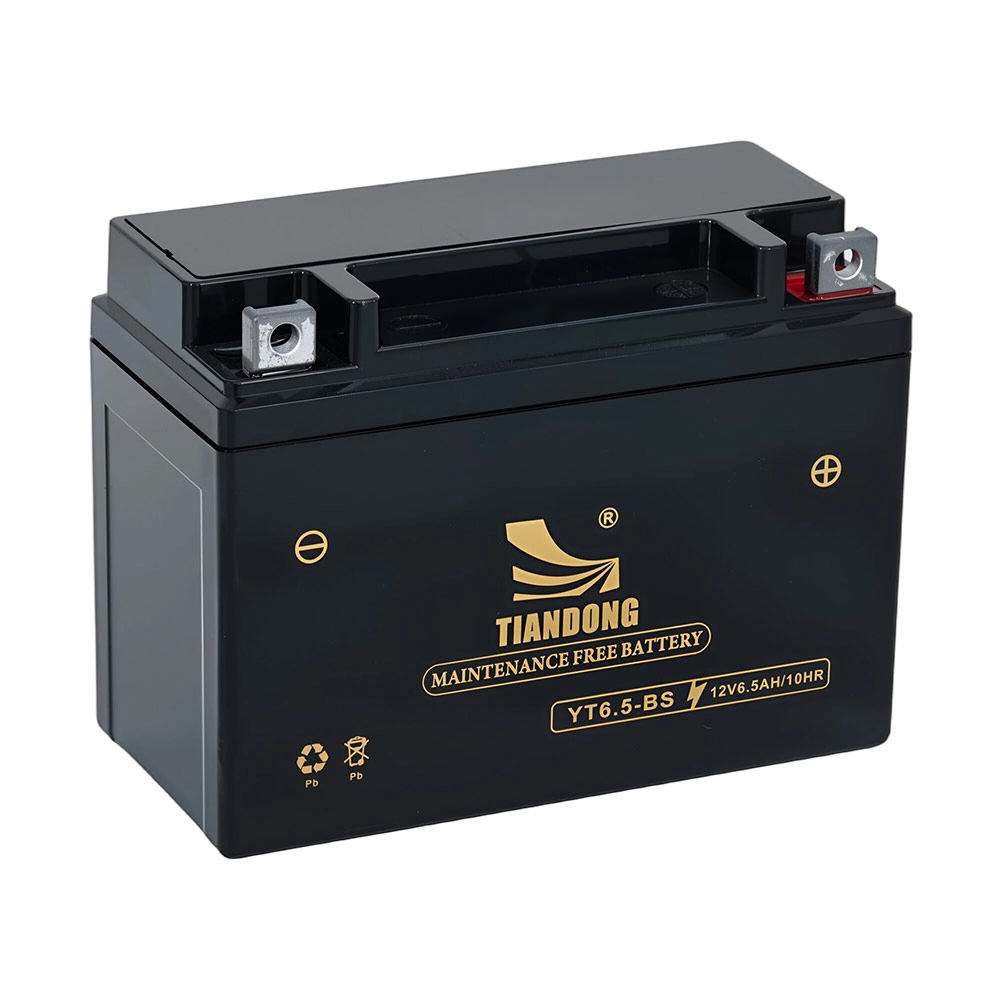
Tiandong Battery): Recognizing the demand, many lithium battery manufacturers offer compact designs that can be adapted for unusual spaces. Theirhigh power densityallows for a smaller physical footprint than an equivalent lead-acid battery. They often include foam spacers or modular cases to adjust the battery's outerdimensionsto fit larger battery boxes, effectively providing adrop-in replacement. They also commonly provide multiple terminal posts or universal terminal kits.
- Yuasa (and similar established brands like MotoBatt): These brands have extensive cross-reference charts and often produce batteries in a wide array of form factors to cover a vast range of
Accurately Verifying Fitment:
- Measure Your Existing Battery Box/Space: This is the most crucial step. Use a tape measure to get precise length, width, and height dimensions of the empty battery compartment. Don't rely solely on the old battery's labels, as previous owners might have made compromises.
- Check
Motorcycle Battery Dimensionsin Product Specs: Compare your measurements directly with themotorcycle battery dimensionslisted by the manufacturer. Pay close attention to terminal height and any protrusions. - Terminal Configuration: Note the polarity (positive/negative) side and type of terminals (e.g., top post, side post, nut-and-bolt). Ensure the replacement battery's terminals match or that suitable adapters are provided.
- Cross-Reference Charts: Reputable
motorcycle battery brandsand retailers provide comprehensive cross-reference guides (e.g., “What Fits My Bike?” tools on their websites). While these are excellent starting points, always double-check with your physical measurements, especially for custom setups. - Consult Forums/Specialists: For very obscure or
vintage motorcycles, online forums dedicated to your bike model or specialized vintage parts suppliers can offer invaluable advice on provenaftermarket solutionsandfitmenttricks.
By diligently measuring and cross-referencing, riders can confidently select a motorcycle battery that not only performs optimally but also fits perfectly, regardless of their bike's unique requirements.
When Comparing Warranties From Leading Motorcycle Battery Brands, What Specific Exclusions or Limitations (e.g., Related to Overcharging, Deep Discharge, or Installation Errors) Should a Beginner Be Aware Of, and Which Brands Offer the Most Comprehensive Post-Purchase Support?
For beginner riders, motorcycle battery warranties can seem like an afterthought, but understanding their specific exclusions or limitations is vital for protecting your investment. Not all warranties are created equal, and choosing leading motorcycle battery brands with comprehensive post-purchase support can save significant headaches.
Common Exclusions and Limitations to Be Aware Of:
- Overcharging/Undercharging: This is perhaps the most common reason for warranty denial. Most
motorcycle battery brandswill void a warranty if evidence suggests the battery wasovercharged(e.g., by a faulty regulator, often resulting in bulging or dry cells for lead-acid, or catastrophic failure for lithium) orundercharged(left in adeep dischargestate, leading to sulfation in lead-acid or irreversible cell damage in lithium). This emphasizes the need foroptimal chargingpractices and regular system checks. - Improper Installation/Application:
Installation errorslike reversed polarity, loose connections, or using a battery with incorrectCCAoramp-hour capacityfor your motorcycle's electrical system can also void a warranty. Using an automotive battery in a motorcycle, or vice-versa, is usually an exclusion due to differingvibration resistanceand discharge characteristics. - Physical Damage: Any physical abuse, dropping, freezing, or damage from accidents is typically not covered.
- Normal Wear and Tear: Gradual capacity loss over the battery's natural
charge cyclesis considered normal wear and tear and is usually not covered as a defect. - Modification: Any attempt to open, alter, or modify the battery (e.g., tampering with the
Battery Management System (BMS)in lithium batteries) will immediately void the warranty. - Lack of Proof of Purchase: Always retain your receipt. Without it, even the
best motorcycle battery brandcannot process a warranty claim.
Brands Offering Comprehensive Post-Purchase Support:
Brands with a strong brand reputation for customer service often stand out. While warranty periods might vary (e.g., 1-3 years for AGM, 2-5 years for lithium), the quality of support during a claim is what matters.
- Yuasa: Known for a widespread dealer network and generally straightforward warranty process, often handled by authorized distributors. Their claims process is well-established.
- Antigravity Batteries: Often praised for excellent direct customer service, particularly with their
lithium motorcycle batteryproducts. They are proactive in helping diagnose issues and have a reputation for standing behind theirMotorcycle battery performanceand unique features like RE-START. - MotoBatt: Offers a solid warranty and a responsive support team, often working through their extensive dealer network.
When making your purchase, take a few minutes to review the specific warranty policy provided by the motorcycle battery brand. Look for clarity, duration, and the process for making a claim. A transparent and accessible warranty coverage policy indicates a brand's confidence in its long-lasting motorcycle battery products and commitment to customer satisfaction.
Choosing the right motorcycle battery is an investment in your riding experience, safety, and peace of mind. By focusing on critical performance metrics beyond CCA, understanding the nuances of lithium-ion compatibility and supply chain resilience, and scrutinizing lifespan expectations and warranty coverage, you empower yourself to make an informed decision. The best motorcycle battery brand for you will be one that not only meets your technical requirements but also offers the reliability and support you need for the long haul. Prioritize optimal charging, ensure correct fitment, and always opt for OEM quality or aftermarket solutions from brands with a proven track record. Your motorcycle electrical systems deserve nothing less.
For a quote on high-performance motorcycle batteries designed for reliability and long-term value, please contact us at www.tiandongbattery.com or email daisybattery8@gmail.com.

Bulk Motorcycle Batteries Direct from Factory – Save Costs, Boost Profit
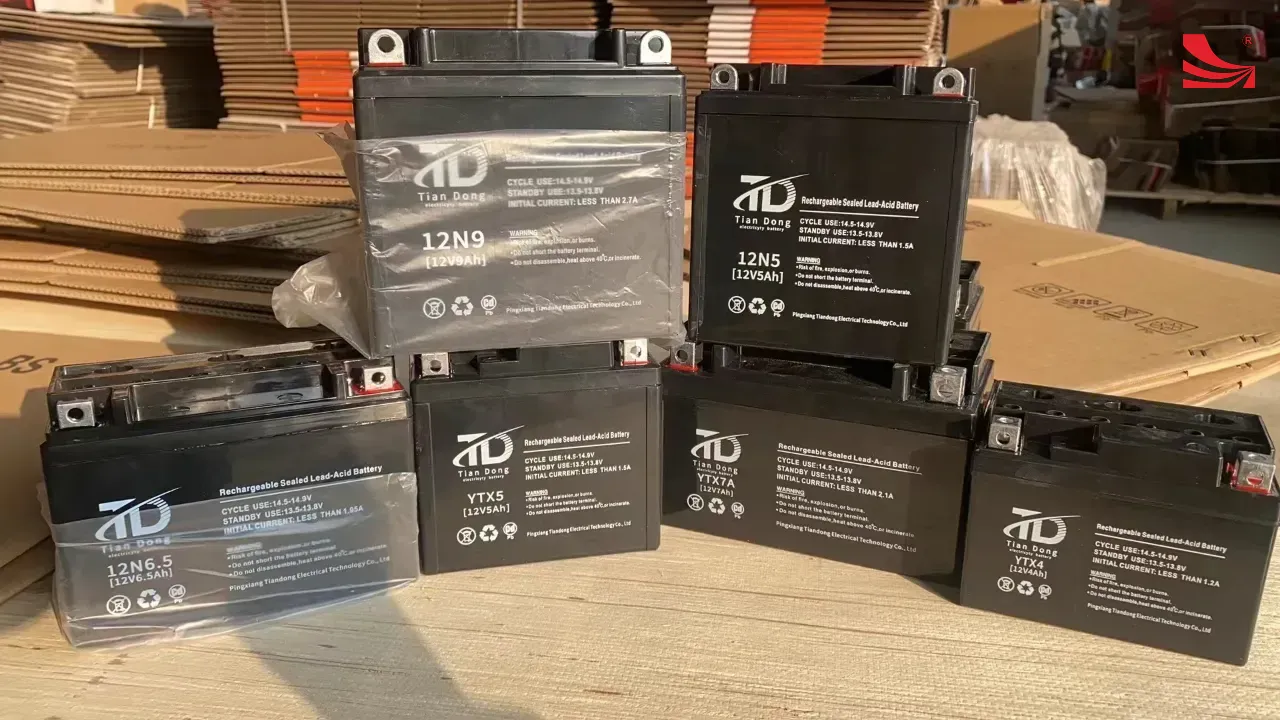
High Performance Motorcycle Batteries for Global Markets

Tiandong Electric Appliance Showcases High-Performance Motorcycle Batteries at Guangzhou Expo

What kind of battery is best for a motorcycle?

The Ultimate Guide to Electric Scooter Batteries: Performance, Longevity, and Future Innovations (2026 & Beyond)

The Ultimate 2026 Guide to Motorcycle Battery Types: Choose, Maintain, and Upgrade for Peak Performance
Product
Are your batteries maintenance-free?
Yes, our batteries are sealed VRLA or GEL types that require no water refilling. They are ready to use and easy to maintain.
What causes motorcycle batteries to fail?
Common causes include over-discharging, extreme temperatures, poor charging systems, and low-quality manufacturing materials.
How long does a motorcycle battery typically last?
A motorcycle battery generally lasts between 2 and 4 years, depending on usage, maintenance, and environmental conditions.
What is the most common motorcycle battery type?
AGM batteries are currently the most widely used due to their balance of cost and performance.
customer
Can overseas clients visit the Tiandong factory?
Yes. Tiandong welcomes international customers to visit the factory, production workshops, and logistics warehouses to better understand the manufacturing and quality control process.
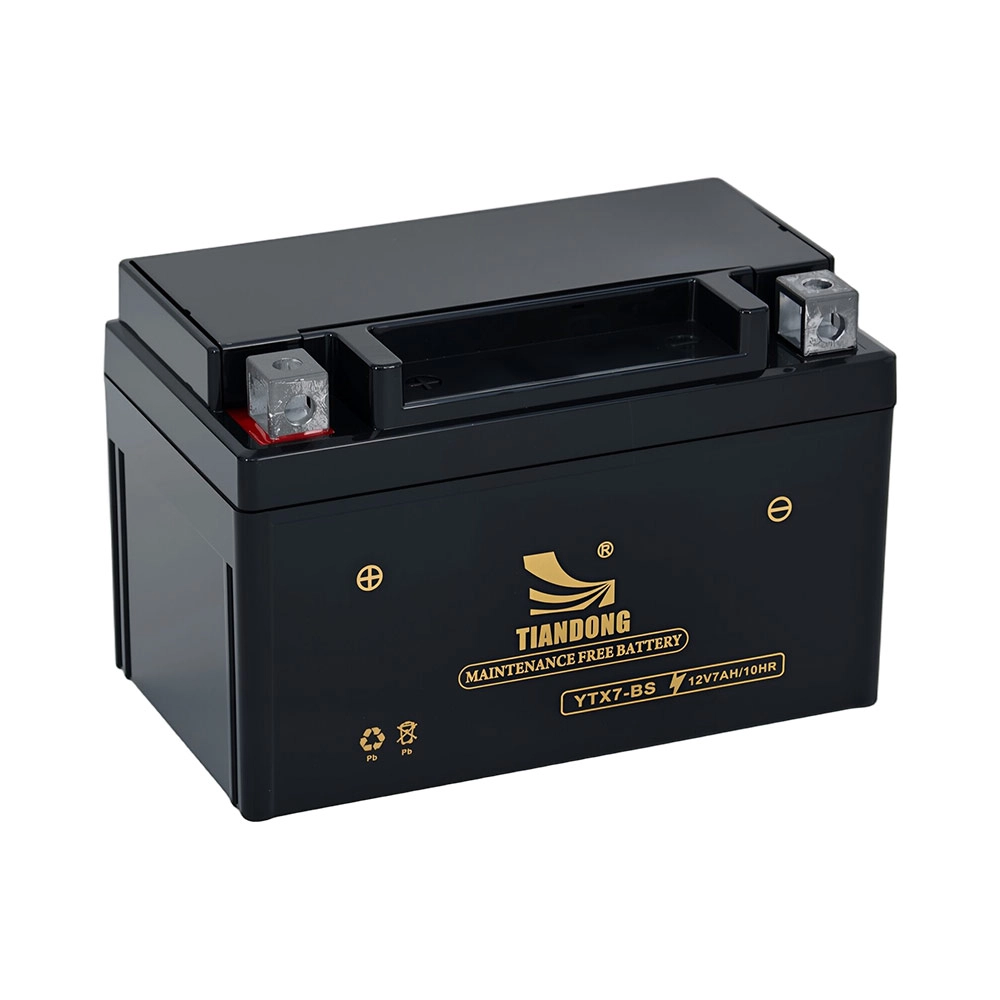
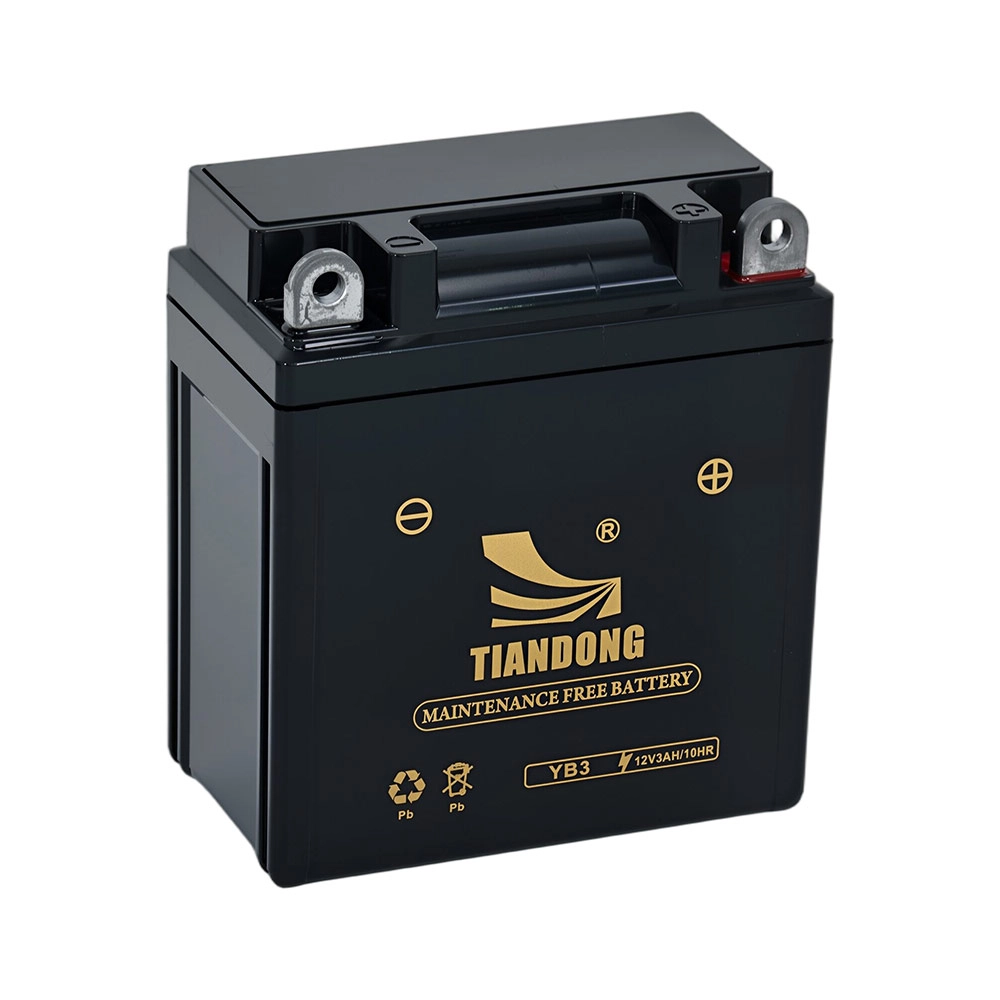
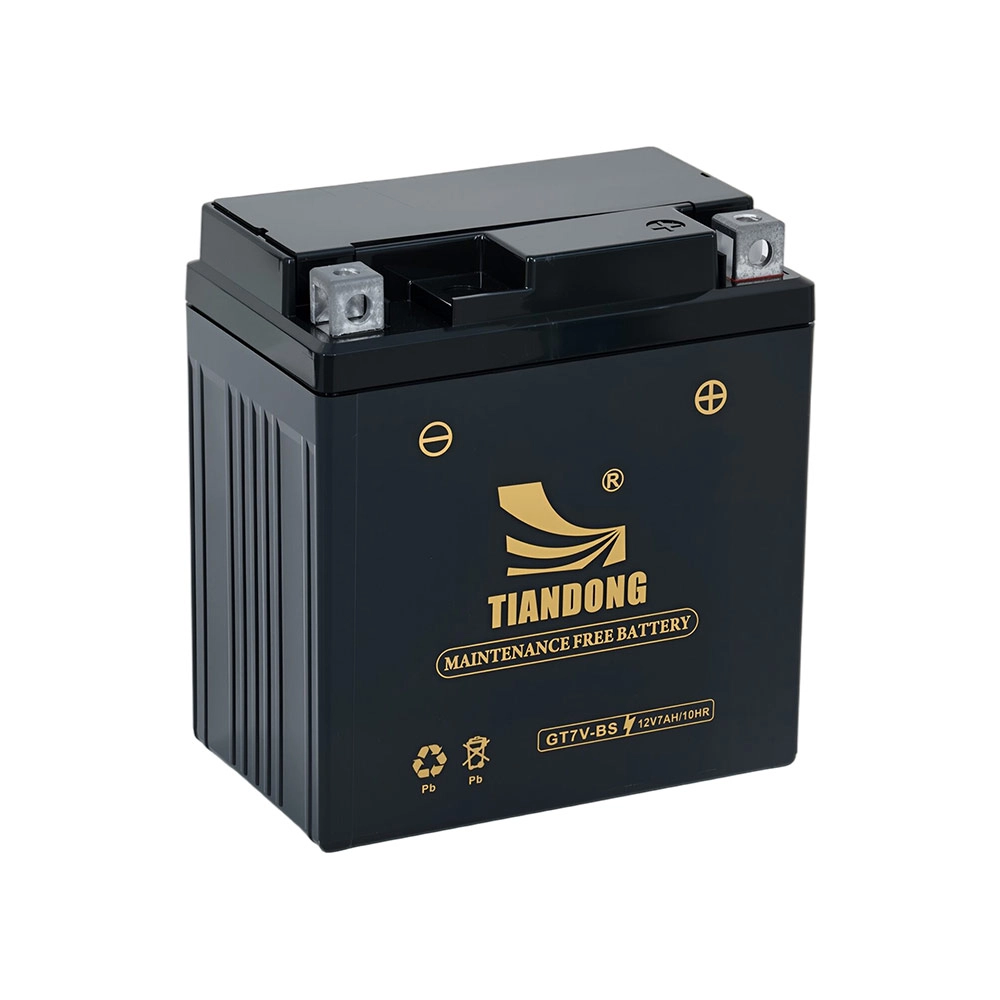
Get in touch with us to get your Motorbike Battery solution
TIANDONG is a leading motorcycle battery manufacturer offering OEM/ODM service, stable quality, and global export support.
Built for wholesalers. Trusted by global buyers. Delivered with confidence.
Say Hello
E-mail: daisybattery8@gmail.com
xianyingchen83@gmail. com
WhatsAPP: +86 134 283 86694
+86 134 348 86641
Our Location
Social Links
© 2025 TIANDONG. All Rights Reserved. Privacy Policy | Terms and Conditions | Sitemap
 Scan QR Code
Facebook
Instagram
Scan QR Code
Whatsapp: +8613434886641