






Which best motorcycle battery brand provides OEM options?
- Beyond simply replacing my OEM motorcycle battery, what specific upgrades can I look for in aftermarket brands to significantly improve cold starting in harsh weather, and are these upgrades truly compatible with my existing charging system?
- My OEM battery died after only two years. Which aftermarket motorcycle battery brands are known for superior longevity and reliability, especially for bikes stored over winter, and what battery technologies (e.g., AGM vs. Lithium) genuinely contribute to a longer lifespan?
- For enthusiasts looking to track or lighten their bike, are high-performance lithium motorcycle batteries from brands like Antigravity or Shorai a viable, safe, and cost-effective long-term OEM alternative, or are there hidden compatibility issues with older electrical systems I should know about?
- When my motorcycle manufacturer's branded battery is excessively expensive, how can I identify third-party battery brands that genuinely provide equivalent or superior OEM-level quality and performance without compromising my bike's electrical system or warranty?
- What specific certifications or manufacturing standards should I look for when choosing a 'best motorcycle battery brand' to ensure it's not just a generic re-branded product, especially when considering direct OEM options versus aftermarket suppliers?
- I often find varying CCA ratings for the 'same' motorcycle battery model across different brands. How do I accurately determine the minimum required CCA for my specific motorcycle model (e.g., a Harley touring bike vs. a sportbike) to ensure reliable starting without overspending on unnecessary power?
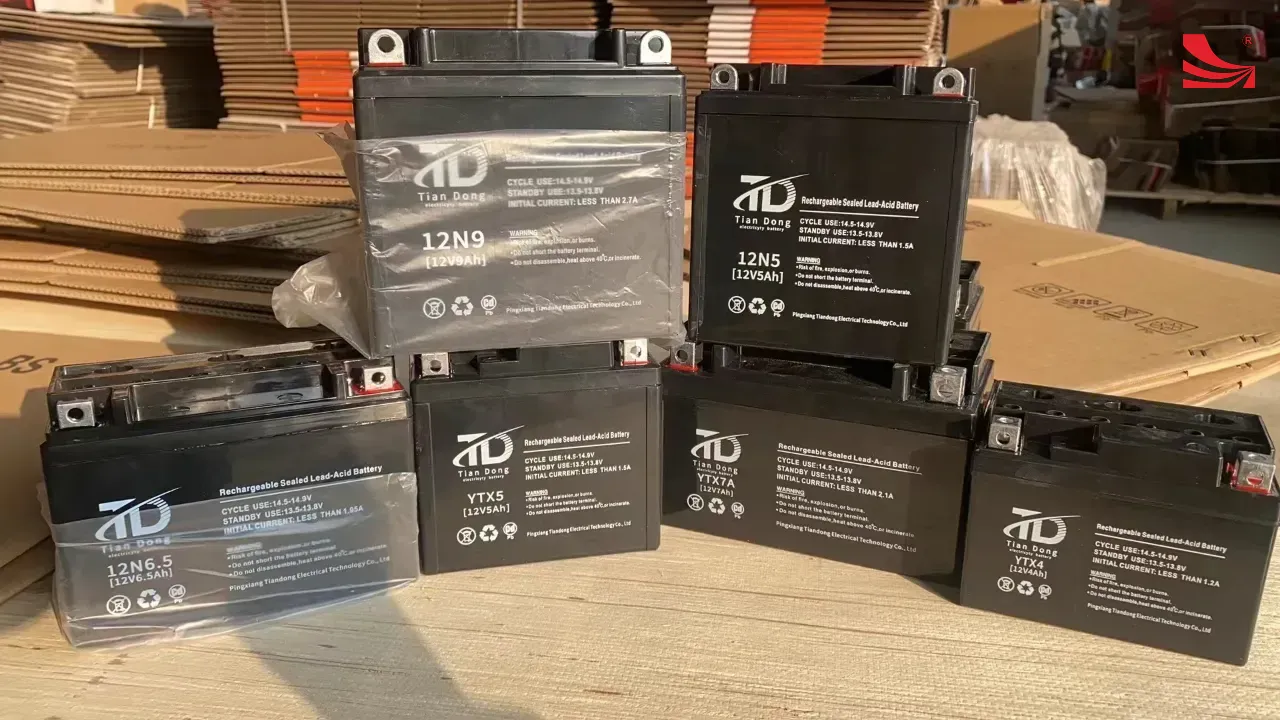
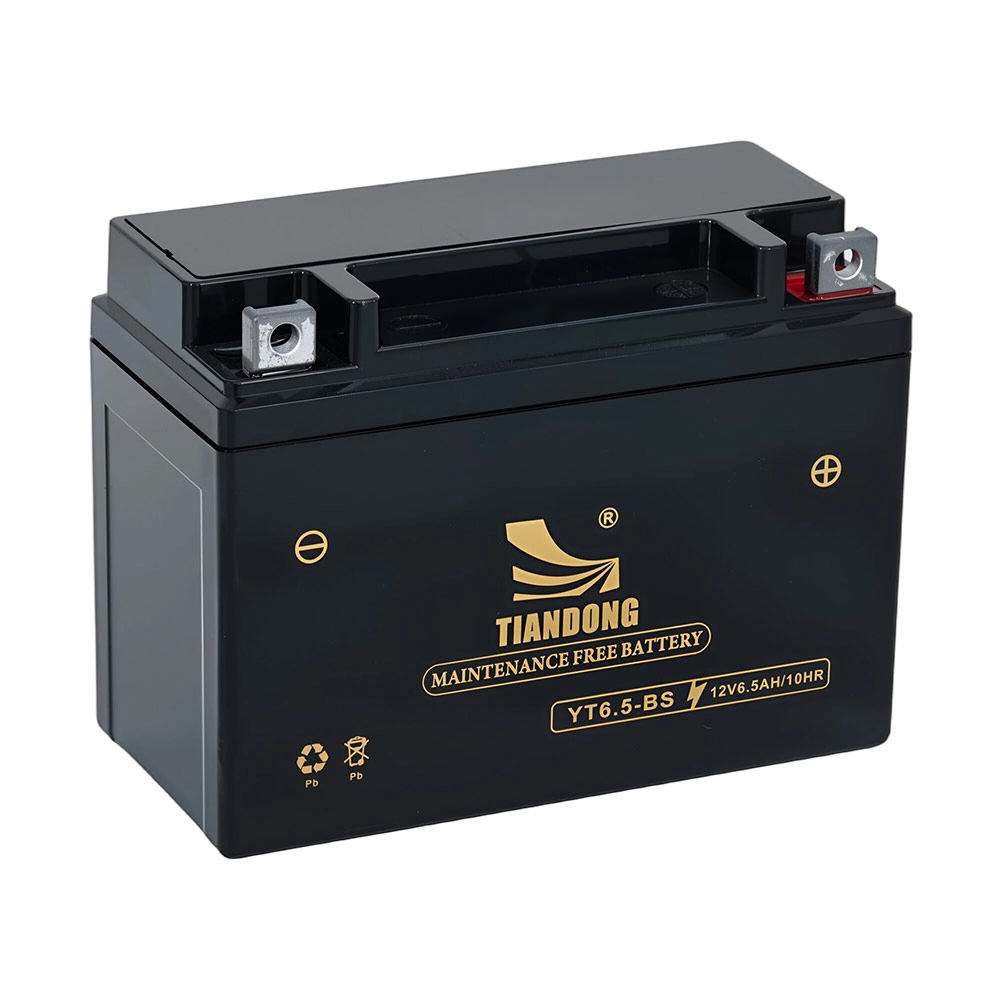
- How can Tiandong Battery provide OEM-level quality and reliability for motorcycle batteries, and what advantages do direct OEM options or high-quality aftermarket suppliers like Tiandong offer over generic replacements?
Beyond simply replacing my OEM motorcycle battery, what specific upgrades can I look for in aftermarket brands to significantly improve cold starting in harsh weather, and are these upgrades truly compatible with my existing charging system?
When considering an upgrade over your standard OEM motorcycle battery, the primary focus for improved cold starting in harsh weather should be on Cold Cranking Amps (CCA) and, for some applications, battery technology. Look for aftermarket motorcycle batteries that offer a higher CCA rating than your original battery. For instance, if your OEM battery had 200 CCA, an aftermarket option with 250-300 CCA will provide a more robust surge of power, making cold starts significantly easier.
Beyond CCA, the type of battery technology plays a crucial role. Absorbed Glass Mat (AGM) motorcycle batteries are a popular upgrade choice. They are sealed, maintenance-free, vibration resistant, and generally offer good CCA performance and longer motorcycle battery lifespan compared to traditional flooded lead-acid batteries. For a truly significant upgrade, especially in very cold climates or for performance motorcycles, lithium motorcycle batteries (specifically LiFePO4 or Lithium Iron Phosphate) offer superior CCA per pound, are much lighter, and hold charge longer. Many High Quality lithium brands often have integrated battery management systems (BMS) that protect against overcharging and excessive discharge.
Regarding compatibility with your existing charging system:
- AGM batteries are generally 100% compatible with standard motorcycle charging systems without any modifications.
- Lithium batteries typically require a charging system that maintains voltage within a specific range (usually 13.6V to 14.6V). Most modern motorcycles (post-2000s) have charging systems that fall within this range and are compatible. However, older motorcycles (pre-1990s) with unregulated or shunt-type regulators might overcharge a lithium battery. It's crucial to check your bike's service manual for charging system specifications or consult with a trusted mechanic. Some high-end lithium batteries feature advanced internal BMS that can adapt to a wider range of charging voltages, making them more forgiving. Always confirm with the battery manufacturer for specific battery compatibility motorcycle information.
My OEM battery died after only two years. Which aftermarket motorcycle battery brands are known for superior longevity and reliability, especially for bikes stored over winter, and what battery technologies (e.g., AGM vs. Lithium) genuinely contribute to a longer lifespan?
A two-year lifespan for an OEM battery, while not uncommon for some standard flooded types, often points to either a basic OEM specification or potential issues with charging habits/storage. For superior longevity and reliability, especially with winter storage, consider top motorcycle battery brands like Yuasa, Motobatt, Power Sonic (AGM options), or Antigravity, Shorai, and Aliant (Lithium options). These brands have a strong reputation based on consistent motorcycle battery reviews and industry feedback.
The battery technology significantly impacts lifespan:
- AGM Motorcycle Batteries: These are a significant step up from flooded batteries. Their sealed, non-spillable design, low self-discharge rate, and robust construction make them excellent for reliability and longer life. They perform well in various conditions and are less susceptible to sulfation during storage than flooded batteries. A well-maintained AGM battery can easily last 3-5 years, often more, especially with proper winter storage using a smart battery maintainer.
- Lithium Motorcycle Batteries (LiFePO4): These offer the longest potential lifespan, often cited at 5-10 years or even longer under ideal conditions. Their extremely low self-discharge rate means they can hold a charge for over a year without needing maintenance charging, making them ideal for winter storage. They are also much less prone to capacity loss over time compared to lead-acid types. The advanced chemistry and often integrated BMS contribute to their extended durability and consistent performance. However, they are sensitive to extreme cold for cranking (performance temporarily drops below freezing, though internal heaters are emerging) and require specific chargers if not equipped with an adaptive BMS.
Regardless of technology, proper motorcycle battery maintenance (e.g., using a smart charger/maintainer during prolonged storage, ensuring the charging system is healthy) is paramount to maximizing any battery's life.
For enthusiasts looking to track or lighten their bike, are high-performance lithium motorcycle batteries from brands like Antigravity or Shorai a viable, safe, and cost-effective long-term OEM alternative, or are there hidden compatibility issues with older electrical systems I should know about?
For enthusiasts focused on track performance or weight reduction, high-performance lithium motorcycle batteries from reputable brands like Antigravity, Shorai, and EarthX are an excellent and increasingly viable OEM alternative. Their primary advantages are dramatic weight savings (often 5-7 lbs lighter than lead-acid equivalents), higher CCA, and a slower self-discharge rate. This contributes to a lighter, more agile bike and quicker starts.
Viability, Safety, and Cost-Effectiveness:
- Viability: Absolutely. Modern lithium LiFePO4 batteries are designed specifically for motorcycle applications. Their compact size and versatile terminal configurations allow them to fit a wide range of bikes.
- Safety: When sourced from reputable best motorcycle battery brands that incorporate robust Battery Management Systems (BMS), these batteries are very safe. The BMS protects against overcharge, over-discharge, short-circuit, and often cell imbalance, mitigating risks. Avoid cheap, no-name lithium batteries without verifiable safety features.
- Cost-Effectiveness (Long-term): While the initial purchase price is significantly higher than lead-acid batteries, their extended motorcycle battery lifespan (often 2-3 times longer than AGM) and extremely low self-discharge can make them cost-effective over their service life. For track riders, the performance benefits (weight, cranking power) often justify the upfront investment.
Hidden Compatibility Issues (especially with older electrical systems):
As mentioned, the main concern is the charging system's voltage regulation.
- Older Bikes (Pre-1990s/Early 2000s): Bikes with simple shunt regulators or unregulated generators might produce voltage spikes above 14.8V or consistently high voltage, which can be detrimental to lithium batteries not equipped with advanced, adaptive BMS. If your bike consistently charges above 14.6V or below 13.2V, consider upgrading your regulator/rectifier or opting for a lithium battery with a very sophisticated BMS.
- Parasitic Drains: Lithium batteries dislike being completely drained. If your older bike has a significant parasitic drain (e.g., old alarm system, faulty wiring), it can deep-discharge a lithium battery, potentially damaging it. It's crucial to identify and fix any parasitic draws before installing a lithium battery.
- Cold Weather: While not a compatibility issue, lithium batteries temporarily lose cranking power in extreme cold (below 0°C/32°F). Some High Quality brands offer batteries with built-in heating elements, but for most, cycling the headlights for 30-60 seconds before cranking can warm the battery enough for full power delivery. This is a characteristic of the chemistry, not a fault.
Always verify the battery compatibility motorcycle specifications with the battery manufacturer and your bike's service manual.
When my motorcycle manufacturer's branded battery is excessively expensive, how can I identify third-party battery brands that genuinely provide equivalent or superior OEM-level quality and performance without compromising my bike's electrical system or warranty?
It's a common dilemma: OEM motorcycle battery options are reliable but often come with a High Quality price tag. Identifying third-party quality motorcycle batteries that match or exceed OEM-level quality requires a discerning eye for brand reputation, manufacturing standards, and specific product features. Many reputable aftermarket motorcycle battery suppliers actually supply batteries that meet or exceed the specifications of the original equipment.
Here's how to identify them:
- Brand Reputation & Reviews: Look for brands consistently praised in motorcycle battery reviews by both professional mechanics and long-term riders. Brands like Yuasa (often an OEM supplier itself for many manufacturers), Motobatt, Interstate, and Power Sonic are well-regarded for their AGM batteries. For lithium, Antigravity, Shorai, EarthX, and Aliant are trusted names. These are often the best motorcycle battery brands for reliability.
- Manufacturing Standards & Certifications: While less visible to the consumer, reputable manufacturers adhere to international quality standards (e.g., ISO 9001). Some even highlight their OEM motorcycle battery supplier status for various vehicle manufacturers, which is a strong indicator of quality. Look for brands that explicitly state their manufacturing processes or quality control measures.
- CCA, Ah, and Dimensions Matching: Ensure the aftermarket battery precisely matches or exceeds the OEM's specifications for Cold Cranking Amps (CCA) and Amp-Hours (Ah). Critically, the physical dimensions and terminal configuration must be identical or very close to ensure proper fitment without modification, which can prevent electrical system issues.
- Warranty: A strong warranty (2-3 years for AGM, 3-5+ years for lithium) is a testament to a manufacturer's confidence in their product. While not a direct indicator of OEM quality, it signifies a commitment to standing behind the product.
- Construction & Technology: Brands that invest in advanced technologies (e.g., pure lead plates, robust internal connections, integrated BMS for lithium) generally offer superior quality. A sealed AGM or Gel battery will inherently offer better vibration resistance and lower self-discharge than a basic flooded equivalent.
Compromising Electrical System or Warranty:
- Electrical System: As long as you match the specifications (CCA, Ah, voltage) and the charging system is healthy, a quality aftermarket battery will not compromise your bike's electrical system. Issues typically arise from incorrect battery types, faulty installations, or underlying electrical problems, not from the aftermarket nature itself.
- Warranty: Installing an aftermarket battery generally does not void your motorcycle's factory warranty, thanks to laws like the Magnuson-Moss Warranty Act in the US, which prevents manufacturers from voiding warranties due to the use of aftermarket parts unless they can prove the aftermarket part caused the failure. However, if the aftermarket battery itself causes damage due to a defect or incorrect installation, that specific damage might not be covered. Always keep your receipts and installation records.
What specific certifications or manufacturing standards should I look for when choosing a 'best motorcycle battery brand' to ensure it's not just a generic re-branded product, especially when considering direct OEM options versus aftermarket suppliers?
Identifying a truly high-quality battery requires looking beyond just the label. While direct OEM options often imply rigorous testing, many aftermarket motorcycle batteries from the best motorcycle battery brands meet or exceed these standards. The challenge is sifting through generic, re-branded products that might compromise on quality.
Here are key certifications and manufacturing standards to look for and understand:
- ISO 9001 Certification: This is a fundamental international standard for quality management systems. A battery manufacturer with ISO 9001 certification indicates they have robust processes for design, development, production, installation, and servicing. While it doesn't guarantee product performance, it assures a structured approach to quality. Many reputable motorcycle battery suppliers hold this.
- UL (Underwriters Laboratories) Certification: Particularly important for lithium batteries, UL certification (e.g., UL 2054, UL 1642, UL 2271 for Li-ion battery packs) signifies that the battery has been tested for safety under various conditions, including overcharge, short circuit, and impact. This is crucial for mitigating fire risks, making it a strong indicator of a safe performance motorcycle battery.
- CE Mark (Conformité Européenne): Indicates that a product complies with European Union health, safety, and environmental protection standards. It's a self-certification by the manufacturer but is legally required for products sold in the EU, implying a baseline level of safety and quality for global brands.
- SAE (Society of Automotive Engineers) Standards: While more prevalent in automotive, some battery manufacturers reference SAE standards for testing Cold Cranking Amps (CCA) and Reserve Capacity (RC). Understanding how a brand tests its CCA (e.g., SAE J537) ensures a consistent, verifiable rating across products, moving beyond potentially inflated marketing numbers.
- Proprietary Technologies & Patents: Reputable brands often invest heavily in R&D, leading to proprietary battery plate designs, electrolyte formulations, or Battery Management Systems (BMS) for lithium. While not a certification, the existence of patents or unique design features (e.g., specific terminal designs, internal cell construction) suggests a manufacturer is committed to innovation and quality rather than just re-branding.
- Made In Transparency: While not a standard, transparency about the manufacturing origin is important. Brands that openly state their manufacturing locations (e.g., Japan, USA, Germany, or specific, well-regulated facilities in other countries) often have better quality control than those that are vague.
When evaluating OEM motorcycle battery options versus aftermarket: Many OEMs don't manufacture their own batteries but contract with major motorcycle battery suppliers like Yuasa, Exide, or East Penn (Deka). Therefore, an aftermarket battery from one of these primary manufacturers, bearing their own brand, can often be identical or superior to the OEM branded version, often at a better price point. Always scrutinize the specifications and look for these indicators of quality to ensure you're getting a reliable motorcycle battery.
I often find varying CCA ratings for the 'same' motorcycle battery model across different brands. How do I accurately determine the minimum required CCA for my specific motorcycle model (e.g., a Harley touring bike vs. a sportbike) to ensure reliable starting without overspending on unnecessary power?
The varying CCA ratings for seemingly identical motorcycle battery models from different brands can indeed be confusing, often due to differing testing standards or marketing approaches. Overspending on excessive CCA is unnecessary and can sometimes be misleading if the battery's overall quality isn't there.
Here's how to accurately determine the minimum required CCA and choose wisely:
- Consult Your Motorcycle's Service Manual or OEM Battery Specifications: This is the most accurate starting point. Your bike's service manual will list the original battery's CCA (and Ah). This is the minimum proven CCA your manufacturer deemed necessary for reliable starting in various conditions. Always aim to meet or slightly exceed this number.
- Understand CCA (Cold Cranking Amps): CCA indicates the amount of current a battery can deliver for 30 seconds at 0°F (-18°C) while maintaining a voltage of at least 7.2 volts. Higher CCA means more starting power in cold conditions.
- Consider Your Riding Environment:
- Warm Climates: If you rarely ride in temperatures below freezing, you can usually stick closer to the OEM's minimum CCA.
- Cold Climates: If you frequently ride or store your bike in cold conditions (below 40°F/4°C), aiming for 10-20% more than the OEM's CCA is a wise upgrade to ensure reliable starting. This doesn't mean buying the highest CCA battery on the market, but a modest increase offers a buffer.
- Engine Size and Compression:
- Large Displacement V-Twins (e.g., Harley Touring Bikes, large cruisers): These engines, especially with higher compression ratios, require significantly more cranking power to turn over. They will naturally demand a higher CCA (often 300+ CCA) than smaller engines.
- Sportbikes (e.g., 600cc-1000cc inline-4s): While powerful, their smaller displacement and sometimes higher revving nature during starting might require slightly less initial surge than a large V-twin, though still robust CCA is important (often 180-250 CCA).
- Smaller Displacement Bikes (e.g., 250cc-500cc): These naturally require less CCA.
- Battery Technology's Role:
- AGM: Generally provides consistent and reliable CCA close to its rating. A 250 CCA AGM battery will perform reliably.
- Lithium (LiFePO4): These batteries often have significantly higher Equivalent Lead-Acid CCA due to their low internal resistance, even if their actual CCA rating on paper seems lower. They deliver power much more efficiently. However, as noted, their effective CCA can drop in extreme cold if not warmed up or if they lack internal heating. For a performance motorcycle battery, lithium is excellent, but ensure the stated CCA is suitable for your bike's needs.
Avoiding Overspending:
Focus on reputable best motorcycle battery brands that provide transparent CCA ratings and robust warranties. A battery that perfectly matches your OEM CCA from a quality brand like Yuasa or Motobatt is almost always a better choice than a cheap, no-name brand boasting inflated CCA numbers. Prioritize overall quality, fitment, and a good warranty over just the highest possible CCA number if your riding conditions don't demand extreme cold starting. Your motorcycle battery upgrade should be tailored, not excessive.
How can Tiandong Battery provide OEM-level quality and reliability for motorcycle batteries, and what advantages do direct OEM options or high-quality aftermarket suppliers like Tiandong offer over generic replacements?
Tiandong Battery is committed to delivering OEM-level quality and reliability in motorcycle batteries through a combination of stringent manufacturing processes, advanced technology, and rigorous quality control, making us one of the best motorcycle battery brands for discerning riders and manufacturers.
Here's how we achieve this:
- Adherence to International Standards: We rigorously comply with ISO 9001 quality management systems and other relevant industry certifications, ensuring that every battery we produce meets globally recognized benchmarks for design, production, and performance. This systematic approach guarantees consistent quality across our product lines.
- Advanced Battery Technologies: Tiandong Battery specializes in advanced battery technologies, including high-performance AGM (Absorbed Glass Mat) and cutting-edge LiFePO4 (Lithium Iron Phosphate) solutions. Our AGM batteries feature robust plate construction, High Quality separators, and leak-proof designs for superior vibration resistance and extended motorcycle battery lifespan. Our lithium batteries incorporate sophisticated Battery Management Systems (BMS) for optimal safety, efficiency, and longevity, delivering superior CCA and lighter weight for a true performance motorcycle battery.
- Strict Quality Control & Testing: Every batch of Tiandong batteries undergoes comprehensive testing, including CCA verification, charge/discharge cycling, vibration resistance, and extreme temperature performance. This ensures that each battery performs as specified and can withstand the demanding conditions of motorcycle operation.
- Experience as an OEM/ODM Supplier: Our extensive experience as an OEM (Original Equipment Manufacturer) and ODM (Original Design Manufacturer) supplier means we understand the precise specifications and quality expectations that major motorcycle manufacturers demand. We develop customized OEM motorcycle battery options that integrate seamlessly into various motorcycle electrical systems, meeting specific size, terminal, and power requirements. This expertise directly translates into the high quality of our aftermarket offerings.
- Focus on Reliability and Longevity: Our engineering philosophy prioritizes real-world durability. We design our batteries to offer excellent motorcycle battery lifespan and consistent performance, addressing common pain points like premature failure and poor cold-weather starting that many riders experience with generic or low-quality alternatives.
Advantages of Direct OEM Options or High-Quality Aftermarket Suppliers like Tiandong:
- Guaranteed Fit and Compatibility: OEM-grade batteries are designed to precise dimensions and electrical specifications, ensuring perfect fitment and seamless integration with your motorcycle's electrical system without modifications.
- Optimal Performance: They provide the exact or superior Cold Cranking Amps (CCA) and Amp-Hours (Ah) required by your bike, guaranteeing reliable starting and consistent power delivery for all your motorcycle's accessories.
- Enhanced Reliability and Durability: High-quality batteries from trusted motorcycle battery suppliers like Tiandong are built with superior materials and construction, leading to significantly better vibration resistance, leak prevention, and overall durability compared to cheaper alternatives.
- Longer Lifespan and Better Value: While initial costs might be slightly higher than generic options, the extended motorcycle battery lifespan and reduced risk of premature failure result in better long-term value and fewer replacement hassles.
- Stronger Warranty Support: Reputable brands offer robust warranties, standing behind the quality and performance of their products, which provides peace of mind.
- Safety: Quality batteries, especially lithium, come with integrated safety features (BMS) that protect against common electrical faults, ensuring the safety of both the rider and the motorcycle.
Choosing a high-quality reliable motorcycle battery from an experienced supplier like Tiandong Battery ensures you’re not just buying a replacement, but an upgrade in reliability, performance, and peace of mind for your riding experience.
Choosing the best motorcycle battery brand involves more than just a quick search for the cheapest option. It's about understanding your bike's specific needs, your riding habits, and the nuanced differences in battery technology and manufacturing quality. Whether you're seeking a robust upgrade for cold starts, extended longevity for winter storage, or a lightweight performance motorcycle battery as an OEM alternative, focusing on reputable motorcycle battery suppliers that adhere to strict quality standards is paramount. High-quality AGM and Lithium batteries from trusted brands offer significant advantages in reliability, lifespan, and safety over generic replacements. Investing in a superior battery ensures not only reliable starts but also protection for your motorcycle's electrical system and a more enjoyable, worry-free riding experience.
For specific needs or to receive a quote for OEM-level quality motorcycle batteries tailored to your requirements, please contact us.
Website: www.tiandongbattery.com
Email: 13428386694@163.com

Bulk Motorcycle Batteries Direct from Factory – Save Costs, Boost Profit
High Performance Motorcycle Batteries for Global Markets

Tiandong Electric Appliance Showcases High-Performance Motorcycle Batteries at Guangzhou Expo

What kind of battery is best for a motorcycle?

The Ultimate Guide to Electric Scooter Batteries: Performance, Longevity, and Future Innovations (2026 & Beyond)

The Ultimate 2026 Guide to Motorcycle Battery Types: Choose, Maintain, and Upgrade for Peak Performance
Product
What brands of raw materials do you use?
We use high-quality materials to ensure performance. we use 99.99% pure lead , ensure long life and high Cold Cranking Amps (CCA).
Do you offer OEM or custom branding?
Yes, we provide full OEM and ODM services, including logo printing, packaging customization, and model adjustments.
What causes motorcycle batteries to fail?
Common causes include over-discharging, extreme temperatures, poor charging systems, and low-quality manufacturing materials.
Support
What is Tiandong’s production capacity?
The company produces approximately 6 million batteries per year, supported by 15,000 tons of electrode plate production capacity.
OEM/ODM
Is an OEM battery safe?
Authentic original equipment manufacturer (OEM) batteries undergo safety testing and certification. Counterfeit batteries do not, and therefore may not have the proper protection inside the cells to prevent overcharging and overheating, which can lead to serious injuries and damage from thermal runaway.
Get in touch with us to get your Motorbike Battery solution
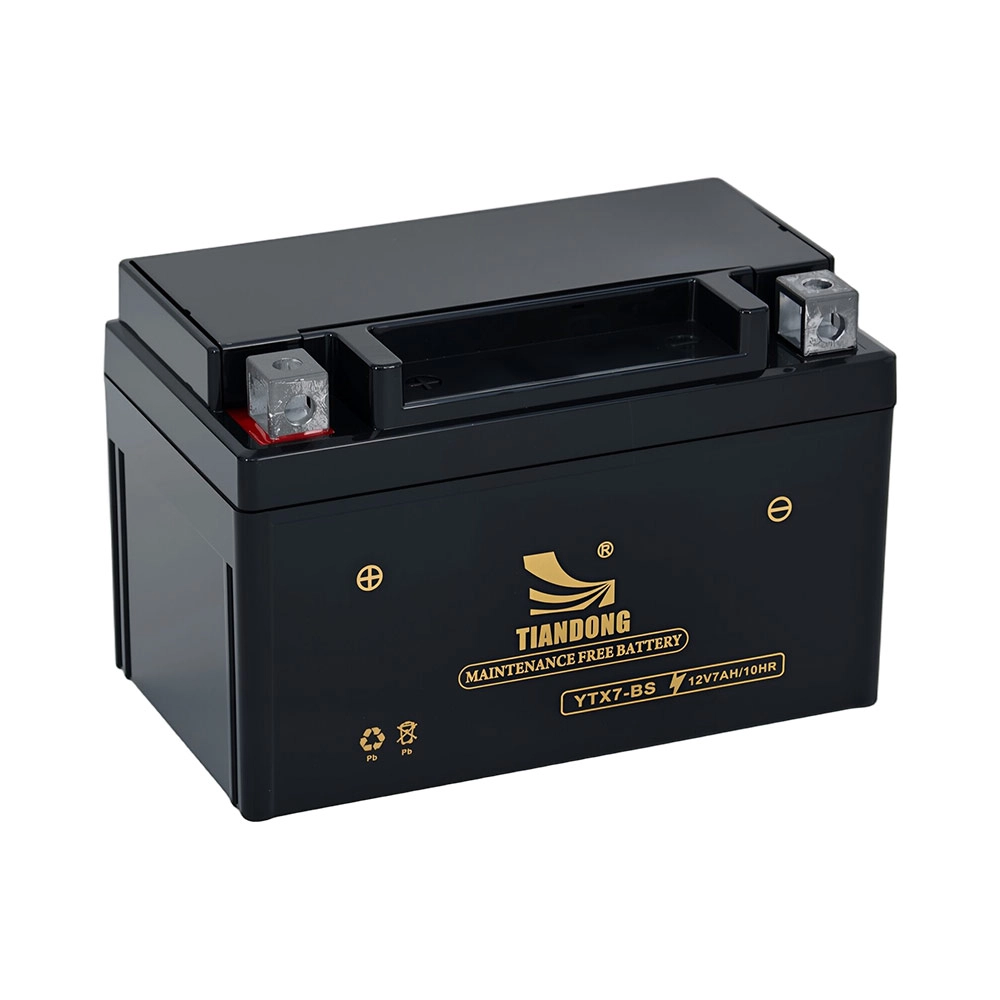
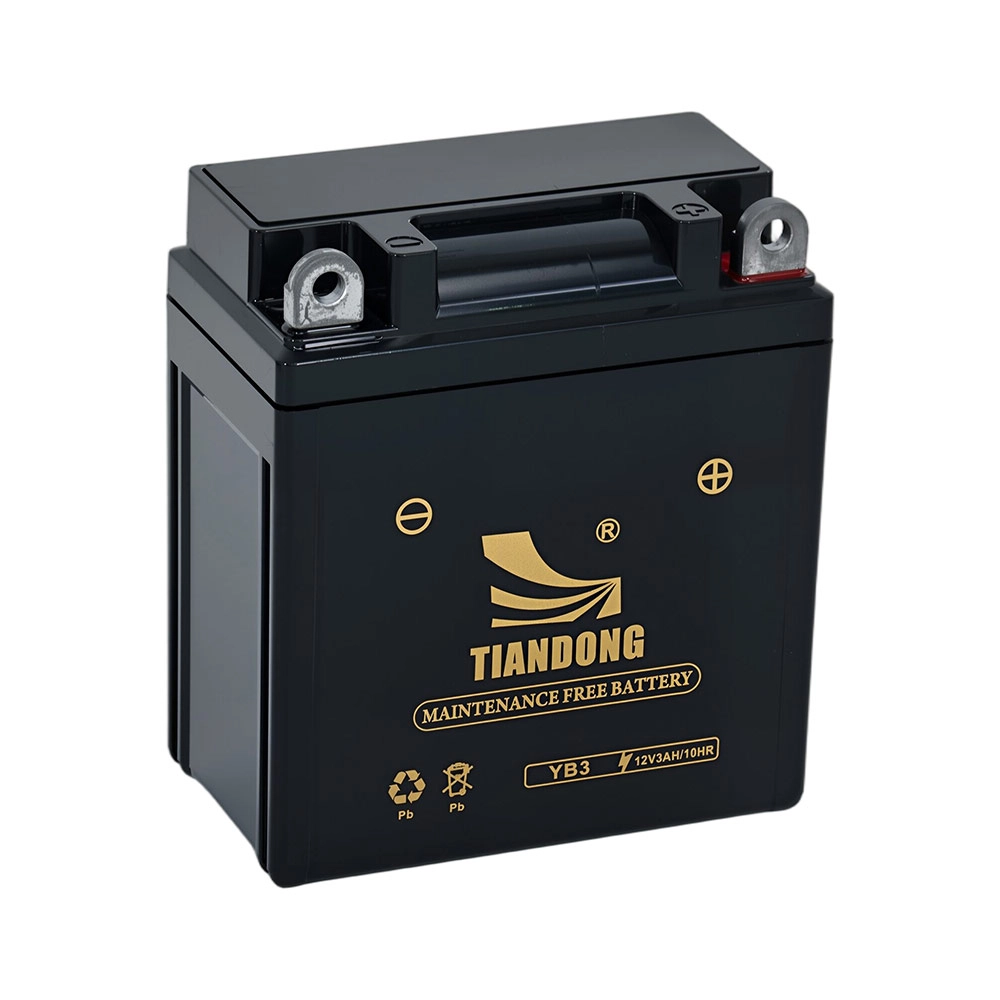
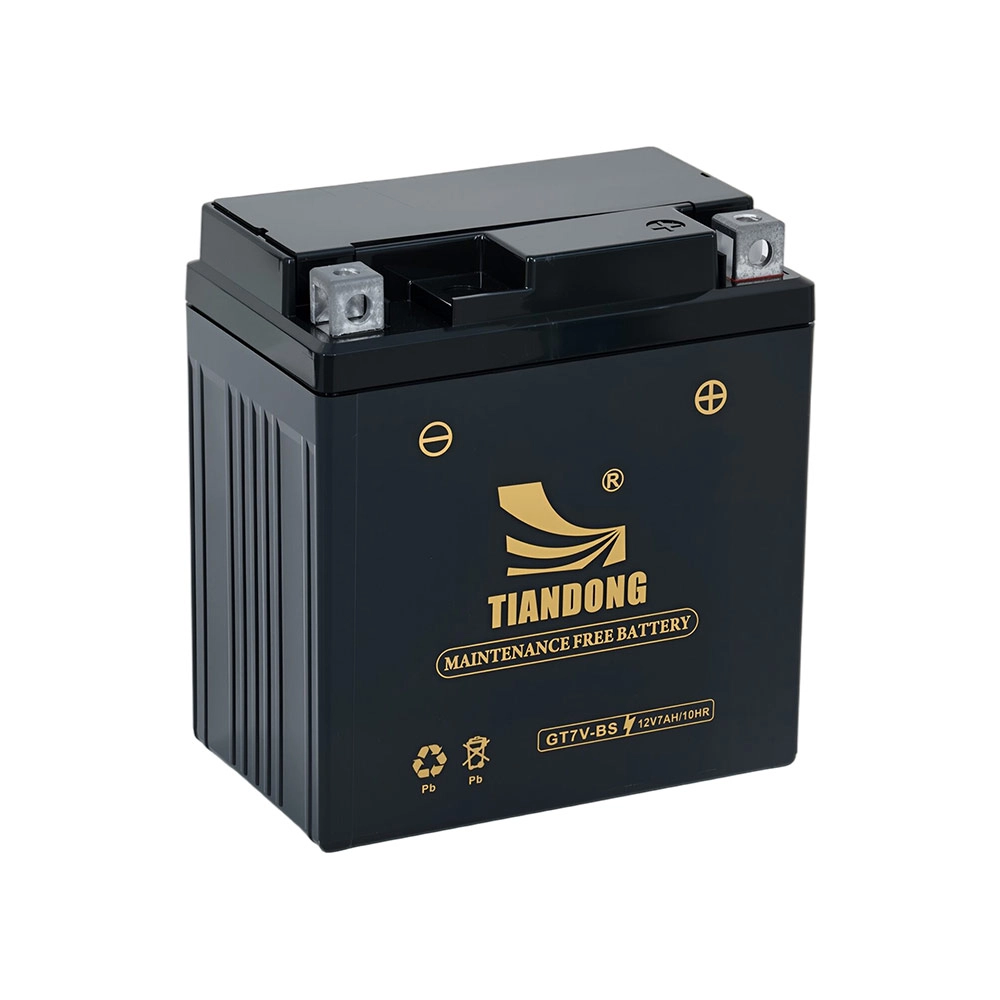
TIANDONG is a leading motorcycle battery manufacturer offering OEM/ODM service, stable quality, and global export support.
Built for wholesalers. Trusted by global buyers. Delivered with confidence.
Say Hello
E-mail: daisybattery8@gmail.com
xianyingchen83@gmail. com
WhatsAPP: +86 134 283 86694
+86 134 348 86641
Our Location
Social Links
© 2025 TIANDONG. All Rights Reserved. Privacy Policy | Terms and Conditions | Sitemap
 Scan QR Code
Facebook
Instagram
Scan QR Code
Whatsapp: +8613434886641