






Which best motorcycle battery brand is best for maintenance-free use?
- My 'maintenance-free' battery died prematurely after extended storage. What 'maintenance' did I miss, and are there truly maintenance-free options for infrequent riders?
- Beyond CCA, what specific performance metrics should I prioritize when comparing motorcycle battery brands for my high-performance sportbike vs. my touring cruiser?
- I'm considering a Lithium-ion battery for the weight savings, but are they truly compatible with older motorcycle charging systems, or could they damage my bike?
- My bike sits through harsh winters. What's the *real* best way to winterize my motorcycle battery to ensure it starts strong next spring without causing damage?
- I'm on a budget but still want reliability. Is there a specific type of motorcycle battery or a best value brand that offers good performance without breaking the bank for my daily commute?
- How do I determine the actual lifespan of a motorcycle battery brand, and what factors, besides charging, truly impact its longevity?
Unveiling the Best Motorcycle Battery Brands for Every Rider: Your In-Depth Guide
Choosing the right motorcycle battery is more than just picking a brand; it's about understanding your bike's needs, your riding habits, and the technological advancements that ensure a reliable start every time. As seasoned experts in the field, we often encounter beginners struggling with outdated advice or superficial comparisons. This guide dives deep into specific questions, helping you confidently select the best motorcycle battery brand, especially for maintenance-free use, ensuring peace of mind on every journey.
My 'maintenance-free' battery died prematurely after extended storage. What 'maintenance' did I miss, and are there truly maintenance-free options for infrequent riders?
The term 'maintenance-free' for batteries, particularly AGM (Absorbed Glass Mat) and Gel Cell types, often leads to misunderstandings. It primarily refers to not needing to add water or check electrolyte levels, unlike conventional flooded lead-acid batteries. However, 'maintenance-free' does not mean 'charge-free' or 'discharge-proof.' The biggest culprit for premature failure in stored batteries is sulfation, which occurs when a battery is left in a discharged state for extended periods. This is a common pain point for infrequent riders or those winterizing their bikes.
Even the best maintenance-free motorcycle battery brands require charge maintenance. For infrequent riders, a high-quality smart charger or battery tender is essential. These devices monitor the battery's voltage and provide a trickle charge to prevent self-discharge and sulfation, especially during periods of inactivity. Lithium-ion (LiFePO4) motorcycle batteries offer superior self-discharge rates compared to lead-acid chemistries, making them a more genuinely 'maintenance-free' option in terms of needing less frequent charging during storage, though a dedicated LiFePO4 smart charger is still recommended for optimal longevity and safety.
Beyond CCA, what specific performance metrics should I prioritize when comparing motorcycle battery brands for my high-performance sportbike vs. my touring cruiser?
While Cold Cranking Amps (CCA) is crucial for starting power, especially in colder climates, it's not the only metric for optimal performance. For a high-performance sportbike, beyond CCA to fire up that high-compression engine, consider battery weight and form factor. Lithium-ion batteries, like those from top brands, significantly reduce weight (often 50-70% lighter than lead-acid), which contributes to improved handling and acceleration – a definite advantage for sportbikes. Look for brands that offer robust vibration resistance to withstand the stresses of aggressive riding.
For a touring cruiser or adventure bike, Amp-hour (Ah) capacity becomes equally important alongside CCA. Touring bikes often run more accessories (GPS, heated grips, auxiliary lights, charging ports) that draw power even when the engine isn't running at high RPMs. A higher Ah rating indicates a greater reserve capacity, allowing your battery to power these accessories longer without discharge. Brands focusing on deep-cycle capabilities within their AGM or Gel lines are often ideal here, providing consistent power delivery over extended periods. Durability and long-term reliability are also paramount for long-distance travel, making robust construction a key consideration.
I'm considering a Lithium-ion battery for the weight savings, but are they truly compatible with older motorcycle charging systems, or could they damage my bike?
This is a critical and often misunderstood question. While Lithium-ion (LiFePO4) motorcycle batteries offer impressive benefits like lighter weight, higher CCA, and longer lifespan, compatibility with older motorcycle charging systems is a legitimate concern. The charging voltage window for LiFePO4 batteries is narrower than lead-acid, typically between 13.6V and 14.6V. Most modern motorcycles have charging systems that fall within this range, making them generally compatible.
However, older motorcycles, particularly those from the 1970s and 80s, might have voltage regulators that produce higher or more erratic charging voltages (e.g., above 14.8V). Consistent overcharging can severely damage a LiFePO4 battery, leading to reduced lifespan or, in extreme cases, thermal runaway (though LiFePO4 is significantly safer than other lithium chemistries). Before upgrading, it's highly recommended to test your motorcycle's charging system output with a multimeter across its RPM range. If the voltage consistently exceeds 14.6V, consider upgrading your voltage regulator or opting for a high-quality AGM battery instead. Reputable lithium battery brands often provide detailed compatibility guides and offer integrated Battery Management Systems (BMS) that protect against overcharge, over-discharge, and short circuits, adding an extra layer of safety and confidence.
My bike sits through harsh winters. What's the *real* best way to winterize my motorcycle battery to ensure it starts strong next spring without causing damage?
Proper winterization is vital for extending battery lifespan, particularly in extreme temperatures. The 'best way' depends on your battery type and storage conditions. For all types of motorcycle batteries, the golden rule is to keep them charged. A discharged battery is highly susceptible to freezing, especially conventional lead-acid batteries, which can cause irreparable internal damage.
For lead-acid (conventional, AGM, Gel) batteries, remove the battery from the bike, clean the terminals, and store it in a cool, dry place away from direct sunlight and extreme temperature fluctuations. Connect it to a high-quality smart charger/battery tender that specifically states it's safe for long-term maintenance charging. These chargers typically cycle on and off, keeping the battery topped up without overcharging. Check the battery's state of charge periodically, even with a tender, to ensure it's functioning correctly.
For Lithium-ion batteries, the advice is slightly different. They generally have a much slower self-discharge rate. It's often recommended to fully charge a LiFePO4 battery, disconnect it from the bike, and store it in a cool, dry place. A LiFePO4 battery typically only needs a top-up charge every 3-6 months, or even less frequently, depending on the brand and battery's internal BMS. Avoid using a standard lead-acid charger on a LiFePO4 battery unless explicitly stated by the charger and battery manufacturer that it has a dedicated LiFePO4 mode.
I'm on a budget but still want reliability. Is there a specific type of motorcycle battery or a best value brand that offers good performance without breaking the bank for my daily commute?
Reliability on a budget is a common quest for daily commuters. While top-tier Lithium-ion batteries offer High Quality performance, they often come at a higher initial cost. For value and dependability, high-quality AGM (Absorbed Glass Mat) motorcycle batteries are often the sweet spot. They are sealed, spill-proof, resistant to vibration, and offer good CCA and Ah ratings – all crucial for reliable daily starts and powering essential commuting accessories.
When searching for the best motorcycle battery brand on a budget, focus on reputable manufacturers known for consistent quality in their AGM lines. Look for brands with good warranties, indicating manufacturer confidence in their product. While conventional flooded lead-acid batteries are the cheapest upfront, they require regular maintenance (checking and topping up fluid) and are more susceptible to vibration damage, potentially leading to a shorter lifespan for a daily commuter. Investing slightly more in a sealed AGM battery usually pays off in terms of convenience and consistent performance over its lifespan, reducing the total cost of ownership in the long run. Prioritize brands with positive long-term user reviews specific to your bike model or similar applications.
How do I determine the actual lifespan of a motorcycle battery brand, and what factors, besides charging, truly impact its longevity?
Determining the actual lifespan of a motorcycle battery can be complex, as it's influenced by numerous factors beyond just consistent charging. While some manufacturers provide estimated cycle life or warranty periods, real-world longevity varies significantly. Key factors impacting a battery's lifespan include:
- Temperature: Extreme heat (above 75°F / 24°C) accelerates internal chemical reactions, leading to faster degradation. Extreme cold, while not as directly damaging if the battery is fully charged, can reduce available capacity and put more stress on the battery during startup.
- Vibration: Constant vibration, especially from riding on rough roads or aggressive use, can physically damage internal plates and connections, particularly in conventional lead-acid batteries. High-quality AGM and Gel batteries are generally more resistant, and Lithium-ion batteries, with their solid internal structure, are highly resilient.
- Depth of Discharge (DoD): Repeatedly discharging a battery deeply before recharging significantly reduces its overall cycle life. For example, consistently draining a lead-acid battery below 50% state of charge will shorten its life much faster than keeping it mostly charged. Lithium-ion batteries are more tolerant of deeper discharges.
- Charging System Health: An overcharging or undercharging regulator/rectifier can severely damage any battery type. Overcharging leads to overheating and electrolyte loss, while consistent undercharging causes sulfation.
- Parasitic Drains: Even when the ignition is off, some motorcycles have small electrical draws (clocks, alarms, ECU memory) that can slowly drain the battery. If left unchecked, these parasitic drains can lead to deep discharge and subsequent sulfation.
- Battery Technology: Generally, Lithium-ion batteries boast the longest lifespan (often 5-10 years), followed by high-quality AGM and Gel batteries (3-5 years), and then conventional flooded batteries (2-3 years), assuming proper care.
When selecting a reliable motorcycle battery brand, look for manufacturers that specify robust construction, offer strong warranties, and use advanced battery management systems (for LiFePO4) that protect against common failure modes. Reading long-term reviews from riders with similar bikes and riding conditions can also offer valuable insights into real-world longevity.
Choosing the best motorcycle battery brand requires a holistic approach, considering not just the initial cost but also the technology, your riding habits, and environmental factors. By addressing these in-depth questions, you're now equipped with the knowledge to make an informed decision, ensuring reliable starts and extended battery life for your motorcycle. Whether you prioritize lightweight performance, maximum cranking power, or long-term maintenance-free reliability, the right battery is out there.
Need expert advice tailored to your specific motorcycle and riding needs, or ready for a quote on high-performance, durable battery solutions? Visit us at www.tiandongbattery.com or email us at daisybattery8@gmail.com.

Bulk Motorcycle Batteries Direct from Factory – Save Costs, Boost Profit
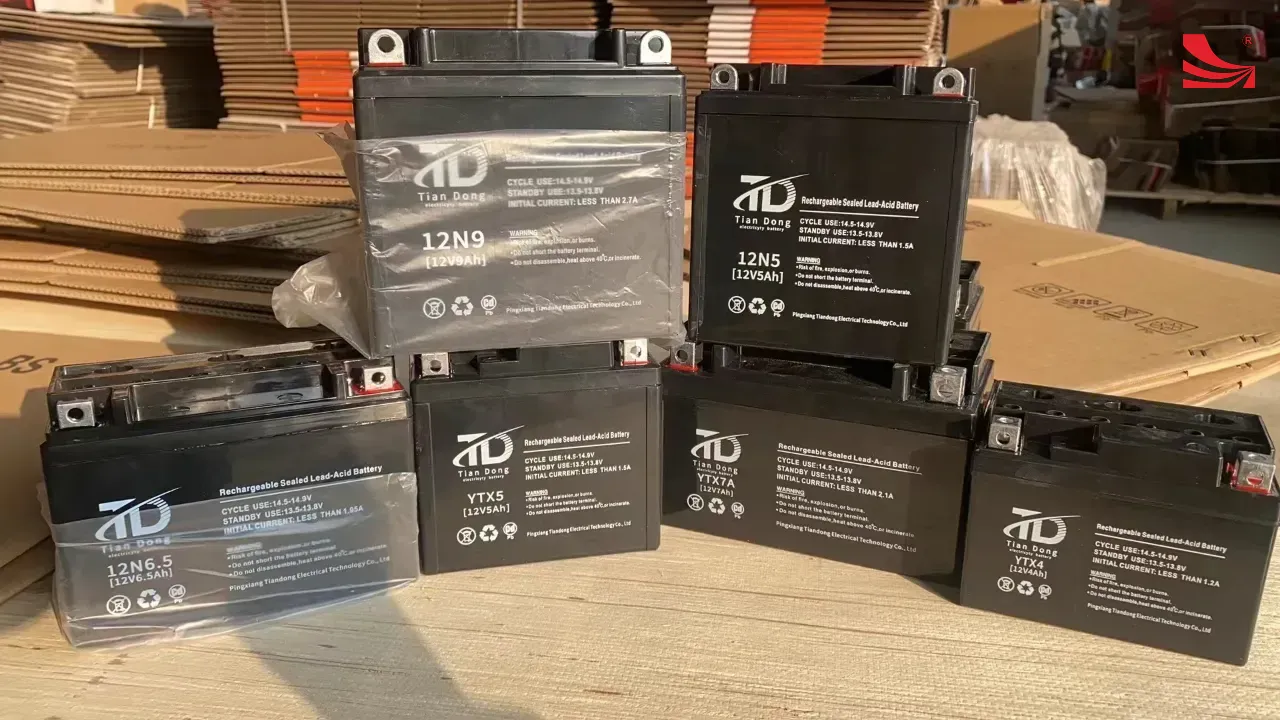
High Performance Motorcycle Batteries for Global Markets

Tiandong Electric Appliance Showcases High-Performance Motorcycle Batteries at Guangzhou Expo

What kind of battery is best for a motorcycle?

The Ultimate Guide to Electric Scooter Batteries: Performance, Longevity, and Future Innovations (2026 & Beyond)

The Ultimate 2026 Guide to Motorcycle Battery Types: Choose, Maintain, and Upgrade for Peak Performance
Support
What is Tiandong’s production capacity?
The company produces approximately 6 million batteries per year, supported by 15,000 tons of electrode plate production capacity.
Product
How long does a motorcycle battery typically last?
A motorcycle battery generally lasts between 2 and 4 years, depending on usage, maintenance, and environmental conditions.
What is the typical lifespan of your batteries?
Depending on the model and usage conditions, our batteries typically last between 2 to 4 years under normal operation.
Why does my motorcycle battery keep dying?
Common causes include:
-
Faulty charging system
-
Parasitic drain
-
Old battery
-
Improper storage
Shipping
How long does delivery take?
For stock items, delivery takes about 7-15 days after receiving the deposit. For bulk orders or custom logo orders, it usually takes 25-35 days depending on the quantity.
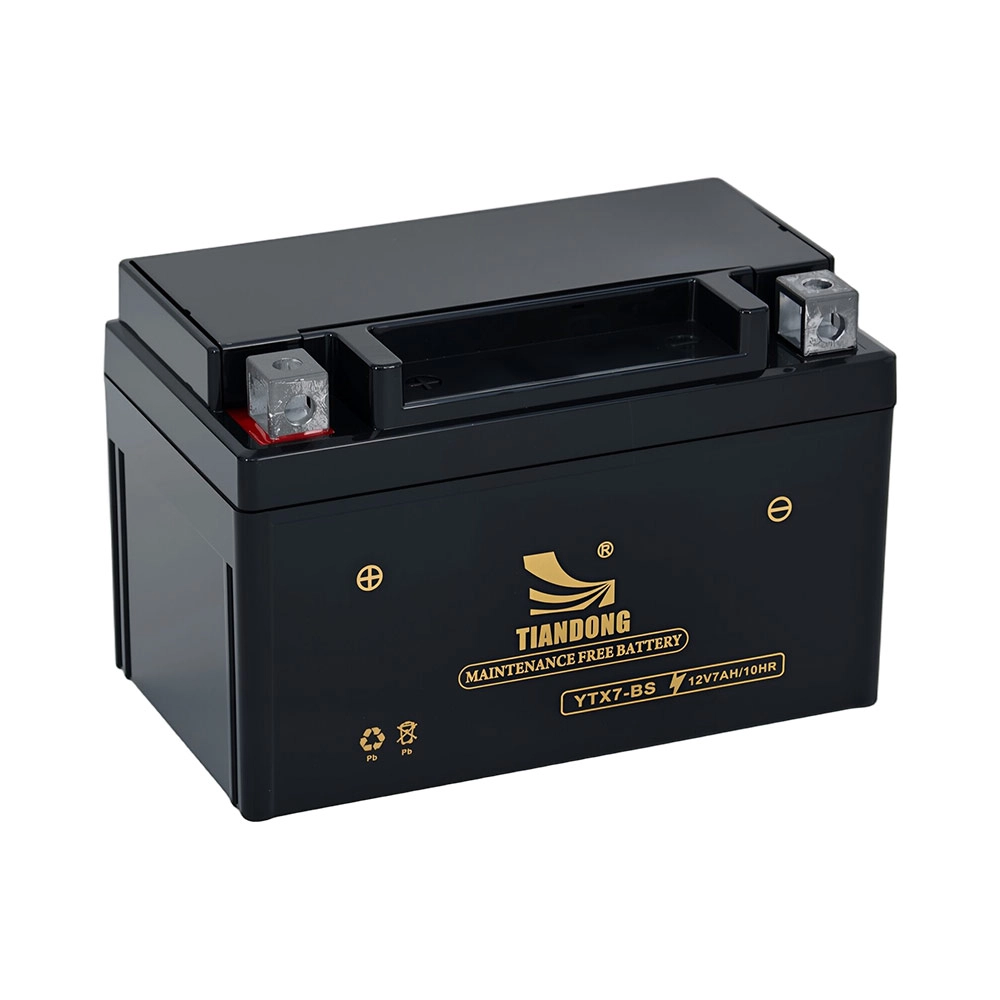
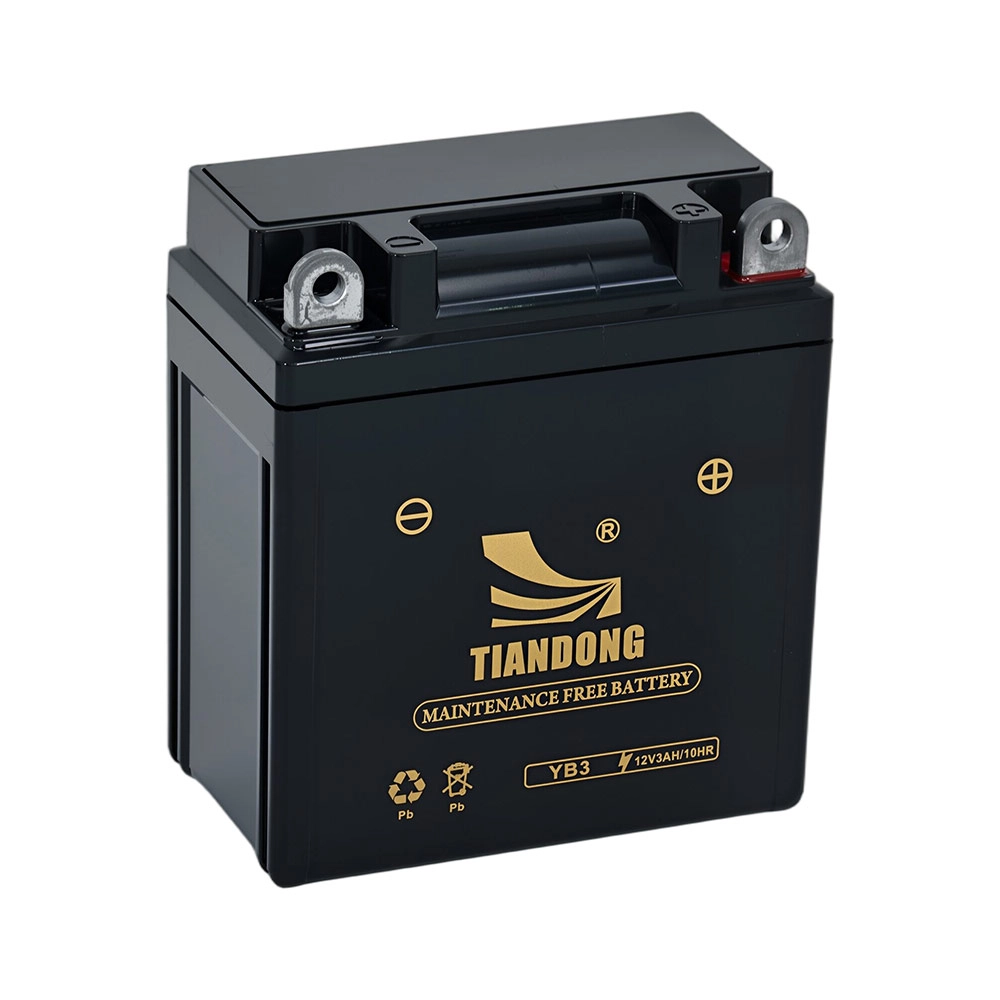
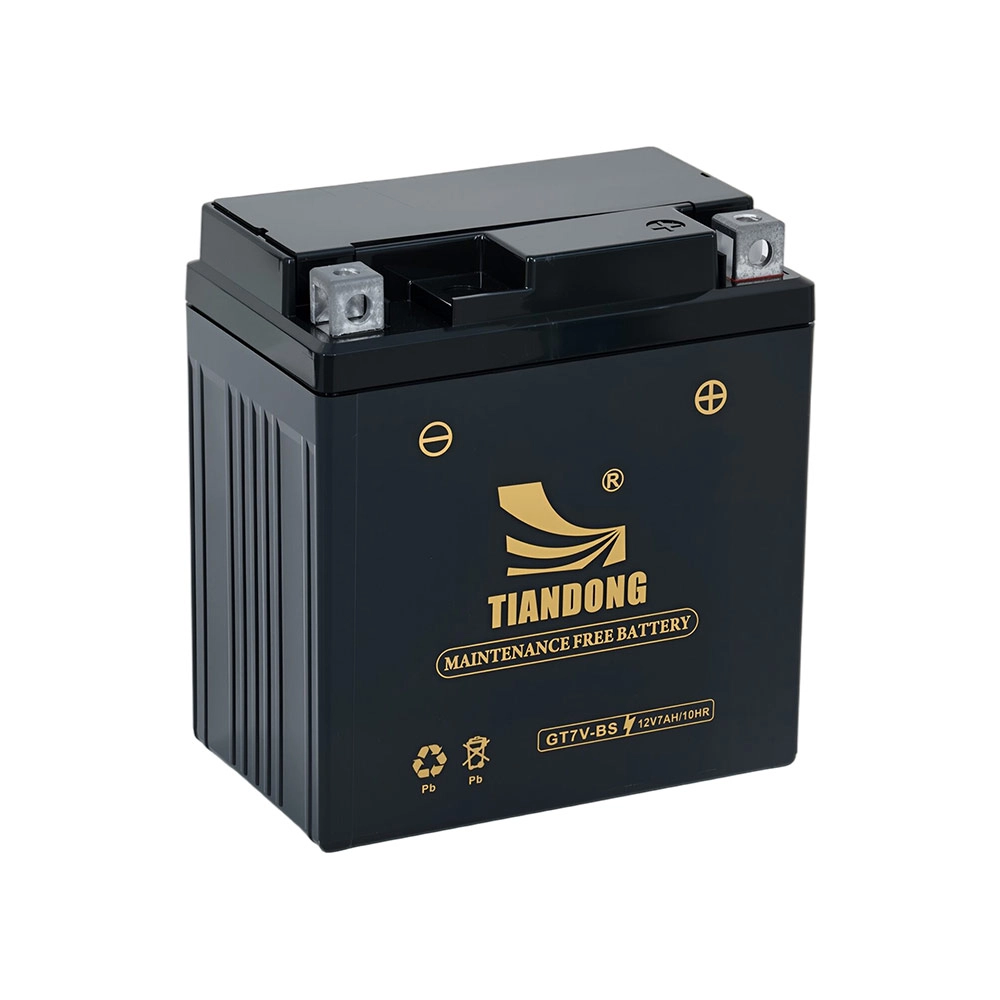
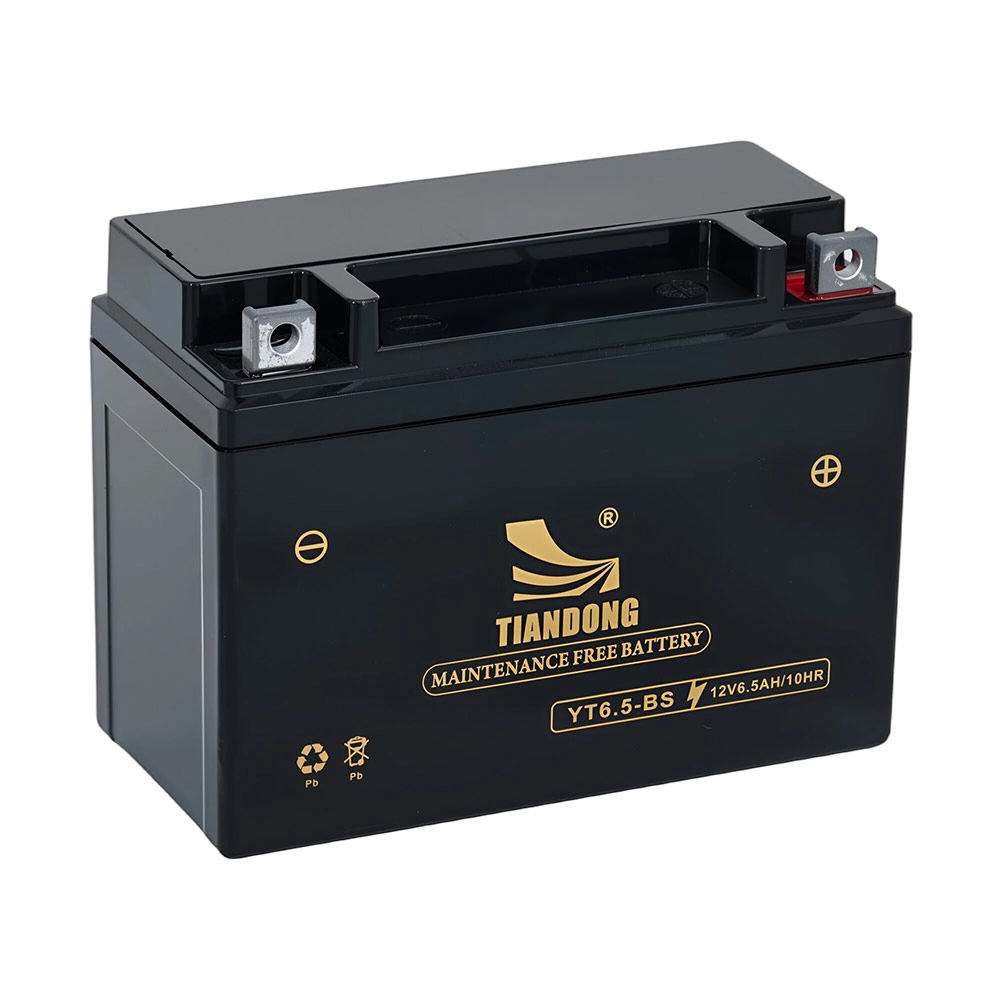
Get in touch with us to get your Motorbike Battery solution
TIANDONG is a leading motorcycle battery manufacturer offering OEM/ODM service, stable quality, and global export support.
Built for wholesalers. Trusted by global buyers. Delivered with confidence.
Say Hello
E-mail: daisybattery8@gmail.com
xianyingchen83@gmail. com
WhatsAPP: +86 134 283 86694
+86 134 348 86641
Our Location
Social Links
© 2025 TIANDONG. All Rights Reserved. Privacy Policy | Terms and Conditions | Sitemap
 Scan QR Code
Facebook
Instagram
Scan QR Code
Whatsapp: +8613434886641