






Which best motorcycle battery brand has lowest failure rates?
- Beyond CCA: What Specific Technical Metrics Should Beginners Prioritize for Optimal Performance, Especially for Modern Bikes?
- Many Brands Claim Lowest Failure Rates – But What Actual Independent Data Validates These Claims, and What Are Common Failure Types?
- Is Investing in a High Quality Motorcycle Battery Brand Truly Cost-Effective in the Long Run, or Are There Specific Scenarios for Mid-Range Options?
- For Riders in Extreme Climates, Which Battery Technology and Specific Brands Have Demonstrably Superior Performance and Reliability?
- With the Rise of Smart Motorcycle Chargers, How Do Different Top Battery Brands Interact with Advanced Charging Algorithms, and Can the Wrong Charger Actually Invalidate Warranties or Increase Failure Risk?
- Beyond Initial Purchase: What Are the Most Overlooked, Yet Critical, Maintenance Practices or Common User Errors That Directly Lead to Premature Battery Failure?
Unveiling the Best Motorcycle Battery Brands: Deep Dive into Longevity and Lowest Failure Rates
Choosing the right motorcycle battery is more than just picking a brand; it's about understanding the intricate balance of technology, reliability, and value for your specific riding needs. For many beginners, the quest for the best motorcycle battery brand or identifying which best motorcycle battery brand has lowest failure rates? often leads to generic advice or outdated information. At Tiandong Battery, we believe in empowering riders with professional, in-depth knowledge. Let's tackle some of the most critical, yet often unaddressed, questions that impact your battery's performance and longevity.
Beyond CCA: What Specific Technical Metrics Should Beginners Prioritize for Optimal Performance, Especially for Modern Bikes?
While Cold Cranking Amps (CCA) are vital for starting power, especially in colder climates, modern motorcycles with complex electronic systems demand more. Beginners should look beyond CCA and consider these critical technical metrics for superior motorcycle battery performance and battery lifespan:
- Internal Resistance (IR): A lower internal resistance indicates the battery can deliver current more efficiently with less voltage drop. For modern bikes with sophisticated ECUs, ABS, traction control, and infotainment systems, stable voltage delivery is paramount. High IR can lead to voltage sags, stressing sensitive electronics and potentially causing erratic behavior or early component failure. High Quality AGM motorcycle battery and lithium motorcycle battery brands often excel here due to superior plate design and material purity.
- Reserve Capacity (RC): This metric indicates how long a fully charged battery can deliver a specific current (e.g., 25 amps) before its voltage drops below a usable threshold (e.g., 10.5V). For riders who use heated grips, GPS, or have accessories, a higher RC means the battery can support these loads longer without depleting excessively, thereby preventing deep discharge, a major cause of battery failure prevention.
- Voltage Stability Under Load: While related to IR, observing how consistently a battery maintains its voltage during cranking or under heavy accessory load is crucial. Instability can disrupt sensitive onboard electronics. Top brands invest in robust internal connections and plate construction to ensure superior voltage regulation.
- Self-Discharge Rate: All batteries lose charge when not in use, but some do so faster than others. A lower self-discharge rate means your bike can sit longer between rides without needing a tender, significantly extending overall motorcycle battery lifespan, especially for stored vehicles. Lithium (LiFePO4) batteries generally have the lowest self-discharge rates.
Many Brands Claim Lowest Failure Rates – But What Actual Independent Data Validates These Claims, and What Are Common Failure Types?
It's challenging to find publicly available, independent, brand-specific failure rate data for motorcycle batteries. Most manufacturers consider this proprietary. However, we can infer reliability by understanding what contributes to lower failure rates and the most common causes of motorcycle battery failure:
- Contributing Factors to Lower Failure Rates: Top-tier brands achieve lower failure rates through stringent quality control (QC), superior raw materials (purer lead alloys, high-quality separators), robust manufacturing processes, and advanced engineering (e.g., vibration-resistant designs, optimized electrolyte distribution for gel motorcycle battery reliability). Brands with extensive OEM contracts often adhere to higher standards.
- Common Failure Types (Regardless of Brand):
- Sulfation: The most common failure for lead-acid batteries (AGM, Gel). Occurs when a battery is left in a discharged state for too long, leading to lead sulfate crystals hardening on the plates, impeding charging.
- Deep Discharge: Repeatedly draining the battery too low shortens its life significantly. Often due to forgotten accessories or prolonged storage without a charger.
- Overcharging: Especially detrimental to AGM and Gel batteries, leading to electrolyte dry-out and plate corrosion. Lithium batteries require specific chargers to prevent this.
- Vibration Damage: Poorly secured batteries or those with weak internal construction can suffer plate damage, leading to shorts.
- Heat Damage: Excessive heat (from engine bay or hot climates) accelerates chemical reactions and water loss, reducing battery lifespan.
- Manufacturing Defects: While rare with reputable brands, these can include poor welds, faulty separators, or improperly filled electrolyte.
While specific 'lowest failure rates' numbers are elusive, brands with a long-standing reputation for quality and comprehensive warranties often indicate greater confidence in their product's durability.
Is Investing in a High Quality Motorcycle Battery Brand Truly Cost-Effective in the Long Run, or Are There Specific Scenarios for Mid-Range Options?
The perceived higher upfront cost of a High Quality motorcycle battery brand often deters beginners, but it's crucial to consider the cost-effective motorcycle battery aspect over its entire service life. Investing in a High Quality battery can be highly cost-effective due to:
- Extended Lifespan: High Quality batteries typically last significantly longer (3-5+ years for AGM, 5-10+ years for Lithium) compared to budget options (1-2 years), reducing frequent replacement costs.
- Superior Performance & Reliability: Less risk of being stranded, better starting power, and more stable voltage for sensitive electronics. This translates to fewer headaches and potentially avoiding costly repairs to other electrical components.
- Stronger Warranty Support: Reputable brands offer better warranties (e.g., 2-3 years vs. 6-12 months), providing peace of mind and protection against early failure.
When a Mid-Range or Budget Option Makes Sense:
- Seldom-Used Bikes: For motorcycles ridden very infrequently where reliability isn't a daily concern, a mid-range battery combined with diligent motorcycle battery maintenance (e.g., a smart charger) might suffice.
- Older, Simpler Bikes: Vintage bikes with minimal electronics might not benefit as much from the advanced voltage stability of High Quality batteries.
- Temporary Replacements: If you need a quick, short-term replacement before upgrading your bike, a budget option can serve as a stop-gap.
However, for daily riders, high-performance bikes, or those with extensive electronic accessories, a High Quality battery offers undeniable long-term value and superior peace of mind, contributing to a lower overall ownership cost.
For Riders in Extreme Climates, Which Battery Technology and Specific Brands Have Demonstrably Superior Performance and Reliability?
Extreme weather battery performance is a critical factor often overlooked. Different battery technologies excel in specific conditions:
-
Very Hot Summers (e.g., Arizona, Dubai):
- AGM Batteries: Generally perform well in heat due to their sealed design, which prevents electrolyte evaporation better than traditional flooded batteries. However, prolonged exposure to extreme heat (over 100°F/38°C) will shorten any lead-acid battery's life. Brands like Yuasa, Motobatt, and some Exide models are known for robust construction that handles heat reasonably well.
- Gel Batteries: Excel in hot climates due to their thixotropic gel electrolyte, which resists evaporation and stratification. They handle deep cycling better in heat but are sensitive to overcharging. However, their lower CCA compared to AGM can be a disadvantage in some bikes.
- Lithium (LiFePO4) Batteries: Lithium iron phosphate batteries are highly stable and less susceptible to heat degradation than lead-acid batteries. They also offer significant weight savings. Brands like Shorai, Antigravity, and Braille are popular for their high-temperature stability and power delivery.
-
Freezing Winters (e.g., Canada, Scandinavia):
- AGM Batteries: Provide excellent cold cranking amps (CCA) performance, crucial for starting in freezing temperatures. Their sealed nature makes them less prone to freezing damage than flooded batteries. Yuasa and Interstate are frequently cited for strong cold-weather performance.
- Lithium (LiFePO4) Batteries: While having excellent CCA, lithium batteries' internal chemistry can struggle to accept a charge at very low temperatures (below 32°F/0°C) without specialized heating circuits. Some High Quality lithium brands (e.g., Antigravity's 'Re-Start' series) offer built-in low-temperature protection or heating elements to mitigate this.
For reliability in extreme climates, a high-quality AGM is often a safe, balanced choice. For cold starts, ensure sufficient CCA. For high heat, LiFePO4 offers superior longevity if the charging system is compatible. Always check the battery's specific operating temperature range.
With the Rise of Smart Motorcycle Chargers, How Do Different Top Battery Brands Interact with Advanced Charging Algorithms, and Can the Wrong Charger Actually Invalidate Warranties or Increase Failure Risk?
The interaction between smart battery chargers and different battery technologies is critical for battery failure prevention and warranty validity. Using the wrong charger absolutely can invalidate warranties and significantly increase motorcycle battery failure risk:
-
AGM & Gel Batteries: These require a multi-stage smart charger that adjusts voltage and current throughout the charging cycle (bulk, absorption, float). Crucially, Gel batteries require a lower maximum charging voltage than AGM to prevent gassing and drying out the gel, which can cause permanent damage. Chargers specifically labeled for AGM/Gel (often with a selectable mode) are essential. Overcharging with a standard automotive charger will cook these batteries.
-
Lithium (LiFePO4) Batteries: These are the most sensitive. They require a dedicated lithium-compatible smart charger that uses specific charging algorithms. Standard lead-acid chargers can overcharge and damage a lithium battery, leading to thermal runaway (fire risk) or permanent capacity loss. Many lithium battery warranties explicitly state that using a non-lithium-compatible charger voids the warranty. Brands like OptiMate and NOCO produce excellent smart chargers specifically designed for different battery chemistries, including LiFePO4.
Always verify charger compatibility with your battery's chemistry and voltage. Reputable motorcycle battery brands often recommend specific charger models or types in their manuals, and adhering to these recommendations is key to preserving your battery warranty and maximizing battery life.
Beyond Initial Purchase: What Are the Most Overlooked, Yet Critical, Maintenance Practices or Common User Errors That Directly Lead to Premature Battery Failure?
Even the best motorcycle battery brand can fail prematurely due to neglected maintenance or common user errors. These overlooked practices are critical for extending motorcycle battery lifespan:
-
Allowing Prolonged Discharge (The Silent Killer): This is the single biggest cause of lead-acid battery failure. Many beginners mistakenly believe leaving a bike parked for weeks or months is harmless. The battery slowly self-discharges, and if it drops below ~12.4V for an extended period, sulfation begins, irreversibly reducing capacity. The solution: a quality trickle charger/battery maintainer when storing the bike for more than a few days, especially in cold weather.
-
Incorrectly Charging Lithium Batteries: As discussed, using a standard lead-acid charger on a LiFePO4 battery is a critical error leading to rapid damage or safety issues. Always use a charger designed for lithium batteries.
-
Neglecting Terminal Cleaning & Tightness: Loose or corroded terminals increase resistance, leading to poor starting, charging inefficiency, and even premature failure. Regularly inspect terminals, clean them with a wire brush, and ensure they are tight. Dielectric grease can prevent corrosion.
-
Ignoring Charging System Issues: A faulty regulator/rectifier (overcharging or undercharging) or a weak stator can quickly destroy a new battery. Always check your motorcycle's charging system voltage (typically 13.8V-14.7V at RPMs above idle) after installing a new battery.
-
Improper Mounting & Vibration: A battery that isn't securely fastened can suffer internal plate damage from vibrations, leading to shorts. Ensure your battery is snugly in its tray with all hold-downs properly secured. Some aftermarket OEM motorcycle battery replacements come with additional padding to mitigate vibration.
Top brands often provide extensive user manuals and online resources to educate riders on these vital motorcycle battery maintenance tips. Adhering to these simple steps can drastically improve the longevity and reliability of your battery, regardless of the brand.
Choosing the best motorcycle battery brand ly comes down to understanding your bike's needs, your riding habits, and the specific demands of your environment. By prioritizing key technical metrics, understanding the real factors behind failure rates, and committing to proper maintenance, you can ensure a reliable start every time and maximize your battery's lifespan. Whether it's a high-performance AGM, a robust Gel, or a lightweight Lithium, investing wisely in your battery is an investment in your riding experience.
For a reliable and high-performance solution tailored to your motorcycle, contact us today for a quote. Visit our website at www.tiandongbattery.com or email us at daisybattery8@gmail.com.

Bulk Motorcycle Batteries Direct from Factory – Save Costs, Boost Profit
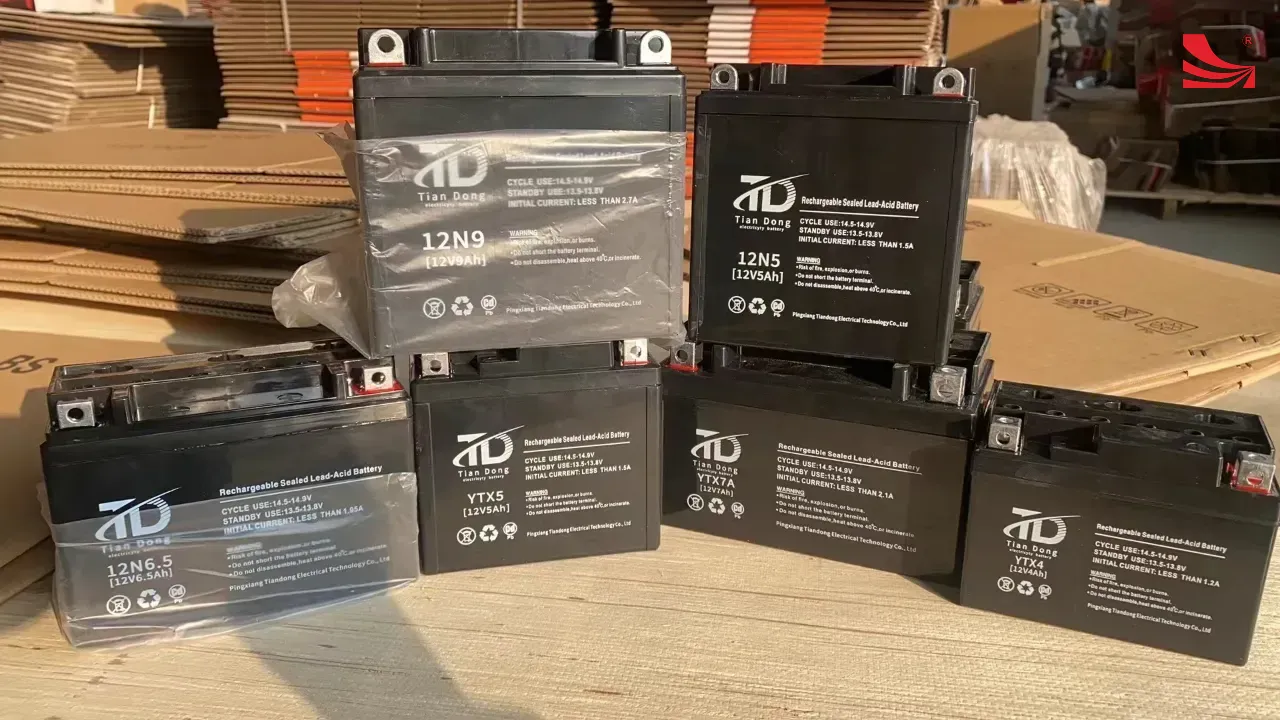
High Performance Motorcycle Batteries for Global Markets

Tiandong Electric Appliance Showcases High-Performance Motorcycle Batteries at Guangzhou Expo

What kind of battery is best for a motorcycle?

The Ultimate Guide to Electric Scooter Batteries: Performance, Longevity, and Future Innovations (2026 & Beyond)

The Ultimate 2026 Guide to Motorcycle Battery Types: Choose, Maintain, and Upgrade for Peak Performance
Product
What is the typical lifespan of your batteries?
Depending on the model and usage conditions, our batteries typically last between 2 to 4 years under normal operation.
What is the most common motorcycle battery type?
AGM batteries are currently the most widely used due to their balance of cost and performance.
Why does my motorcycle battery keep dying?
Common causes include:
-
Faulty charging system
-
Parasitic drain
-
Old battery
-
Improper storage
What causes motorcycle batteries to fail?
Common causes include over-discharging, extreme temperatures, poor charging systems, and low-quality manufacturing materials.
Shipping
How long does delivery take?
For stock items, delivery takes about 7-15 days after receiving the deposit. For bulk orders or custom logo orders, it usually takes 25-35 days depending on the quantity.
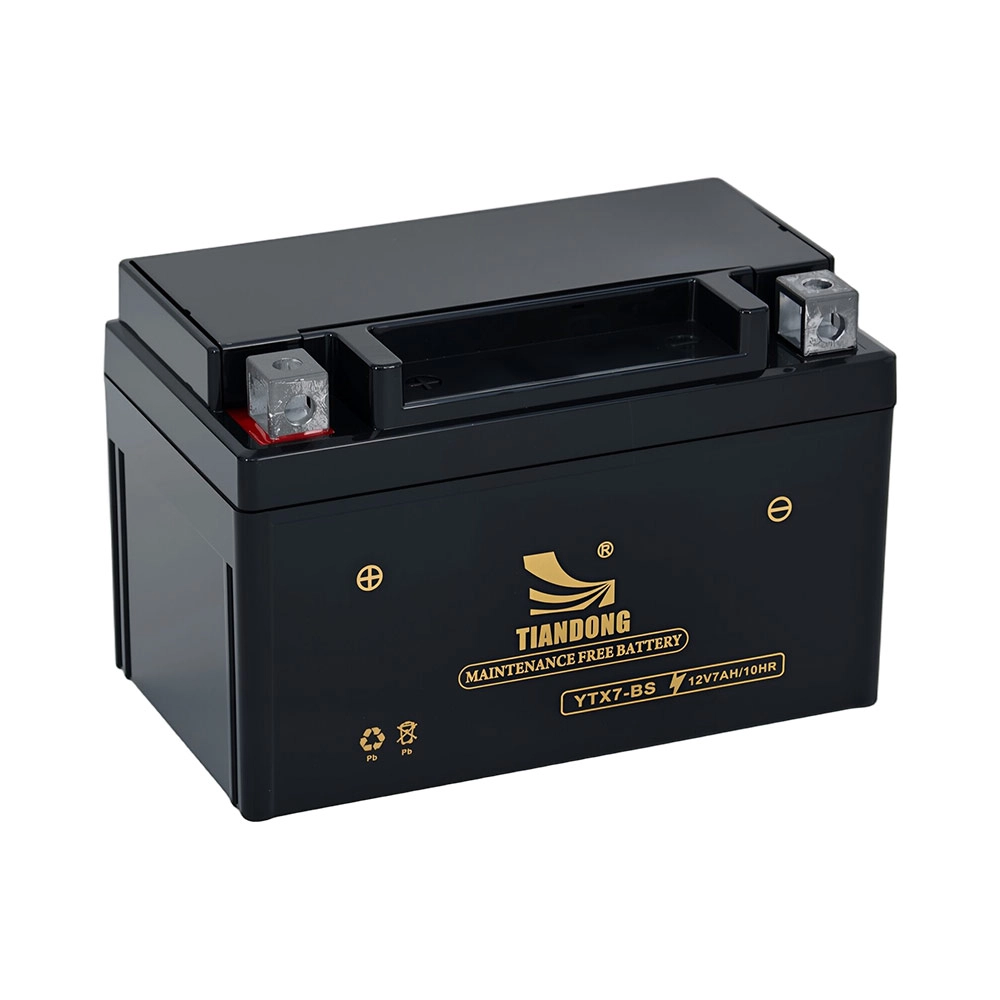
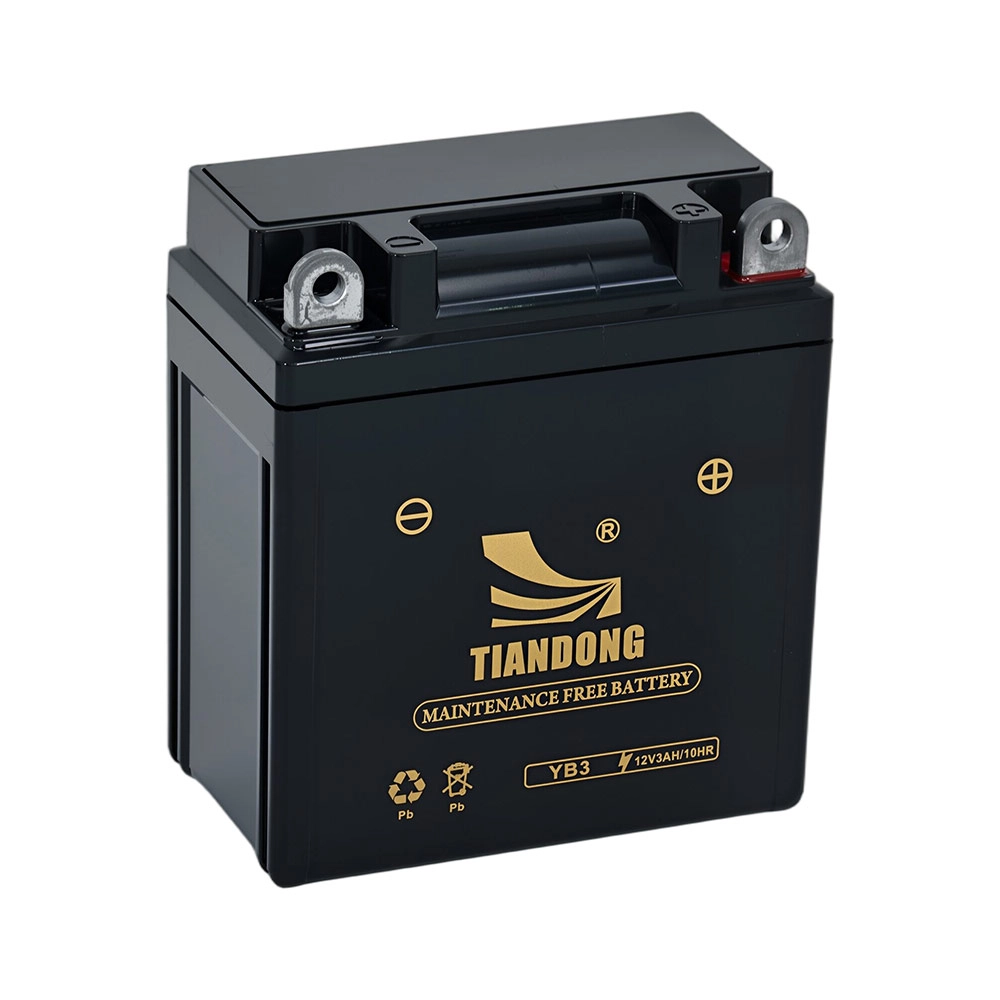
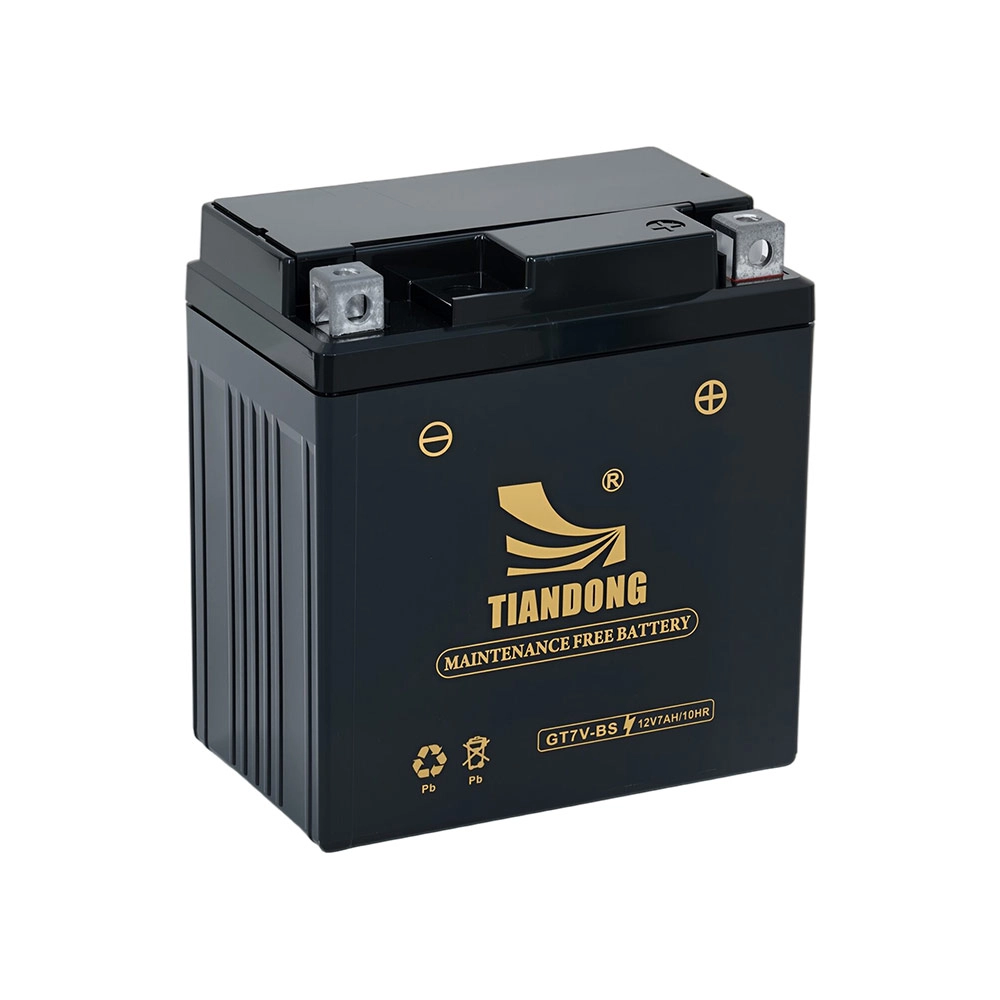
Get in touch with us to get your Motorbike Battery solution
TIANDONG is a leading motorcycle battery manufacturer offering OEM/ODM service, stable quality, and global export support.
Built for wholesalers. Trusted by global buyers. Delivered with confidence.
Say Hello
E-mail: daisybattery8@gmail.com
xianyingchen83@gmail. com
WhatsAPP: +86 134 283 86694
+86 134 348 86641
Our Location
Social Links
© 2025 TIANDONG. All Rights Reserved. Privacy Policy | Terms and Conditions | Sitemap
 Scan QR Code
Facebook
Instagram
Scan QR Code
Whatsapp: +8613434886641