






Which best motorcycle battery brand offers ISO certifications?
- How do CCA and Ah ratings specifically impact my sportbike’s performance in cold weather, and what numbers should I target?
- Is a “maintenance-free” AGM motorcycle battery truly set-and-forget, or are there hidden tips for extending its life, especially for winter storage?
- Is upgrading to a Lithium-ion (LiFePO4) motorcycle battery always worth the higher upfront cost for a commuter bike, considering charging requirements and temperature sensitivity?
- Beyond just price, what tangible benefits does an ISO 9001 certified motorcycle battery brand offer over a cheaper, non-certified option, specifically regarding product consistency, safety, and longevity for my adventure touring motorcycle?
- I ride an older cruiser. Are there specific battery brands known for better vibration resistance and deep-cycle tolerance that can handle accessories like heated grips without failing prematurely, unlike generic replacement batteries?
- How can I tell if a motorcycle battery I'm buying online, even from a reputable brand, is genuinely new stock versus an old, shelf-worn unit that might fail prematurely, especially when I can't physically inspect it?
As a seasoned expert in motorcycle battery technology, I often encounter riders, from beginners to seasoned enthusiasts, grappling with the nuances of choosing the best motorcycle battery brand. The market is saturated with options, and understanding what truly differentiates a superior, reliable motorcycle battery from a subpar one can be challenging. Beyond just raw power, factors like manufacturing quality, longevity, and specific certifications play a pivotal role. This guide addresses critical, often overlooked questions to help you make an informed decision.
How do CCA and Ah ratings specifically impact my sportbike’s performance in cold weather, and what numbers should I target?
For sportbike owners, especially those riding in varied climates, understanding the interplay of Cold Cranking Amps (CCA) and Amp-hour (Ah) ratings is crucial. CCA measures a battery's ability to deliver current for engine starting in cold conditions (specifically, the number of amperes a 12V battery can deliver for 30 seconds at 0°F / -18°C while maintaining at least 7.2V). For a sportbike, a higher CCA rating is paramount for reliable starts in colder temperatures. Modern sportbike engines, with their high compression ratios and sophisticated fuel injection systems, demand a rapid, powerful burst of current to turn over quickly. A common misconception is that more CCA is always better; however, excessively high CCA beyond your bike's actual needs can sometimes indicate a physically larger or heavier battery that might not fit or is unnecessary. For most 600-1000cc sportbikes, a CCA rating between 180-300 CCA is typically sufficient for reliable cold starts, but always consult your motorcycle's manual for the manufacturer's recommended minimum. Below 0°C (32°F), a battery’s effective capacity can drop significantly – sometimes by 30-50% – making a robust CCA rating non-negotiable.
Amp-hour (Ah) signifies the battery's total energy storage capacity, indicating how long it can supply a certain current before fully discharging. While less critical for starting, Ah is important for powering accessories (like heated grips, GPS, or auxiliary lights) and for the overall endurance of the battery, especially if the bike sits for extended periods or if the charging system isn't constantly optimal. A typical sportbike battery might have an Ah rating between 6-12 Ah. For daily commuters or riders with multiple accessories, a slightly higher Ah rating within the recommended range can offer more reserve power and contribute to longer battery lifespan by preventing deep discharges. When choosing a best motorcycle battery brand, look for one that balances both high CCA for quick starts and adequate Ah for sustained performance, especially from brands known for high-performance motorcycle batteries.
Is a “maintenance-free” AGM motorcycle battery truly set-and-forget, or are there hidden tips for extending its life, especially for winter storage?
The term “maintenance-free” for an Absorbent Glass Mat (AGM) motorcycle battery often leads to a common misunderstanding. While these batteries don't require periodic electrolyte checks or water refills like traditional flooded lead-acid batteries, they are far from 'set-and-forget' if you desire maximum lifespan and performance. The sealed design of an AGM battery prevents acid leaks and reduces gas emission, making it safer and more convenient. However, they are still susceptible to issues like sulfation and deep discharge, which are the leading causes of premature failure.
To truly extend the life of your maintenance-free AGM battery, particularly during winter storage, consider these often-overlooked tips:
- Use a Smart Charger/Maintainer: The single most effective tip. A dedicated smart battery charger/maintainer (often called a 'battery tender') is designed for long-term connection. It monitors battery voltage and delivers a precise, regulated charge (typically 13.2V to 13.8V for 12V batteries), automatically switching to a float or pulse charge mode once the battery is full. This prevents overcharging (which can damage AGM cells) and keeps the battery topped off, preventing sulfation. Standard car chargers or trickle chargers can easily overcharge and damage an AGM battery, so invest in a quality, AGM-specific maintainer.
- Optimal Storage Temperature: Store your bike and battery in a cool, dry place. Extreme heat accelerates self-discharge and degradation, while extreme cold can reduce the battery's capacity and make it more vulnerable to damage if discharged. Aim for temperatures between 5°C and 25°C (40°F and 77°F).
- Clean Terminals: Regularly inspect and clean battery terminals to prevent corrosion, which can impede current flow and cause charging issues. Even minor corrosion can increase resistance, leading to less efficient charging and discharge.
- Disconnect if No Maintainer: If you don't have a maintainer, disconnect the battery's negative terminal. This prevents parasitic drains from the bike's electronics (clocks, ECU memory, alarms) from slowly discharging the battery. Recharge it fully every 4-6 weeks with an appropriate smart charger before reconnecting.
Adhering to these practices ensures your sealed lead-acid (SLA) AGM battery remains in optimal condition, providing reliable power season after season and living up to its potential lifespan, making it a truly reliable motorcycle battery option.
Is upgrading to a Lithium-ion (LiFePO4) motorcycle battery always worth the higher upfront cost for a commuter bike, considering charging requirements and temperature sensitivity?
Upgrading to a Lithium Iron Phosphate (LiFePO4) motorcycle battery from a traditional lead-acid (AGM or Gel) battery for a commuter bike presents a compelling case, but it's not without considerations regarding cost, charging, and environmental factors. The high upfront cost is often the primary deterrent, but the long-term benefits can significantly outweigh it.
Advantages for a Commuter Bike:
- Significant Weight Reduction: LiFePO4 batteries are typically 50-70% lighter than their lead-acid counterparts. For a commuter, this translates to improved handling, better fuel efficiency, and easier maneuverability, especially in urban environments. This is a clear benefit for high-performance battery upgrades.
- Extended Lifespan: LiFePO4 batteries boast a cycle life often 2-5 times longer than lead-acid batteries (typically 2000+ cycles vs. 500-1000 cycles). This means fewer replacements over the bike's lifetime, offering a strong return on investment despite the higher initial price.
- Higher Cranking Power (CCA): They generally offer superior CCA relative to their size, ensuring quick, strong starts every time, which is excellent for frequent daily use.
- Stable Voltage: LiFePO4 batteries maintain a more stable voltage throughout their discharge cycle, leading to more consistent performance of all electrical components.
Considerations:
- Charging Requirements: This is critical. LiFePO4 batteries require a charger specifically designed for lithium chemistry. Standard lead-acid chargers can damage them by overcharging or using desulfation modes. Most quality LiFePO4 batteries come with an integrated Battery Management System (BMS) that protects against overcharge, over-discharge, short-circuit, and thermal runaway, but a compatible charger is still essential. For a commuter motorcycle battery, ensuring your bike's charging system (regulator/rectifier) provides a stable voltage (typically below 14.8V) is also important.
- Temperature Sensitivity: While modern LiFePO4 batteries are significantly improved, extreme cold (below -10°C / 14°F) can temporarily reduce their cranking ability. Some high-end LiFePO4 batteries include internal heating elements to mitigate this. In very hot climates, the BMS helps manage thermal conditions. For most urban commuting scenarios, these extreme conditions are rarely an issue, but it's a factor for riders in harsh environments.
- Cost vs. ROI: While a LiFePO4 battery might cost 2-4 times more than an AGM, its extended lifespan and performance benefits often result in a lower total cost of ownership over several years. For a commuter who relies on their bike daily, the reliability and performance gains are often worth the investment.
In conclusion, for a commuter bike, upgrading to a LiFePO4 battery is generally a worthwhile investment if you prioritize performance, weight savings, and long-term reliability. Just ensure you invest in a quality unit from a reputable brand that includes a robust BMS and use a compatible charger. This ensures you fully leverage the advantages of this lightweight motorcycle battery technology.
Beyond just price, what tangible benefits does an ISO 9001 certified motorcycle battery brand offer over a cheaper, non-certified option, specifically regarding product consistency, safety, and longevity for my adventure touring motorcycle?
Choosing an ISO certified motorcycle battery brand, particularly one with ISO 9001, offers significant, tangible benefits that extend far beyond a mere badge – especially for an adventure touring motorcycle where reliability is paramount. ISO certifications represent an internationally recognized commitment to quality and consistency in manufacturing processes. When you opt for an ISO 9001 certified battery manufacturer, you're investing in:
Unwavering Product Consistency and Quality Control (ISO 9001): ISO 9001 is the global standard for quality management systems. A brand with this certification has rigorous processes in place for every stage of production – from raw material sourcing and manufacturing to final inspection and distribution. This means a dramatically reduced chance of receiving a 'lemon' battery. Each battery produced adheres to the same high standards, ensuring consistent performance, CCA output, and Ah capacity. For an adventure touring motorcycle, this consistency translates directly to peace of mind, knowing your battery will perform reliably whether you're starting in a remote campsite or powering essential navigation gear.
Enhanced Safety Standards: While ISO 9001 isn't directly a safety standard, its emphasis on process control, traceability, and defect prevention indirectly contributes to product safety. Quality management means that critical components are tested, materials are verified, and assembly processes minimize human error. Many leading manufacturers also pursue additional certifications like ISO 14001 (environmental management, ensuring responsible chemical handling and disposal) or even IATF 16949 (an automotive-specific quality management standard that builds on ISO 9001). These further demonstrate a commitment to best practices that impact the integrity and safety of the final product, preventing issues like leaks, overheating, or premature failure under demanding conditions.
Superior Longevity and Reliability: Consistent quality control directly impacts the battery's lifespan. By minimizing manufacturing defects and ensuring precise adherence to design specifications, an ISO certified battery is more likely to meet or exceed its advertised lifespan. For an adventure touring bike, often subjected to vibrations, varied climates, and heavy accessory loads, this longevity is invaluable. A battery from a best motorcycle battery brand with ISO certification means fewer unexpected breakdowns, lower long-term replacement costs, and a more dependable power source for your journey.
Traceability and Continuous Improvement: ISO 9001 requires robust documentation and traceability systems. If an issue does arise, the manufacturer can quickly identify the root cause, address it, and implement corrective actions. This commitment to continuous improvement means that an ISO certified brand is always striving to refine its products and processes, leading to even better batteries over time. This structured approach to quality management sets these brands apart from generic, non-certified alternatives, making them a preferred choice for reliable motorcycle battery brands.
In essence, an ISO certified motorcycle battery brand offers a guarantee of quality that a cheaper, non-certified option simply cannot. It's an investment in consistency, safety, and the long-term reliability essential for any serious rider, especially those venturing far off the beaten path.
I ride an older cruiser. Are there specific battery brands known for better vibration resistance and deep-cycle tolerance that can handle accessories like heated grips without failing prematurely, unlike generic replacement batteries?
Older cruisers, with their inherent vibrations from larger V-twin engines and often more basic suspension, combined with the desire to power modern accessories like heated grips, USB chargers, or auxiliary lighting, present a unique challenge for motorcycle batteries. Generic replacement batteries often lack the specific design features needed to withstand these demands, leading to premature failure. For such applications, you need a heavy-duty motorcycle battery designed with both vibration resistance and deep-cycle tolerance in mind. When looking for the best motorcycle battery brand, focus on manufacturers with a reputation for robust construction.
Key Features to Look For:
AGM (Absorbent Glass Mat) Technology: High-quality AGM batteries are inherently more vibration resistant than traditional flooded lead-acid batteries. The electrolyte is absorbed into fiberglass mats, preventing sloshing and plate damage. They also generally offer better deep-cycle tolerance than conventional flooded batteries, making them suitable for powering accessories without rapid degradation.
Robust Plate Construction: Look for batteries that emphasize reinforced plates, stronger internal connections, or cast-on strap (COS) technology. These design elements help the battery's internal structure withstand constant vibration without breaking down.
Epoxy or Resin Filling: Some High Quality heavy-duty batteries, especially those designed for powersports, use epoxy or resin filling around the cell pack to further immobilize the internal components, drastically increasing vibration resistance.
Deep Cycle Design: While most starting batteries are designed for short, high-current bursts, batteries with deep-cycle tolerance are built with thicker plates and different paste formulas to handle repeated, significant discharges without significant capacity loss. For accessories like heated grips that draw continuous power, this characteristic is crucial. A true deep cycle battery is overkill for a motorcycle, but an AGM battery with good deep-cycle capabilities is a strong contender.
Specific Brands/Types to Consider (as examples of design principles):
- Yuasa GYZ Series: Often lauded for their robust construction, these High Quality AGM batteries are designed for high-performance and demanding applications, offering excellent vibration resistance and extended lifespan.
- Odyssey Batteries: Known for their extreme performance and durability, Odyssey batteries (based on absorbed glass mat - AGM technology) are often praised for their exceptional vibration resistance and deep-cycle capabilities, making them ideal for heavy-duty applications and accessories. They use a pure lead plate construction which contributes to their robustness and deep cycle ability.
- High-Quality Gel Batteries: While less common for starting power in motorcycles than AGM, Gel batteries offer excellent deep-cycle performance and are highly resistant to vibration due to their gelled electrolyte. However, they may have lower CCA than similarly sized AGM or LiFePO4 batteries and require a specific charging voltage.
When evaluating a brand, look for explicit statements about vibration testing standards (e.g., meeting Japanese Industrial Standards or SAE standards for powersports) and evidence of durable construction. For your cruiser, investing in a quality AGM from a reputable manufacturer with proven performance in demanding applications will provide the necessary power for your accessories and withstand the rigors of the road, preventing the premature failure associated with cheaper, less robust options.
How can I tell if a motorcycle battery I'm buying online, even from a reputable brand, is genuinely new stock versus an old, shelf-worn unit that might fail prematurely, especially when I can't physically inspect it?
Buying a motorcycle battery online offers convenience and often better prices, but it comes with the inherent risk of receiving old stock. A battery that has sat on a shelf for an extended period, even if unused, can lose significant capacity and suffer from sulfation, leading to premature failure. Since you can't physically inspect it before purchase, here's how to mitigate this risk and ensure you're getting genuinely new stock from a reputable best motorcycle battery brand:
Check the Manufacturing Date Code: This is your most critical piece of information. Reputable battery manufacturers stamp a date code (often a combination of letters and numbers) on the battery case or sometimes on the packaging. This code indicates the month and year of manufacture. While the exact format varies by brand (e.g., A/1 for January 2021, or a specific series of numbers), you can often find guides online for deciphering common brand codes. Request this code from the seller before purchasing. Aim for a battery manufactured within the last 6-12 months for lead-acid (AGM/Gel) and within the last 12-24 months for LiFePO4, which has a much slower self-discharge rate. Anything older should be viewed with caution.
Inquire About the Seller's Inventory Turnover: A high-volume, reputable dealer (whether online or brick-and-mortar) typically has fresh stock because their inventory moves quickly. Low-volume sellers might have batteries sitting longer. A direct question to the seller about their inventory practices can sometimes yield useful information, though it's less verifiable than a date code.
Review Warranty and Return Policies: A strong warranty (typically 1-2 years for lead-acid, 2-5 years for LiFePO4) from the seller and the manufacturer provides a safety net. Equally important is a clear, customer-friendly return policy. If the battery arrives and the date code indicates it's too old, or if there are any physical signs of previous use (scratched terminals, faded labels), you need to be able to return it easily. Document any discrepancies with photos upon arrival.
Assess Seller Reputation: Stick to authorized battery dealers or highly-rated e-commerce platforms and sellers. Check independent reviews, paying attention to comments specifically regarding product freshness, packaging, and customer service. A seller with a long history of positive feedback is generally more trustworthy.
Look for Signs of Activation/Charging: For 'dry-charge' lead-acid batteries (less common now), check if the electrolyte has been added. For sealed batteries, look for any signs of tampering or if the terminals show residue from previous charging. While difficult to do before purchase, inspect thoroughly upon delivery.
By diligently checking manufacturing dates, understanding warranty terms, and vetting your seller, you can significantly increase the likelihood of receiving a genuinely new, high-quality motorcycle battery that will deliver its full intended lifespan, safeguarding your investment in a genuine motorcycle battery.
Choosing the optimal motorcycle battery brand and type involves navigating a blend of technical specifications, manufacturing standards, and practical considerations for your riding style. Whether prioritizing raw CCA for a sportbike, extended lifespan for a commuter, or robust vibration resistance for an adventure touring machine, understanding the nuances of AGM, LiFePO4, and the assurance provided by ISO certified motorcycle battery manufacturers is key. The right decision ensures not only reliable starts and sustained performance but also greater peace of mind and long-term value, preventing common pain points like premature battery failure or inadequate power for your accessories. Investing in a quality battery from a reputable, certified brand is an investment in your ride's overall dependability.
For a comprehensive range of high-quality, ISO-certified motorcycle batteries tailored to your specific needs, and to discuss how our expertise can power your next ride, please don't hesitate to contact us for a quote. Visit our website at www.tiandongbattery.com or email us at 13428386694@163.com.

Bulk Motorcycle Batteries Direct from Factory – Save Costs, Boost Profit
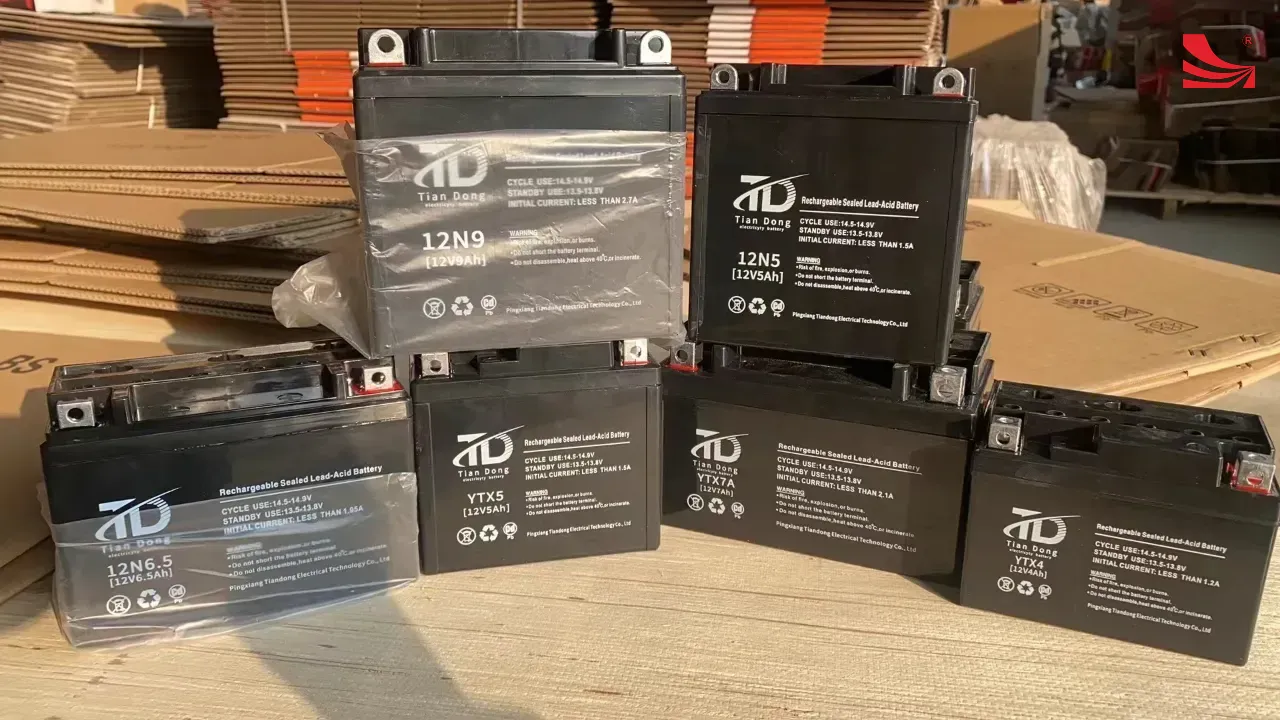
High Performance Motorcycle Batteries for Global Markets

Tiandong Electric Appliance Showcases High-Performance Motorcycle Batteries at Guangzhou Expo

What kind of battery is best for a motorcycle?

The Ultimate Guide to Electric Scooter Batteries: Performance, Longevity, and Future Innovations (2026 & Beyond)

The Ultimate 2026 Guide to Motorcycle Battery Types: Choose, Maintain, and Upgrade for Peak Performance
OEM/ODM
Is an OEM battery safe?
Authentic original equipment manufacturer (OEM) batteries undergo safety testing and certification. Counterfeit batteries do not, and therefore may not have the proper protection inside the cells to prevent overcharging and overheating, which can lead to serious injuries and damage from thermal runaway.
Product
Why does my motorcycle battery keep dying?
Common causes include:
-
Faulty charging system
-
Parasitic drain
-
Old battery
-
Improper storage
What causes motorcycle batteries to fail?
Common causes include over-discharging, extreme temperatures, poor charging systems, and low-quality manufacturing materials.
How long does a motorcycle battery typically last?
A motorcycle battery generally lasts between 2 and 4 years, depending on usage, maintenance, and environmental conditions.
Support
What is Tiandong’s production capacity?
The company produces approximately 6 million batteries per year, supported by 15,000 tons of electrode plate production capacity.
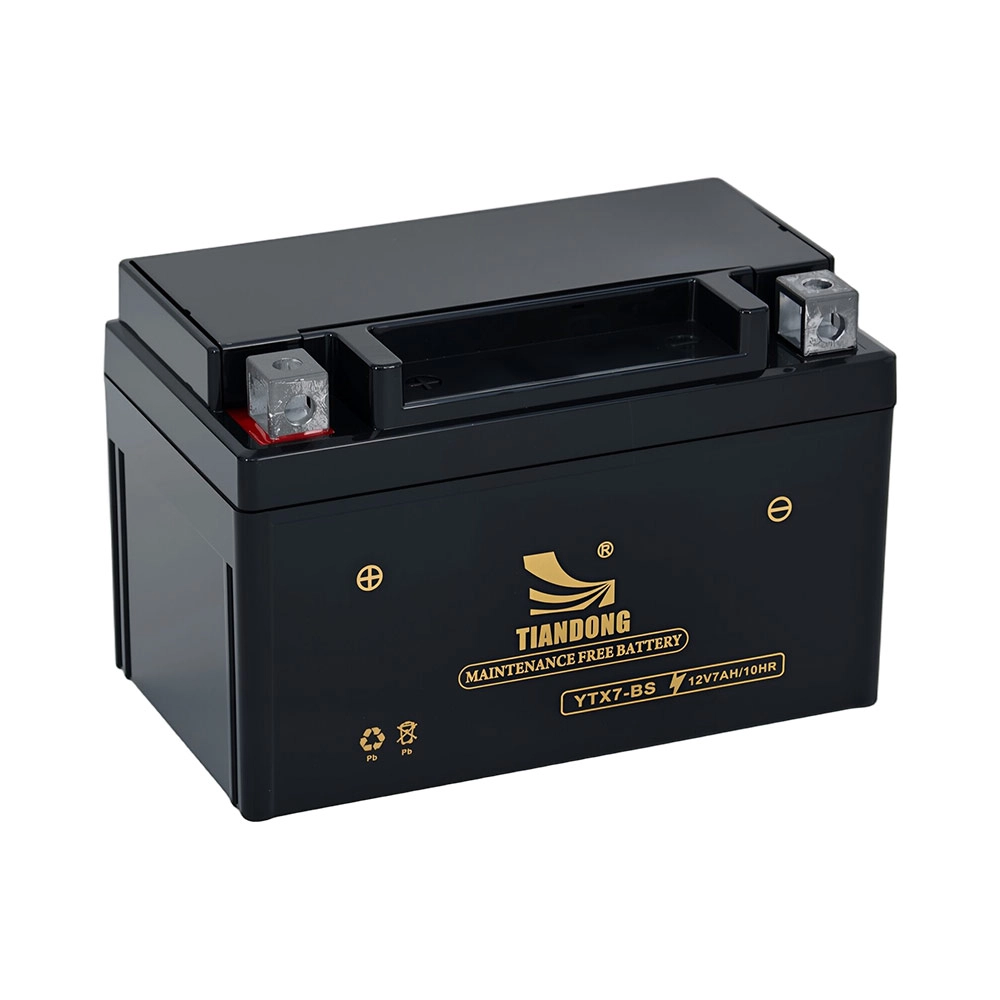
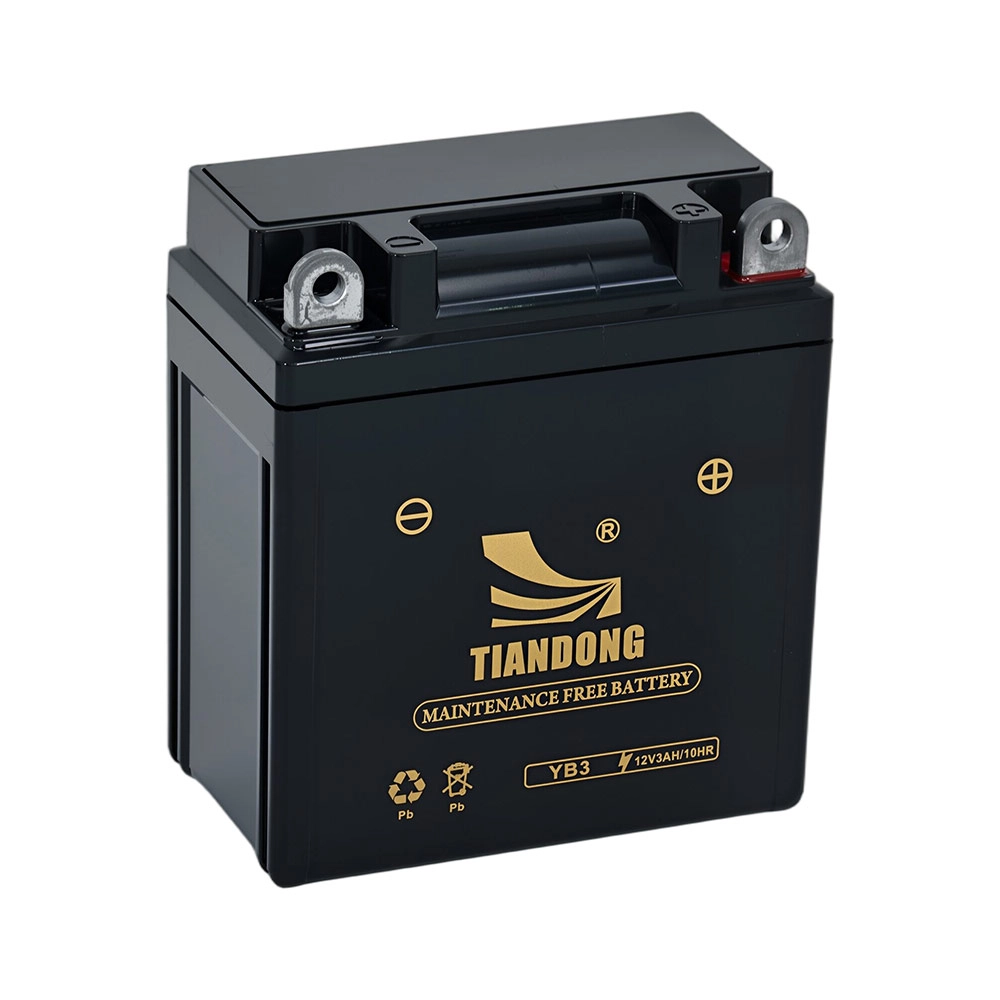
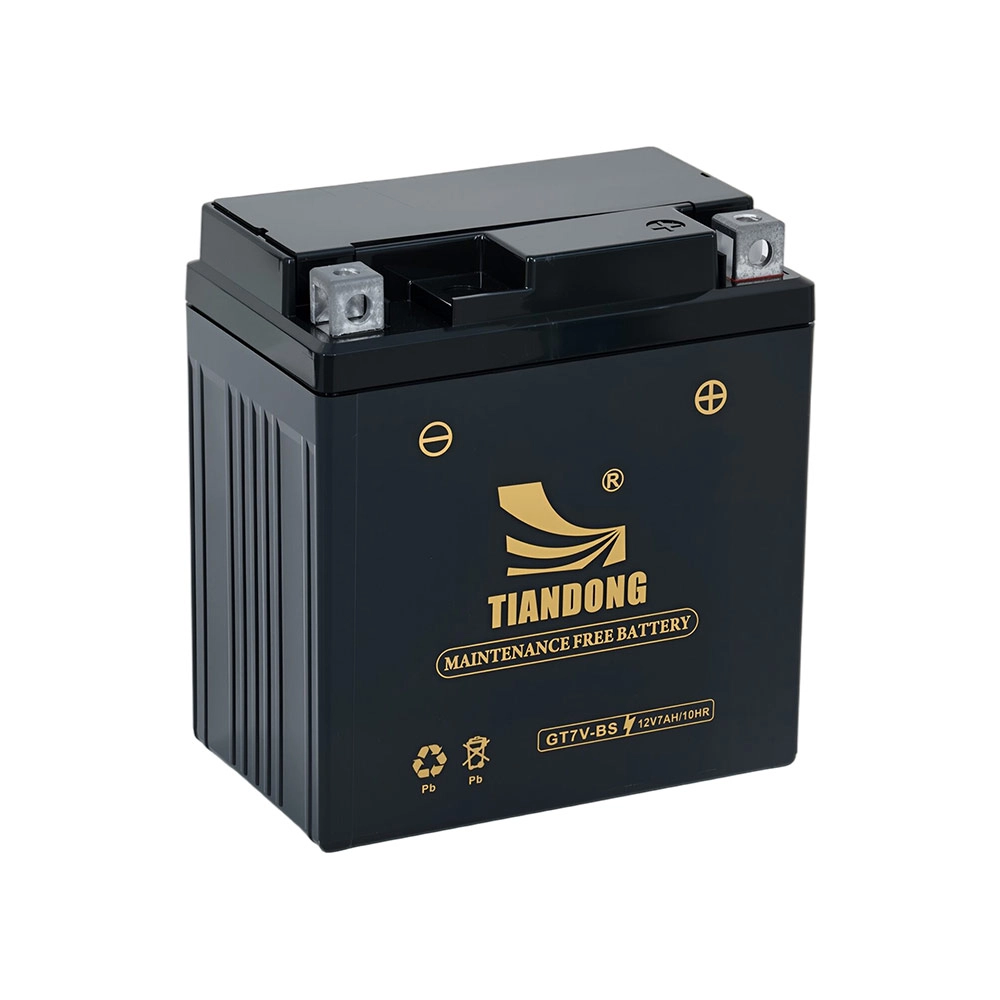
Get in touch with us to get your Motorbike Battery solution
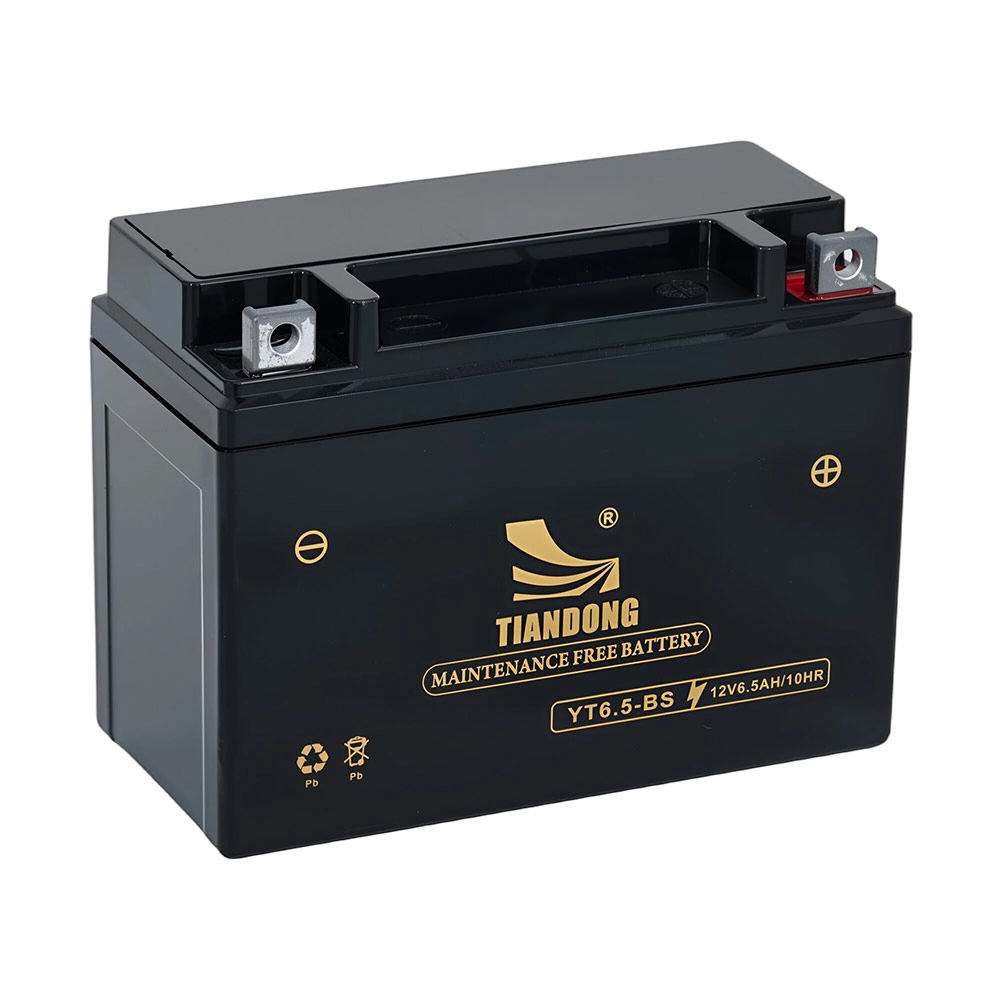
TIANDONG is a leading motorcycle battery manufacturer offering OEM/ODM service, stable quality, and global export support.
Built for wholesalers. Trusted by global buyers. Delivered with confidence.
Say Hello
E-mail: daisybattery8@gmail.com
xianyingchen83@gmail. com
WhatsAPP: +86 134 283 86694
+86 134 348 86641
Our Location
Social Links
© 2025 TIANDONG. All Rights Reserved. Privacy Policy | Terms and Conditions | Sitemap
 Scan QR Code
Facebook
Instagram
Scan QR Code
Whatsapp: +8613434886641