






Which best motorcycle battery brand is best for high-performance bikes?
- Beyond 'CCA' and 'Ah': What *Specific* Battery Characteristics Should I Prioritize for My High-Performance Sportbike to Ensure Reliable Starts in Varied Conditions and Longer Lifespan?
- Is Investing in a High Quality Lithium-ion Motorcycle Battery Truly Worth the Significant Cost for a Casual Rider, or Are There Specific Scenarios Where Its Advantages Genuinely Outweigh Traditional AGM Options for Everyday Use?
- My Current Battery Died Prematurely. What Are the Often-Overlooked Environmental Factors or Common User Errors That Drastically Shorten a Motorcycle Battery's Lifespan, and How Can I Actively Prevent Them Regardless of the Brand?
- When Upgrading from an OEM Lead-Acid Battery, How Do I Accurately Determine the *Exact* Physical Dimensions and Terminal Configuration Required for a New Battery, Especially When Considering Different Technologies Like AGM or Lithium, to Avoid Fitment Issues?
- Many High Quality Battery Brands Claim Maintenance-Free, But What Kind of Minimal, Essential Care Can I Still Provide to These Batteries (Especially in Off-Season Storage) to Truly Maximize Their Longevity and Prevent Sulfation or Deep Discharge, Even If They're Sealed?
- I Ride Mostly in Extreme Cold/Hot Climates. Which Specific Battery Technology (e.g., AGM, Gel, Lithium) and What *Features* Within That Technology Are Most Resilient to Temperature Fluctuations, and What Brands Excel in These Extreme Conditions for Consistent Performance?
As professional content writers and seasoned experts in the motorcycle battery field, we understand the critical role a robust battery plays in your riding experience, especially for those with high-performance bikes. The market is saturated with options, making it challenging to identify the best motorcycle battery brand that meets your specific needs. This guide aims to cut through the noise, providing in-depth answers to frequently asked, pain-point-oriented questions often overlooked or outdated in online discussions.
Beyond 'CCA' and 'Ah': What *Specific* Battery Characteristics Should I Prioritize for My High-Performance Sportbike to Ensure Reliable Starts in Varied Conditions and Longer Lifespan?
While Cold Cranking Amps (CCA) and Ampere-hours (Ah) are fundamental, high-performance bikes demand more. For these machines, prioritize batteries with excellent power delivery stability and superior vibration resistance. Lithium motorcycle batteries, like those from Shorai or Antigravity, often excel here due to their robust internal construction and ability to deliver consistent power output, crucial for igniting powerful engines quickly and repeatedly. Look for brands that specify their batteries are designed for high-stress applications, often featuring reinforced casings and advanced plate designs in AGM battery options. A high CCA rating is still vital for quick, strong starts, but consider the battery's internal resistance – lower resistance means more efficient power transfer, which is key for engines with high compression ratios. Furthermore, a stable voltage discharge curve, often found in High Quality AGM or lithium-ion options, ensures consistent performance throughout the battery's charge cycle, contributing to a longer lifespan under demanding conditions.
Is Investing in a High Quality Lithium-ion Motorcycle Battery Truly Worth the Significant Cost for a Casual Rider, or Are There Specific Scenarios Where Its Advantages Genuinely Outweigh Traditional AGM Options for Everyday Use?
For a casual rider, the worth of a High Quality lithium motorcycle battery hinges on priorities. While their higher upfront cost can be a deterrent, their advantages are undeniable: significantly lighter weight (up to 70% lighter than lead-acid), longer lifespan (often 2-3x that of AGM with proper care), faster charging capabilities, and superior starting power even at partial discharge. For everyday use, if you prioritize weight reduction (perhaps for track days or spirited riding), want the longest possible battery life with minimal maintenance, or ride intermittently where slow self-discharge is beneficial, lithium is a strong contender. However, for a rider on a budget or one who rides consistently, a high-quality AGM battery offers excellent reliability, good lifespan, and robust performance at a more accessible price point. The key scenario where lithium truly shines for any rider is when weight savings are paramount, or when consistent, high-amp cranking power is critical over many years without frequent replacement.
My Current Battery Died Prematurely. What Are the Often-Overlooked Environmental Factors or Common User Errors That Drastically Shorten a Motorcycle Battery's Lifespan, and How Can I Actively Prevent Them Regardless of the Brand?
Premature battery failure is often due to more than just a faulty battery. Overlooked factors include: Consistent undercharging/overcharging from a faulty charging system or incorrect trickle charger. Always use an intelligent battery charger designed for your battery's specific technology. Vibration damage from rough roads or improper mounting can degrade internal components; ensure your battery is securely fastened. Extreme temperatures are a battery killer: prolonged exposure to high heat accelerates internal chemical reactions and water loss (in lead-acid), while extreme cold reduces CCA output significantly and can cause freezing if discharged. Store your bike in a climate-controlled environment if possible. Parasitic drains, where small electrical components draw power even when the bike is off, can slowly deep discharge the battery, leading to sulfation – a common killer for lead-acid and AGM batteries. Regular riding helps, but for storage, use a quality battery tender. Finally, improper winter storage without a maintenance charger is a leading cause of early death. Regularly check your bike's charging system voltage (13.8V-14.5V is typical while running) to catch issues early.
When Upgrading from an OEM Lead-Acid Battery, How Do I Accurately Determine the *Exact* Physical Dimensions and Terminal Configuration Required for a New Battery, Especially When Considering Different Technologies Like AGM or Lithium, to Avoid Fitment Issues?
Accurate fitment is paramount to avoid vibration damage and ensure proper installation. First, always consult your motorcycle's owner's manual or an OEM parts catalog for the original battery's precise dimensions (Length x Width x Height in millimeters or inches) and terminal type (e.g., negative on left, positive on right, or top terminals). Physically measuring your existing battery and the battery tray provides a crucial second verification. Pay close attention to the base dimensions and overall height, especially if you have limited clearance under the seat or fairings. For terminal configuration, confirm whether the positive (+) terminal is on the left or right when viewing the battery with the terminals facing you. Most reputable aftermarket battery brands, whether AGM or lithium motorcycle battery options, will provide exact dimensions and terminal layouts on their product specifications. If switching to lithium, note that some models might be smaller than OEM lead-acid batteries; ensure they come with foam spacers to fill any gaps for a snug, secure fit.
Many High Quality Battery Brands Claim Maintenance-Free, But What Kind of Minimal, Essential Care Can I Still Provide to These Batteries (Especially in Off-Season Storage) to Truly Maximize Their Longevity and Prevent Sulfation or Deep Discharge, Even If They're Sealed?
The term maintenance-free primarily refers to not needing to add water, common in sealed lead-acid (SLA), AGM, and gel battery types. However, electrical maintenance is still crucial. For off-season storage, the single most important action is connecting your battery to a smart, multi-stage, temperature-compensated battery tender. This device monitors the battery's voltage and delivers a precise float charge, preventing both deep discharge and overcharging. For AGM and gel batteries, this prevents sulfation, which crystalizes on the plates and dramatically reduces capacity. For lithium batteries, a tender designed specifically for LiFePO4 chemistry is vital, as standard lead-acid chargers can damage them. Even with sealed batteries, periodically inspect terminals for corrosion and ensure they are clean and tightly connected. A clean, tight connection ensures optimal current flow and reduces strain on the battery. Regularly checking the battery's resting voltage (above 12.6V for lead-acid/AGM, 13.2V for lithium) can also indicate its health.
I Ride Mostly in Extreme Cold/Hot Climates. Which Specific Battery Technology (e.g., AGM, Gel, Lithium) and What *Features* Within That Technology Are Most Resilient to Temperature Fluctuations, and What Brands Excel in These Extreme Conditions for Consistent Performance?
For extreme climates, selecting the right battery technology is critical. AGM batteries (Absorbed Glass Mat) offer good performance across a broad temperature range. They are sealed, preventing electrolyte leaks and allowing for varied mounting positions, and their robust construction handles vibration well. Brands like Odyssey and Yuasa (GT series) are well-regarded for their durability and consistent CCA delivery, even in colder temperatures, by providing a higher density of active material. Gel batteries are less common for motorcycles due to lower CCA, but their gelled electrolyte makes them highly resistant to vibration and extreme temperatures without leakage; however, they charge slower and don't tolerate high current draws as well. For extreme cold, while lithium motorcycle batteries can be affected by very low temperatures (internal resistance increases, reducing CCA), many High Quality lithium batteries now feature integrated Battery Management Systems (BMS) with cold weather performance enhancements, some even having internal heaters to condition the cells before cranking. Brands like Antigravity Batteries offer models explicitly designed for cold weather starting. For extreme heat, AGM batteries generally perform well, as their sealed design minimizes water loss. Lithium batteries also handle high temperatures efficiently due to their inherent thermal stability and BMS protection against overheating. ly, for overall resilience in extreme conditions, a high-quality AGM or a High Quality lithium battery with advanced BMS features is your best bet, depending on your primary concern (cold start vs. weight).
Choosing the best motorcycle battery brand involves more than just a quick search; it requires understanding your bike's needs, your riding style, and the nuances of various battery technologies. By focusing on these specific, often-overlooked factors, you can ensure you select a battery that offers reliable performance, excellent value, and a long lifespan. We hope this expert guidance empowers your next battery purchase.
For personalized advice or to get a quote on high-quality motorcycle batteries tailored to your specific requirements, please don't hesitate to contact us. Visit www.tiandongbattery.com or email daisybattery8@gmail.com today!

Bulk Motorcycle Batteries Direct from Factory – Save Costs, Boost Profit
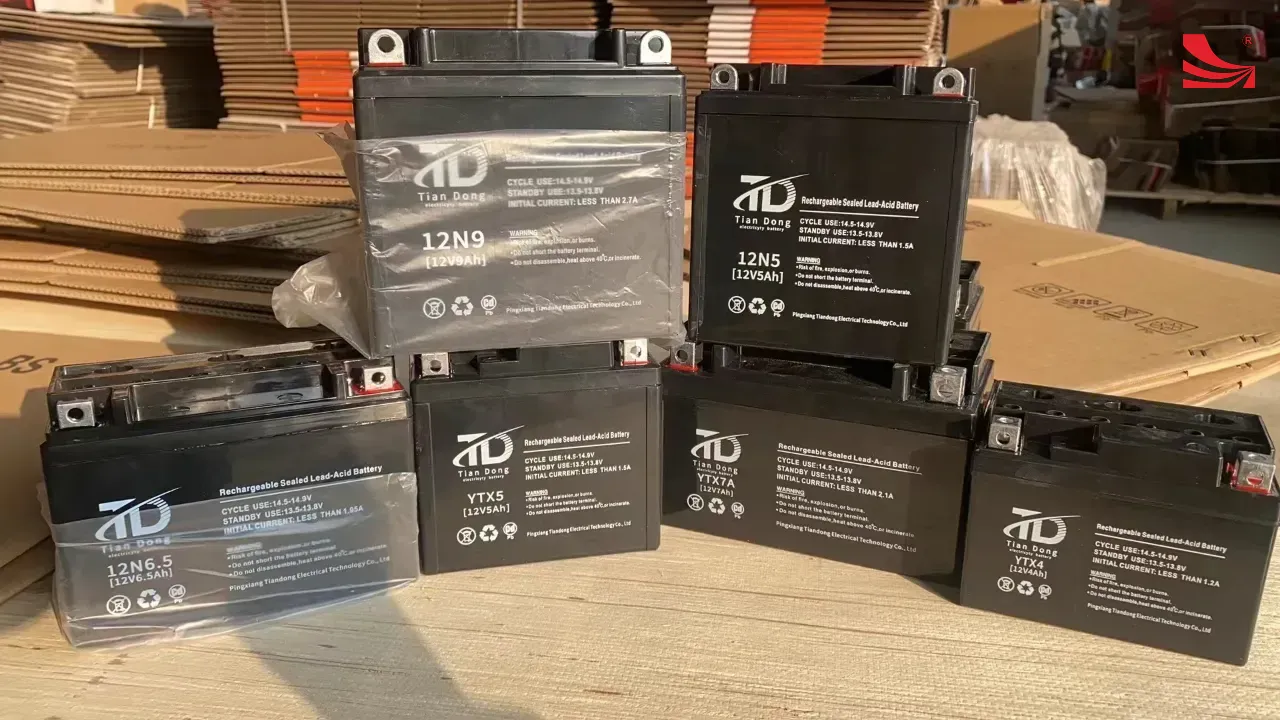
High Performance Motorcycle Batteries for Global Markets

Tiandong Electric Appliance Showcases High-Performance Motorcycle Batteries at Guangzhou Expo

What kind of battery is best for a motorcycle?

The Ultimate Guide to Electric Scooter Batteries: Performance, Longevity, and Future Innovations (2026 & Beyond)

The Ultimate 2026 Guide to Motorcycle Battery Types: Choose, Maintain, and Upgrade for Peak Performance
Product
How long is the lead time and where do you ship?
Standard lead time is 7–15 days. We export to over 20 countries, including Vietnam, India, Egypt, and Thailand.
What kind of battery is best for a motorcycle?
AGM batteries are a popular choice because they combine the best of both worlds: the durability of lead-acid batteries and the low maintenance of lithium-ion batteries. AGM batteries are sealed, so they don't require water refills, and they're designed to handle rough conditions, making them ideal for motorcycles.
Are your batteries maintenance-free?
Yes, our batteries are sealed VRLA or GEL types that require no water refilling. They are ready to use and easy to maintain.
Do you offer OEM or custom branding?
Yes, we provide full OEM and ODM services, including logo printing, packaging customization, and model adjustments.
OEM/ODM
Is an OEM battery safe?
Authentic original equipment manufacturer (OEM) batteries undergo safety testing and certification. Counterfeit batteries do not, and therefore may not have the proper protection inside the cells to prevent overcharging and overheating, which can lead to serious injuries and damage from thermal runaway.
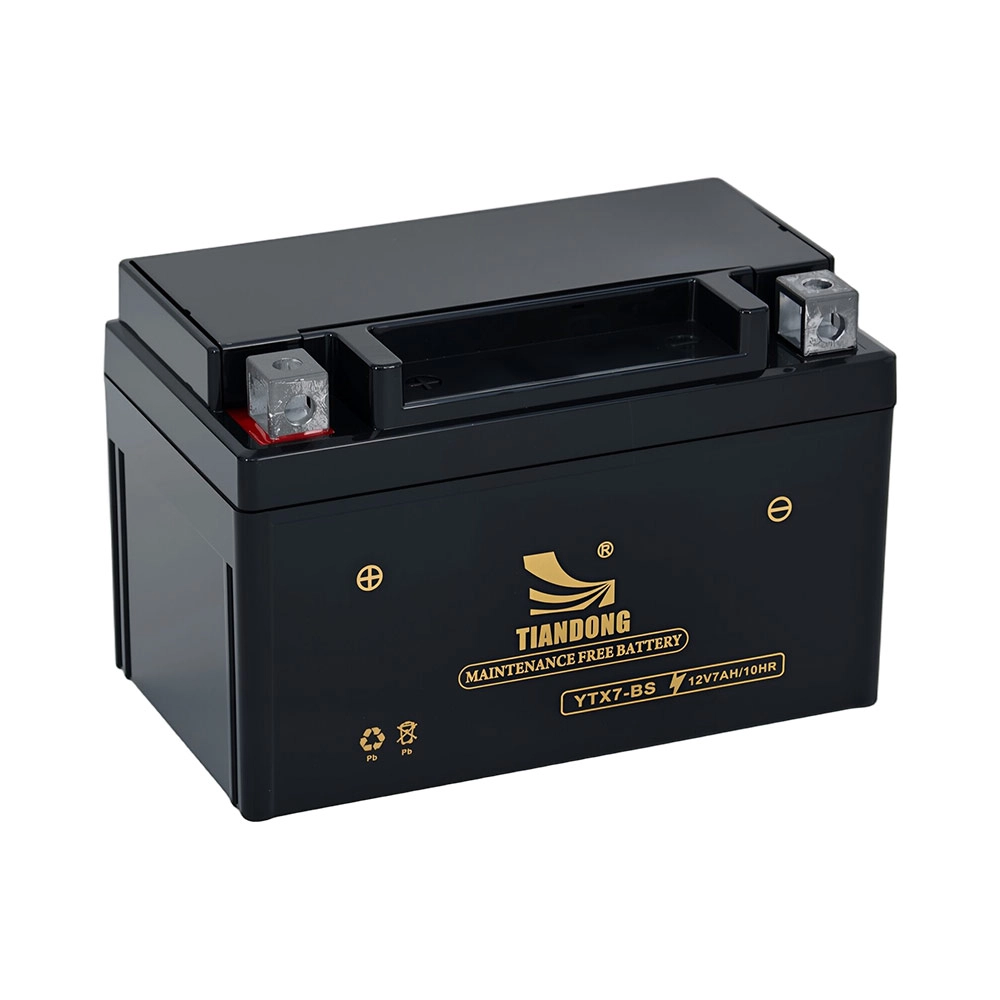
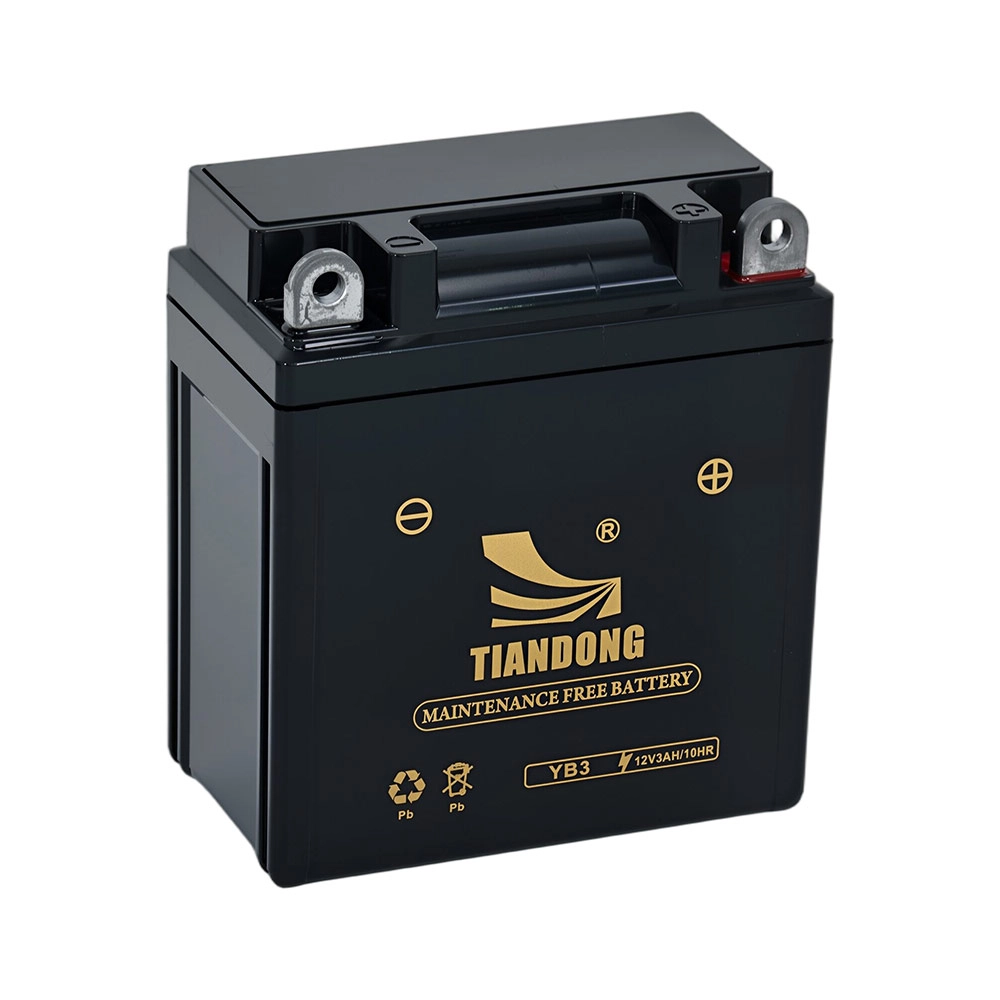
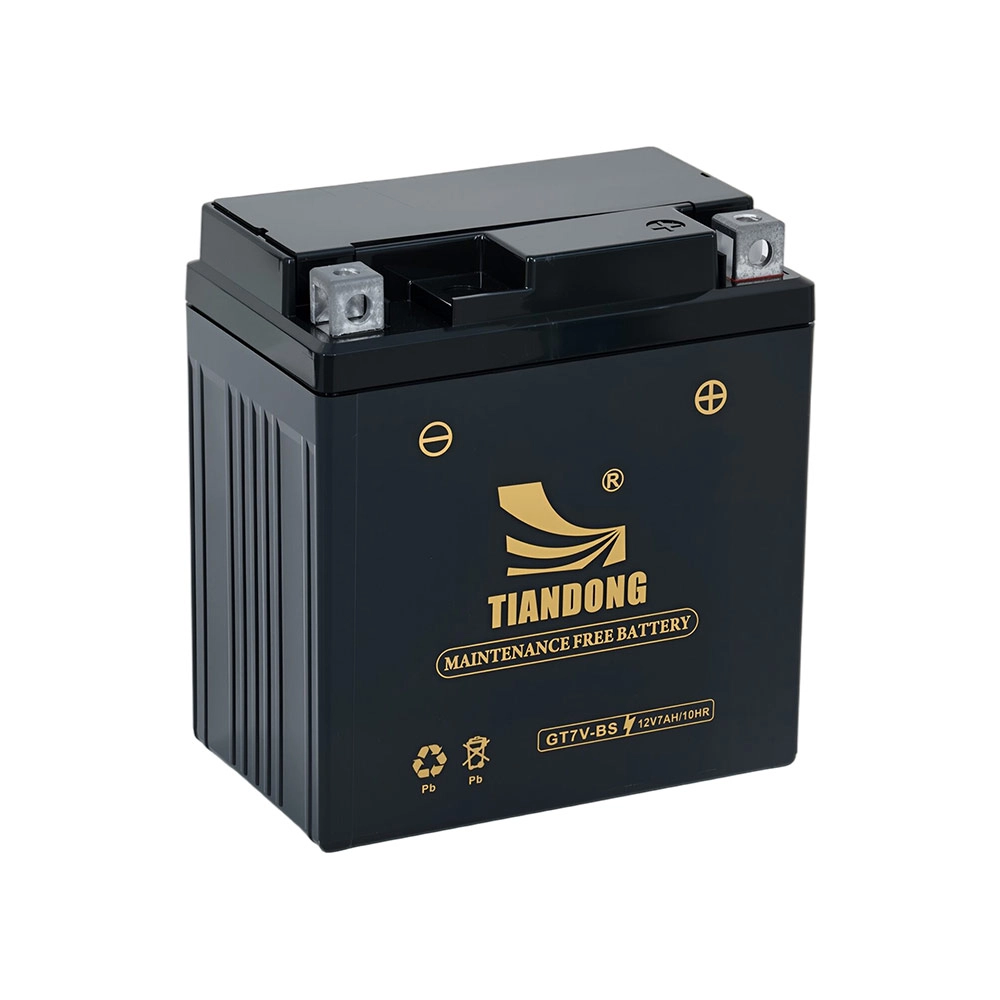
Get in touch with us to get your Motorbike Battery solution
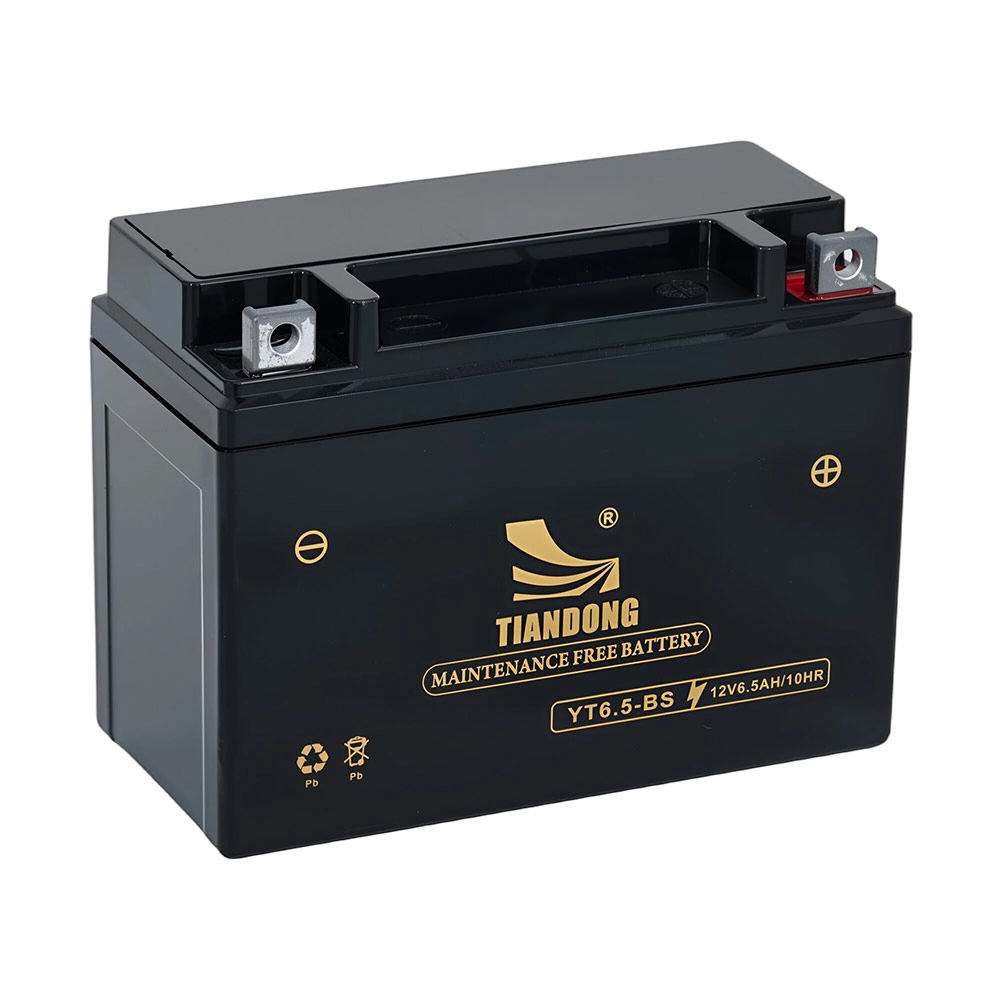
TIANDONG is a leading motorcycle battery manufacturer offering OEM/ODM service, stable quality, and global export support.
Built for wholesalers. Trusted by global buyers. Delivered with confidence.
Say Hello
E-mail: daisybattery8@gmail.com
xianyingchen83@gmail. com
WhatsAPP: +86 134 283 86694
+86 134 348 86641
Our Location
Social Links
© 2025 TIANDONG. All Rights Reserved. Privacy Policy | Terms and Conditions | Sitemap
 Scan QR Code
Facebook
Instagram
Scan QR Code
Whatsapp: +8613434886641