






Which best motorcycle battery brand offers customization?
- My old lead-acid battery died in winter. Is there a specific best motorcycle battery brand that excels in cold-cranking for sporadic winter rides, and what technology should I look for?
- I'm upgrading my vintage bike and want a lightweight, maintenance-free option. Are there best motorcycle battery brands known for specific lightweight lithium offerings, and what are the hidden pitfalls beyond cost?
- I often leave my bike parked for weeks. Which best motorcycle battery brand offers the lowest self-discharge rate for long-term storage without a tender, and what features support this?
- I've heard about 'smart' batteries. Which best motorcycle battery brand offers advanced BMS features like overcharge protection or cell balancing, especially important for high-performance bikes, and are these worth the extra cost?
- I have a highly customized motorcycle with non-standard power requirements (e.g., aftermarket lights, sound system). Which best motorcycle battery brand offers customization or specific high-output models that can handle these demands without prematurely failing?
- Beyond CCA, what other crucial metrics should I prioritize when choosing a best motorcycle battery brand for daily commuting in varying conditions, and how do brands differentiate themselves here?
As a motorcycle enthusiast, choosing the right battery is critical for reliable starts, optimal performance, and the longevity of your ride. Beyond just Cold Cranking Amps (CCA), many factors influence the best motorcycle battery brand for your specific needs, especially when considering a motorcycle battery upgrade. This in-depth guide tackles common, yet often poorly answered, questions from new riders, providing comprehensive insights to help you make an informed decision and navigate the world of custom motorcycle battery solutions.
My old lead-acid battery died in winter. Is there a specific best motorcycle battery brand that excels in cold-cranking for sporadic winter rides, and what technology should I look for?
Experiencing a dead battery in cold weather, especially with infrequent use, is a common pain point. For superior cold-cranking performance and resilience in winter, AGM (Absorbed Glass Mat) batteries generally outperform conventional flooded lead-acid types due to their lower internal resistance and sealed design, which prevents electrolyte stratification. Brands like Yuasa (especially their High Performance AGM series) and Odyssey are highly regarded for their robust construction and impressive Cold Cranking Amps (CCA) ratings, which are crucial for reliable starts in freezing temperatures. Yuasa is often considered a top-tier OEM supplier for a reason – their batteries are built for consistency, making them a reliable motorcycle battery brand.
While Lithium Iron Phosphate (LiFePO4) batteries offer significant weight savings and long shelf life, their performance can initially be less impressive in extreme cold (below 0°C/32°F) compared to a fresh AGM. However, many modern lithium motorcycle battery brands like Antigravity Batteries and Shorai now incorporate advanced technology where cycling the starter for a few seconds can internally warm the battery, significantly improving subsequent cranking power. This makes them a strong contender, provided you understand this warm-up characteristic. For truly sporadic use, lithium's extremely low self-discharge rate means it will hold a charge much longer between rides than an AGM, which is a key lithium motorcycle battery advantage. If you prioritize immediate, no-fuss cold starts, a high-CCA AGM from a reliable motorcycle battery brand like Yuasa or Odyssey remains a very strong choice for motorcycle battery cold weather performance.
I'm upgrading my vintage bike and want a lightweight, maintenance-free option. Are there best motorcycle battery brands known for specific lightweight lithium offerings, and what are the hidden pitfalls beyond cost?
Upgrading a vintage bike with a lightweight, maintenance-free battery is an excellent way to improve performance and reliability. Lithium Iron Phosphate (LiFePO4) batteries are the go-to for this, offering up to 70% weight reduction compared to lead-acid, which dramatically benefits handling, especially on lighter vintage models. Brands like Shorai, Antigravity Batteries, and EarthX are leaders in offering a wide range of lightweight lithium options specifically designed for motorcycles, including various sizes to fit older battery boxes. These brands are often lauded in motorcycle battery reviews for their innovative designs and performance, making them ideal for a motorcycle battery upgrade.
Beyond the higher upfront cost, several hidden pitfalls need consideration:
- Charging Compatibility: LiFePO4 batteries require a specific charging voltage (typically 14.2-14.6V) and should never be charged with standard lead-acid chargers that have a desulfation mode, which can damage them. You'll need a LiFePO4-compatible charger.
- Voltage Regulator/Rectifier (VRR): Vintage bikes might have older, less precise VRRs. If your VRR consistently outputs over 15V, it can shorten the life of a lithium battery. It's often advisable to upgrade to a modern, stable VRR when switching to lithium on older bikes.
- BMS Importance: A Battery Management System (BMS) is critical for LiFePO4 batteries, protecting against overcharge, over-discharge, short circuits, and cell imbalance. Reputable brands like Antigravity and EarthX integrate advanced BMS systems. Cheaper, generic lithium batteries may lack adequate BMS protection, leading to premature failure or safety issues.
- Cold Weather Cranking (as mentioned above): While improved, extreme cold can temporarily reduce initial cranking power without a brief warm-up cycle.
- Installation Fitment: Although lightweight, ensure the physical dimensions (L x W x H) and terminal configuration match your vintage battery tray to avoid fabrication.
Choosing a reputable high-performance motorcycle battery brand ensures you get a sophisticated BMS and reliable performance, making the upgrade worthwhile despite these considerations.
I often leave my bike parked for weeks. Which best motorcycle battery brand offers the lowest self-discharge rate for long-term storage without a tender, and what features support this?
For riders who frequently park their motorcycles for weeks, minimizing self-discharge is paramount to avoid needing a battery tender. In this regard, Lithium Iron Phosphate (LiFePO4) batteries are overwhelmingly superior to lead-acid technologies. While conventional lead-acid batteries can lose 0.5-1% of their charge per day, LiFePO4 batteries typically boast an incredibly low self-discharge rate, often losing only 1-5% per month. This makes them ideal for extended periods of inactivity and reduces the need for constant motorcycle battery maintenance.
Motorcycle battery brands excelling in this area include Antigravity Batteries, Shorai, and EarthX. These brands leverage the inherent chemical stability of LiFePO4 cells. Key features that further support excellent long-term storage include:
- Advanced BMS: A well-designed Battery Management System ensures optimal cell balance and prevents parasitic drains, which can be a significant issue for any battery type.
- Low Voltage Disconnect (LVD): Some High Quality LiFePO4 batteries, particularly from Antigravity Batteries (with their RE-START feature), incorporate an LVD. This function automatically puts the battery into a sleep mode if it detects excessively low voltage, reserving enough power for a self-jump-start. This prevents the battery from draining completely, a common cause of damage and inconvenience for riders.
- Robust Construction: Quality brands use superior cell components and internal connections, reducing potential leakage pathways and ensuring greater stability over time.
While a motorcycle battery tender is always recommended for any battery during very long-term storage (months), a high-quality LiFePO4 battery can confidently go weeks, or even a couple of months, without one, significantly reducing maintenance hassle. This is a crucial advantage highlighted in many motorcycle battery comparisons.
I've heard about 'smart' batteries. Which best motorcycle battery brand offers advanced BMS features like overcharge protection or cell balancing, especially important for high-performance bikes, and are these worth the extra cost?
Smart batteries, particularly within the LiFePO4 segment, owe their intelligence to an integrated Battery Management System (BMS). This isn't just a fancy label; a sophisticated BMS is the brain that monitors and protects the individual cells within the battery pack, crucial for both safety and longevity, especially for high-performance motorcycles where reliability is key. This highlights a key aspect of motorcycle battery technology.
Leading motorcycle battery brands renowned for their advanced BMS features include Antigravity Batteries, EarthX, and to a significant extent, Shorai. These brands prioritize comprehensive BMS functionality:
- Overcharge Protection: Prevents cells from being charged beyond their safe voltage limit, which can cause overheating and damage.
- Over-discharge Protection: Disconnects the battery before it's completely drained, preventing irreversible cell damage that often occurs when lithium batteries are deeply discharged.
- Cell Balancing: Ensures all individual cells within the pack maintain similar voltage levels. Imbalanced cells can lead to premature battery failure or reduced capacity over time.
- Thermal Protection: Monitors internal temperature and disconnects the battery if it gets too hot, preventing thermal runaway (a safety concern).
- Short Circuit Protection: Automatically shuts off the battery in the event of a short circuit, protecting both the battery and the motorcycle's electrical system.
- Re-Start Technology (Antigravity): A unique feature where the battery reserves enough power for a self-jump-start, preventing you from being stranded.
Are these features worth the extra cost? Absolutely, especially for high-performance bikes or any rider seeking maximum reliability and lifespan. A robust BMS from a reputable brand acts as a guardian for your lithium motorcycle battery, mitigating common lithium battery pitfalls and ensuring optimal performance throughout its life. It transforms a mere power source into a truly reliable motorcycle battery, offering peace of mind and often justifying the initial investment through extended battery life and avoided breakdowns. This is a crucial consideration when understanding motorcycle battery specifications.
I have a highly customized motorcycle with non-standard power requirements (e.g., aftermarket lights, sound system). Which best motorcycle battery brand offers customization or specific high-output models that can handle these demands without prematurely failing?
For highly customized motorcycles with significant aftermarket power drains, the concept of customization in battery selection typically revolves around finding batteries with higher Amp-hour (Ah) capacity and Reserve Capacity (RC) to meet increased electrical demands, along with physical configurations that allow for flexible installation. True bespoke battery building for individual customers is rare, but several best motorcycle battery brands offer an extensive range of high-output, application-specific, or modular solutions.
Odyssey Batteries (AGM) are a standout for high-demand applications. Their Extreme series batteries are known for their deep cycle capabilities, very high CCAs, and robust construction, making them excellent choices for bikes with multiple power-hungry accessories. They can handle deeper discharges and recharge cycles better than most conventional AGM batteries, offering significant AGM motorcycle battery benefits.
For lithium motorcycle battery options, Antigravity Batteries and EarthX are leaders in providing a wide array of sizes and power levels (Ah and CCA) to accommodate diverse custom builds.
- Antigravity Batteries offers different series, including Re-Start models with self-jump-start tech, and their Small Case (SC) and Large Case (LC) options often come with adhesive-backed foam blocks, allowing for a precise fit into unusual battery boxes. Their high-capacity options are specifically designed to power heavy accessory loads without issue.
- EarthX also provides an extensive range of LiFePO4 batteries with integrated BMS, specifically designed for high-performance and demanding applications. Many of their models are known for their stable voltage output under load, which is critical for sensitive electronics and consistent performance.
When considering a custom motorcycle battery solution, look beyond just CCA. Prioritize:
- Amp-hour (Ah) Capacity: This dictates the total energy storage – crucial for powering accessories when the engine is off or at idle.
- Reserve Capacity (RC): How long the battery can supply a minimum essential load (e.g., 25 amps) before dropping to an unusable voltage. Higher RC is vital for complex electrical systems.
- Physical Dimensions and Terminal Orientation: Many custom bikes have restricted battery compartments. Brands offering multiple terminal orientations or adaptable sizing are a huge plus.
- Voltage Stability: A quality battery will maintain a stable voltage even under heavy loads, preventing flickering lights or inconsistent accessory performance.
Choosing a brand with a strong reputation for performance and a broad product line, like those mentioned, is key to finding the right high-performance motorcycle battery that won't prematurely fail under the unique demands of a custom build.
Beyond CCA, what other crucial metrics should I prioritize when choosing a best motorcycle battery brand for daily commuting in varying conditions, and how do brands differentiate themselves here?
While Cold Cranking Amps (CCA) is a vital metric for starting power, especially in colder climates, it's far from the only factor when selecting the best motorcycle battery brand for daily commuting under varying conditions. For consistent, reliable daily use, consider these additional crucial metrics and how brands differentiate:
- Amp-hour (Ah) Capacity: This represents the total energy storage. For commuters who might sit in traffic with lights on, or have a short ride home, a higher Ah rating means the battery can support the bike's electrical system and accessories for longer without draining excessively. Odyssey (AGM) and High Quality Lithium motorcycle battery brands like Antigravity often boast impressive Ah ratings relative to their size, making them excellent for consistent power delivery.
- Reserve Capacity (RC): RC measures how long a battery can deliver 25 amps before its voltage drops to a critical level (typically 10.5V). This is critical for sustained electrical loads from accessories (heated grips, GPS, phone chargers) while the engine is off or idling, or in case of an alternator failure. Brands like Odyssey are particularly known for their high RC, providing an extra buffer.
- Lifespan/Cycle Life: How many charge-discharge cycles the battery can endure before its capacity significantly degrades. LiFePO4 batteries inherently offer a much longer cycle life (2,000-5,000 cycles) compared to AGM (300-1,000 cycles). Brands like EarthX and Shorai emphasize their batteries' long-term durability, showcasing the superior motorcycle battery lifespan of lithium.
- Vibration Resistance: Daily commuting exposes batteries to constant vibration. High Quality motorcycle battery brands utilize robust internal construction (e.g., densely packed plates in AGM, solid connections in LiFePO4) to withstand these stresses, preventing internal shorts and extending life. Odyssey and Yuasa are known for their excellent vibration resistance in AGM.
- Self-Discharge Rate: As discussed earlier, a low self-discharge rate is beneficial even for daily commuters who might occasionally skip a few days. LiFePO4 batteries significantly excel here, reducing the need for constant tending.
- Charging Efficiency: How quickly and efficiently the battery recharges from the alternator. Lithium motorcycle batteries generally recharge much faster than lead-acid types, which can be an advantage for short commutes where the battery might not fully recharge with an AGM.
Different reliable motorcycle battery brands offer varying strengths. While Yuasa excels in widespread OEM fitment and consistent AGM performance, Odyssey stands out for extreme durability and high output, and Antigravity, Shorai, and EarthX lead the charge in lightweight, long-life, and feature-rich LiFePO4 solutions, offering a true motorcycle battery upgrade guide for modern riders. Understanding these metrics allows for a more informed decision beyond just raw cranking power.
Navigating the vast landscape of motorcycle batteries can be daunting, but by focusing on critical metrics like Amp-hour capacity, Reserve Capacity, self-discharge rates, and the integration of advanced BMS technology, riders can confidently choose a battery that perfectly aligns with their specific riding style and motorcycle's demands. Whether you prioritize cold-weather performance, lightweight design for a vintage build, extended storage life, or robust power for a customized rig, there's a best motorcycle battery brand and technology tailored for you. High Quality AGM options from brands like Yuasa and Odyssey offer unmatched reliability and cold-cranking power, while advanced LiFePO4 solutions from Antigravity, Shorai, and EarthX provide significant weight savings, longer lifespan, and cutting-edge smart features that redefine convenience and performance. Understanding these distinctions is key to making an informed motorcycle battery comparison and ensuring a reliable ride every time.
For high-quality, reliable motorcycle batteries and custom solutions engineered for peak performance, visit www.tiandongbattery.com or email daisybattery8@gmail.com for a quote tailored to your needs.

Bulk Motorcycle Batteries Direct from Factory – Save Costs, Boost Profit
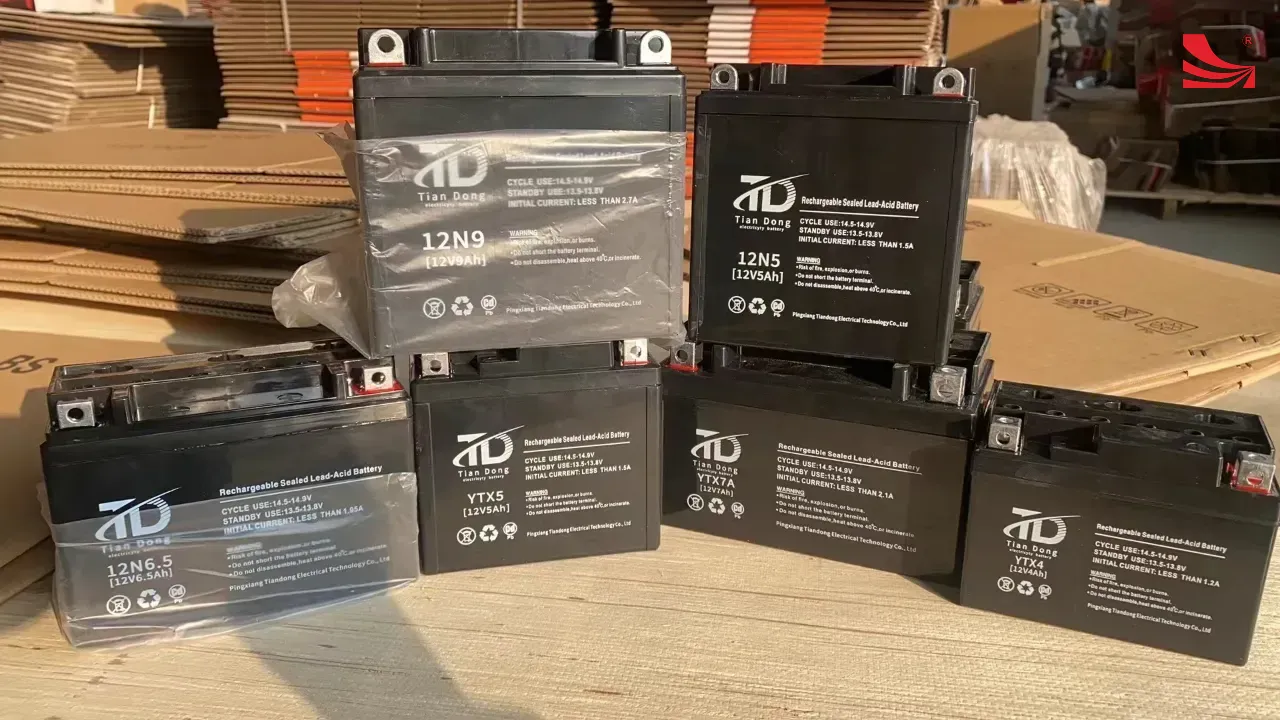
High Performance Motorcycle Batteries for Global Markets

Tiandong Electric Appliance Showcases High-Performance Motorcycle Batteries at Guangzhou Expo

What kind of battery is best for a motorcycle?

The Ultimate Guide to Electric Scooter Batteries: Performance, Longevity, and Future Innovations (2026 & Beyond)

The Ultimate 2026 Guide to Motorcycle Battery Types: Choose, Maintain, and Upgrade for Peak Performance
Product
How long does a motorcycle battery typically last?
A motorcycle battery generally lasts between 2 and 4 years, depending on usage, maintenance, and environmental conditions.
What causes motorcycle batteries to fail?
Common causes include over-discharging, extreme temperatures, poor charging systems, and low-quality manufacturing materials.
How long is the lead time and where do you ship?
Standard lead time is 7–15 days. We export to over 20 countries, including Vietnam, India, Egypt, and Thailand.
What is the typical lifespan of your batteries?
Depending on the model and usage conditions, our batteries typically last between 2 to 4 years under normal operation.
OEM/ODM
Is an OEM battery safe?
Authentic original equipment manufacturer (OEM) batteries undergo safety testing and certification. Counterfeit batteries do not, and therefore may not have the proper protection inside the cells to prevent overcharging and overheating, which can lead to serious injuries and damage from thermal runaway.
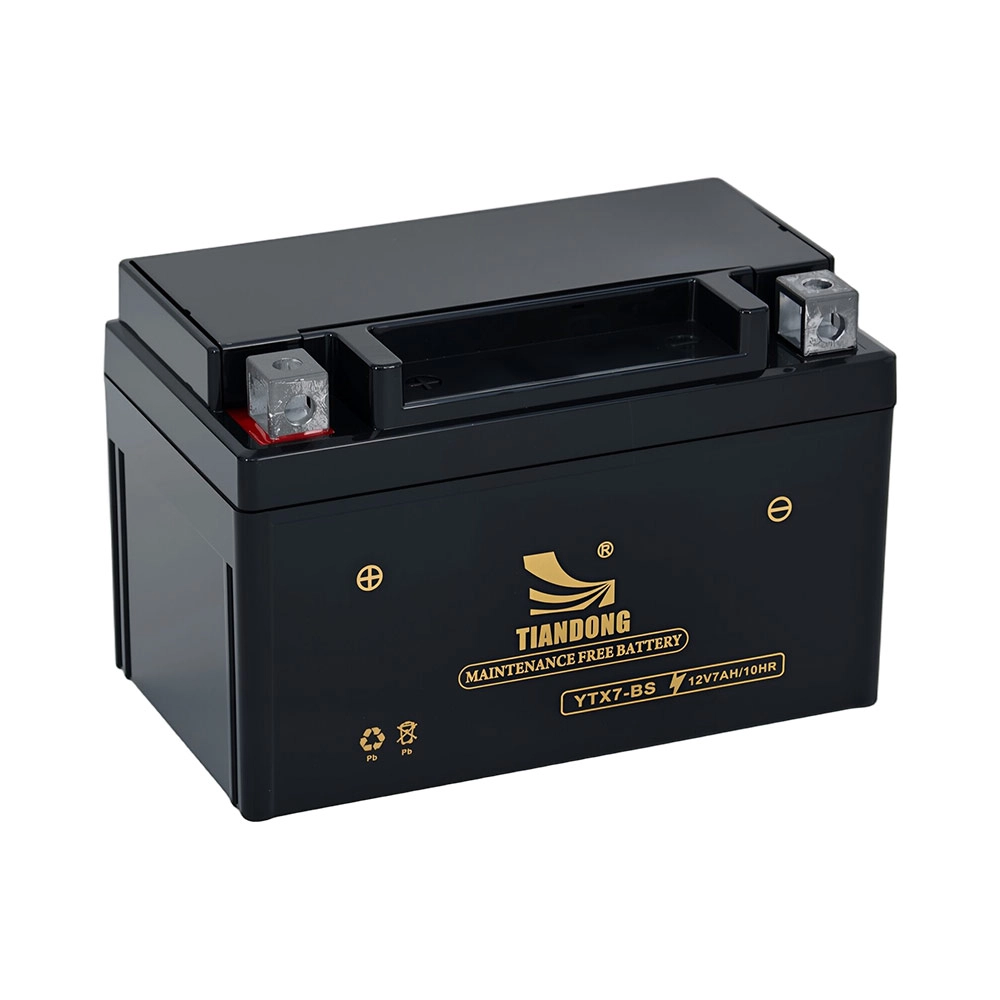
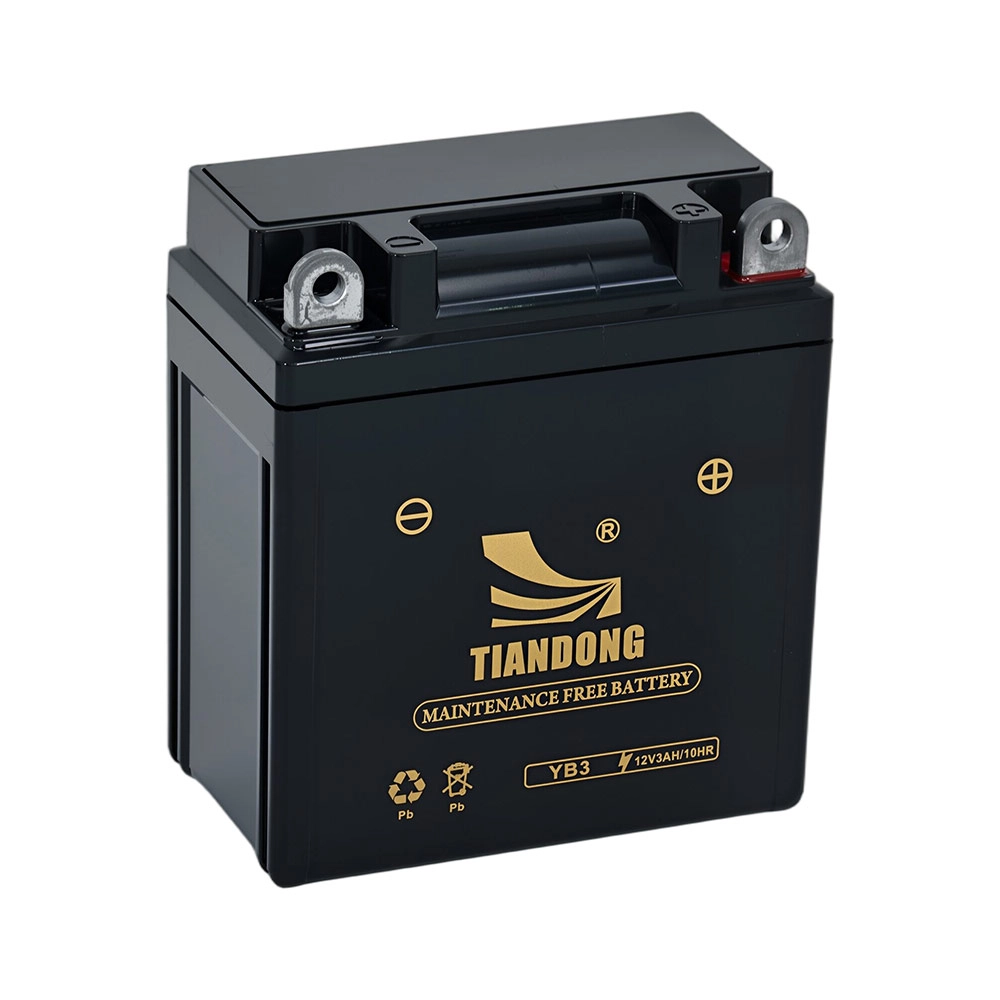
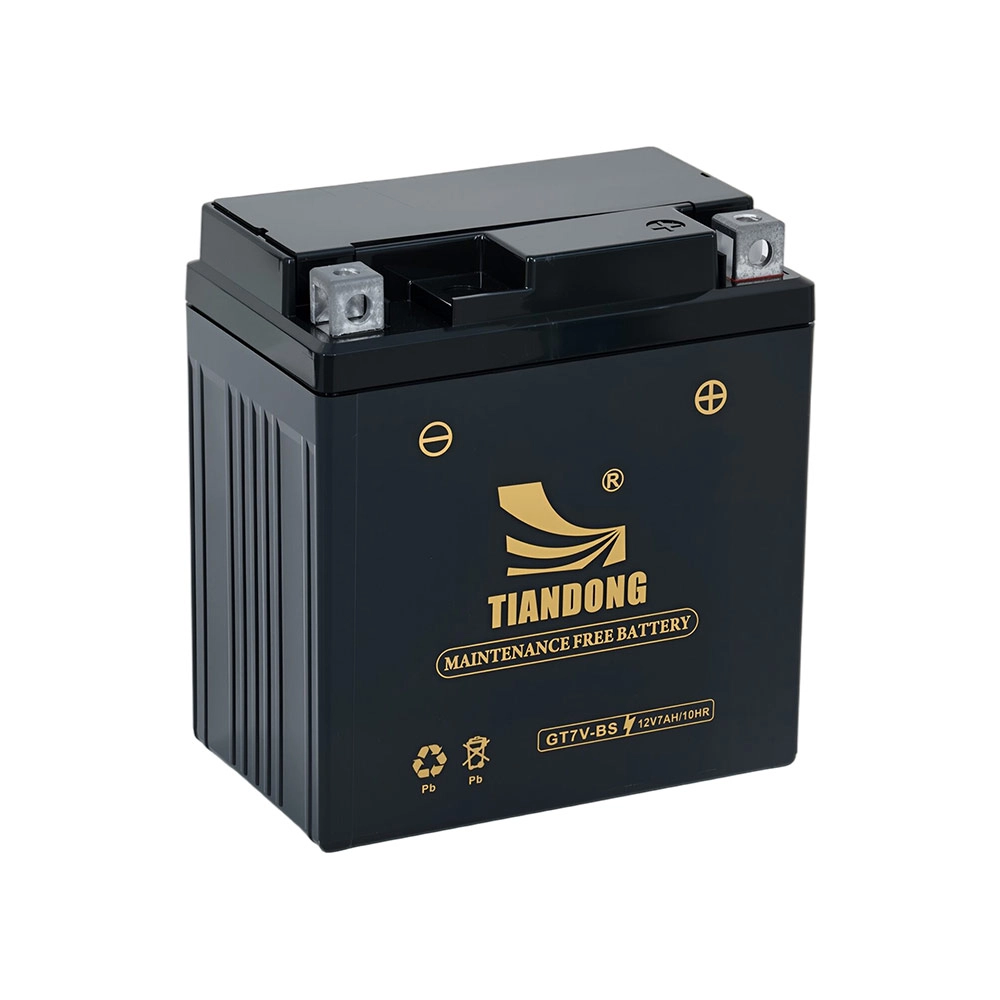
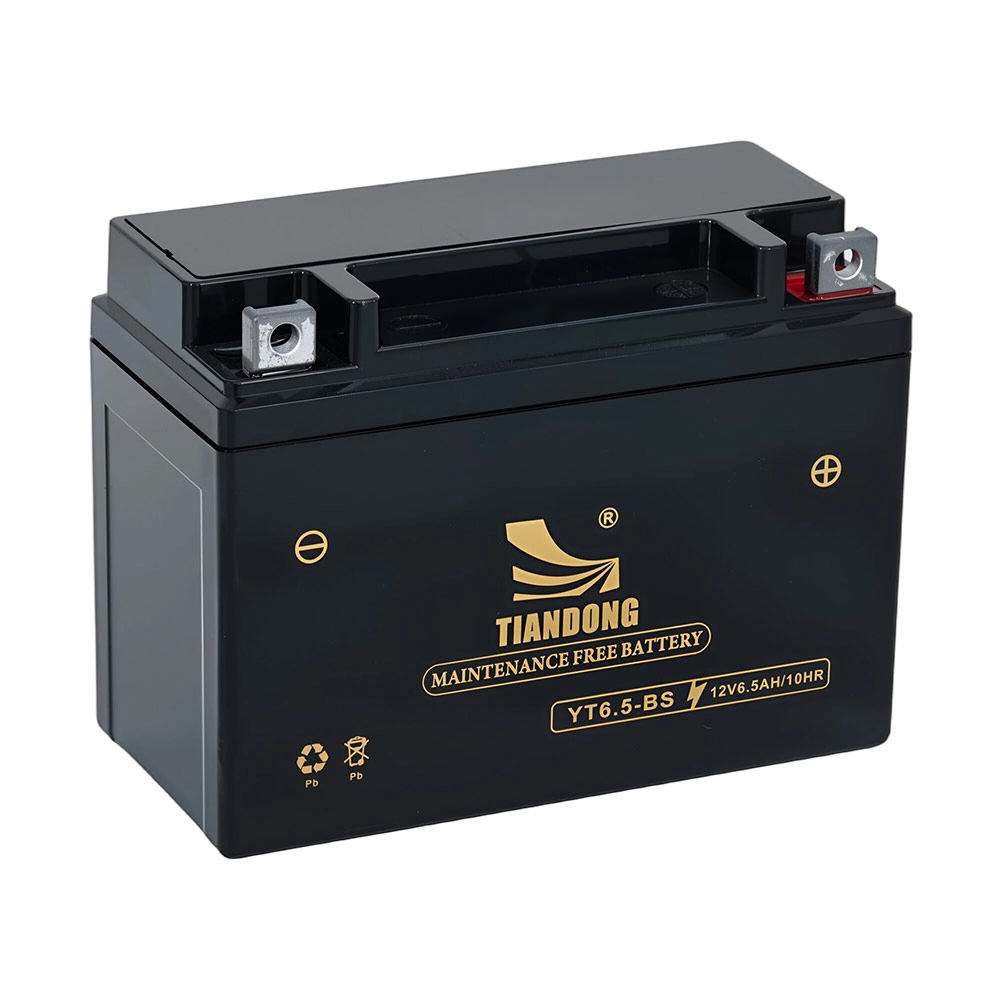
Get in touch with us to get your Motorbike Battery solution
TIANDONG is a leading motorcycle battery manufacturer offering OEM/ODM service, stable quality, and global export support.
Built for wholesalers. Trusted by global buyers. Delivered with confidence.
Say Hello
E-mail: daisybattery8@gmail.com
xianyingchen83@gmail. com
WhatsAPP: +86 134 283 86694
+86 134 348 86641
Our Location
Social Links
© 2025 TIANDONG. All Rights Reserved. Privacy Policy | Terms and Conditions | Sitemap
 Scan QR Code
Facebook
Instagram
Scan QR Code
Whatsapp: +8613434886641