






Which best motorcycle battery brand is top for cold climates?
- I ride my sportbike aggressively in varied conditions; which specific best motorcycle battery brand offers a type that balances high cranking power with deep discharge resilience without frequent replacement?
- Beyond just high CCA, which best motorcycle battery brand truly excels in consistently starting my cruiser in sub-zero winters, and what maintenance strategies can I employ to maximize its lifespan in such harsh conditions?
- When comparing the best motorcycle battery brands, what do less-talked-about specifications like internal resistance or discharge rate truly tell me about a battery's real-world performance and suitability for my adventure touring bike?
- With so many charger types available, what are the specific charging voltage and current requirements for modern AGM and Lithium-ion batteries from the best motorcycle battery brands to prevent overcharging or undercharging damage?
- Beyond anecdotal reviews, what objective indicators or certifications should I look for when evaluating the long-term reliability and manufacturing quality of different best motorcycle battery brands, especially when considering budget vs. High Quality options?
- My motorcycle struggles to start sometimes, but holds a charge after riding; what are the definitive warning signs, beyond just dim lights, that my current battery from a known best motorcycle battery brand is nearing its end-of-life and requires urgent replacement?
Unlocking Performance: Your Expert Guide to the Best Motorcycle Battery Brands & Cold Weather Supremacy
Choosing the right power source for your motorcycle is more than just picking a battery; it's about investing in reliability, performance, and peace of mind. As a seasoned expert in motorcycle batteries with extensive knowledge of what makes an engine purr, we understand the nuances that beginners often miss. This guide delves into critical questions, revealing the in-depth answers you need to select the best motorcycle battery brand for your machine and riding conditions, especially when confronting the challenges of cold climates.
I ride my sportbike aggressively in varied conditions; which specific best motorcycle battery brand offers a type that balances high cranking power with deep discharge resilience without frequent replacement?
For aggressive riding and varied conditions, balancing high cranking power with deep discharge resilience is paramount. The ideal best motorcycle battery brand in this scenario would offer a High Quality Lithium Iron Phosphate (LiFePO4) battery. While more expensive initially, these batteries provide an unparalleled power-to-weight ratio, which is crucial for sportbikes where every gram matters. They deliver exceptionally high Cold Cranking Amps (CCA) for quick, reliable starts, even after periods of spirited riding that might tax the electrical system (e.g., frequent short starts, high-draw accessories). Leading manufacturers focus on optimized cell chemistry and robust Battery Management Systems (BMS) within their LiFePO4 offerings, which protect against overcharge, over-discharge, and temperature extremes, contributing significantly to their deep discharge resilience. Unlike traditional lead-acid batteries, LiFePO4 batteries can handle deeper discharge cycles without significant capacity loss, meaning they recover better from accidental drains. For the rider seeking minimal replacement frequency, the typical 5-8+ year lifespan of a quality LiFePO4 battery far surpasses the 3-5 years of a High Quality Absorbed Glass Mat (AGM) battery, making it a superior long-term investment for performance and durability. When evaluating best motorcycle battery brands, look for those with a strong reputation for advanced BMS technology and durable casing designs tailored for vibration resistance in high-performance applications.
Beyond just high CCA, which best motorcycle battery brand truly excels in consistently starting my cruiser in sub-zero winters, and what maintenance strategies can I employ to maximize its lifespan in such harsh conditions?
While high CCA is vital, which best motorcycle battery brand excels in sub-zero winters involves more than just a number. For cruisers, which often have larger engines requiring substantial cranking power, a High Quality AGM battery or a Lithium-ion (LiFePO4) battery designed for cold weather are top contenders. High-quality AGM batteries from reputable manufacturers are engineered with a denser plate count and optimized electrolyte saturation to maintain better performance in freezing temperatures compared to conventional flooded lead-acid batteries. They typically lose about 1% of their CCA per degree Fahrenheit below freezing. However, for truly exceptional sub-zero performance, certain LiFePO4 batteries featuring built-in cold-weather management systems (e.g., self-heating elements) are unparalleled. These specialized motorcycle battery types can warm themselves to an optimal operating temperature before cranking, ensuring full power delivery. To maximize lifespan in harsh winter conditions, regardless of the motorcycle battery brand: 1. Maintain Full Charge: A discharged battery freezes much faster than a fully charged one. Use a smart, multi-stage battery maintainer when the bike is stored. For LiFePO4, ensure the charger is specifically designed for LiFePO4 chemistry. 2. Insulation: Consider a battery wrap or storing the battery in a warmer environment if your bike is parked outside. 3. Terminal Cleanliness: Keep terminals spotless to ensure maximum current flow and prevent corrosion, which exacerbates cold-start issues. 4. Regular Checks: Periodically check the battery voltage; a healthy 12V AGM should be at 12.6V or above, while a LiFePO4 will be around 13.2V-13.6V. Proactive maintenance is key to reliable cold-weather starting and extending battery life expectancy.
When comparing the best motorcycle battery brands, what do less-talked-about specifications like internal resistance or discharge rate truly tell me about a battery's real-world performance and suitability for my adventure touring bike?
Beyond CCA and Amp-hours, understanding internal resistance and discharge rate is crucial for discerning the true quality and suitability of a battery from the best motorcycle battery brands, especially for an adventure touring bike that demands consistent power across various terrains and conditions. Internal Resistance (IR): This metric, measured in milliohms (mΩ), indicates how much the battery itself resists the flow of current. A lower internal resistance is always better. It signifies a battery's efficiency in delivering current to the starter and maintaining voltage under load. For an adventure touring bike, which might experience numerous starts in remote locations or power various auxiliary equipment (GPS, heated gear, spotlights), low IR means: * More Efficient Power Delivery: Less energy is wasted as heat within the battery, resulting in more power reaching the starter. * Better Cold Weather Performance: Batteries with higher IR suffer more significant voltage drops in cold weather, exacerbating starting difficulties. * Longer Lifespan: Lower IR often correlates with a healthier battery and superior build quality, contributing to a long-lasting motorcycle battery. Discharge Rate (C-rate): This specifies how quickly a battery can be safely discharged relative to its total capacity. While not always explicitly listed for motorcycle starting batteries, understanding its implications is vital. A higher practical discharge rate (meaning the battery can deliver high current without extreme voltage sag) is beneficial for adventure bikes that might need to power high-draw accessories or recover quickly from short engine-off stops. High-quality batteries from High Quality motorcycle battery brands, particularly LiFePO4, excel in this area, offering consistent power output even during prolonged accessory use. This contrasts with some budget batteries that might sag significantly under load, affecting the performance of your bike's electrical system. For motorcycle electrical system compatibility and reliable operation of all your gear, these subtle specs can make a significant difference in real-world performance.
With so many charger types available, what are the specific charging voltage and current requirements for modern AGM and Lithium-ion batteries from the best motorcycle battery brands to prevent overcharging or undercharging damage?
Proper charging is paramount to the longevity and performance of your motorcycle battery, and using the correct charger is non-negotiable for modern AGM and Lithium-ion batteries from the best motorcycle battery brands. AGM Batteries: * Charging Voltage: Most AGM batteries require a charging voltage between 14.4V and 14.8V in their bulk/absorption stage. Overcharging (consistently above 14.8V) can lead to gassing and premature drying out of the electrolyte, while undercharging (consistently below 14.4V) leads to sulfation, both significantly shortening battery life. * Charging Current: Ideally, the charging current should be 10% of the battery's Ah (Amp-hour) rating. For example, a 10Ah battery should be charged at 1 Amp. Slower charging (trickle charging at 0.5-1A for maintenance) is generally safer and better for longevity. * Charger Type: Always use a smart, multi-stage charger specifically designed for AGM batteries. These chargers regulate voltage and current automatically, moving from bulk to absorption to float (maintenance) stages, preventing overcharging and ensuring a complete charge. Avoid traditional automotive chargers that lack these smart features, as they can easily damage your motorcycle battery performance.Lithium-ion (LiFePO4) Batteries: * Charging Voltage: LiFePO4 batteries have a tighter voltage tolerance. They typically require a charging voltage of 14.4V to 14.6V. Exceeding 14.6V can damage the cells and their internal Battery Management System (BMS). * Charging Current: Similar to AGM, aim for 10% of the Ah rating, but LiFePO4 can generally accept higher charge rates safely if the BMS allows. However, a slower charge is always gentler. * Charger Type:*Crucially, ONLY use chargers specifically designed for LiFePO4 batteries. Never use a lead-acid charger on a LiFePO4 battery, especially if it has a desulfation mode, as this can severely damage the cells and pose a safety risk. LiFePO4 chargers communicate with the battery's BMS to ensure optimal and safe charging. Many top best motorcycle battery brands that offer LiFePO4 products also provide compatible smart chargers.
Beyond anecdotal reviews, what objective indicators or certifications should I look for when evaluating the long-term reliability and manufacturing quality of different best motorcycle battery brands, especially when considering budget vs. High Quality options?
To objectively evaluate the long-term reliability and manufacturing quality of different best motorcycle battery brands, especially when weighing budget against High Quality options, you need to look beyond superficial reviews. Here are key indicators and certifications: 1. ISO Certification (ISO 9001:2015): This international standard for quality management systems indicates that a manufacturer consistently provides products and services that meet customer and regulatory requirements. It's a foundational sign of a structured, quality-focused production process. 2. Safety Certifications (e.g., UL, CE, UN 38.3): For LiFePO4 batteries, UL (Underwriters Laboratories) certification is critical, signifying that the product has undergone rigorous safety testing. CE marking indicates compliance with European safety standards. UN 38.3 is essential for the safe transport of lithium batteries. These certifications confirm a commitment to safety and rigorous testing protocols, which are intrinsically linked to reliable motorcycle battery performance. 3. Warranty & Customer Support: A strong, transparent warranty (e.g., 2-5 years) is a direct reflection of a manufacturer's confidence in their product. Exceptional customer support, easy claims processes, and readily available technical assistance are also hallmarks of High Quality motorcycle battery brands that stand behind their quality. 4. Proprietary Technologies & Materials: Leading brands often invest in R&D, leading to proprietary plate designs (for AGM), advanced electrolyte formulas, or superior cell balancing within LiFePO4 batteries. While specific details might be technical, a brand's emphasis on innovation and using high-grade components (e.g., virgin lead plates for AGM, Grade A LiFePO4 cells) points to higher quality. 5. Industry Reputation & Longevity: While anecdotal reviews are limited, a brand's long-standing reputation within the motorcycle community and its history of consistent product performance across various models and years speak volumes. Look for established brands known for their motorcycle battery performance and durability over decades, not just trendy newcomers.
My motorcycle struggles to start sometimes, but holds a charge after riding; what are the definitive warning signs, beyond just dim lights, that my current battery from a known best motorcycle battery brand is nearing its end-of-life and requires urgent replacement?
It's a common misconception that if a battery holds a charge after riding, it's fine. However, a battery struggling to start but recovering after a ride often indicates it's losing its capacity to deliver high instantaneous current (CCA) – a definitive sign it’s nearing its end-of-life, even if it appears to charge. Here are more definitive warning signs, beyond just dim lights or slow cranking, that your battery from a known best motorcycle battery brand needs urgent replacement: 1. Slow Cranking on First Start (especially in moderate temps): This is the most telling sign. If your engine turns over noticeably slower on the first start of the day, even in mild weather, but then starts fine after a short ride (when the alternator has 'topped it off' and possibly warmed it slightly), your battery's internal resistance is likely too high, and its CCA is diminished. 2. Voltage Drop Under Load: While a static voltage test might read 12.6V (for AGM) or 13.2V (for LiFePO4), a dying battery will show a significant voltage drop (below 10V-10.5V for lead-acid during cranking) when the starter motor engages. This indicates a failure to maintain adequate power delivery. 3. Battery Swelling or Distortion: This is a critical physical sign. Swelling of the battery case (especially for AGM/Gel) often indicates internal gassing due to overcharging or thermal runaway. For LiFePO4, any visible distortion or bulging is a severe safety concern and requires immediate replacement. 4. Excessive Heat During Charging: If your battery becomes unusually hot during a normal charging cycle, it can signal internal shorts or increased resistance, indicating a failing cell or chemistry. 5. Corrosion Around Terminals (Lead-Acid): While some corrosion can be normal, excessive, persistent corrosion (especially fuzzy, bluish-white deposits) that reforms quickly after cleaning can indicate internal battery issues or a poor seal. 6. Unusually Short Shelf Life: If your bike goes dead after sitting for only a few days, even with minimal parasitic drain, the battery's ability to hold a charge has significantly degraded. Don't wait until you're stranded. Proactive motorcycle battery replacement based on these signs ensures reliable starting and avoids potential damage to your starter motor or charging system from an underperforming battery.
Choosing the right motorcycle battery is a fundamental decision that impacts your riding experience, especially when navigating demanding conditions like cold climates or aggressive riding styles. By understanding the nuances of different motorcycle battery types – from the robust dependability of advanced AGM to the lightweight, high-performance benefits of LiFePO4 – and by scrutinizing specs beyond the basic CCA, you empower yourself to make an informed choice. Focusing on attributes like low internal resistance, appropriate discharge rates, and stringent quality certifications, rather than just the cheapest option, ensures you invest in a truly reliable motorcycle battery that will serve you faithfully for years. Furthermore, diligent maintenance tailored to your battery type, including precise charging and vigilant monitoring for tell-tale signs of wear, significantly extends the life of your investment, guaranteeing your motorcycle starts strong every time. This expert approach ensures that your chosen best motorcycle battery brand not only meets but exceeds your expectations for performance and longevity.
For a tailored quote on high-performance and reliable motorcycle batteries, please visit www.tiandongbattery.com or email us at 13428386694@163.com.

Bulk Motorcycle Batteries Direct from Factory – Save Costs, Boost Profit
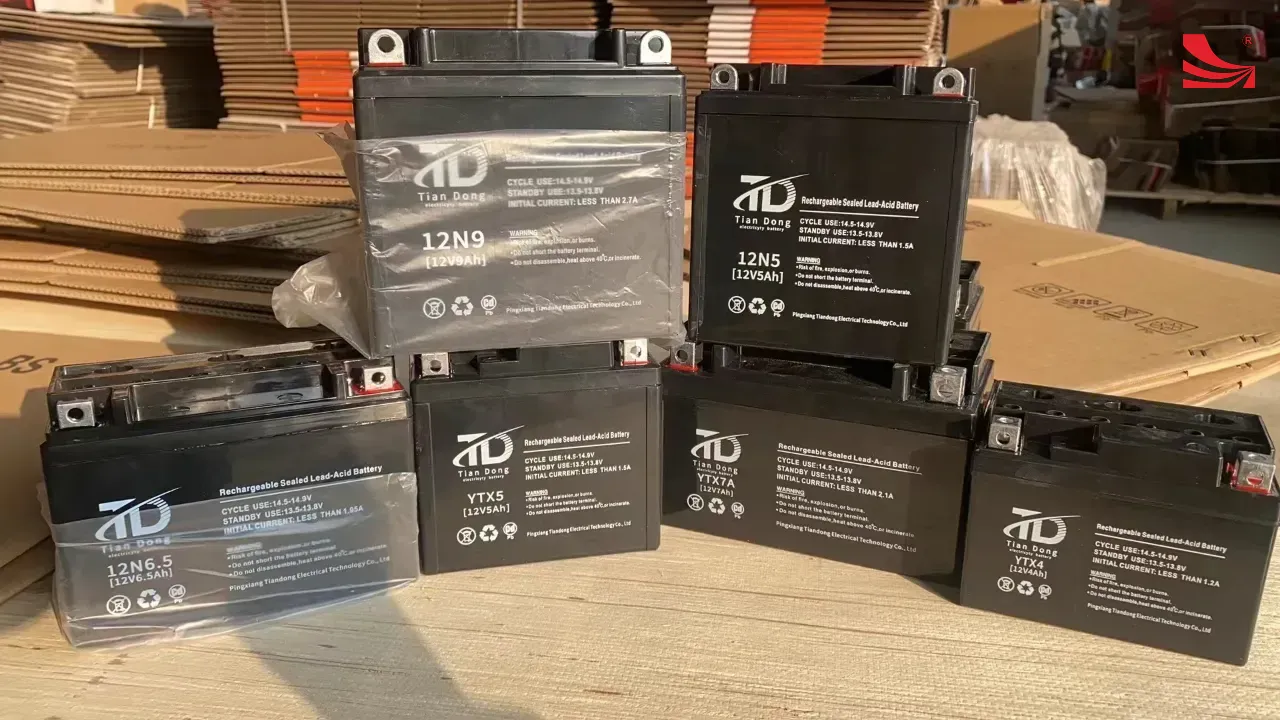
High Performance Motorcycle Batteries for Global Markets

Tiandong Electric Appliance Showcases High-Performance Motorcycle Batteries at Guangzhou Expo

What kind of battery is best for a motorcycle?

The Ultimate Guide to Electric Scooter Batteries: Performance, Longevity, and Future Innovations (2026 & Beyond)

The Ultimate 2026 Guide to Motorcycle Battery Types: Choose, Maintain, and Upgrade for Peak Performance
Product
How long is the lead time and where do you ship?
Standard lead time is 7–15 days. We export to over 20 countries, including Vietnam, India, Egypt, and Thailand.
Why does my motorcycle battery keep dying?
Common causes include:
-
Faulty charging system
-
Parasitic drain
-
Old battery
-
Improper storage
What kind of battery is best for a motorcycle?
AGM batteries are a popular choice because they combine the best of both worlds: the durability of lead-acid batteries and the low maintenance of lithium-ion batteries. AGM batteries are sealed, so they don't require water refills, and they're designed to handle rough conditions, making them ideal for motorcycles.
How long does a motorcycle battery typically last?
A motorcycle battery generally lasts between 2 and 4 years, depending on usage, maintenance, and environmental conditions.
Are you a trading company or a manufacturer?
We are a direct factory located inJiangxi Province, China. You are welcome to visit our production line and quality control lab. We specialize in lead-acid batteries for motorcycles and have been in this industry for 20 years.
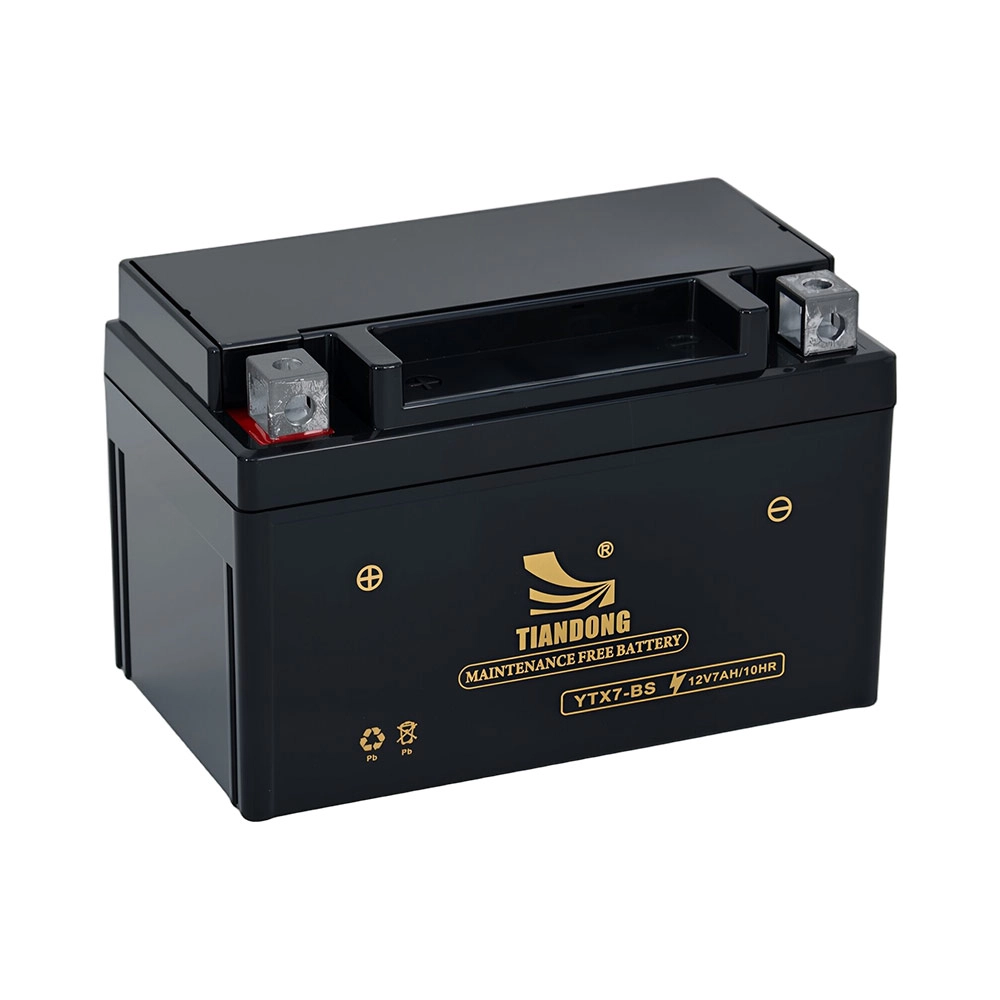
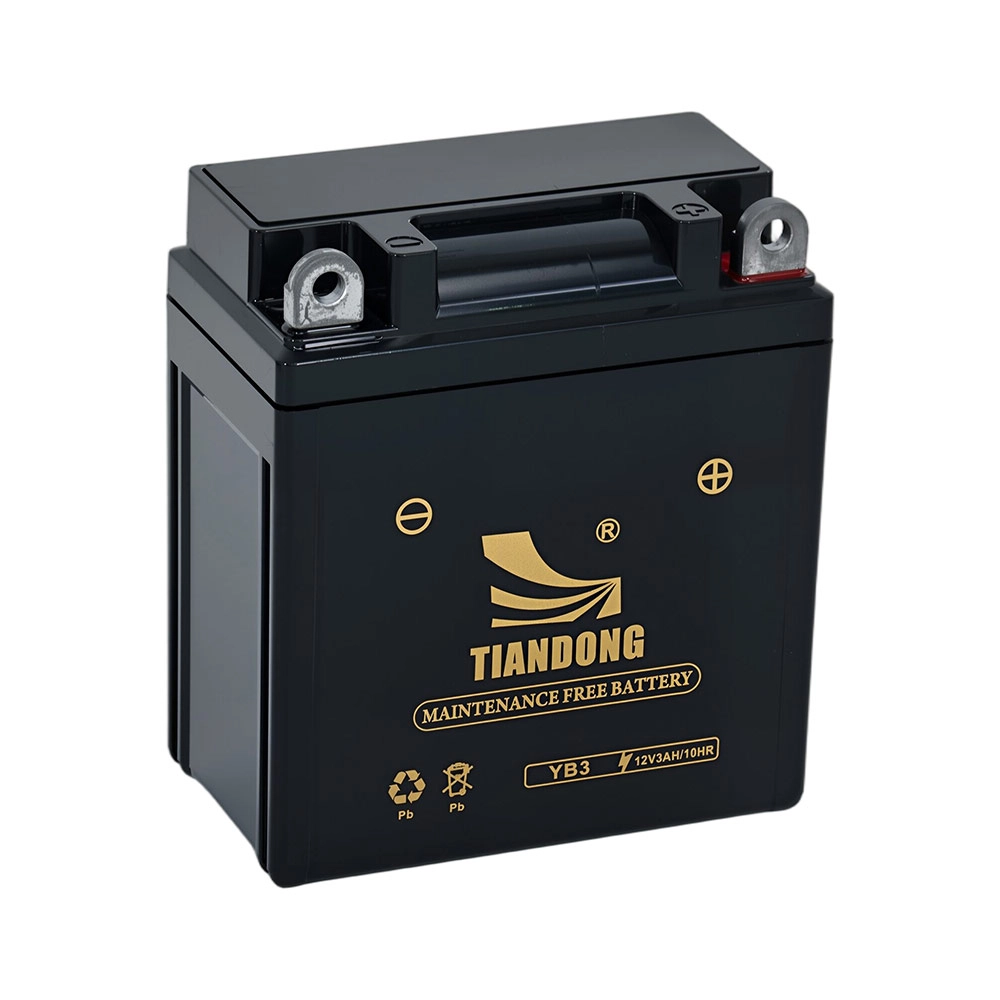
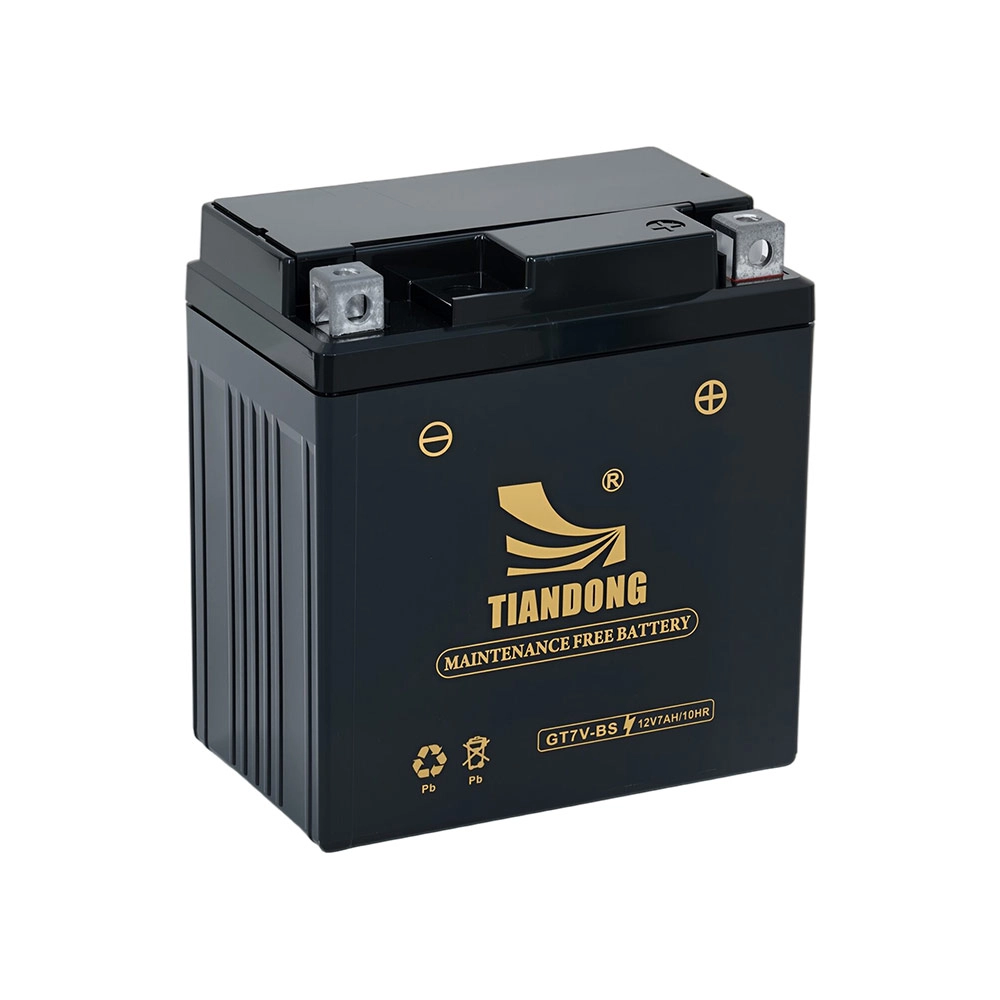
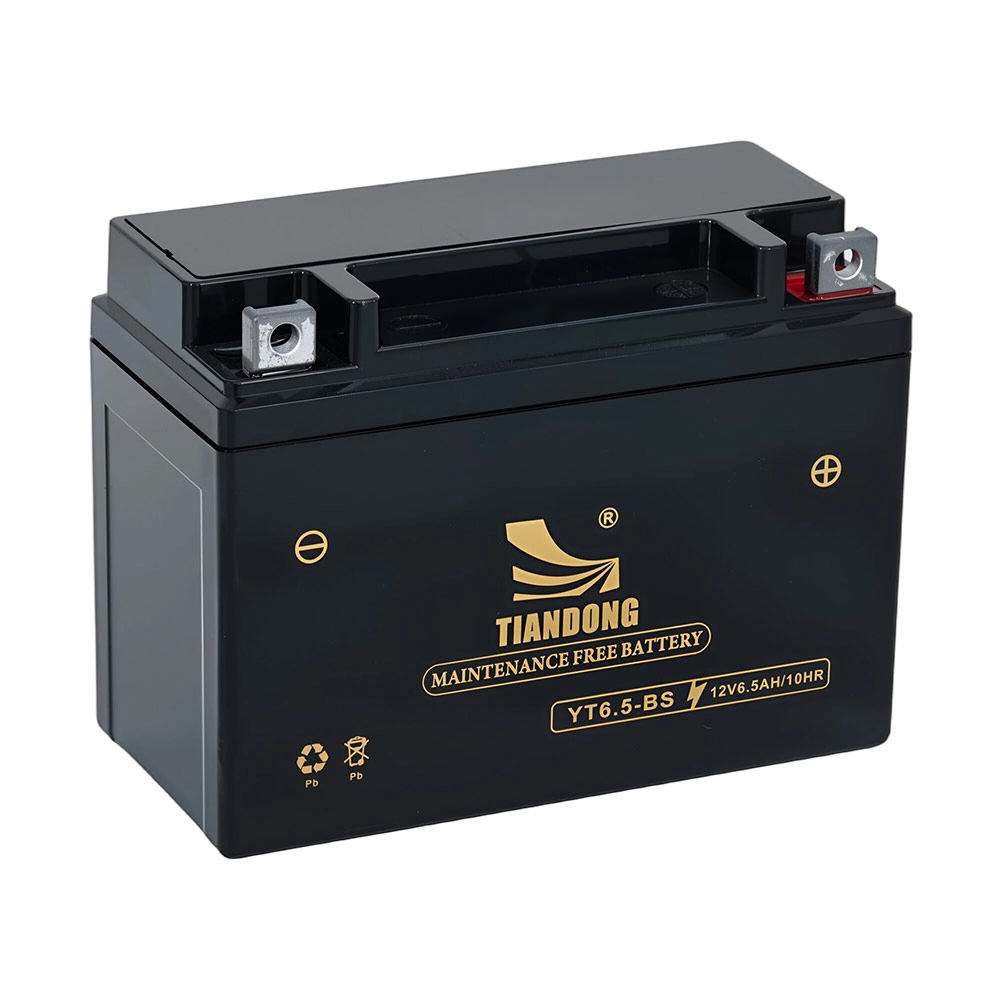
Get in touch with us to get your Motorbike Battery solution
TIANDONG is a leading motorcycle battery manufacturer offering OEM/ODM service, stable quality, and global export support.
Built for wholesalers. Trusted by global buyers. Delivered with confidence.
Say Hello
E-mail: daisybattery8@gmail.com
xianyingchen83@gmail. com
WhatsAPP: +86 134 283 86694
+86 134 348 86641
Our Location
Social Links
© 2025 TIANDONG. All Rights Reserved. Privacy Policy | Terms and Conditions | Sitemap
 Scan QR Code
Facebook
Instagram
Scan QR Code
Whatsapp: +8613434886641