






Which lead acid motorcycle battery is best for cold climates?
- My traditional lead-acid battery dies quickly in winter. Are there specific types of lead-acid batteries better suited for extreme cold starting, and what's the actual CCA impact?
- I've heard about 'maintenance-free' lead-acid batteries. Are they truly maintenance-free, and how do they compare to traditional flooded batteries for a beginner in terms of longevity and cold-weather reliability?
- Can I safely charge my lead-acid motorcycle battery when it's really cold outside (e.g., below freezing), and what specific charger settings or precautions should I take to prevent damage?
- How should I properly store my lead-acid motorcycle battery during the off-season in a cold garage to prevent irreversible damage and ensure it starts next spring?
- My motorcycle struggles to start in the cold, but the battery shows 12.6V. Is voltage alone enough to determine a battery's cold-cranking health, and what's a more reliable test for lead-acid batteries in winter?
- Is it worth upgrading my standard flooded lead-acid battery to an AGM or Gel battery for better cold-weather performance, and what are the compatibility considerations for my motorcycle's charging system?
- What are the tell-tale signs that my lead-acid motorcycle battery is nearing the end of its life, especially when cold weather approaches, and how can I proactively address them?
- Choosing the Right Lead-Acid Battery for Winter Riding: A Summary
Mastering the Cold Start: Your Definitive Guide to Lead-Acid Motorcycle Batteries in Winter
As a passionate rider, few things are as frustrating as a motorcycle that refuses to start on a crisp, cold morning. For beginners, the world of lead-acid motorcycle batteries can seem complex, especially when facing the unique challenges of winter. You’ve likely encountered conflicting advice or outdated information online. This expert guide is designed to cut through the confusion, providing you with in-depth, actionable insights on how to choose, maintain, and understand your lead-acid battery for optimal performance, even when temperatures plummet.
We’ll tackle specific, pain-point-oriented questions that frequently vex new riders, ensuring you’re equipped with the knowledge to make informed decisions and keep your engine roaring, regardless of the chill.
My traditional lead-acid battery dies quickly in winter. Are there specific types of lead-acid batteries better suited for extreme cold starting, and what's the actual CCA impact?
Absolutely. The performance of any lead-acid motorcycle battery—be it a conventional flooded battery, an AGM motorcycle battery (Absorbent Glass Mat), or a Gel battery—is significantly impacted by cold temperatures. Chemical reactions within the battery slow down drastically as the mercury drops. For instance, a battery at 0°F (-18°C) typically delivers only about 60% of its cranking power compared to its rating at 80°F (27°C).
When it comes to cold starting, the Cold Cranking Amps (CCA) rating is paramount. CCA measures the amps a 12V battery can deliver for 30 seconds at 0°F (-18°C) while maintaining at least 7.2 volts. For extreme cold, a higher CCA rating is always better. While conventional flooded batteries can offer good CCA, their open design makes them less resilient to vibration and temperature fluctuations over time. For superior cold-weather performance and reliability, AGM batteries are often the best choice among lead-acid types.
AGM batteries, a type of VRLA (Valve Regulated Lead Acid) battery, enclose the electrolyte in a fiberglass mat, providing several advantages:
- Lower Internal Resistance: This translates to higher power output for starting, even in the cold.
- Better Cold-Temperature Performance: The electrolyte is held in the mat, preventing stratification and allowing for more efficient chemical reactions at lower temperatures.
- Slower Self-Discharge Rate: AGMs hold a charge longer during periods of inactivity, crucial for winter storage.
- Maintenance-Free Design: No need to check water levels.
Gel batteries, while excellent for deep-cycle applications and extreme vibration resistance due to their gelled electrolyte, generally have lower CCA ratings compared to AGMs of similar size and may struggle with high-current demands for cold starting. For most recreational motorcycles facing cold starts, an AGM battery offers the best balance of performance, durability, and cold-weather cranking power within the lead-acid family.
I've heard about 'maintenance-free' lead-acid batteries. Are they truly maintenance-free, and how do they compare to traditional flooded batteries for a beginner in terms of longevity and cold-weather reliability?
The term 'maintenance-free' for sealed lead acid (SLA) batteries, which includes AGM and Gel types, refers primarily to not needing to check and top up electrolyte levels. Unlike traditional flooded batteries, which require periodic checks of distilled water levels, SLA batteries are sealed and designed not to vent gases under normal operating conditions. This significantly simplifies their care for beginners.
However, 'maintenance-free' does not mean 'neglect-free'. All motorcycle batteries, especially lead-acid types, benefit immensely from proper charging and storage, particularly when not in use. A smart battery charger or battery maintainer is still essential to prevent sulfation and prolong battery life, especially during off-season storage. Without proper maintenance charging, even a 'maintenance-free' battery will gradually discharge and sulfate, leading to premature failure.
In terms of longevity, an AGM motorcycle battery, if properly cared for with a maintainer, can often outlast a flooded battery simply because it's less prone to electrolyte evaporation (a common killer of flooded batteries if neglected) and sulfation. For cold-weather reliability, AGMs generally outperform flooded batteries due to their sealed construction and efficient electrolyte distribution, as mentioned above. They offer a more consistent power delivery in frigid conditions, making them a superior choice for beginners seeking reliable starts without the hassle of electrolyte checks.
Can I safely charge my lead-acid motorcycle battery when it's really cold outside (e.g., below freezing), and what specific charger settings or precautions should I take to prevent damage?
Charging a lead-acid motorcycle battery in freezing temperatures requires specific precautions to prevent damage. Batteries accept charge less efficiently when cold; their internal resistance increases. Attempting to charge a severely cold battery at a high rate can lead to overcharging, gassing, and even potentially freezing the electrolyte if it's deeply discharged (a discharged battery's electrolyte has a higher freezing point). Optimal charging typically occurs between 68-77°F (20-25°C).
Here are the crucial precautions:
- Bring it Indoors: The safest and most effective method is to remove the battery from the motorcycle and bring it into a warmer environment (like a heated garage or basement) for several hours to allow it to reach ambient temperature before charging.
- Use a Smart Charger with Temperature Compensation: If indoor charging isn't feasible and the battery isn't frozen, use a modern, intelligent battery charger that features temperature compensation. These chargers have sensors that adjust the charging voltage based on the ambient temperature, preventing overcharging in the cold.
- Lower Charge Rate: If your charger has adjustable settings and lacks temperature compensation, opt for a lower amperage charge rate (e.g., 1-2 amps) when charging a cold battery. This reduces the risk of excessive gassing and heat buildup.
- Avoid Charging Frozen Batteries: Never attempt to charge a visibly frozen battery. Doing so can cause the battery to explode. Allow it to thaw completely in a warm place first. If the battery has been frozen for an extended period or is swollen, it's likely beyond recovery and should be replaced.
For long-term maintenance in cold climates, a smart battery maintainer (trickle charger) is ideal. These devices monitor the battery's charge level and provide a gentle, intermittent charge to keep it topped off without overcharging, preventing sulfation and ensuring it's ready to go when spring arrives.
How should I properly store my lead-acid motorcycle battery during the off-season in a cold garage to prevent irreversible damage and ensure it starts next spring?
Proper off-season battery storage is critical for extending the life of your lead-acid motorcycle battery, especially in a cold garage. Neglecting it can lead to irreversible sulfation and premature failure. Here’s a step-by-step guide:
- Fully Charge Before Storage: Ensure your battery is fully charged to 12.6 volts or higher before storing it. A partially discharged battery is far more susceptible to sulfation, especially in cold temperatures.
- Disconnect from Motorcycle: Always remove the battery from your motorcycle. Even with the ignition off, parasitic drains (clocks, alarms, ECU memory) can slowly discharge the battery, leading to sulfation.
- Clean Terminals: Clean the battery terminals thoroughly to remove any corrosion. Use a wire brush and a solution of baking soda and water, then rinse and dry completely. Apply a thin layer of dielectric grease or battery terminal protector to prevent future corrosion.
- Store in a Cool, Dry Place: While moving it indoors to a warmer spot is ideal, if a cold garage is your only option, ensure it’s dry. Extreme cold itself doesn't typically damage a *fully charged* lead-acid battery (its electrolyte won't freeze until around -70°F or -57°C when fully charged), but a discharged battery's electrolyte can freeze at much warmer temperatures, potentially cracking the case.
- Use a Smart Battery Maintainer: This is the most crucial step for off-season storage. A high-quality smart battery charger or maintainer will monitor the battery's voltage and provide a gentle, float charge as needed to counteract self-discharge. This prevents sulfation and keeps the battery at an optimal state of charge without overcharging. Modern maintainers are designed to be left connected for months.
- Avoid Concrete Floors (Myth Debunked): The old adage about not storing batteries on concrete floors causing discharge is largely a myth for modern battery casings. The primary concern is extreme temperature fluctuations and ensuring the battery is connected to a maintainer.
By following these steps, you significantly increase the chances of your motorcycle battery being ready to fire up your engine when riding season returns.
My motorcycle struggles to start in the cold, but the battery shows 12.6V. Is voltage alone enough to determine a battery's cold-cranking health, and what's a more reliable test for lead-acid batteries in winter?
This is a classic beginner's dilemma and a critical point of confusion. While 12.6V or higher indicates a fully charged lead-acid battery at rest, it absolutely does not tell the whole story about its ability to crank an engine in the cold. Static voltage only measures the battery's potential energy, not its capacity to deliver high current under load. A battery can show good voltage but have significantly degraded CCA (Cold Cranking Amps) due to internal resistance, plate sulfation, or cell degradation.
For a reliable assessment of a lead-acid motorcycle battery's cold-cranking health, especially in winter, you need a load test. Here’s why and what to look for:
- The Problem with Static Voltage: In cold weather, the engine oil is thicker, and the starter motor requires significantly more current. If the battery has internal issues, it won't be able to deliver this surge of power, causing the voltage to drop drastically under load, leading to a weak or non-existent start, even if its static voltage was acceptable.
- Reliable Test: Battery Load Tester: The most accurate way to test a battery's health is with a dedicated battery load tester. These devices apply a significant electrical load to the battery (simulating engine cranking) and measure how well the voltage holds up. A good load tester will give you a reading of the battery's actual CCA compared to its rated CCA. If the measured CCA is significantly lower (e.g., 50% or less) than the battery's rating, it's likely time for a replacement. Many auto parts stores offer this service for free.
- Digital Battery Analyzer: For a more convenient DIY option, a digital battery analyzer (often using conductance technology) can also provide a good indication of internal resistance and CCA health without putting a heavy load on the battery. These are particularly useful for quick checks and monitoring battery degradation over time.
In summary, never rely solely on static voltage for cold-weather starting confidence. Invest in a load test or a digital analyzer for an accurate picture of your lead-acid battery's true cold-cranking capability.
Is it worth upgrading my standard flooded lead-acid battery to an AGM or Gel battery for better cold-weather performance, and what are the compatibility considerations for my motorcycle's charging system?
Upgrading from a standard flooded lead-acid battery to an AGM or Gel type for improved cold-weather performance is often a worthwhile investment, especially if you ride in colder climates or want less maintenance. Here's a breakdown:
-
AGM Battery Upgrade: Highly Recommended.
- Cold-Weather Performance: As discussed, AGMs generally offer superior CCA and more consistent power delivery in the cold due to their design.
- Maintenance: Virtually maintenance-free (no water topping).
- Durability: Better resistance to vibration and spillage.
- Self-Discharge: Slower self-discharge rate, ideal for intermittent use.
- Compatibility: Most modern motorcycles (post-2000s) with standard 12V charging systems are perfectly compatible with AGM batteries. The charging voltage requirements for AGMs are very similar to flooded batteries (typically 14.2V-14.7V during charging). Your motorcycle's rectifier/regulator should handle it without issue. However, always ensure the replacement battery's dimensions and terminal locations match your original.
-
Gel Battery Upgrade: Generally Not Recommended for Starting Power.
- Cold-Weather Performance: While Gel batteries are sealed and maintenance-free, they often have lower CCA ratings than AGMs and are not designed for high-current discharge applications like engine starting, especially in cold weather.
- Charging Sensitivity: Gel batteries are more sensitive to overcharging than flooded or AGM batteries. Overcharging can damage the gel, creating voids that reduce capacity. While most modern motorcycle charging systems are regulated, if your system runs at the higher end of the voltage spectrum (consistently above 14.7V), or has an older, less precise regulator, it might not be ideal for a Gel battery.
- Best Use Case: Gel batteries excel in deep-cycle applications (like powering accessories for long periods) and extreme vibration resistance, but less so for high-CCA starting.
Compatibility Considerations: When upgrading, always ensure the new battery's dimensions, terminal types, and polarity match your existing setup. The main charging system concern is typically with Gel batteries due to their voltage sensitivity. For the vast majority of motorcycles, an AGM upgrade is a direct and beneficial swap, requiring no modifications to the charging system, and will provide a noticeable improvement in cold-weather starting reliability.
What are the tell-tale signs that my lead-acid motorcycle battery is nearing the end of its life, especially when cold weather approaches, and how can I proactively address them?
Recognizing the early warning signs of a failing lead-acid motorcycle battery is crucial, especially before winter truly sets in. Cold weather exacerbates any existing weaknesses, often turning a 'weak' battery into a 'dead' one overnight. Here are the tell-tale signs and how to proactively address them:
Tell-Tale Signs of a Dying Battery:
-
Slow Engine Cranking: This is the most common and earliest sign. If your engine turns over noticeably slower or struggles more than usual, particularly on colder mornings, your battery's CCA is likely diminished. It might start eventually, but this indicates reduced capacity.
-
Dim Headlights/Dashboard Lights During Cranking: When you hit the start button, if your headlights or dash lights dim significantly, it means the battery voltage is dropping excessively under load, indicating a weakened state.
-
Repeated Need for Jump Starts: If you find yourself consistently needing a jump start after short periods of inactivity, the battery is no longer holding a charge effectively.
-
Rapid Self-Discharge: Your battery loses its charge much faster than it used to, even when connected to a maintainer, or after just a few days of sitting idle.
-
Visible Swelling or Cracking: For sealed batteries (AGM/Gel), any bulging, swelling, or cracking of the battery case is a clear sign of internal damage (often due to overcharging or freezing) and warrants immediate replacement.
-
Corrosion Around Terminals (Excessive): While some corrosion is normal, excessive corrosion (especially for flooded batteries) can indicate gassing, electrolyte leakage, or poor terminal connections, all of which compromise battery performance.
-
Age of Battery: Most motorcycle lead-acid batteries have a lifespan of 3-5 years under ideal conditions. If yours is older, it's wise to be vigilant or consider proactive replacement.
Proactive Addressing:
- Regular Voltage Checks: Use a multimeter to check the static voltage when the motorcycle has been off for at least 4-6 hours. A fully charged 12V battery should read 12.6V or higher. Anything below 12.4V suggests a partial discharge or underlying issue.
- Load Test Annually: As discussed, a battery load test is the most reliable diagnostic. Get your battery load tested annually, especially before winter, to assess its true cranking ability.
- Consistent Use of a Maintainer: For any period of inactivity longer than a week, connect your battery to a smart battery maintainer. This prevents sulfation, which is the primary killer of lead-acid batteries.
- Keep Terminals Clean and Tight: Ensure all battery terminals are clean, free of corrosion, and securely tightened to ensure optimal electrical flow.
- Monitor Starting Performance: Pay attention to how quickly and robustly your motorcycle starts. Any gradual decline in cranking speed, even if it still starts, is a red flag.
By staying vigilant and performing these proactive measures, you can often identify a failing lead-acid battery before it leaves you stranded, particularly when battling the demands of cold weather.
Choosing the Right Lead-Acid Battery for Winter Riding: A Summary
Navigating the world of lead-acid motorcycle batteries for cold climates doesn't have to be a bewildering experience. By understanding the critical role of CCA, the advantages of AGM technology over traditional flooded cells for improved cold-weather performance and simplified maintenance, and the importance of proper charging and storage, you can significantly enhance your motorcycle's reliability. Always prioritize a higher CCA rating for freezing temperatures, use a smart battery maintainer during storage, and rely on load tests—not just static voltage—to gauge true battery health. These practices will not only ensure dependable cold starts but also extend the overall lifespan of your investment.
For more specific recommendations on the best lead-acid motorcycle battery for your vehicle and climate, or to get a quote on high-quality, durable motorcycle batteries, please don't hesitate to reach out to us. Visit our website at www.tiandongbattery.com or email us at 13428386694@163.com. Our experts are ready to assist you!

Bulk Motorcycle Batteries Direct from Factory – Save Costs, Boost Profit
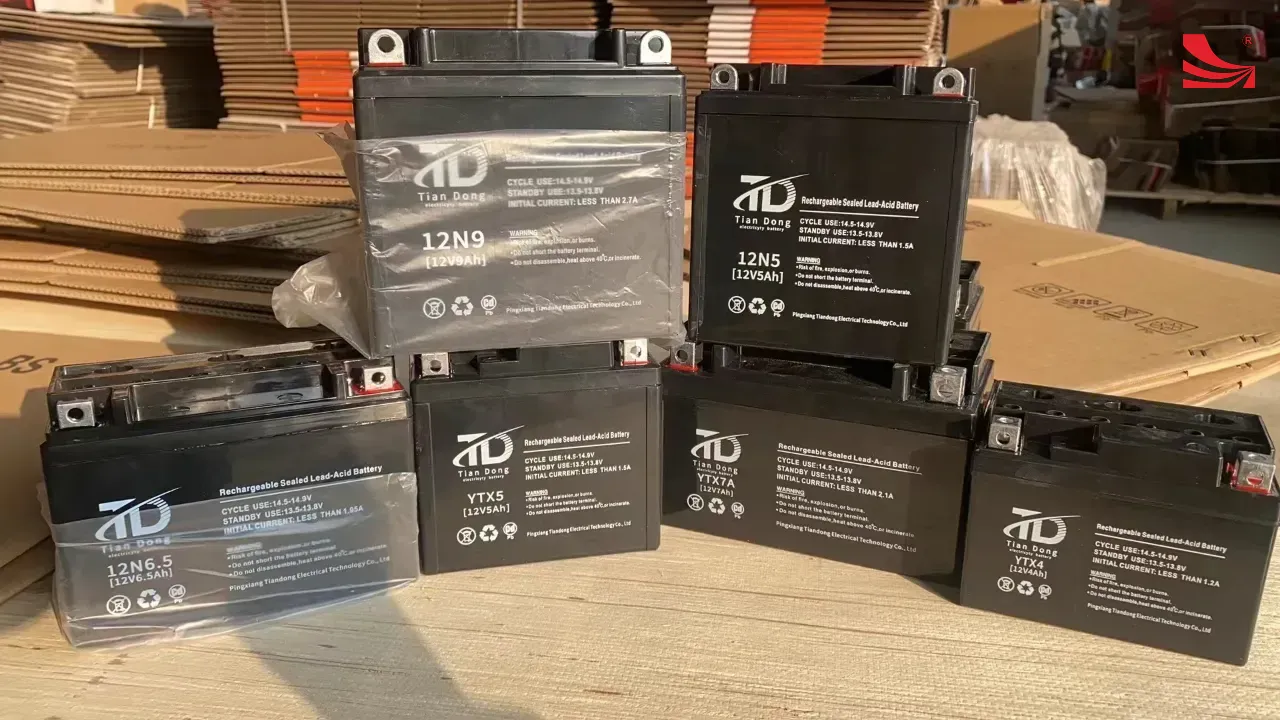
High Performance Motorcycle Batteries for Global Markets

Tiandong Electric Appliance Showcases High-Performance Motorcycle Batteries at Guangzhou Expo

What kind of battery is best for a motorcycle?

The Ultimate Guide to Electric Scooter Batteries: Performance, Longevity, and Future Innovations (2026 & Beyond)

The Ultimate 2026 Guide to Motorcycle Battery Types: Choose, Maintain, and Upgrade for Peak Performance
Product
Why does my motorcycle battery keep dying?
Common causes include:
-
Faulty charging system
-
Parasitic drain
-
Old battery
-
Improper storage
What certifications do your batteries have?
Our batteries are certified with CE, ISO9001, and RoHS, and meet export standards for markets in Southeast Asia, South Asia, and Africa.
Are you a trading company or a manufacturer?
We are a direct factory located inJiangxi Province, China. You are welcome to visit our production line and quality control lab. We specialize in lead-acid batteries for motorcycles and have been in this industry for 20 years.
What kind of battery is best for a motorcycle?
AGM batteries are a popular choice because they combine the best of both worlds: the durability of lead-acid batteries and the low maintenance of lithium-ion batteries. AGM batteries are sealed, so they don't require water refills, and they're designed to handle rough conditions, making them ideal for motorcycles.
customer
Can overseas clients visit the Tiandong factory?
Yes. Tiandong welcomes international customers to visit the factory, production workshops, and logistics warehouses to better understand the manufacturing and quality control process.
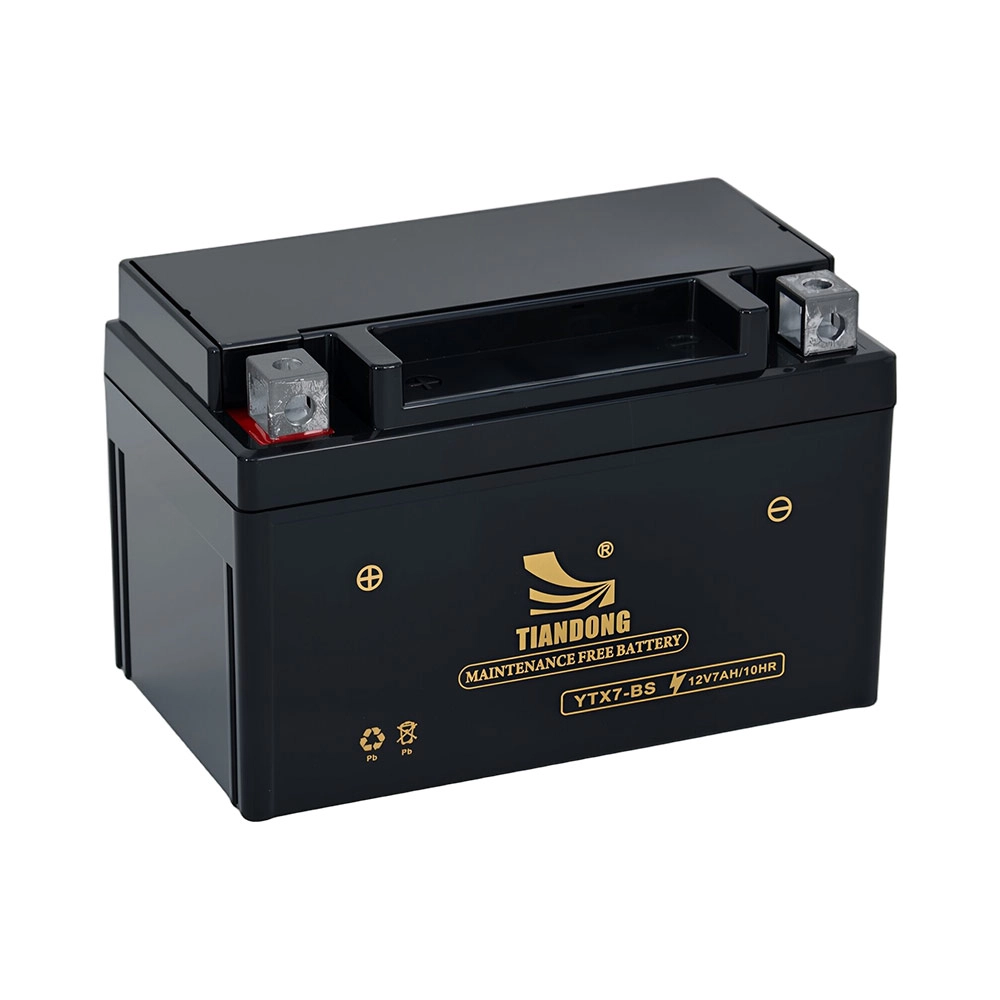
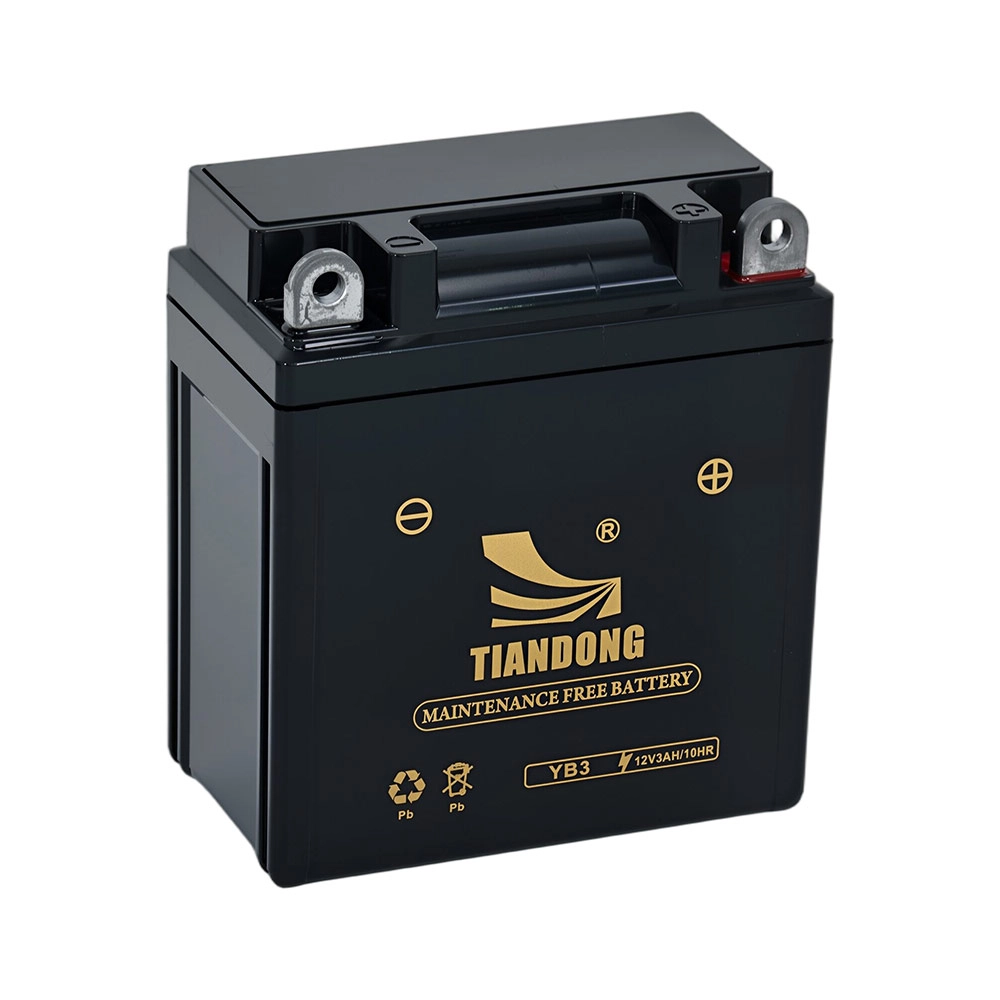
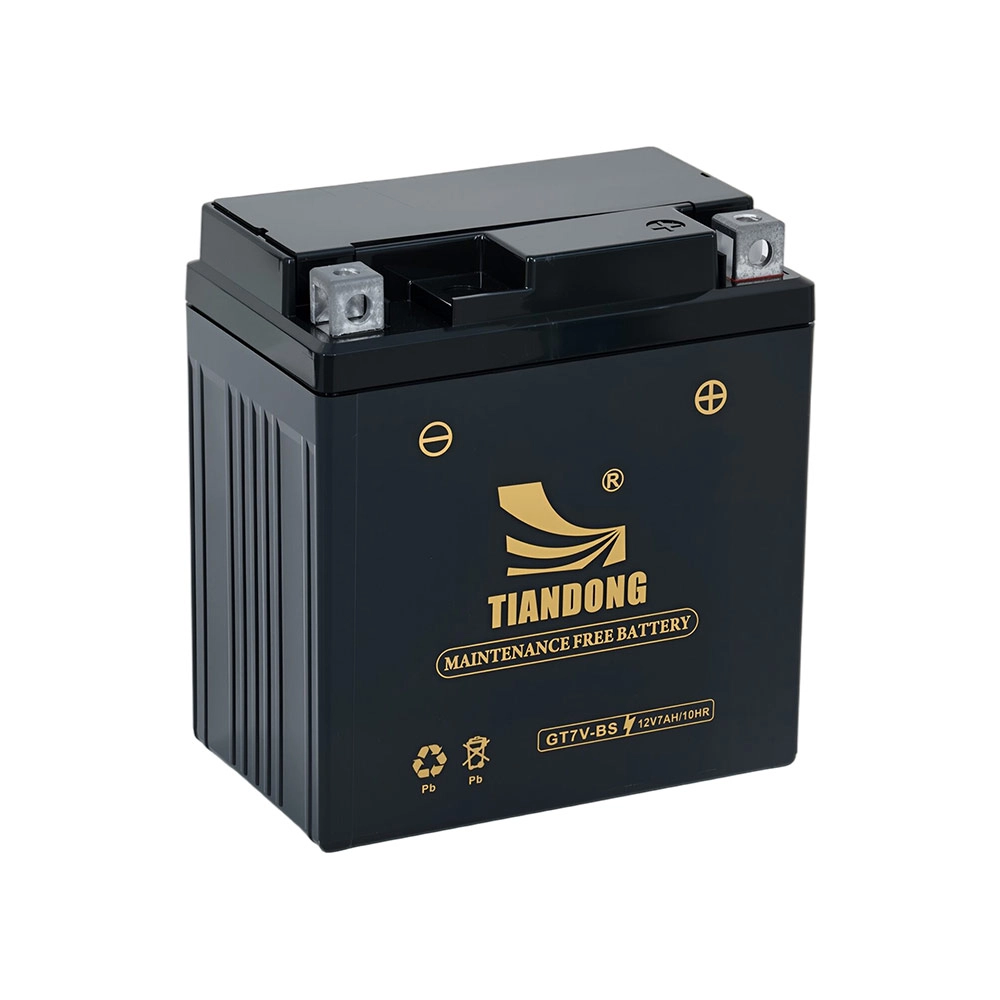
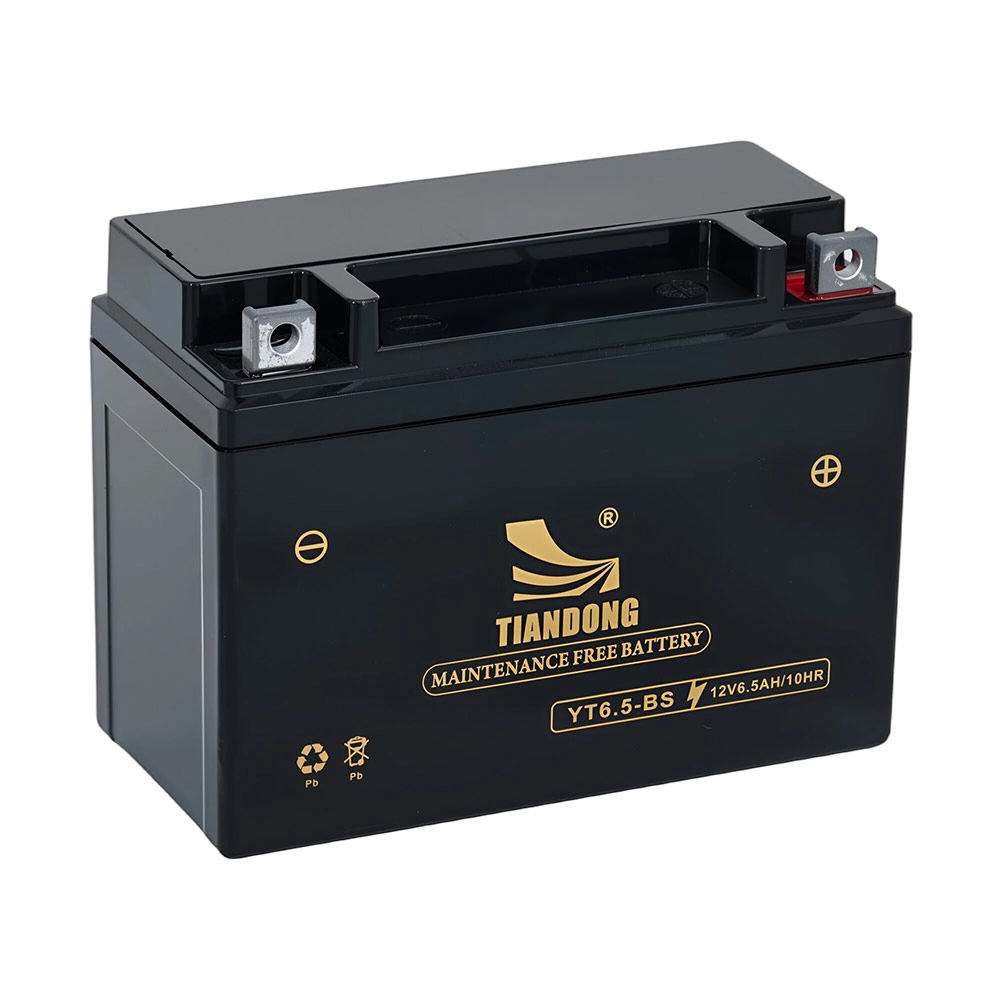
Get in touch with us to get your Motorbike Battery solution
TIANDONG is a leading motorcycle battery manufacturer offering OEM/ODM service, stable quality, and global export support.
Built for wholesalers. Trusted by global buyers. Delivered with confidence.
Say Hello
E-mail: daisybattery8@gmail.com
xianyingchen83@gmail. com
WhatsAPP: +86 134 283 86694
+86 134 348 86641
Our Location
Social Links
© 2025 TIANDONG. All Rights Reserved. Privacy Policy | Terms and Conditions | Sitemap
 Scan QR Code
Facebook
Instagram
Scan QR Code
Whatsapp: +8613434886641