






What’s the Best Battery for a Motorcycle? A Complete Guide to Choosing the Right Motorcycle Battery
What’s the best battery for a motorcycle? Learn the differences between lead-acid, AGM, gel, and lithium motorcycle batteries, and discover how to choose the right one for performance, lifespan, and riding conditions.
- Introduction: Why Choosing the Right Motorcycle Battery Matters
- Types of Motorcycle Batteries Explained
- 1. Conventional Lead-Acid Motorcycle Batteries
- 2. AGM (Absorbent Glass Mat) Motorcycle Batteries
- 3. Gel Motorcycle Batteries
- 4. Lithium-Ion (LiFePO₄) Motorcycle Batteries
- Which Motorcycle Battery Is the Best Overall?
- Key Factors to Consider When Choosing a Motorcycle Battery
- Battery Size & Fitment
- Voltage & Capacity (Ah)
- Cold Cranking Amps (CCA)
- Riding Frequency
- How Long Does a Motorcycle Battery Last?
- Maintenance Tips to Extend Battery Life
- Frequently Asked Questions (FAQ)
- Q1: Is AGM better than lithium for motorcycles?
- Q2: Can I replace a lead-acid battery with AGM or lithium?
- Q3: What battery brand is best for motorcycles?
- Q4: How do I know my motorcycle battery needs replacement?
- Q5: Are maintenance-free motorcycle batteries worth it?
- Conclusion: What’s the Best Battery for a Motorcycle?
Introduction: Why Choosing the Right Motorcycle Battery Matters
The motorcycle battery is more than just a starting component—it directly affects engine reliability, electrical system stability, and riding experience. Choosing the best battery for a motorcycle depends on several factors, including bike type, riding habits, climate, and budget.
With multiple battery technologies available today, understanding their differences is essential for making a long-term, cost-effective decision.
Types of Motorcycle Batteries Explained
1. Conventional Lead-Acid Motorcycle Batteries
Best for: Older motorcycles and budget-focused riders
Lead-acid batteries are the most traditional option. They use liquid electrolyte and usually require periodic maintenance.
Advantages:
-
Lower upfront cost
-
Widely available
-
Suitable for basic motorcycles
Limitations:
-
Requires maintenance
-
Higher risk of leakage
-
Shorter lifespan compared to newer technologies
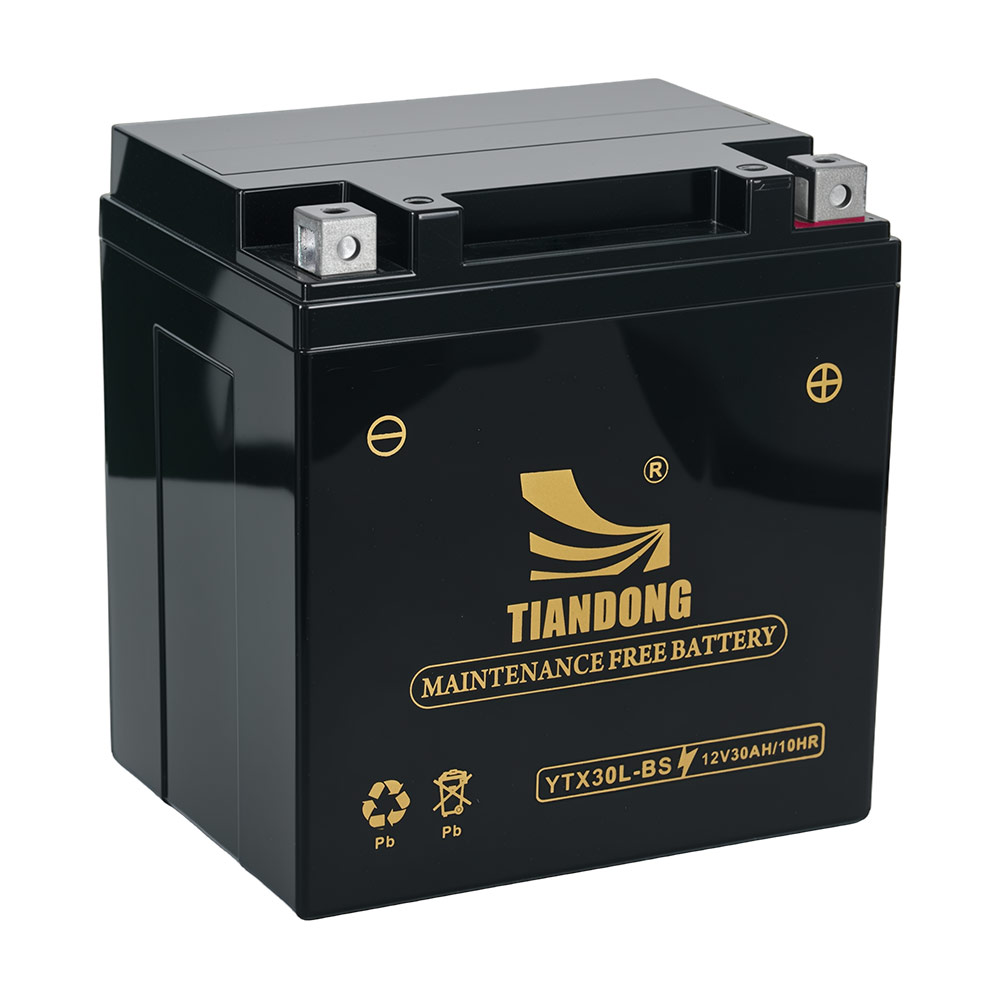
2. AGM (Absorbent Glass Mat) Motorcycle Batteries
Best for: Most modern motorcycles and daily riders
AGM batteries are sealed lead-acid batteries where the electrolyte is absorbed in fiberglass mats.
Advantages:
-
Maintenance-free
-
Strong cold cranking amps (CCA)
-
Vibration-resistant
-
Longer lifespan than conventional lead-acid
Why AGM is often the best choice:
For most riders, AGM motorcycle batteries offer the best balance of price, durability, and performance, making them the most widely recommended option.
3. Gel Motorcycle Batteries
Best for: Extreme temperature environments
Gel batteries use a gel-based electrolyte, providing better resistance to temperature changes.
Advantages:
-
Excellent performance in hot or cold climates
-
Leak-proof and vibration-resistant
-
Long cycle life
Limitations:
-
Higher cost
-
Sensitive to improper charging
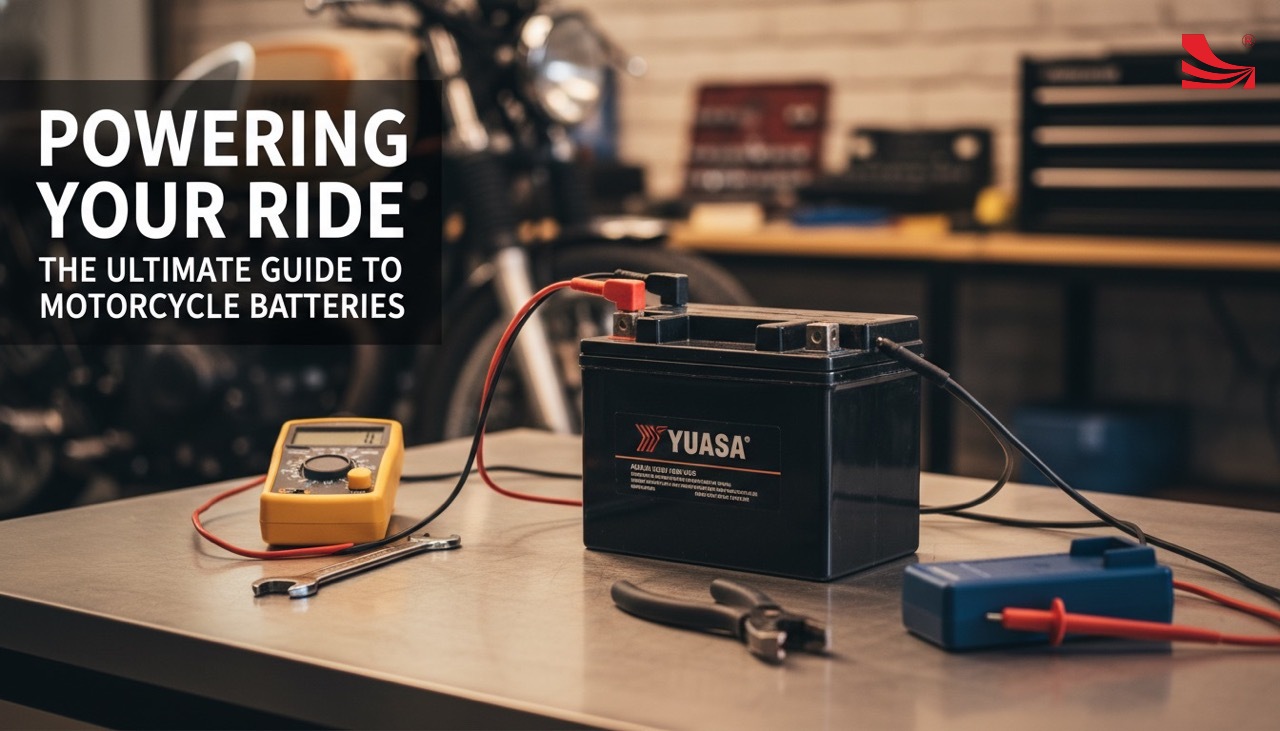
4. Lithium-Ion (LiFePO₄) Motorcycle Batteries
Best for: Performance motorcycles, racing, and weight-sensitive bikes
Lithium motorcycle batteries are becoming increasingly popular due to their lightweight and high efficiency.
Advantages:
-
Extremely lightweight
-
Fast charging
-
Long service life
-
Low self-discharge
Limitations:
-
Higher upfront cost
-
Less efficient in very cold temperatures
-
Requires compatible charging systems
Which Motorcycle Battery Is the Best Overall?
There is no one-size-fits-all answer, but based on usage scenarios:
| Riding Type | Best Battery Choice |
|---|---|
| Daily commuting | AGM battery |
| Touring & long-distance | AGM or Gel battery |
| Racing & performance | Lithium battery |
| Budget replacement | Conventional lead-acid |
| Extreme climates | Gel battery |
👉 For most motorcycles and riders, AGM batteries are considered the best all-around option.
Key Factors to Consider When Choosing a Motorcycle Battery
Battery Size & Fitment
Always match the battery dimensions and terminal layout recommended by the motorcycle manufacturer.
Voltage & Capacity (Ah)
Most motorcycles use 12V batteries, but capacity requirements vary by engine size and electrical load.
Cold Cranking Amps (CCA)
Higher CCA ensures reliable starting in cold weather.
Riding Frequency
Infrequent riders should prioritize batteries with low self-discharge, such as AGM or lithium.
How Long Does a Motorcycle Battery Last?
-
Lead-acid: 1.5–2 years
-
AGM: 3–5 years
-
Gel: 4–6 years
-
Lithium: 5–8 years
Battery lifespan depends heavily on charging habits, riding frequency, and storage conditions.
Maintenance Tips to Extend Battery Life
-
Avoid deep discharges
-
Use a compatible charger
-
Keep terminals clean and tight
-
Store in a cool, dry place during long inactivity
Frequently Asked Questions (FAQ)
Q1: Is AGM better than lithium for motorcycles?
AGM is better for everyday riders due to affordability and reliability, while lithium is ideal for performance-focused users.
Q2: Can I replace a lead-acid battery with AGM or lithium?
Yes, as long as the battery meets voltage, size, and charging system compatibility requirements.
Q3: What battery brand is best for motorcycles?
Rather than brand alone, focus on battery technology, quality standards, and manufacturing reliability.
Q4: How do I know my motorcycle battery needs replacement?
Common signs include slow engine cranking, dim lights, and difficulty starting.
Q5: Are maintenance-free motorcycle batteries worth it?
Yes. Maintenance-free batteries like AGM reduce upkeep and offer longer service life.
Conclusion: What’s the Best Battery for a Motorcycle?
The best motorcycle battery depends on your riding style, environment, and performance expectations.
For most riders, AGM motorcycle batteries deliver the best overall value, combining durability, reliability, and minimal maintenance. Performance enthusiasts may prefer lithium batteries, while budget-conscious users may still opt for conventional lead-acid options.
Making the right choice ensures consistent starts, stable electrical performance, and long-term cost savings.

Bulk Motorcycle Batteries Direct from Factory – Save Costs, Boost Profit
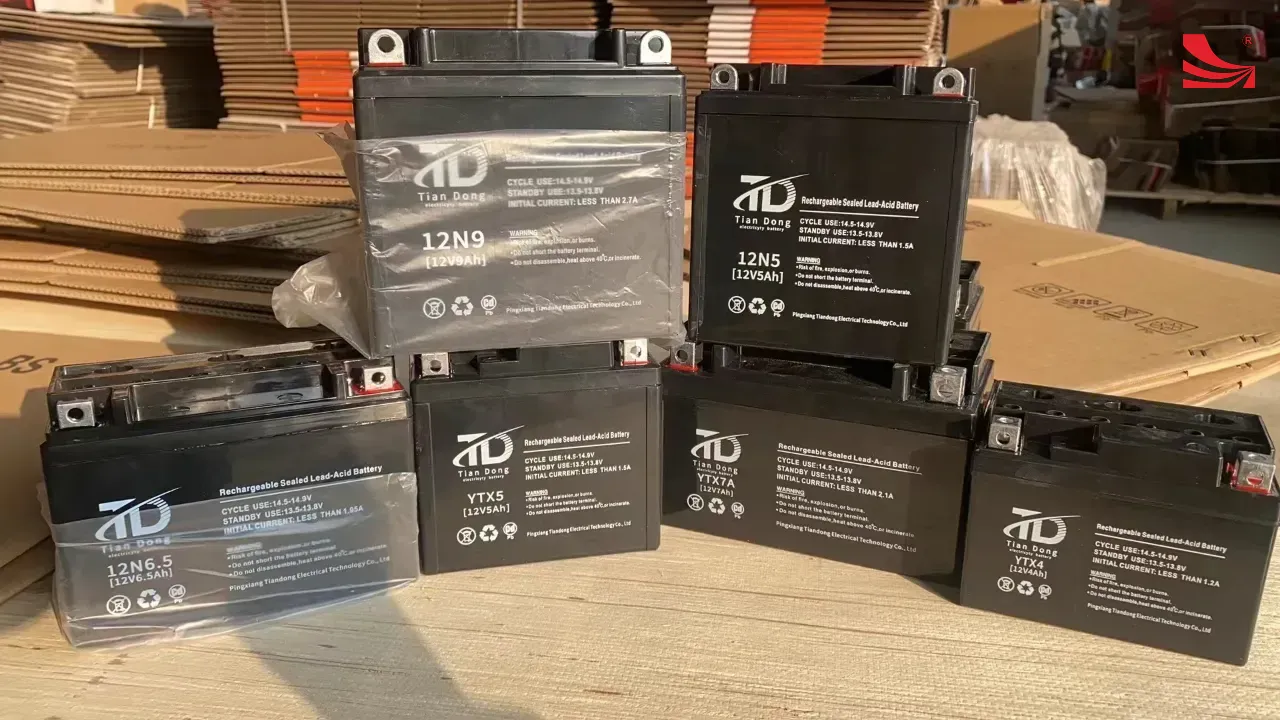
High Performance Motorcycle Batteries for Global Markets

Tiandong Electric Appliance Showcases High-Performance Motorcycle Batteries at Guangzhou Expo

What kind of battery is best for a motorcycle?

The Ultimate Guide to Electric Scooter Batteries: Performance, Longevity, and Future Innovations (2026 & Beyond)

The Ultimate 2026 Guide to Motorcycle Battery Types: Choose, Maintain, and Upgrade for Peak Performance
Product
What brands of raw materials do you use?
We use high-quality materials to ensure performance. we use 99.99% pure lead , ensure long life and high Cold Cranking Amps (CCA).
How long is the lead time and where do you ship?
Standard lead time is 7–15 days. We export to over 20 countries, including Vietnam, India, Egypt, and Thailand.
Why does my motorcycle battery keep dying?
Common causes include:
-
Faulty charging system
-
Parasitic drain
-
Old battery
-
Improper storage
Shipping
Which countries does Tiandong export to?
Tiandong batteries are exported to more than 20 countries, including Vietnam, India, Egypt, Thailand, and Indonesia.
How long does delivery take?
For stock items, delivery takes about 7-15 days after receiving the deposit. For bulk orders or custom logo orders, it usually takes 25-35 days depending on the quantity.
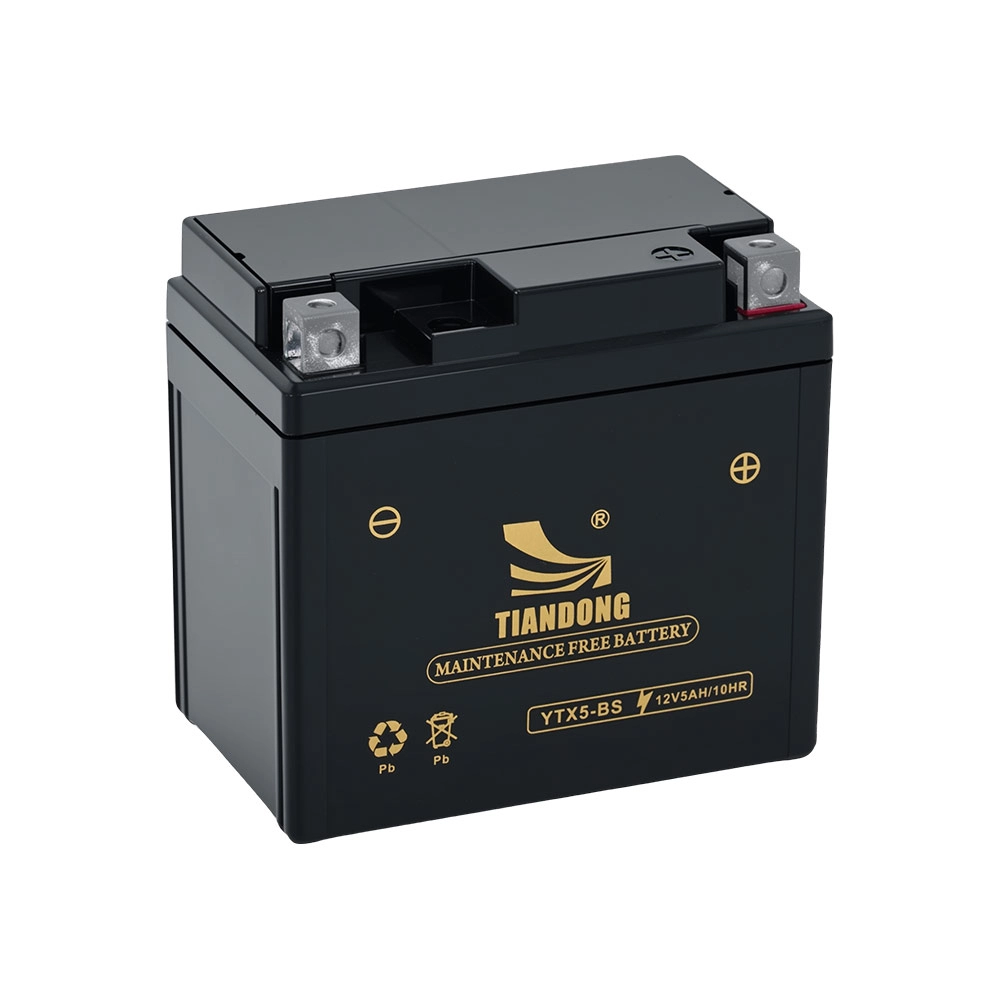
Get in touch with us to get your Motorbike Battery solution
TIANDONG is a leading motorcycle battery manufacturer offering OEM/ODM service, stable quality, and global export support.
Built for wholesalers. Trusted by global buyers. Delivered with confidence.
Say Hello
E-mail: daisybattery8@gmail.com
xianyingchen83@gmail. com
WhatsAPP: +86 134 283 86694
+86 134 348 86641
Our Location
Social Links
© 2025 TIANDONG. All Rights Reserved. Privacy Policy | Terms and Conditions | Sitemap
 Scan QR Code
Facebook
Instagram
Scan QR Code
Whatsapp: +8613434886641