






Top Motorcycle Lead Acid Batteries in 2026: Why They Still Power Your Ride and How to Choose the Best
- Introduction: The Enduring Power of Lead Acid in Motorcycles
- Understanding the Motorcycle Lead Acid Battery: Basics and Construction
- Types of Lead Acid Motorcycle Batteries: Conventional, AGM, and Gel
- Conventional (Wet/Flooded) Batteries
- Absorbed Glass Mat (AGM) Batteries
- Gel Batteries
- Lead Acid vs. Lithium: Which Motorcycle Battery is Best for You?
- Advantages of Choosing a Motorcycle Lead Acid Battery
- Maximizing Lifespan: Essential Maintenance Tips for Your Lead Acid Battery
- Choosing the Right Motorcycle Lead Acid Battery for Your Ride
- Why TIANDONG is a Leading Global Supplier of Motorcycle Lead Acid Batteries
- The Future of Motorcycle Lead Acid Batteries: Innovation and Sustainability
- Conclusion
- FAQ
- What is the average lifespan of a motorcycle lead acid battery?
- How often should I charge my lead acid motorcycle battery?
- Can I use a car battery charger for my motorcycle lead acid battery?
- What are the main differences between AGM and conventional lead acid motorcycle batteries?
- Why are lead acid batteries still used for motorcycles despite newer technologies?
- How do cold temperatures affect motorcycle lead acid battery performance?
- What does CCA mean for a motorcycle battery?
- Where can I find reliable lead acid motorcycle batteries like those from TIANDONG?
- References
Introduction: The Enduring Power of Lead Acid in Motorcycles
In the rapidly evolving world of automotive technology, the motorcycle lead acid battery remains a cornerstone of two-wheeled transportation. First invented in 1859 by French physicist Gaston Planté, as noted by historical records on Wikipedia, this technology holds the distinction of being the original rechargeable battery. Despite the surge of modern alternatives, lead-acid batteries continue to dominate the market due to their proven dependability, cost-effectiveness, and robust power output.
While newer chemistries grab headlines, the best lead acid motorcycle battery options in 2026 still offer a unique balance of economy and reliability that is hard to beat, especially for mass-market vehicles in developing economies. Manufacturers like TIANDONG motorcycle batteries (Pingxiang Tiandong Electric Appliance Co., Ltd.) exemplify this enduring relevance, leveraging modern manufacturing techniques to produce high-energy batteries that meet the rigorous demands of today's riders.
Understanding the Motorcycle Lead Acid Battery: Basics and Construction
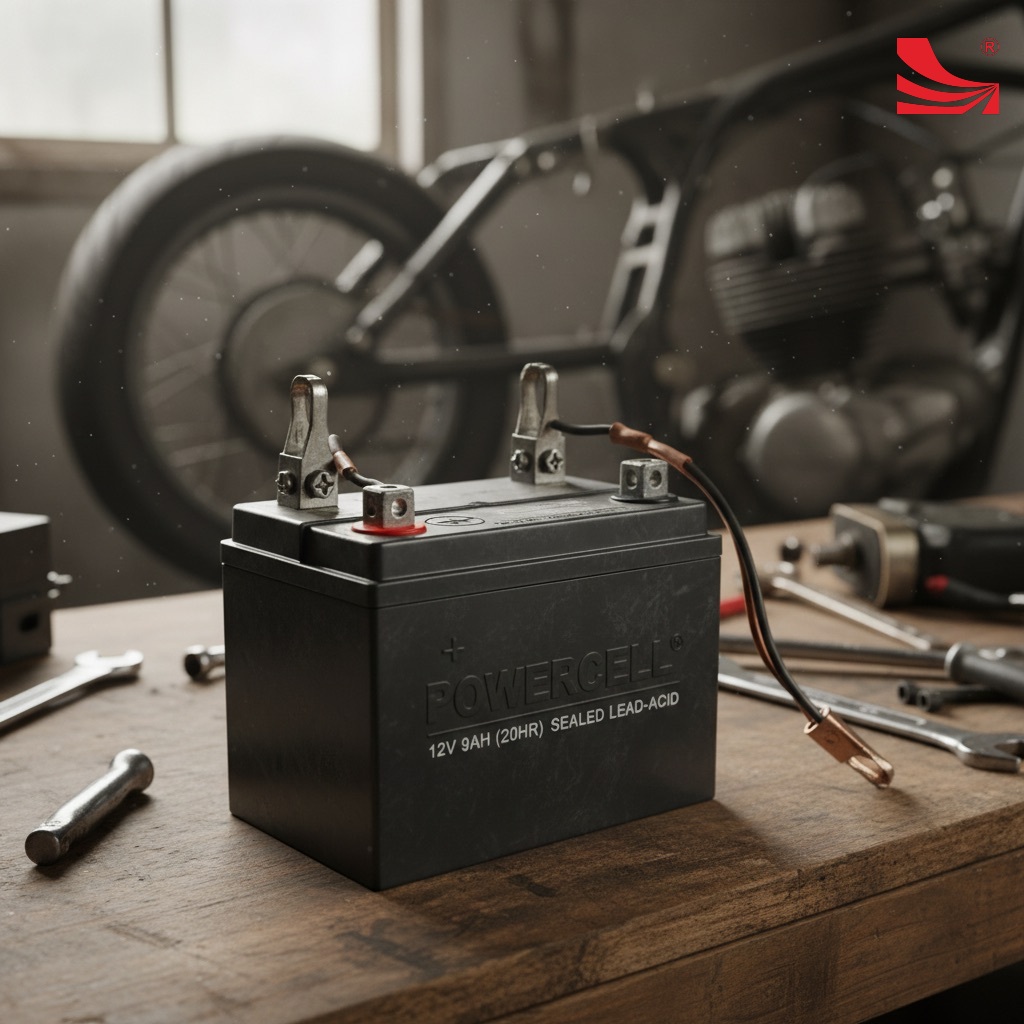
To appreciate why these batteries remain prevalent, one must understand their construction. According to educational resources like Wikibooks, a standard 12-volt motorcycle battery is composed of six cells connected in series, each providing roughly 2.1 volts for a total of 12.6 volts when fully charged. The core magic happens through a chemical reaction between a positive electrode (lead dioxide), a negative electrode (sponge lead), and a sulfuric acid electrolyte.
This robust chemistry allows for high surge currents necessary for starting engines. Furthermore, modern iterations often include additives like calcium, selenium, or tin to enhance plate strength and reduce self-discharge, a practice standardized by top-tier manufacturers to ensure longevity.
Types of Lead Acid Motorcycle Batteries: Conventional, AGM, and Gel
When choosing a motorcycle battery, riders will generally encounter three distinct motorcycle battery types:
Conventional (Wet/Flooded) Batteries
The traditional choice, these batteries feature lead plates submerged in liquid electrolyte. As described by BatteryPower-Zone, they require regular maintenance, specifically the periodic topping up of distilled water. While older in design, they remain a cost-effective solution for many classic bikes.
Absorbed Glass Mat (AGM) Batteries
The AGM motorcycle battery represents a significant leap forward. In this design, the electrolyte is absorbed into a fine glass fiber mat. According to Whites Powersports, this makes them spill-proof, highly resistant to vibration, and essentially maintenance-free. They also boast lower internal resistance, allowing for faster charging and superior performance in high-load scenarios.
Gel Batteries
Gel batteries use a silica-type gel to suspend the electrolyte. They are renowned for their resistance to deep discharge and vibration. However, they can be sensitive to charging voltages.
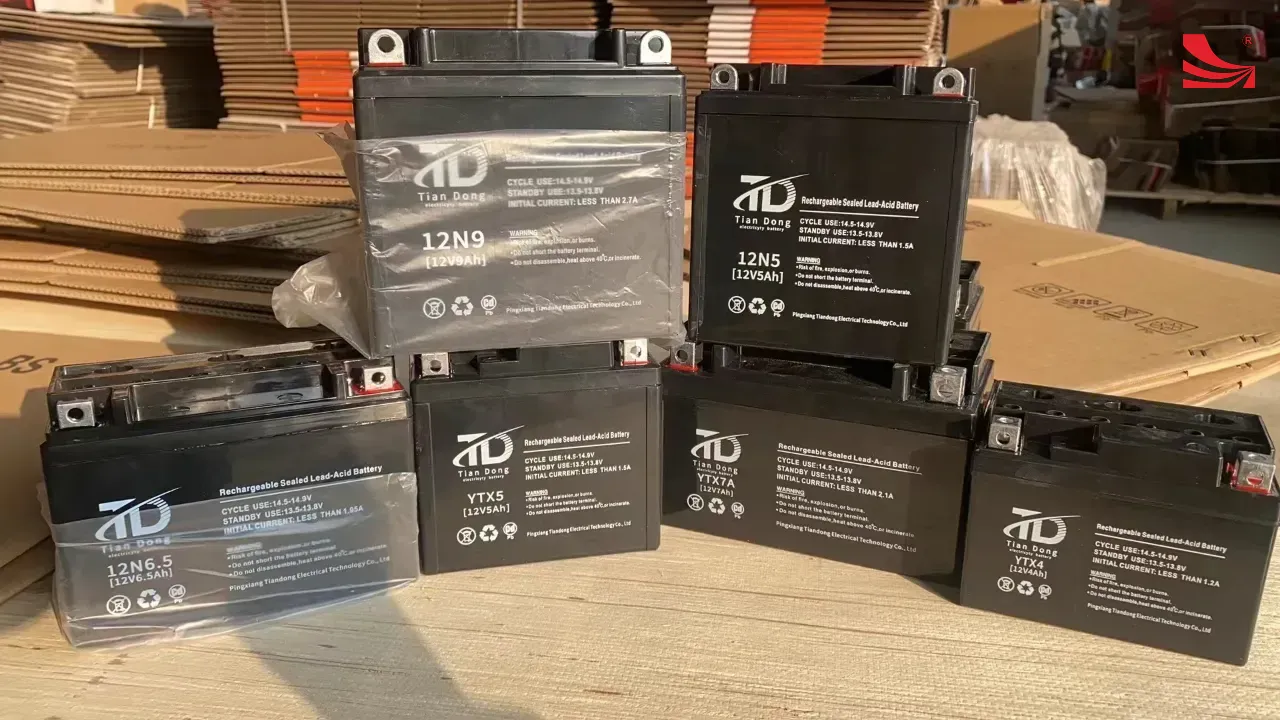
Industry leaders like TIANDONG have mastered the production of these diverse types. With a massive annual production capacity of 6 million batteries, they utilize full in-house manufacturing—from electrode plates to assembly—to ensure that whether you need a conventional or high-performance VRLA battery, the quality remains consistent.
Lead Acid vs. Lithium: Which Motorcycle Battery is Best for You?
The debate of lead acid vs lithium motorcycle battery is common among enthusiasts. While lithium batteries, as noted by sources like TYCORUN, offer significant weight savings (often one-third of lead-acid) and longer lifespans (up to 10 years), lead-acid retains critical advantages:
- Cost-Effectiveness: Lead-acid batteries are significantly more affordable, often costing 50% to 200% less than lithium alternatives.
- Cold Weather Performance: Lead-acid chemistry is more forgiving in freezing conditions. At 0°C (32°F), a lead-acid battery may lose capacity but generally retains cranking ability better without the "wake-up" cycle required by some lithium batteries in extreme cold.
- Robustness: They are less sensitive to the precise charging requirements that lithium chemistries demand, making them a safer "drop-in" replacement for older electrical systems.
Advantages of Choosing a Motorcycle Lead Acid Battery
Beyond the initial price tag, the motorcycle lead acid battery offers several functional benefits:
- Reliability: Decades of refinement have made them incredibly predictable and durable.
- OEM Standard: Because they are robust and cost-efficient, they remain the standard equipment for the vast majority of new motorcycles.
- Recyclability: Lead-acid batteries are among the most recycled consumer products in the world, making them a sustainable choice when disposed of correctly.
- Supply Chain Stability: Suppliers like TIANDONG, with their 200-acre factory and 15,000 tons of electrode plate output, ensure a steady global supply, exporting to over 20 countries including Vietnam, India, and Egypt.
Maximizing Lifespan: Essential Maintenance Tips for Your Lead Acid Battery
Proper motorcycle battery maintenance is key to extending the life of your unit. A well-maintained lead-acid battery can last 3-5 years, but neglect can kill it in a single season.
- Charging: Avoid overcharging. Use a smart charger compatible with your specific battery type (AGM vs. Gel vs. Flooded).
- Storage: If the bike is stored for winter, use a battery tender. Sulfation—the crystallization of lead sulfate—occurs when a battery sits discharged, permanently reducing capacity.
- Terminals: Keep terminals clean and tight to ensure maximum cranking amps reach the starter.
- Inspection: For conventional batteries, check fluid levels regularly. For sealed AGM motorcycle battery models, inspect for any case bulging or cracks.
TIANDONG’s rigorous quality control, involving steps like automated assembly and capacity testing, ensures their batteries leave the factory in peak condition, but user maintenance is vital to keep them there.
Choosing the Right Motorcycle Lead Acid Battery for Your Ride
Choosing a motorcycle battery involves more than just fitting the box in the tray. You must consider:
- CCA (Cold Cranking Amps): The current the battery can deliver at 0°F for 30 seconds. Higher is generally better for cold starts.
- Amp-Hour (Ah): A measure of capacity. How long the battery can run electronics without the engine running.
- Terminal Configuration: Ensure the positive and negative posts are on the correct sides for your cables.
Whether you need a high-performance battery for a touring bike or a standard unit for a commuter, manufacturers offering OEM & ODM services, like TIANDONG, can provide tailored solutions that meet specific regional and vehicle requirements.
Why TIANDONG is a Leading Global Supplier of Motorcycle Lead Acid Batteries
Founded in 2007 and located in Luxi County, Pingxiang Tiandong Electric Appliance Co., Ltd. has established itself as a powerhouse in the battery industry. With over 15 years of expertise, they demonstrate what high-level manufacturing looks like in 2026.
- Scale: Their 121,800 m² facility produces 6 million high-energy batteries annually.
- In-House Mastery: Unlike assemblers who buy parts, TIANDONG manufactures everything in-house, including the critical electrode plates (15,000 tons output), ensuring superior quality control and lower costs.
- Global Compliance: Their products meet CE, RoHS, and MSDS standards, facilitating exports to major markets like Thailand and India.
- Customization: They offer comprehensive OEM & ODM services, allowing for custom branding and performance tuning to match specific motorcycle battery lifespan needs.
The Future of Motorcycle Lead Acid Batteries: Innovation and Sustainability
Innovation in lead alloys and case designs continues to push the boundaries of what these batteries can do. With established recycling infrastructure and manufacturers like TIANDONG refining production efficiency, the lead-acid battery remains a sustainable, high-performance, and essential component of the global motorcycle industry.
Conclusion
In 2026, the motorcycle lead acid battery continues to power the majority of the world's rides. Whether you opt for a conventional motorcycle battery for its economy or an AGM for its durability, understanding the technology is key. By following proper motorcycle battery maintenance and choosing reputable brands like TIANDONG motorcycle batteries, riders can ensure reliable starts and long-lasting performance on every journey.
FAQ
What is the average lifespan of a motorcycle lead acid battery?
Typically, a motorcycle battery lifespan ranges from 2 to 5 years, depending heavily on usage, climate, and how well it is maintained during off-seasons.
How often should I charge my lead acid motorcycle battery?
If the motorcycle is not ridden regularly, it should be connected to a trickle charger or battery tender. During long storage periods, checking the charge monthly is recommended.
Can I use a car battery charger for my motorcycle lead acid battery?
It is generally not recommended. Car chargers often deliver high amperage that can overheat and damage smaller motorcycle batteries. Always use a smart charger designed for motorcycles.
What are the main differences between AGM and conventional lead acid motorcycle batteries?
An AGM motorcycle battery is sealed, maintenance-free, and resistant to vibration, whereas a conventional motorcycle battery has liquid acid that requires periodic water level checks.
Why are lead acid batteries still used for motorcycles despite newer technologies?
They offer an unbeatable combination of affordability, reliability, and standardized fitment. They are also 100% recyclable and less sensitive to charging irregularities than lithium options.
How do cold temperatures affect motorcycle lead acid battery performance?
Cold temps increase internal resistance and lower capacity. A battery that starts a bike easily at 70°F might struggle at 30°F, which is why maintaining a full charge is critical in winter.
What does CCA mean for a motorcycle battery?
CCA stands for Cold Cranking Amps. It measures the number of amps a battery can support for 30 seconds at 0°F (-18°C) while maintaining at least 7.2 volts.
Where can I find reliable lead acid motorcycle batteries like those from TIANDONG?
You can find them through authorized global distributors or by contacting the manufacturer directly for OEM/ODM opportunities, especially if you are looking for certified quality standards like CE and RoHS.
References

Bulk Motorcycle Batteries Direct from Factory – Save Costs, Boost Profit
High Performance Motorcycle Batteries for Global Markets

Tiandong Electric Appliance Showcases High-Performance Motorcycle Batteries at Guangzhou Expo

What kind of battery is best for a motorcycle?

The Ultimate Guide to Electric Scooter Batteries: Performance, Longevity, and Future Innovations (2026 & Beyond)

The Ultimate 2026 Guide to Motorcycle Battery Types: Choose, Maintain, and Upgrade for Peak Performance
Product
Are your batteries maintenance-free?
Yes, our batteries are sealed VRLA or GEL types that require no water refilling. They are ready to use and easy to maintain.
Why does my motorcycle battery keep dying?
Common causes include:
-
Faulty charging system
-
Parasitic drain
-
Old battery
-
Improper storage
What causes motorcycle batteries to fail?
Common causes include over-discharging, extreme temperatures, poor charging systems, and low-quality manufacturing materials.
What is the typical lifespan of your batteries?
Depending on the model and usage conditions, our batteries typically last between 2 to 4 years under normal operation.
OEM/ODM
Is an OEM battery safe?
Authentic original equipment manufacturer (OEM) batteries undergo safety testing and certification. Counterfeit batteries do not, and therefore may not have the proper protection inside the cells to prevent overcharging and overheating, which can lead to serious injuries and damage from thermal runaway.
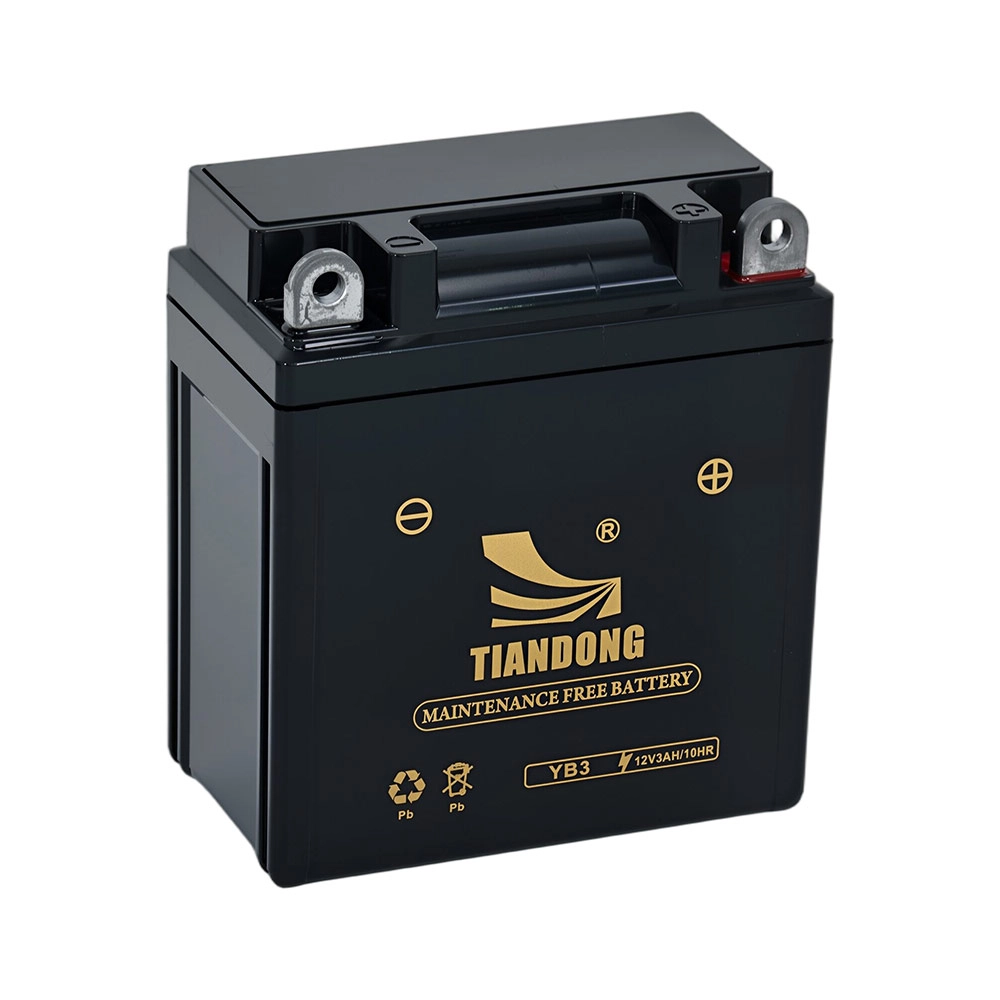
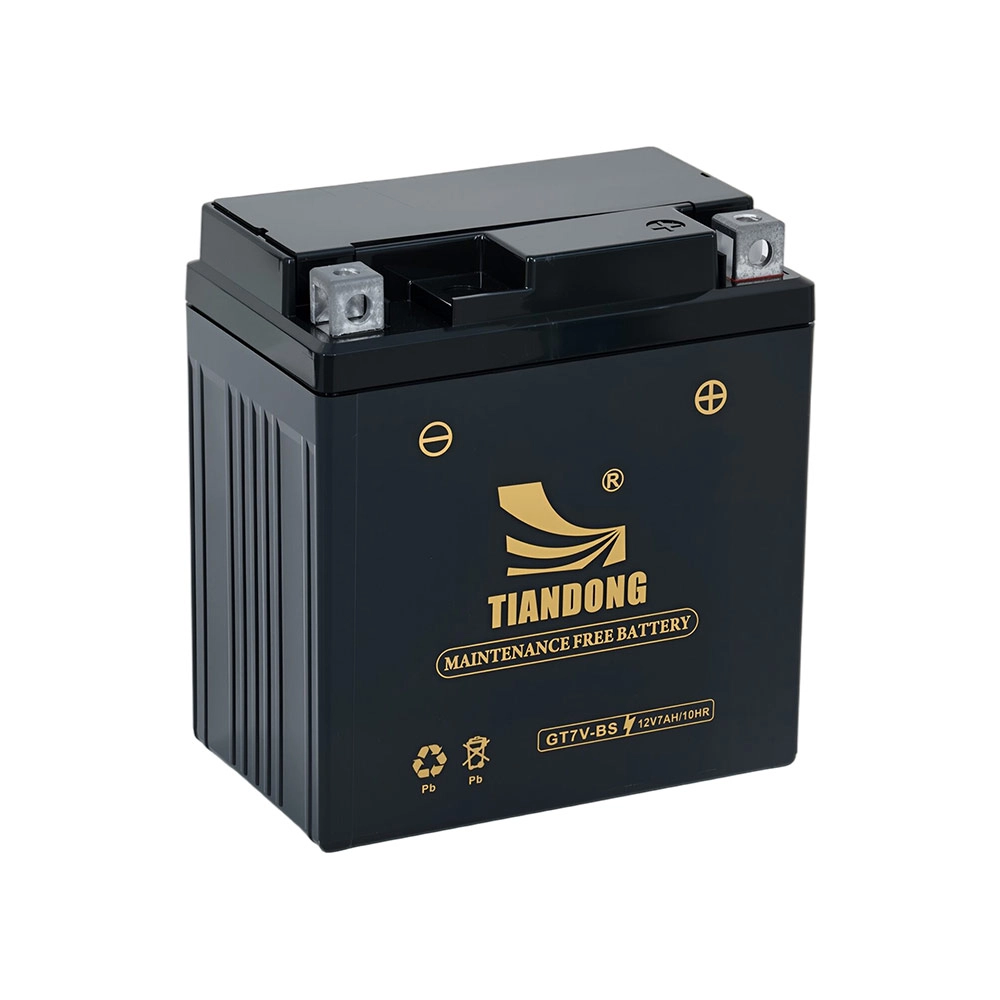
Get in touch with us to get your Motorbike Battery solution
TIANDONG is a leading motorcycle battery manufacturer offering OEM/ODM service, stable quality, and global export support.
Built for wholesalers. Trusted by global buyers. Delivered with confidence.
Say Hello
E-mail: daisybattery8@gmail.com
xianyingchen83@gmail. com
WhatsAPP: +86 134 283 86694
+86 134 348 86641
Our Location
Social Links
© 2025 TIANDONG. All Rights Reserved. Privacy Policy | Terms and Conditions | Sitemap
 Scan QR Code
Facebook
Instagram
Scan QR Code
Whatsapp: +8613434886641